Wednesday mornings bring an entirely different kind of traffic to the countryside near Brookville. White’s Farm Flea Market and Auctioneers transforms its rural setting into a sprawling marketplace where hundreds of vendors can fill tables with antiques, collectibles, produce, baked goods, tools, household finds, and unexpected treasures.
Part of the excitement comes from arriving without knowing exactly what you might discover. Auctions and old-fashioned market energy add to the experience, while longtime traditions give the gathering a strong community feel. For bargain hunters and curious road trippers, this weekly Indiana market makes an ordinary Wednesday feel like a treasure-hunting adventure.
A Farm Field That Changes Shape by Sunrise
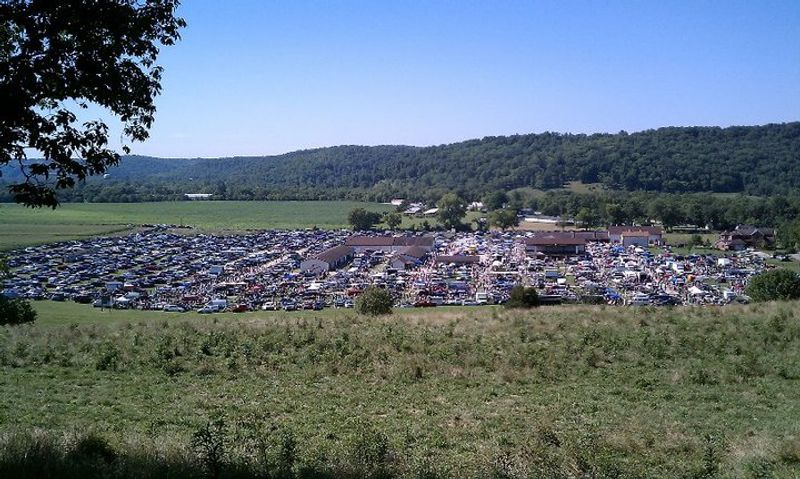
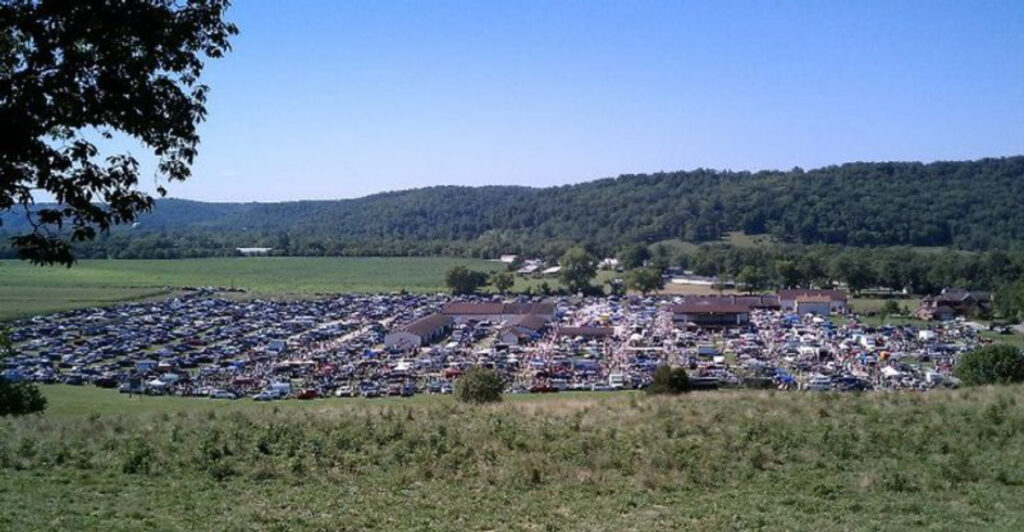
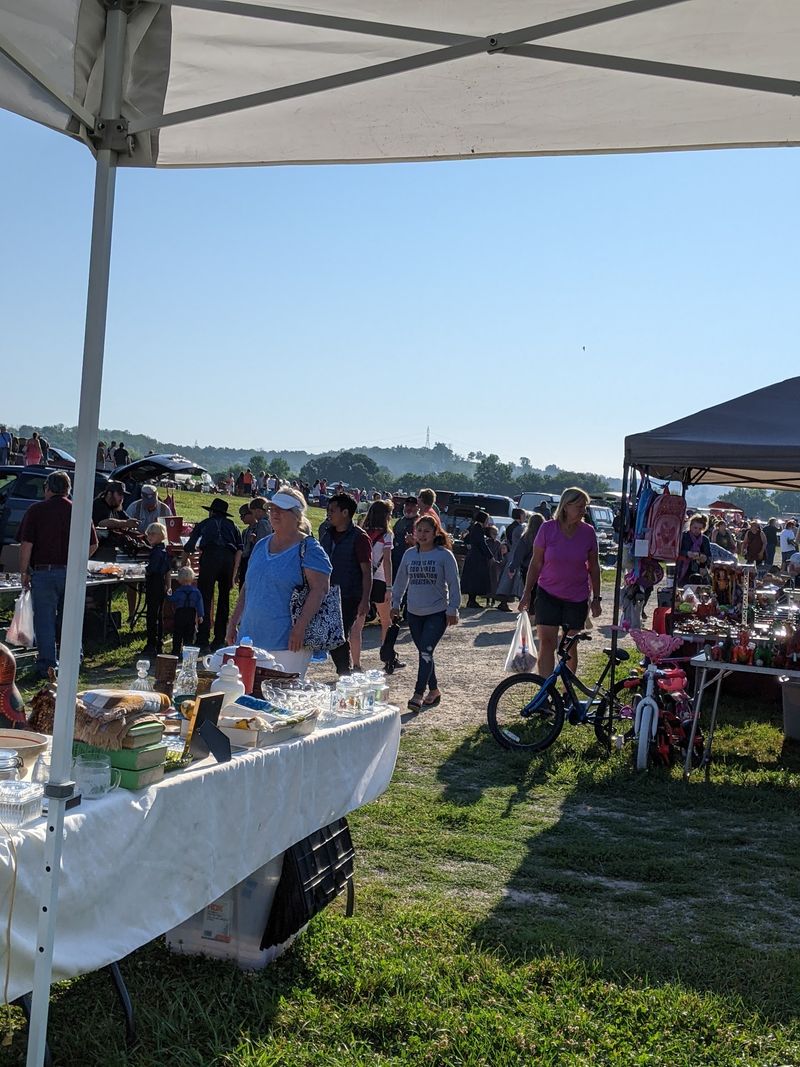
At daybreak, the property does not read like a polished retail center. It looks like a working patch of rural Indiana that has learned how to host a crowd, with open space, parked vehicles, tables unfolding, and people moving with purpose before the sun gets high.
That first impression matters because White’s Farm is rooted in land, not a mall parking lot. The farm setting gives the market its character, and the changing layout adds part of the fun.
One week may feel packed and busy, while another can be lighter, especially after rough overnight weather. Instead of a fixed indoor maze, the market spreads out in a way that rewards slow looking.
Shoppers can pass antiques, tools, produce, home goods, crafts, and boxes of odd little objects that do not belong together anywhere except a flea market.
The visual mix is half country fair, half scavenger hunt. There is also a practical side to that open-air setup. Good shoes help, early arrival helps more, and a little patience goes a long way when the ground or traffic flow changes with conditions.
Rain can affect turnout, which means the size of the market may shift from one Wednesday to the next. Even so, the farm backdrop keeps the experience from feeling generic.
Barns, outdoor selling areas, and broad parking space frame the morning with a plain, useful beauty. It is not trying to impress with sleek design.
The place works by letting the setting stay honest. A shopper sees a small farm, then watches it transform into a temporary town of bargains, conversations, wagons, food stands, and tables full of possibility before noon rolls around. That daily reset is part of the market’s appeal, and it begins the minute sunrise touches the field.
Where 500 Vendors Turn Browsing Into a Treasure Hunt
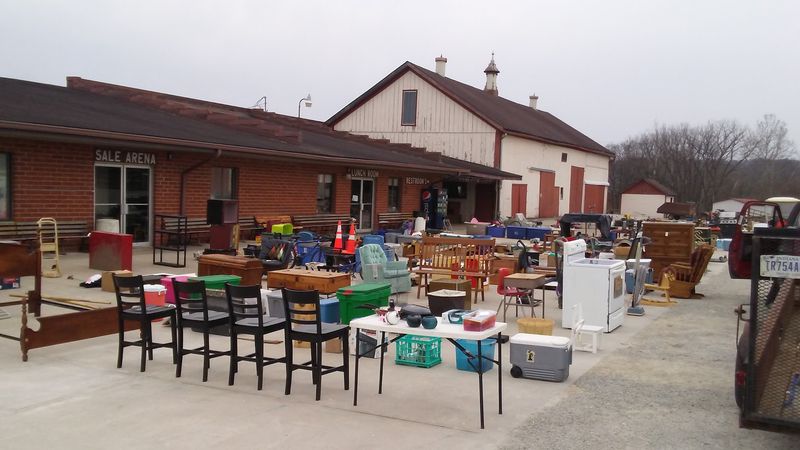
One of the biggest draws here is simple: there can be a huge number of sellers, and that changes how the morning unfolds.
A small errand becomes a hunt, because White’s Farm can spread into a broad mix of booths, tables, trailers, and pop-up spots that keep pulling the eye in new directions.
Big vendor counts matter for more than bragging rights. More sellers mean more overlap, which is great for bargain hunters.
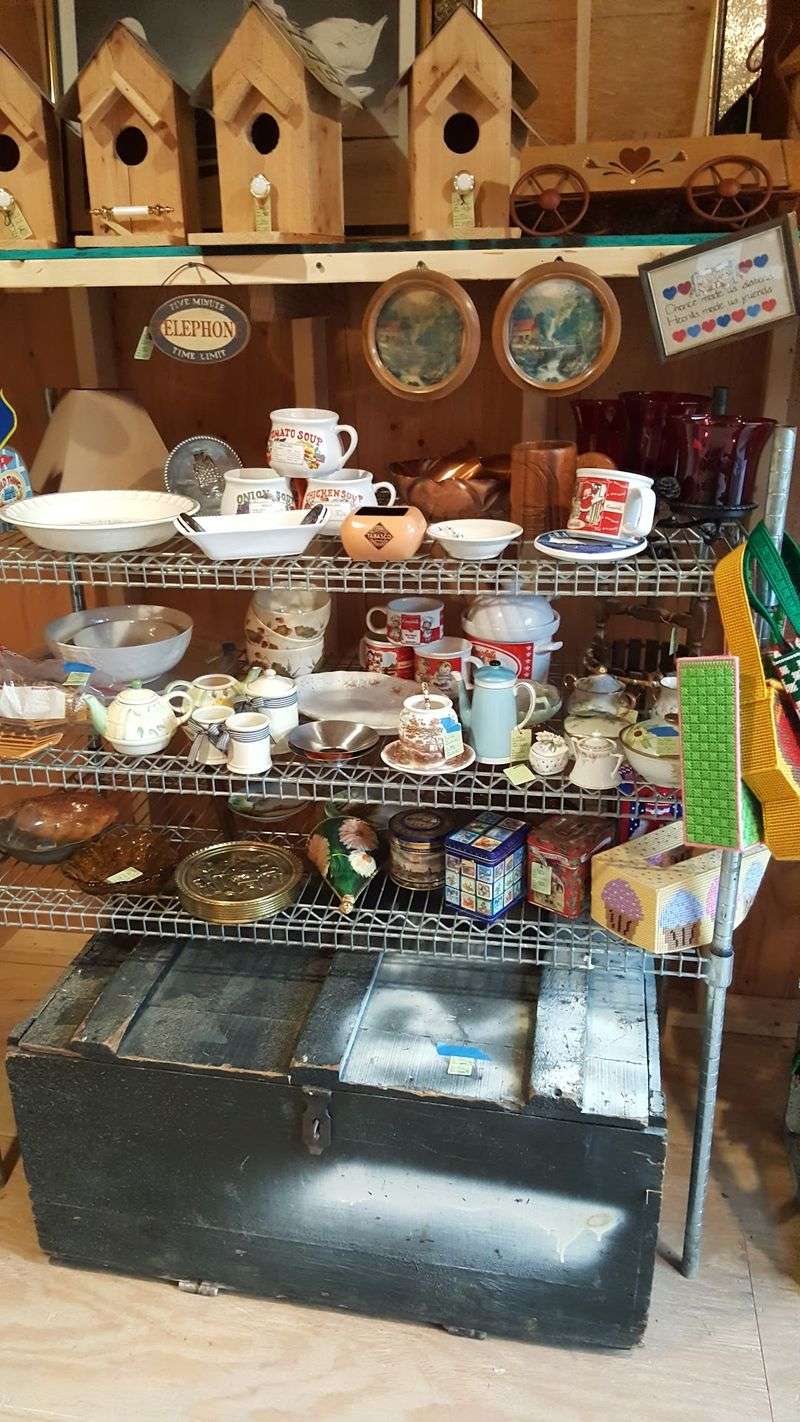
If one table has old kitchenware, another might have tools, another vintage toys, and another a box of mixed odds and ends priced low enough to invite a longer look.
The smart move is to stop expecting neat categories. Flea markets like this reward curiosity, not speed. A shopper can come for one thing, such as canning jars or garden plants, then leave with local honey, a cast iron pan, a stack of records, and a chair that somehow fit the budget.
There is a playful side to all that variety. Good treasure-hunt markets create little moments of surprise, like spotting old Pyrex near work boots, or handmade crafts next to hardware and produce.
That contrast gives the morning its rhythm. Every few steps offer a different kind of table, a different seller, and a different chance to make a deal.
Not every Wednesday will hit peak size, especially when weather cuts attendance, but the market’s reputation comes from scale and variety. It is the kind of place where scanning every row takes real time, and that is the point.
Instead of shopping by list alone, it helps to shop by attention. Look low, look under tables, and circle back if needed.
The next great find may not be in a glass case. It might be sitting in a cardboard box beside a folding chair, waiting for the first person patient enough to notice it.
Fresh Produce, Amish Baking, and the Smell of Midweek Breakfast
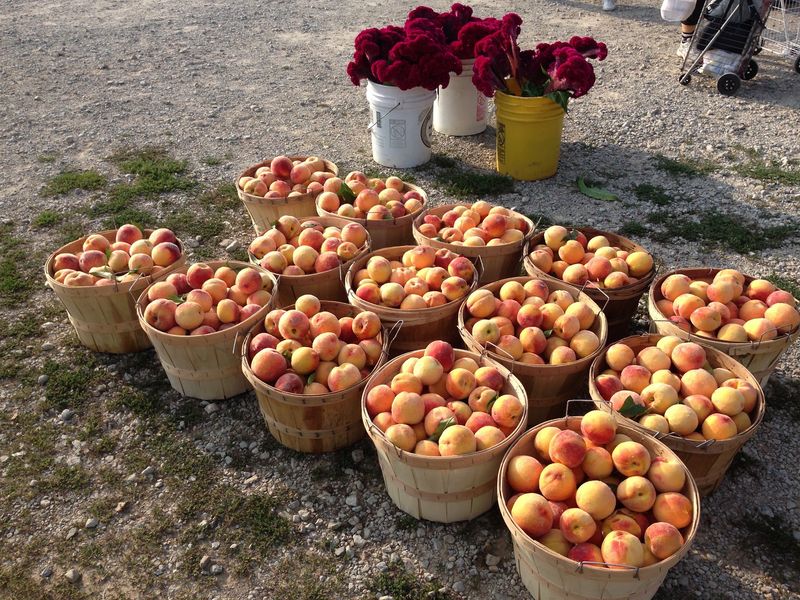
Before some shoppers even reach the antiques, the food tables start doing the convincing. Fresh produce, baked goods, cheese, honey, and jams are a major part of the market’s identity, giving the morning a practical purpose beyond browsing for collectibles.
That mix changes the pace in a useful way. A person can arrive hoping to hunt for old tools or kitchen pieces, then quickly realize the smartest first stop may be the food section.
Popular baked items and farm goods can move fast, especially early, and regulars know not to wait until the end of the morning.
The appeal is easy to understand. Produce brings color, baked goods bring smell, and both make the market feel active in a different way than a row of vintage merchandise.
Loaves, pastries, sweet treats, and simple farm staples turn a treasure hunt into a meal plan. There is also a strong local rhythm here. On a Wednesday morning in rural Indiana, shoppers are not only buying objects.
They are stocking kitchens, picking up ingredients, and treating the trip as part outing, part errand. That practical usefulness is one reason the market remains more than a novelty stop.
Food options near the front add another layer. A hot breakfast or snack makes a difference when the shopping starts at daybreak.
It is much easier to keep walking rows of tables after coffee and something warm, especially when the morning air still carries a little chill.
For first-time visitors, a good plan is to bring cash, carry a sturdy tote, and make a pass through the food vendors before settling into slower browsing. Soft baked goods and produce are not ideal purchases after hours in the sun or a long walk across the grounds.
By the time bags start filling with bread, cheese, honey, or vegetables, White’s Farm has already done more than offer things to look at. It has turned a Wednesday stop into a working country market with breakfast in the air.
Brookville, Indiana Keeps a Wednesday Tradition Alive
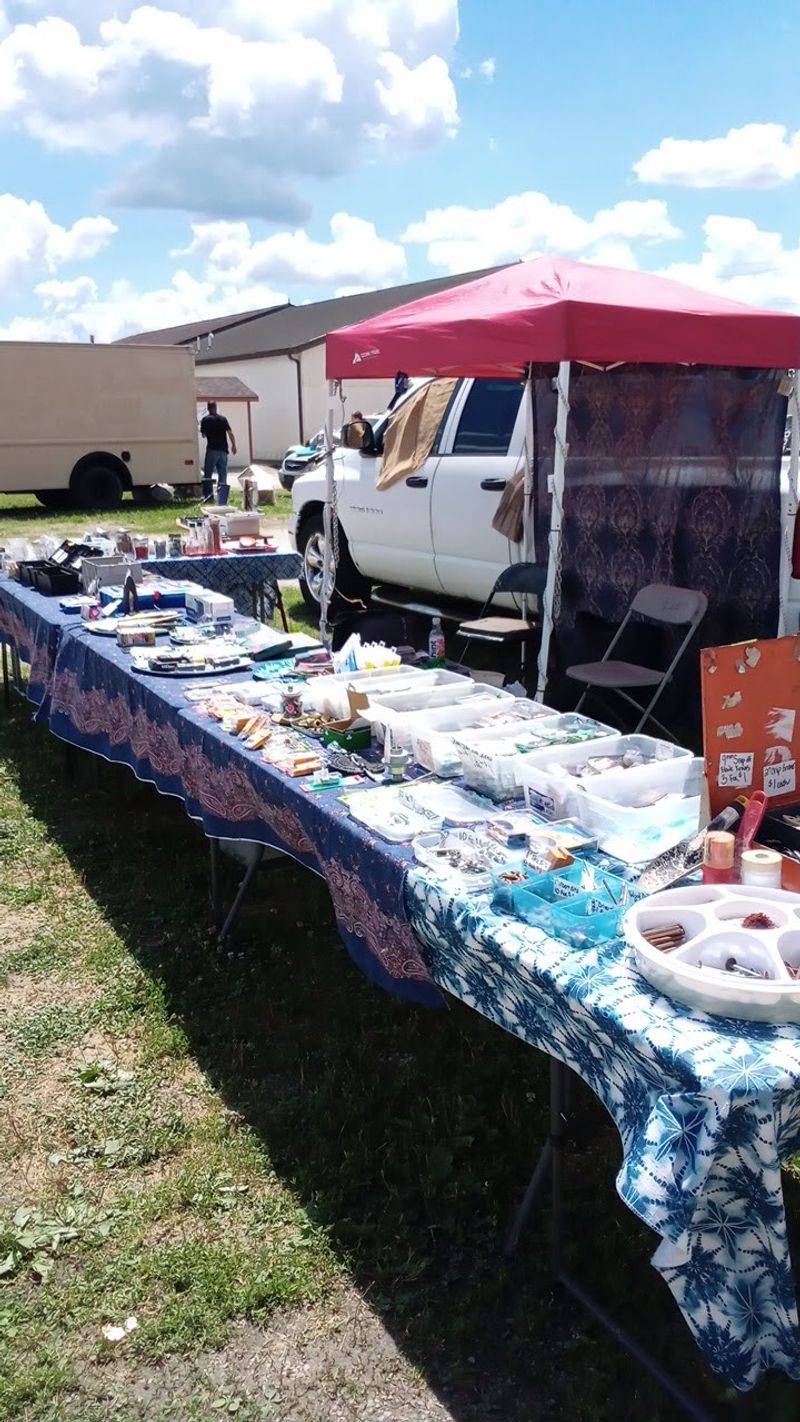
Plenty of markets sell old stuff. Far fewer carry a rhythm that has lasted long enough to become part of local routine.
White’s Farm stands out because its Wednesday schedule is tied to a tradition stretching back more than a century, and that age gives the place weight.
History here does not need fancy signs or museum panels to make its point. It shows up in the habits. People know they need to come early. Sellers work around the midweek pattern. Shoppers treat Wednesday morning not as an odd exception, but as the natural time this market comes alive.
That old schedule also explains why the place operates differently from weekend flea markets. Many vendors have other commitments on Saturdays and Sundays, so the midweek setup remains practical as well as historic.
What might seem unusual to a newcomer is part of how White’s Farm has kept going for generations. The sense of continuity shapes the crowd, too. Longtime visitors, families, casual browsers, bargain hunters, and vendors clearing out useful items all meet in the same space.
Some come for antiques, some for produce, some for auction activity, and some because a Wednesday visit has become stitched into the season.
There is a nostalgic edge without turning the market into a reenactment. The place is still working, still changing, and still dependent on weather, turnout, and whatever people bring to sell.
That keeps it alive in the present instead of freezing it in memory. For readers thinking about why old markets matter, White’s Farm offers a clear answer.
It creates an active exchange where local goods, secondhand objects, and practical buying still happen face to face. That kind of commerce teaches patience, comparison, and conversation better than a screen ever can.
Brookville does not need a giant event arena to host an interesting tradition. On Wednesday mornings, this farm becomes a living piece of Indiana market culture, still useful, still social, and still shaped by the same weekly clock that built its reputation.
Auction Energy Adds a Second Layer to the Morning
Just when the flea market already seems busy enough, the auction side adds another current of motion. White’s Farm is not only a place to browse tables at your own speed.
It also carries the faster pulse of an auction, where timing, attention, and quick decisions matter. That changes the whole personality of the property. A flea market lets shoppers drift.
An auction asks them to focus. When both happen on the same grounds, the morning becomes more layered, mixing calm browsing with a burst of competitive energy around selected items.
For some visitors, the auction is the main event. It offers a way to move items quickly, whether someone is selling household goods, farm-related pieces, or useful leftovers from a cleanout.
For buyers, it creates the chance to watch value form in real time instead of reading a price tag. Even if a shopper never raises a hand to bid, the auction remains worth seeing. It helps explain why White’s Farm carries the word auctioneers in its name and why the place feels different from a simple roadside market.
There is an extra sense of purpose in the air when a crowd gathers and the pace suddenly tightens. That variety also broadens who shows up. Some visitors want produce and baked goods.
Others want antiques. Some are hunting a practical deal on equipment or household items. The auction folds those interests together under one weekly schedule, giving the market a stronger backbone than a single-purpose event.
Newcomers should pay attention to timing and be ready to move if auction action is on the agenda. It is easy to lose track of the clock while browsing, then realize the faster part of the day is about to begin.
By blending free-form shopping with structured selling, White’s Farm avoids a one-note experience. One area asks people to wander.
Another asks them to decide. That shift in pace gives the Wednesday market a sharper edge and keeps the grounds humming almost until closing time.
The Best Strategy Is Early, Comfortable, and Curious
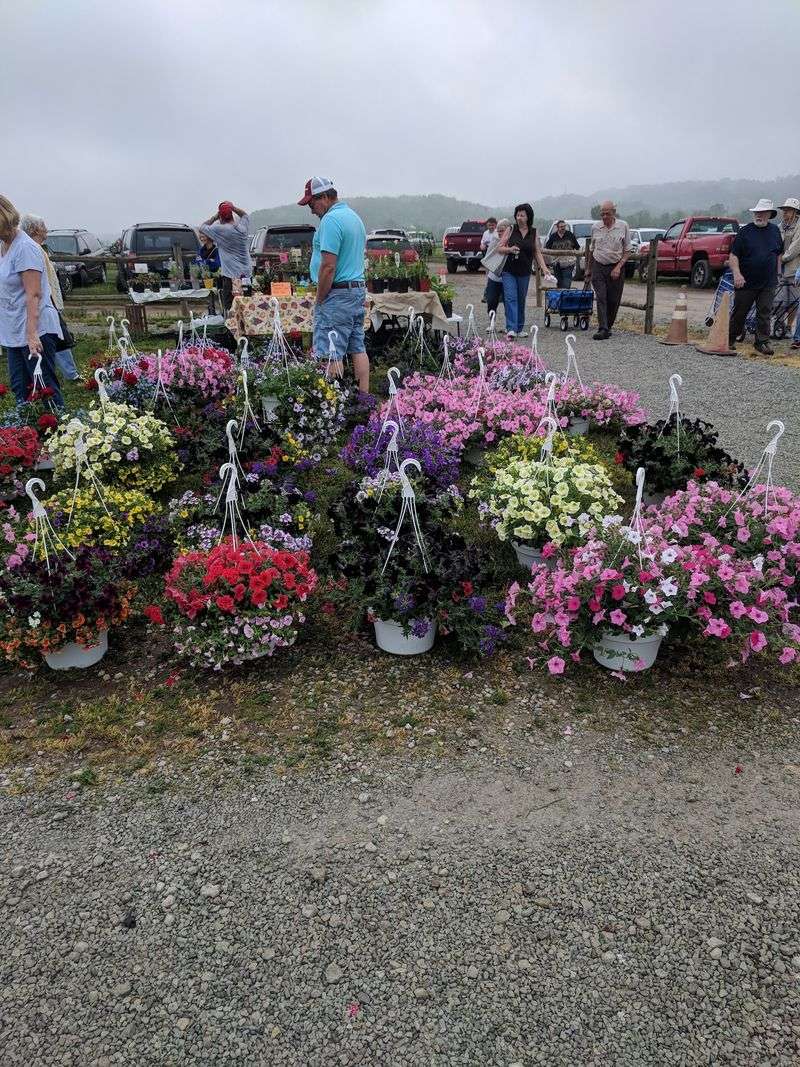
Sleepy eyes and a hot coffee are part of the uniform here. White’s Farm opens early and closes at noon, so the market rewards people who treat it like a morning mission instead of a late brunch plan.
Waiting too long can mean slimmer choices and sellers already packing up. The best approach starts with realistic expectations. This is not an all-day indoor expo with climate control and endless hours.
It is a Wednesday country market that runs on daylight, weather, and the habits of working vendors. Go early, park, get moving, and save the slow second look for rows that seem richest.
Comfort matters more than style. Wear shoes that can handle walking and uneven ground. Carry cash if possible, bring a tote or wagon, and leave enough room in the car for surprise purchases.
Flea markets are famous for making people buy things they did not plan on buying, and White’s Farm has that same habit. Curiosity is the other key tool. Some shoppers miss good finds because they search only for one exact object.
Better results usually come from scanning widely, checking mixed boxes, and asking simple questions. A seller may have extra items tucked away, or be ready to bundle several pieces at a better price.
Timing also shapes what kind of visit you get. The earliest stretch tends to be strongest for popular foods and the broadest selection.
Mid-morning can be good for slower browsing, while later hours may offer bargaining opportunities, though inventory and vendor count can thin out.
Families, collectors, and casual browsers can all have a good morning here if they plan around the rhythm instead of fighting it. That means an early start, a little patience, and an eye for details over polish.
White’s Farm is easiest to enjoy when treated like a live market, not a fixed store. Conditions shift, tables change, and each Wednesday writes a slightly different map across the farm. The fun comes from meeting that map on its own terms.
Why This Midweek Indiana Market Still Stands Apart
Some places succeed by polishing every detail. White’s Farm succeeds by offering a real working market with enough scale, history, and variety to make a Wednesday morning feel full.
That difference is why it stands apart from generic shopping stops and predictable roadside attractions. Its strongest quality is the way several experiences overlap without canceling each other out. The farm setting gives it visual identity.
The vendor spread creates the hunt. Produce and baked goods add usefulness. The auction introduces urgency. Together, those pieces build a market that can satisfy a collector, a bargain chaser, a hungry early riser, and a family looking for an outing.
There are also quirks, and the quirks are part of the truth. Hours are brief. Weather can affect attendance. Some Wednesdays will be larger than others.
That unpredictability may frustrate shoppers who want a fully controlled retail environment, but it also protects the market from becoming flat and forgettable.
White’s Farm asks visitors to meet it halfway. Show up early. Pay attention to the sky. Expect variety instead of neat curation.
Accept that one week might overflow with sellers while another feels leaner. In return, the place offers the possibility of a memorable haul, a fresh bag of baked goods, and a closer look at how local trade still works in person.
That is a rare combination now. More and more buying happens online, where every search result looks sorted and every listing feels sealed off from place.
Here, buying still involves walking, noticing, comparing, talking, and deciding on the spot. For Indiana travelers, regional shoppers, or anyone who likes markets with a strong local pulse, White’s Farm remains a standout stop. On paper, it is open only a few hours each week.
In practice, those few hours turn a small farm in Brookville into a lively, many-sided treasure hunt that starts at sunrise and moves fast.
Share this story