History is a little easier to appreciate when you can see it still at work. At Bonneyville Mill County Park in Bristol, a restored 19th-century grist mill continues to grind grain into fresh flour using historic water-powered machinery, offering visitors a rare glimpse into Indiana’s agricultural past.
Surrounded by scenic trails, wooded landscapes, and the Little Elkhart River, the park combines living history with outdoor recreation in one memorable destination. Whether you’re fascinated by traditional craftsmanship, local history, or simply looking for a unique day trip, this historic Indiana mill delivers an experience that’s both educational and beautifully preserved.
Where the Creek, Trees, and Mill Set the Scene
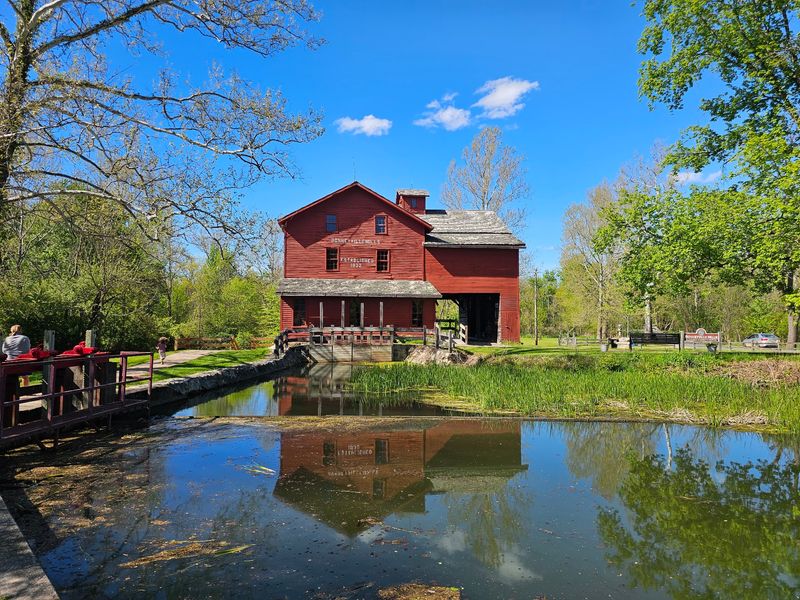
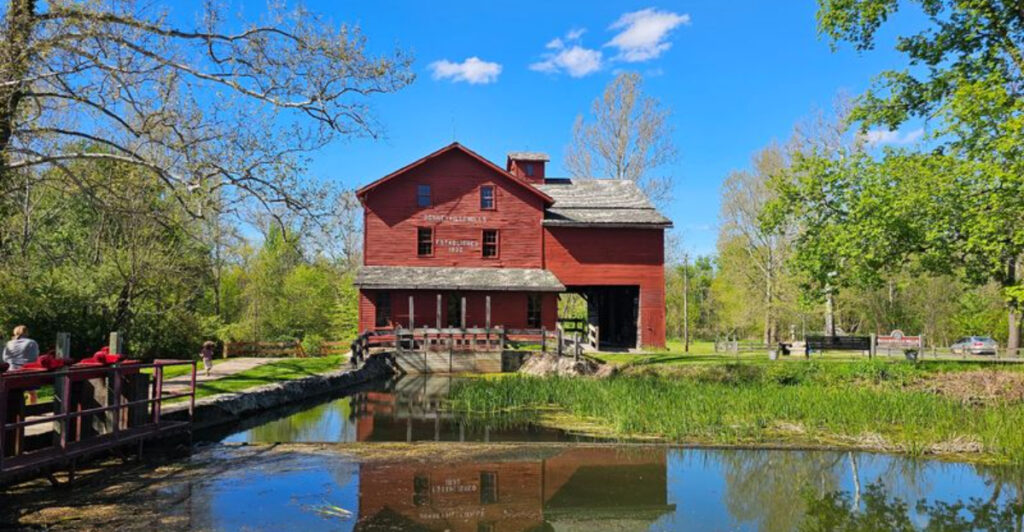
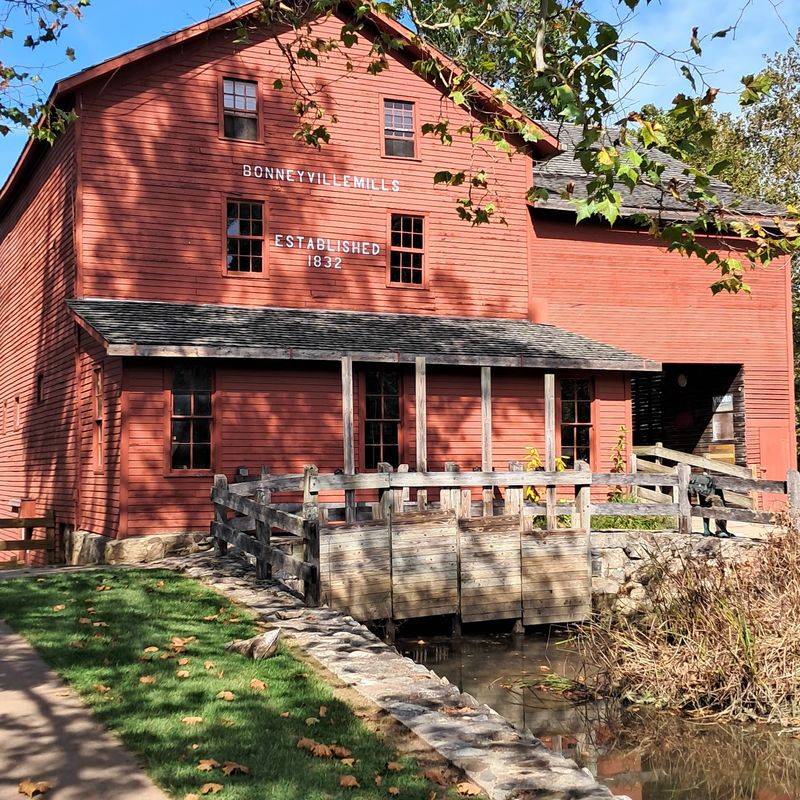
Long before the mill starts clattering, the setting already tells part of the story. Bonneyville Mill County Park sits in a green stretch of Elkhart County where water, trees, and old structures work together to create a strong first impression.
Instead of a busy roadside attraction, the place opens up in a calmer way, with the mill near the creek and trails spreading out into the larger park.
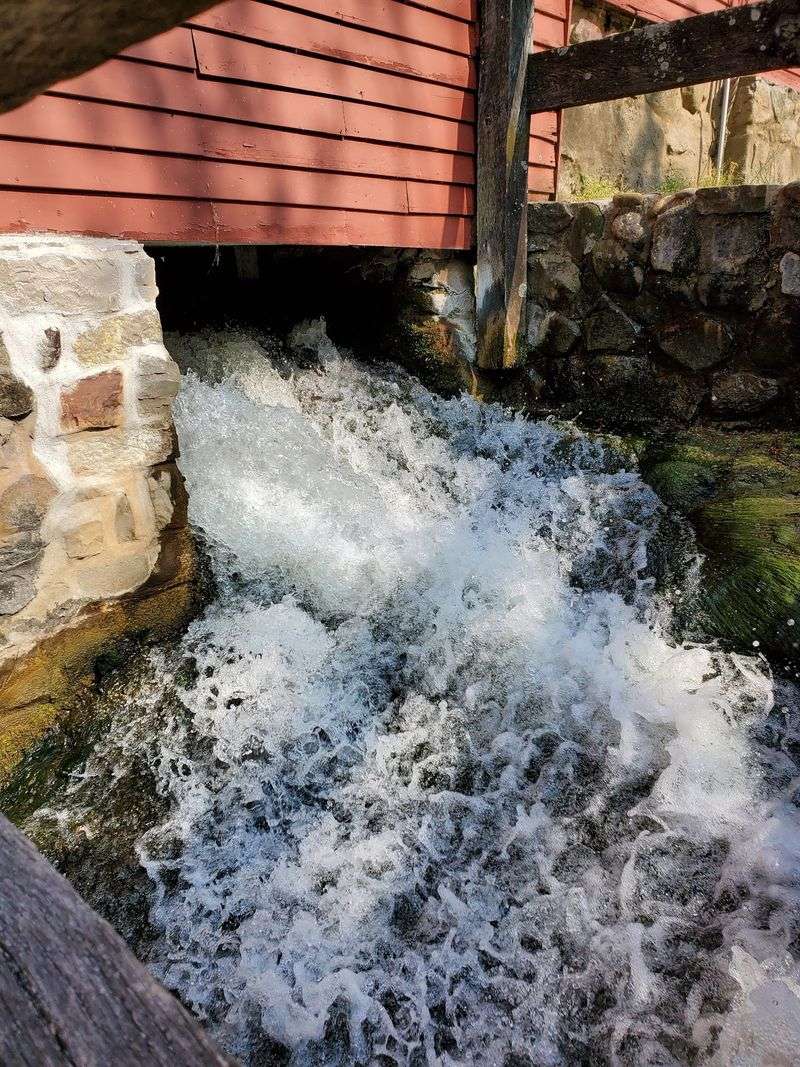
The landscape helps explain why a mill belonged here in the first place. Flowing water was power, and at Bonneyville that fact is easy to understand when you stand near the stream and look at the building beside it.
The surrounding grounds add to that sense of purpose, because the mill is not isolated on a tiny historic lot. It is part of a broad county park with picnic spaces, ponds, bridges, and wooded routes that make the site feel lived in rather than frozen in time.
That visual mix matters for families and casual travelers who may not plan a history-heavy stop. Even before stepping inside, there is enough to catch the eye: stonework, moving water, open grass, and the kind of shade that makes a summer walk easier.
Photographers also get a lot from the layout, since the mill looks different from each angle and the water brings motion into nearly every view.
A smart first move is to slow down and walk the area around the mill before rushing indoors. Seeing the creek, the slope of the land, and the nearby park features gives the machinery inside more meaning later.
By the time the doors open and grain starts moving through the building, the outside setting has already explained why Bonneyville Mill still belongs exactly where it stands.
Inside the Grinder Room, Old Machinery Still Does the Job
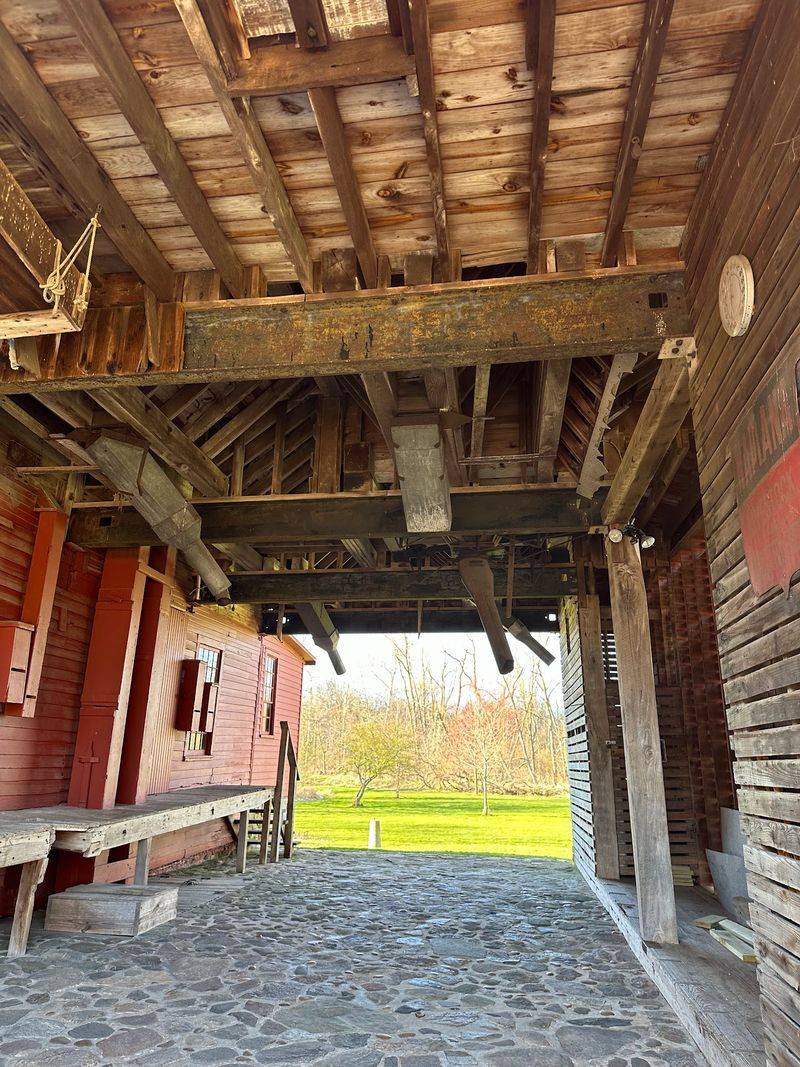
A lot of historic mills look interesting from the outside and then turn quiet inside. Bonneyville Mill breaks that pattern because the machinery is the main event, not a backdrop.
When the mill is operating, the building becomes a lesson in motion, showing how grain can still be processed with equipment tied to an older way of working.
The most striking part is that the mill is not relying on modern factory tricks hidden behind antique walls. Fresh flour and corn products are connected to traditional grinding methods, and that makes the whole visit easier to understand.
Instead of reading about history from a distance, you can watch parts, shafts, and stones doing the work they were built to do. The sound, the movement, and the steady pace turn a simple tour into a working demonstration.
One especially interesting detail is that the power system is not the classic giant wheel many people expect in storybooks. Bonneyville uses a turbine setup shaped by local water conditions and terrain, which shows that old mills were practical machines built for specific places.
That detail alone makes the site more memorable, because it replaces a common picture with a smarter real-world solution.
For kids, the machinery offers a clear cause-and-effect lesson. Grain goes in, moving parts guide the process, and a useful food product comes out.
For adults, the appeal often comes from seeing how durable and repairable older systems were compared with modern throwaway equipment.
If the mill staff is demonstrating the process, take time to watch from start to finish. The full sequence helps connect every belt, stone, and chute into one complete job.
By the end, the building stops looking like a museum piece and starts reading like a hardworking machine that never quite retired.
Fresh Flour Is the Real Souvenir
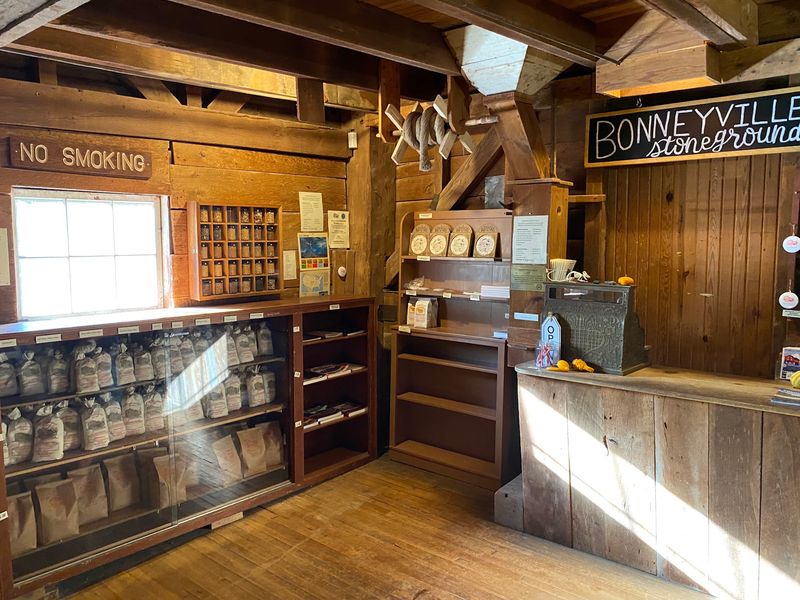
Some places send visitors home with a postcard or a keychain. Bonneyville Mill County Park offers something far more memorable: flour and other grain products freshly milled on site.
That simple difference turns the visit into more than a history lesson because guests can take home something directly connected to the experience they just watched unfold. Fresh flour, cornmeal, grits, and other milled products create an easy bridge between the past and everyday life.
Watching grain pass through historic equipment is fascinating, but bringing home ingredients produced at the mill makes that history feel practical rather than distant. It is an experience that children understand quickly and adults often appreciate even more once they begin cooking with the finished product.
Freshly milled grain also has qualities that stand out from many supermarket options. Texture, aroma, and appearance can feel noticeably different, especially for people who enjoy baking or cooking from scratch.
Even visitors who rarely bake often like the idea of taking home something made at the destination itself rather than another mass-produced souvenir. The best approach is to browse the mill store after touring the building.
Product availability can vary depending on the milling schedule and the season, so asking staff what has been freshly prepared is usually the easiest way to discover what is available that day. A small bag of flour or cornmeal also makes an easy gift for anyone who enjoys homemade bread, biscuits, pancakes, or other traditional recipes.
That final stop ties the visit together in a satisfying way. Instead of leaving with only photographs and memories, visitors take home a useful reminder of the experience.
Every loaf of bread, batch of cornbread, or stack of pancakes made later becomes another connection to one of Indiana’s most distinctive historic landmarks.
Indiana History Without the Dusty Museum Feeling
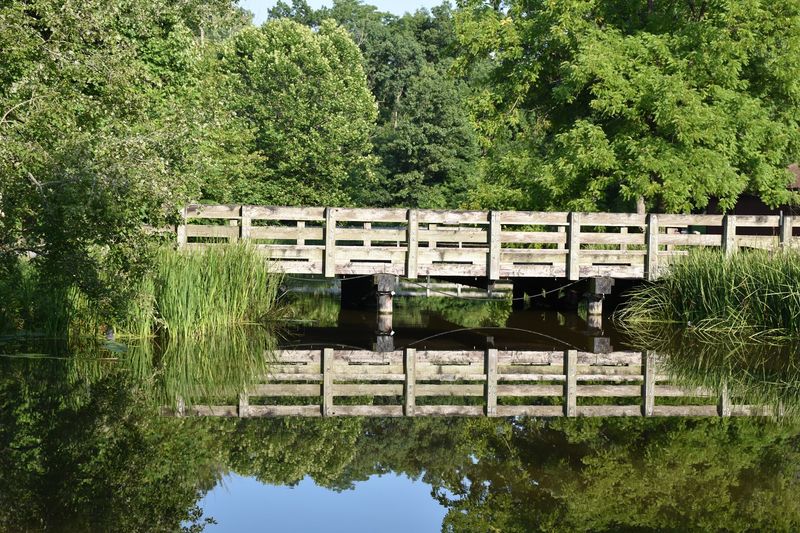
History often feels more memorable when it moves beyond display cases and information panels. Bonneyville Mill County Park offers that kind of experience by letting visitors see a historic workplace in its original setting rather than simply reading about Indiana’s agricultural past.
Instead of imagining how a nineteenth-century grist mill operated, visitors can watch the process unfold in the same building where generations of local farmers once brought their grain. That connection gives the site a different kind of educational value.
The mill is not presented as an isolated landmark but as part of a larger landscape shaped by the Little Elkhart River, surrounding farmland, and the natural resources that made milling possible. Seeing the creek, the mill, and the surrounding park together helps explain why communities like this developed where they did.
Guided demonstrations and interpretive exhibits add another layer when available. Staff help connect the machinery to everyday life by explaining how local grain became flour, why waterpower was so important, and how mills like this supported families and businesses throughout the region.
Those conversations turn technical details into stories that are easy for visitors of all ages to follow. Children often respond well because they can connect what they see with something familiar.
Watching grain become flour makes the process easier to understand than reading about it in a textbook, while adults often come away with a greater appreciation for the craftsmanship and practical engineering that kept communities running long before modern equipment existed. Bonneyville succeeds because it teaches without feeling like a formal history lesson.
Visitors leave with more than a few historical facts. They gain a clearer understanding of how the landscape, the mill, and the people who depended on it were all connected, making this one of Indiana’s most engaging examples of living history.
Beyond the Mill, the Park Gives You Room to Roam
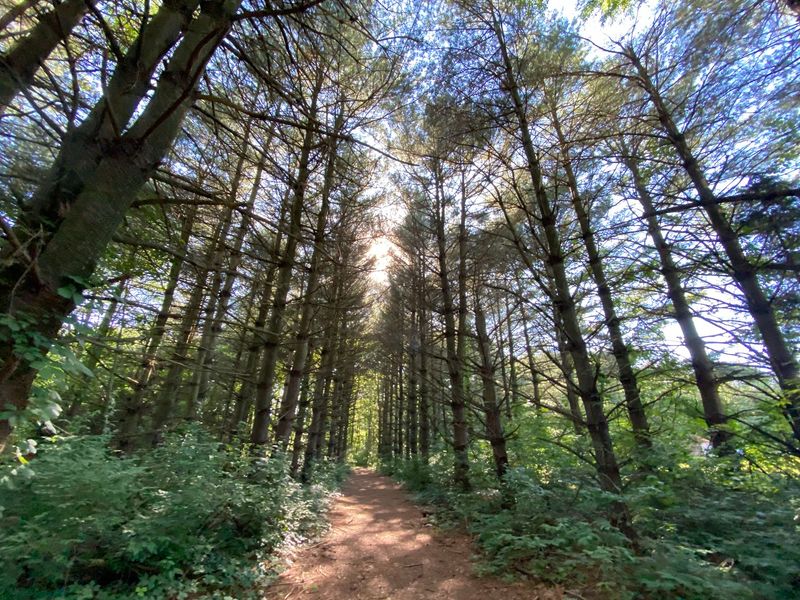
One of the best reasons to visit Bonneyville Mill County Park is that the experience does not end at the mill. Beyond the historic building, the park opens into a landscape of wooded trails, quiet streams, picnic areas, ponds, and scenic overlooks that invite visitors to slow down and spend the rest of the day outdoors.
That variety makes the destination just as rewarding for nature lovers as it is for history enthusiasts. The park’s changing terrain keeps each walk interesting.
Some trails wind beneath mature trees, while others follow the Little Elkhart River or cross bridges that provide peaceful views of the water below. Open grassy areas, shaded picnic spots, and a lookout shelter offer plenty of opportunities to pause, enjoy the scenery, or simply take a break before exploring another section of the property.
Families especially benefit from that flexibility. While some visitors may spend extra time at the mill, others can head straight for the trails, search for wildflowers, enjoy a picnic lunch, or let children burn off energy in the open spaces.
The combination of history and recreation makes it easy for groups with different interests to enjoy the same outing without feeling limited to a single attraction. A little preparation helps make the most of the park.
Some trails can become muddy after periods of rain, and a few intersections are easier to navigate with a trail map. Comfortable walking shoes and a bottle of water go a long way, particularly during warmer months.
That balance of scenery, recreation, and history is what gives Bonneyville such broad appeal. Visitors can learn something new, enjoy a peaceful walk, and spend time outdoors without feeling rushed, turning what could have been a quick stop into one of northern Indiana’s most enjoyable day trips.
Timing Your Visit for the Best Mill Action
A little planning can make a visit to Bonneyville Mill County Park much more rewarding. While the park itself is open daily, the historic mill operates on a more limited schedule, so checking seasonal hours before arriving gives visitors the best chance to experience everything the site has to offer.
Summer and early fall are often the liveliest times to visit. During the operating season, demonstrations and staff presentations are more likely to be available, giving guests a better understanding of how the historic milling process works.
Even when formal demonstrations are not scheduled, staff members are often happy to answer questions and share details about the building’s history and operation. Weather also shapes the experience.
On warm days, many visitors find it easiest to explore the mill first before heading out to the shaded trails, picnic areas, or creekside paths later in the afternoon. After periods of rain, the surrounding landscape becomes especially scenic, although some trails may be muddy, making sturdy walking shoes a better choice than sandals.
Families may want to leave extra room in their schedule as well. Children often move quickly through exhibits at first, then become fascinated by the moving equipment, the sounds inside the mill, or the chance to take home freshly milled products.
Allowing a little extra time lets everyone enjoy the visit without feeling rushed. One simple itinerary works especially well for first-time visitors: tour the mill while it is open, browse the mill store for freshly ground flour or cornmeal, then spend the rest of the afternoon exploring the park’s trails, picnic areas, and scenic overlooks.
That relaxed pace allows visitors to enjoy both the historic landmark and the surrounding county park, creating a day trip that feels complete from start to finish.
Why Bonneyville Stands Out in a State Full of Day Trips
Indiana has no shortage of parks, historic sites, and scenic places to spend an afternoon, but Bonneyville Mill County Park brings those experiences together in a way that feels unusually complete. Instead of asking visitors to choose between outdoor recreation and local history, it blends both into a destination where each part naturally complements the other.
That balance makes the park appealing to a wide range of travelers. History enthusiasts can explore one of Indiana’s best-preserved working mills, while hikers, photographers, cyclists, and families have plenty of reasons to enjoy the surrounding park long after the mill tour ends.
Few attractions manage to appeal to so many different interests without feeling scattered or overbuilt. The setting is just as important as the landmark itself.
Wooded trails, the Little Elkhart River, picnic areas, ponds, and open green spaces give the historic buildings a landscape that still feels connected to their original purpose. Rather than preserving the mill in isolation, the county park helps visitors understand how the surrounding environment shaped everyday life for generations.
Bonneyville also rewards visitors who slow down. Watching the creek flow past the mill, walking a quiet trail through the woods, or enjoying a picnic after touring the historic building creates a visit that unfolds at an easy pace instead of rushing from one attraction to the next.
That slower rhythm is part of the experience and one of the reasons so many people return. For anyone looking beyond Indiana’s better-known destinations, Bonneyville offers something refreshingly authentic.
It combines history, nature, and small-town character into a day trip that feels both relaxing and educational, proving that some of the state’s most memorable places are the ones where the past and the landscape still work together.
Share this story