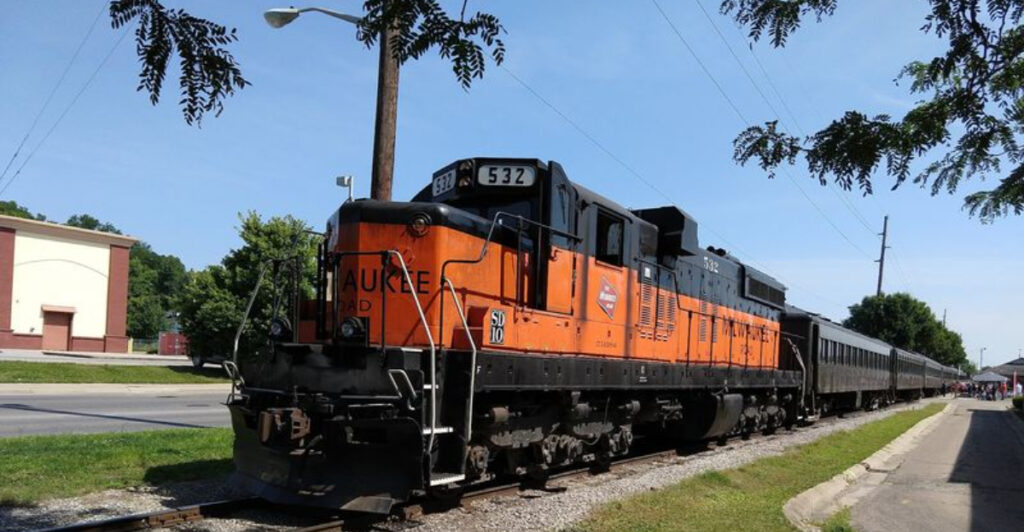
The whistle, the vintage railcars, and the steady rhythm of the tracks make it easy to imagine travel as it once was. Whitewater Valley Railroad in Connersville invites passengers aboard beautifully restored historic trains for a scenic journey through southeastern Indiana, where rolling countryside and the charming canal town of Metamora create a setting that feels wonderfully timeless.
Operated by dedicated volunteers who preserve the region’s railroad heritage, the excursion offers far more than transportation—it’s a chance to experience a living piece of Indiana history. Whether you’re traveling with family or simply love classic trains, this nostalgic ride is well worth the trip.
Steel Wheels, Wooden Town, Instant Time Shift
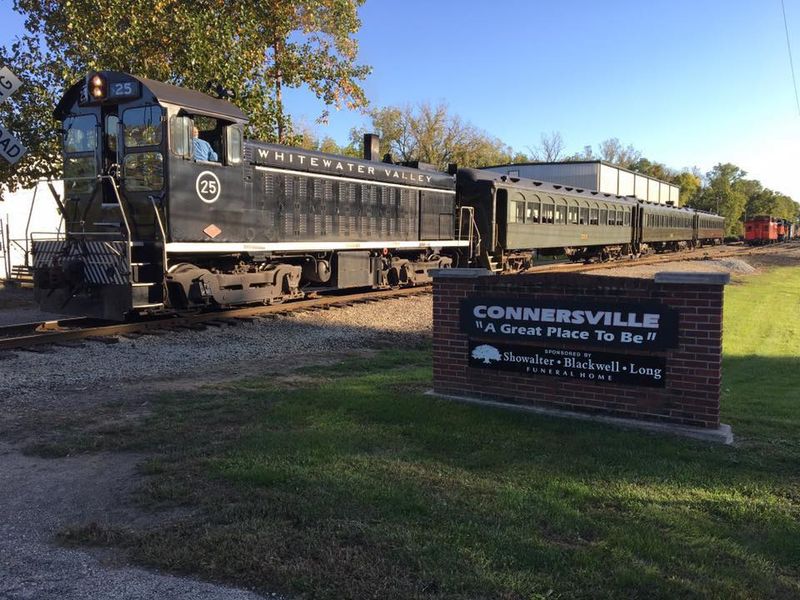
Some places take a while to set the mood, but Whitewater Valley Railroad gets there fast. The station area in Connersville already hints that the day will move at an older pace, and once the train begins to roll, the modern world starts to fade into the background.
Window views, rail sounds, and the steady rhythm of the trip do a lot of the work. The railroad uses historic equipment, so the ride does not try to imitate the past with fake decorations.
It puts riders inside real vintage passenger cars, where the bench seating, opening windows, and changing light create a much stronger sense of time than any themed display could.
Instead of screens and speakers everywhere, the main event is the train itself. That old-fashioned setup matters because the route is not rushed.
The trip gives enough time to notice the countryside, the bends in the track, and the way the cars sway as they move through the Whitewater Valley. It is a physical experience as much as a visual one, which makes the history feel active rather than distant.
Then comes the destination: Metamora, a restored canal town that matches the ride surprisingly well. The connection between train travel and a preserved nineteenth-century village is what lifts the excursion above a basic scenic ride.
You are not just looking at one historic object. You are moving through a whole chain of places that still help explain how travel and trade once worked in Indiana.
For families, rail fans, and day trippers who want more than a quick attraction, that combination gives the outing a clear identity. Whitewater Valley Railroad is not polished into something slick.
Its appeal comes from texture, motion, age, and the simple thrill of traveling by rail to a town where history still has a visible footprint.
The Wild West Theme That Brings the Ride to Life
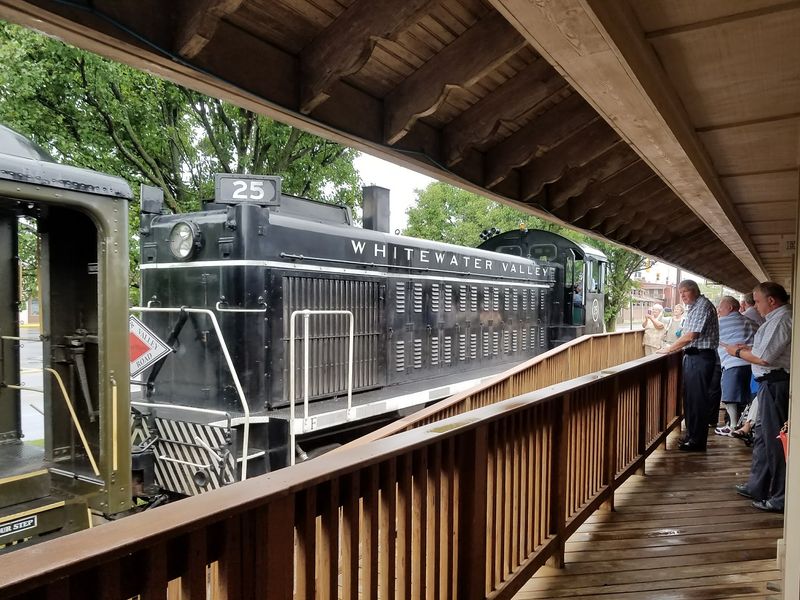
A regular train ride is fun on its own, but the Wild West events give Whitewater Valley Railroad a playful extra kick. On themed runs, riders can get more than scenery and railroad history.
Costumed characters, staged action, and lighthearted storytelling turn the excursion into a moving piece of frontier-style entertainment.
The strongest detail is that the theme is tied to the train experience instead of feeling tacked on. Reports of mock robberies, cowboy banter, and staged shootouts show how the railroad uses the old cars and remote setting to create a believable backdrop.
The point is not perfect movie realism. The point is to create a family adventure that uses the train as a stage. That approach works especially well because train travel already carries a strong Old West image in American culture.
Even though this route is in Indiana, the combination of vintage railcars, open countryside, and live performers taps into the same story world that kids and adults recognize from classic westerns. It turns a quiet excursion into an event with movement, suspense, and a few laughs.
Families should go in expecting friendly, community-style entertainment rather than a giant theme park production. That makes the experience easier to enjoy.
The volunteers and performers appear to focus on interaction, timing, and fun, which can be more charming than something overproduced.
If the goal is to find the trip that best matches the article title, the Wild West rides are the obvious choice. They push the railroad beyond heritage tourism and into live storytelling.
Suddenly the whistle, the tracks, and the stop in Metamora do not just suggest the past. They help act it out, one scene at a time, with enough humor and action to keep younger riders locked in.
Indiana Countryside Through an Open Window
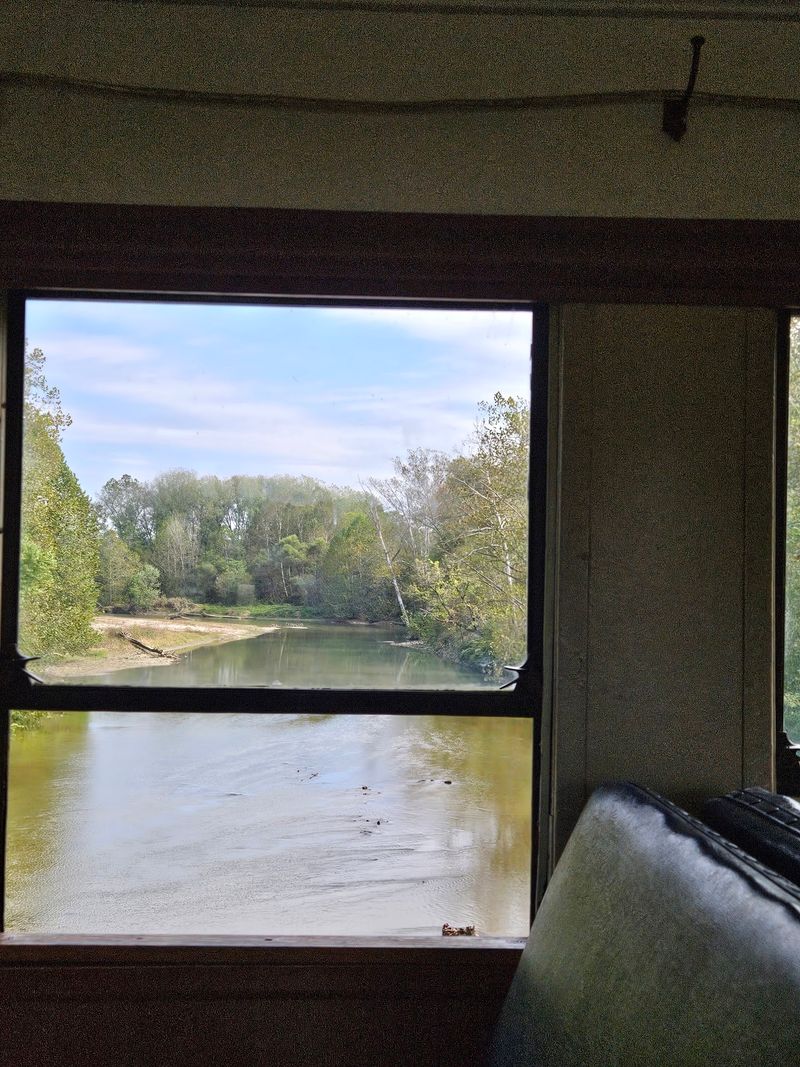
Not every memorable part of Whitewater Valley Railroad is loud or theatrical. A big share of the trip comes from simply watching Indiana slide by through open windows.
The route offers a close look at farmland, river scenery, trees, backyards, and quiet stretches that feel far removed from busy highways.
Because the cars are historic, the ride has an older style of comfort. There is movement, breeze, track noise, and shifting sunlight instead of sealed climate control and thick glass.
On pleasant days, that setup can make the landscape feel close enough to touch, which changes the whole mood of the trip.
There is also a practical side to that old equipment. Warm-weather riders should be ready for heat, since there is no air conditioning on the train.
Opening windows helps, and several riders have noted that the moving air makes a difference, but cooler dates are often a smarter pick for anyone sensitive to summer temperatures.
The scenery itself is not presented as a manicured postcard from end to end. That honesty is part of the charm. Rural railroad lines show the real edges of a place, including pretty stretches along the valley and more ordinary slices of small-town life, and that mix makes the ride feel grounded.
For rail fans, the motion matters as much as the views. The sound of wheels on track, the sway of the coach, and the changing rhythm as the train moves through different sections of the route create a kind of travel that cars cannot copy.
For everyone else, the advice is simple: claim a window seat, keep the phone down for a while, and let the landscape do its job. Whitewater Valley Railroad gives you room to look outward and slow down at the same time.
Metamora Makes the Excursion Bigger Than a Train Ride
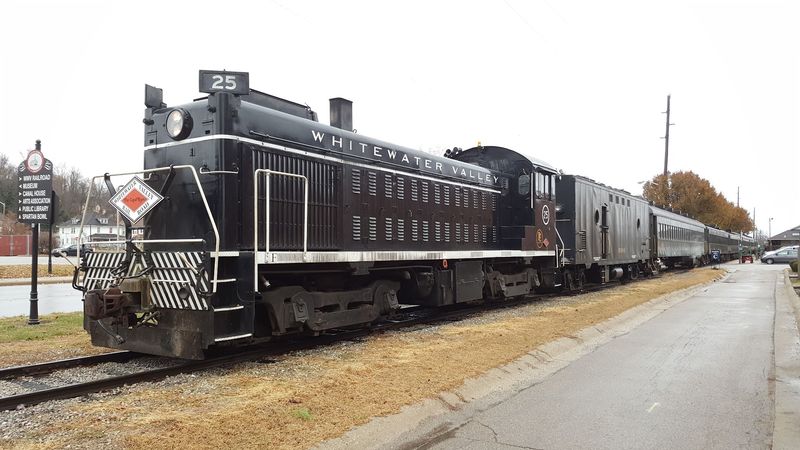
The smartest thing about Whitewater Valley Railroad may be where it takes you. The excursion to Metamora transforms the ride into a full-day experience instead of a simple round trip.
Rather than turning around at the end of the line, passengers step into one of Indiana’s best-preserved canal towns, where historic streets, local shops, and nineteenth-century charm extend the adventure beyond the rails. Metamora offers much more than a place to stretch your legs.
Visitors can browse small stores, enjoy lunch, explore historic buildings, and experience another chapter of Indiana’s transportation history. One of the town’s standout landmarks is its covered wooden aqueduct, a rare surviving structure that helps explain why the community was once an important stop along the Whitewater Canal.
Together with the railroad, it creates a unique opportunity to experience two historic transportation systems in a single outing. Planning ahead helps make the stop more rewarding.
Many excursions allow about two hours in town, although special events sometimes provide longer layovers. If shopping or dining is a priority, start there before exploring side streets and historic sites.
A little planning makes it easier to enjoy the visit without feeling rushed before the return departure. The stop in Metamora is what keeps the railroad from becoming a one-note attraction.
The scenic ride is memorable on its own, but adding a walkable historic village gives the excursion far more depth than a simple train trip. Families can explore at an easy pace, history lovers can appreciate the connection between railroads and canals, and casual visitors get two worthwhile destinations in one outing.
Whitewater Valley Railroad and Metamora complement each other naturally, creating a day that feels complete, relaxed, and well worth the journey.
Powered by Volunteers, Packed With Railroad Know-How
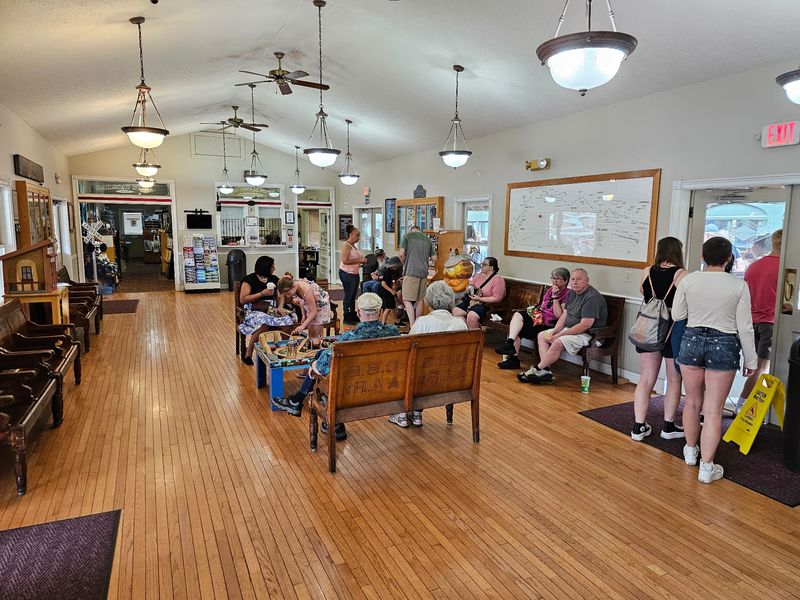
Behind the vintage cars and themed rides, Whitewater Valley Railroad has another strong feature: the people keeping it going. The operation is volunteer-run, which gives the place a very different energy from a commercial attraction built only for fast turnover.
There is a sense that the railroad exists because a lot of people care enough to preserve it by hand. That matters on a practical level. Volunteers help run trains, restore equipment, share local history, and answer questions along the way.
When that kind of knowledge is part of the ride, the excursion becomes more than transportation. It becomes an educational experience with human voices attached to the machinery.
Several accounts point to conductors and crew members who explain the route, the railroad, and the surrounding area in a friendly, direct way. Even small details, like suggesting a tour or helping riders understand the equipment, can make the train feel less like a museum piece and more like a living project.
The line is old, but the work around it is active. There is also a visible pride in the condition of the rolling stock. Historic passenger cars need ongoing care, and riders often notice that the equipment is being maintained, not merely displayed.
For train lovers, that is a major part of the appeal. For everyone else, it creates confidence that the outing is being handled by people who know the line well.
One useful tip is to listen closely to onboard announcements but stay flexible, since train noise can make some commentary harder to catch. Choosing seats closer to a speaker may help.
Still, even when every word is not crystal clear, the volunteer presence adds warmth and depth. Whitewater Valley Railroad stands out partly because it is not detached from its caretakers. The people preserving the railroad are right there on board, helping the past keep moving.
How to Plan the Best Day on the Whitewater Valley Route
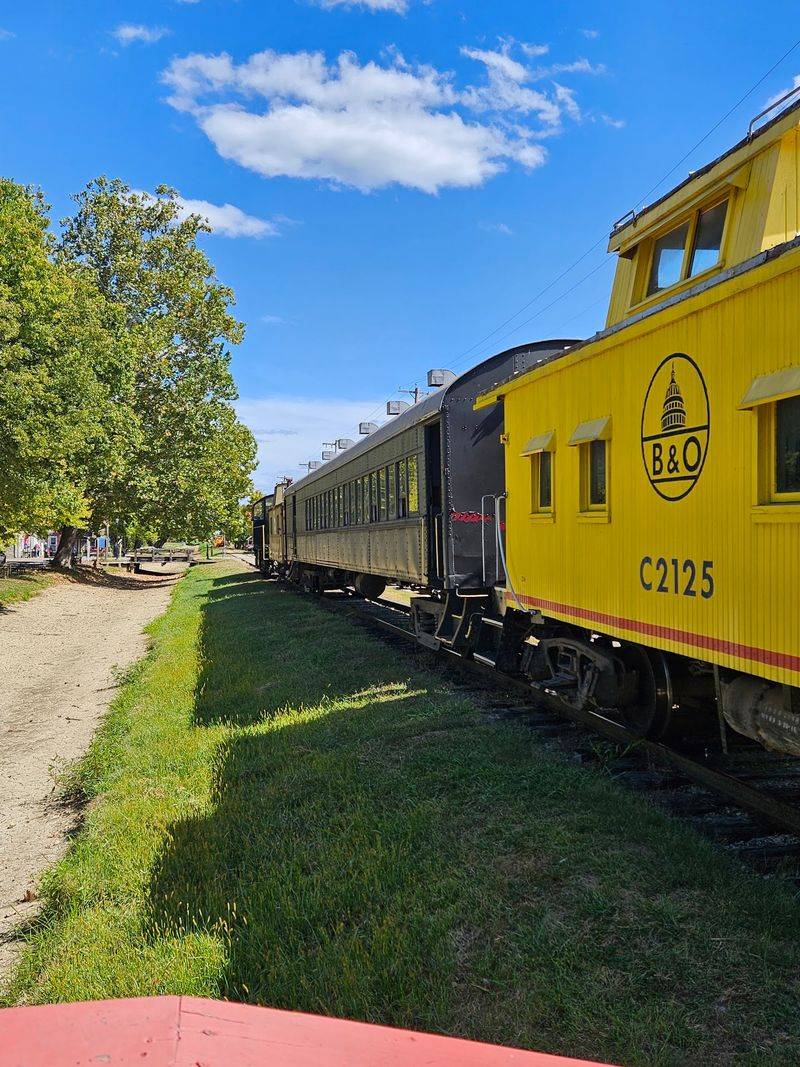
A little planning goes a long way on this excursion. Whitewater Valley Railroad works best as a half-day or full-day outing rather than a quick stop, especially on longer trips to Metamora.
Arriving with realistic expectations makes it much easier to relax and enjoy the slower pace of heritage rail travel. Choosing the right excursion is the first decision.
Standard scenic rides, Wild West adventures, fall color trips, and seasonal holiday trains each create a different atmosphere. Families with young children may enjoy themed events, while railroad enthusiasts or first-time visitors might prefer a traditional scenic run that keeps the focus on the historic equipment and countryside.
Comfort deserves some thought as well. The vintage coaches are part of the attraction, but they also come with older-style accommodations.
Summer rides can become warm, so light clothing, sunscreen, and a bottle of water are smart additions. Riders interested in hearing onboard narration should try to sit closer to the speaker area whenever possible.
A few practical details can prevent unnecessary hassles. Since some historic coaches do not have onboard restrooms, using the facilities before departure is a good idea, especially when traveling with children.
If the schedule includes time in Metamora, decide in advance whether lunch, shopping, or sightseeing comes first so the layover doesn’t disappear faster than expected. The best approach is to embrace the slower rhythm instead of trying to rush through it.
Heritage railroads are meant to be enjoyed at an unhurried pace, and minor delays or leisurely stops are simply part of the experience. Settle into the ride, watch the countryside roll past the windows, and treat the journey as the destination.
That mindset usually leads to a much more rewarding visit than trying to squeeze every minute into a strict schedule.
Why This Connersville Ride Stands Out in Indiana
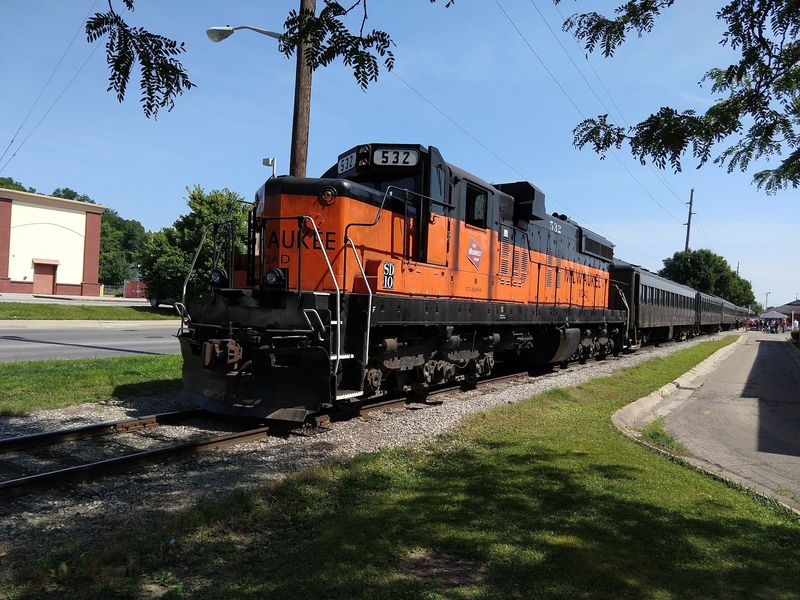
Plenty of attractions promise nostalgia, but Whitewater Valley Railroad has a stronger case than most. It combines working railroad history, scenic travel, a preserved destination town, and themed entertainment without flattening everything into a generic tourist package.
That layered experience is why the ride stands out in Indiana. Start with the basics. The train is not a prop. The equipment, route, and station setting carry real age and purpose, and riders can sense that quickly.
Add the volunteer backbone, and the place becomes a preservation effort that the public can actually step inside. That gives the excursion more weight than a display behind ropes.
Then there is the range. Some people come for railroad history. Others come for autumn color, holiday trips, family outings, or the Wild West spectacle.
A strong heritage attraction can serve different kinds of visitors without losing its identity, and this one manages that balancing act better than many small regional destinations. The route to Metamora is another reason the outing lands so well. A train trip is fun.
A train trip with a stop in a canal town is far more distinctive. The pairing creates a full day that touches transportation history from more than one angle, and it does so in a format that children can understand and adults can still find interesting.
There are limits, of course. Historic coaches may feel warm, tight, or noisy, and that is useful to know ahead of time. Still, those details also remind riders that the appeal here is not sleek comfort. It is texture, motion, community effort, and the rare chance to travel by rail through southeastern Indiana at a slower pace.
For anyone drawn to old trains, local history, or a day trip with more personality than usual, Whitewater Valley Railroad offers a ride with character from departure to return.
Share this story