A Massachusetts beach with almost two miles of sand sits right next to fields where cows graze and grapes grow. That combo alone made me curious.
This coastal town also has a working fishing harbor, two branches of a winding river, and a little island where you can walk beside the ocean. I like how farm stands and salt marshes share the same back roads.
I think I’d enjoy this little port town even more knowing how much history is hiding behind its quiet streets. Paul Cuffe, a sea captain and businessman who lived here more than two centuries ago, has a story worth getting to know.
And he’s just one reason to look a little closer.
It’s easy to drive right past a place like this when you’re headed somewhere more famous. But I’d rather take a turn down one of those country lanes, see where it leads, and give the town a chance to surprise me.
Sometimes the places you almost skip end up being the ones you remember.
The Beach Everyone Talks About Is Even Bigger Than You Think
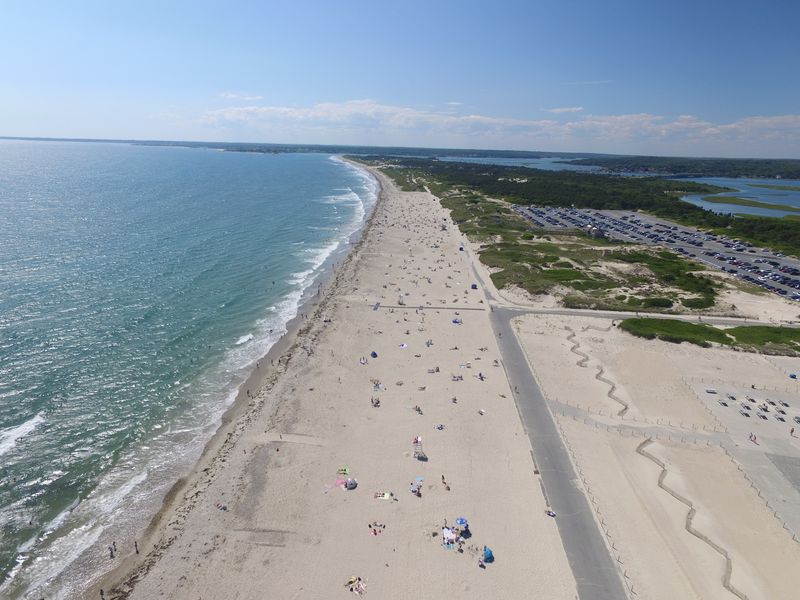
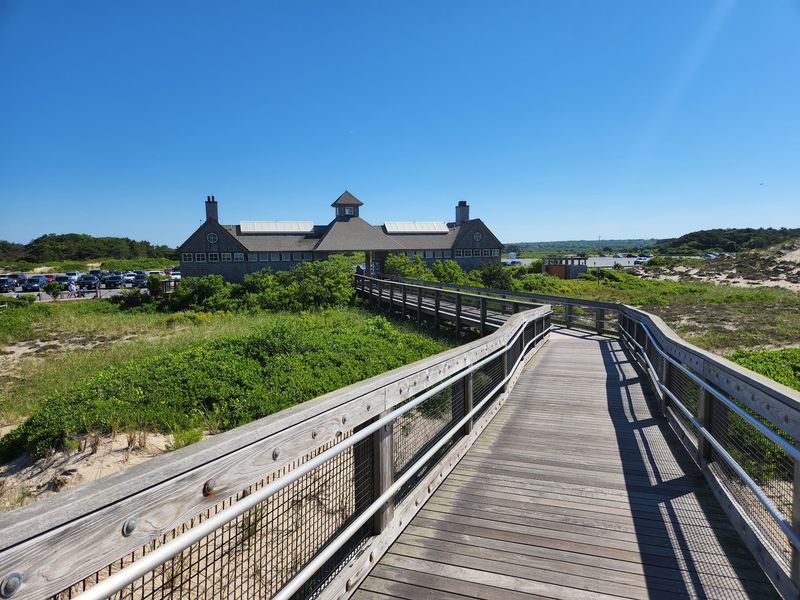
Close to two miles of open sand stretch along Buzzards Bay at Horseneck Beach State Reservation. That is a lot of room for towels, sandcastles, and long walks.
The beach is the star of Westport, Massachusetts, for good reason. It is run by the state Department of Conservation and Recreation, so the basics are covered.
You’ll find bathhouses, lifeguards in summer, and a large parking area. The waves here tend to be livelier than at many bay beaches, which makes boogie boarding fun.
Dunes line much of the shore, and they protect the beach and the birds that nest nearby. Stay on marked paths so the beach grass can keep doing its job.
Summer weekends bring plenty of company, so arriving early is a smart move. Weekdays usually feel calmer and give you more elbow room.
The reservation also has a campground near the water. Waking up within earshot of the ocean beats any alarm clock.
Pack sunscreen, snacks, and a windbreaker. Ocean breezes can turn chilly late in the day, even in July.
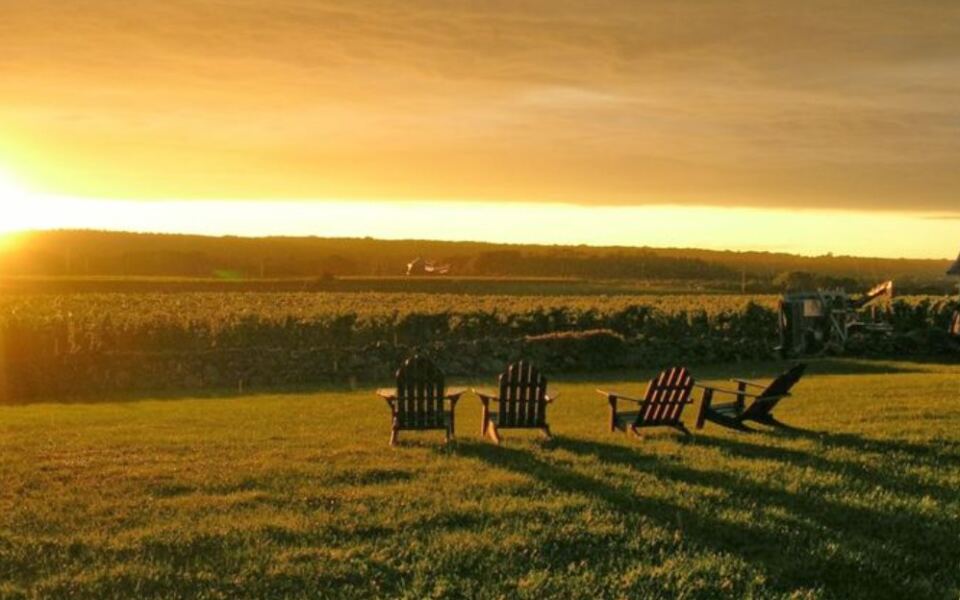
Stick around for sunset if you can. The sky over the water makes a great final chapter to a beach day.
A Little Island With Big Views Of Buzzards Bay
Short walks with huge payoffs are the best kind. Westport has a few of them along its edge of Buzzards Bay.
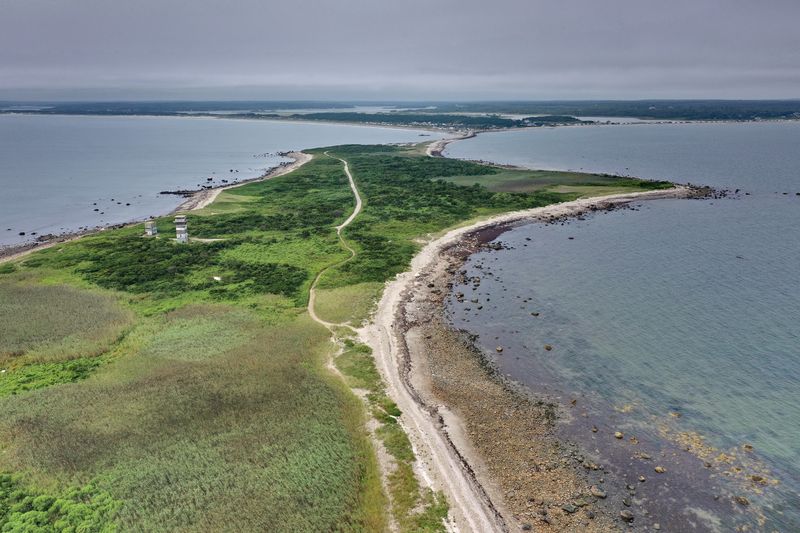
Gooseberry Island connects to the mainland by a causeway near Horseneck Beach. It’s part of the state reservation and offers easy trails across a small, windswept island.
Birders love it here, especially during spring and fall migration. Bring binoculars and you might spot shorebirds working the rocky edges.
The island also has concrete military observation structures dating to World War II, reminders of the area’s coastal defense history. They make the walk feel a bit like a history scavenger hunt.
Nearby, the Westport Land Conservation Trust protects many acres across town. Their preserves have trails through woods, fields, and marshes.
Each property feels a little different. Some lean toward meadows, while others hug the riverbanks.
Wear sturdy shoes because paths can be rocky or muddy. Bug spray is also a friend in warm months.
The best part is how quiet these spots can be. You get the sound of wind, water, and gulls with very little else.
That’s a pretty nice trade for a few minutes of walking.
Fishing Boats Still Run The Show At The Point
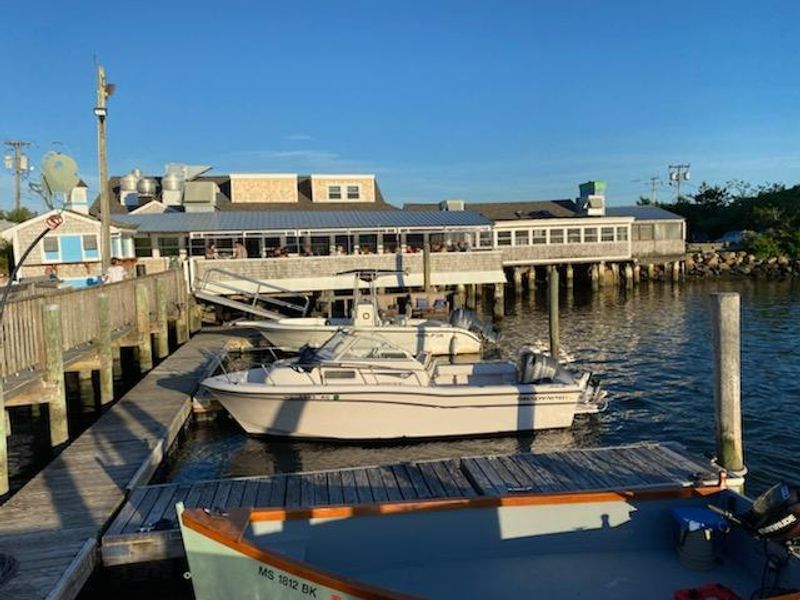
Lobster boats and fishing vessels still tie up at Westport Point. This is a real working harbor, not a movie set.
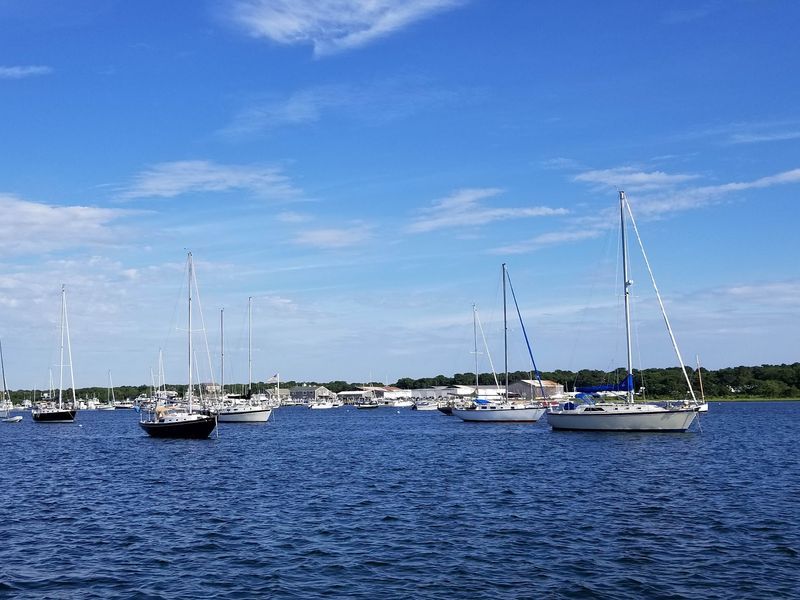
The village overlooks the lower East Branch of the Westport River, close to where the water opens into Westport Harbor. It has been a maritime hub for centuries.
Whaling and fishing once kept the docks busy. Today, commercial fishermen still head out from here, keeping that tradition alive.
The Point is small, so take it slow. Old homes line the main road, many dating back generations.
Look for the historic Westport Point Methodist Church and the wharf area. These spots help tell the story of a village built around the water.
Photographers will be happy too. Boats, buoys, and calm river light make for easy, pretty pictures.
Parking can be tight in summer, so be patient. A good plan is to stroll the village after a beach morning.
Respect the working docks and give the crews room. They’re doing their jobs, after all.
Hanging out here feels like stepping into an older New England. Few places manage that without trying, and the Point pulls it off naturally.
A Sea Captain’s Story You Probably Didn’t Learn In School
Paul Cuffe was born in 1759 on nearby Cuttyhunk Island. He grew up to become one of the most successful Black and Wampanoag businessmen of early America.
He built ships, ran trading voyages, and settled in Westport. His life is a big piece of local pride.
Cuffe also fought for fairness. In 1780, he and his brother petitioned Massachusetts lawmakers, arguing they shouldn’t pay taxes without the right to vote.
He cared deeply about education too. Cuffe helped build a schoolhouse in Westport that welcomed children of different backgrounds.
He was a member of the Westport Friends Meeting, a Quaker community. The Westport Friends Meeting House still stands on Main Road.
Cuffe’s resting place is in the meetinghouse burial ground. A memorial there honors his life and work.
Visiting is quiet and simple, which fits the Quaker spirit. Please be respectful since it’s an active place of worship.
The Westport Historical Society shares more about his story. Their programs and exhibits offer helpful background before or after a visit.
Knowing his story changes how you see this little town. It turns scenic roads into living history.
Bring A Cooler Because The Farm Stands Will Tempt You
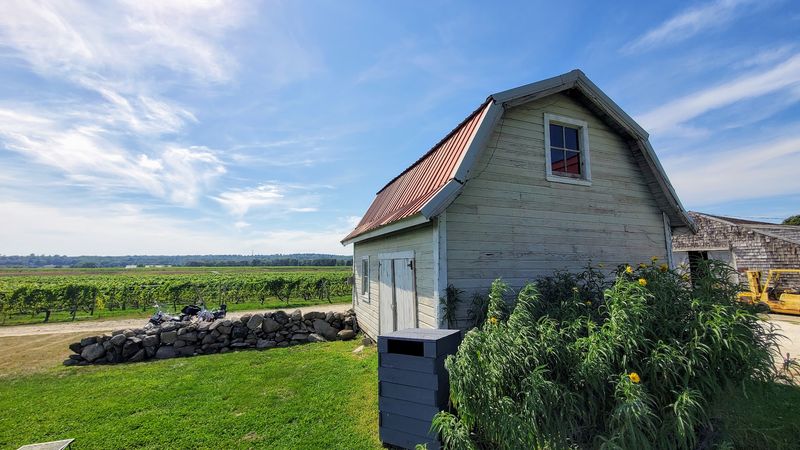
Cows outnumber traffic lights in parts of this town. Farming has shaped Westport for centuries, and plenty of it continues today.
Drive along the back roads and you’ll pass fields, stone walls, and roadside stands. Summer brings sweet corn, tomatoes, and berries.
Westport Rivers Vineyard & Winery adds grape-growing country to the landscape, while local farm stands offer seasonal produce, eggs, flowers, and other farm goods.
Hours change with harvests and weather, so check before you go. Many stands open seasonally and close once crops wind down.
The town also has a long dairy history. Some farms still raise animals, and you might spot cattle grazing near the road.
Bring cash, since some smaller stands use honor boxes. A cooler in the trunk helps keep your haul fresh.
The Westport Farmers Market is another option in summer. It gathers local growers and makers in one handy spot.
Shopping this way supports families who keep the land open. It also tastes better than anything that rode a truck for days.
Honestly, it’s hard to drive home empty-handed. Good luck resisting a fresh peach.
Paddle Through Marshes Where The River Takes Its Time
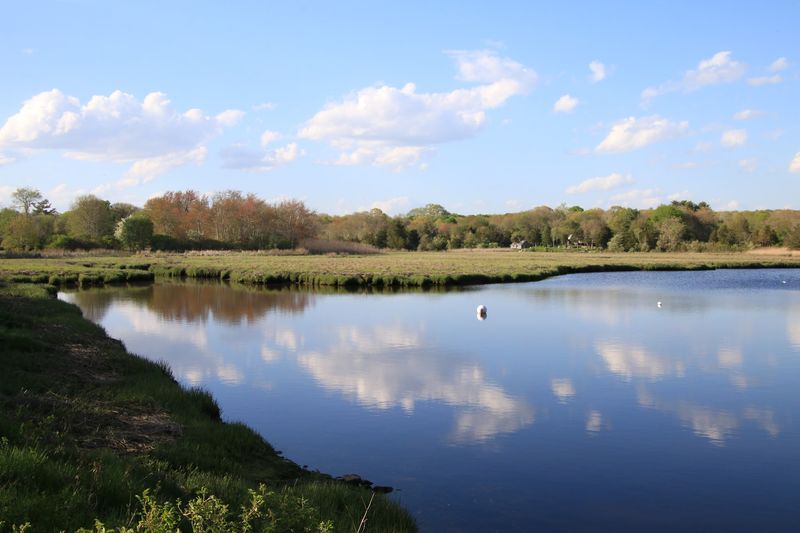
Two branches of the Westport River wind through town before meeting the ocean. Together, they form a calm estuary that’s perfect for paddling.
Kayaks and paddleboards let you glide past salt marshes and quiet coves. You’ll often see herons, egrets, and ospreys along the way.
The Westport River Watershed Alliance works to keep these waters healthy. Their efforts help protect shellfish, birds, and the marsh itself.
Tides matter a lot here. Paddling with the tide is easier than fighting it, so check a tide chart first.
Beginners should stay close to shore and wear a life jacket. Wind can pick up quickly near the mouth of the river.
Local outfitters in the area sometimes offer rentals in season. Call ahead to confirm availability and launch spots.
Fishing is also popular on the river. Striped bass draw anglers each year, so check state rules before casting.
Out on the water, the town looks different. Farms and homes slide by from a peaceful new angle.
It’s one of the easiest ways to see Westport without a single traffic jam. Your shoulders might disagree tomorrow, though.
Old Stone Walls Hide Some Very Old Stories
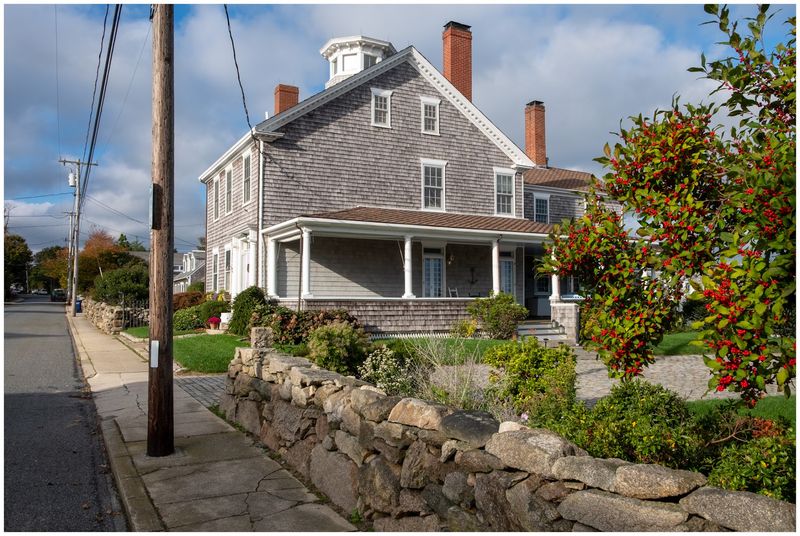
Settlers arrived in this area in the 1600s, and Westport became its own town in 1787. That means a lot of history packed into country roads.
The town split from Dartmouth after the American Revolution. Its name nods to its western spot within that larger area.
Many old farmhouses and Cape-style homes still stand. Stone walls snake through fields, built by hand long ago.
The Westport Historical Society offers a great starting point. They run programs, share archives, and help visitors understand local life through the centuries.
Look into their events before you visit. Talks and walks give context that a quick drive can’t provide.
Westport Point has its own historic district too. Its old homes reflect the village’s seafaring days.
Fall is a lovely time to explore. Colorful leaves frame the stone walls and weathered barns beautifully.
Drive slowly on narrow roads, since farm equipment and cyclists share them. Patience is part of the experience here.
Every turn seems to reveal another old house with a story. You may start wishing those walls could talk, and some practically do through the historical society’s work.
Fresh Seafood Tastes Better With A River View
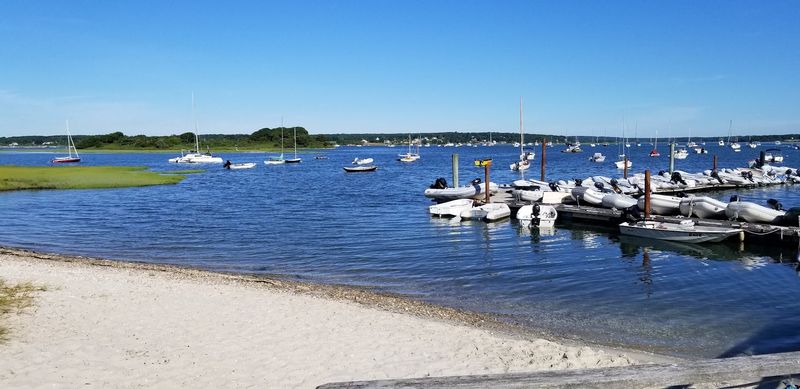
With a fishing harbor right in town, seafood here doesn’t travel far. That’s good news for anyone who loves clams or lobster.
Westport Point and the Route 88 corridor have several seasonal eateries. Many serve classic New England fare like fried clams and chowder.
The Back Eddy sits beside the Westport River near the harbor entrance, with waterfront views that make dinner feel like a mini vacation.
Menus and hours change with the seasons, and The Back Eddy closes for a winter break. Check current opening dates before planning a waterfront meal.
Shellfish is part of local life too. The Westport River supports oysters and quahogs, and shellfishing rules are managed by the town.
Summer evenings are popular for eating out. Reservations or an early arrival can save some waiting.
If you prefer a picnic, grab food to go. Then head to the beach or a riverside spot.
Pairing a meal with a sunset feels very Massachusetts in summer. It’s also an easy way to end a busy day outdoors.
Just be warned that one lobster roll can turn into a weekly craving. You’ve been informed.
Easy Day Trips Make A Longer Stay Even Smarter
Location is one of Westport’s sneaky strengths. It sits in Bristol County, Massachusetts, right along the Rhode Island border.
Little Compton and Tiverton, Rhode Island, are just next door. Both offer quiet farmland and coastal views similar to Westport’s.
Newport is under an hour’s drive away. Its mansions and harbor make a fun change of pace.
Head east and you’ll reach New Bedford. The New Bedford Whaling National Historical Park tells the story of the city’s famous whaling past.
Fall River is also close. Battleship Cove, a museum with historic naval ships, sits on its waterfront.
Using Westport as a home base keeps things relaxed. You get beach days and countryside, then easy side trips when you want them.
Lodging options include the Horseneck Beach campground and local inns or rentals. Book summer stays early, since spots fill quickly.
Route 88 is the main road to the beach. Expect slower traffic on warm weekends.
A few days here lets everything sink in. You’ll leave knowing why a quick drive-by never does this town justice.
Share this story