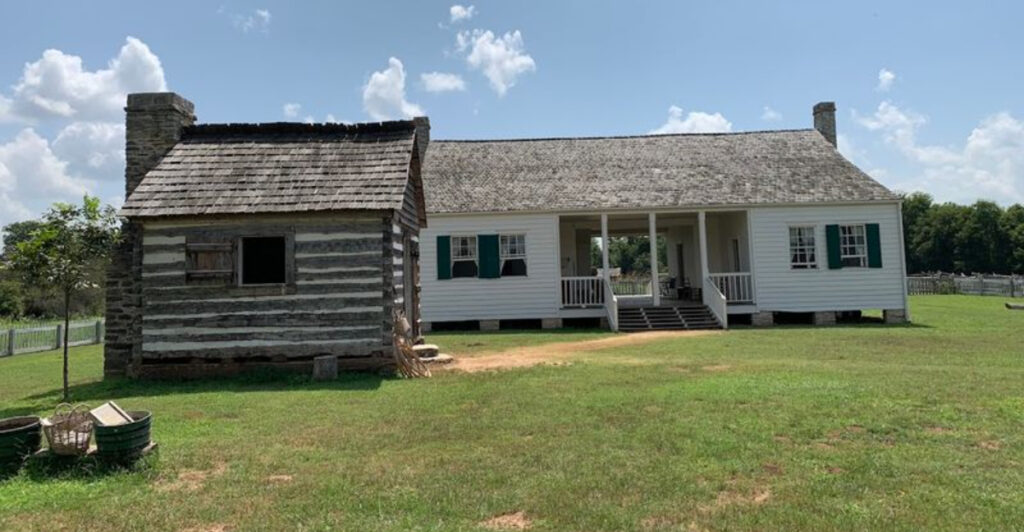
Bringing the past to life in Washington County, Barrington Living History Farm showcases the home and legacy of Anson Jones, the last president of the Republic of Texas. This working farm brings the 1850s back to life with costumed interpreters, heritage livestock, and authentic period buildings that show exactly how Texas families lived before modern conveniences. Walking through these grounds feels like stepping through a time portal into a chapter of Texas history that shaped our entire state.
1. Anson Jones and His Presidential Legacy
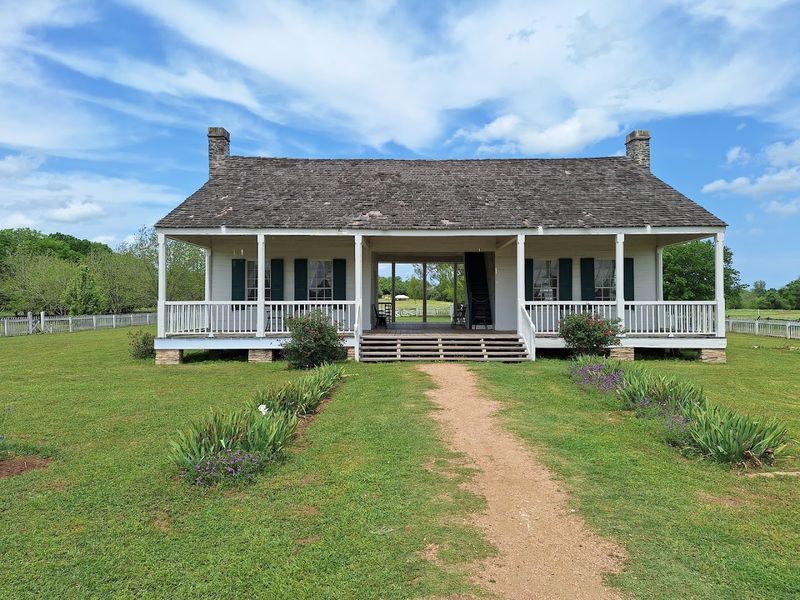
Anson Jones bought this property in 1844, right when he was serving as the last president of the Republic of Texas. He wasn’t just any politician—Jones was a doctor, diplomat, and the guy who had to oversee Texas joining the United States in 1845. After his presidency ended, he moved his family here to start a new life as a gentleman farmer.
The farm represented his dream of a peaceful retirement after years of political drama. Jones raised cotton, corn, and livestock while trying to stay out of the spotlight. His time here was shorter than he hoped, though, since financial troubles and personal struggles haunted him even in this beautiful countryside.
Understanding Jones helps you appreciate why this farm matters so much to Texas history. He signed the documents that ended the Republic and made Texas part of America. Walking through his home, you can almost feel the weight of those decisions hanging in the air, mixed with the simpler rhythms of farm life he craved.
The story gets tragic when you learn Jones struggled with depression and died in Houston in 1858. But his farm survives as a monument to that pivotal moment when Texas transitioned from independent nation to American state.
2. Period-Dressed Interpreters Who Bring History Alive
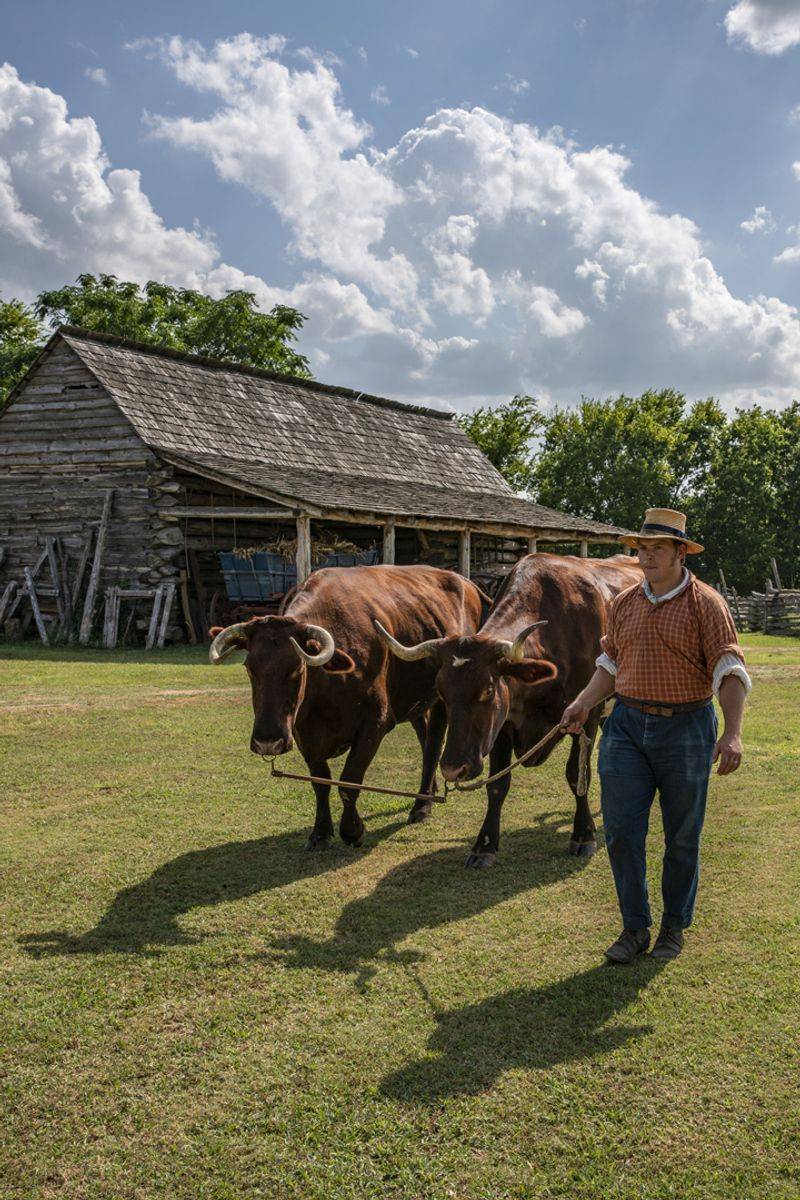
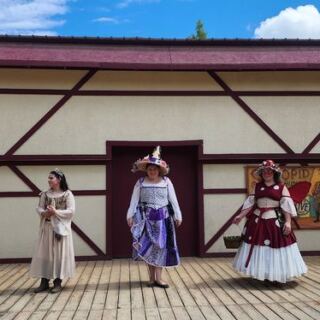
Walking onto the property, you’ll immediately spot folks dressed head-to-toe in 1850s clothing going about their daily chores. These aren’t just costumes thrown on for show—the interpreters actually work the farm using period-accurate methods and tools. They’re churning butter, tending gardens, feeding livestock, and doing all the backbreaking tasks that kept a Texas farm running 170 years ago.
What makes these interpreters special is their genuine enthusiasm and deep knowledge. Visitors rave about how they answer every question, no matter how random, and actually engage with kids in ways that make history click. One family mentioned their son got to help with sewing and farm chores, turning a museum visit into hands-on learning.
The interpreters don’t just recite facts—they explain why things mattered. They’ll tell you about smoking meat in the smokehouse, show you tools that seem bizarre by modern standards, and describe the furniture inside the main house. You’re encouraged to ask questions rather than just reading plaques, which makes the whole experience feel like visiting distant relatives who happen to live in the past.
Bring your curiosity and don’t be shy about interrupting their work. They genuinely love sharing stories and demonstrating skills that would otherwise be completely lost to time.
3. The Beautifully Restored Barn and Working Livestock
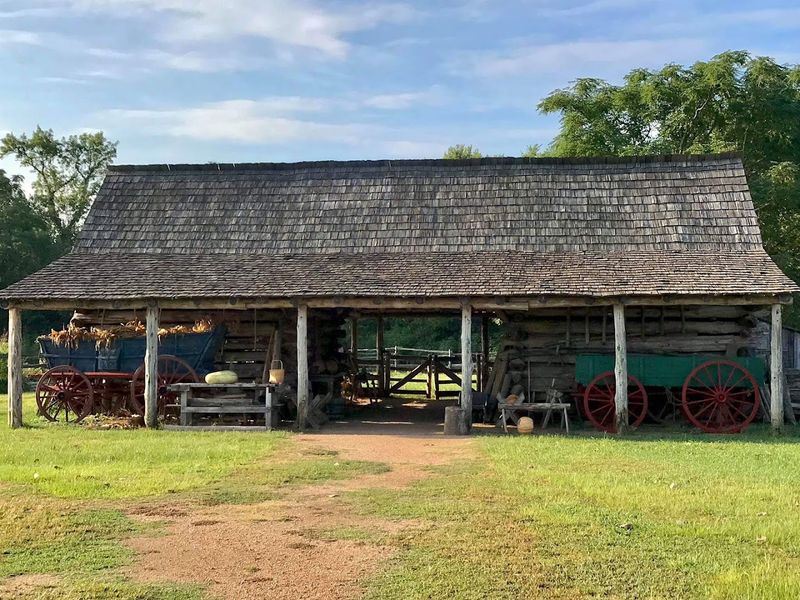
The barn at Barrington stands as one of the most photogenic structures on the property, with its weathered wood and authentic construction drawing gasps from architecture lovers. Restoration efforts have kept it looking exactly like it would have in Jones’s time, complete with period-appropriate tools and equipment hanging from the rafters. Step inside and you’ll smell hay, leather, and that distinctive barn scent that hasn’t changed in centuries.
But the real stars here are the animals, especially the oxen that steal everyone’s hearts. These massive, gentle creatures were the tractors of the 1850s, pulling plows and doing the heavy lifting that made farming possible. Docents love explaining how farmers trained and worked with oxen to prepare soil for planting, a process that required serious skill and patience.
Kids go absolutely crazy for the livestock, which includes chickens, pigs, and other heritage breeds that look different from modern farm animals. These aren’t just random critters—they’re historically accurate breeds that would have actually lived on Texas farms back then. Watching them wander the property adds an authentic touch that makes the whole experience feel real rather than staged.
The barn area provides great shade on hot days, which you’ll appreciate since Texas summers haven’t gotten any cooler since the 1850s. Plan to spend time here letting kids interact with animals and asking handlers about daily farm routines.
4. The Main House With Authentic Period Furnishings
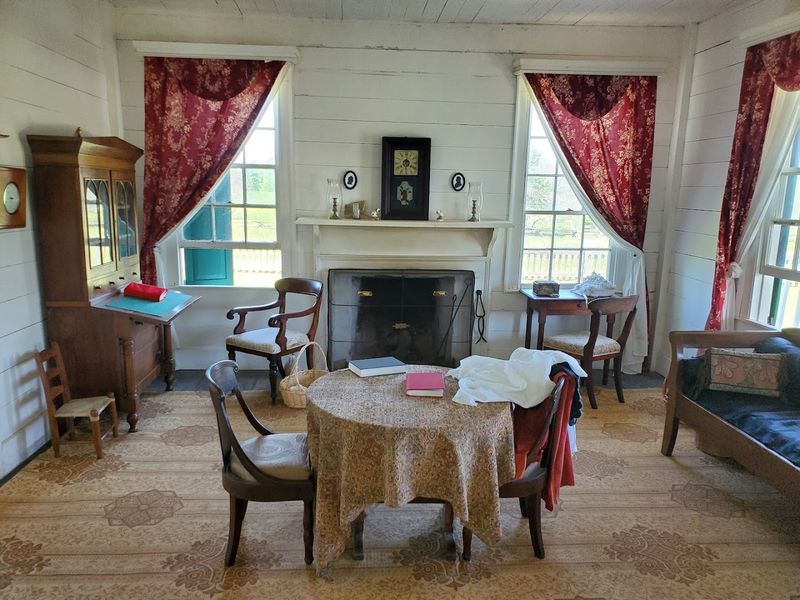
Stepping into the main house feels like interrupting someone’s afternoon in 1850. The furnishings aren’t reproductions—they’re actual period pieces arranged exactly how a prosperous Texas family would have lived. Every chair, table, bed, and kitchen tool tells a story about daily life before electricity, running water, or any modern convenience we take for granted.
The layout surprises modern visitors because rooms served multiple purposes in ways we don’t expect. Bedrooms doubled as sitting areas, kitchens were separate buildings to prevent house fires, and storage happened in creative spots we’d never consider today. Walking through reveals how much thought went into simple tasks like keeping food fresh or staying warm in winter.
Guides point out fascinating details like how families entertained themselves without screens, how they handled medical emergencies miles from doctors, and what kids did for fun. The house isn’t roped off like some museums—you can get close enough to really examine objects and imagine using them daily. That accessibility makes history tangible rather than distant.
One room flows into another, each revealing different aspects of domestic life that required constant labor. Women spent hours on tasks like sewing, cooking, and preserving food, while men handled outdoor work. The division of labor becomes crystal clear when you see the tools and spaces dedicated to each role.
5. The Outdoor Kitchen and Food Preservation Methods
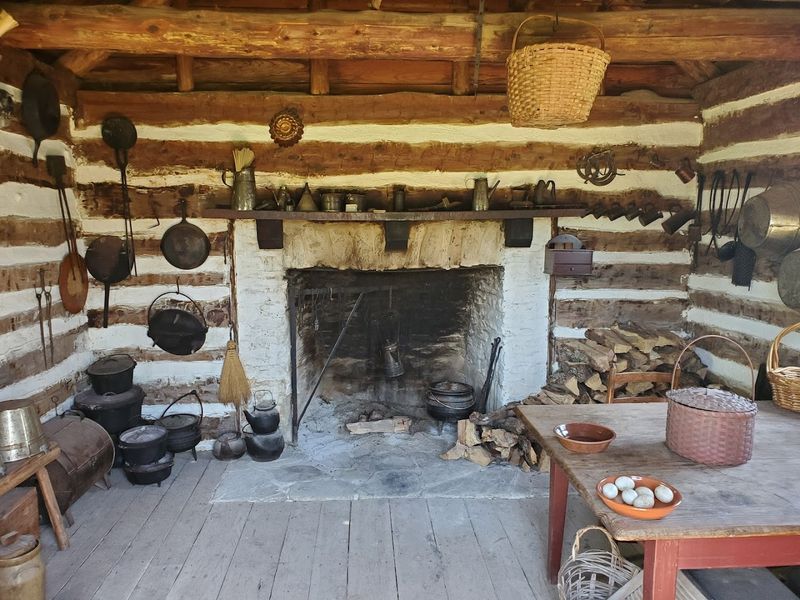
Prepare to have your mind blown by the outdoor kitchen, which sits apart from the main house for a reason that becomes obvious once you think about it. Cooking over open flames in Texas heat was dangerous and miserable, so families built separate structures to keep cooking fires away from living spaces. This also meant if the kitchen caught fire, the whole house wouldn’t burn down—a real concern when your stove is literally an open flame.
The kitchen showcases tools and methods that seem impossibly complicated compared to turning on a gas burner. Cast iron pots hung over fires, bread baked in Dutch ovens buried in coals, and temperature control happened through experience rather than thermostats. Interpreters demonstrate these techniques during special events, and the smells alone transport you backward in time.
Right nearby, the smokehouse reveals how families preserved meat without refrigeration. Salt-curing and smoking were essential skills that determined whether your family ate well or went hungry. The interpreters explain the science behind preservation methods that seem almost magical when you consider they worked for thousands of years before modern technology.
Visitors consistently mention the outdoor kitchen as a highlight because it makes you appreciate every meal you’ve ever microwaved. Watching someone actually cook using 1850s methods drives home just how much labor went into feeding a family back then.
6. Heritage Crops and Historical Gardening Techniques
The gardens at Barrington grow actual heritage varieties of vegetables and crops that Texas families depended on in the 1850s. These aren’t your grocery store tomatoes or hybrid corn—they’re heirloom plants that taste different and grow differently than modern varieties. Seeing them flourish using period-appropriate techniques proves that farming methods refined over centuries actually worked incredibly well.
Gardeners here use the same companion planting, crop rotation, and natural pest control methods that farmers figured out through trial and error. No chemical fertilizers, no pesticides, no modern irrigation systems—just knowledge, hard work, and understanding how plants interact with each other. The results speak for themselves in healthy, productive gardens that feed both humans and livestock on the property.
Depending on when you visit, you might see planting, cultivating, or harvesting happening exactly as it would have 170 years ago. Staff members love explaining what’s growing and why certain crops mattered to Texas families. Some lucky visitors even go home with small bundles of onions or other produce, connecting them directly to the farm’s bounty.
The gardens demonstrate that sustainable farming isn’t some newfangled idea—it’s how humans fed themselves for millennia. Walking between rows of vegetables makes you think differently about where food comes from and how much effort goes into producing it without modern shortcuts.
7. Special Events and Hands-On Learning Opportunities
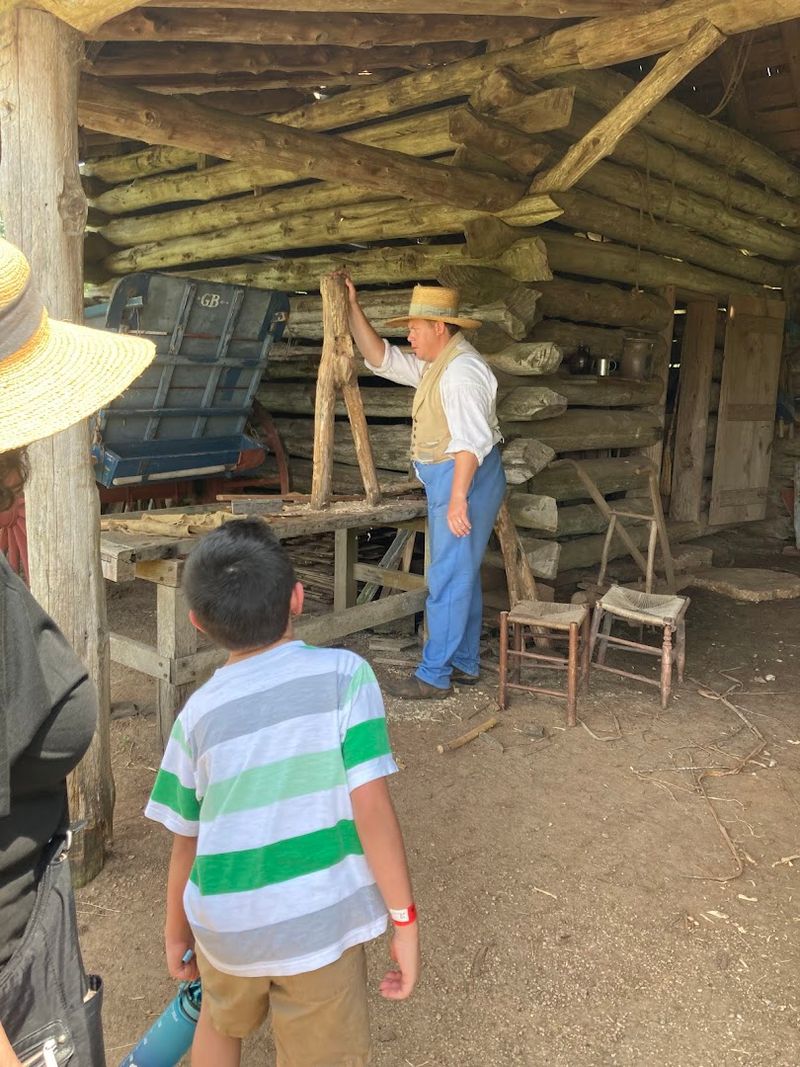
Barrington hosts special events throughout the year that take the experience from observation to participation. Hog butchery classes teach skills that sound intense but were absolutely essential to farm survival. Planting and harvesting events let you work alongside interpreters using period tools, giving your muscles a real appreciation for what farm labor meant before tractors existed.
These events sell out fast because they offer something you can’t get anywhere else—actual hands-on practice with historical skills. Families come back repeatedly for different seasonal activities, building traditions around experiences that connect kids to Texas history in memorable ways. One parent mentioned their son went from being a lazy gamer to being genuinely inspired by working on the farm, which speaks volumes about the program’s impact.
Even during regular visiting hours, staff encourage participation rather than passive observation. Kids can help with age-appropriate chores, try their hand at period crafts, and ask endless questions while actually doing things. This interactive approach transforms history from boring textbook facts into lived experiences that stick with you.
Check the website before visiting to see if any special programs coincide with your trip. The regular experience is fantastic, but catching a special event elevates it to something truly unforgettable. Educational groups especially benefit from advance planning to maximize hands-on learning opportunities.
8. The Stunning Natural Setting and Peaceful Atmosphere
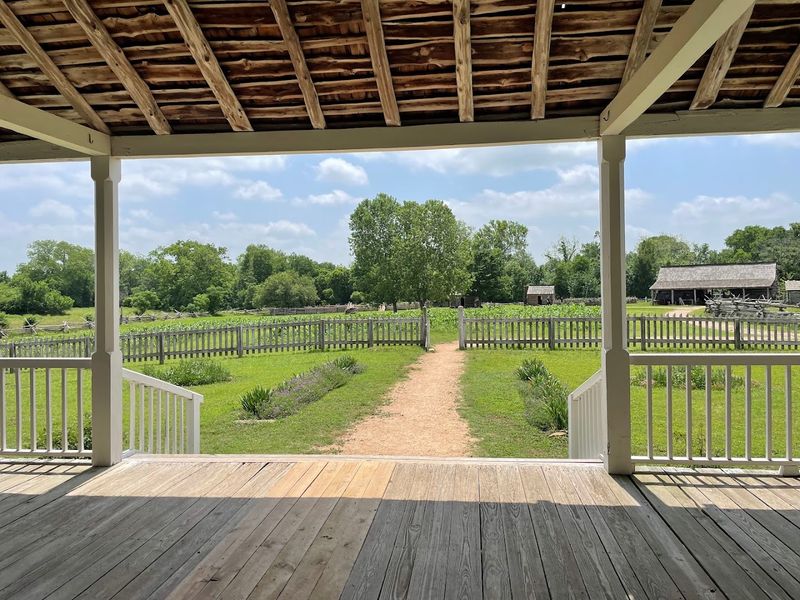
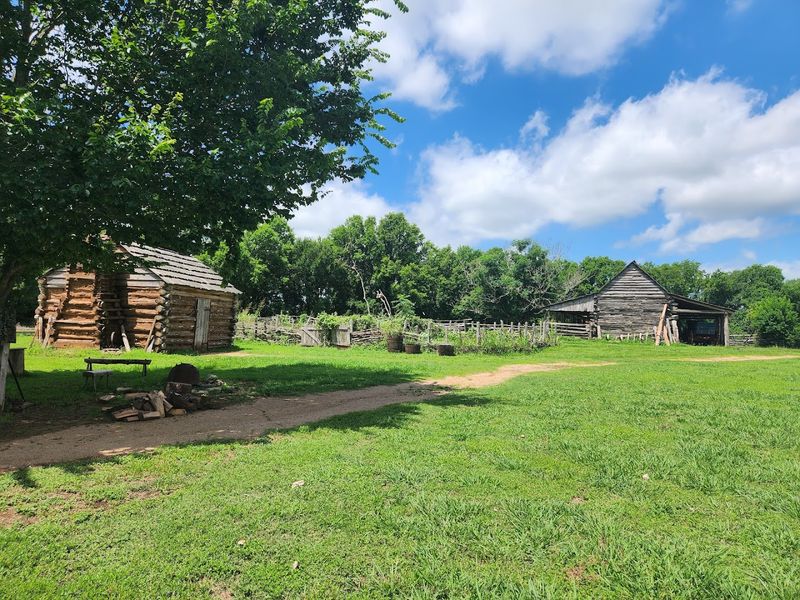
Beyond the historical buildings and activities, Barrington offers something increasingly rare—genuine peace and quiet in a gorgeous natural setting. The rolling landscape of Washington County looks much like it did when Anson Jones first saw it, with huge skies, gentle hills, and that particular quality of light that makes Texas countryside so photogenic. Multiple visitors mention how peaceful the property feels, like stepping away from modern stress into a simpler time.
The farm sits within the larger Washington-on-the-Brazos State Historic Site, giving you access to even more beautiful land to explore. Trees provide scattered shade, though you’ll want to bring hats and water since Texas sun doesn’t mess around. The openness lets you see for miles, helping you understand why settlers chose this area for homesteads.
Because the site doesn’t draw huge crowds, you often have space to wander and think without fighting tourists for views. That emptiness feels luxurious compared to packed attractions in bigger cities. Families spread out across the grounds, kids run freely, and everyone relaxes into a slower pace that matches the 1850s setting.
The natural beauty enhances the historical experience rather than competing with it. You’re not just learning about the past—you’re experiencing the actual environment that shaped daily life for Texas pioneers. That connection to place makes everything else sink in deeper.
9. Practical Visiting Information and What to Expect
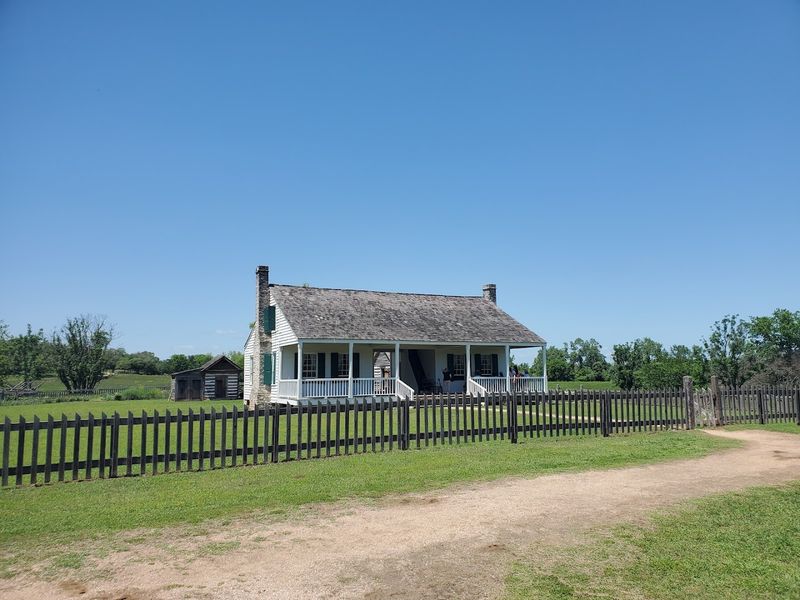
Barrington opens Wednesday through Sunday from 10 AM to 4:30 PM, staying closed Mondays and Tuesdays. Admission is incredibly affordable, especially considering the quality of the experience you get. The whole visit typically takes 45 minutes to an hour if you’re moving quickly, but history enthusiasts and families with curious kids easily spend two or three hours exploring everything.
Come prepared for Texas weather because shade is limited across the property. Hats, sunscreen, and water bottles are essential, especially during summer months when temperatures soar. Comfortable walking shoes matter since you’ll cover ground moving between buildings and exploring the farm.
Dress like you’re heading to an outdoor festival rather than an air-conditioned museum.
The lack of informational plaques surprises some visitors who expect traditional museum setups. Instead, you need to actively engage with staff members to learn details about what you’re seeing. This approach encourages conversation and questions, making the experience more personal but requiring more initiative from visitors.
Shy folks might need to push themselves to ask questions, but the payoff is worth it.
Combine your visit with the nearby Washington-on-the-Brazos historic site once renovations finish for a full day of Texas history. The phone number is 936-878-2214 extension 246 if you need specific information before visiting. The staff genuinely loves helping people plan their trips and answering questions in advance.
Share this story