Great Italian restaurants don’t need grand dining rooms to leave a lasting impression. Francesco’s Hole In the Wall in Northbrook has earned a devoted following with hearty pasta dishes, fresh seafood, classic Italian specialties, and warm hospitality that makes every visit feel personal.
Its cozy, bustling atmosphere adds to the charm, creating the kind of neighborhood dining experience that keeps regulars coming back for years. Whether you’re celebrating a special occasion or simply craving comforting Italian food made with care, this longtime favorite proves that exceptional meals often come from the most unassuming places.
A Tiny Dining Room With Big Northbrook Energy
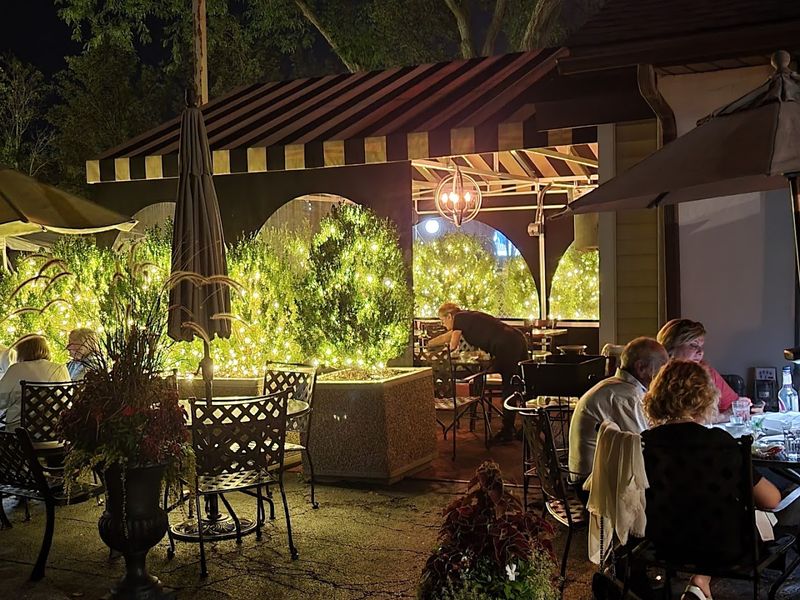
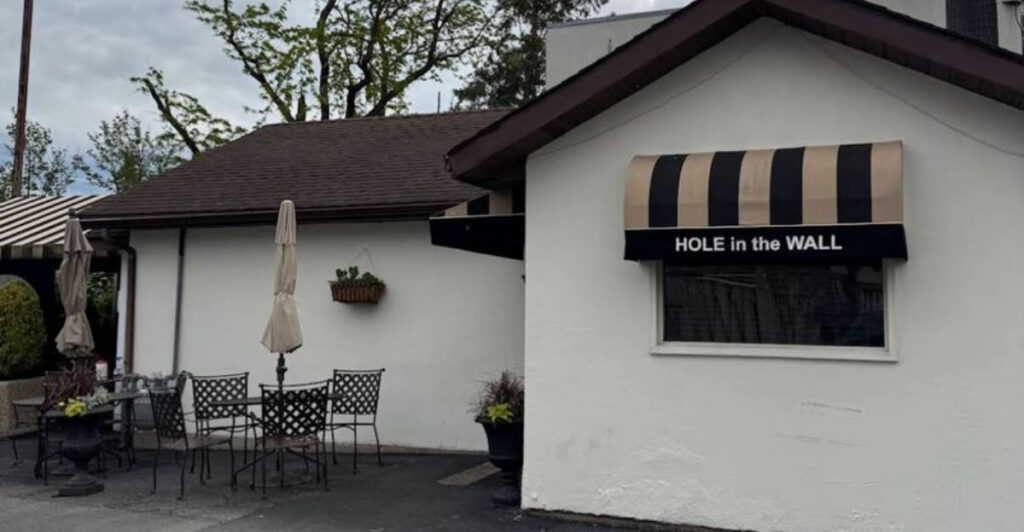
One look around the dining room explains the name, and that is part of the charm. Francesco’s Hole In the Wall is compact, busy, and full of motion, with tables placed close enough that the whole room seems to share the same meal-time rhythm.
That tight layout changes the experience in a useful way. Instead of feeling polished and distant, the restaurant comes across as lived-in and energetic, the kind of place where servers move quickly, plates land hot, and dinner has a cheerful sense of momentum.
Rustic details help shape that mood. The space is petite, warm, and a little crowded when the rush hits, but the close quarters fit the restaurant’s old-school Italian spirit better than a large, silent dining room ever could.
For some diners, that snug setup will be part of the fun. For others, it helps to know ahead of time that chairs, tables, and pathways can feel tight, especially during popular evening hours when nearly everyone seems to arrive at once.
Planning with that in mind makes a big difference. Smaller parties tend to settle in more easily, and anyone who dislikes bumping elbows with nearby tables may prefer lunch service, when the room is active but often less packed than a prime dinner slot.
Still, the small scale is not a gimmick. It supports the whole identity of the place by making every meal feel immediate, personal, and a little louder in the best way, with aromas, conversation, and plates of pasta never far from view.
In a suburb where many restaurants stretch wide and neat, Francesco’s goes the other direction. It leans into its compact footprint, and that choice gives the restaurant a strong personality before the first fork even reaches the table.
The Menu Board Sets the Tone Fast
Instead of handing over a giant printed booklet and disappearing, Francesco’s makes the menu part of the room. Specials and main choices are often displayed on a whiteboard, which gives the meal a more active, less scripted beginning.
That matters in a restaurant built around classic Italian cooking with some flexibility. A board on the wall suggests movement, daily changes, and a kitchen that is paying attention to what it wants to feature right now, not just repeating a fixed list forever.
There is also a practical side to it. Diners sometimes stand up, lean back, or even snap a quick picture so they can study the board more easily, especially if seated directly underneath it in the smaller dining space.
Far from being a problem, that little bit of effort adds personality. The menu feels closer to a neighborhood supper spot than a chain restaurant, and it invites people to look around, talk, compare options, and ask questions before ordering.
The kitchen appears willing to work with preferences within its Italian framework, which is helpful for anyone torn between sauces, shapes, seafood, or meat-centered plates.
That sense of choice broadens the appeal of the restaurant. One table can lean toward hearty favorites, another toward fish or shellfish, and another toward ravioli or rigatoni, all without making the overall menu lose its traditional backbone.
If there is a smart move here, it is simple. Arrive ready to read carefully, ask about current specialties, and treat the board as part of the experience, because at Francesco’s, the menu is not just information. It is part of the performance.
Osso Buco, Rigatoni, and the Comfort-Food Core
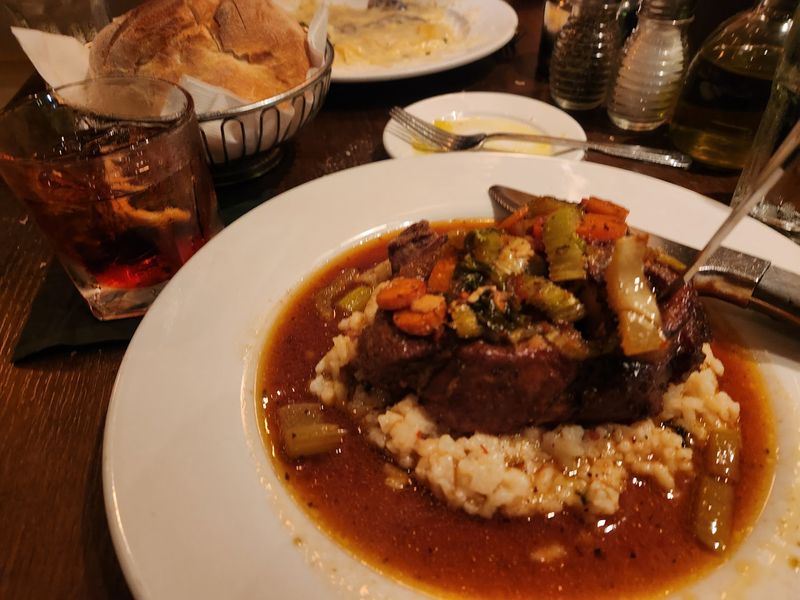
Some restaurants chase trends, but Francesco’s seems far more interested in feeding people the dishes they came hoping to find. The strongest pattern across its reputation centers on rich Italian comfort food, especially hearty pastas and slow-cooked classics.
Osso buco stands near the front of that conversation. It is the kind of plate that signals patience in the kitchen, because a dish built around tender braised meat and a traditional presentation is not about speed or flashy shortcuts.
Rigatoni with sausage also appears again and again as a house favorite, and that makes sense. A good sausage pasta does a lot of work at once, bringing spice, savoriness, texture, and sauce together in a way that feels generous rather than delicate.
Spinach ravioli adds another lane for diners who want something softer and more classic. It helps round out the menu’s comfort-first identity, where familiar forms matter and the appeal comes from execution, not novelty for its own sake.
The portions sound substantial on many of the heavier entrees, which suits the style of the restaurant. This is not a place built around tiny tasting bites or modern minimalism.
It aims for fullness, warmth, and the satisfaction of a plate that arrives ready to anchor the evening. That approach also helps explain the loyal following. When a restaurant handles core dishes well, diners do not need a dramatic pitch.
They return because the menu covers the Italian standards that matter, and because those standards are the reason the place exists at all.
For first-timers, the safest strategy is clear. Start with one of the dishes most tied to the restaurant’s identity, whether that means osso buco, sausage rigatoni, or ravioli, then branch out later once the kitchen’s comfort-food strengths are easy to trust.
Seafood Gets More Than a Side Role Here
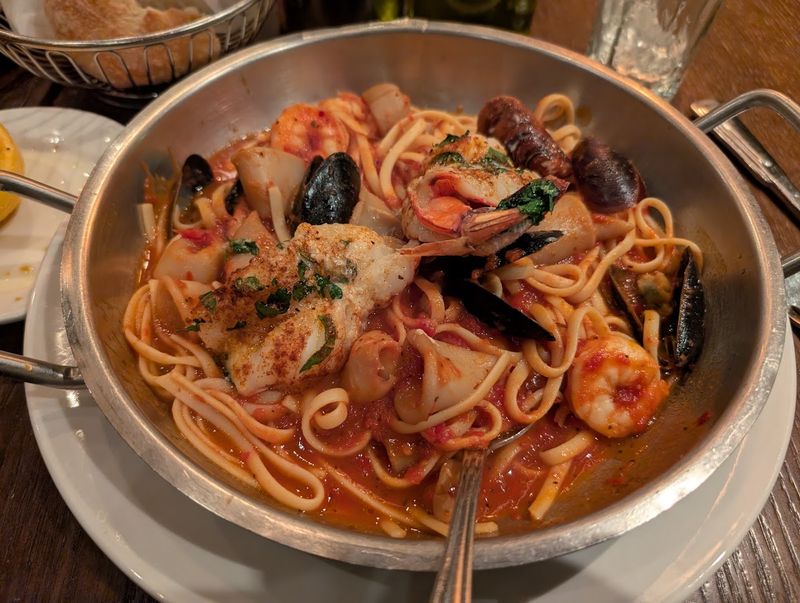
Plenty of Italian spots lean hard on red-sauce staples, then treat seafood like an afterthought. Francesco’s appears to do the opposite by giving shellfish and fish dishes enough attention to become destination orders rather than backup choices.
Seafood Diavolo is one of the clearest examples. A plate built around spicy sauce, properly cooked pasta, and a generous mix of seafood can quickly go wrong if timing slips, so its popularity suggests a kitchen comfortable with big, assertive flavors.
Lobster, shellfish, and other seafood combinations give the menu extra range. Diners who want a break from veal, sausage, or heavier braised items can still stay within the restaurant’s traditional lane while ordering something brighter and more coastal in spirit.
Fish entrees strengthen that range even more. Whitefish preparations, branzino, and Vesuvio-style options point to a menu that does not stop at pasta, but extends into classic Italian-American restaurant territory where seafood remains central to the identity of the house.
That variety matters for groups. One person can order a rich meat dish while another goes straight for spicy seafood pasta, and both choices still fit the same restaurant story instead of pulling the table in totally different directions.
The practical takeaway is simple for newcomers who love seafood. Ask about current fish offerings, check whether any seafood specials are on the board, and do not assume the restaurant is only about red sauce and veal just because the room has an old-school feel.
Francesco’s earns extra interest because it balances comfort with variety. The seafood side of the menu brings heat, freshness, and a little drama to the table, especially when a sauced pasta lands nearby and instantly changes what everyone else starts thinking about ordering.
Old-School Service Still Matters in Illinois
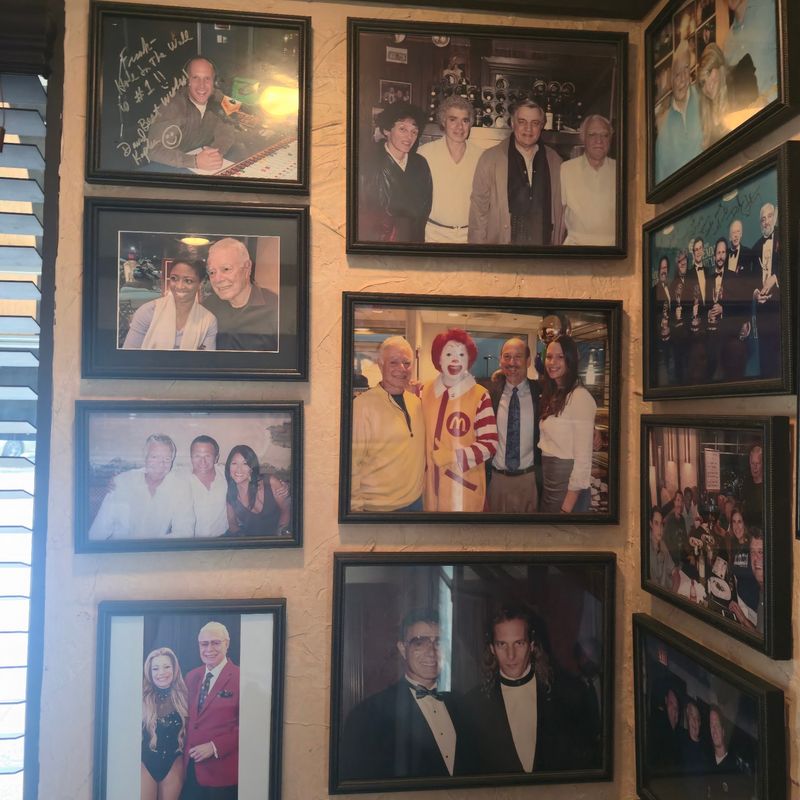
A crowded dining room can either feel stressful or full of life, and service is usually what decides the difference. At Francesco’s, the human side of the meal seems to be one of the main reasons the tight space works as well as it does.
Attentive servers, quick pacing, and a visible host or owner presence all fit the old-school restaurant model. That style is less about formal polish and more about keeping the room moving while making diners feel seen, even during a busy lunch or dinner rush.
Small gestures carry extra weight in a compact restaurant. An offer of wine during a wait, a quick check-in at the table, or a little after-dinner treat can turn a packed room from merely busy into something more welcoming and personal.
That personal touch also supports the menu’s flexible side. When a restaurant allows questions, adjustments, or guidance on specials, service becomes part of the food experience instead of just the delivery system that gets plates from kitchen to table.
Francesco’s has the kind of setup where staff knowledge matters. Since the board can change and the menu includes many choices, a helpful server can steer first-timers toward a stronger order and help regulars branch into something new without overthinking it.
Still, the larger pattern points to a place where hospitality remains central, not as a slogan, but as a practical tool that helps the whole operation stay smooth.
For diners, the best move is easy. Arrive ready to listen, ask a few smart questions, and trust the rhythm of the room, because at Francesco’s, service is not background noise. It is one of the main ingredients holding the entire experience together.
How to Time Your Visit So the Night Works Better
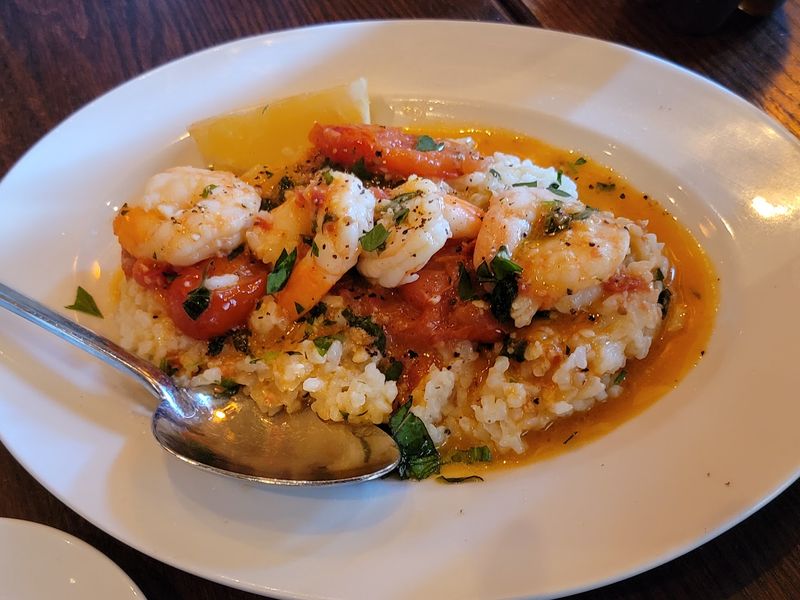
Here is the useful truth before making plans, Francesco’s is small enough that timing can shape the whole meal. The restaurant’s popularity, limited space, and narrow service windows mean a smart arrival can matter almost as much as deciding what to order.
Dinner seems to draw the heaviest rush, especially around opening on the evenings the restaurant serves it. Lines form early, which fits the pattern of a place with a loyal local crowd and a room that fills quickly once tables turn over.
That does not mean the wait is avoidable every time, but it does suggest better strategies. Early arrival helps, smaller parties move more easily, and patience becomes part of the trade for eating in a restaurant that has more demand than seating.
Lunch offers a different rhythm. With weekday midday hours available on several days, it can be the best option for anyone who wants the food without the densest dinner crowd, especially visitors exploring Northbrook or stopping by after nearby attractions.
It also helps to remember the weekly schedule is not wide open. Tuesday is closed, and dinner service is limited to certain days and time blocks, so casual last-minute planning carries more risk here than at restaurants open all day and late into the night.
Another small but helpful tip comes from the room itself. If the menu board is part of the ordering system, sitting directly under it may require a little leaning or standing to read clearly, which is worth knowing in a tightly arranged space.
Francesco’s rewards preparation more than spontaneity. Check the day’s hours, decide whether lunch or dinner suits your crowd, and show up with a little flexibility, because a restaurant this compact and this busy tends to run best for diners who plan one step ahead.
Why the Whole Experience Adds Up to More Than Size
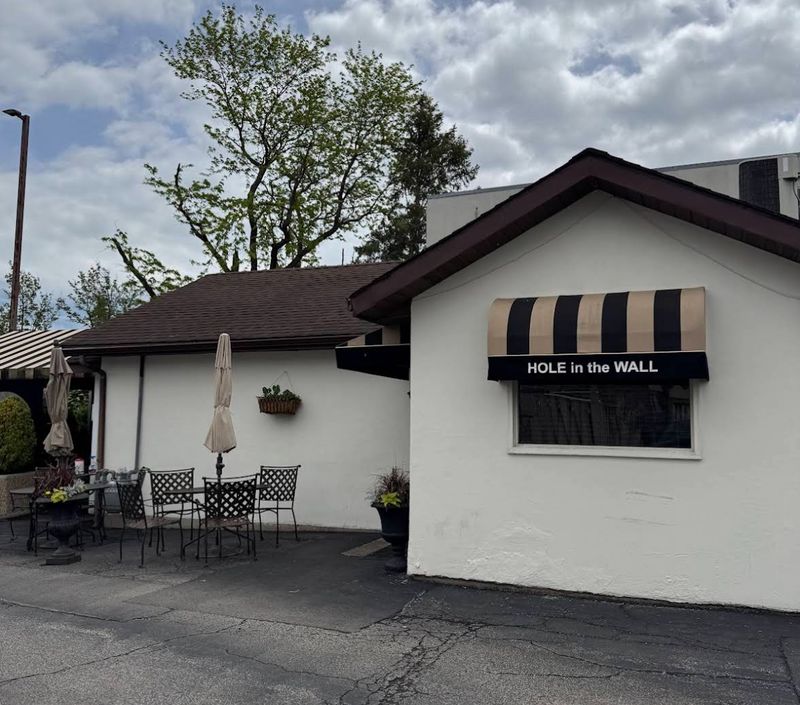
Small restaurants often get attention for being cute, but size alone does not build a strong identity. Francesco’s stands out because its compact room connects to a complete experience: serious comfort cooking, a lively pace, broad Italian choices, and desserts that keep the table going.
Butter cake and cannoli help finish that story. After rich pasta, veal, seafood, or osso buco, a dessert with real presence fits the restaurant’s style better than anything light or overly refined, and it keeps the meal rooted in abundance rather than restraint.
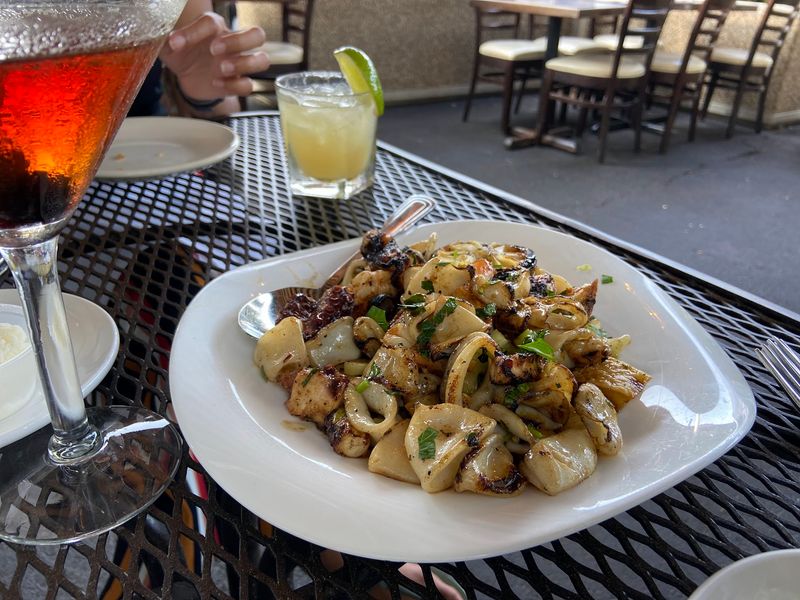
Appetizers also seem to play a supporting role with confidence. Calamari, bruschetta, artichokes, sausage and peppers, and large salads suggest that the meal can build gradually, giving the table a chance to settle into the room before the main dishes arrive.
That pacing matters in a crowded space. When starters, entrees, and desserts all carry their weight, the meal has structure, and the restaurant avoids becoming a one-hit place where everybody shows up for just one famous plate and ignores the rest of the menu.
There is also a broader reason the restaurant lands so well in suburban Chicago dining. It offers a strong sense of occasion without relying on luxury staging, oversized modern interiors, or trendy design tricks to create excitement.
Instead, the appeal comes from concentration. The room is compact, the flavors are bold, the service seems engaged, and the menu gives diners enough range to return and build a new meal around different cravings each time.
That is why the title fits. Francesco’s Hole In the Wall takes Italian tradition seriously not by making a speech about it, but by organizing the entire restaurant around classic dishes, warm hospitality, and a dining room where every square foot is working hard.
Share this story