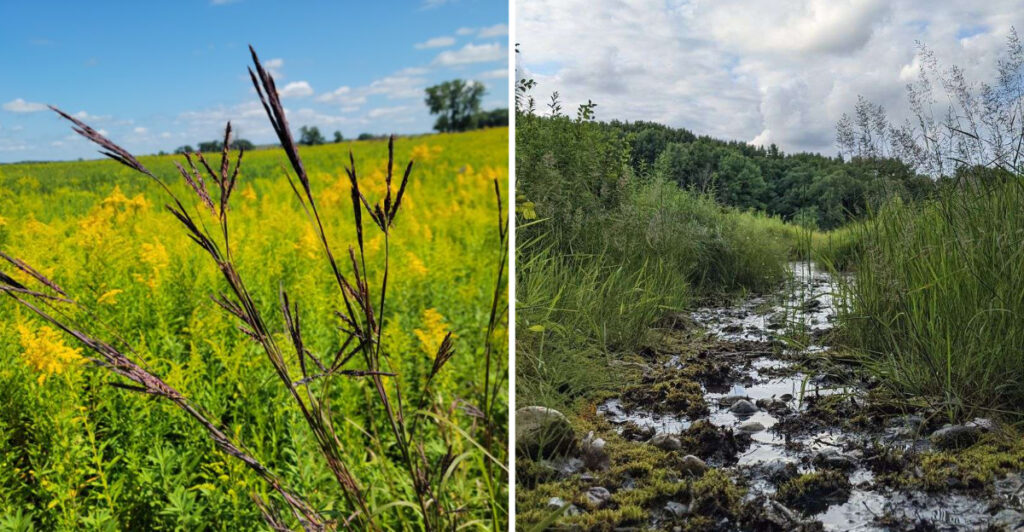
A boardwalk through Boger Bog Conservation Area puts your feet just above a landscape that feels completely different from ordinary Illinois woodland. Hidden in Bull Valley, this compact preserve protects unusual wetland habitat alongside rolling hills, forest, and an impressive variety of plant life.
Trails let visitors move through these changing environments at an easy pace, noticing how quickly the scenery shifts within a relatively small area. There is no need for a strenuous hike or elaborate itinerary; curiosity is enough. Boger Bog rewards anyone willing to slow down, look closely, and discover how much ecological variety can hide in one quiet corner.
A Rare Wetland Hiding in Plain Sight
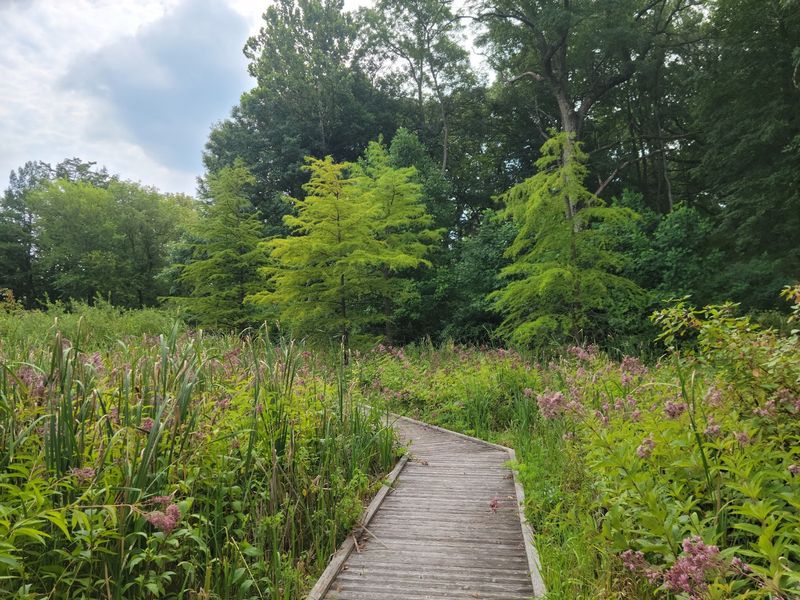
At first glance, Boger Bog Conservation Area does not shout for attention. It sits along Cherry Valley Road in Bull Valley with a modest entrance, and the surprise comes after the walk begins.
A place that looks quiet and simple from the road opens into a rare wetland landscape, where water, soil, and plant life work together in a way that is not common across America.
A fen is special because it is not just a soggy patch of ground. It is a distinct kind of wetland, shaped by slow water movement and unusual growing conditions that allow certain plants to thrive while others do not.
That is part of what gives Boger Bog its importance. Protected spaces like this help preserve species and natural systems that can disappear when land is drained, paved, or heavily altered.
Walking here also teaches a useful lesson about scale. Big parks often get the spotlight, yet a smaller preserve can hold remarkable variety when the habitat is right.
At Boger Bog, wooded slopes, flatter wet areas, and changing plant communities fit into a compact space, so the trail feels like a quick trip through several environments instead of just one.
For readers who hear the word fen and picture an empty marsh, this site changes that idea fast. The ground cover shifts, the air can feel cooler and damper, and the scenery moves from upland woods to wet pockets with a close, tucked-away look.
The result is a nature stop that is easy to reach but still unusual enough to feel like a discovery, especially in a part of Illinois where many travelers would never expect to find one of the nation’s rarest wetland types.
Boardwalk Miles Are Not Required Here
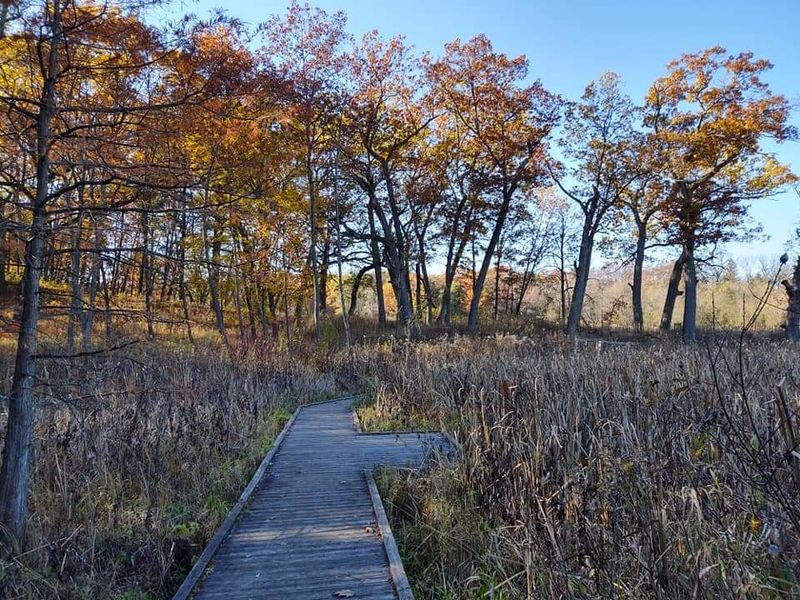
Not every nature outing needs a long haul, and that is one of the smartest things about Boger Bog. The trail here is short enough for a quick visit, yet the route still delivers the best part many wetlands never offer: a direct path through the middle of the habitat.
Instead of standing at an overlook and guessing what lies beyond the reeds, walkers get an up-close look. Boardwalk sections are a big reason the preserve is so approachable. They carry people over wetter ground while helping protect the area below from too much foot traffic.
That matters in a sensitive place where plants and soil can be damaged easily. The wooden path also changes the rhythm of the walk.
Feet sound different on the boards, views open up, and the wetland becomes something you move through rather than something you circle around.
The rest of the trail adds variety with dirt paths and a layout that stays manageable for most casual walkers. Some parts are relatively even, while other sections include moderate elevation change.
Because the preserve is not large, it works well for families, weekend wanderers, or anyone trying to fit a nature break into a busy day without committing to a long hike.
There is practical value in that shorter distance too. It gives visitors more freedom to slow down, read signs, study leaves, or watch for birds and flowers without worrying about covering miles before dark.
A fast lap is possible, but the better choice is often a patient walk. Boger Bog rewards attention in small ways, and the boardwalk is the invitation. It says the wetland is not off limits. It says come closer, step carefully, and see how this landscape actually lives.
Spring Puts the Ground on Stage
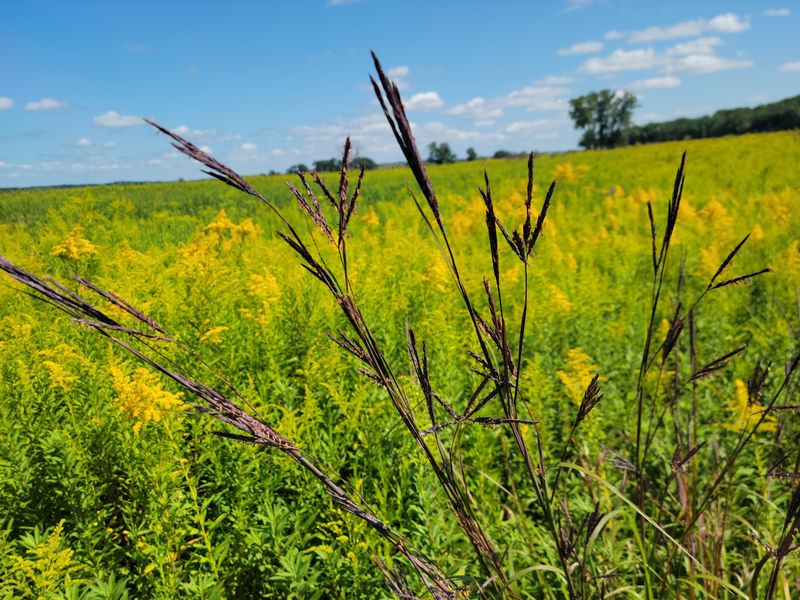
Early spring is when Boger Bog starts showing off details that many summer hikers walk right past. Before the trees fully leaf out, more light reaches the ground, and the preserve becomes a lesson in small seasonal changes.
Fresh green shoots, damp earth, and early blooms stand out clearly, making the whole trail feel alert and newly awake.
Skunk cabbage is one of the plants that gives this place its character. It is not flashy in the way a big field of wildflowers is flashy, yet it is a classic wetland sign and a reminder that boggy ground supports plants with unusual habits.
Spring can also bring ferns, trillium, and other native growth depending on timing, weather, and trail conditions. Even daffodils near the beginning of the season can add a bright note around the preserve.
Because the vegetation has not filled in completely, this is one of the easiest times to understand the layout of the land. Rolling wooded hills meet flatter wet sections, and the transitions are easier to spot when branches are still open.
People who enjoy taking photos often find spring especially rewarding because the textures are strong: glossy leaves, dark water, pale trunks, and rich mud all share the frame.
A few practical habits make a spring visit better. Wear shoes that can handle soft ground, and expect some muddy stretches if the weather has been wet.
Keep a close eye on the edges of the trail instead of rushing ahead. The preserve may be small, but in spring it functions like an outdoor notebook, full of clues about how the wetland works. One careful walk in March or April can reveal more than a much longer hike later in the year.
Summer and Fall Bring a Completely Different Map
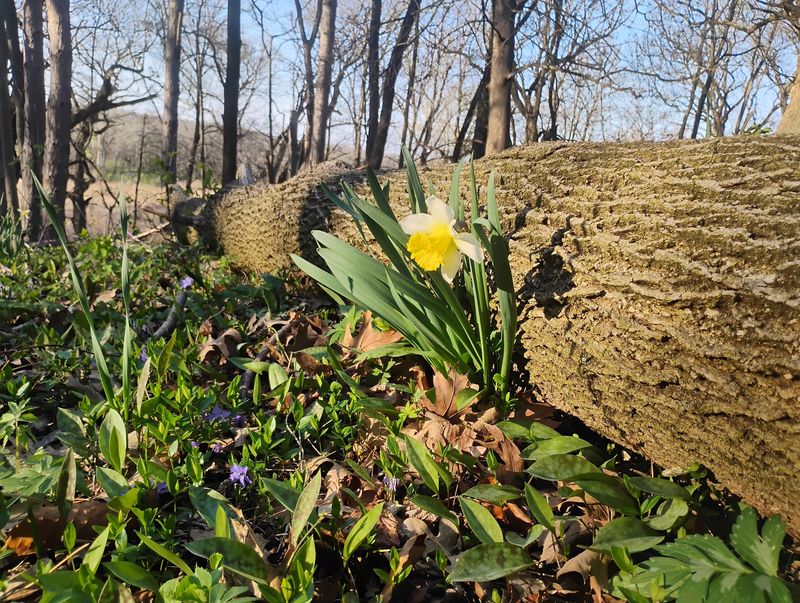
Come back in a different season and Boger Bog can look like a new place. Summer fills the preserve with taller growth, thicker foliage, and more blooming plants, so the trail becomes greener, closer, and more layered.
By late July, flowers can be one of the main attractions, especially for walkers who like to slow down and notice shape, color, and pattern.
That dense summer growth also changes how the trail reads. Open sightlines from early spring shrink as stems rise and leaves spread.
In some spots, the path can feel narrower than expected, and parts of the preserve may seem more enclosed. That is not a flaw in the experience.
It is a reminder that a living wetland does not stay neat and still for human convenience. It grows according to season, rain, and sunlight.
Autumn shifts the mood once again. The woods take on stronger color, the air cools, and foggy mornings can make the preserve look especially striking without turning it into a dramatic theme park scene.
Fallen leaves add contrast to the boardwalk and dirt path, and the shorter route suddenly suits chilly weather very well. A brief walk can feel full and satisfying when the light is lower and the landscape is changing fast.
Each season also calls for a different kind of planning. Summer may bring more bugs, so repellent is a smart idea.
Fall can mean muddy patches, slick leaves, and the need for a tick check before heading home. That changing map is part of the draw.
Boger Bog is not a one-season stop where everything peaks on a single weekend. It is better understood as a small preserve with several distinct versions, each one revealing another side of the wetland.
Bull Valley, Illinois Packs History Into the Trail
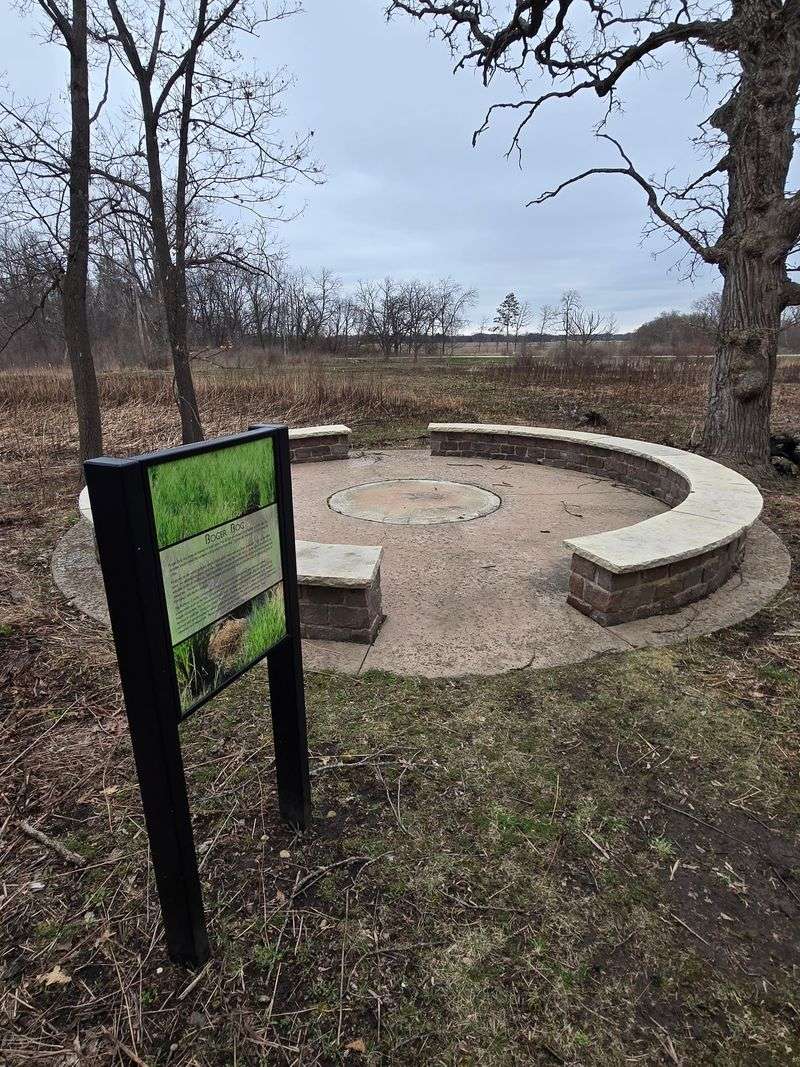
Natural beauty does most of the talking at Boger Bog, but a few built details add an unexpected twist. Tucked into the preserve are features that connect the site to older pieces of Illinois history, giving the walk more texture than a standard loop through woods and wetlands.
It is a quiet kind of storytelling, easy to miss if the visit turns into a fast march. One standout detail is the small covered picnic area with roof tiles reportedly salvaged from the 1933 Chicago World’s Fair. That single fact changes the mood around a simple shelter.
Suddenly it is not just a place to pause or tie a shoe. It becomes a physical link between a preserved natural area in Bull Valley and a famous event from Chicago’s past. The council ring adds another note, with antique granite pavers that were salvaged from a Chicago street.
Those pieces matter because they broaden the experience without taking focus away from the wetland itself. The preserve still works first as a habitat and trail system, but the historic materials show how conservation sites can also carry cultural layers.
A short walk can hold geology, botany, and bits of urban history all at once, which is a more interesting combination than many travelers expect from a smaller nature stop.
The interpretive signs help tie those pieces together. They give context to what is underfoot and what is growing nearby, which makes the visit more educational without becoming heavy or formal.
For adults with curious kids, or for anyone who likes a walk with substance, those signs are worth reading instead of passing by. Boger Bog does not treat history like a separate exhibit in another building. It places it right along the route, where old materials and living landscape share the same path.
How to Enjoy the Preserve Without Fighting It
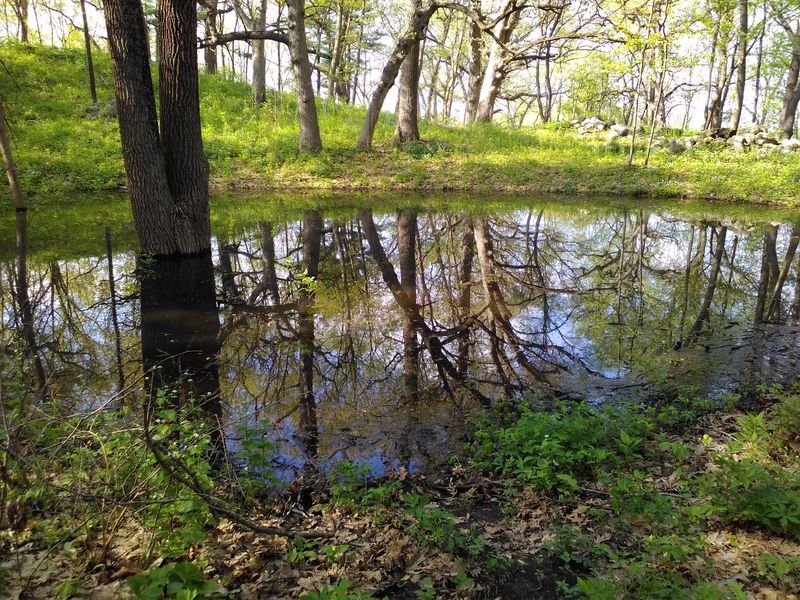
A good visit to Boger Bog depends less on athletic skill and more on smart timing and simple preparation. The preserve is short, but it is not a paved city stroll.
Wet ground, narrow spots, bugs, and seasonal mud are all part of the experience, so the best approach is to arrive ready for the place instead of expecting the place to adjust itself.
Footwear is the first easy win. Shoes with grip make a difference on dirt sections and after rainy weather, especially if the trail gets soft.
Sticking to the main route is also wise for anyone who wants a cleaner, less complicated walk. Side areas can be muddier, and this is the kind of preserve where a small wrong turn may lead straight to soggy ground or a brushy edge.
Timing helps shape the outing too. Early spring is great for seeing the ground layer before the canopy fills in. Summer offers lush growth and flowers, but more insects may be around.
Autumn can be especially attractive, with cool air and changing leaves, though tick checks are still a smart habit. Even on a short hike, a quick look over clothing before leaving the preserve is time well spent.
Once on the trail, slowing down is the real trick. Because the walk can be done quickly, many people are tempted to treat it like a brief leg stretch and move on.
Yet Boger Bog gives more when the pace drops. Read the signs, notice where the land rises and falls, and pay attention to how the boardwalk changes your view of the wetland. The preserve is small enough to fit into a busy day, but it works best when there is no rush to finish it.
Small Preserve, Big Payoff
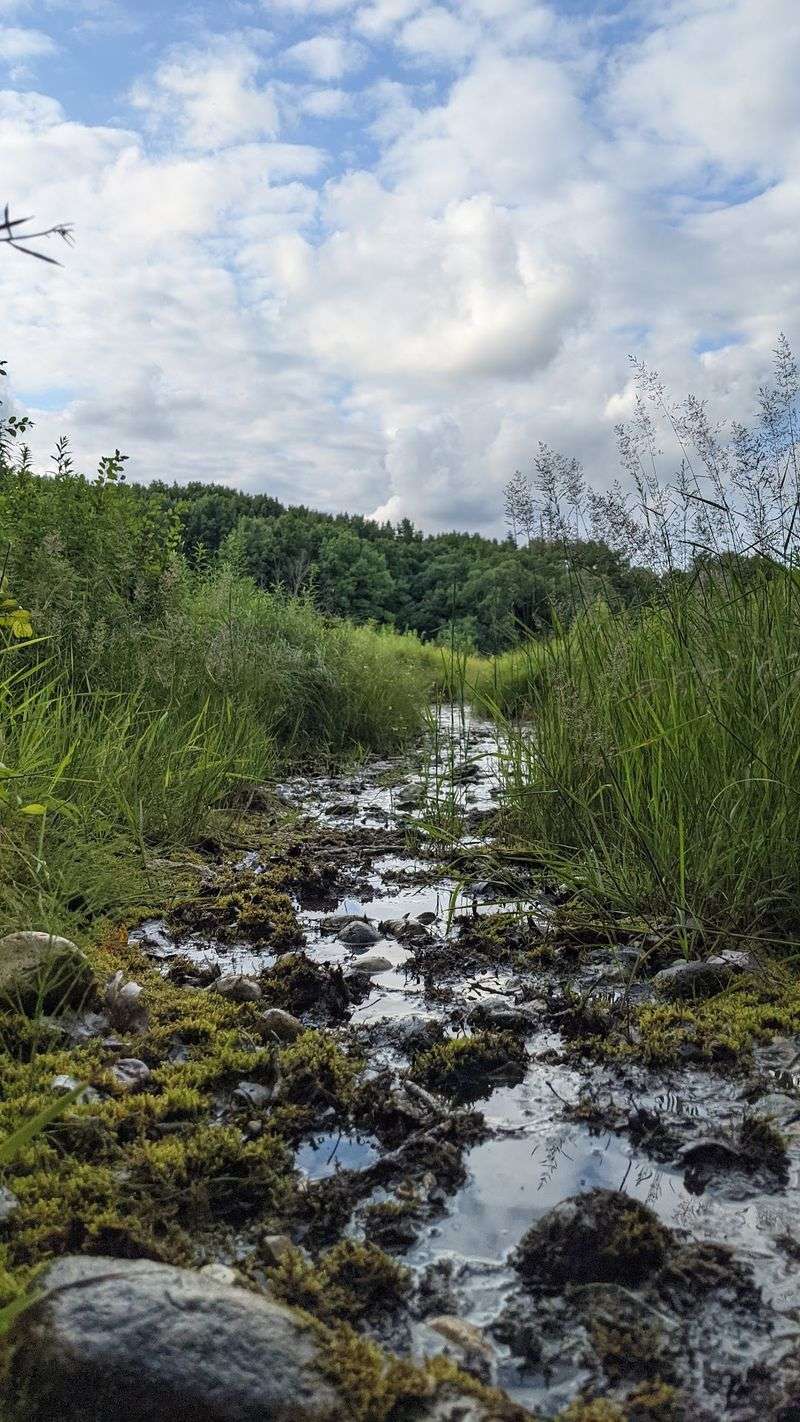
Size is the first practical fact to understand about Boger Bog, and it shapes the whole visit in useful ways. This is not an all-day destination with miles of trails, large visitor facilities, or big crowds moving through separate zones.
It is a smaller preserve with a brief walking route, limited parking, and a more tucked-away setup that rewards realistic expectations.
That small scale can actually be a strength. A quick stop becomes easy to fit into a morning or afternoon, and the preserve works well for people who want fresh air without turning the day into a major expedition.
Short hikes have their own charm when they are done well. Here, the route still includes boardwalk, woodland, wetland views, moderate elevation change, and a few features that give the outing more shape than a plain neighborhood path.
Parking is one of the main things to plan around. Spaces are limited, so arriving earlier can help, especially on pleasant weekends or during peak seasonal color.
Because the preserve is compact, it also helps to keep noise low and movement respectful. The quiet is part of the value, and the site makes the most sense when treated as a conservation area first and a casual hangout second.
The final reason the place stands out is simple. Few stops this manageable offer such a direct encounter with a rare wetland type while still feeling friendly to everyday walkers.
Boger Bog does not rely on grand scale to make its point. Instead, it shows how a short trail can carry real ecological importance, visual variety, and a sense of discovery in less than a mile.
For Illinois travelers looking beyond the usual park circuit, that is a strong combination and a memorable use of a small patch of land.
Share this story