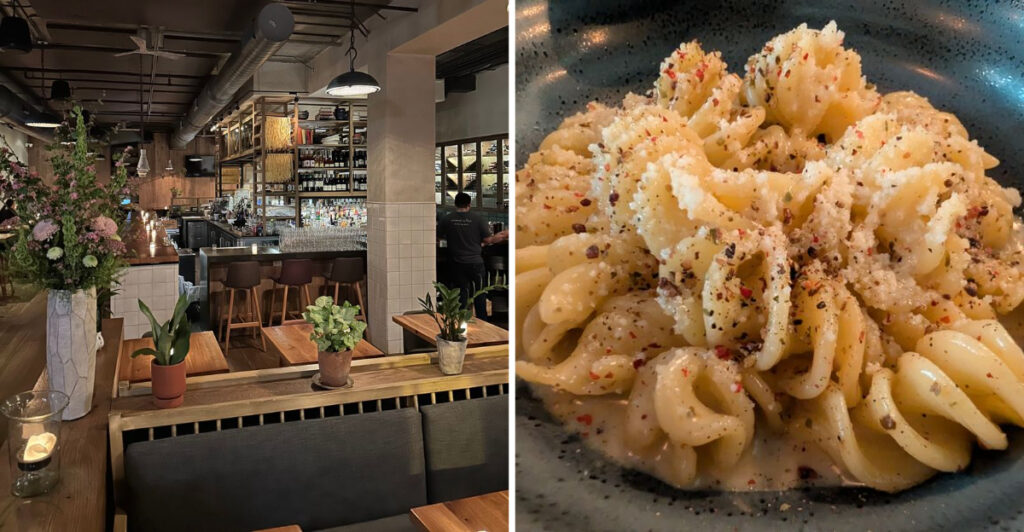
Watching fresh pasta being made by hand is enough to build anticipation before the first bite ever arrives. At Monteverde Restaurant & Pastificio in Chicago’s West Loop, handmade noodles, carefully crafted sauces, and Italian-inspired dishes take center stage, earning the restaurant a reputation as one of Illinois’ premier dining destinations.
The lively atmosphere, open pasta-making process, and creative approach to regional Italian cuisine combine to create an experience that feels both authentic and refreshingly modern. Whether you’re celebrating a special occasion or simply craving exceptional pasta, Monteverde delivers a meal that transports diners straight to the heart of Italy.
A West Loop Dining Room Built Around Motion
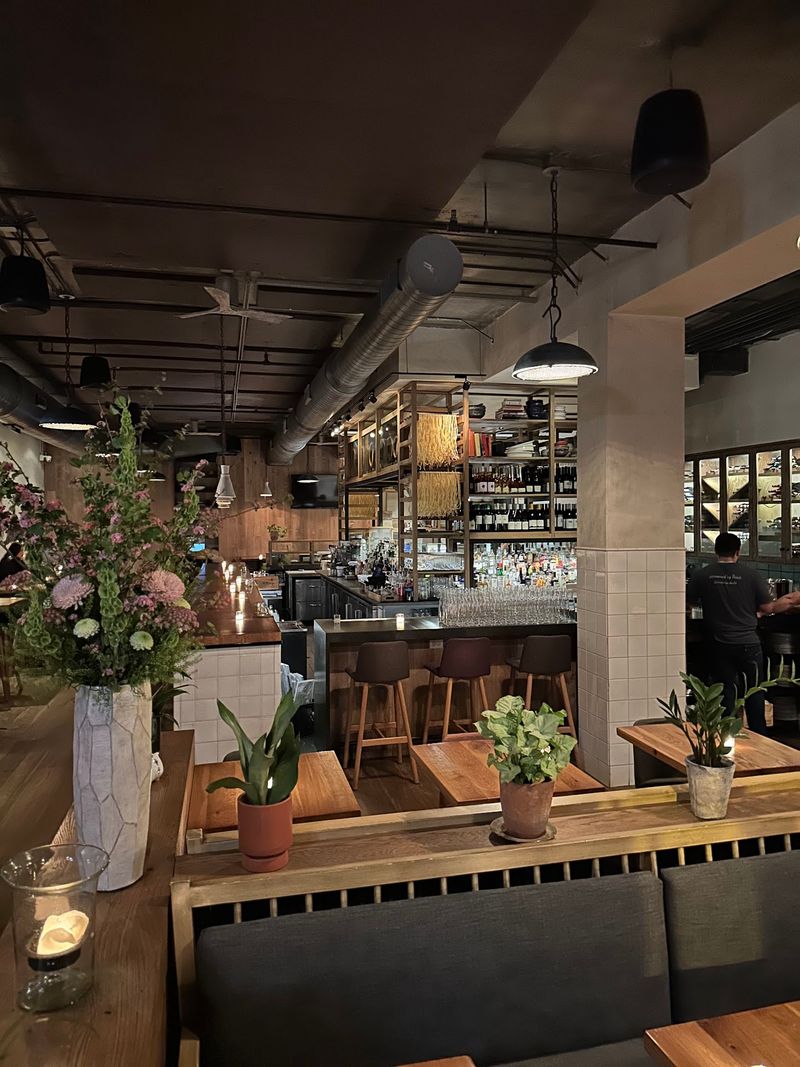
Energy hits the room before the first plate lands on the table. Monteverde is not designed as a quiet little corner restaurant. It moves, glows, and hums, with a layout that lets diners feel part of the action instead of tucked away from it.
One of the smartest visual details is the way the pasta-making area becomes part of the experience. Watching cooks shape noodles adds a sense of rhythm to the meal, and it also sets expectations right away.
This is a restaurant where craft is not hidden in the back, which makes the handmade focus easier to understand even before ordering. The dining room itself walks a careful line between stylish and comfortable. It feels polished, but not stiff.
Warm lighting, a lively bar scene, and a steady flow of plates make the space feel social, especially during busy lunch and dinner hours when the whole room seems to move in sync.
That atmosphere changes how the meal unfolds. A bowl of pasta feels more exciting when it arrives in a room already buzzing with conversation and motion.
For anyone planning a visit, it helps to expect a spirited setting rather than a hushed one. Monteverde works best when approached as a full restaurant experience, not just a quick pasta stop.
Sit where the open kitchen or pasta station is in view if possible, especially on a first visit. The restaurant becomes easier to appreciate when the process is visible, because each detail on the plate connects back to the activity in the room.
In a city packed with dining options, that sense of movement gives Monteverde a strong identity before a single bite is taken.
Handmade Pasta That Puts Texture First
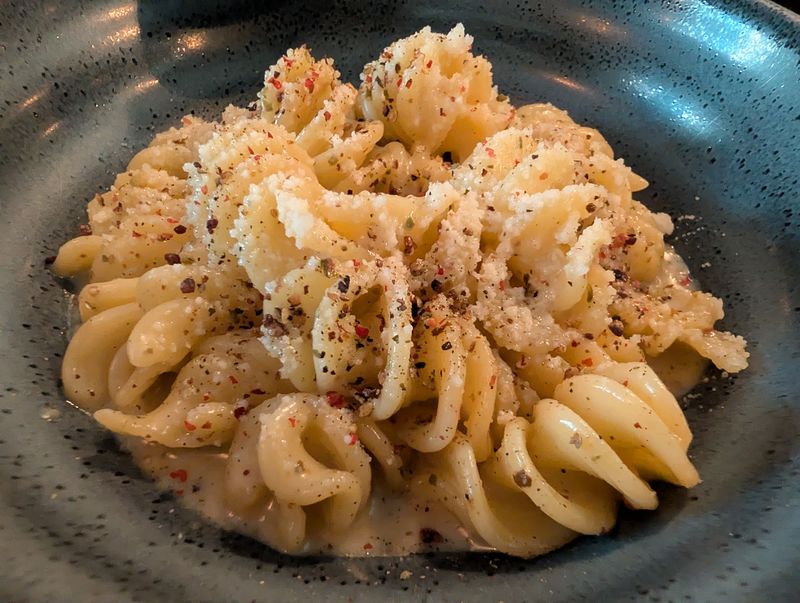
Great pasta is easy to praise and harder to explain. At Monteverde, the key difference often comes down to texture.
Handmade pasta has a chew, bounce, and grip that boxed noodles rarely match, and that texture changes the whole meal because sauce clings better and each bite has more shape.
The menu is known for pastas that do more than rely on heavy richness. Shapes matter here. A twist, fold, or ribbon is not just for looks.
Different forms hold pepper, cheese, tomato, ragù, or herbs in different ways, which is why one dish can feel bold and deep while another stays light and bright even with strong ingredients.
Popular plates often include cacio whey pepe, pomodoro spaghetti, gnocchetti, and filled pasta, but the bigger story is the kitchen’s attention to balance. Firm pasta can carry creamy sauce without turning mushy.
Tomato sauces can taste fresh instead of sugary. Rich dishes stay lively when acidity, pepper, or citrus is used with care.
That is why ordering pasta here should be done with curiosity rather than habit. Instead of picking the safest option, look at the noodle shape and ask how the sauce will behave with it.
Lunch is a good time for a first visit because the room is active but often easier to book than peak dinner. Sharing two or three pasta dishes at the table also makes sense, since the contrasts become part of the fun.
One bowl may lean sharp and peppery, another slow-cooked and savory, and a third soft and delicate around the edges.
Monteverde makes a strong case that pasta is not one thing. It is a craft built from flour, shape, timing, and restraint, and that difference shows up clearly on the plate.
Burrata, Skewers, and Starters That Refuse To Be Side Notes
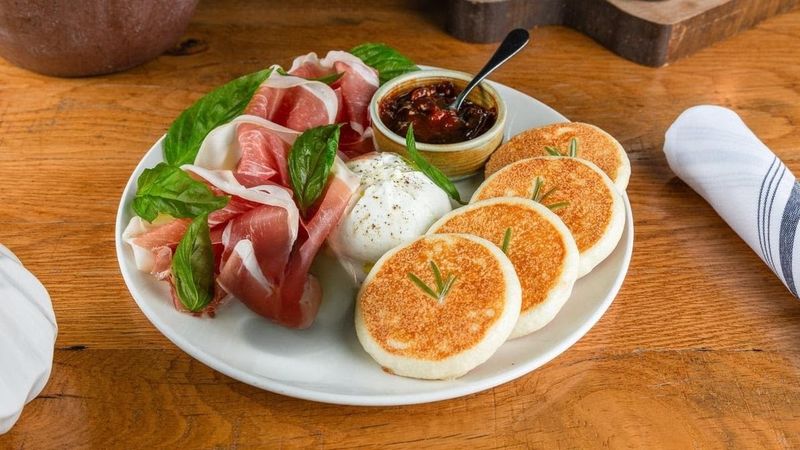
Not every Italian restaurant gives equal attention to the beginning of the meal. Monteverde does, and that matters because the starters help set the pace before the pasta arrives. A table can build real momentum here with small plates that feel thoughtful instead of filler.
The burrata and ham pairing is one of the clearest examples. Creamy cheese, cured meat, bread, and sweet-sharp accents create contrast in nearly every bite.
It is the kind of dish that works best when shared, because people naturally start comparing what happens when they add a little more spread, fruit, or crunch to the next piece.
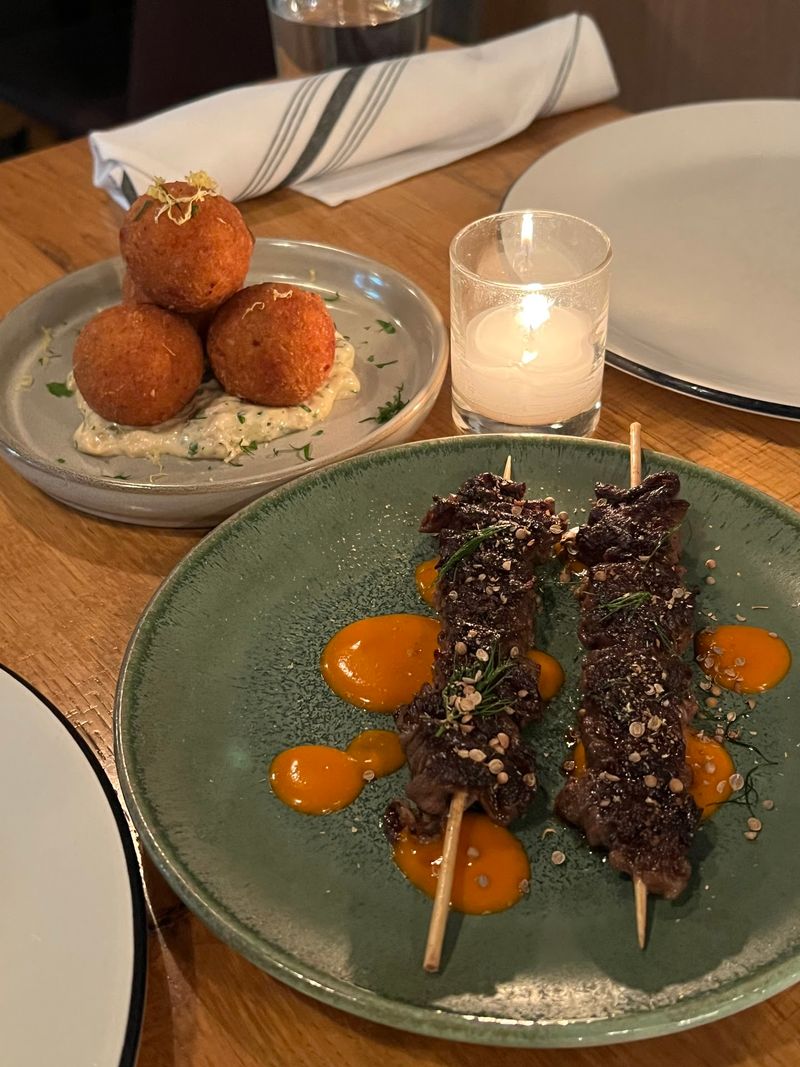
Then there are savory dishes with more weight, like wagyu beef skewers, meatballs, shrimp scampi, or arancini. These are not tiny decorative bites.
They bring smoke, salt, heat, or deep richness to the table and make the menu feel broader than a standard pasta house. Even vegetable plates can hold their own, which helps groups with different tastes order confidently.
A smart way to eat here is to resist the urge to rush straight to an entrée. Start with two or three dishes that lean in different directions, maybe one creamy, one crisp, and one meaty or briny.
That creates a wider picture of the kitchen’s style and keeps the meal from feeling one-note. It also helps if the table plans portions with dessert in mind, because some appetizers and sweets are known for generous size.
Monteverde’s opening courses show how a restaurant can be playful and precise at the same time. The best starters are not just good on their own.
They tune up the appetite, widen the flavor range, and make the pasta course land with even more impact. Here, the early plates do exactly that and earn their space.
Chicago, Illinois, Meets Italian Craft Through Chef-Driven Cooking
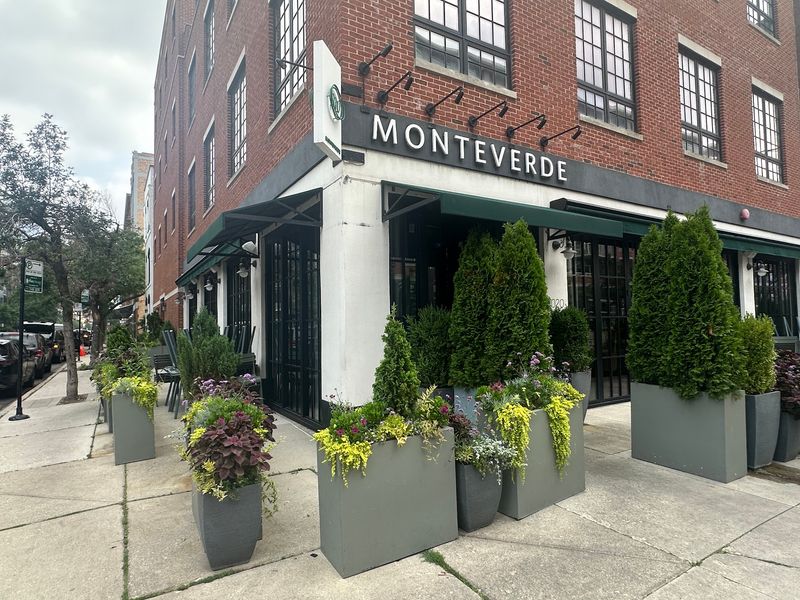
Walking into Monteverde, it quickly becomes clear that the restaurant aims for more than simply serving excellent pasta.
Every part of the experience, from the handmade noodles to the carefully composed plates, reflects a kitchen built around Italian craftsmanship while embracing the creativity of one of Chicago’s most celebrated dining neighborhoods.
Chef Sarah Grueneberg’s influence runs throughout the menu. Rather than recreating regional Italian recipes exactly as they have always been made, she builds on those traditions with thoughtful techniques, seasonal ingredients, and modern presentation.
The result feels respectful of Italy’s culinary heritage while remaining unmistakably rooted in Chicago. That balance is exactly what fits the West Loop so well.
Diners here expect restaurants with personality, confidence, and genuine skill, and Monteverde delivers all three without becoming overly formal. The lively atmosphere, open pasta station, and polished service create a restaurant where craftsmanship is visible instead of hidden behind the kitchen doors.
The comparison to Naples comes from the restaurant’s philosophy rather than imitation. Fresh pasta is prepared daily, sauces are matched carefully to each noodle shape, and every ingredient has a purpose on the plate.
Nothing feels excessive because the kitchen allows quality ingredients and traditional techniques to carry the meal instead of relying on unnecessary flourishes. That approach keeps Monteverde fresh even for returning guests.
Seasonal dishes rotate alongside beloved signatures, encouraging diners to revisit favorites while discovering something new each time. It is this combination of Italian tradition, creative confidence, and consistent execution that has made Monteverde one of Chicago’s defining Italian restaurants.
Rather than copying the past, it captures the spirit of Italian cooking and gives it a home in the heart of the West Loop.
How To Order for the Best Full-Table Experience
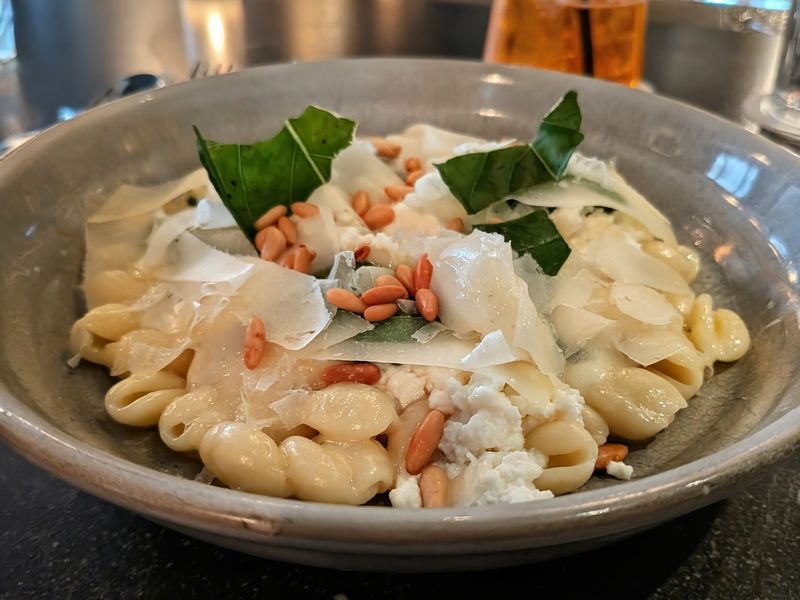
A meal at Monteverde works best when the table thinks like a team. The menu has enough range that ordering one dish per person can actually shrink the experience. Shared starters, a few different pastas, and one dessert for the middle often show the restaurant at its strongest.
Begin with contrast. A creamy plate like burrata can sit next to something with smoke or char, such as a skewer, while a fried bite adds crunch.
That kind of start wakes up the table and keeps everyone from eating three versions of softness in a row. Texture matters here almost as much as flavor.
For pasta, choose different styles instead of slight variations on the same idea. Pair a cheese-and-pepper dish with a red-sauce option, or a filled pasta with a ragù-based bowl.
One shape may feel springy and bold, another smooth and delicate. When courses are shared, the craftsmanship becomes easier to notice because each dish highlights a different strength.
Dessert deserves strategy too. Monteverde is known for sweets that can be generous, especially tiramisu and other rich finishes.
Ordering one for the table first, then deciding if more is needed, is often smarter than everyone locking in a separate choice. If lunch is available, that can be an especially good time to test the menu without the full pressure of prime dinner demand.
Larger groups may also benefit from family-style options when offered, since the kitchen clearly handles pacing well. Another practical tip is to ask the server for a progression rather than just recommendations.
A helpful sequence can shape the meal better than simply choosing the most famous dishes. Monteverde rewards curiosity, but it rewards planning too.
The best visit is not about chasing a single signature plate. It is about building a meal where each course changes the rhythm just enough to keep the table engaged.
Reservations, Timing, and the Smartest Way To Get In
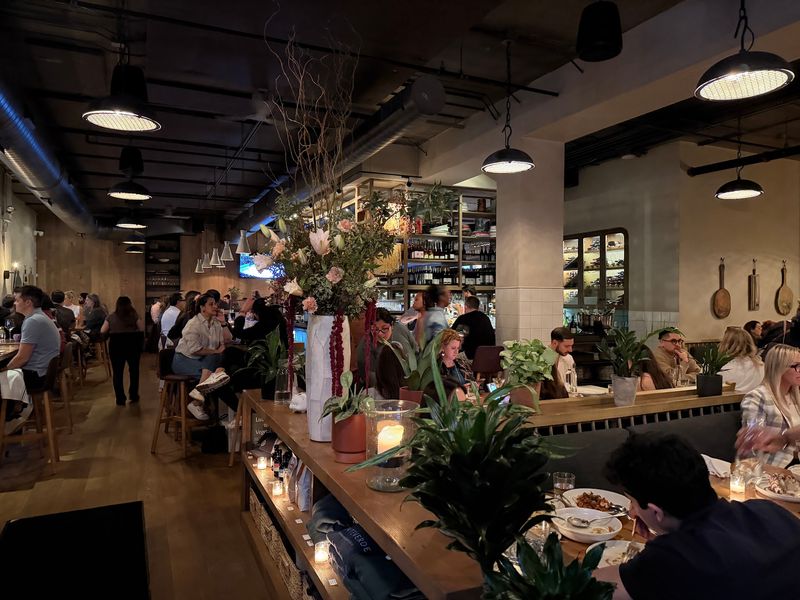
Getting a table at Monteverde is often the first step in the experience. The restaurant’s popularity means reservations are highly recommended, particularly for weekend evenings and other peak dining hours.
Planning ahead pays off, allowing the focus to stay on the meal instead of wondering whether a table will open up. For first-time visitors, lunch can be an excellent introduction.
The menu still showcases the restaurant’s handmade pasta and signature style, but the atmosphere is often a little less hectic than the busiest dinner services. Diners interested primarily in the food rather than the social buzz may find midday reservations easier to secure while enjoying the same level of craftsmanship.
If the main dining room is fully booked, bar seating is another worthwhile option. Watching the kitchen and pasta makers at work adds another layer to the visit, turning the wait between courses into part of the entertainment.
It is one of the few seats in the restaurant where the craftsmanship behind each plate becomes even more visible. The West Loop location also deserves a little planning.
Traffic, parking, and rideshare delays are common in one of Chicago’s busiest dining neighborhoods, so arriving with extra time helps the evening begin on a relaxed note rather than a rushed one.
Monteverde is typically closed on Sundays and Mondays, making reservations from Tuesday through Saturday especially valuable during popular service times. One final piece of advice is not to wait endlessly for the “perfect” reservation.
Lunch, an early dinner, or even a last-minute opening can provide the same outstanding food and welcoming atmosphere that have made Monteverde one of Chicago’s most sought-after Italian restaurants. When the pasta is this carefully made, the experience is rewarding regardless of the time on the reservation.
Why the Final Bite Matters Here Too
Some restaurants treat dessert like an afterthought, a polite ending after the real work is done. Monteverde does not take that route.
The last course has its own personality, and skipping it can cut the meal short just when the kitchen is showing one more layer of range.
Tiramisu gets a lot of attention, and with good reason. It is often described as generous, rich, and creamy, more of a full event than a tiny sweet bite.
That size matters because it shifts dessert from a quick personal add-on into a shared table moment, especially after several courses.
Other sweets can bring a different tone, from darker chocolate notes to lighter, colder, or more cake-like finishes depending on the menu. That variety helps the meal avoid ending on the exact same richness found in some earlier courses.
A bright or airy dessert can act almost like a reset after pasta, cheese, and slow-cooked meat. The bigger point is that Monteverde seems to think about the arc of dinner, not just the headline dishes. Service, pacing, and the sequence of flavors all help turn a meal into something complete.
That is a major reason the restaurant stands out in a crowded city. It is not only serving handmade pasta. It is building a full progression, from the first share plate to the final spoonful.
For readers drawn by the promise of Italian cooking that transports the senses, that full arc is where the restaurant earns its reputation.
The room stays lively, the pasta delivers texture and care, and dessert closes things with confidence instead of duty. If there is one practical lesson to carry into a reservation, it is simple: do not fill up too early.
Save a little room at the end. Monteverde knows how to use it, and the finish can be just as telling as the famous pasta in the middle.
Share this story