Bring in a bag of clothes you never wear, and you could leave with store credit worth more than the cash offer. That one trade rule changes how I think about cleaning out a closet.
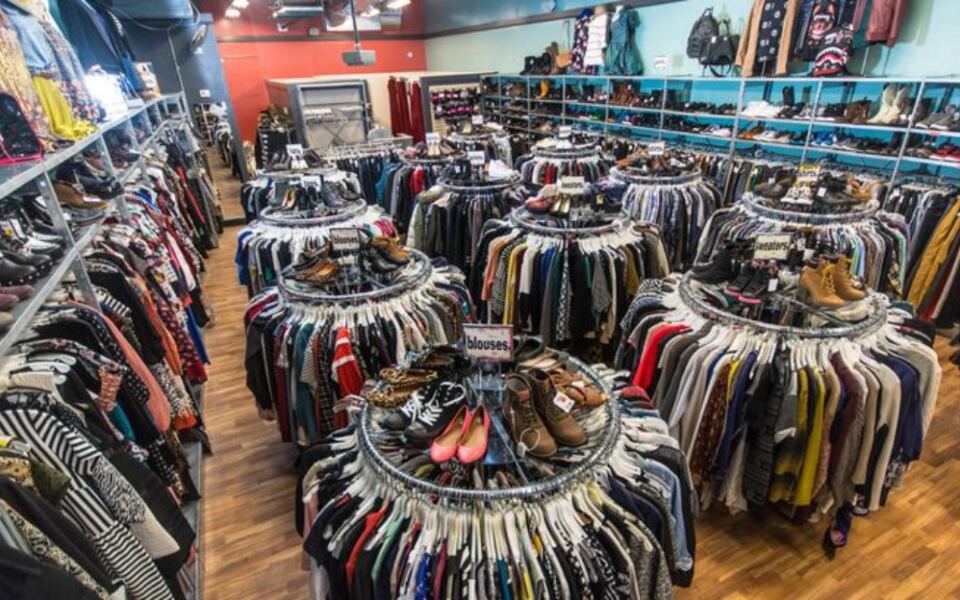
The racks here hold vintage tees, denim, shoes, jewelry, and designer labels. Everything is used, and the stock keeps turning over as people sell and trade.
This Illinois shop sits in one of Chicago’s busiest shopping neighborhoods. It belongs to a chain known for buying, selling, and trading trendy and vintage clothing for men and women.
I like how the whole idea feels like a giant closet swap with a cash register. You can shop, sell, or do both in one trip. I can’t imagine a more satisfying way to refresh a wardrobe without draining your wallet.
Your Old Clothes Might Pay For Your New Ones
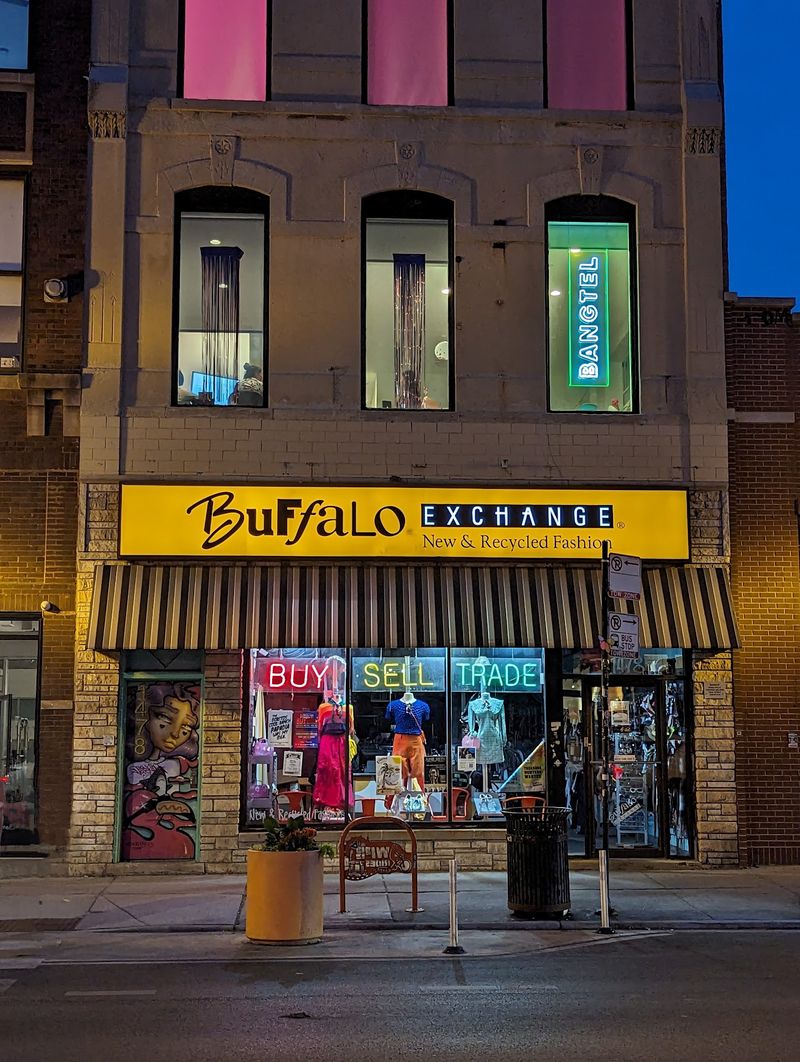
Most stores only want your money. Buffalo Exchange, 1478 N Milwaukee Ave, Chicago, IL 60622, also wants your gently used clothes, shoes, and accessories.
The big appeal is the buy, sell, and trade setup. You bring in items, and a buyer looks through them at the counter. If something fits what the store needs, you get an offer.
Here’s the fun part. You can take cash, or you can choose store credit. The trade option is worth more than the cash offer, so shoppers who plan to browse anyway often come out ahead.
Keep your expectations realistic, though. Buyers pick pieces that match current demand and the season, so not everything in your bag will get chosen. That’s normal for resale, not a personal insult to your favorite old sweater.
Clean, folded items give you the best shot. Bring things that look ready to wear, with no stains or missing buttons. Don’t forget a valid government-issued ID, which you’ll need to sell your items.
Anything the buyers pass on goes back home with you. You can also ask about donating those leftovers. Either way, your closet gets lighter, and that alone feels like a small victory.
Vintage Tees Are Basically The Main Event Here
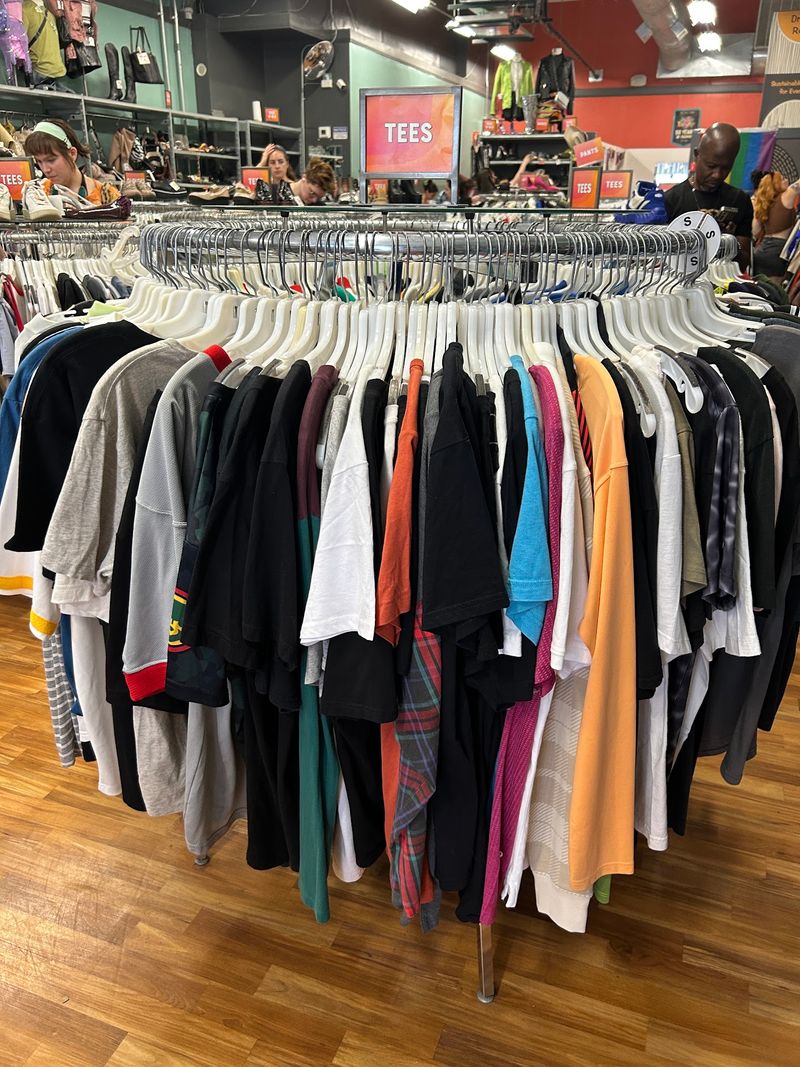
Faded band logos. Old sports graphics. Shirts with slogans nobody has printed in decades.
The tee racks are where a lot of treasure hunting happens.
Vintage and used tees fill a big part of the store, and the mix keeps shifting. A shirt that hangs there today could belong to someone else by tomorrow afternoon.
That’s what makes browsing exciting. Nothing is mass-produced in neat stacks. You get one size, one color, and one chance.
Give yourself time to flip through each hanger slowly. Graphic shirts often hide between plain ones, and the good stuff rarely announces itself from across the room.
Check the tag, the collar, and the hem before buying. Used means lived-in, so a quick inspection saves you from surprises later at home.
Men’s and women’s sections both carry tees. Don’t limit yourself to one side if you like a roomier or more fitted look.
A great vintage shirt can carry a whole outfit. Pair it with jeans, and you suddenly look like you planned your style months ago. Nobody needs to know it took ten minutes.
Designer Labels Show Up Without The Department Store Markup
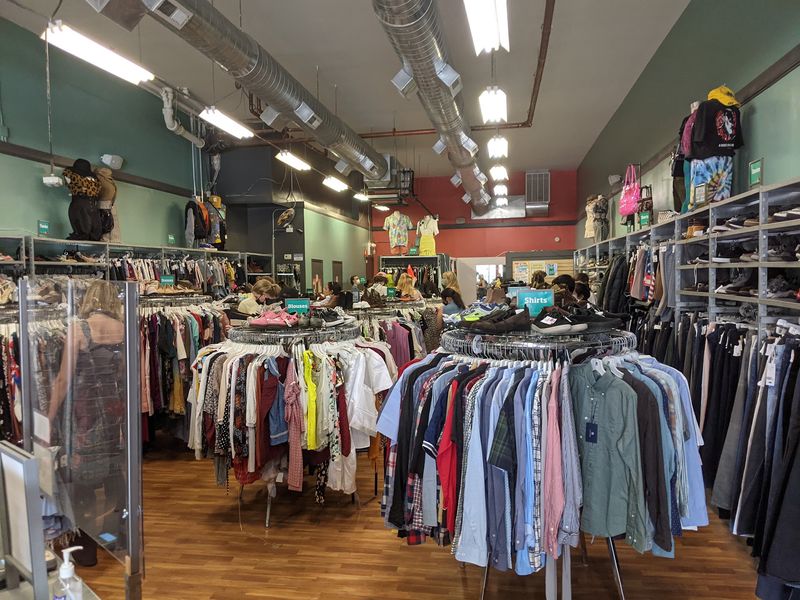
Designer pieces at secondhand prices? That pairing explains a lot of the excitement around this shop.
Buffalo Exchange carries name brands and designer items alongside everyday clothing. Prices depend on the label, the condition, and the style, so they’re higher than a typical thrift bin.
Still, the math often works in your favor. You pay less than buying the same piece brand new at a mall store.
The trade-off is effort versus price. Thrift stores can be cheaper, but they usually require far more digging. Here, buyers have already sorted through what comes in and chosen pieces they think will sell.
That curation saves time. You spend less energy sifting through worn-out basics and more energy finding something you actually want.
Look closely at designer items before you buy. Check seams, zippers, and linings, since secondhand pieces each have their own history.
A smart strategy is to set a budget before you start. Designer tags can be tempting, and one gorgeous jacket can quickly turn into three. Your future self will thank you for that little bit of planning.
Accessories Can Steal The Whole Show
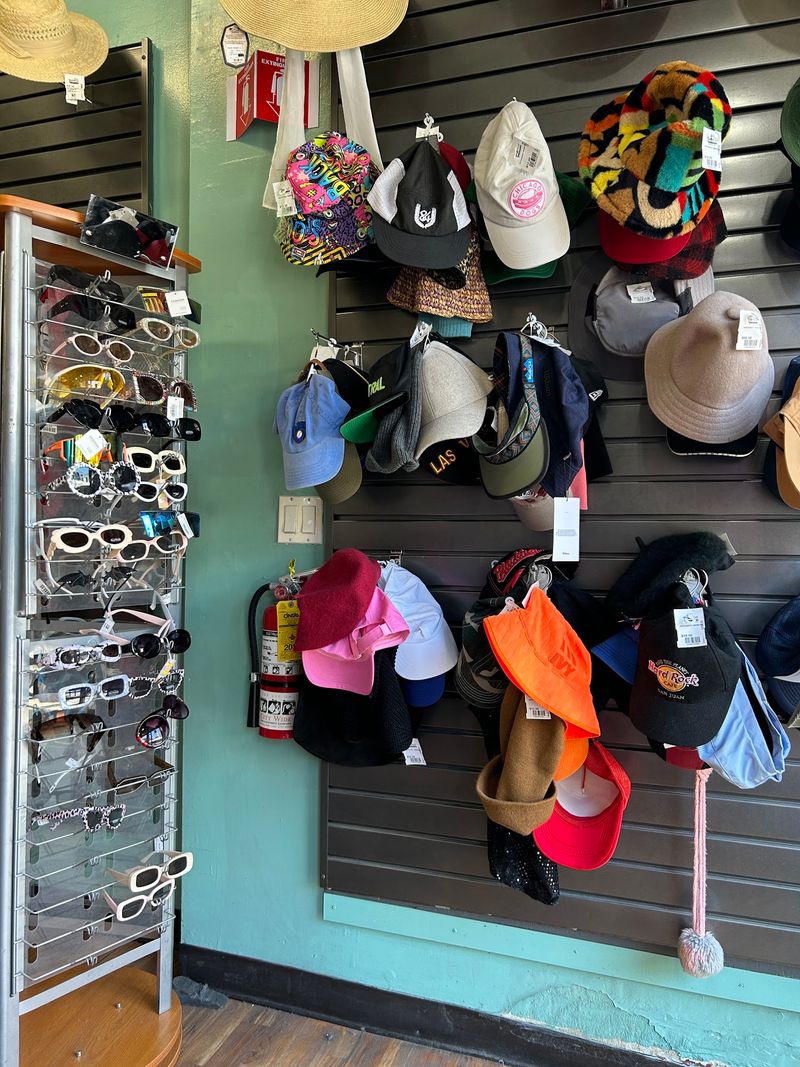
Sometimes the best find isn’t a shirt at all. It’s a ring, a hat, or a pair of shoes that finishes an outfit perfectly.
Along with clothing, the store sells shoes, jewelry, hats, and other accessories. These small pieces often get overlooked by shoppers rushing toward the main racks.
Slow down near the accessories. Jewelry especially can add personality to a plain outfit without costing much.
Shoes deserve their own careful look. Check soles, heels, and insides for wear, then try them on if you can. A good fit matters more than a cool label.
Hats and bags are great for experimenting. They’re easy ways to test a new style without committing to a whole new wardrobe.
Accessories also make thoughtful gifts. A one-of-a-kind piece feels more personal than something grabbed off a big chain store shelf.
And yes, accessories count when you sell too. If your jewelry box or shoe closet is overflowing, those items can go into your trade bag. Swapping old earrings for new ones sounds like the most stylish kind of recycling around.
Fresh Stock Means Every Visit Feels Different
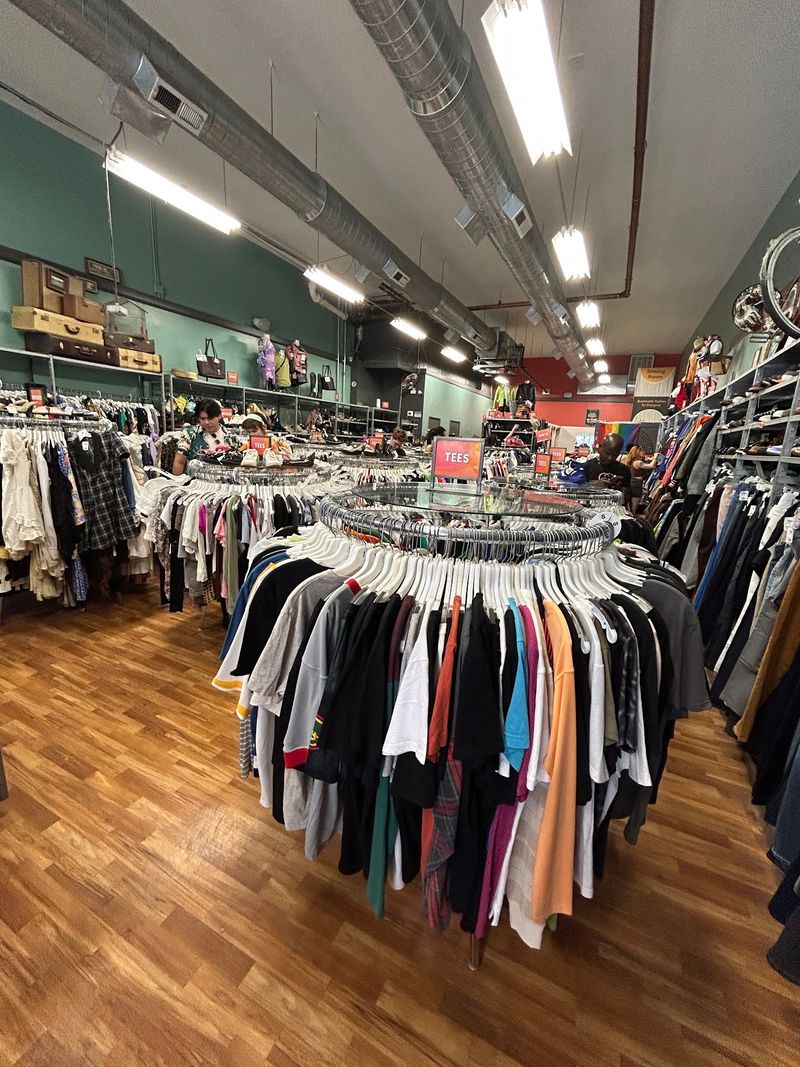
Here’s a fun twist on shopping. The inventory comes from the community, one bag of clothes at a time.
Because people sell and trade items daily, new pieces keep landing on the racks. That steady flow keeps the store from feeling stale.
For shoppers, it means one visit never tells the whole story. Leaving empty-handed today says nothing about next week.
Frequent short trips can beat one long marathon. Stopping in regularly gives you more chances to catch something special before it disappears.
Think of it like checking a mailbox. Some days hold nothing exciting, and other days surprise you completely.
A good habit is keeping a mental wish list. Maybe you want a denim jacket, a certain boot style, or a cozy winter coat. Having a target makes scanning racks faster and more focused.
Seasons matter too. Warm-weather clothes and cold-weather layers move in and out as the year changes. Shopping slightly ahead of the season can help you grab pieces before everybody else realizes they need them.
That’s planning that pays off nicely.
Packed Racks Reward A Patient Shopper
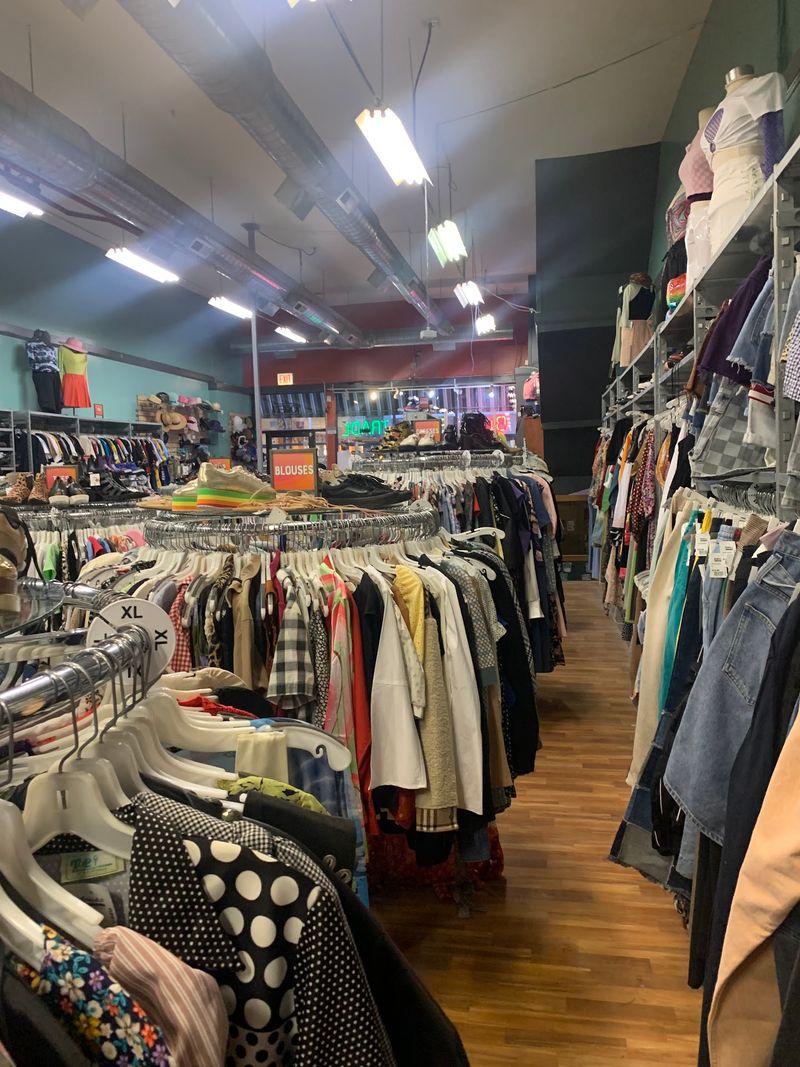
Small store, big selection. That combination makes for an interesting shopping trip.
The space is on the cozy side, and the racks are full. On busy days, especially weekends, aisles can feel tight as shoppers squeeze past each other.
Patience is your best tool here. Move slowly, flip hangers gently, and give fellow shoppers a little room. Everyone is on the same treasure hunt.
Weekdays may give you more breathing space. With the shop opening at 11 am, an earlier visit could make browsing feel calmer.
Leave the giant backpack at home if you can. A smaller bag makes moving between racks much easier.
Wear simple clothes for trying things on. Slip-on shoes and a thin layer underneath help speed up the process.
Crowded racks might sound annoying, but they also mean choices. More hangers give you more chances to find the piece that feels made for you. Just bring a calm mood, a little curiosity, and maybe a snack beforehand.
Shopping hungry rarely improves anyone’s patience.
Know The Hours Before You Head Over
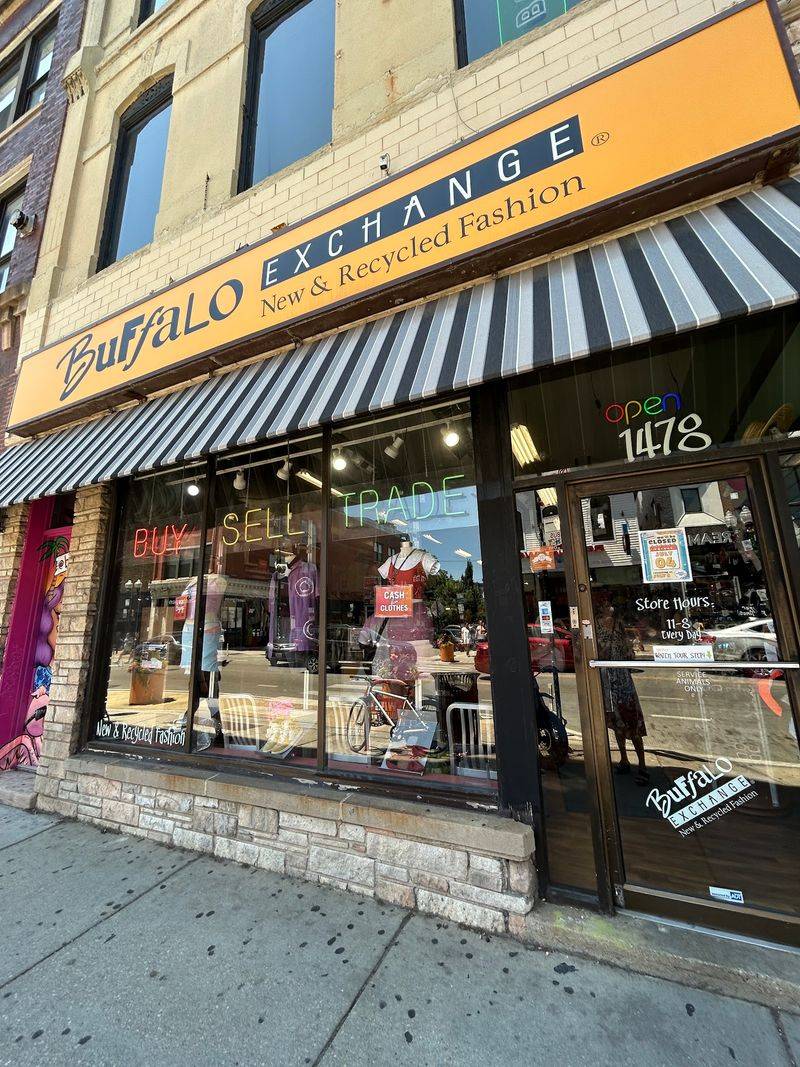
Buffalo Exchange keeps simple hours. The shop opens at 11 am and closes at 8 pm every day of the week.
That gives you plenty of flexibility. You can squeeze in a quick shopping trip during the week or take your time browsing on weekends.
The evening closing time is handy. You can stop by after school or work and still have time to browse.
Selling takes extra time, though. Buyers need a few minutes to look through your items, so don’t show up right before closing with three overflowing bags.
Weekends tend to draw more people. If you prefer a quieter trip, a weekday visit might suit you better.
Hours can change on holidays or for special reasons. Double-checking before you leave is always a smart move. That tiny step keeps your plans smooth and your clothes from riding around in the car all day for nothing.
Plan Ahead For Parking In This Busy Neighborhood
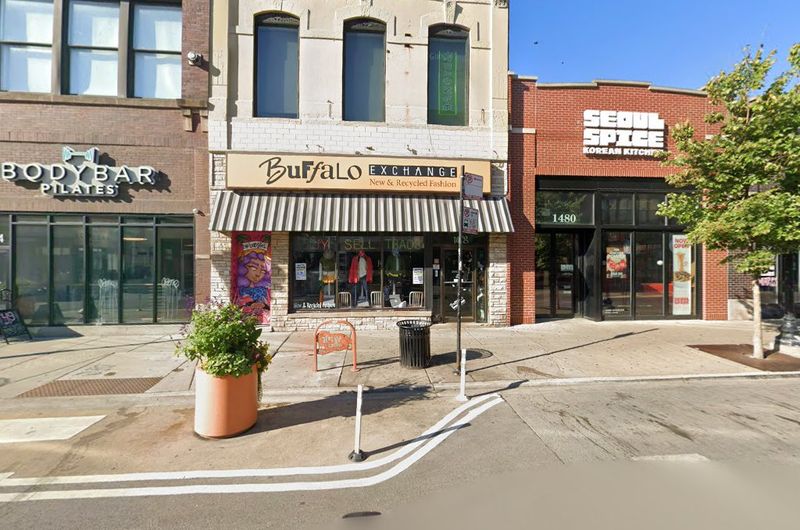
Getting there is half the adventure. The shop sits at 1478 N Milwaukee Ave, Chicago, IL 60622, in the lively Wicker Park area.
Milwaukee Avenue is a busy shopping street. That energy is fun, but parking a car nearby can take some effort.
Street parking is the main option around here. Expect to circle a bit and pay for metered spots.
Public transit can make life easier. The CTA Blue Line Damen station sits close by, which helps if you’d rather skip the parking hunt entirely.
Biking or walking works well too if you live nearby. Just remember that carrying a bag of clothes to sell gets heavy fast.
A rolling bag or sturdy tote can help. Your arms will appreciate the upgrade.
Wicker Park makes the trip feel worthwhile. The neighborhood has plenty of other shops and places to eat, so you can turn one stop into an afternoon. Chicago shoppers love a good stroll, and this Illinois neighborhood gives you plenty of reasons to keep walking.
Smart Shopping Feels Even Better When It Helps The Planet
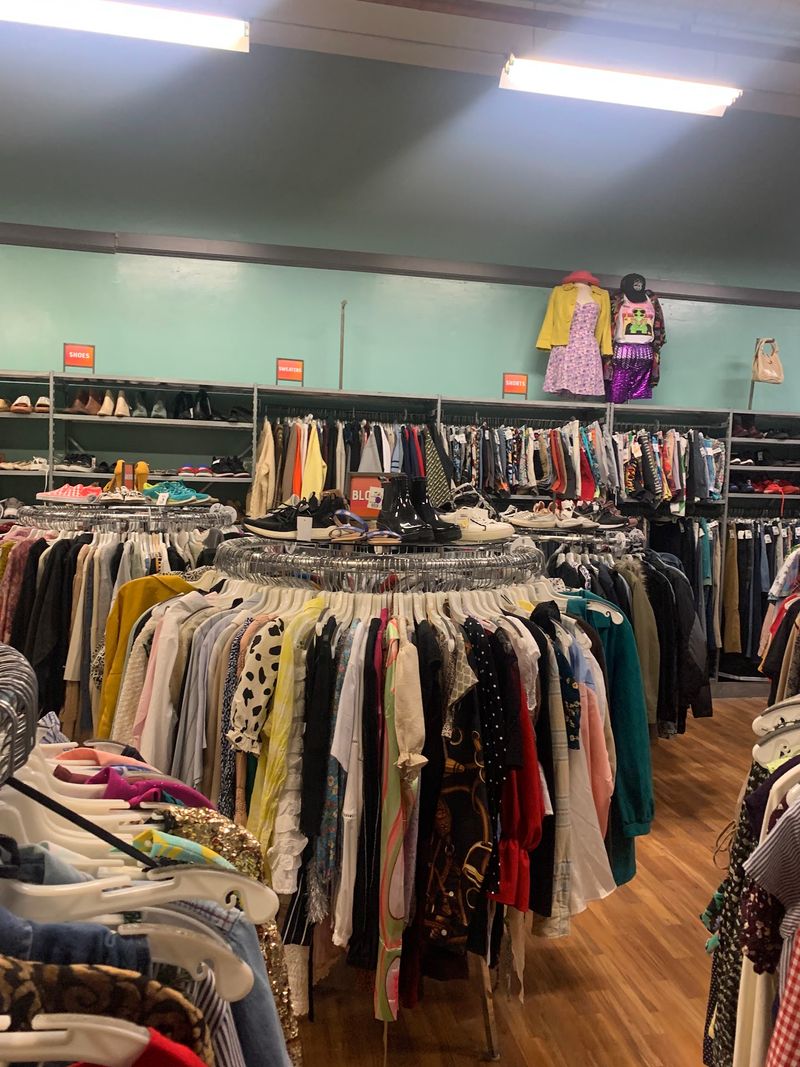
Every used jacket you buy is one less new jacket that needs to be made. That idea gives secondhand shopping some extra meaning.
Resale keeps clothes in use longer. Instead of sitting in closets or landfills, they get a second life with someone new.
Buffalo Exchange builds its whole business around that cycle. People sell, others buy, and the clothing keeps moving.
The chain also encourages bringing reusable bags. It’s a small habit that cuts down on waste at checkout.
Shopping this way can shape better habits overall. You start asking whether you really need something brand new.
Families can use resale to stretch budgets too. Teens especially grow and change styles quickly, so trading outgrown pieces makes a lot of sense.
Think of your closet as a loop rather than a dead end. Buy something you love, wear it often, then pass it along when you’re done. In a big Illinois city full of fashion choices, that loop feels refreshingly simple.
Your wallet stays happier, and the planet gets a little break too.
Share this story