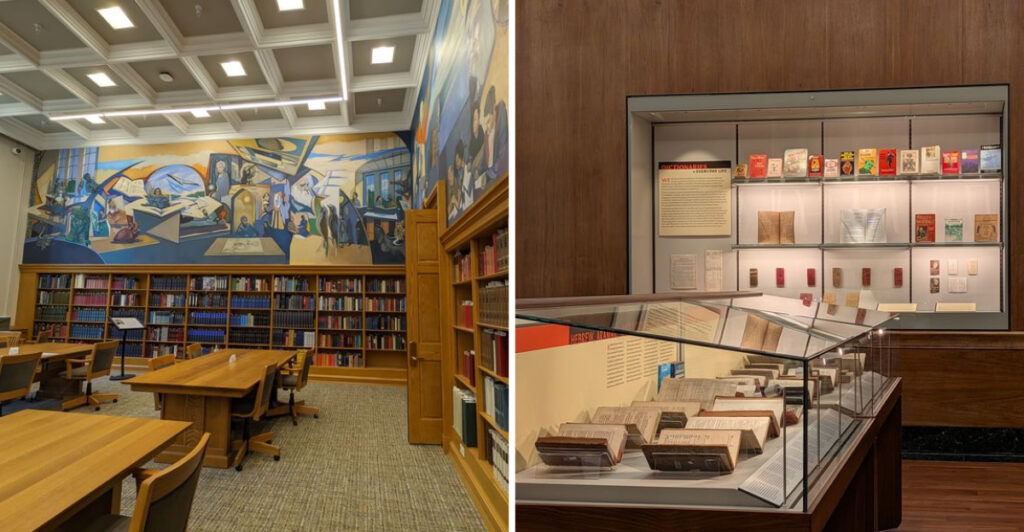
Books are only the beginning of what makes Indiana University’s Lilly Library such an unexpected place to explore. Hidden among its remarkable collections in Bloomington is the Jerry Slocum Mechanical Puzzle Collection, containing more than 30,000 puzzles gathered from around the world.
Visitors can discover clever designs that challenge logic, patience, and spatial thinking, with opportunities to experience the playful side of this unusual collection. The contrast between rare books, historic materials, and hands-on brainteasers gives the library a personality unlike most academic institutions. For curious minds and puzzle lovers, this Indiana treasure offers far more than shelves of reading material.
A Rare Book Library with a Puzzle Surprise
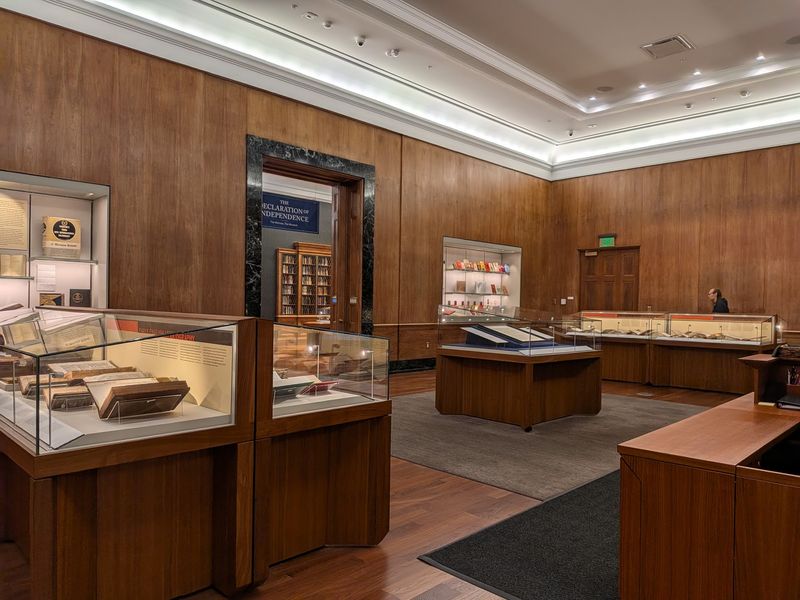
At first glance, The Lilly Library looks like the kind of place built for hushed voices and careful footsteps. That part is true, but the surprise arrives quickly once you learn that this Indiana University library also holds more than 30,000 mechanical puzzles, one of its most unusual and playful specialties.
Few places bring together rare books, manuscripts, literary history, and brain-bending objects in quite the same way.
The address, 1200 E 7th St in Bloomington, places it right on the IU campus, where it serves as a special collections library rather than a regular checkout stop. Inside, the focus is on rare and remarkable material, so the visit feels closer to a museum experience than a trip to borrow a novel.
That matters for first-time guests because expectations shift fast once you realize the building is meant for seeing, studying, and exploring treasures on site.
What makes the puzzle angle so exciting is that it changes the mood immediately. Rare book libraries can sound intimidating, especially to kids or casual visitors, but a puzzle display invites curiosity in a simple, direct way.
You do not need expert knowledge to appreciate a tricky object that asks your hands and eyes to work together. The Lilly Library carries that balance well.
One moment can be about centuries-old printed works, and the next can be about trying to unlock, separate, or reassemble a mechanical puzzle. That jump from literary history to hands-on problem solving gives the library a fresh energy.
Anyone planning a stop here should think of it as two adventures in one building. It is a place for quiet discovery, but it also leaves room for play, patience, and the small thrill of almost solving something before finally getting it right.
More Than 30,000 Mechanical Puzzles in One Place

Nothing resets your idea of a library faster than hearing the number attached to The Lilly Library’s puzzle holdings. The collection includes more than 30,000 mechanical puzzles, a staggering total that turns a university library into a major destination for anyone fascinated by clever design.
Instead of one shelf of novelty objects, this is a deep collection built around the art of making people think with their hands.
Mechanical puzzles come in many forms, which is part of the fun. Some ask you to take apart interlocking pieces and then somehow fit them back together.
Others challenge you to free a ring, release a hidden compartment, shift parts in the right order, or find the one move that changes everything.
That variety keeps the experience lively because the collection is not about one single puzzle style repeated thousands of times. It points to a bigger story about ingenuity, patience, math, craftsmanship, and the long human love of small problems with big headaches.
Even visitors who do not know puzzle names can appreciate the beauty of wood, metal, and precise moving parts.
Best of all, The Lilly Library has displayed puzzles that people can actually try. That hands-on element matters because mechanical puzzles make the most sense when your fingers join the challenge.
A case full of objects is interesting, but a puzzle in your hands becomes personal right away. Expect the experience to slow you down in a good way. Solving, or nearly solving, one of these designs can change how you look at the rest of the library too.
Suddenly every case, book, and object feels connected by the same idea: human minds love a challenge, and The Lilly Library has collected thousands upon thousands of them.
Hands-On Displays That Pull Kids and Adults Right In
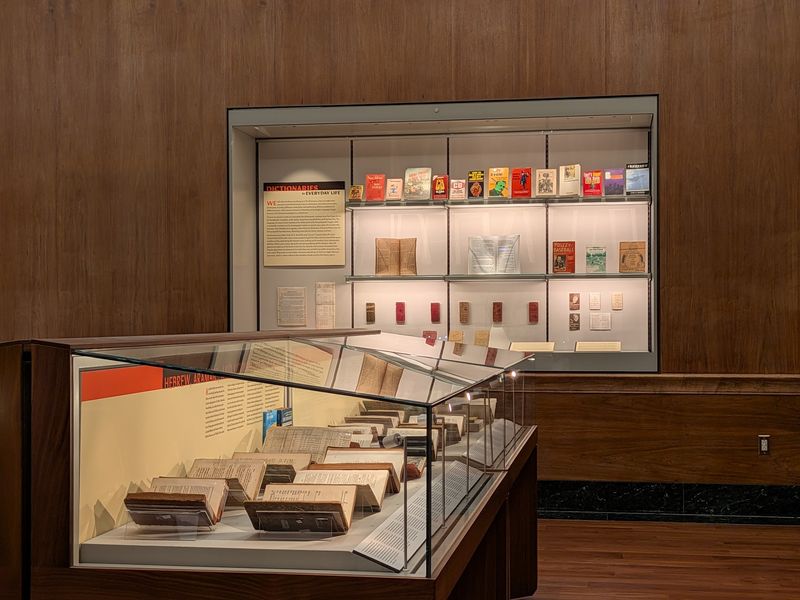
Here is the part that makes the puzzle collection feel especially memorable: some puzzles are not locked away as untouchable curiosities.
The Lilly Library has featured displays with puzzles available to try, giving visitors a chance to test their own patience and problem-solving skills instead of only reading labels. That small shift changes the whole visit from passive looking to active discovery.
A hands-on puzzle station works because mechanical puzzles create instant focus. People lean in, turn pieces over, try one move, then another, and usually realize the answer is harder than it first looked.
There is a natural pause that happens in front of a puzzle, and it feels very different from the quick glance many museum cases get.
For families, that feature can be especially helpful. Younger visitors may not connect right away with manuscripts or rare printed pages, but a physical puzzle gives them an easy starting point.
After that first burst of curiosity, the rest of the library feels more welcoming and far less formal.
Adults get pulled in just as easily. Mechanical puzzles have a sneaky way of waking up a competitive streak, even in people who insist they are just going to look around for a minute. Five minutes later, the object is still in hand, and the room around them has disappeared.
The best way to enjoy these displays is to give yourself time instead of treating the library as a quick stop between other campus sights. Slow down, try a puzzle more than once, and notice how each failed attempt teaches you something.
Success is fun, but even the near misses become part of the story. That is what makes the puzzle experience here feel lively, smart, and surprisingly personal.
Beyond Puzzles, the Treasures Keep Coming
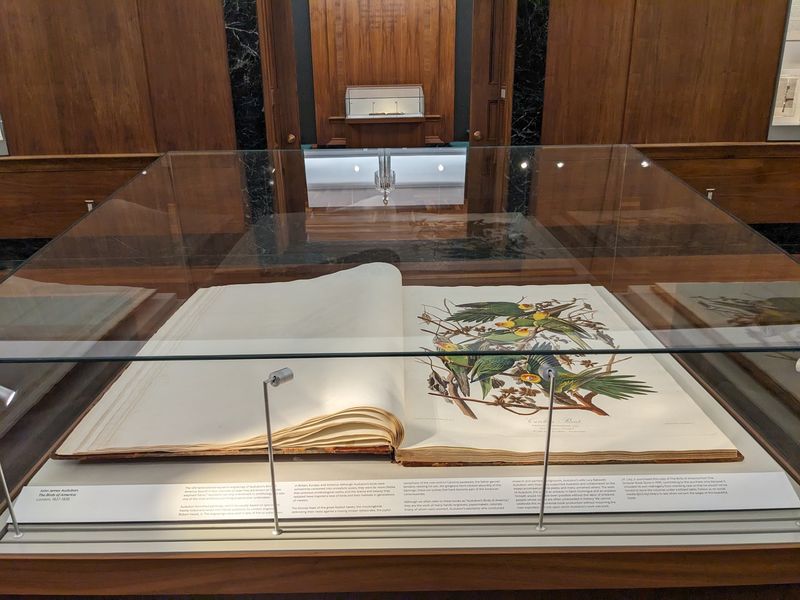
Just when the puzzles have your full attention, The Lilly Library reminds you that it is also packed with major literary and historical material.
The building is Indiana University’s rare book library, and its holdings reach into famous books, manuscripts, letters, prints, and documents that connect visitors with many different eras. That means a visit can move from playful brainteasers to world-changing texts in just a few steps.
Among the best-known highlights on display at the library is a Gutenberg Bible, one of the most famous landmarks in printing history. The library is also known for literary collections tied to major writers and creators, including Ian Fleming material linked to the James Bond novels.
In one visit, the mood can shift from puzzle-solving frustration to the thrill of seeing artifacts tied to books and ideas that shaped culture.
That range is part of the library’s charm. Instead of building an experience around one narrow topic, it opens many doors at once.
A person interested in science history, literature, printing, manuscripts, or historical documents can each find a point of entry.
The effect is broader than simple variety. Mechanical puzzles start to feel less like a quirky side note and more like one chapter in a much larger story about human creativity.
Rare books preserve thought on the page, while puzzles preserve thought in motion, structure, and clever physical design.
If you are visiting with limited time, do not lock yourself into a single goal. Come for the puzzles, but leave room for the rest of the collection to surprise you.
Some of the most memorable moments at The Lilly Library happen when a person arrives expecting one famous object and ends up fascinated by something entirely different in the next case over.
Inside the Reading Room, History Feels Close
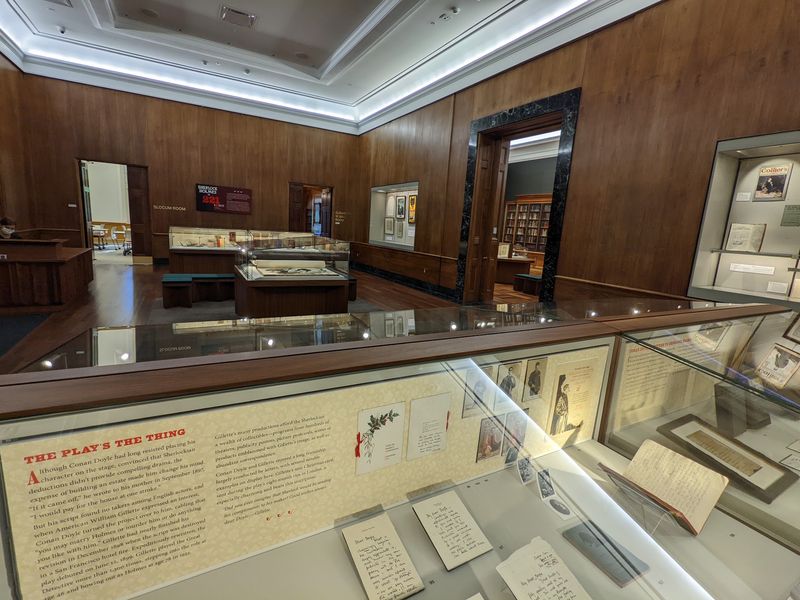
Some places ask you to look from a distance, but The Lilly Library also gives serious readers and researchers a way to work more closely with special materials.
Because it is a closed collection, items are used on site rather than checked out and carried away. That setup protects fragile works while still letting people study them in a real reading room environment.
The reading room matters because it gives the library a second personality. Public exhibits offer a broad, visual experience, while on-site use of materials opens the door to a slower, more focused kind of visit.
A manuscript, map, or rare book becomes more than a famous name once it is placed in front of you for careful handling and study.
That process comes with rules, and the rules are part of the charm. Protective supports help keep book spines safe, and gloves may be provided when needed for certain materials.
Far from feeling fussy, those steps make the physical age and value of the collection easy to understand. There is also something refreshing about a place that does not rush the encounter. You sit down, pay attention, and let the object set the pace.
In a world of constant scrolling, the reading room offers a quieter kind of concentration that fits the library perfectly.
For visitors who are not planning formal research, it is still useful to know how the building works. The Lilly Library is not a standard campus branch where shelves invite casual browsing and checkout.
It is a special collections space built around preservation, access, and thoughtful use. Once you understand that, the whole visit makes more sense, and every case, table, cradle, and careful gesture starts to feel like part of a larger mission to keep remarkable things available for future readers.
A Bloomington, Indiana Stop with Real Collection Depth
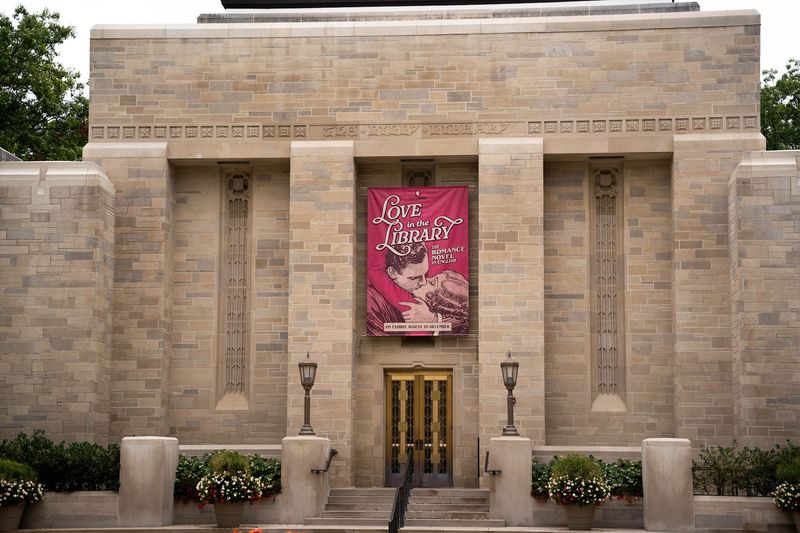
Big collections do not always live in big cities, and The Lilly Library proves that point beautifully. Set on the Indiana University campus in Bloomington, it gives southern Indiana a rare book and special collections destination with unusual depth, including manuscripts, printed works, and that eye-catching puzzle collection of more than 30,000 pieces.
The setting feels academic, but the appeal reaches far beyond students and faculty. The library building dates to 1960, giving it a clear place in the university’s history. Over time, it has grown into a campus resource known for rare materials and thoughtfully presented exhibits.
That long presence helps explain why the library feels established rather than improvised, with collections that have been carefully built and preserved.
Bloomington is already known for Indiana University, and the Lilly fits naturally into that landscape of learning, archives, and cultural institutions. Yet it stands apart because its holdings can jump from monumental printed history to playful object design without losing focus.
That contrast gives the library a personality all its own. Location matters here in practical ways too. Because the building sits within a walkable campus setting, a visit can pair easily with other university stops, but the library should not be treated like a quick add-on.
Its collections reward more time than the exterior might suggest. There is a nice lesson tucked into the place as well. You do not need a massive downtown museum district to encounter extraordinary material.
In Bloomington, a university library holds literary history, archival treasures, and one of the more surprising puzzle stories in the country. That combination gives the Lilly a strong local identity, rooted in Indiana but wide open in range.
Changing Exhibits Keep the Visit from Feeling Static

One smart reason The Lilly Library stays interesting is that the experience is not frozen in one permanent setup. The library presents changing thematic exhibits, which means the cases can spotlight different corners of its holdings over time.
That approach keeps repeat visits fresh and gives the staff room to bring forward material that would otherwise remain out of sight.
Rotating exhibits matter a lot in a collection this wide. A library known for rare books, manuscripts, literary archives, and mechanical puzzles has far more material than any single display could handle at once.
By shifting themes, the building can connect objects in creative ways, whether the focus leans toward literature, history, science, printing, or another specialized subject.
That also helps casual visitors. Instead of facing a giant wall of information, you get a curated path through selected highlights.
The result feels more approachable, especially for anyone who enjoys learning but does not want to arrive with expert background knowledge.
Another strength is pacing. Puzzle displays add a tactile spark, while exhibit cases slow the eye and encourage closer looking.
One section might ask you to solve, another might ask you to compare, and another might simply invite a moment of surprise at how much can fit inside one library.
Checking current exhibits before a special trip is a smart move, especially if you are hoping to catch a certain topic. Hours can differ from other campus attractions, and the library is closed on Sundays, with shorter hours on Friday and Saturday than on most weekdays.
Even so, the broad lesson stays the same no matter which exhibit is up: The Lilly Library is built for return visits, because there is always another angle, another object, and another piece of the collection waiting for its turn in the light.
Best for Curious Travelers, Book Lovers, and Puzzle Brains
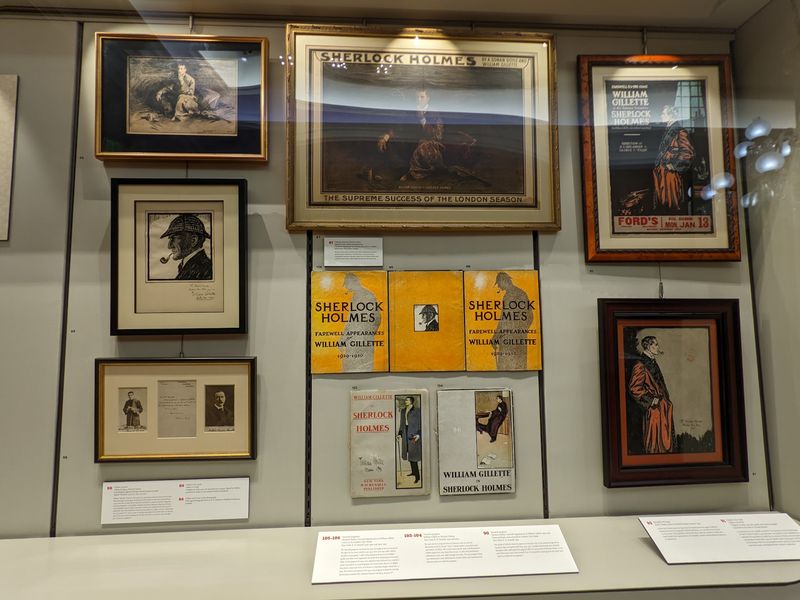
Not every campus attraction works for every kind of traveler, but The Lilly Library has a surprisingly broad sweet spot. It suits book lovers, history fans, puzzle enthusiasts, and families looking for an indoor stop that feels smart without feeling dry.
That range comes from the way the library blends hands-on curiosity with high-level collections. People who enjoy solving things will naturally be drawn to the mechanical puzzles, especially knowing the collection tops 30,000 objects.
Visitors more interested in literature or history can focus on rare books, manuscripts, and famous artifacts instead. The nice part is that nobody has to stay in one lane once the visit begins.
The library also works well for shorter visits because the experience is concentrated. You do not need an entire day to understand its character, but giving yourself a little extra time pays off once a puzzle hooks your attention or an exhibit label points you toward a display you did not expect.
Free admission makes that flexibility even easier. Planning is simple if you remember a few basics. The Lilly Library is open Monday through Thursday from 9:30 AM to 5:30 PM, Friday from 9:30 AM to 5 PM, and Saturday from 9:30 AM to 4 PM.
It is closed on Sunday, so weekend plans need a Saturday slot. The best visitors for this place are curious ones. You do not need deep academic training, and you do not need to know puzzle jargon before arriving.
Bring patience, bring a little time, and bring a willingness to let one unexpected object lead you to the next. At The Lilly Library, that is often how the strongest visit begins.
Share this story