Nature has a way of creating surprises, and few are more fascinating than a river that disappears underground. At Wesley Chapel Gulf near Orleans, visitors can witness part of Indiana’s remarkable Lost River system as it vanishes into the limestone landscape before continuing its journey beneath the surface for miles.
Surrounded by peaceful forest and striking karst formations, this unique destination offers a rare glimpse into the geological forces that have shaped southern Indiana for thousands of years. Whether you’re drawn by unusual natural wonders, scenic hiking, or a love of geology, Wesley Chapel Gulf is one of the state’s most intriguing hidden gems.
Where the River Vanishes in Plain Sight
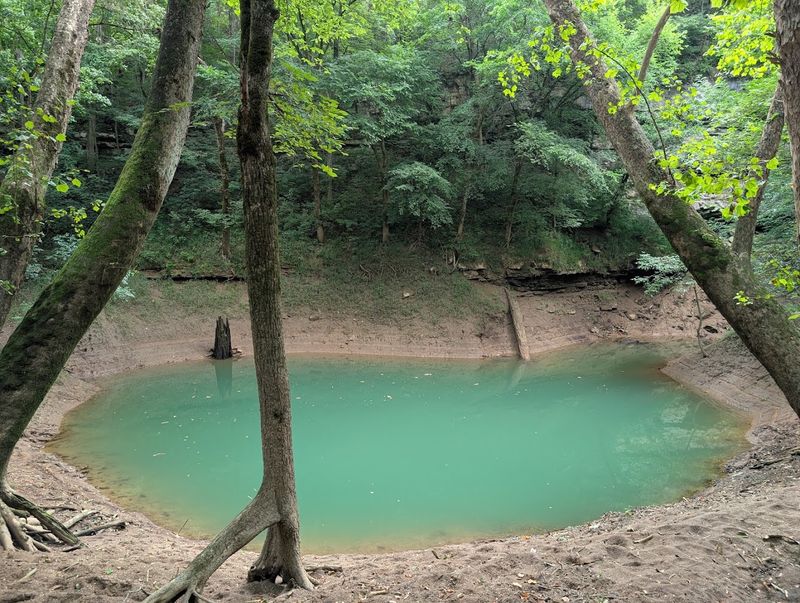
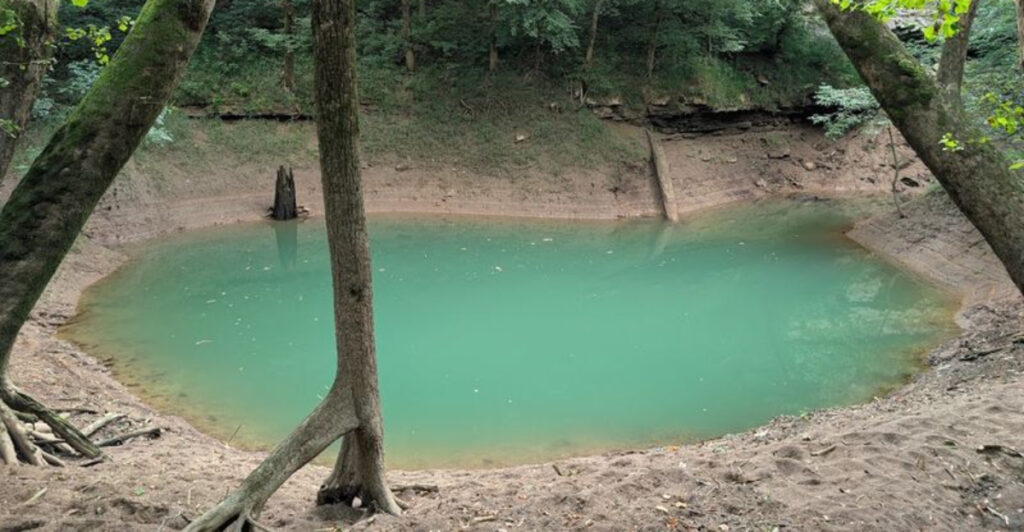
Few places make water look mysterious so quickly. At Wesley Chapel Gulf, the main scene is not a wide rushing river but a striking basin where flowing water drops into a sinkhole and disappears underground.
Seeing that happen in real life changes the way a river is imagined, because the channel does not end at a bank or spread into a lake. It simply slips below the rocks and keeps going where eyes cannot follow.
The setting adds to the surprise. Trees crowd the edge, the ground dips sharply, and the limestone shapes the whole area like a natural funnel.
In wet weather, water movement becomes easier to spot, and the basin can look active and restless instead of still. That motion helps explain why this stop is tied to the Lost River system, a karst landscape where underground drainage is part of everyday geology.
Wesley Chapel Gulf works best when approached slowly. A visitor who pauses at the overlook or near the lower area can watch the surface turn, circle, and pull toward the opening in the rock.
Even without a roaring current, the scene has a clear sense of force. The river is not gone in the usual meaning of the word. It is continuing its route in a hidden passage below the ground.
That is the real hook here. The place teaches a big natural lesson with one unforgettable visual: rivers do not always stay on top of the land.
At this Orleans site, the disappearing water is the main event, and the sinkhole is the doorway to a long unseen journey beneath southern Indiana.
A 22-Mile Underground Route Beneath Indiana
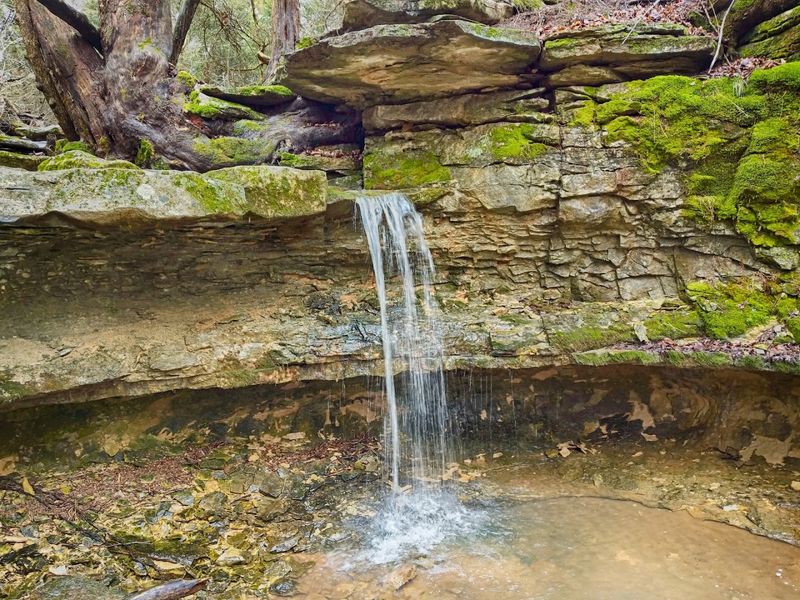
The wild idea behind Wesley Chapel Gulf is bigger than the pool itself. Water entering this part of the Lost River system can move through underground passages for about 22 miles before returning to the surface.
That distance gives the site its headline appeal, but it also explains why the place matters beyond a short hike. The gulf is part of a much larger hidden network shaped over long stretches of time.
Southern Indiana is known for karst terrain, where limestone slowly dissolves and creates sinkholes, springs, caves, and disappearing streams. Wesley Chapel Gulf offers a compact, visible example of that process.
Instead of reading about underground drainage in a textbook, visitors can stand near the opening and understand the idea almost at once. The landscape is doing the explaining.
Rock, water, and gravity are all working together in front of you. That twenty-two-mile story also changes how the area around Orleans can be viewed.
Fields, woods, and low hills may look calm on the surface, yet the land beneath them can hold cracks, channels, and water routes that connect one place to another.
A river does not need to be visible every step of the way to remain active. At Wesley Chapel Gulf, the hidden section is the feature, not a side note.
For families, students, and anyone curious about how landforms work, this is the kind of stop that makes geology easier to remember. The lesson is simple and dramatic.
Water enters here, disappears into stone, travels far below the ground, and later comes back out somewhere else. Indiana has many scenic spots, but not many can tell that kind of story so clearly in one small forest setting.
Blue-Green Water, Swirls, and the Strange Calm of the Basin
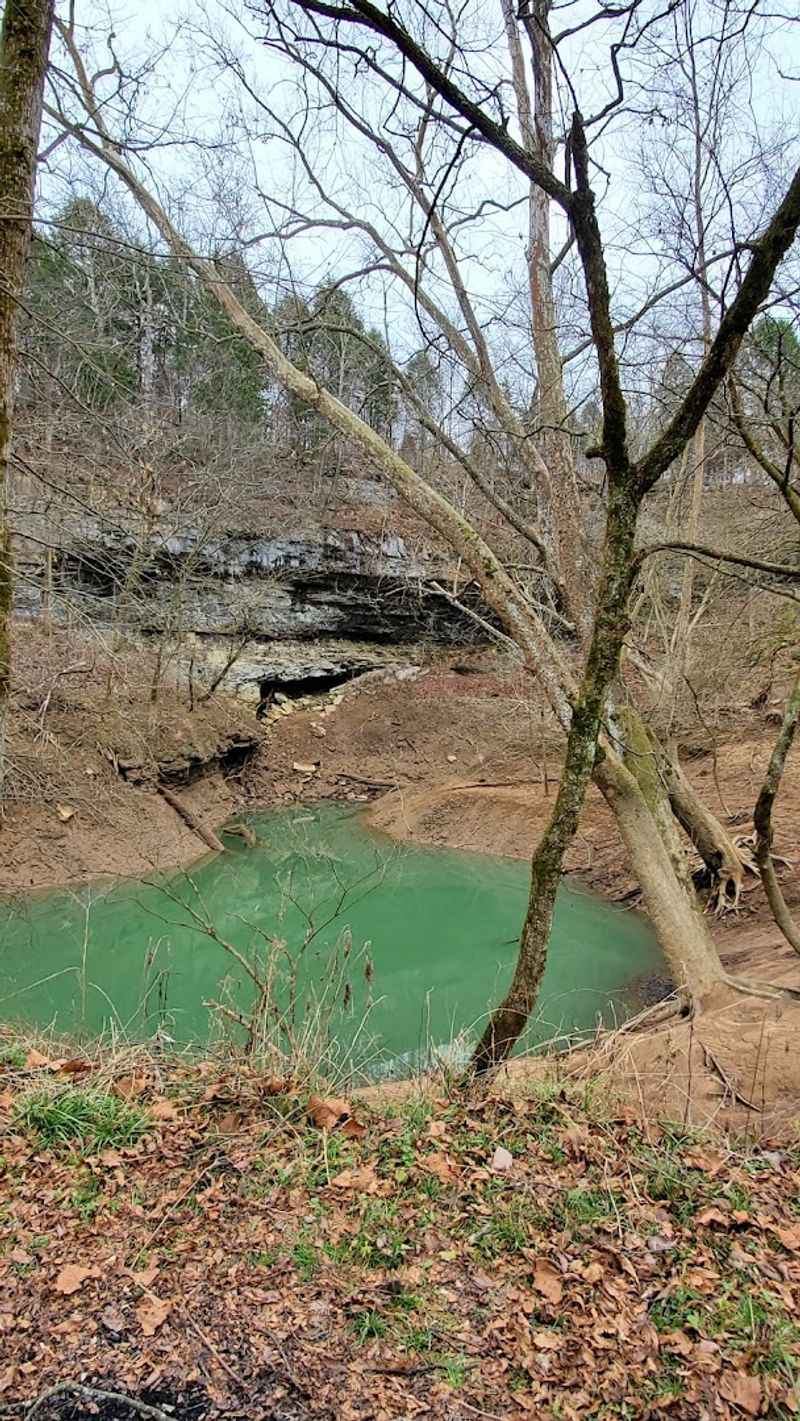
Color does a lot of the work at Wesley Chapel Gulf. The water is often described as bright blue-green, and that unusual shade gives the basin an almost unreal look, especially under broken sunlight.
Instead of muddy brown or flat gray, the pool can appear clear, cool, and sharply defined against the rock and leaf cover. That contrast pulls attention straight to the center of the gulf.
Movement is the next detail that makes the scene hard to ignore. The surface may look calm from a distance, but closer observation often reveals turning currents and subtle pulls in the water.
Those swirls matter because they hint at the hidden drain below. Even when there is no dramatic waterfall dropping in, the basin still shows signs that something active is happening under the surface.
After rain, the visual effect can become even stronger. Small waterfalls may run over the rocks, wet limestone deepens in color, and the pool can look livelier and louder.
On drier days, the place shifts into a quieter mood, where the main attraction becomes the strange idea of watching water circulate without seeing a normal stream continue away from it. That contrast keeps the site interesting in different conditions.
Photographers and curious first-time visitors should give this area extra time. A quick glance misses the best parts.
Stand still, listen to the water sounds, and watch how the pool behaves from several angles. The basin is not enormous, but it does not need to be.
Between the vivid color, the subtle motion, and the rocky edges, Wesley Chapel Gulf turns a small pocket of landscape into one of the most unusual water scenes in southern Indiana.
The Short Hike Has a Wild Side
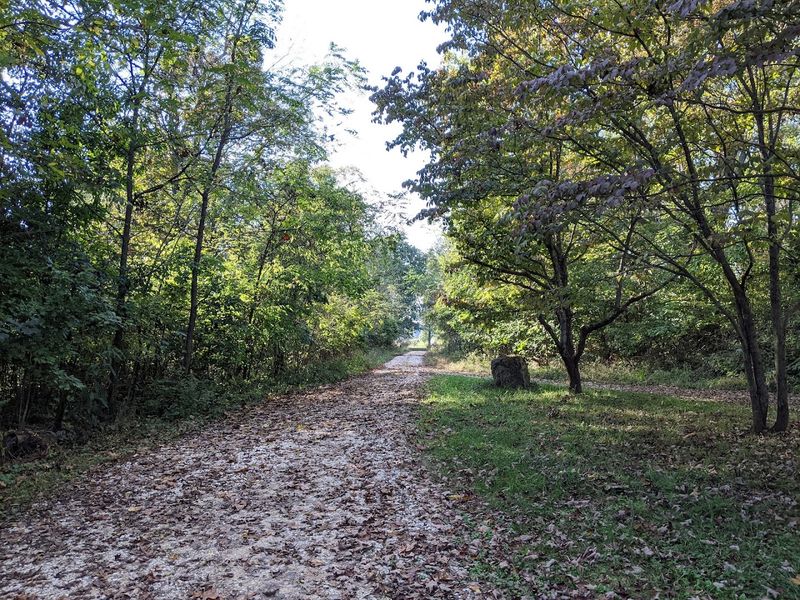
Getting to the best part of Wesley Chapel Gulf is not a polished boardwalk experience. The trail is short, but it can be rough, narrow, and a little overgrown depending on the season and recent upkeep.
That untidy character fits the place. A disappearing river tucked into forested karst country would almost seem wrong if the path felt too neat and predictable.
Proper shoes make a real difference here. Boots or sturdy hiking shoes handle uneven ground better than thin sneakers, especially if rain has made the slope slick or softened the soil.
Long pants can also help with weeds, brush, and the occasional sticker patch. Several practical details show up again and again for good reason: bug spray matters, and paying attention to footing matters even more.
The route is part of the experience, not just a way to reach the sinkhole. Along the trail, the woods close in, the terrain changes, and the approach builds a sense of discovery.
At certain points, branches or side paths can make the layout less obvious, so moving slowly is smarter than rushing. Looking for the lower descent toward the spring area can help visitors find the strongest visual payoff.
That slightly scrappy hike also keeps expectations in the right place. Wesley Chapel Gulf is a natural site first, not a highly developed attraction with big signs and wide parking areas.
A little patience goes a long way. Bring water, check the ground ahead, and accept that the final few minutes may feel more like exploring than strolling. For a place centered on hidden water and limestone folds, that wilder approach suits the story remarkably well.
Karst Country and the Story Beneath the Trees
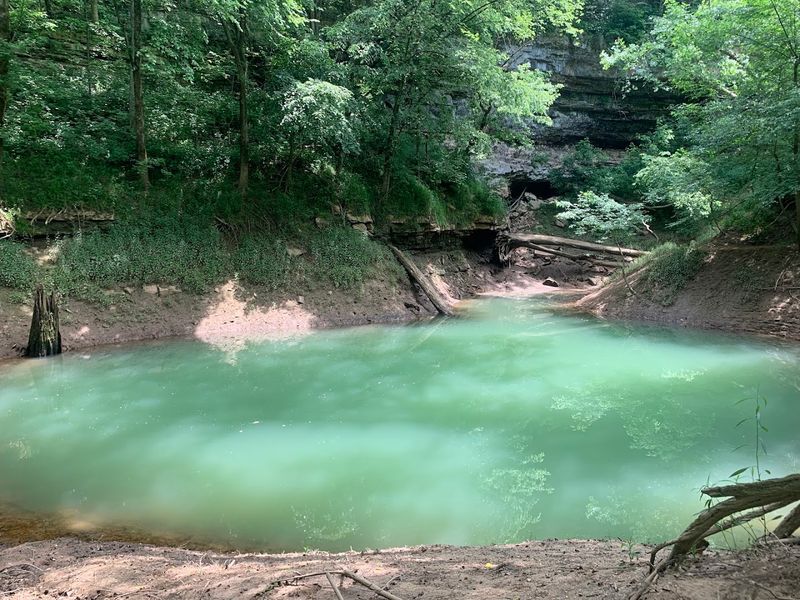
Wesley Chapel Gulf is easiest to appreciate when it is seen as part of karst country, not just a pretty pocket of woods. The land around Orleans has been shaped by water working on limestone for a very long time.
Instead of carving only open creeks and valleys, that process also creates sinkholes, underground channels, springs, and sudden drainage points. The result is a landscape with two layers: one visible, one hidden.
That hidden layer gives this site its real personality. A visitor standing beside the basin is looking at a surface clue to a much larger underground system.
The opening in the rock is dramatic, but the science behind it is even more interesting. Rainwater and flowing water gradually widen cracks in limestone, and over time those cracks become paths large enough to guide entire stream sections below ground.
In practical terms, Wesley Chapel Gulf acts like an outdoor classroom without classroom walls. Young hikers can grasp the basic idea quickly because the evidence is right there.
Adults who already know a little about caves or sinkholes often enjoy the site for the same reason. It turns regional geology into something visible and local, not distant or abstract.
That makes the place valuable even on a brief stop. The woods above may seem quiet, but the ground below tells a busier story. Water is moving, stone is changing, and the shape of the land reflects both.
Knowing that adds depth to every part of the visit, from the trail approach to the final look into the swirling basin. Wesley Chapel Gulf is small enough to explore in a short outing, yet it opens the door to one of southern Indiana’s biggest natural themes.
Go After Rain for the Best Show
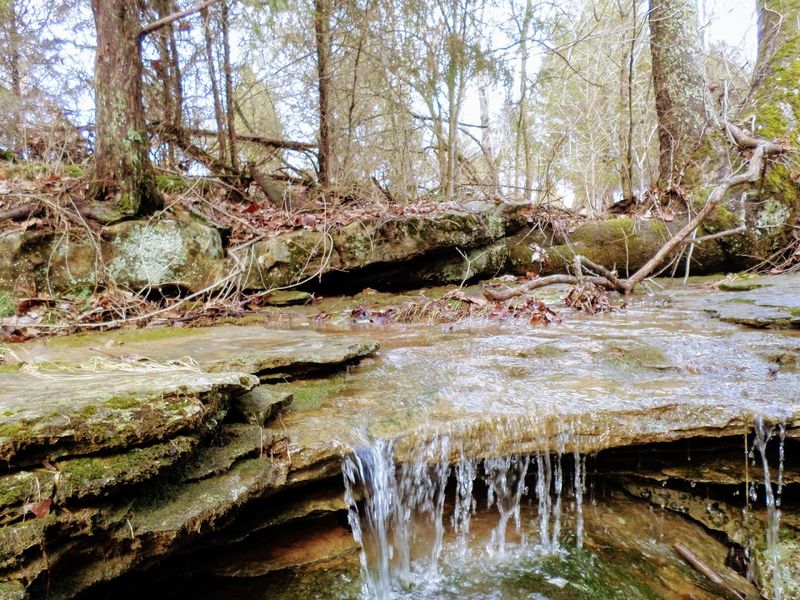
Timing can completely change the look of Wesley Chapel Gulf. After a good rain, the place often becomes more animated, with extra water slipping over rocks and more obvious movement in the basin below.
Small waterfalls may appear, damp limestone darkens, and the entire gulf reads more clearly as a working water system instead of a quiet hollow in the woods. For many visitors, that is the best window for a trip.
Wet weather does not mean storm conditions are ideal, of course. The smart move is to visit after rain has passed, when runoff is still active but the trail is safe enough to manage with care.
Shoes with grip matter on slick spots, and patience helps on steeper sections. If conditions look muddy or unstable, slowing down is better than trying to push through for one more photograph.
Season also shapes comfort. Warm months bring green cover and stronger water color, but they can also bring ticks, chiggers, and thicker vegetation.
Cooler times of year may offer easier walking and better visibility through the trees, though the water scene can feel less dramatic if recent weather has been dry. There is no single perfect season, only a tradeoff between visual drama and easier hiking.
Morning or late afternoon light can improve the experience too. Softer light helps the blue-green water stand out and gives the woods more texture.
Midday sun can still be pretty, but shaded limestone and reflected glare sometimes flatten details. Anyone hoping to understand the place, not just snap a quick picture, should plan around rainfall, season, and footwear. At Wesley Chapel Gulf, the conditions on the day of the visit are part of the attraction itself.
A Quiet Orleans Stop That Rewards Careful Planning
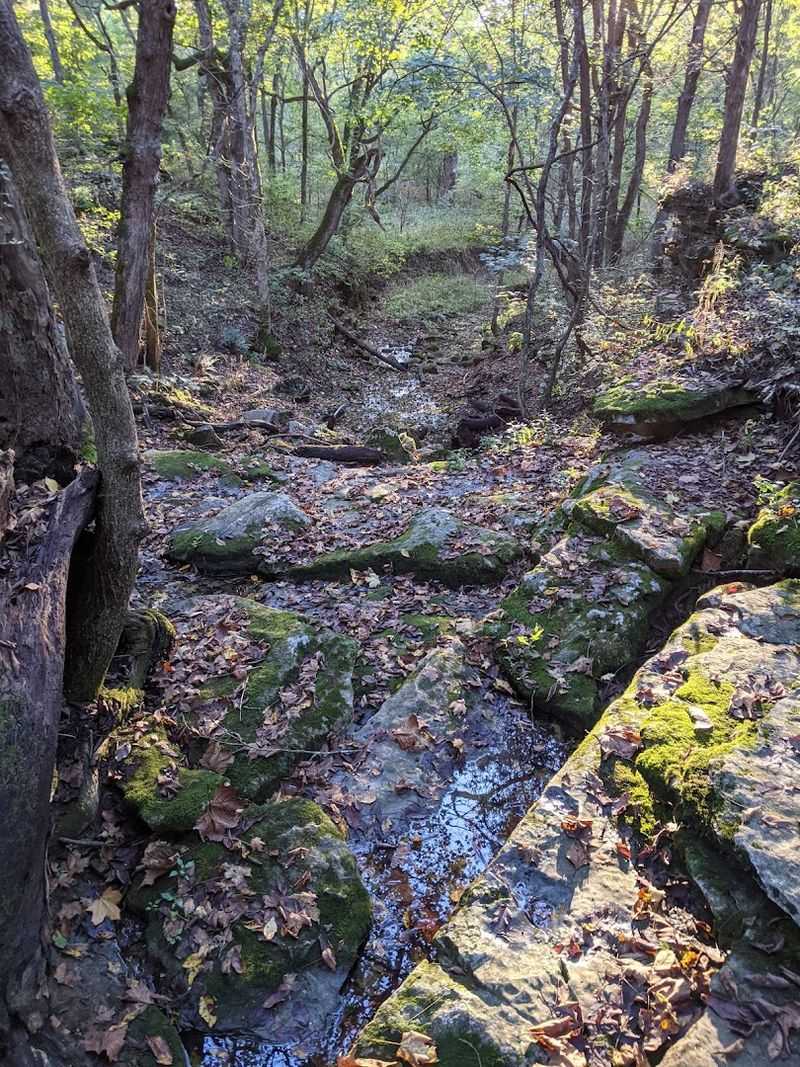
Wesley Chapel Gulf is not the kind of place that announces itself with a big entrance or a large paved lot. The arrival is modest, and that can catch first-time visitors off guard.
Parking is limited, the roadside setting is quiet, and missing the entrance is possible if the driver expects a major recreation hub. A slower approach makes the whole visit smoother from the start.
Because the site is lightly developed, planning ahead helps more here than at many popular parks. Bring bug spray, wear sturdy shoes, and keep expectations tuned to a natural area rather than a fully manicured destination.
Watching for signs is useful, and once parked, it helps to stay observant on the trail instead of assuming every branch leads to the best view. The most interesting part is easy to miss if the walk becomes rushed.
That low-key setup is also part of the appeal. Wesley Chapel Gulf offers solitude, unusual geology, and a sense of discovery without heavy crowds or oversized infrastructure.
The experience is quieter and more self-directed. Listen for water, scan the terrain, and let the site reveal itself step by step. In a state full of scenic places, that understated style gives this stop a different rhythm.
The sharp takeaway is simple. Wesley Chapel Gulf stands out because it pairs a strange natural event with a short forest adventure and a strong lesson in Indiana geology.
The river vanishes, the land explains why, and the visitor gets a front-row view of both. Pack a little carefully, move a little carefully, and the reward is one of the most unusual hidden-water scenes near Orleans, all within a surprisingly compact patch of woods.
Share this story