Indiana’s state parks showcase many different sides of the state, but few combine natural beauty and living history as seamlessly as Prophetstown State Park. Near Lafayette, this distinctive destination pairs restored prairie, scenic trails, and family-friendly recreation with The Farm at Prophetstown and a reconstructed Native village that brings the region’s past to life.
Whether you’re planning a weekend hike, a family outing, or a chance to experience one of Indiana’s most unique historical attractions, Prophetstown offers far more than a typical day outdoors.
Where the Prairie Opens Up
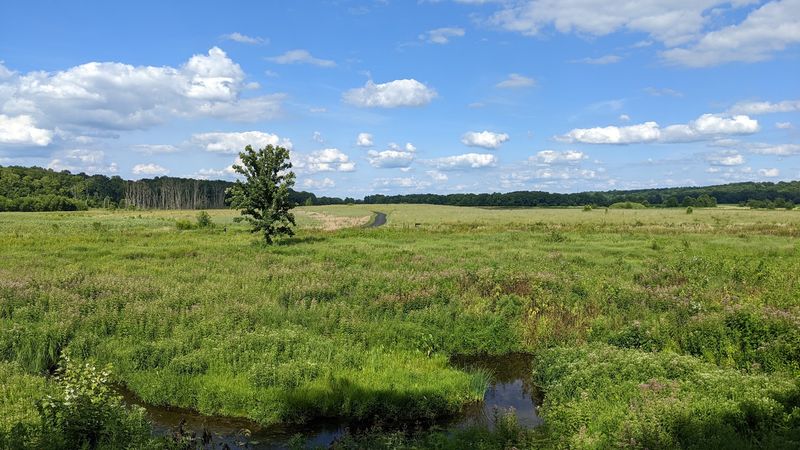
Some state parks impress visitors with dense forests or dramatic hills. Prophetstown State Park takes a different approach, welcoming visitors with sweeping prairie, wide-open views, and an expansive sky that immediately sets it apart from many other parks in Indiana.
That openness shapes the entire experience. Instead of winding through heavily wooded trails, visitors move across restored grasslands where shifting light, tall native plants, and steady breezes become part of every walk.
The landscape encourages people to slow down and notice details that might otherwise be overlooked. The drive into the park helps establish that feeling.
Restored prairie, wetlands, ponds, and distant tree lines create a peaceful introduction, while the spacious layout keeps the property from ever feeling crowded. Even on busy days, there is a sense of room to explore at your own pace.
Families appreciate the extra space just as much as hikers and cyclists. Children have plenty of room to run, paved paths invite leisurely bike rides, and quiet corners make it easy to pause and enjoy the scenery.
Early morning and late afternoon are especially rewarding, when softer light spreads across the prairie and the broad horizon creates beautiful views in every direction. The landscape also helps visitors understand why this area held such importance long before it became a state park.
Rather than feeling like a backdrop, the restored prairie provides valuable context for the park’s reconstructed Native village and the stories it tells about the people who once lived here. For first-time visitors, the best approach is simply to slow down.
Spend a few moments taking in the surroundings before heading to any single attraction. By the time the trails, historic sites, and family-friendly features come into view, Prophetstown has already revealed one of its greatest strengths: proving that an open prairie can be every bit as memorable as a forest or canyon.
The Reconstructed Village at the Center
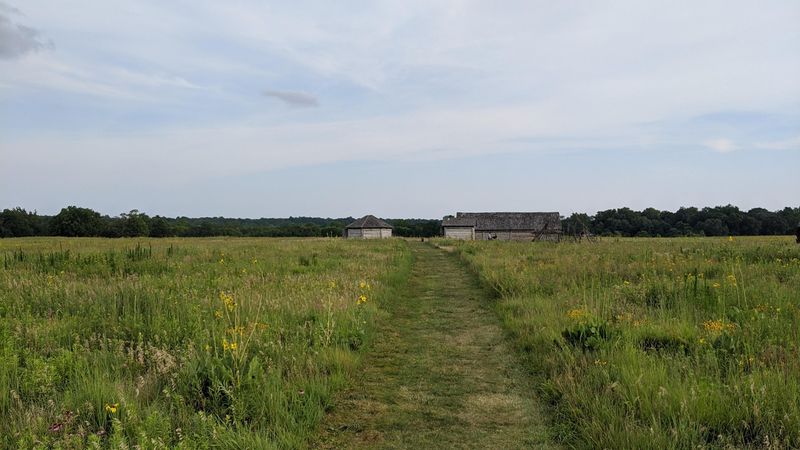
The centerpiece of Prophetstown State Park is its reconstructed Native American village, a feature that immediately sets this destination apart from most state parks in Indiana. Rather than simply reading about the region’s early inhabitants, visitors can explore a carefully recreated settlement that offers a more tangible connection to the past.
Walking through the site makes history easier to picture. The dwellings, layout, and surrounding landscape help illustrate how daily life was shaped by nearby rivers, natural resources, and the changing seasons.
Instead of relying on imagination alone, visitors can better understand how communities once lived, worked, and adapted to this part of Indiana. Approaching the village as an educational experience makes the visit even more rewarding.
Rather than recreating a movie set, the structures encourage visitors to slow down, observe construction techniques, and think about how shelter, cooking, gathering, and everyday routines fit together within the larger community. Children often respond especially well to this kind of hands-on learning.
Seeing full-size buildings sparks questions that books and classroom photos cannot always answer, while adults gain a deeper appreciation for the history that shaped the landscape long before modern roads, campgrounds, and recreational facilities existed. The surrounding prairie adds another important layer.
Seeing the settlement within its natural setting helps explain why this location was significant and how people relied on the land for transportation, food, and daily survival. History and landscape feel connected rather than separate attractions.
For many visitors, this is the highlight of the park and the feature that fulfills the promise of the title. Prophetstown offers much more than hiking and picnicking.
It provides a rare opportunity to step into a thoughtfully reconstructed community that transforms Indiana’s early history into something visitors can experience firsthand.
Indiana History You Can Walk Through
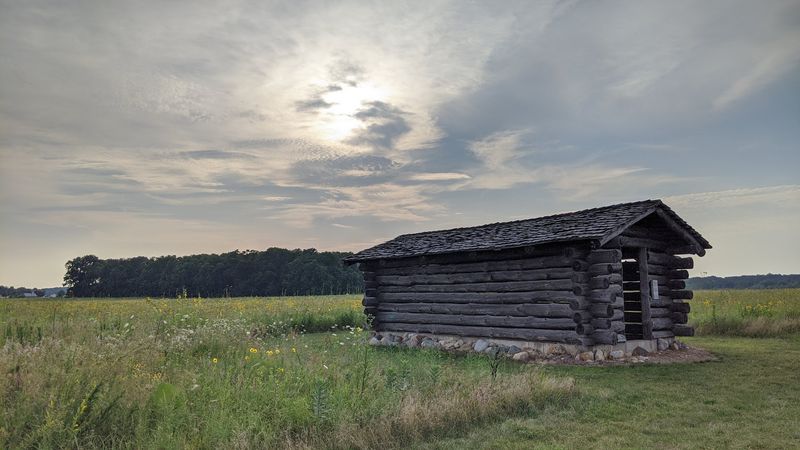
History is easier to understand when it unfolds in the place where it happened. At Prophetstown State Park, the reconstructed Native village offers more than a collection of buildings.
It helps visitors see how geography shaped everyday life for the people who once lived in this part of Indiana. The park sits near the meeting of the Wabash and Tippecanoe rivers, waterways that played an important role in transportation, trade, communication, and settlement for generations.
Long before highways crossed the landscape, these rivers connected communities and provided access to food, water, and fertile land. Seeing the reconstructed settlement in that broader setting makes the history feel much more meaningful.
Instead of simply reading interpretive signs, visitors can picture how homes were arranged, how shared spaces may have been used, and why the surrounding prairie and river valleys were valuable resources. The landscape becomes part of the lesson rather than just the backdrop.
That perspective is especially valuable for families and school-age children. Walking through the site gives students a stronger visual connection to topics they may already be studying in Indiana history classes, while adults often leave with a greater appreciation for how closely people depended on the natural environment.
The experience also encourages visitors to look differently at the rest of the park. Trails, restored prairie, and open spaces stop feeling like separate attractions and instead become part of the same historical landscape.
Recreation and education naturally complement one another rather than competing for attention. That ability to connect history with place is one of Prophetstown’s greatest strengths.
Rather than presenting the past as something distant, the park invites visitors to experience it in the very landscape that helped shape the lives of the people who once called this region home.
More Than One Attraction on the Same Road
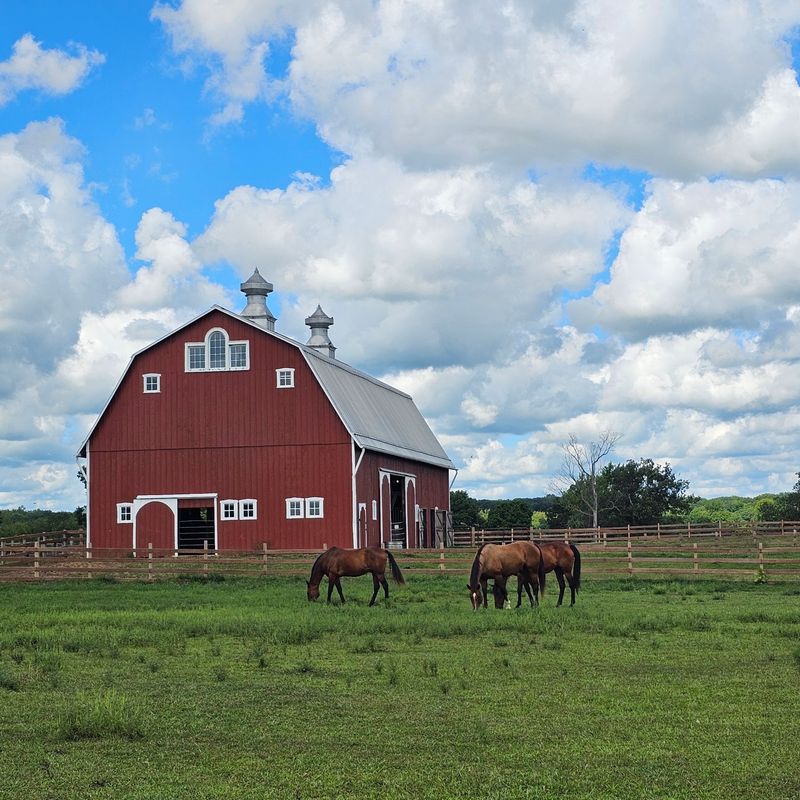
Prophetstown State Park rewards visitors who plan to spend more than an hour exploring. While the reconstructed Native village is the park’s signature attraction, it is only one part of a destination that offers enough variety to fill an entire day.
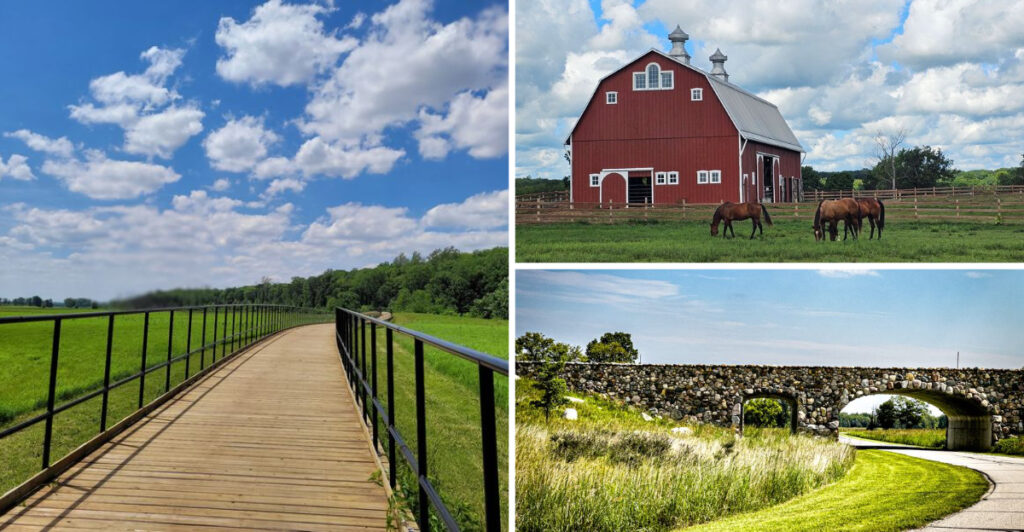
One of the biggest draws beyond the historical area is The Farm at Prophetstown, a living history farm that recreates life on a 1920s Indiana farm.
Visitors can see heritage livestock, historic barns, gardens, demonstrations, and seasonal programs that provide a completely different perspective on the state’s agricultural heritage.
Together, the village and the farm tell two very different chapters of Indiana’s story. Outdoor recreation fills the space between those experiences.
Miles of trails invite visitors to walk or cycle through restored prairie, while picnic areas, playgrounds, and open green spaces provide plenty of opportunities to slow down and enjoy the surroundings. Families appreciate having activities that appeal to different ages without needing to leave the park.
That flexibility makes Prophetstown especially easy to explore at your own pace. One group might spend the morning learning about Native history before heading to the farm after lunch, while others may prefer to start with a bike ride and finish the day with a leisurely walk through the historical areas.
There is no single “right” way to experience the park. Because everything sits within one well-planned property, visitors can move naturally from one attraction to another without feeling rushed.
Instead of offering a single highlight surrounded by empty space, Prophetstown brings together history, agriculture, recreation, and nature in a way that feels connected. That variety is one of the park’s greatest strengths and a big reason many visitors find themselves staying far longer than they originally planned.
Trails, Boardwalks, and Big Sky
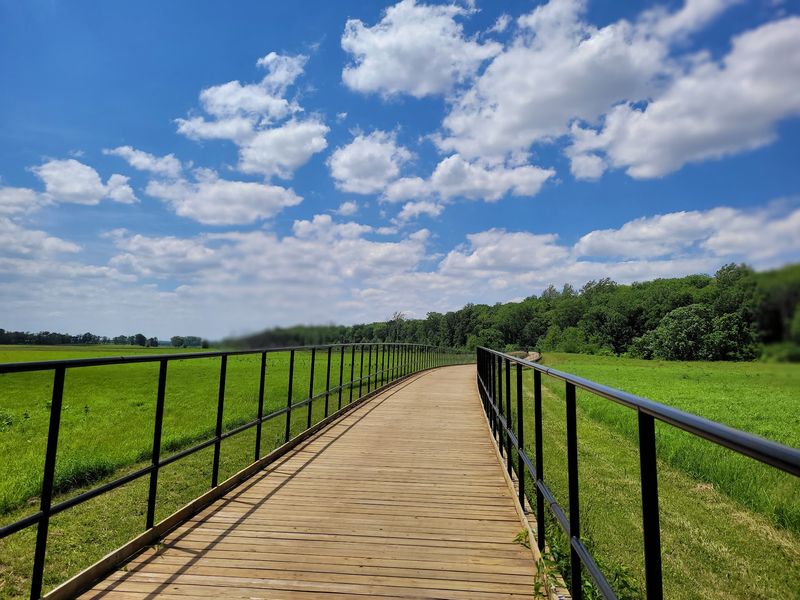
Once you’ve explored the park’s historical attractions, the trail system offers a chance to experience the landscape that makes Prophetstown so distinctive.
A network of paved paths and hiking trails winds through restored prairie, wetlands, and open natural areas, giving visitors plenty of opportunities to enjoy one of Indiana’s largest prairie restoration projects.
Walking here feels different from hiking in a heavily wooded park. Wide horizons replace dense tree cover, native grasses sway in the breeze, and every turn reveals a different view across the open landscape.
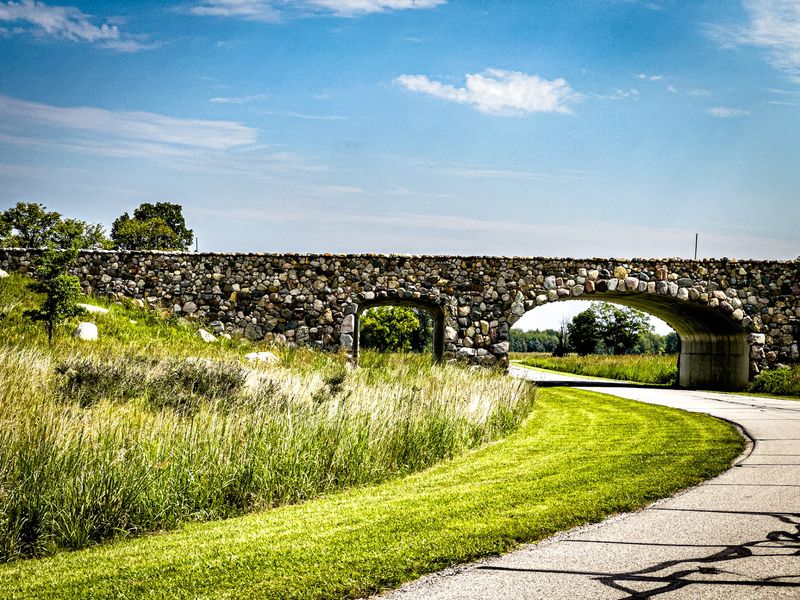
Boardwalks cross wetland areas, ponds reflect the changing sky, and occasional river views add another layer of scenery along the way. Cyclists especially appreciate the paved multi-use trails, which make it easy to cover more of the park without constantly moving the car between parking areas.
Hikers, meanwhile, can slow their pace and enjoy the quieter details, from seasonal wildflowers and birds to the changing colors that sweep across the prairie throughout the year. The openness also creates excellent conditions for photography.
Sunrise and sunset often bring warm light across the grasslands, while dramatic cloud formations become part of the scenery thanks to the park’s uninterrupted views. Every season offers something different, from vibrant spring blooms to golden prairie grasses in autumn.
A little preparation makes the experience even better. Because much of the trail system is exposed, bringing water, comfortable shoes, sunscreen, and a hat is especially important during warmer months.
With the right planning, visitors can comfortably spend hours exploring without retracing the same route. The trails reveal another side of Prophetstown beyond its history.
They showcase the beauty of Indiana’s prairie landscape while providing peaceful places to walk, cycle, observe wildlife, and simply enjoy the wide-open scenery that makes this state park unlike almost any other in Indiana.
How to Plan a Smart Visit
A little planning goes a long way at Prophetstown State Park. With attractions spread across a large property, arriving with a rough itinerary helps visitors spend more time exploring and less time deciding where to go next.
Starting early is one of the easiest ways to improve the experience. Cooler morning temperatures make walking the trails more comfortable, and popular areas tend to be quieter before the busiest part of the day.
Early light also brings out the beauty of the prairie, making it an excellent time for photography. Comfort is just as important as timing.
Comfortable walking shoes, sunscreen, water, and weather-appropriate clothing are worth bringing, especially since much of the park is open with limited shade. Visitors planning to spend several hours outdoors will appreciate being prepared before heading onto the trails.
Families often enjoy the park most when they mix activities throughout the day instead of focusing on just one area. Alternating between history, outdoor recreation, and places to relax helps keep younger visitors engaged while giving everyone a chance to experience different parts of the property at a comfortable pace.
Cyclists may also want to bring their bikes. The paved multi-use trails make it easy to cover more ground without repeatedly moving the car, allowing visitors to enjoy more of the park in a single outing.
For those with extra time, camping offers another way to experience Prophetstown. Spending the night makes it easier to explore the park over two days rather than trying to fit everything into one afternoon.
The best visits are rarely rushed. Whether you come for the reconstructed Native village, the restored prairie, or a peaceful afternoon outdoors, giving yourself plenty of time allows Prophetstown’s history, scenery, and wide-open landscape to be appreciated at the slower pace they deserve.
Why Prophetstown Stands Apart
Indiana has no shortage of beautiful state parks, but few combine natural scenery, outdoor recreation, and cultural history as successfully as Prophetstown State Park. Instead of focusing on a single attraction, it creates an experience where every part of the property adds something different to the day.
Visitors can spend the morning learning about the region’s Native history, follow that with a walk through restored prairie, enjoy lunch at a picnic area, explore the living history farm, and still have time for a bike ride or an evening hike.
That variety makes the park appealing to history enthusiasts, outdoor adventurers, families, photographers, and anyone looking for more than a typical afternoon outdoors.
What truly sets Prophetstown apart, however, is the way its attractions complement one another. The reconstructed Native village provides historical context, while the surrounding prairie helps visitors understand why this landscape mattered long before it became a state park.
Rather than existing as separate destinations, the cultural and natural features work together to tell a larger story about the people, land, and history of this part of Indiana. That thoughtful balance gives the park a stronger sense of identity than many recreational areas.
It offers peaceful scenery and plenty of room to explore, but it also encourages visitors to leave with a deeper appreciation for the region itself. For anyone planning a visit near Lafayette or West Lafayette, Prophetstown offers something refreshingly different.
It is more than a scenic place to hike or picnic. It is a destination where history, prairie restoration, outdoor recreation, and family-friendly activities come together in one memorable setting. That combination is exactly what makes Prophetstown one of Indiana’s most distinctive state parks.
Share this story