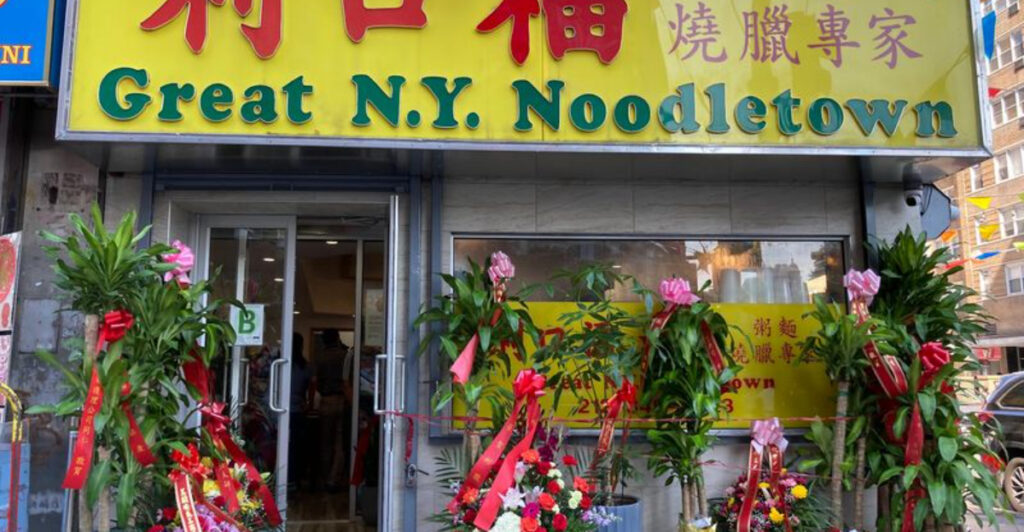
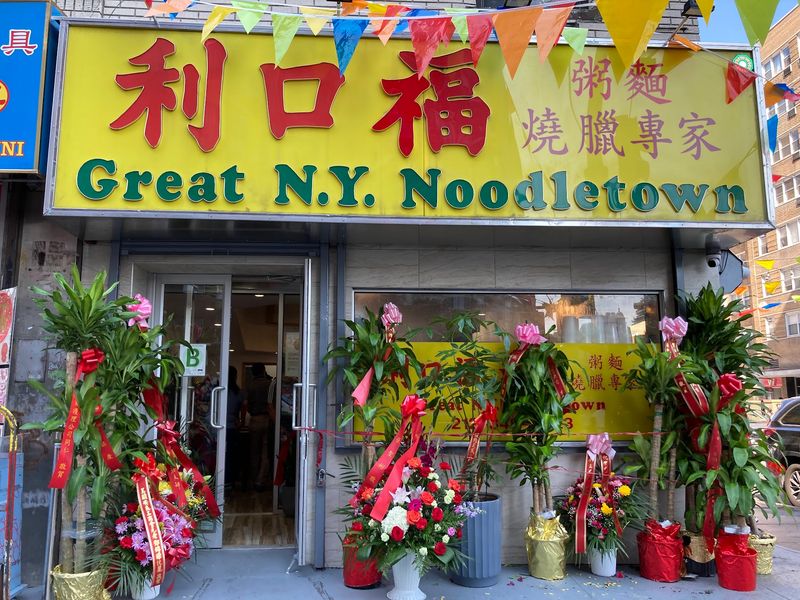
Great NY Noodletown sits at 28 Bowery in Manhattan, right where Chinatown moves fast and smells like roast meat, hot tea, and busy kitchens. It is not fancy, but that is part of why people keep talking about it.
For years, locals, visitors, late lunch crowds, and noodle lovers have come here for Cantonese comfort food that feels direct and filling. If you have walked past without stopping, here is why this small spot deserves a closer look.
1. A Bowery Corner With Serious Staying Power
Some restaurants feel like they were built for quick trends, but Great NY Noodletown feels rooted to its corner.
Since 1981, it has served Cantonese food at Bowery and Bayard, a busy Chinatown spot where people often walk with a purpose.
The room is simple, bright, and usually full of motion.
Tables sit close together, servers move quickly, and dishes land faster than many first-timers expect.
That pace can surprise you, but it is also part of the place’s rhythm.
Its 4.1-star rating from more than 3,000 Google reviews shows how many people have made an opinion about it.
Some love the energy, while others wish service felt softer.
Either way, the restaurant keeps drawing crowds because the food has a clear identity.
Before you visit, know what kind of meal you are choosing.
This is a no-frills noodle shop, not a quiet date-night dining room.
Bring patience, bring cash, and be ready to share space.
The charm is not in polished decor.
It is in the sound of bowls hitting tables, the smell of roast duck, and the feeling that you found a real piece of old Chinatown still working hard.
2. Wonton Noodle Soup That Keeps People Returning
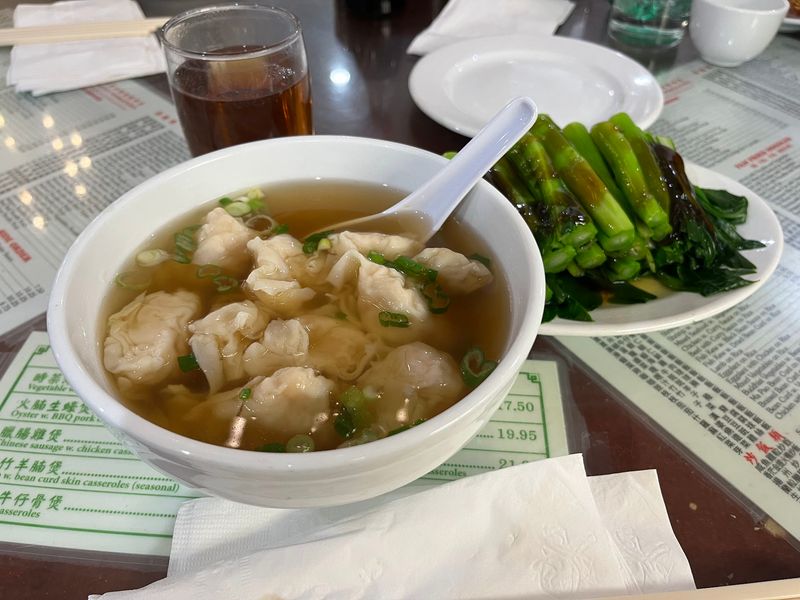
One bowl has become the dish many regulars mention first: wonton noodle soup.
It looks plain at first, with clear broth, thin noodles, and wontons tucked underneath, but the flavor is calm, warm, and steady.
The broth is often described as clean and lightly golden.
It does not shout with spice or heavy sauce.
Instead, it gives you that comfort-food feeling, the kind that works for lunch, dinner, or a cold New York morning.
The wontons are the part people remember.
They are usually filled with shrimp and pork, giving each bite a springy texture and a savory taste.
If you like soup that feels homemade without being fussy, this is a smart order.
Noodle texture matters here too.
The thin noodles should stay firm enough to slurp without turning mushy.
Eat them early, because they keep soaking up broth as the bowl sits.
For a bigger meal, ask for roast meat with the soup or order rice on the side.
A little chili oil can wake up the bowl if you want more heat.
Still, try a few spoonfuls plain first, because the simple flavor is the whole point.
3. Roast Meats Hanging Behind The Counter
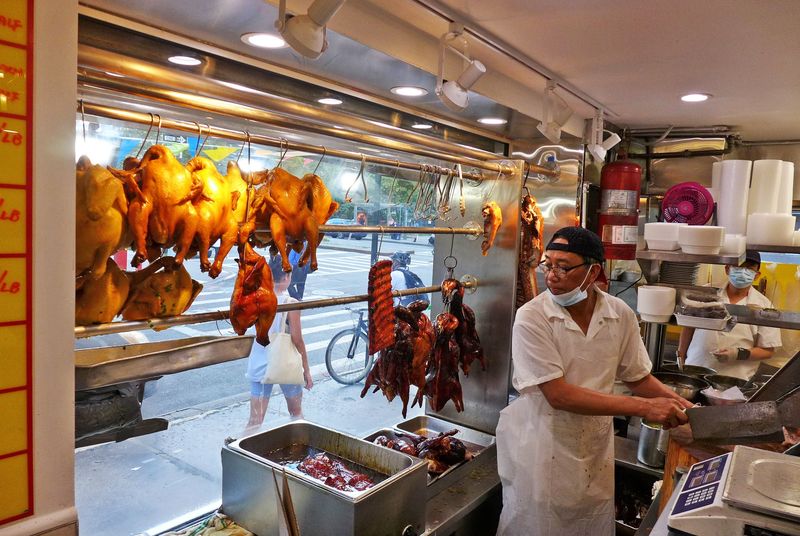
Walk in hungry and the roast meats can make your order harder in the best way.
Duck, roast pork, crispy-skinned pig, and char siu often show up in reviews because they are central to the restaurant’s reputation.
A combo over rice is a useful move for first-timers.
You can try two or three meats, get plain rice underneath, and use the sauce and juices to flavor everything.
The cabbage on the side adds a little balance.
Roast duck is popular, though it comes with bones and fat, as Cantonese roast duck often does.
If you want easy, boneless bites, be prepared for some work.
If flavor matters more, the duck can be worth it.
Crispy roast pork, sometimes called pig on menus or by diners, is the choice for people chasing crunchy skin.
That snap against tender meat is a big reason fans return.
Char siu is sweeter and softer, with a barbecue-style edge.
One helpful tip is to ask questions before ordering by weight or for takeout.
Prices can feel confusing if you are not clear.
For the smoothest visit, pick a menu item, confirm the cost, and keep your receipt in mind when paying.
4. Salt-Baked Seafood For The Adventurous Table
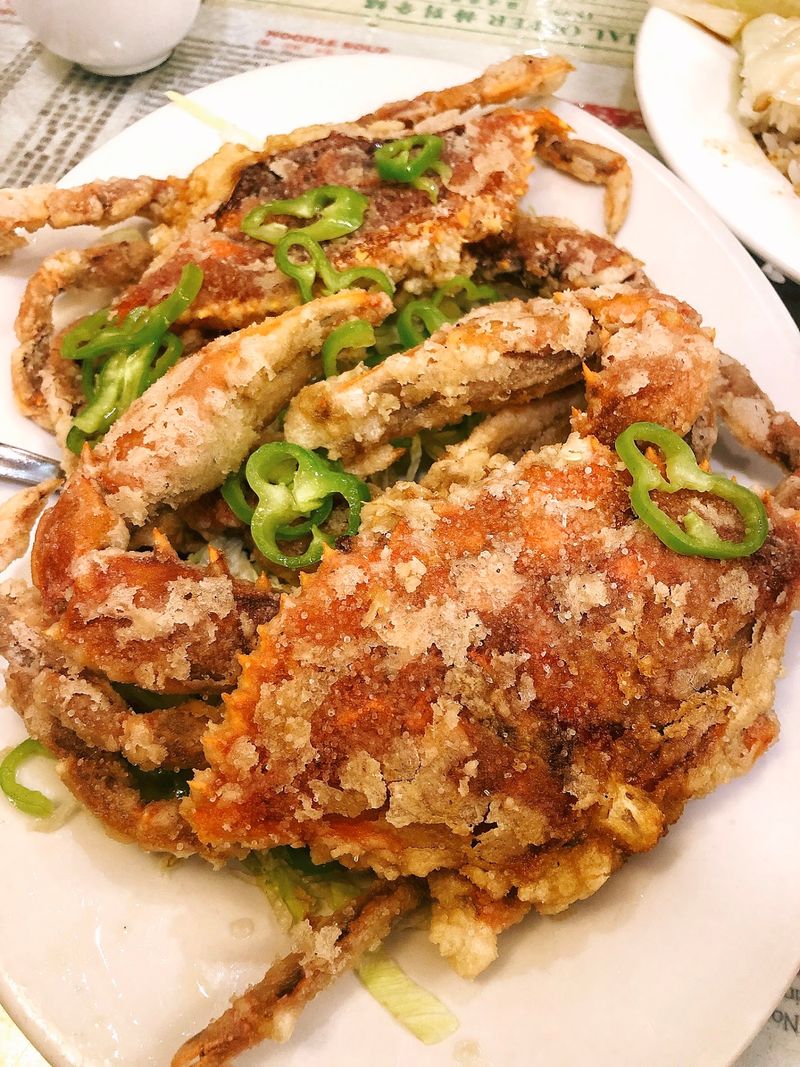
There is a louder side of the menu, and it usually starts with salt-baked seafood.
Squid, crab, and soft shell crab are the kinds of dishes that turn a quick noodle stop into a shared feast.
Soft shell crab gets a lot of attention when it is in season, often in spring and summer.
Some diners praise it for being tender, crisp, and great with chili oil.
Others have had uneven experiences, so it helps to ask if it is fresh that day.
Salt-baked squid is another strong choice if crab is unavailable.
The dish is usually crisp, salty, and easy to pass around.
It works well when your table has soup, rice, and vegetables already coming.
Seafood can cost more than the everyday noodle bowls and roast-meat plates.
Before ordering, check the price or ask the server.
That small step can prevent sticker shock when the bill arrives.
For the best meal, share these dishes instead of making one person handle the whole plate.
Add a vegetable like pea shoots or bok choy, plus a bowl of rice.
The mix of crisp seafood, greens, and warm carbs makes the table feel complete.
5. Fast Service, Shared Tables, And Real Chinatown Energy
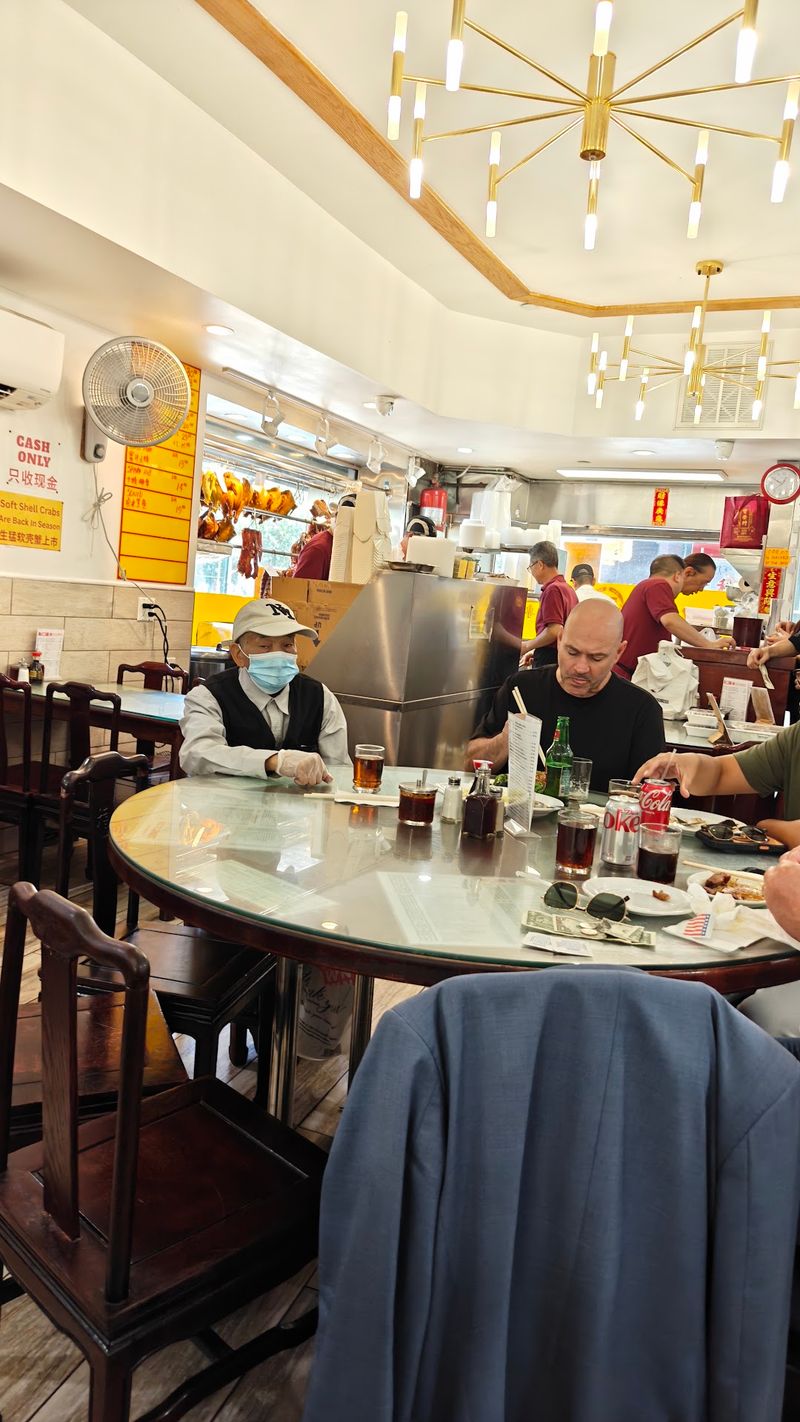
If your group is small, do not be shocked if you sit with strangers.
Communal seating happens here, especially when the room is packed and the staff needs to keep tables moving.
That setup can feel odd at first, but it can also become a funny New York memory.
One reviewer described meeting new friends at a large round table in back.
In a city full of private screens, that kind of shared meal feels rare.
Service is quick and practical.
Tea may arrive without you asking, food can come within minutes, and the check might appear before you feel ready to leave.
Some people love the speed, while others feel rushed.
The best plan is to know your order before you sit down.
The menu is long, and the restaurant is not built for slow reading during a busy rush.
Look online first if you can.
Do not expect long explanations or extra small talk.
Ask clearly for water, tea, chili oil, or boxes, and keep your tone polite but direct.
When you accept the pace, the room becomes part of the experience instead of a problem.
It is loud, tight, and busy, but that is exactly why many people remember it.
6. Cash Rules, So Plan Before You Sit
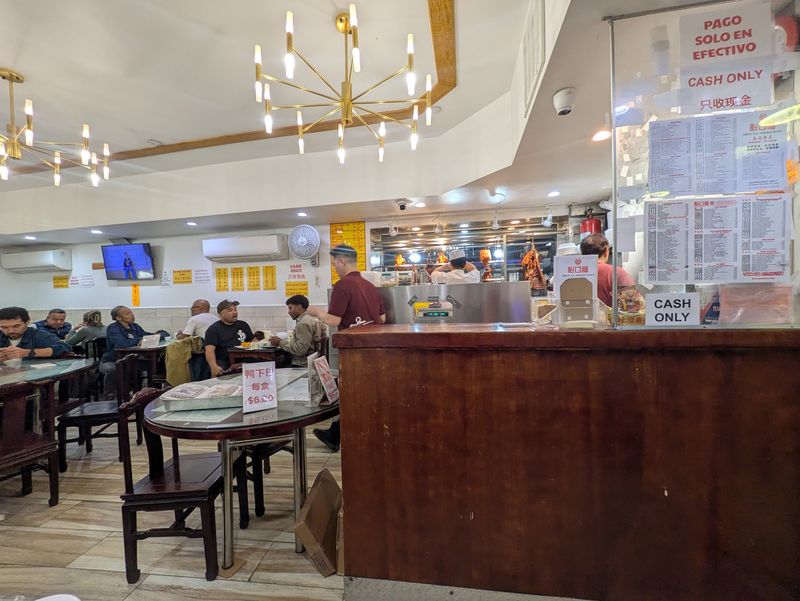
A simple mistake can sour a good meal here: arriving without cash.
Great NY Noodletown is widely known as cash only, and many reviews repeat that warning in all caps for a reason.
Before you go, stop at an ATM or bring enough bills for food, tax, and any service charge.
This matters more if you order seafood, multiple roast meats, or dishes to share.
A meal can grow faster than expected.
Several diners also mention an added service charge, often written as SC on the bill.
Some say it is 18 percent, while others report 20 percent.
Since receipts may be handwritten or not fully explained, read the check before adding more tip.
That does not mean you should avoid the restaurant.
It simply means you should treat payment like part of the visit.
Ask politely if you do not understand a line on the bill.
Cash-only spots are common in old-school Chinatown dining, but visitors can still be caught off guard.
Make a quick budget before ordering, especially if you are with a group.
When everyone knows the payment style, the meal stays focused on wontons, duck, and noodles instead of awkward wallet math.
7. Vegetables And Noodles That Deserve Attention Too
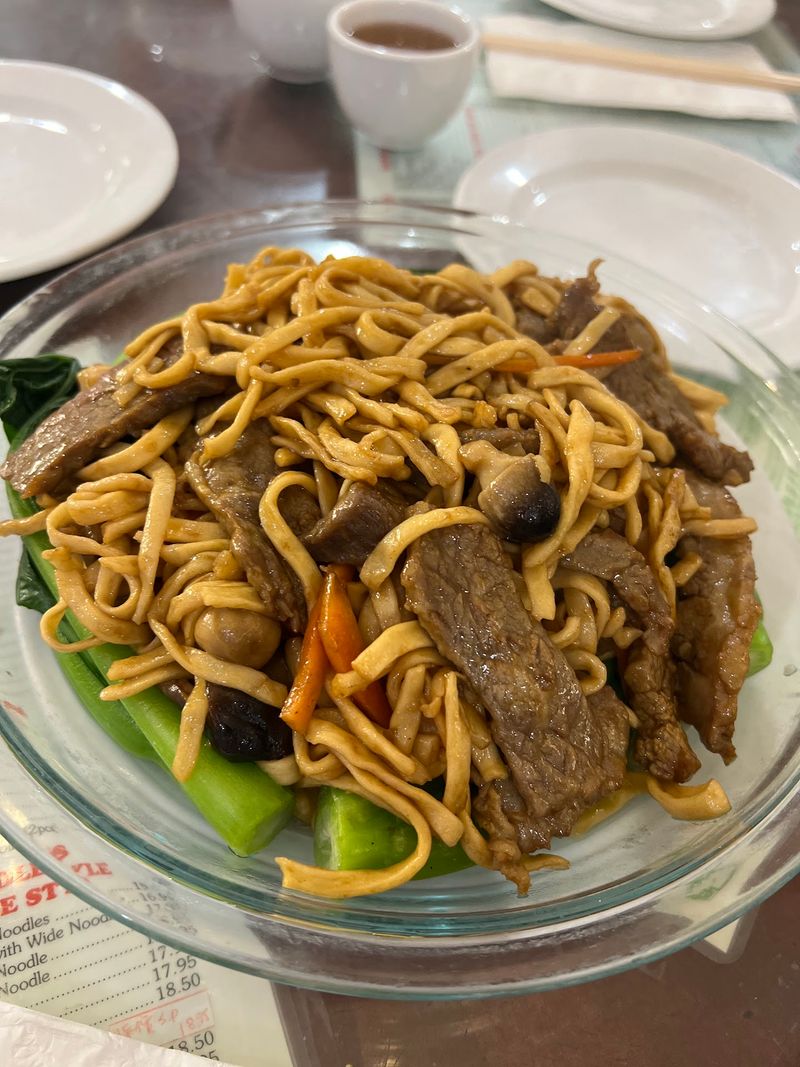
The roast meats get the spotlight, but the side dishes can quietly steal the table.
Pea shoots, bok choy, beef chow fun, and lo mein show that Great NY Noodletown is more than soup and duck.
Beef chow fun is a favorite for people who love wide rice noodles.
When cooked well, the noodles pick up a smoky wok flavor, with beef and Chinese broccoli adding chew and freshness.
It is a great shared plate.
Lo mein is more familiar, which can be comforting if someone in your group wants a safe choice.
Chicken lo mein, for example, is often praised for doing exactly what it should: filling the plate, tasting reliable, and pairing well with chili oil.
The vegetables are worth ordering on purpose, not just for balance.
Sautéed pea shoots can taste sweet, garlicky, and surprisingly rich.
Bok choy is simpler, but it brings crunch and a clean break from salty meats.
If you are visiting with friends, build the meal like a puzzle.
Choose one soup, one roast-meat plate, one noodle dish, and one green vegetable.
That way you taste the restaurant’s range without overloading on one flavor.
Leftovers usually travel well, especially noodles and rice plates.
8. Why The No-Frills Setting Still Wins Fans
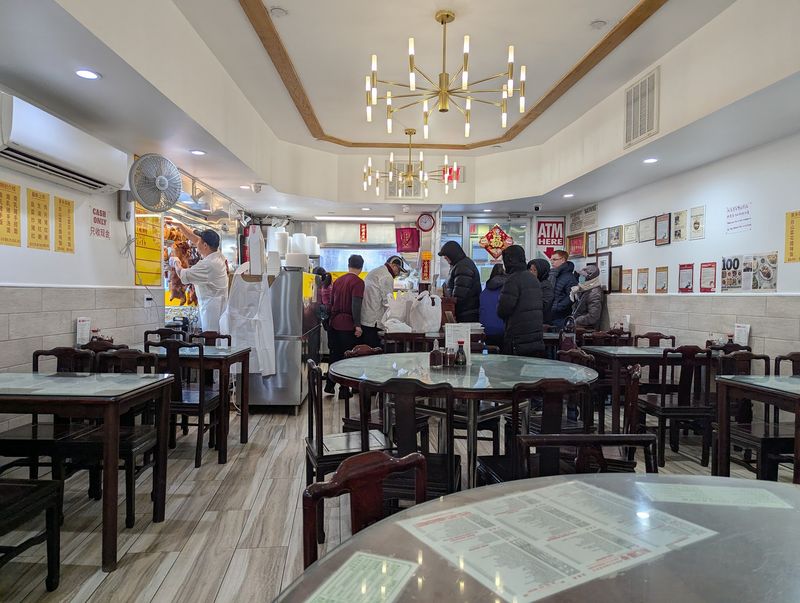
Fancy lighting and soft music are not the reason people talk about this place.
Great NY Noodletown wins fans because it feels direct, busy, and deeply tied to the food traditions around it.
The dining room may seem plain, even harsh, with bright lights and close seating.
Yet that stripped-down setting helps keep the focus on bowls, plates, and quick comfort.
You come here to eat, not to pose.
That said, not every visit is perfect.
Reviews mention rushed service, confusing charges, and dishes that can vary from one day to another.
Knowing that ahead of time makes expectations more realistic.
The smartest visitors treat it like a classic city institution with quirks.
Go during off-peak hours if you want a calmer meal.
Bring cash, order the dishes people praise most, and speak up if the bill is unclear.
What makes the restaurant special is its mix of history and motion.
It has been part of Manhattan Chinatown for decades, yet it still feels alive every time the door opens.
For anyone curious about New York food beyond glossy lists, this little-known spot hiding in plain sight is a worthy stop.
Share this story