Tucked away in Adams, Tennessee, Port Royal State Historic Park is one of those places that surprises you with how much history lives in such a small space. This 30-acre park sits where the Red River and Sulphur Fork Creek meet, marking the spot where a once-thriving river town bustled with trade, travelers, and river commerce before fading into quiet memory.
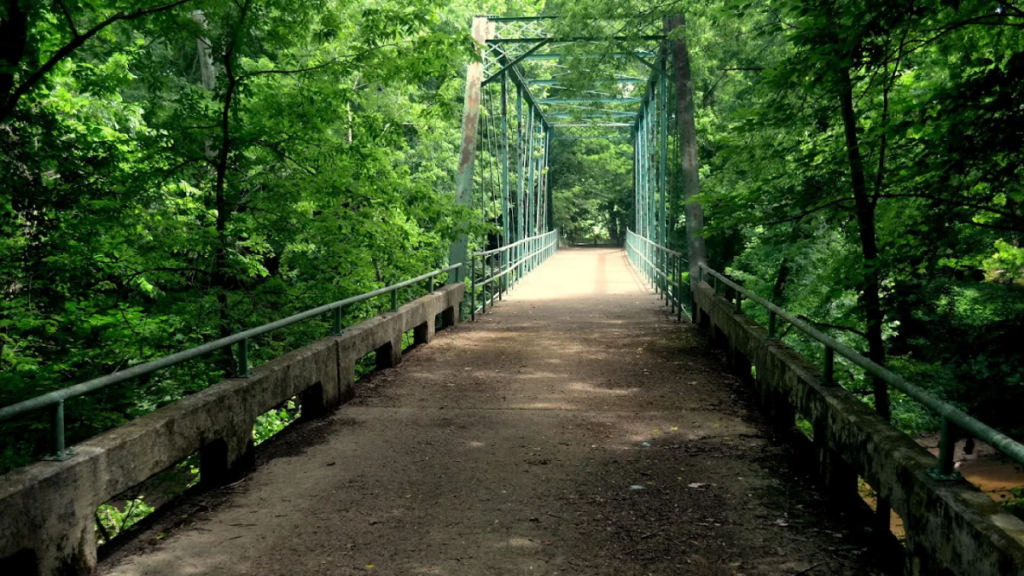
Today, it offers peaceful trails, a restored general store, and a unique iron bridge that connects visitors to Tennessee’s forgotten past in a way that feels personal and unhurried.
A Tiny Tennessee Park With Stories Bigger Than Its Size
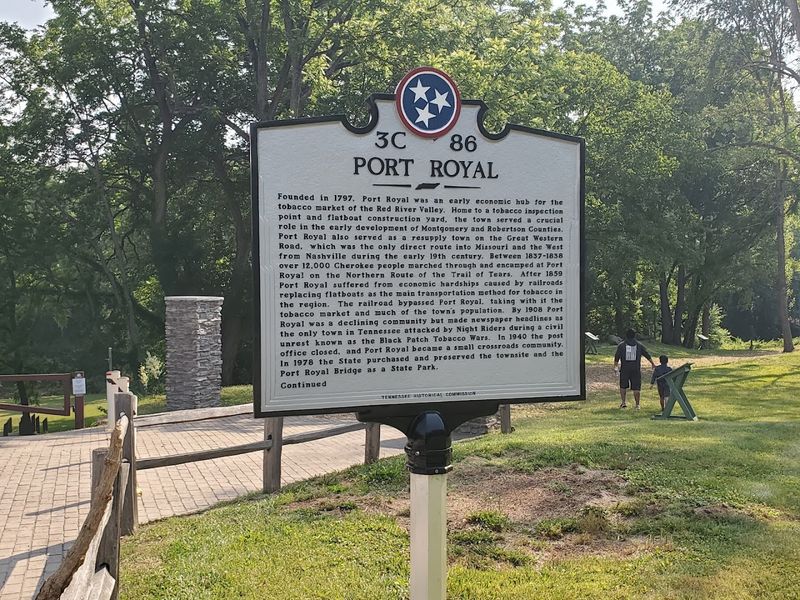
Port Royal State Historic Park covers just 30 acres, but the amount of history packed into this little corner of Tennessee is genuinely impressive. Back in the early 1800s, Port Royal was a booming river town where tobacco traders, travelers, and settlers gathered before heading west. The town served as a critical stop along the Red River, connecting Nashville to the Cumberland River and beyond.
Walking through the park today, you can still sense the echoes of that busy past. Informational signs dot the trails, explaining how this spot played a role in river commerce, the tobacco industry, and even the forced removal of Cherokee people along the Trail of Tears. Rangers are incredibly knowledgeable and love sharing details about the town’s rise and eventual decline.
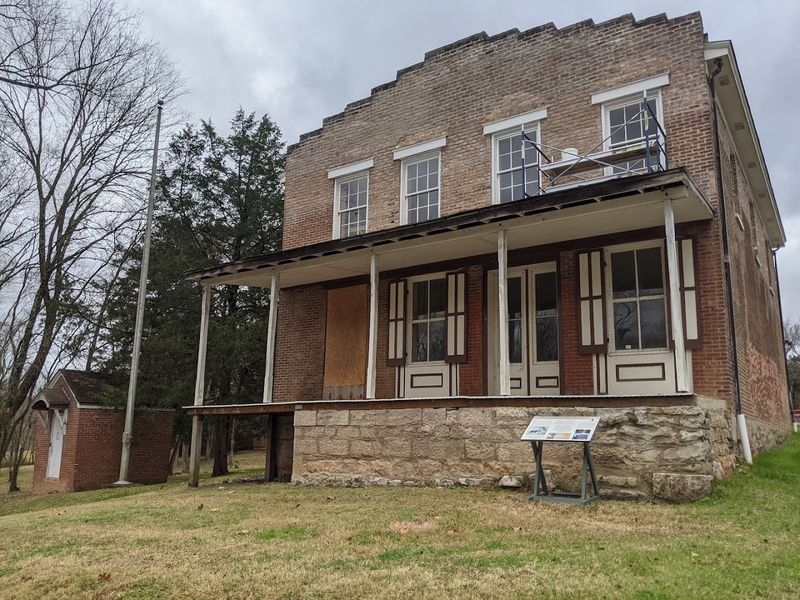
What makes Port Royal special is how it balances education with atmosphere. You are not just reading about history—you are standing where it happened. The park includes a recreated general store that once served as the town’s post office, and the building itself tells a story of restoration and care.
Despite its size, the park does not feel cramped or rushed. There is room to wander, sit by the water, and imagine what life was like when Port Royal was a name everyone in Middle Tennessee knew. For history lovers who appreciate intimate, lesser-known sites, this park delivers far beyond its acreage.
Why Port Royal State Historic Park Deserves A Detour
Most people zoom past Adams on Interstate 24 without a second thought, but those who take the exit and follow the signs to Port Royal discover something worth slowing down for. This park is not flashy or crowded, and that is exactly what makes it appealing. It offers a quiet escape where you can learn, explore, and breathe without fighting for parking or dodging tour groups.
The park sits at the junction of two waterways, creating a naturally beautiful setting that feels both serene and alive. You will find picnic areas tucked along the riverbanks, perfect for a leisurely lunch with a view. The trails are short and easy, making them accessible for families with strollers, older visitors, or anyone looking for a gentle walk rather than a strenuous hike.
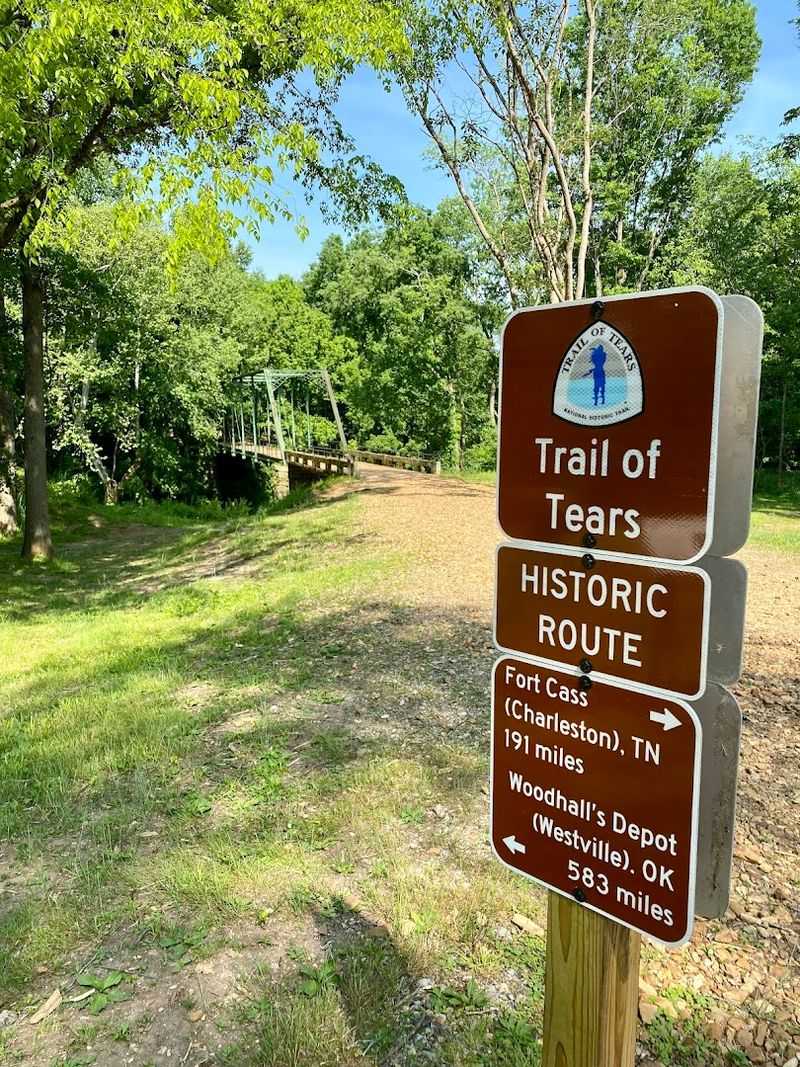
One of the biggest draws is the park’s connection to multiple layers of Tennessee history. From its role in westward expansion to its heartbreaking place on the Trail of Tears, Port Royal tells stories that matter. Visitors often mention feeling moved by the weight of what happened here, especially knowing that thousands of Cherokee people camped on this ground during their forced removal.
The park also features an EV charging station, making it a practical stop for modern travelers. Clean restrooms, friendly staff, and well-maintained facilities add to the appeal. Whether you are a history buff, a nature lover, or just someone looking for a peaceful detour, Port Royal rewards curiosity with substance.
Step Into A Once-Bustling River Town Frozen In Time
Port Royal was not always the quiet park you see today. In its heyday during the early 19th century, this town thrived as a major trading post and river hub. Flatboats loaded with tobacco and goods floated down the Red River, stopping here before continuing to larger markets.
By the time the Civil War ended and railroads began replacing river transport, Port Royal’s importance faded fast. The town that once held so much promise slowly disappeared, leaving behind only traces of its former self. Today, those traces are carefully preserved, giving visitors a rare chance to walk through a slice of Tennessee that time almost forgot.
The park’s restored general store is a highlight, rebuilt to reflect its original turn-of-the-century look. Inside, you will find state park memorabilia, historical displays, and rangers eager to share stories about the town’s glory days. The building itself feels like a portal, transporting you back to when this was the center of local life.
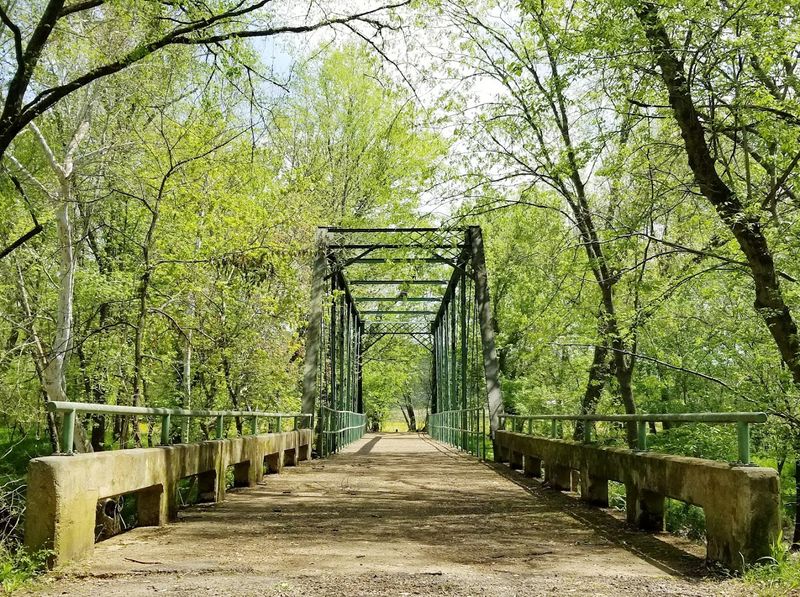
Outside, interpretive signs guide you through the old town site, pointing out where buildings once stood and explaining how the community functioned. The iron bridge, still standing strong, is another piece of that puzzle—a physical reminder of the infrastructure that supported this forgotten town. Walking these grounds, you can almost hear the clatter of wagons and the shouts of traders echoing across the water.
The Red River Views Add Quiet, Unexpected Beauty
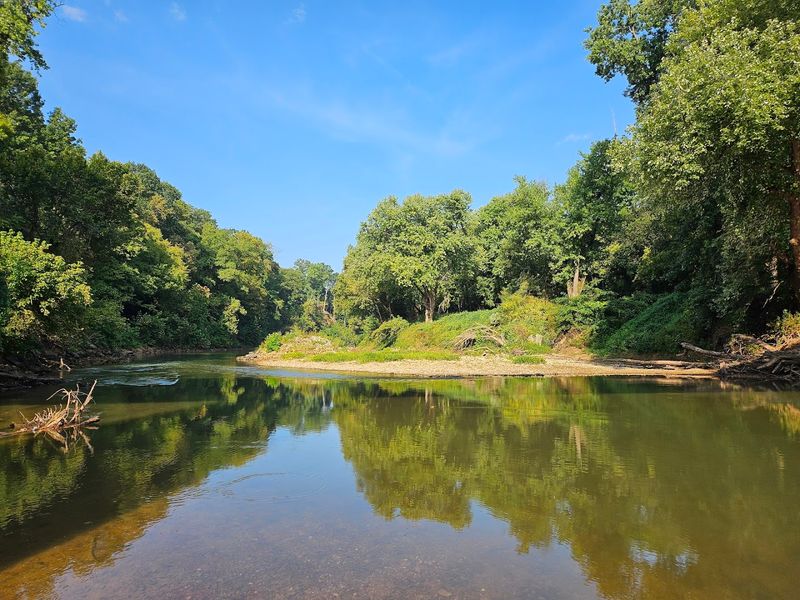
While history draws many visitors to Port Royal, the natural beauty of the Red River often steals the show. The river winds through the park with a calm, steady presence, offering views that change with the seasons. In spring, the water runs high and fast from rainfall, while summer brings a slower, more reflective surface perfect for watching wildlife.
The trails follow the river closely, giving you plenty of opportunities to stop and take in the scenery. You will see fish jumping, birds hunting along the banks, and turtles sunning themselves on logs. The sound of water moving over rocks creates a soothing backdrop that makes even a short walk feel restorative.
Anglers also appreciate Port Royal as a launch point for kayaks, canoes, and small boats. The confluence of the Red River and Sulphur Fork Creek provides good fishing opportunities, and the park’s boat ramp makes access easy. Whether you are paddling, fishing, or just sitting on the bank with a book, the river adds a layer of quiet beauty that complements the park’s historical significance perfectly.
Follow Old Roads, Historic Trails, And Forgotten Footsteps
Port Royal’s trail system may be modest in length, but what it lacks in mileage it makes up for in meaning. These paths follow routes that people walked centuries ago—traders heading to market, families seeking new land, and Cherokee people forced from their homes. Walking here is not just exercise; it is an act of remembering.
The main trail loops through the park, taking you past the old town site, along the riverbank, and across the historic iron bridge. Interpretive signs along the way provide context, explaining what you are seeing and why it matters. The trail is mostly flat and easy, suitable for all ages and fitness levels.
One particularly moving section follows part of the Trail of Tears, the route along which Cherokee people were forcibly removed from their homelands in the 1830s. Port Royal was the last place in Tennessee where they camped before crossing into Kentucky. Standing on that ground, knowing the suffering that happened there, brings history into sharp, emotional focus.
Rangers recommend taking your time on these trails, pausing to read the signs and absorb the stories. Some visitors describe the experience as almost meditative—the combination of natural beauty and historical weight creates a space for reflection that feels rare in our fast-paced world. Even if you are not typically a trail person, these short walks offer something deeper than just a stroll through the woods.
Why This Adams Hidden Gem Feels So Peaceful Today
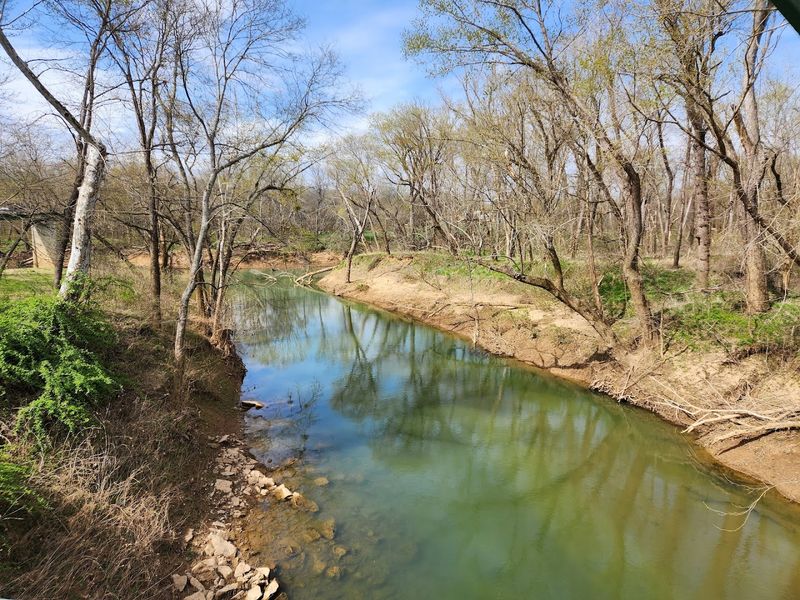
One word comes up repeatedly in reviews of Port Royal: peaceful. Despite the heavy history and the tragic events that unfolded here, the park today feels remarkably calm. Maybe it is the lack of crowds, or the way the trees filter the light, or simply the passage of time that has softened the landscape into something gentle.
Visitors often mention the silence—not an empty silence, but one filled with birdsong, rustling leaves, and the steady murmur of the river. It is the kind of quiet that invites you to slow down, breathe deeper, and notice details you might otherwise miss. Families find it an ideal spot for low-key outings, and solo travelers appreciate the space for contemplation.
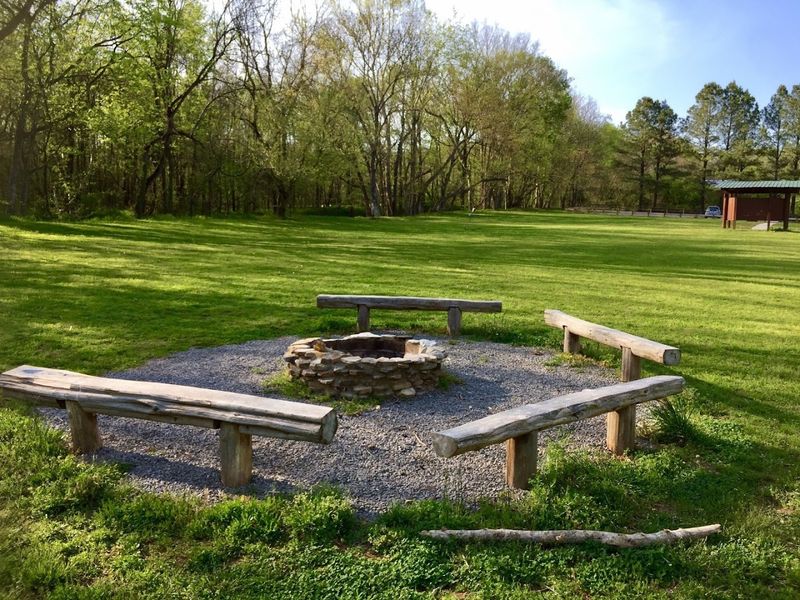
The park’s small size works in its favor here. You are never far from your car, never lost or overwhelmed, but still immersed enough to feel like you have stepped away from everyday life. Picnic tables scattered throughout the grounds offer perfect spots to sit and simply be, whether you are eating lunch or just watching the water flow by.
Even the restoration work on the general store adds to the peaceful vibe. The care taken to preserve this place signals respect for the past without turning it into a theme park. Port Royal does not shout for attention; it waits patiently for those curious enough to find it, then rewards them with beauty, history, and a rare sense of stillness.
Before You Go: How To Make The Most Of Your Visit
Port Royal State Historic Park is open daily from 8 AM to 4:30 PM, giving you a solid window to explore without rushing. The general store and visitor center is not always open, so if you want the full historical tour from a ranger, consider calling ahead to confirm hours. When rangers are on duty, they provide invaluable context that brings the site to life.
Parking is plentiful and free, with easy access to all major areas of the park. The trails are short—less than a mile total—so you can see everything in an hour or two. However, many visitors find themselves lingering longer, especially if they bring a picnic or want to fish from the banks.
If you are planning to kayak or canoe, the boat launch provides convenient access to the Red River. The confluence with Sulphur Fork Creek makes for interesting paddling, though water levels vary seasonally. Spring typically offers the best flow, while summer can be lower and calmer.
The park is family-friendly, with stroller-accessible paths and clean restrooms. Dogs are welcome on leashes, and several reviewers mentioned seeing well-behaved pups enjoying the trails. There is also an EV charging station on-site, making Port Royal a practical stop for electric vehicle owners exploring Middle Tennessee.
Finally, consider pairing your visit with nearby Dunbar Cave State Park, just ten minutes away. Together, they make for a rich day of Tennessee history and natural beauty without requiring a long drive between sites.