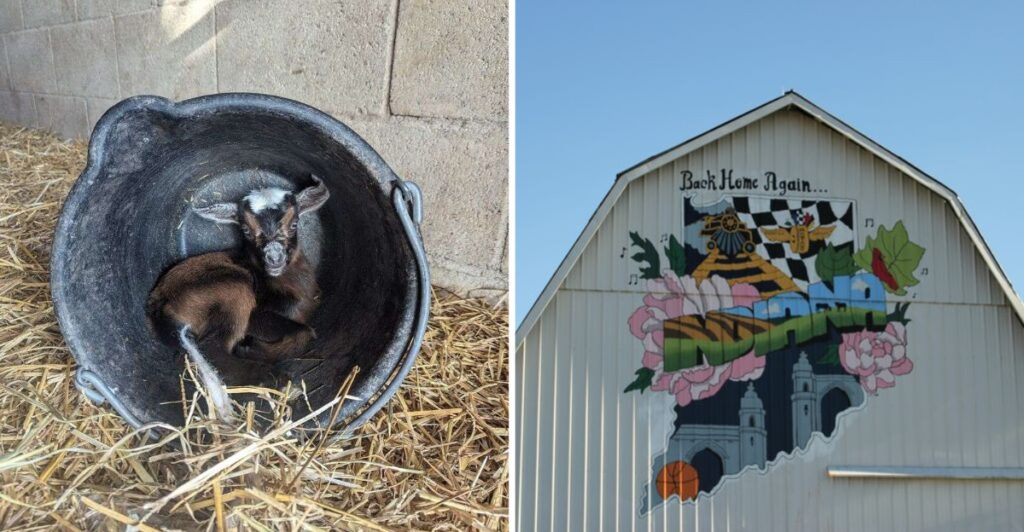
Every animal at Compass Rose Farm Sanctuary near Spencer has a story, and many began long before reaching the safety of this peaceful Indiana farm. More than 250 rescued residents now call the sanctuary home, including animals given a second chance after neglect, abuse, or other difficult circumstances.
Visits and special events can bring guests face-to-face with some of them, transforming statistics about animal rescue into individual personalities and unforgettable encounters. The countryside setting may feel wonderfully tranquil, but important work happens here every day. A visit offers more than adorable animal moments—it reveals what compassion can accomplish when vulnerable creatures finally have somewhere safe to land.
A Country Road Arrival With Real Purpose
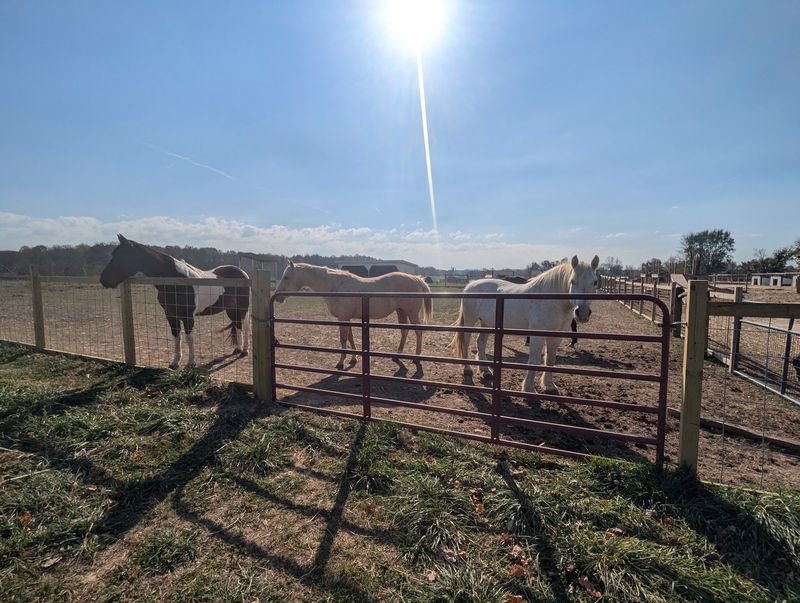
The drive out to West Flatwoods Road sets the tone before a single animal comes into view. Instead of traffic, chain stores, and loud parking lots, the approach leans into open land, fences, trees, and the slower rhythm of rural Owen County.
That calm matters because Compass Rose Farm Sanctuary is not built like an attraction trying to rush people from one stop to the next.
Land is part of the story here. A sanctuary needs room for animals to spread out, rest, and live in ways that look more natural than cramped.
Seeing the property in its countryside setting helps explain why rescued animals can have a different kind of life once they arrive.
There is also a clear shift in mindset when a visit begins in a place like this. People tend to lower their voices, pay attention longer, and notice details they might miss in a busy town setting.
Hooves on dirt, barns against the sky, and the simple layout of pasture and shelter all frame the experience before any formal introduction starts.
Compass Rose Farm Sanctuary works best when understood as a mission first and a visit second. The nonprofit identity is important because the land, buildings, and daily routines exist to support animals that need care, recovery, and consistency.
That gives the property a practical backbone, even while it carries the quiet charm that draws people in.
By the time guests step farther onto the grounds, the place already says something important without using a signboard speech. Rescue here is not abstract.
It is tied to fields, fencing, feeding areas, and safe places where vulnerable animals can finally settle into a steadier life.
More Than 250 Lives, Each With A Different Story
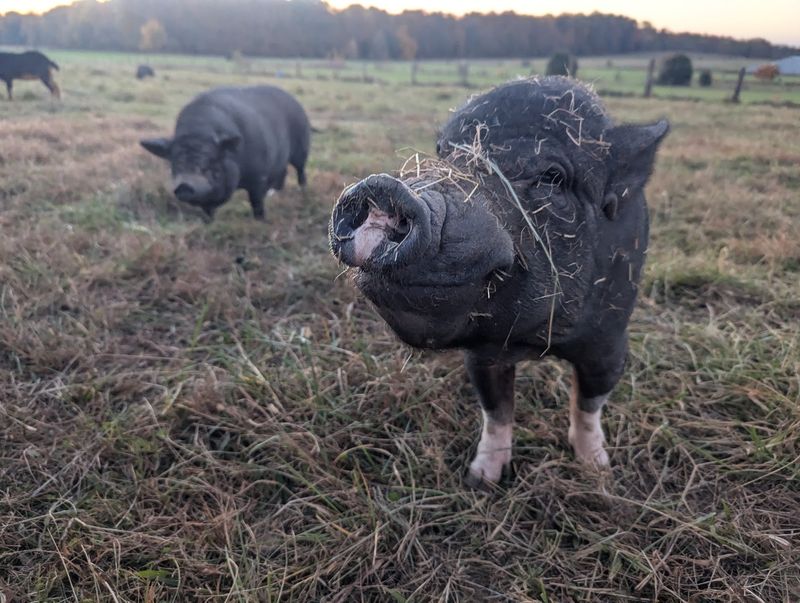
Big rescue numbers can sound distant until they are attached to living faces. At Compass Rose Farm Sanctuary, the figure of more than 250 saved animals means hundreds of separate arrivals, needs, temperaments, and second chances.
No two rescues come with exactly the same history, which gives the sanctuary a layered, deeply human mission even though the residents are animals.
Some animals may come in needing time to trust people again. Others might require special feeding, careful medical attention, or a quieter space away from pushier barnyard neighbors.
A sanctuary handling this many lives has to think far beyond simple shelter. That scale changes how a visit feels. Instead of seeing a handful of animals in a decorative farm setting, guests are stepping into a place where rescue is active, organized, and ongoing.
Every enclosure hints at logistics behind the scenes, from cleaning and feeding to monitoring behavior and creating safe groupings.
The number also helps explain why the sanctuary stands out in Indiana. Caring for 250 plus animals is not a small side project.
It takes land, labor, planning, and a long view of what humane care looks like after the dramatic rescue moment is over.
For younger visitors especially, that lesson lands clearly. Saving an animal is not just opening a gate and calling the story finished.
It means committing to daily work, patient observation, and the kind of support that keeps going in all seasons. Compass Rose Farm Sanctuary turns that idea into something visible, making compassion easier to understand because it is right there in the pens, pastures, and routines around the property.
Meeting The Residents Turns Rescue Into Something Personal
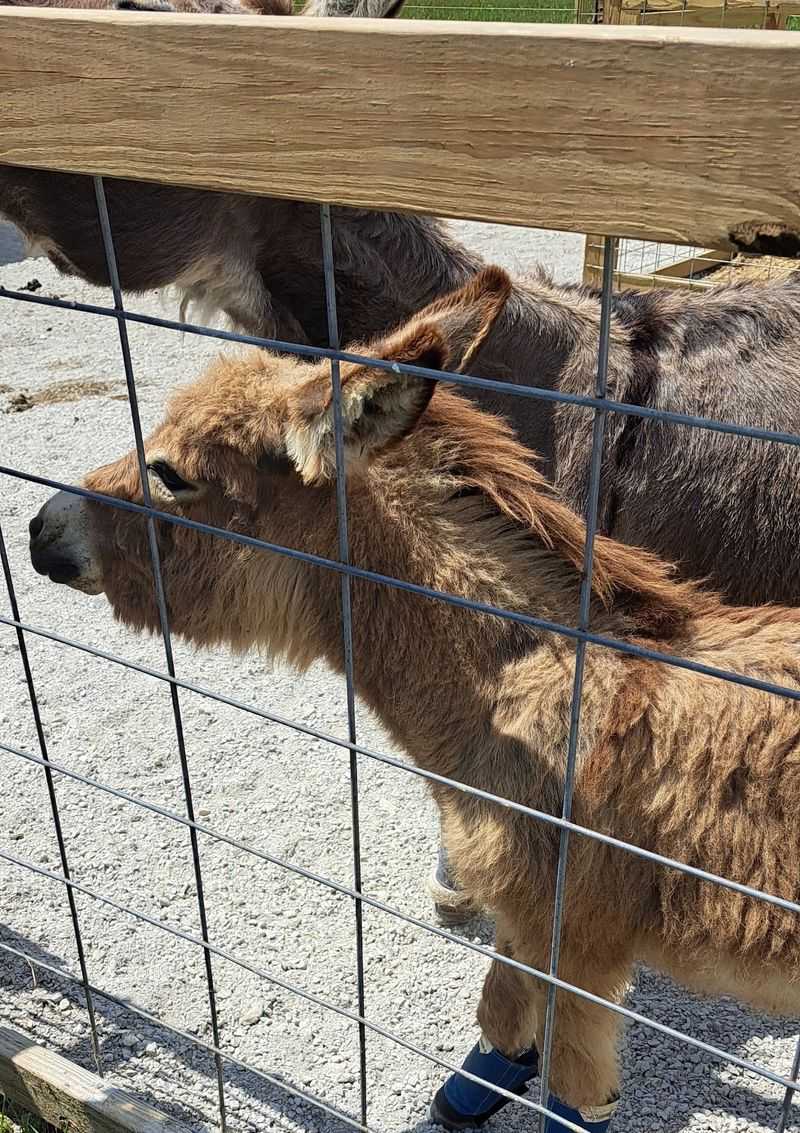
Reading about rescued animals is one thing. Standing a few feet away from them is another. Compass Rose Farm Sanctuary offers the rare chance to meet animals in person, which turns rescue from a headline into a direct, memorable experience.
That face to face element matters because farm animals are often overlooked in everyday life. Many people know dogs and cats as individuals, but they have spent less time noticing the personality of a pig, the alert curiosity of a goat, or the quiet watchfulness of a sheep.
A sanctuary visit slows everything down enough for those differences to come forward. Meeting animals in a rescue setting also changes the tone of the interaction. The goal is not flashy entertainment or nonstop handling.
A stronger visit usually comes from watching how the animals move through their space, learning why they are there, and understanding that respect is part of care.
Families can use the visit as a simple but powerful teaching moment. Kids often respond quickly when they see that each resident has needs, boundaries, and preferences.
That makes kindness less abstract than a classroom poster and more like a real life skill being practiced in front of them.
There is practical value for adults too. Anyone curious about animal welfare gets a clearer picture of what sanctuary work involves after the rescue itself.
The meeting is not only emotional. It is educational in a grounded way, showing that safe fencing, patient routines, and calm human behavior are part of how healing happens.
In person contact, even when brief, helps people leave with a fuller sense of responsibility than they had when they first pulled onto the road.
Daily Care Is The Quiet Engine Behind Everything
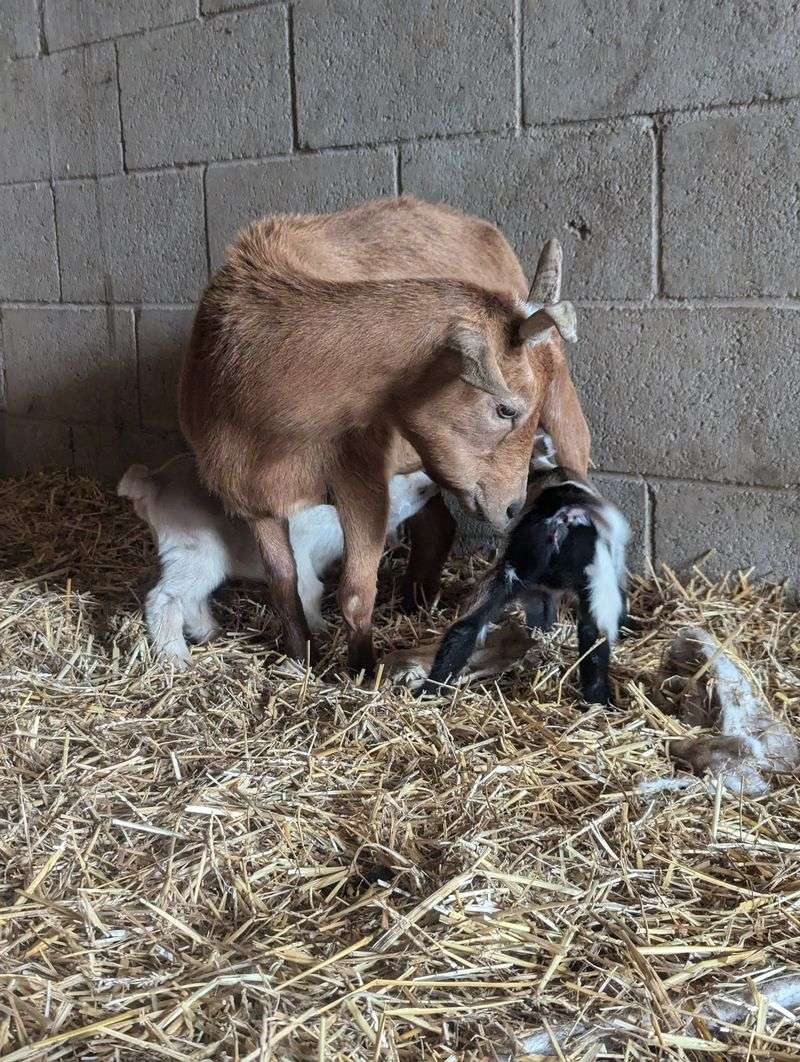
Behind every touching rescue story sits a long list of ordinary tasks. Feed buckets need filling, water has to stay clean, bedding must be changed, fences require checks, and animals need regular watchfulness.
At Compass Rose Farm Sanctuary, that steady labor is the real engine that keeps the mission moving. Sanctuary care is different from a quick roadside stop where animals are simply displayed. The work here centers on quality of life.
Clean spaces, safe group arrangements, dependable routines, and attention to health all shape whether rescued residents can settle into calmer, more secure days.
That is one reason the place has such a strong educational side, even if a visit feels relaxed on the surface. People get to see that compassion is not only about big dramatic rescues.
More often, it looks like showing up every day and doing careful tasks well. For children, that can be a surprisingly useful lesson. Helping animals is often pictured as exciting, but sanctuaries reveal the patient side of kindness.
Daily chores, respectful handling, and consistency matter just as much as the moment an animal is first brought to safety.
Adults notice the same truth in a different way. A nonprofit sanctuary has to stretch time, money, and energy across many residents, which makes organization essential.
The best animal spaces usually appear simple because so much thought has gone into making them function smoothly. Compass Rose Farm Sanctuary seems to fit that pattern, pairing heart with structure.
The result is a place where animal care is not presented as sentimental theater. It is visible in the practical details, from maintained enclosures to the overall sense that the residents are being looked after with intention, not improvisation.
Why This Indiana Sanctuary Works So Well In Its Setting
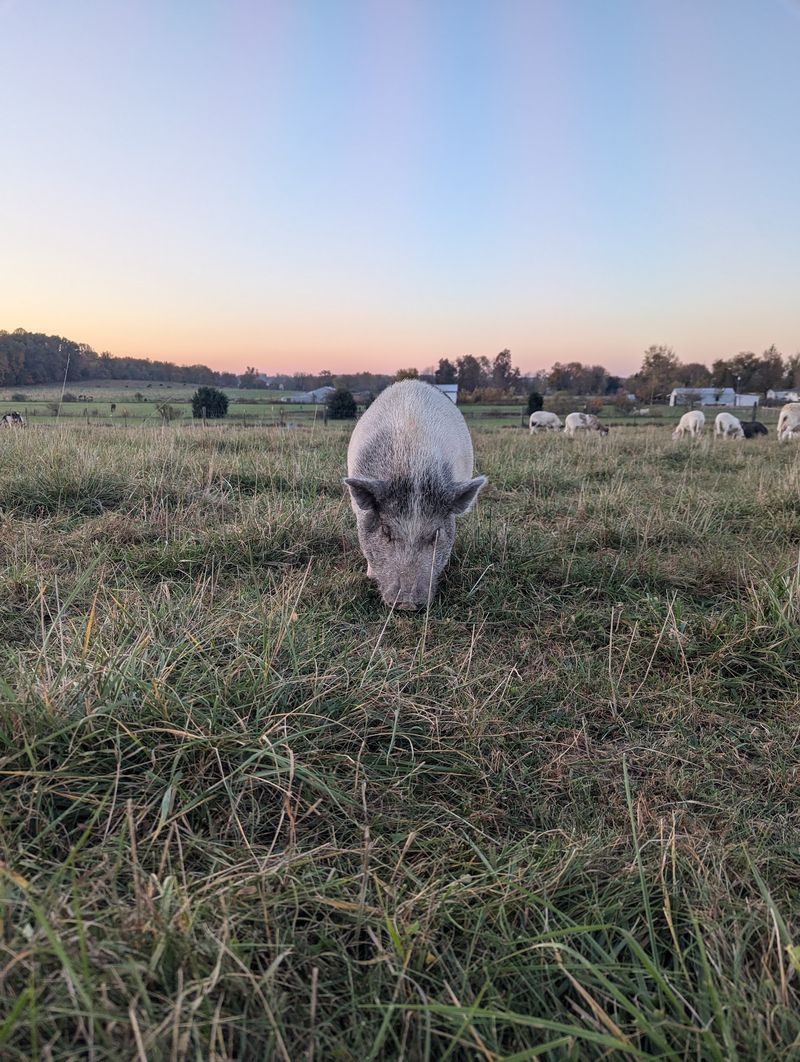
Indiana farm country gives Compass Rose Farm Sanctuary an environment that supports its mission in a very visible way. Open space is not a backdrop here.
It is a working advantage for rescued animals that need room, separation, and quieter surroundings than crowded commercial areas can offer.
Spencer and the surrounding landscape bring a sense of distance from urban noise. That can make visits feel calmer, but it also serves a practical purpose for animal welfare.
Pastures, barns, and outdoor areas need elbow room, and the rural setting helps provide it.
There is a visual honesty to that layout too. Nothing about the sanctuary has to pretend to be agricultural because it is already rooted in a real farm landscape.
Fences, shelters, feeding zones, and dirt paths belong here, which makes the whole place easier to understand at a glance.
For travelers, the location adds a useful contrast to more polished weekend stops. Instead of souvenir heavy distractions, the focus stays on animals and the land that supports them.
The countryside strips the experience down to the essentials in a good way.
That balance between scenery and function is part of why the sanctuary stands apart. Pretty views alone would not matter much if they did not help the mission.
Here, the setting helps explain the rescue model itself. Animals have space to exist without constant pressure, and guests can see that humane care is tied to environment as much as intention.
Compass Rose Farm Sanctuary uses its Indiana location well, not as a decorative detail, but as a practical tool that supports recovery, safety, and a slower pace that suits the residents far better than a busy public venue ever could.
Plan Ahead For The Best Visit
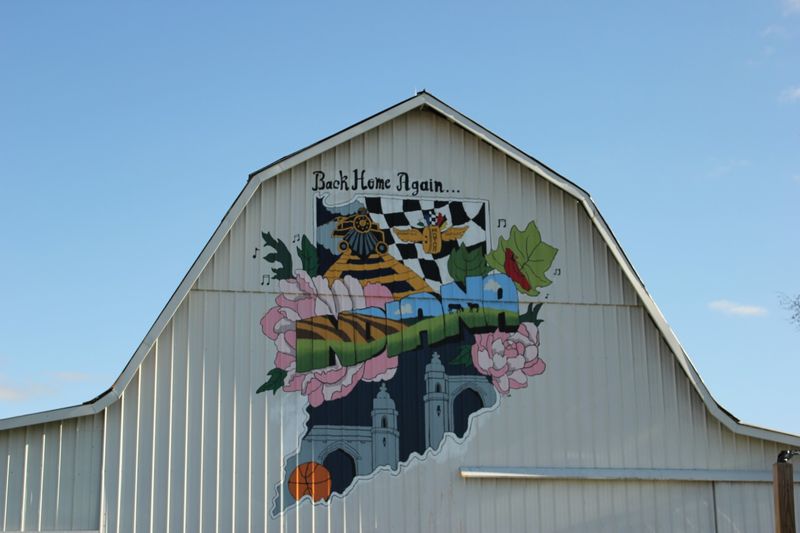
A little planning goes a long way with a place like Compass Rose Farm Sanctuary. This is not the kind of destination where dropping in casually makes the most sense.
Sanctuary spaces have to put animal routines first, so visits often work best when tied to announced events or arranged opportunities.
That structure is useful for guests as well. It gives people a better chance to arrive when staff or volunteers are prepared to guide the experience, share context, and help keep interactions calm and respectful. A planned visit usually means more learning and less confusion.
Timing matters in other ways too. Rural trips are smoother when travelers account for the drive, weather, and the fact that farm ground can change with the season.
Good shoes, water, and clothes that can handle dust or mud are smarter choices than treating the stop like an indoor attraction.
Families should also set expectations before arriving. Younger kids tend to do better when they know this is a rescue sanctuary, not a petting free for all. Quiet voices, patience, and listening to directions help protect both the animals and the experience.
Adults can make the most of the visit by coming ready to observe, ask thoughtful questions, and follow the pace the sanctuary sets. The reward is a fuller understanding of the work being done there.
Instead of rushing through for quick photos, visitors have a better chance to notice how the property functions and how the residents are cared for.
Compass Rose Farm Sanctuary seems best enjoyed as a purposeful outing, one where preparation adds depth rather than taking away spontaneity.
With the right mindset, even practical details like shoes, timing, and respectful behavior become part of what makes the day go smoothly.
The Lasting Reason It Stands Out Near Spencer
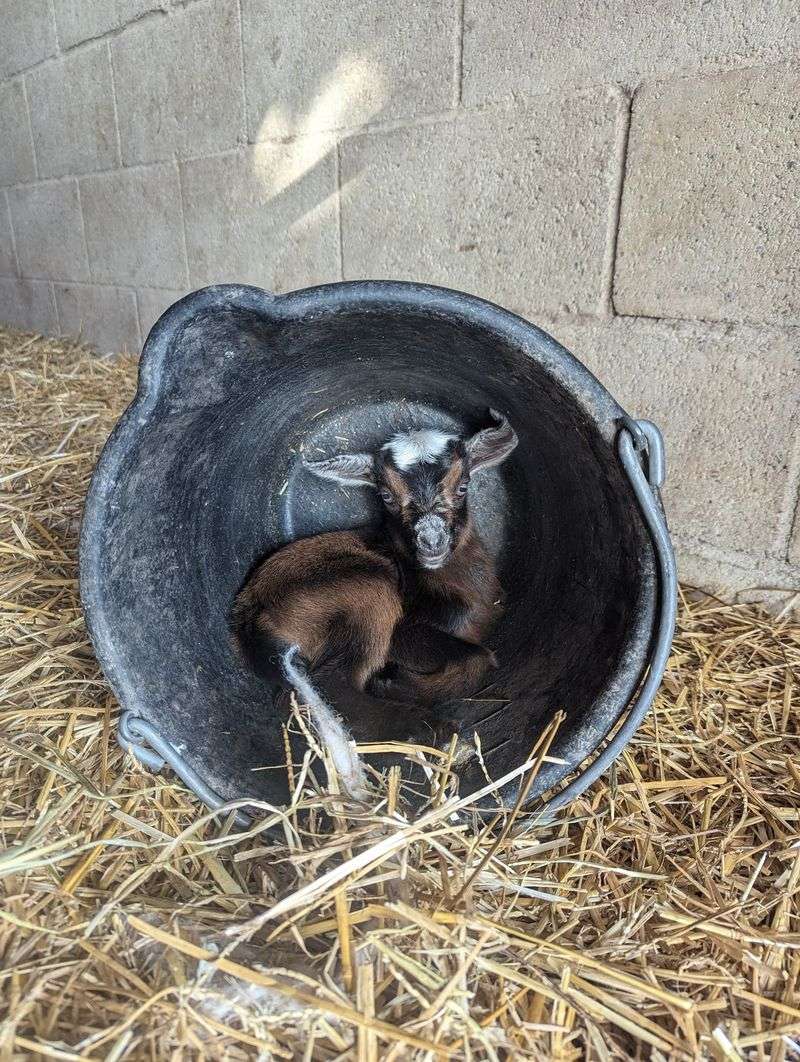
Some places are pleasant for an hour and then quickly blur together with everything else on the calendar. Compass Rose Farm Sanctuary stands apart because its central idea is stronger than a simple outing.
It asks people to look at rescued farm animals not as background scenery, but as lives that deserve safety, comfort, and patience.
That shift is the big takeaway. The sanctuary does not need flashy gimmicks to hold attention because the mission already carries weight. More than 250 animals have been saved, and each safe enclosure on the property gives that number real shape.
There is also a useful honesty in the experience. Visitors are not being sold a fantasy version of rescue where care ends after one dramatic moment.
What comes into focus instead is the long middle of the story, the daily work that lets vulnerable animals live with steadier routines and better conditions.
Near Spencer, that message lands in a setting that reinforces it rather than competing with it. Rural quiet, working farm space, and a nonprofit purpose all pull in the same direction.
The place teaches through observation as much as formal explanation. For Indiana families, animal lovers, or anyone trying to find a day trip with more substance, Compass Rose Farm Sanctuary offers a rare combination.
It is approachable enough for a simple visit, yet serious enough to leave people thinking harder about animal welfare after they head home.
Meeting rescued residents in person closes the distance between sympathy and understanding. That is why the sanctuary stands out.
It turns compassion into something visible, practical, and local, right on a country road in Spencer where care is measured not by slogans, but by the daily lives being protected there.