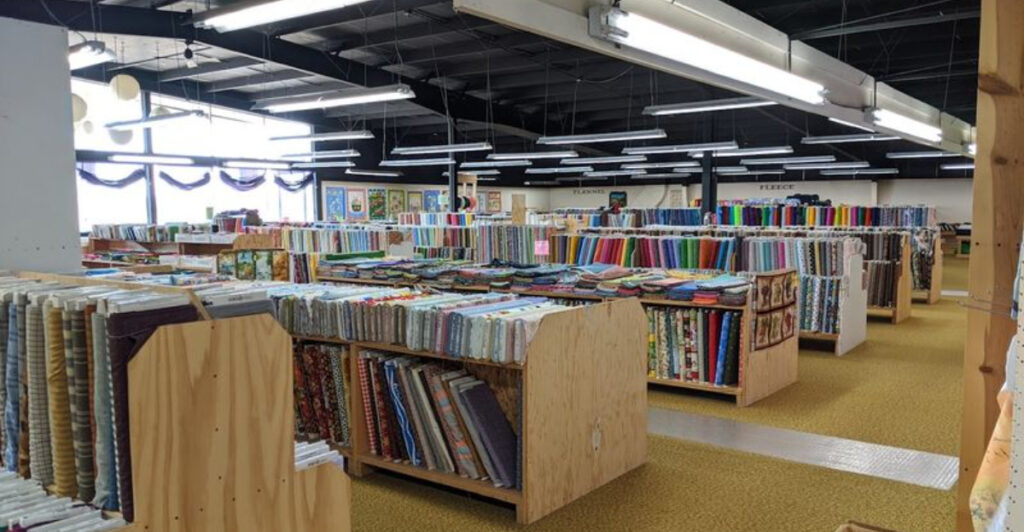
Some fabric stores are easy to browse in a few minutes. Zinck’s Fabric Outlet in Ligonier is not one of them. With thousands of bolts of fabric, quilting cottons, apparel materials, upholstery textiles, sewing notions, and bargain finds filling its spacious showroom, this Indiana favorite rewards shoppers who arrive with a plan.
Whether you’re gathering supplies for a quilt, refreshing your fabric stash, or searching for the perfect material for a new project, the incredible selection makes it easy to spend far longer than expected. For sewists, quilters, and crafters, Zinck’s is the kind of destination where inspiration seems to wait around every corner.
Aisles That Turn One Stop Into a Full Search
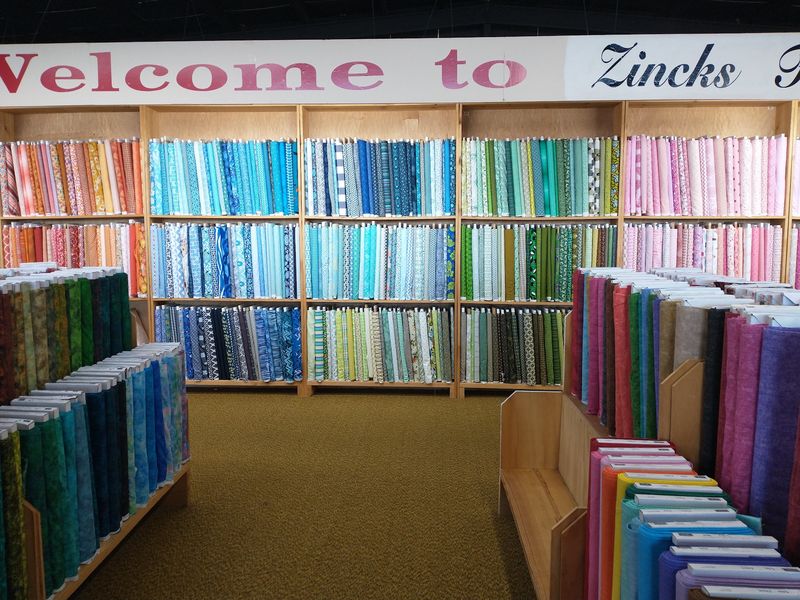
Walking into Zinck’s Fabric Outlet is not a grab-one-thing-and-go kind of moment. The scale changes the way a shopper moves, because the store carries enough fabric types and colors to pull attention in several directions at once.
A person who came for plain cotton can end up studying flannel, denim, fleece, or upholstery before even reaching the cutting counter.
That is why a strategy matters right away. The smartest first step is to pause near the entrance, get a sense of the layout, and decide which category comes first.
Since fabrics are grouped by type, staying focused by section can keep a trip from turning into a wandering loop with three armfuls of material and no final plan.
The store’s roomy setup helps, especially with its clean look and broad floor space, but size still has a way of stretching time. Aisles packed with prints, solids, seasonal finds, and utility fabrics invite closer inspection.
Even shoppers who sew often can lose track of the original mission once a bargain table or a surprising bolt catches the eye.
One practical trick is to shop in layers. Start with must-have fabric, then check matching basics such as lining, batting, elastic, or thread, and only after that move toward impulse finds.
That order makes the visit more productive and lowers the risk of buying pretty fabric with no clear use. Big fabric stores reward patience, not speed. Zinck’s stands out because its selection encourages both discovery and comparison, and that makes preparation part of the fun.
A written list, measurements, and a rough color plan can turn a huge inventory from overwhelming into exciting, aisle by aisle.
Where the Real Treasure Hunt Begins
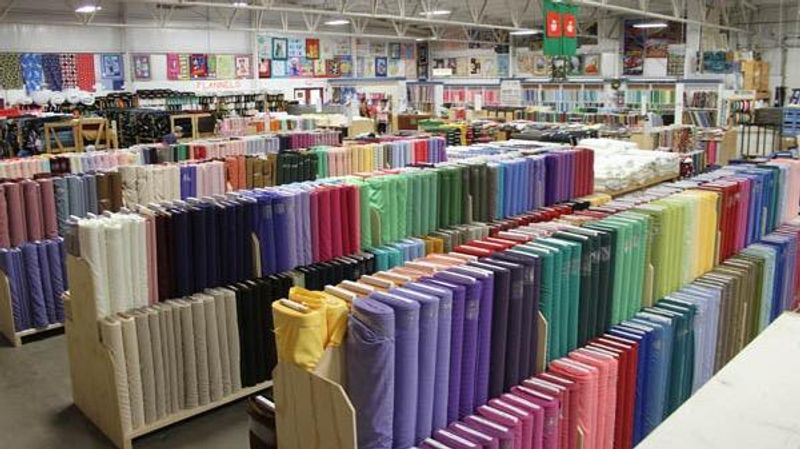
Some stores make the best stuff easy to spot in ten seconds. Zinck’s works a little differently, and that is part of the appeal.
The real excitement comes from browsing through changing inventory, where a practical sewing trip can suddenly turn into a treasure hunt for a print, texture, or color that was never on the list.
Reports from regular shoppers point to a mix that can include quilting cotton, apparel fabrics, fleece, knits, flannel, upholstery material, vinyl, and more.
Deadstock fabric is part of the draw, which means the selection can shift as new shipments arrive. That changing mix gives the store energy because two visits may not look exactly the same.
For shoppers who love possibilities, that is excellent news. For shoppers with one strict project, it means moving with purpose and checking quantity before getting attached to a fabric.
Finding the right style is only half the mission if a project needs several matching yards. Clearance is another place where self-control gets tested. Deep discount fabric can make a cart fill up fast, especially when low prices meet useful basics or playful prints.
A smart approach is to separate true project needs from future-maybe finds, then set a rough budget before the bargain section starts working its magic.
Texture matters here too. One major advantage of shopping at a place like Zinck’s instead of online is being able to touch the fabric, check drape, compare weight, and judge color in person.
That hands-on part can save a project from disappointment later. The fun of the hunt is not only about finding something pretty. It is about discovering material that actually suits the job, whether that means a soft flannel, a sturdy denim, or a quilting cotton that suddenly solves an entire project in one glance.
Prices That Can Change the Whole Sewing Plan
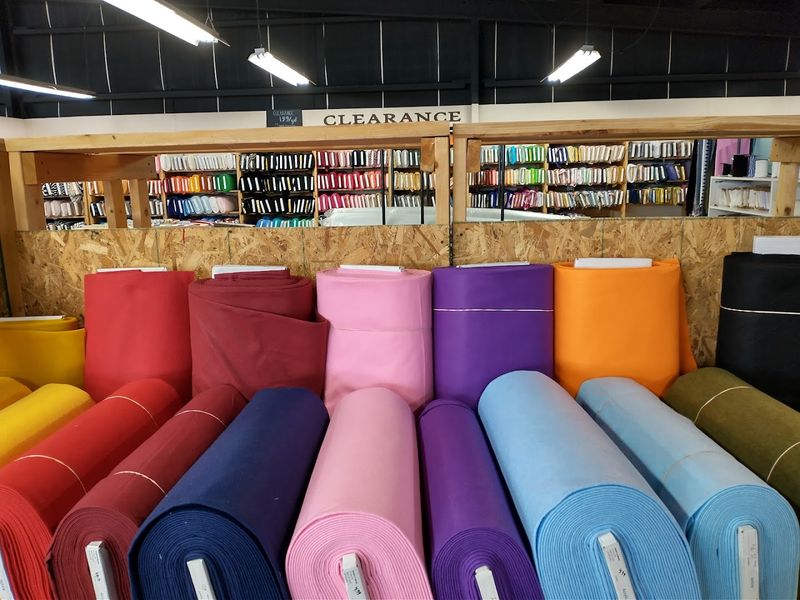
Budget can shape a sewing project just as much as color or pattern, and Zinck’s Fabric Outlet has built a strong reputation around prices that encourage bigger ideas. Fabric in the mid single-digit range per yard has a way of changing decisions fast.
A small craft project can suddenly become matching pillow covers, extra quilt backing, or enough material to make a second garment.
That kind of pricing creates opportunity, but it also calls for discipline. When fabric seems affordable across multiple sections, the running total can rise before a shopper notices.
One useful strategy is to estimate yardage at home, carry a simple calculator, and decide in advance where extra spending is allowed.
Clearance adds another twist. Deep markdowns can make even careful shoppers think, maybe one more cut could come in handy later.
Sometimes that works out beautifully, especially for stash builders, but buying fabric without a purpose can also mean shelves at home full of bargains that never become finished projects.
There is another money-saving angle here besides sale tables. Several shoppers note discounts on full bolts, which can matter for large sewing runs, group projects, church events, costumes, or anyone making repeated items.
In a store this large, it pays to ask about quantity savings before settling on a partial cut. Value at a fabric outlet is not just about the cheapest price. It is also about quality compared with cost, along with the chance to inspect the fabric before buying.
Being able to see weave, stretch, thickness, and color in person helps avoid expensive mistakes later. For practical shoppers, Zinck’s offers a useful mix of low prices and broad choice.
The best plan is to treat the store like a map of options, not a race for the cheapest yard. Good strategy turns bargain excitement into smarter buying, and that usually leads to better sewing at home.
Notions, Buttons, and the Easy-to-Miss Extras
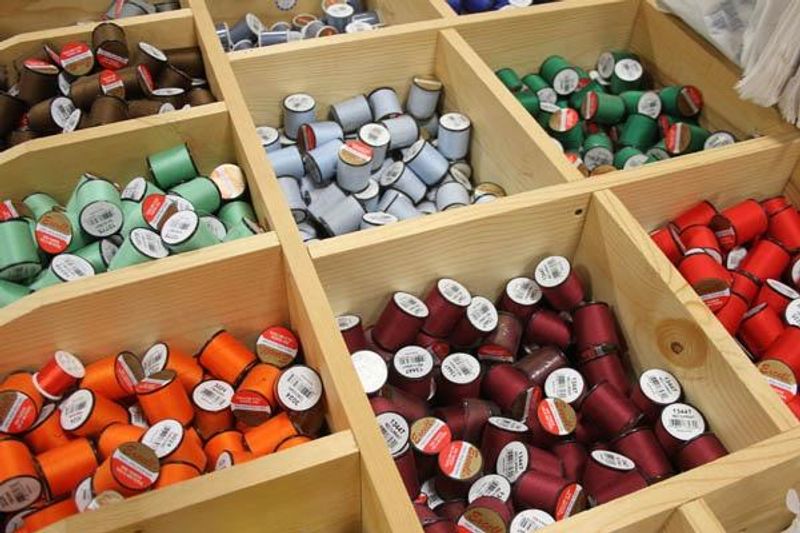
The fabric may be the headline, but the small supplies can rescue the whole trip. Zinck’s carries notions and sewing extras that matter when a project moves from idea to actual construction.
That means thread, buttons, zippers, elastic, pins, needles, cutting tools, and other basics do not have to become a second stop somewhere else.
In a store this large, those little items are easy to overlook at first. Shoppers often get locked onto prints and yardage, then remember the practical parts only after reaching the register.
A smarter move is to keep a checklist in hand so the final bag includes the support pieces that make the fabric usable.
Buttons deserve special attention because they can shift a project from ordinary to polished. A plain garment can look much sharper with the right finish, and craft projects often need that one small detail to feel complete.
One memorable feature mentioned by longtime shoppers is a button table near the front, piled with choices that invite digging and comparing.
The same goes for tools. Rotary cutters, mats, scissors, batting, and clear plastic supplies may not sound exciting at the start of a shopping trip, yet they save time later when project day arrives.
There is a big difference between bringing home beautiful fabric and bringing home everything needed to use it properly.
Because the store covers more than one style of sewing, the notions selection matters for different reasons. Quilters may need precise cutting tools, garment makers may focus on closures and matching thread, and utility sewing projects may call for sturdier basics.
The right plan is to think beyond the fabric itself. Zinck’s stands out here because it supports real project shopping, not just browsing.
Looking for extras before checkout keeps the visit efficient and reduces the annoying moment at home when the fabric is ready, the machine is waiting, and one missing zipper brings the whole plan to a stop.
Why Indiana Sewists Build a Day Around It
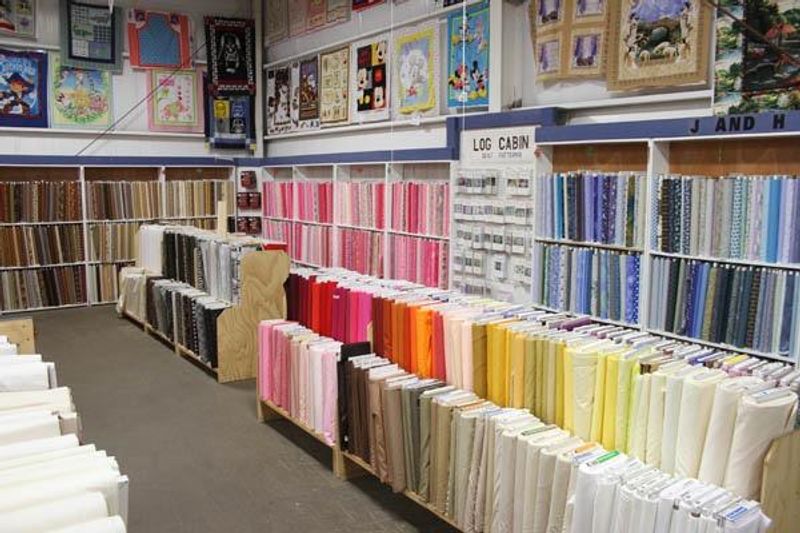
Not every fabric store becomes a destination, but Zinck’s clearly functions that way for many sewists across the region. The location in Ligonier turns the visit into more than a quick errand for some shoppers, especially those driving from larger cities or smaller towns that no longer have strong local fabric options.
A trip here often gets planned like a half-day outing rather than a short stop. That changes the mindset before arrival. When a person is investing real drive time, the store needs enough range to justify it.
Zinck’s appears to meet that challenge with broad selection, competitive prices, and enough variety to serve quilters, crafters, garment makers, and people looking for home fabrics all under one roof.
There is also a small-town advantage at work. In a place like Ligonier, the store can feel like a practical anchor for creative hobbies that often require touch, comparison, and spontaneous discovery.
Fabric shopping is different from buying batteries or paper towels. Color shifts under light, texture affects the final result, and even the weight of a textile can decide whether a project succeeds.
That tactile part helps explain why shoppers make the drive instead of ordering everything online. A lovely photo on a screen cannot fully show softness, stiffness, stretch, or thickness.
At Zinck’s, those choices happen in real time, bolt by bolt, with the possibility of finding a better option just one aisle away.
For Indiana shoppers, the store also benefits from clear practical appeal. Regular business hours during the week and a shorter Saturday window give planners workable options, though timing matters because Sunday is closed.
Anyone traveling a longer distance should build the visit carefully and arrive with enough browsing time. Big stores earn loyalty when they offer selection that supports the effort of getting there. Zinck’s seems to do exactly that, turning a fabric run into a deliberate, well-stocked destination in northern Indiana.
How to Shop Smart Before the Cutting Line Forms
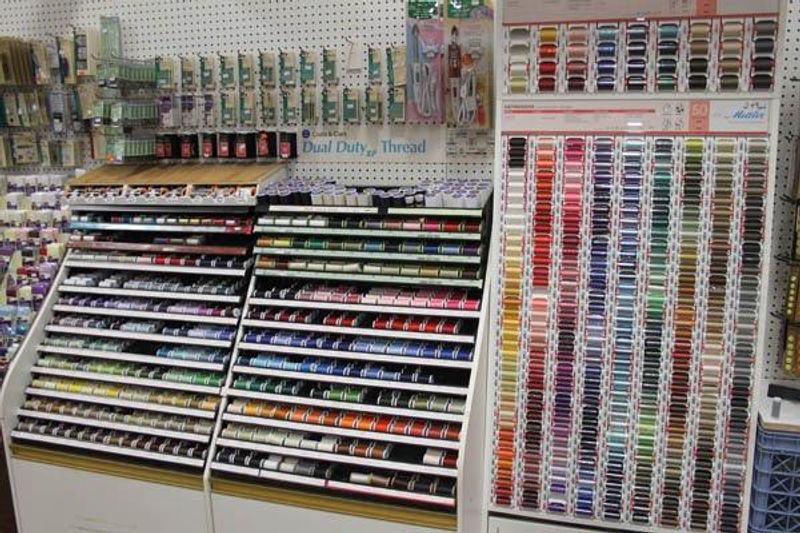
Every big fabric outlet has one pressure point, and at Zinck’s the cutting area can shape the pace of the whole trip. When the store is busy, choosing fabric is only part of the process.
Measuring, waiting, and checking out can all take longer if several shoppers reach the counter at the same time with full stacks of bolts.
That is where timing becomes a real strategy instead of a minor detail. Arriving earlier in the day can help, especially for anyone with a long list or a large project.
Weekday hours run from 9 AM to 5 PM, Saturday is shorter from 9 AM to 3 PM, and Sunday is closed, so the shopping window is clear but not endless.
A little preparation also smooths out the cutting line itself. Knowing exact yardage before stepping up to the counter keeps things moving and prevents last-second math under pressure.
For projects with multiple fabrics, it helps to group bolts together in order and double-check notes before handing them over.
Another useful habit is to prioritize limited-quantity finds. If a shopper discovers a fabric that may not stay in stock long, getting that cut before continuing to browse can reduce the chance of losing track of it or changing plans too many times.
In a store with changing inventory, hesitation can cost more than speed. Patience matters too. Large selections attract serious sewists, and serious sewists tend to buy with detail in mind.
That means a line at the counter is not necessarily a sign of disorder. It can simply be the natural result of a store where shoppers compare options carefully and buy in meaningful amounts.
Zinck’s rewards an organized approach. A list, a time cushion, and clear project measurements can turn a long browse into a productive trip instead of a rushed scramble near closing time. In a place this big, good planning starts before the scissors do.
The Best Game Plan for Leaving With the Right Fabric
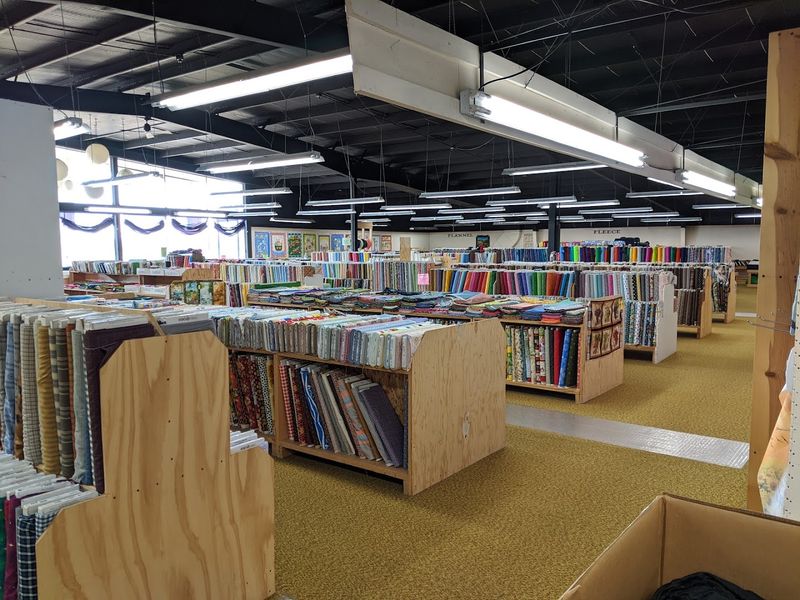
Here is the secret to enjoying Zinck’s Fabric Outlet without getting overloaded: shop with a plan, but leave room for surprise. The store is large enough to reward focus and flexible enough to tempt anyone into changing course.
That combination is fun when handled well and expensive when handled badly. Start at home with the basics. Bring measurements, pattern needs, color ideas, and a simple list of support supplies such as thread, batting, closures, or trim.
If a project must match something already at home, carrying a swatch or a photo in natural light can prevent a near-match mistake that only shows up later.
Once inside, move in stages instead of zigzagging through the entire store. Begin with the category that matters most, whether that is quilting cotton, apparel fabric, fleece, or upholstery, and make first-round decisions before chasing extras.
Large stores can scramble attention, so building the cart in order keeps the trip useful. After core project needs are covered, that is the moment for browsing. Clearance, special prints, and unusual textures are far more enjoyable when the must-buy items are already handled.
The visit stops feeling chaotic and starts feeling like a smart reward lap through the store. It also helps to think honestly about storage space at home. Low prices can make future projects seem very close, but fabric multiplies quickly once it leaves the bolt.
Buying for real plans, or for a very specific stash purpose, usually creates better results than collecting random bargains that never become anything.
Zinck’s stands out because it can serve both practical shoppers and curious browsers in the same trip. That is not always easy for a large outlet.
With the right game plan, the store becomes less of an overwhelming maze and more of a creative supply map, one section at a time, with plenty of room for a happy surprise near the end.
Share this story