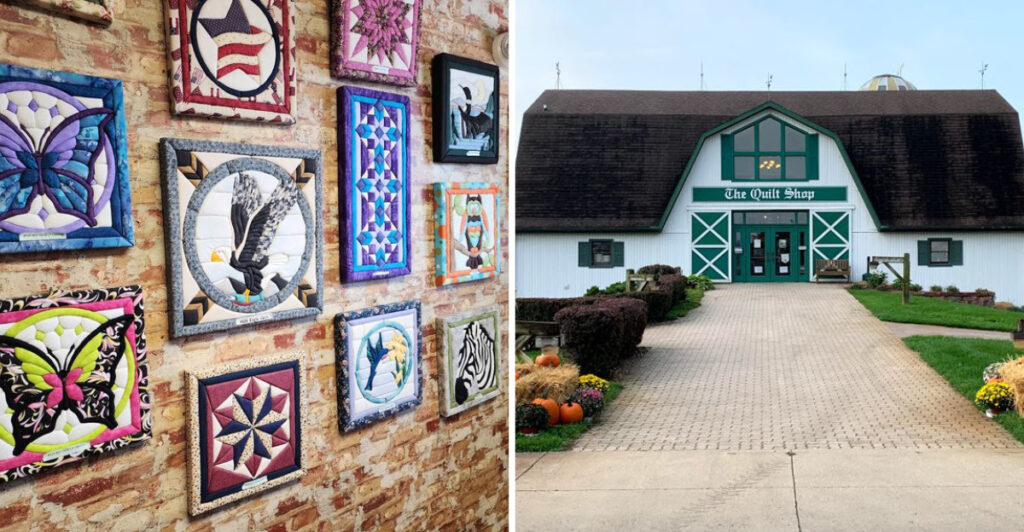
Two floors filled with quilts, fabrics, and handcrafted treasures make The Quilt Shop @ Essenhaus in Middlebury a dream stop for anyone who loves traditional craftsmanship. Part of the larger Das Dutchman Essenhaus destination, the shop celebrates northern Indiana’s quilting heritage with beautifully made pieces, colorful materials, and plenty of inspiration for sewing projects and home decor.
Browsing here feels less like running an errand and more like exploring a showcase of skill and creativity. Whether you quilt yourself or simply appreciate intricate handiwork, this spacious Indiana shop offers an inviting glimpse into the region’s enduring craft traditions.
A Two-Story Quilt Stop That Changes the Usual Shopping Rhythm
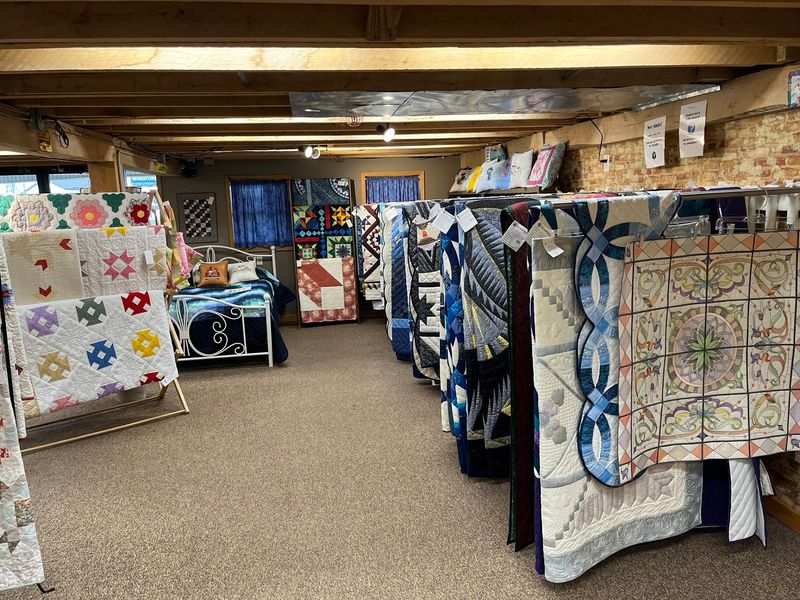
Size is the first surprise here. The Quilt Shop @ Essenhaus is not a tiny corner store with a few folded blankets and a rack of fabric.
It spreads out across two stories, and that extra room changes how the visit unfolds because browsing becomes a slow, curious walk instead of a fast lap around a single room.
Downstairs and upstairs serve the same big idea in different ways. One level can pull attention toward finished quilts and display pieces, while another opens up space for fabric, books, notions, batting, patterns, and project planning.
That separation helps the shop feel organized, even when there is a lot to look at, and it gives both casual shoppers and serious quilters room to explore at their own pace.
The building also matters visually. A quilt shop tied to the Essenhaus area already carries a strong sense of regional character, and the setting adds to that appeal without needing flashy tricks.
Warm interiors, sample quilts, and shelves packed with color create a setting that works as both store and inspiration board.
For beginners, the large layout can actually make shopping easier. Seeing finished quilts near fabric and kits helps connect the starting materials to the final result, which is useful when someone is still learning how pieces, patterns, and color choices come together.
Experienced quilters get a different benefit, since a broader footprint usually means more chances to compare options without hopping from shop to shop.
That is the real advantage of the two-story setup. It gives quilting the space it deserves. Instead of treating quilts like simple products on a shelf, the shop presents them as work, art, skill, and everyday comfort all at once.
Walls of Fabric Turn Color Into the Main Event
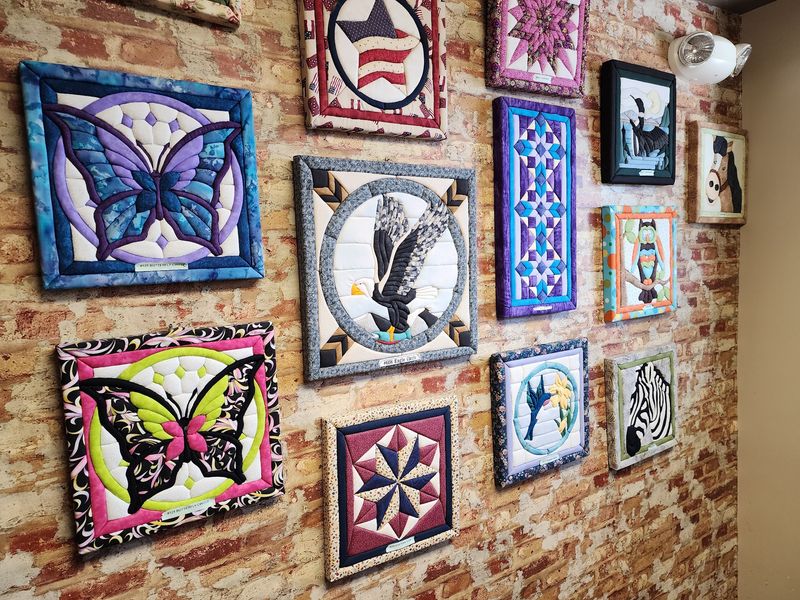
Color takes over fast in this shop, and that is a big part of its draw. The Quilt Shop @ Essenhaus is known for a strong fabric selection, with variety that speaks to quilters hunting for basics, seasonal prints, special panels, or unusual pieces that are hard to track down elsewhere.
Rather than feeling random, the selection seems built to keep ideas moving. That matters when fabric shopping can become overwhelming in a hurry. A large collection only helps if it gives shoppers enough contrast to compare tones, patterns, and scale without getting lost.
Here, the broad range appears to support that kind of searching, whether someone wants a soft traditional palette, brighter prints, or mix-and-match pieces for a custom project.
Precut bundles and coordinated materials add another layer of convenience. For newer quilters, those options can remove some of the fear from planning, because they offer color harmony without requiring expert-level decision making at every step.
For seasoned makers, they can save time or spark a shortcut to a fresh pattern idea. Finished sample quilts play an important supporting role too. Looking at fabric on a bolt is one thing.
Seeing similar material used in a completed quilt gives scale, movement, and a better sense of how busy prints settle down once they are cut and stitched into blocks.
Anyone planning a visit should allow extra time for this part alone. Fabric is the kind of thing that invites second looks, side-by-side comparisons, and one more lap before choosing.
In a shop where variety is one of the clearest strengths, the smartest move is to browse slowly, keep an open mind, and expect at least one color combination to change the plan completely.
Handmade Quilts Bring the Craft Into Full View
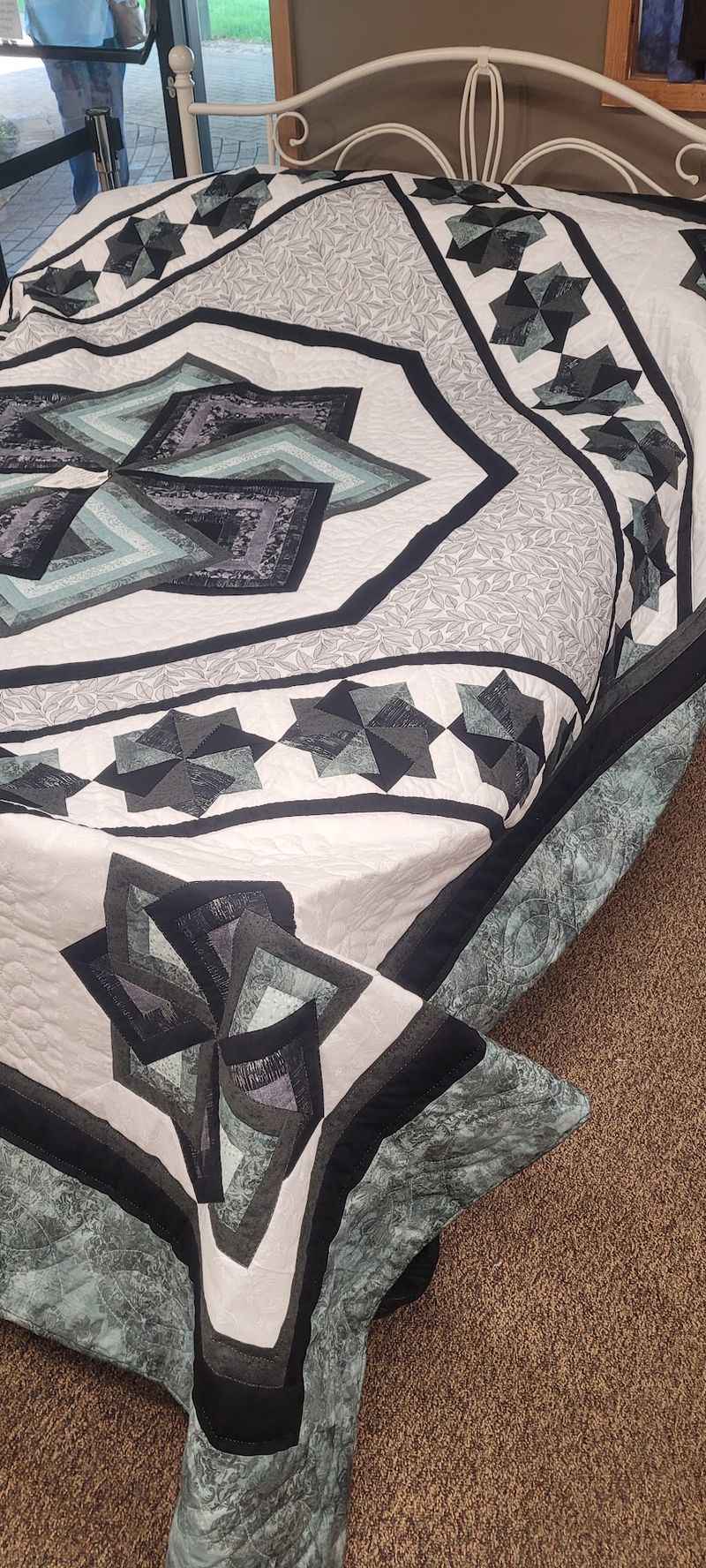
Some stores sell supplies. This one also puts the finished art right in front of you. Handmade quilts are a major reason The Quilt Shop @ Essenhaus catches attention, because they show the end goal in full size, with stitching, pattern balance, and fabric choices all working together instead of living only in a shopper’s imagination.
A finished quilt carries a different kind of weight than folded yardage. It shows patience, labor, and design judgment in one object that can be both useful and beautiful.
At a place connected to Indiana’s Amish country, that visual message lands quickly, especially when quilts are displayed in a way that lets shoppers study color placement, border details, and the effect of texture across a bed-sized piece.
There is also a practical side to seeing completed quilts in person. Photos on screens flatten details and often miss scale.
In a shop setting, it is easier to notice how fabrics read from a distance, how quilting changes the surface, and how a bold print that looks loud on the bolt can settle into a balanced pattern once it is cut and repeated.
For shoppers who are not making their own quilts, the store still works well. A handmade quilt can be a meaningful purchase for a guest room, wedding gift, family keepsake, or cold-weather upgrade that adds real craft to a home.
The higher price point noted by some shoppers makes more sense when viewed through the lens of labor, materials, and quality rather than quick bargain shopping.
That is where the shop separates itself from a generic decor stop. The quilts are not just accessories. They are the clearest proof of the skill behind the place, and they give the whole store a sense of purpose that goes beyond simple retail display.
Indiana Sewing Inspiration Lives Upstairs and Around the Corners
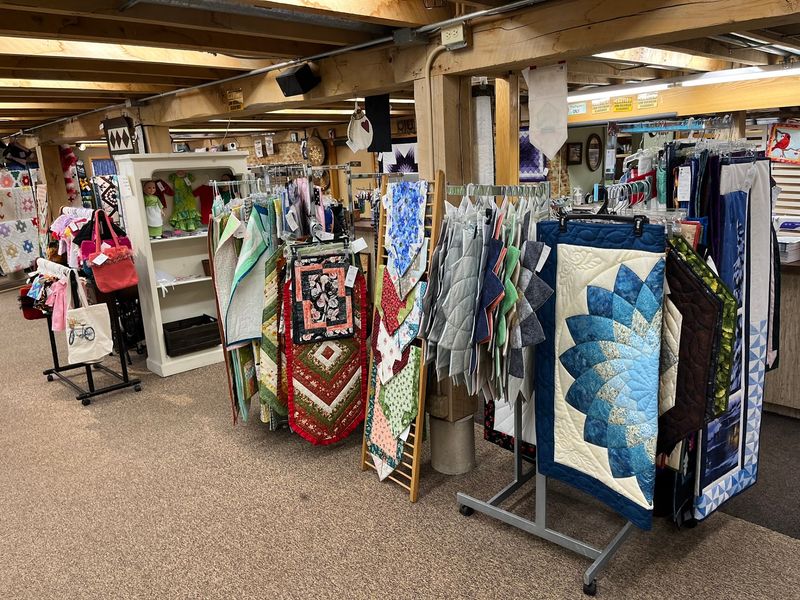
Not every memorable detail hangs on the wall. One of the best things about The Quilt Shop @ Essenhaus is how it supports the actual process of making a quilt, not just admiring one.
The two-story format gives room for fabric and finished pieces, but it also makes space for the quieter tools of the craft, like books, patterns, batting, kits, and notions that help turn ideas into something real.
That mix is especially useful for travelers who arrive with different goals. One shopper may want a finished quilt for the home, while another is searching for a pattern, matching fabric, or project kit to carry back to the sewing room.
A store that can serve both needs in one stop is more flexible than a place focused on only one side of quilting. Kits deserve special attention because they bridge the gap between inspiration and action. Seeing a sample quilt and then finding a kit nearby makes the next step clear.
Instead of leaving with only a vague plan, shoppers can leave with the pieces needed to start, which is often the push a half-finished creative idea needs.
Patterns and books add another layer of depth. They make the visit useful even for people who are not buying large amounts of fabric that day.
Sometimes the best souvenir from a quilt shop is not the biggest item in the bag but the design idea that shapes the next project at home.
A practical tip helps here. Walk through the store once before making decisions, especially if a specific project is in mind.
Large quilt shops can tempt shoppers into early choices, but a full lap makes it easier to compare kits, spot coordinating prints, and remember where the batting or notions are. The upstairs sections can be the difference between browsing and building a real plan.
Helpful Guidance Can Be the Difference Between Looking and Making
A good quilt shop does more than stock shelves. It helps people make choices when hundreds of fabrics, patterns, and textures compete for attention.
At The Quilt Shop @ Essenhaus, helpful service stands out repeatedly in the overall picture, and that matters because quilting often involves questions that are specific, visual, and hard to solve without another set of trained eyes.
Sometimes the need is simple. A shopper may be looking for a hard-to-find panel, trying to match a color, replacing lost pattern pieces, or choosing a finished quilt that fits a room and budget.
In each of those moments, clear assistance can turn a frustrating search into a productive visit. The shop’s stronger reputation points toward that kind of hands-on support, especially with fabric selection and project guidance.
There is a reason this matters more in a quilt store than in many other retail spaces. Quilting purchases are often connected to time-intensive projects.
Buying the wrong tone, scale, or amount can create delays at home, and a quick conversation with a knowledgeable clerk may prevent that problem before it starts.
Even shoppers who know exactly what they are doing can benefit from an extra opinion. A second look at a color stack, border print, or kit choice can sharpen a project and save guesswork.
For newer quilters, that same exchange can build confidence and make the store feel more approachable. No shop gets every interaction right every single time, and one colder experience can happen anywhere.
Still, the broader pattern here suggests a place where service is a meaningful part of the experience rather than an afterthought.
In a large store with many options, guidance is not just pleasant. It is part of the value, right alongside the fabric, quilts, and creative spark filling the rooms.
A Smart Stop for Travelers Exploring Amish Country
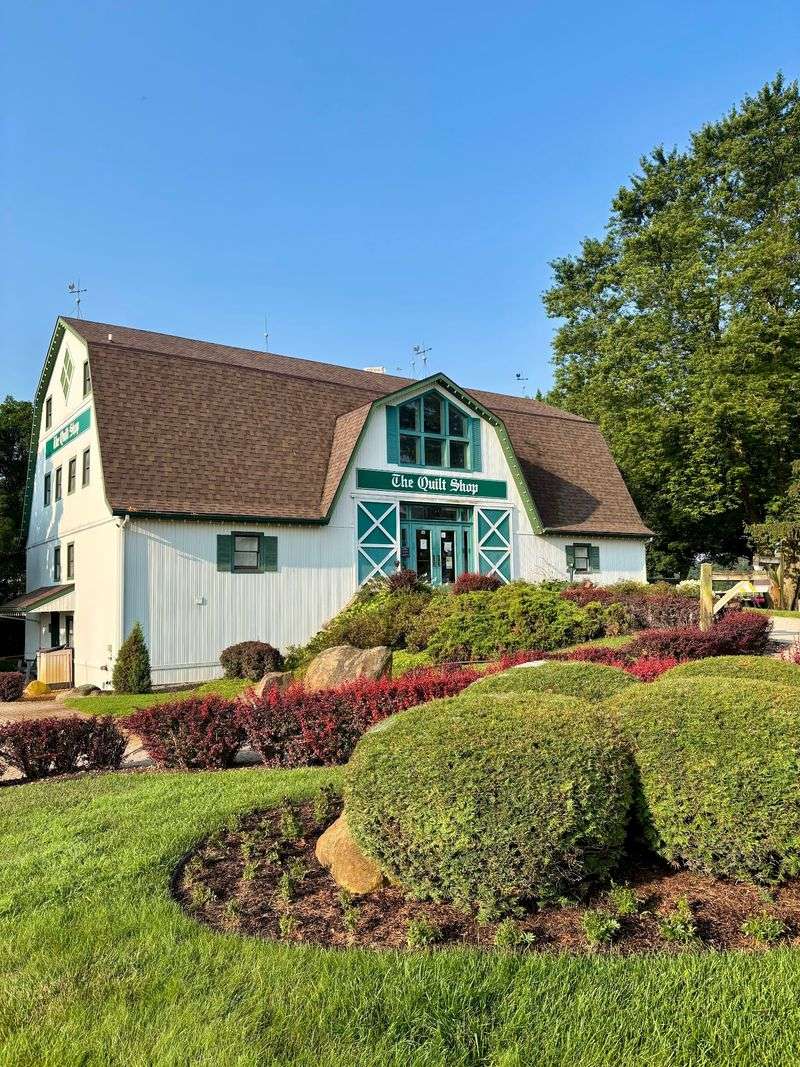
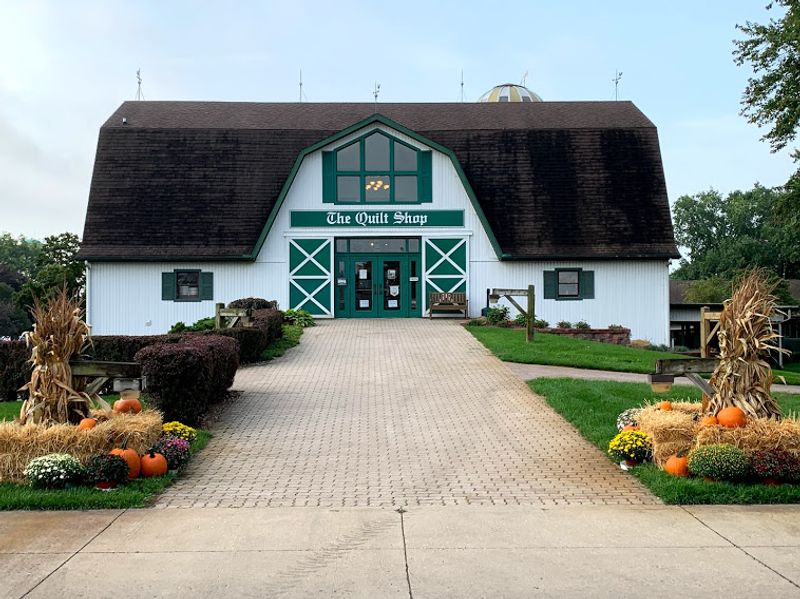
Road trips need places with a clear reason to pull over, and this shop has one. Set along US-20 in Middlebury, The Quilt Shop @ Essenhaus works well as a destination for quilt lovers and also as an easy stop for travelers exploring the surrounding Amish country.
Its location adds convenience, but the depth inside the store is what gives the stop real substance. That combination matters for people building a day around the region.
A quick visit can still be rewarding because the store offers visible impact right away with large displays, color-rich fabric sections, and finished quilts.
At the same time, anyone with more time can browse slowly and treat it as a central stop rather than a short detour.
The wider Essenhaus setting also helps frame the visit. A quilt shop in this area fits naturally with the local image of craft, practical skill, and handmade goods, so the experience feels rooted in place instead of dropped into an anonymous shopping strip.
That local connection gives the store more personality than a standard chain fabric retailer. Travelers should think about purpose before walking in. Someone shopping for a finished quilt may want to begin with display pieces and ask early about sizes, colors, and style.
A quilter planning a project will likely benefit from starting with a slow circuit through the fabric and supply sections before narrowing down choices.
Timing is easy to manage because the posted hours are straightforward, with the shop open from 10 AM to 5 PM Monday through Saturday and closed on Sunday. Earlier visits can be useful for a calmer browse, especially when comparing many options.
With a route-friendly location and enough variety to hold attention, the shop fits neatly into a broader northern Indiana day without feeling rushed or like filler between bigger attractions.
Why the Whole Place Lands Bigger Than a Simple Store
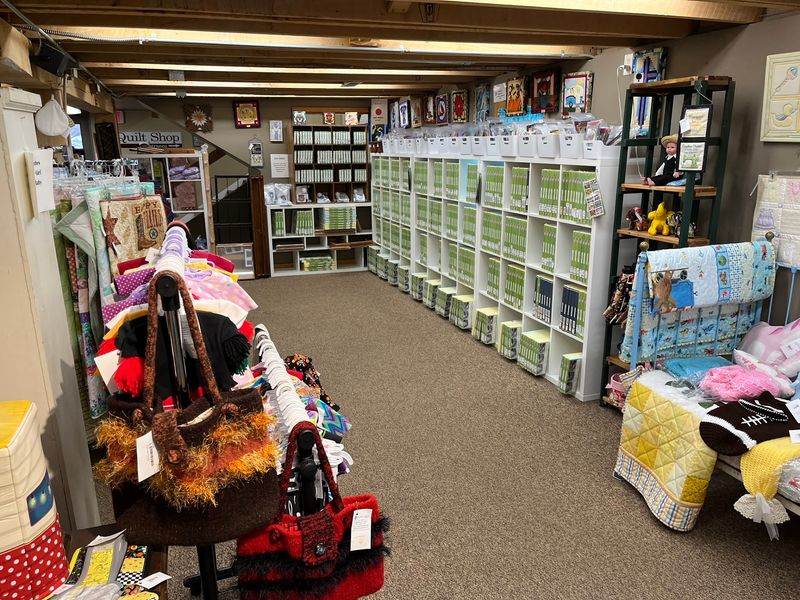
Some specialty shops are nice for five minutes and then run out of surprises. The Quilt Shop @ Essenhaus has a larger impact because several strengths work together at once.
The building is sizable, the handmade quilts give the place visual weight, and the fabric selection keeps the visit active instead of turning it into a passive look around.
That balance is what makes the store stand apart. A person can enter with no sewing background and still appreciate the color, craftsmanship, and scale of the displays.
A dedicated quilter can arrive with a specific shopping list and find practical value in supplies, patterns, kits, and quality fabric. Few places manage to serve both groups without leaning too far toward one side.
The shop also reflects a slower, more attentive kind of shopping. Quilts invite close viewing, fabric calls for comparison, and the two-story layout encourages movement rather than a rushed in-and-out purchase.
Even when someone leaves with only one item, the visit tends to involve more observation than the average retail stop.
Price may not place it in the bargain category, and that is useful to know before arriving. The stronger case here is quality and range, not discount-bin hunting.
For shoppers who care about workmanship, materials, and the chance to find a finished quilt or project idea that stands apart from mass-market goods, that trade-off makes sense.
In the end, the title fits because the store functions like a quilt complex, not merely a shop sign on a door. It offers room to browse, examples to study, supplies to sort through, and handmade pieces that show why quilting remains one of the most visually rich crafts in the region. Middlebury has many draws, but this stop turns textile work into the headline.
Share this story