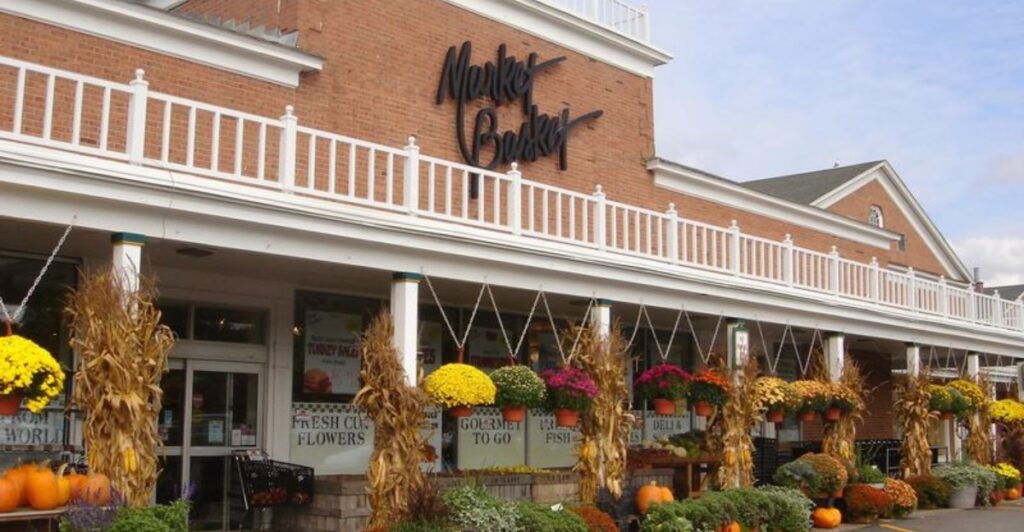
Warm loaves slide from German-made ovens while chefs arrange salmon, chicken, pasta, and colorful salads in the prepared-food cases. Nearby, mozzarella is pulled by hand, chocolates are made in-house, and butchers cut USDA Prime beef for customers who know exactly what they want.
This is not the sort of grocery run that ends with a loaf of sandwich bread and a gallon of milk. Market Basket in Franklin Lakes has grown into a sprawling gourmet-food operation, but its story began with one young butcher and a modest storefront in Wyckoff.
Since 1960, the Chernalis family has expanded that neighborhood shop into a business encompassing specialty groceries, scratch cooking, large-scale catering, warehouses, and commissary kitchens. Yet the original idea remains easy to recognize: good ingredients, careful preparation, and personal service matter.
More than six decades later, that formula still draws Bergen County families searching for everything from Tuesday-night dinner to an entire wedding menu.
A Small Wyckoff Butcher Shop Started the Story in 1960
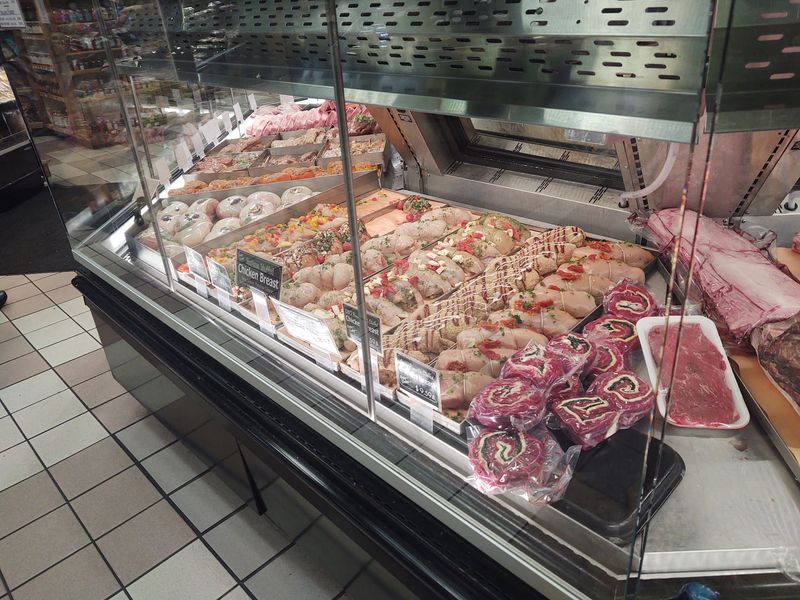
Every big hometown favorite has an origin story, and this one begins on a much smaller scale. Back in 1960, the business started as a butcher shop in Wyckoff, serving neighbors who wanted quality meat, friendly service, and a place that felt woven into daily life.
That kind of beginning matters because it explains the market’s personality even now. A butcher shop is personal, practical, and built on trust, so it makes sense that careful service and food knowledge became part of the brand long before the business grew larger.
Picture the rhythm of an old local shop, regular customers, familiar faces, and staff who knew what people liked to bring home for dinner. For readers in New Jersey, the lesson is easy to appreciate: when a business starts by meeting simple needs well, it builds roots that last.
Growth may change the size of the operation, but those early habits often shape everything that comes later, from product choices to the warm feeling people remember after shopping there.
Growing Demand for Prepared Foods Led to a Much Bigger Home
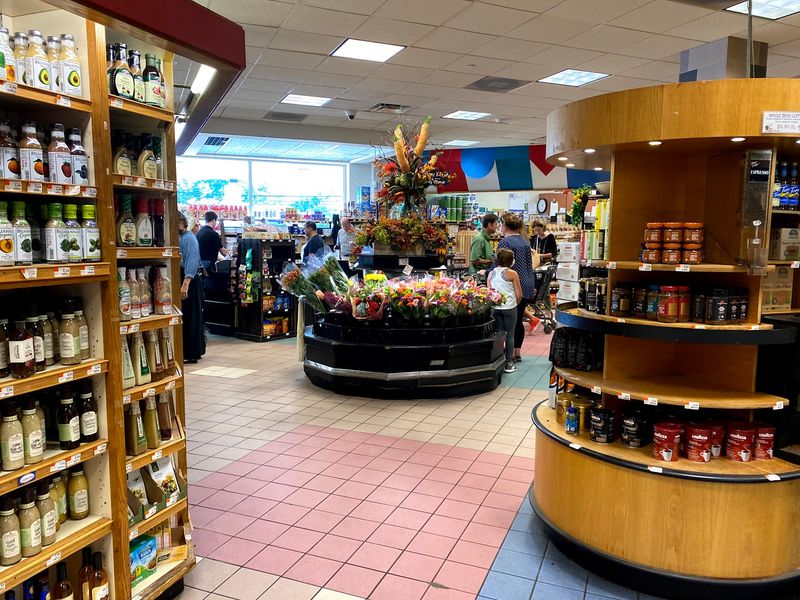
Sometimes growth happens because customers keep asking for more, and that seems to be a big part of this story. What may have begun with meat and personal service eventually expanded as prepared foods became more popular, pushing the business toward a larger space that could handle bigger crowds and broader needs.
Prepared foods change the whole feeling of a market. Suddenly, shoppers are not only planning meals from scratch, they are also grabbing dinner after work, picking up sides for a party, or finding something quick before heading home through Bergen County traffic.
Moving into a much bigger home suggests more than extra square footage. It hints at changing habits, busier schedules, and a smart understanding of what local families actually want.
That kind of shift is relatable for almost anyone who has balanced errands, school pickups, and dinner at the same time. A market that adapts to real life often becomes part of the weekly routine, not just a stop for special occasions, and that is how local loyalty grows stronger over time.
Three Generations Have Kept the Family Business Moving Forward
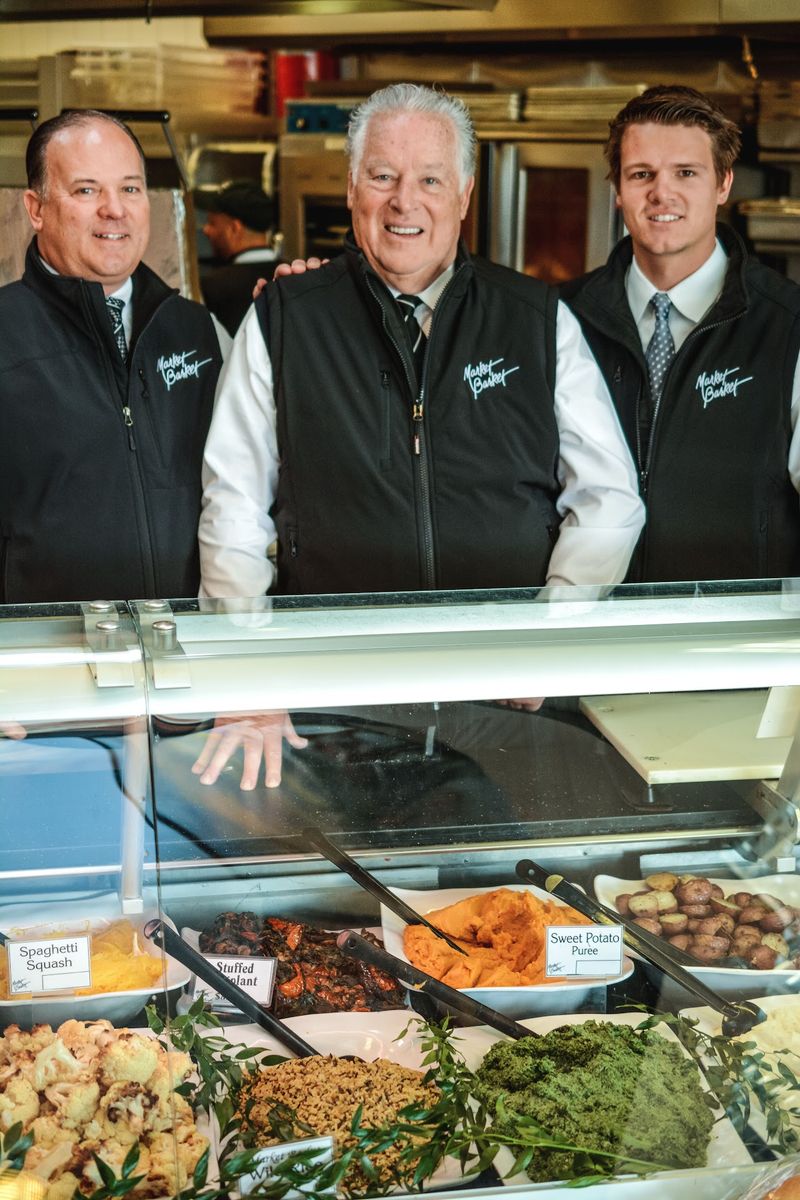
Family businesses have a different kind of heartbeat, and that energy shows when more than one generation helps guide the way. In this case, three generations have kept the operation moving forward, blending older lessons with newer ideas instead of letting the business get stuck in one era.
That balance can be powerful. One generation may value consistency and relationships, another may sharpen operations, and the next may notice changing tastes, social habits, and the small details that make shopping feel fresh for modern customers.
For readers, there is something reassuring about that kind of continuity. A family-run market often carries memory along with merchandise, so regulars may feel connected not only to the food but also to the people behind it.
At the same time, surviving across generations usually means adapting, solving problems, and staying curious about what comes next. That mix of tradition and motion helps explain why some local businesses last while others fade away.
When several generations stay involved, the place can feel rooted and lively at once, which is a rare combination shoppers tend to notice.
A 55,000-Square-Foot Commissary Powers the Market Behind the Scenes
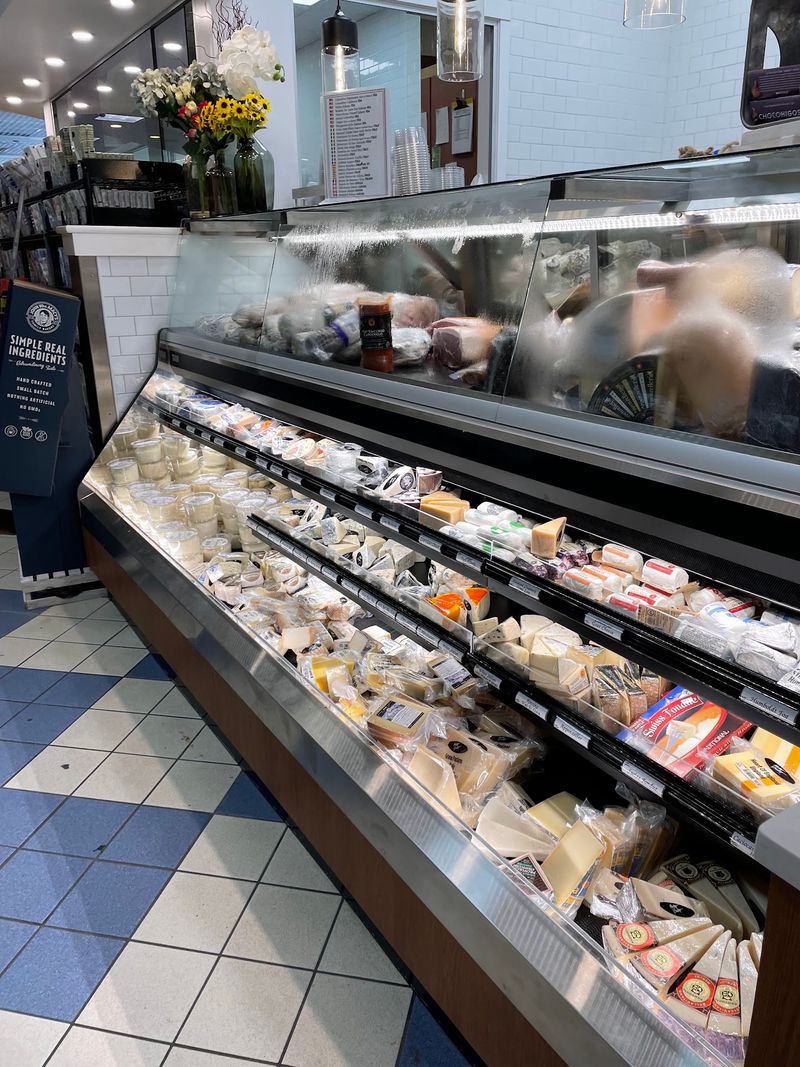
Most shoppers see the polished counters and full shelves, but the real engine is often hidden from view. A 55,000-square-foot commissary points to serious behind-the-scenes work, the kind of setup that helps a busy market prepare food at scale while keeping operations organized from day to day.
Think of it as the backstage area in a theater, only with stockpots, prep tables, storage, and scheduling instead of costumes and scripts. When a market handles many foods, events, and customer requests, a central production space can keep quality steadier and service faster.
That detail also helps explain how a local favorite grows without feeling chaotic. People may notice the finished products first, but systems matter just as much as recipes when a business gets large.
For everyday shoppers, this means a better chance of finding the items they came for, especially during busy weekends and holidays. For anyone curious about food businesses, it is a reminder that success is not only about taste.
A strong operation needs planning, space, teamwork, and steady execution, even when customers never see the machinery that makes the experience run smoothly.
Trained Chefs Make Nearly Everything From Scratch
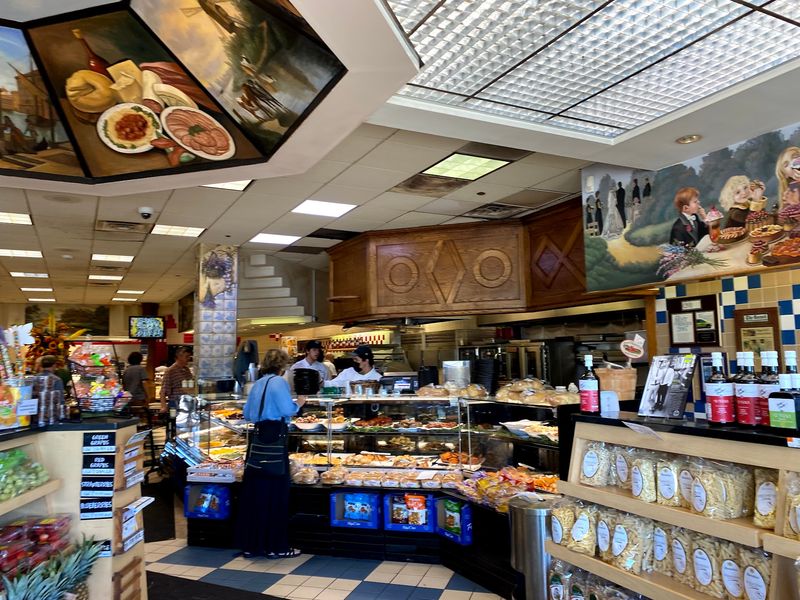
Here is the part food lovers tend to remember first: trained chefs make nearly everything from scratch. That phrase signals care, skill, and a kitchen culture that values real preparation over shortcuts, which can change how a market tastes, smells, and feels the moment you walk in.
Scratch cooking usually means more hands-on work and more attention to ingredients. Sauces, sides, entrees, soups, and baked items often carry a fresher, more homemade quality when skilled cooks are involved from the beginning rather than simply heating pre-made products.
For shoppers, that can turn an ordinary errand into a much more useful stop. Maybe you need a fast dinner that still feels thoughtful, or maybe you want holiday help without giving up flavor.
A chef-driven market can meet both needs at once. There is also a simple comfort in knowing real people are making the food with technique and judgment.
In a world full of rushed convenience, scratch cooking stands out because it feels deliberate. That does not just improve meals.
It also builds confidence, making customers more likely to return when they want something dependable, tasty, and ready to fit real life.
Gourmet Groceries and Catering Turned Market Basket Into a Bergen County Institution
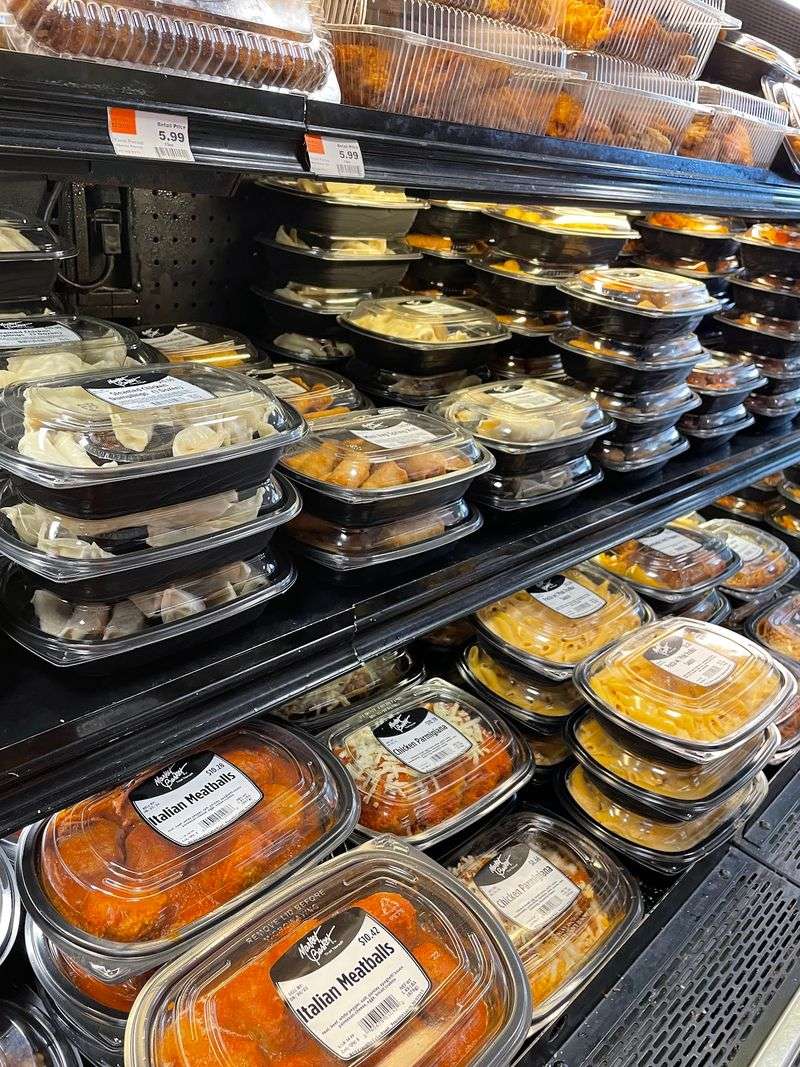
Plenty of stores sell groceries, but only a few become the place people mention again and again. Gourmet groceries and catering appear to be a big reason Market Basket grew into a Bergen County institution, giving customers both everyday staples and extra-helpful options for parties, holidays, and special gatherings.
That combination is smart because life is rarely just one thing. On one visit, a shopper may need pantry items and dinner ingredients.
On another, the same person may be planning a birthday, office lunch, graduation party, or family celebration that calls for polished food without the stress.
Catering also changes how people relate to a market. Once a business helps feed important moments, it can become part of family routines and local traditions, not just shopping lists.
Add gourmet groceries to the mix, and the store starts serving both practical needs and treat-yourself moods. That wider role often separates a useful market from a memorable one.
For Bergen County residents, the appeal is easy to understand: convenience matters, quality matters, and having one trusted place for both can feel like a small victory in a very busy week.