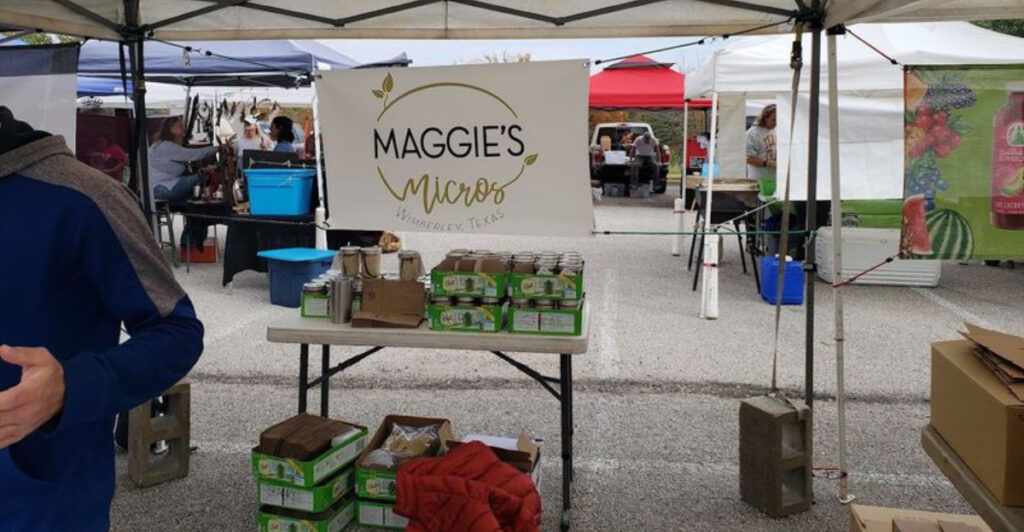
Every Saturday morning, locals and visitors flock to one of Austin’s most beloved weekend traditions tucked along the Capital of Texas Highway. Barton Creek Farmers Market transforms a parking lot into a vibrant gathering spot where over 80 vendors showcase everything from farm-fresh vegetables to handcrafted soaps. With stunning views of the downtown skyline and a laid-back atmosphere complete with live music, this isn’t just shopping—it’s a full-on Austin experience that captures what makes the city special.
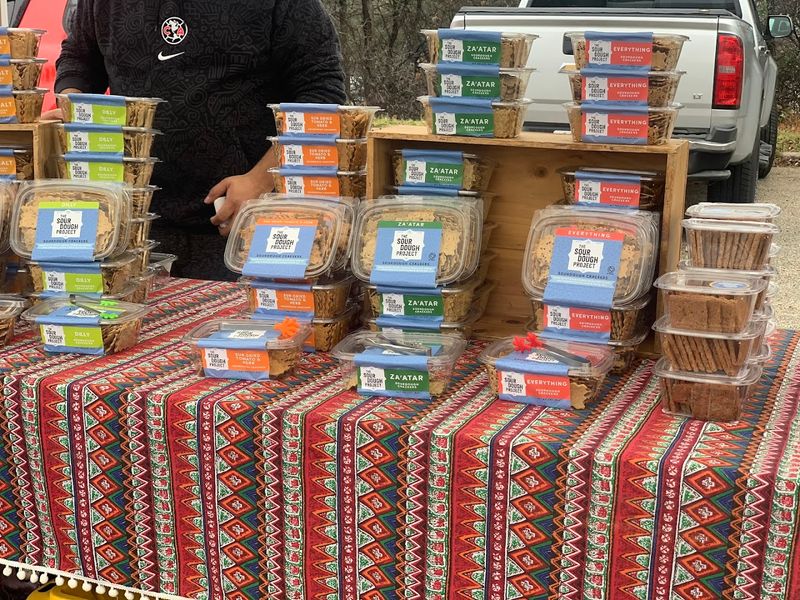
1. Artisan Sourdough and Fresh-Baked Breads
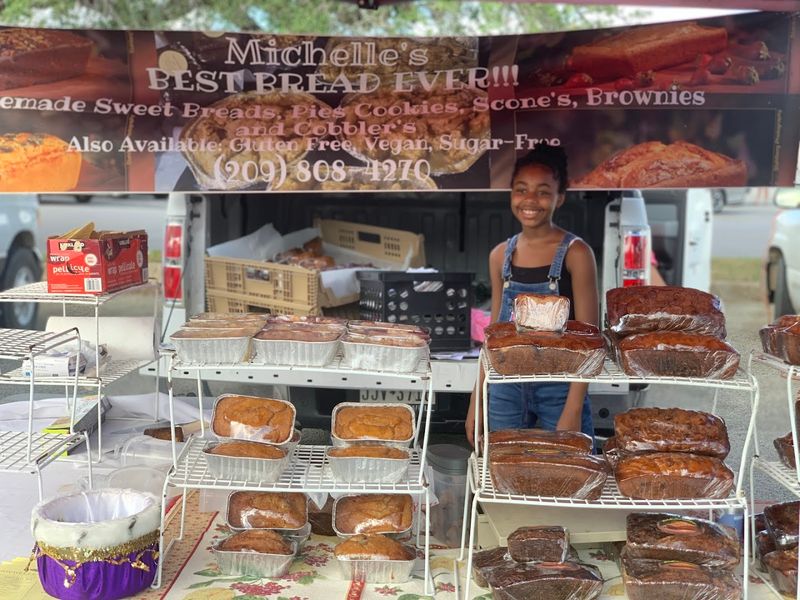
Jinx extra fermented sourdough has earned a serious reputation among bread lovers who visit this market. The tangy, chewy loaves with perfectly crisp crusts showcase what happens when traditional baking methods meet Texas-grown grains. Reviewers consistently call it the best sourdough in Austin, and once you taste that complex flavor profile, you’ll understand why people arrive early to snag a loaf before they sell out.
Beyond sourdough, you’ll find vendors offering everything from fluffy scones to hearty whole wheat varieties. The bakers here take pride in using quality ingredients and time-honored techniques that you simply can’t replicate with store-bought bread. Many offer samples, so you can taste before committing to a purchase.
Bringing a cooler makes sense if you’re planning to stock up, especially during warmer months. These breads freeze beautifully, meaning you can enjoy that Saturday morning freshness throughout the week. Some vendors even share tips on proper storage and creative ways to use day-old bread.
The variety changes with the seasons, reflecting what ingredients are available and what bakers feel inspired to create. One week might feature rosemary focaccia, while the next could bring cinnamon raisin walnut loaves. This rotating selection keeps regular visitors excited about what they’ll discover on their next visit, making every Saturday a little different from the last.
2. Farm-Fresh Produce Straight from Local Growers
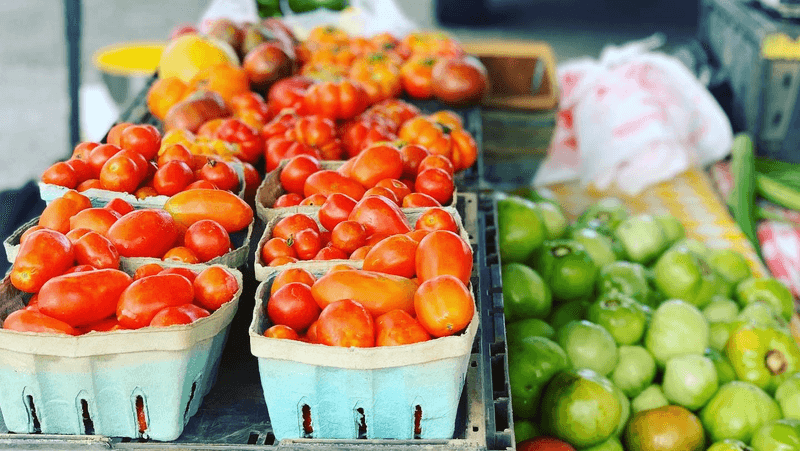
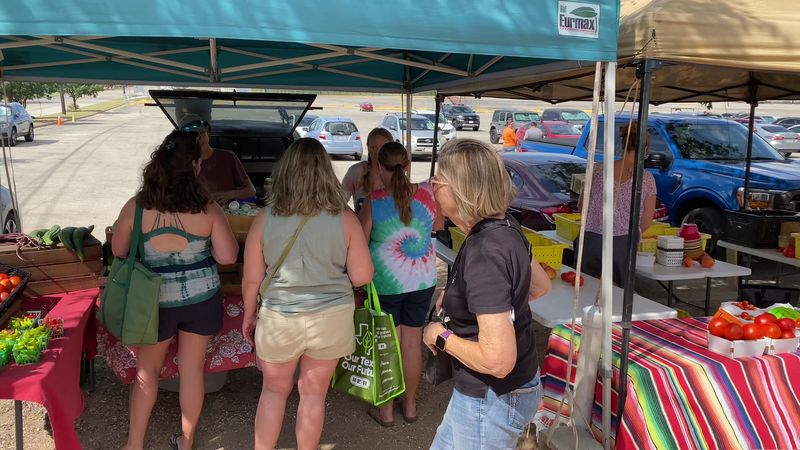
Walking through rows of vibrant vegetables feels different when you know they were picked yesterday morning instead of weeks ago in another state. Local farmers bring seasonal produce that tastes like vegetables actually should—sweet tomatoes that drip juice down your chin, crisp lettuce with real flavor, and peppers that pack genuine heat. The farmers themselves stand behind their tables, ready to share growing practices and recipe suggestions with anyone who asks.
Organic options abound here, with many vendors following sustainable farming practices even if they haven’t pursued official certification. You’ll spot heirloom varieties you’d never find in grocery stores, each with its own story and unique characteristics. Spring brings tender greens and radishes, summer explodes with tomatoes and squash, fall offers root vegetables and hearty greens, while winter features citrus and cold-hardy crops.
Prices reflect the quality and labor involved in small-scale farming, though many shoppers find the superior taste and freshness worth every penny. Some vendors offer bulk pricing if you’re interested in preserving or cooking large batches. Building relationships with specific farmers means they’ll sometimes set aside special items or let you know when your favorites will be available.
Don’t hesitate to ask questions about unfamiliar vegetables or cooking methods. These growers genuinely want you to enjoy their produce and often share family recipes or preparation tips that transform simple ingredients into memorable meals.
3. Specialty Foods and Gourmet Treats
Honey vendors showcase varieties that taste nothing like the generic squeeze bears from supermarkets. Depending on where bees foraged, you might sample wildflower honey with floral notes, mesquite honey with earthy undertones, or orange blossom honey that’s almost perfumed. Each jar captures a specific landscape and season, turning a simple sweetener into something worth savoring slowly.
Artisan chocolate makers craft small-batch confections that rival anything you’d find in fancy boutiques. Some incorporate Texas pecans or local honey, creating treats that taste distinctly regional. The olive oil vendors offer tastings that reveal how much variation exists within a single product category—peppery oils perfect for finishing dishes, mild ones ideal for baking, and infused varieties that add instant flavor to simple meals.
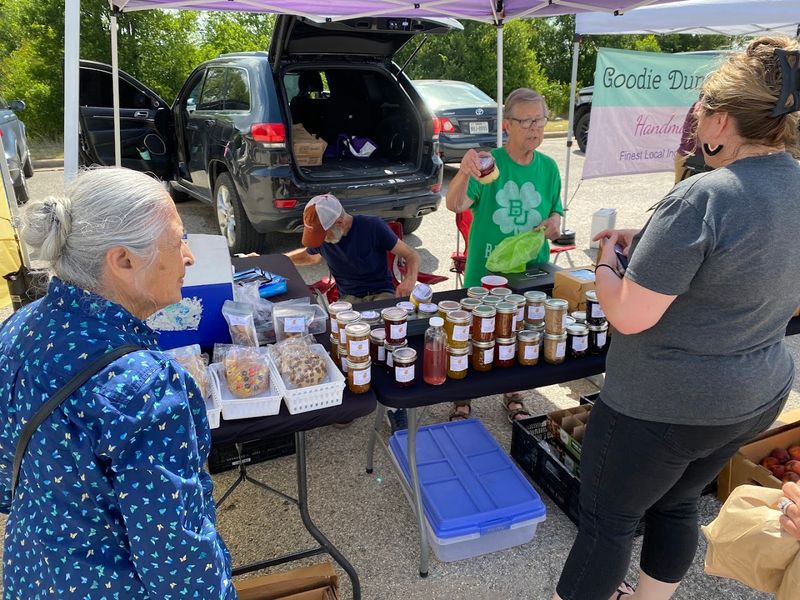
You’ll discover jams made from fruits picked at peak ripeness, preserving summer’s bounty in jars you’ll appreciate all winter long. Granola makers combine local honey with carefully toasted oats and nuts, creating breakfast options far superior to anything boxed. Wine and cheese vendors round out the gourmet offerings, sometimes suggesting pairings that elevate both products.
Many specialty food makers started as home cooks who perfected recipes before going professional. Their passion shows in every product, and they’re usually thrilled to discuss ingredients, techniques, or serving suggestions. Sampling is encouraged, helping you find new favorites you didn’t know existed before wandering through the market that morning.
4. Handcrafted Soaps and Natural Body Products
Bars of handmade soap line vendor tables in rainbow arrays, each one crafted with natural ingredients and essential oils rather than synthetic fragrances. Lavender soaps promise relaxation, peppermint bars wake you up in morning showers, and unscented options work for sensitive skin. Unlike mass-produced soaps that can dry out your skin, these artisan versions often include moisturizing oils and butters that leave you feeling clean without that tight, stripped sensation.
Beyond soap, you’ll find body butters, lip balms, and lotions made with recognizable ingredients like shea butter, coconut oil, and beeswax. Many makers use organic ingredients and avoid questionable chemicals, appealing to shoppers who care about what they put on their skin. The products often come in eco-friendly packaging, with some vendors offering refills to reduce waste.
Chatting with soap makers reveals the science and artistry behind their craft. They’ll explain the saponification process, discuss which oils contribute specific properties, and help you select products for your particular skin type or concerns. Some even take custom orders for weddings or special events, creating personalized scents or designs.
Prices typically range from five to twelve dollars per bar, depending on size and ingredients. While that seems steep compared to drugstore soap, these bars last considerably longer and transform daily hygiene into a small luxury. Many customers report that once they switch to handmade soap, they can’t go back to commercial brands.
5. Ready-to-Eat Food and Coffee Vendors
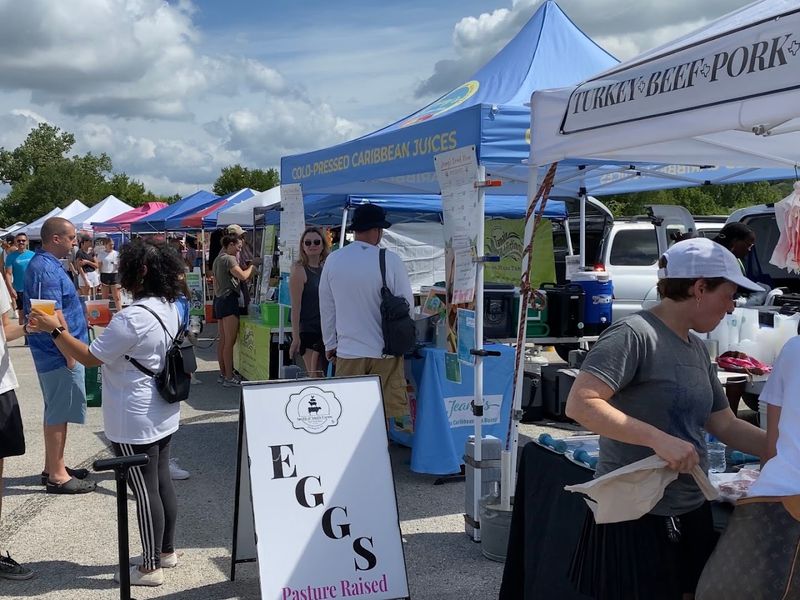
Grilled cheese stands serve up melty sandwiches that make perfect market snacks, with vendors often incorporating local cheeses and artisan breads into creative combinations. Ceviche vendors offer bright, citrusy seafood that tastes especially refreshing on warm Saturday mornings. The creole food tent brings Louisiana flavors to Central Texas, with jambalaya and other specialties that have earned a devoted following among regular market-goers.
Coffee vendors pour everything from classic espresso drinks to trendy nitro cold brew, giving you the caffeine boost needed for thorough market browsing. Some roast their own beans, while others partner with local roasteries to ensure quality. The Honduran coffee mentioned in reviews represents the international flavors you’ll encounter alongside Texas specialties.
Tamale vendors wrap traditional fillings in masa that’s been prepared according to family recipes passed down through generations. Boba tea stands attract younger crowds with customizable drinks that range from classic milk tea to fruit-forward concoctions. Fresh juice vendors press fruits and vegetables into nutrient-packed beverages that taste infinitely better than bottled versions.
Eating while you shop has become part of the market experience for many visitors. Grabbing breakfast from one vendor, coffee from another, and maybe a sweet treat for later creates a progressive meal that showcases the diversity of offerings. The casual atmosphere means you can eat standing up, find a spot to sit, or simply stroll while snacking and people-watching.
6. Live Plants and Garden Supplies
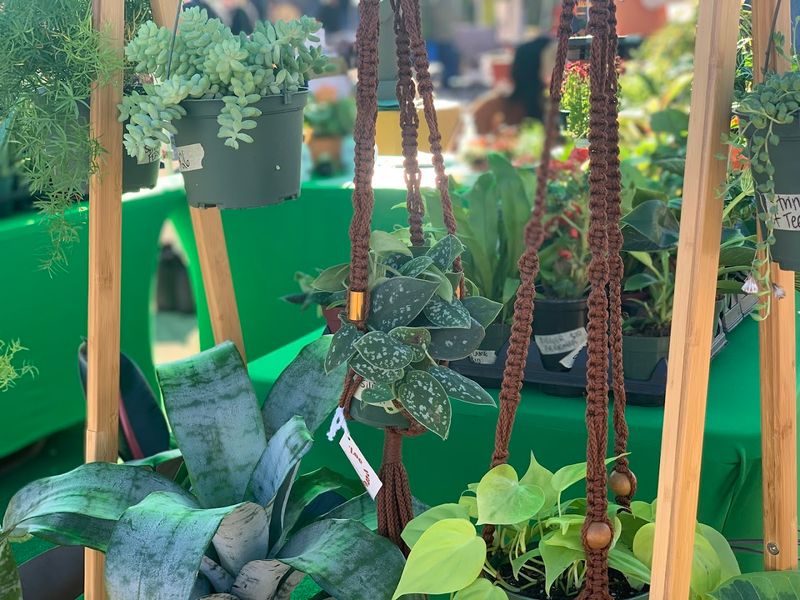
Plant vendors bring everything from vegetable starts perfect for home gardens to flowering varieties that brighten patios and yards. Spring sees tables loaded with tomato seedlings in dozens of varieties, pepper plants ranging from sweet to scorching, and herb starts that cost less than buying fresh herbs once at the grocery store. Buying starts from market vendors often means getting plants already acclimated to Central Texas conditions, increasing your chances of success.
Succulent and cactus vendors showcase drought-tolerant options ideal for Texas landscapes and low-maintenance container gardens. You’ll find air plants that need no soil, trailing varieties perfect for hanging baskets, and statement plants that become conversation pieces. Many vendors provide care instructions and answer questions about light requirements, watering schedules, and troubleshooting common problems.
Seasonal availability means offerings change throughout the year, keeping things interesting for regular shoppers. Fall brings plants perfect for cool-season gardens, while winter might feature early spring bulbs or cold-hardy ornamentals. Some vendors specialize in native Texas plants that support local pollinators and require less water than traditional landscaping choices.
Prices typically beat garden centers, especially for common herbs and vegetable starts. The quality often exceeds what you’d find at big box stores too, since these are usually grown by people who genuinely care about plant health rather than just moving inventory. Building relationships with plant vendors means getting advice tailored to your specific growing conditions and gardening goals.
7. Vegan and Specialty Diet Options
Peace cheese has built a loyal following among vegans who thought giving up cheese meant sacrificing flavor and texture. Made entirely from plant-based ingredients, these cheeses melt, spread, and satisfy in ways that early vegan alternatives never managed. Reviews calling it the best vegan cheese aren’t exaggerating—the maker has clearly spent time perfecting recipes that work for everything from crackers to grilled sandwiches.
UBE vegan ice cream represents another standout, with the purple yam flavor creating a unique taste experience that’s both familiar and exotic. Reviewers rave about the rich consistency that doesn’t leave you feeling heavy or overly full like some dairy ice creams can. The fact that it’s vegan almost becomes secondary to how genuinely delicious it tastes, appealing even to non-vegans looking for something different.
Gluten-free vendors offer baked goods that don’t taste like compromises, using alternative flours and careful techniques to create treats that satisfy. Whether you’re avoiding gluten by choice or necessity, finding fresh-baked options beats relying on packaged products from grocery stores. The market’s commitment to diverse dietary needs means almost everyone can find something to enjoy.
These specialty vendors often charge premium prices, reflecting the higher cost of alternative ingredients and the skill required to make them work well. Most offer samples, letting you verify that the products meet your standards before investing. The vendors themselves usually follow these diets, meaning they understand the frustration of limited options and work hard to create products they’d want to eat themselves.
8. Handmade Crafts and Artisan Goods
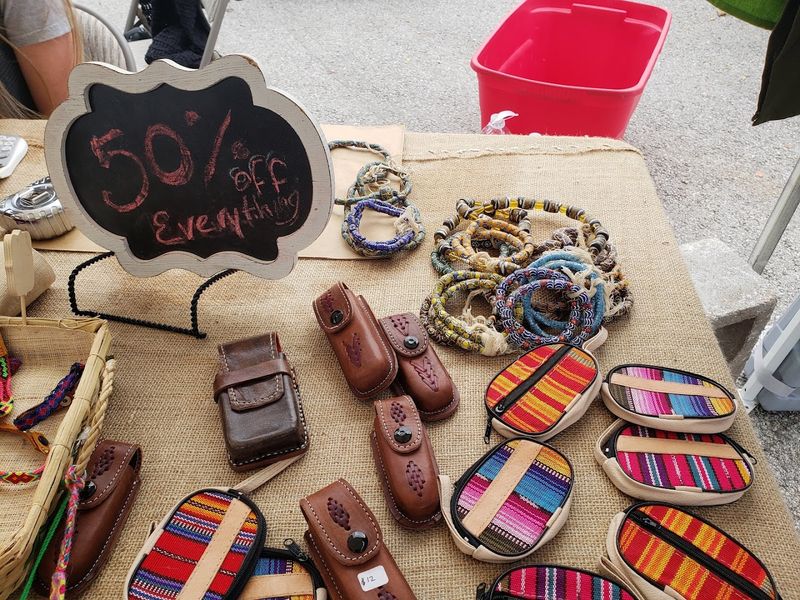
Jewelry vendors display handcrafted pieces that range from delicate everyday wear to bold statement necklaces, often incorporating natural materials like stones, wood, or metal worked into unique designs. Reviewers mention stunning pieces that caught their eye, the kind of finds that become favorite accessories or meaningful gifts. Unlike mass-produced jewelry, these items carry the maker’s personal style and attention to detail in every clasp and connection.
Woodworkers bring functional art—cutting boards that become kitchen centerpieces, hand-turned bowls showcasing beautiful grain patterns, and decorative items that add warmth to any space. The craftsmanship evident in smooth finishes and thoughtful designs reflects hours of skilled work. Many pieces improve with age and use, developing character that factory-made items never achieve.
Candle makers pour small batches using natural waxes and carefully selected fragrance combinations. Some stick with classic scents like vanilla or lavender, while others create unique blends that evoke specific memories or moods. Crystal vendors attract those interested in metaphysical properties or simply beautiful natural formations, while linen sellers offer table runners, napkins, and other textile goods that elevate everyday dining.
CBD products have joined the craft lineup, with vendors offering tinctures, topicals, and other items for those seeking natural wellness options. The variety of non-food items means the market serves as a one-stop shop for gifts, home goods, and personal items. Supporting these artisans keeps traditional crafts alive while giving you products with stories behind them.
Share this story