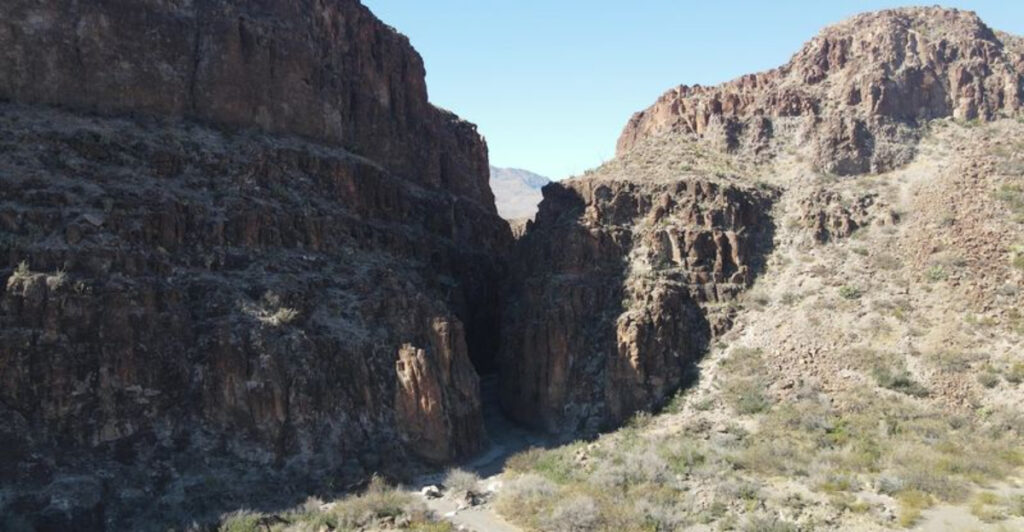
Deep inside Big Bend Ranch State Park near Redford, Closed Canyon Trail leads hikers into a narrow slot canyon that feels like one of West Texas’ most dramatic hidden adventures. Towering rock walls squeeze together to create narrow passages that challenge even confident hikers, while the shaded corridors provide a welcome escape from the scorching desert sun. Whether you’re scrambling over smooth rock ledges or navigating the sandy creek bed, this adventure delivers unforgettable views and a genuine test of your comfort with tight spaces.
1. Slot Canyon Walls That Tower Above You
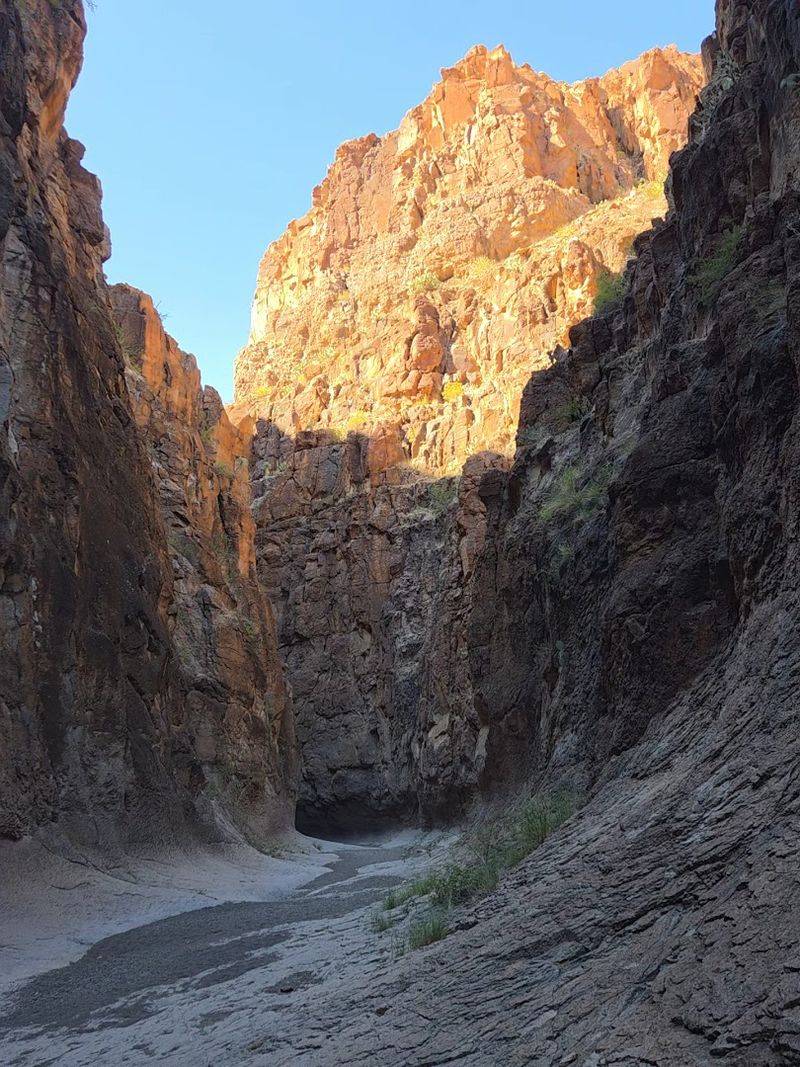
Walking between rock walls that stretch 80 to 100 feet overhead creates an experience unlike anything else in Texas. The canyon narrows in sections where you can almost touch both sides at once, giving you that genuine slot canyon feeling without traveling to Utah or Arizona. Sunlight filters down in dramatic shafts, painting the red and tan rock in constantly shifting patterns throughout the day.
The geology here tells a story millions of years in the making. Water carved this passage through solid rock over countless centuries, creating the smooth curves and dramatic drop-offs you’ll encounter. The walls shelter you from wind and sun, making this trail surprisingly comfortable even during summer months when temperatures outside the canyon soar past 100 degrees.
Photographers love the way light plays against stone here, especially during midday when the sun sits directly overhead. The natural wind tunnel effect keeps air moving through the passage, providing a cooling breeze that feels like nature’s air conditioning. Birds nest in crevices high above, their calls echoing off the walls in a way that makes the canyon feel alive and ancient at the same time.
2. Scrambling Sections That Get Your Heart Pumping
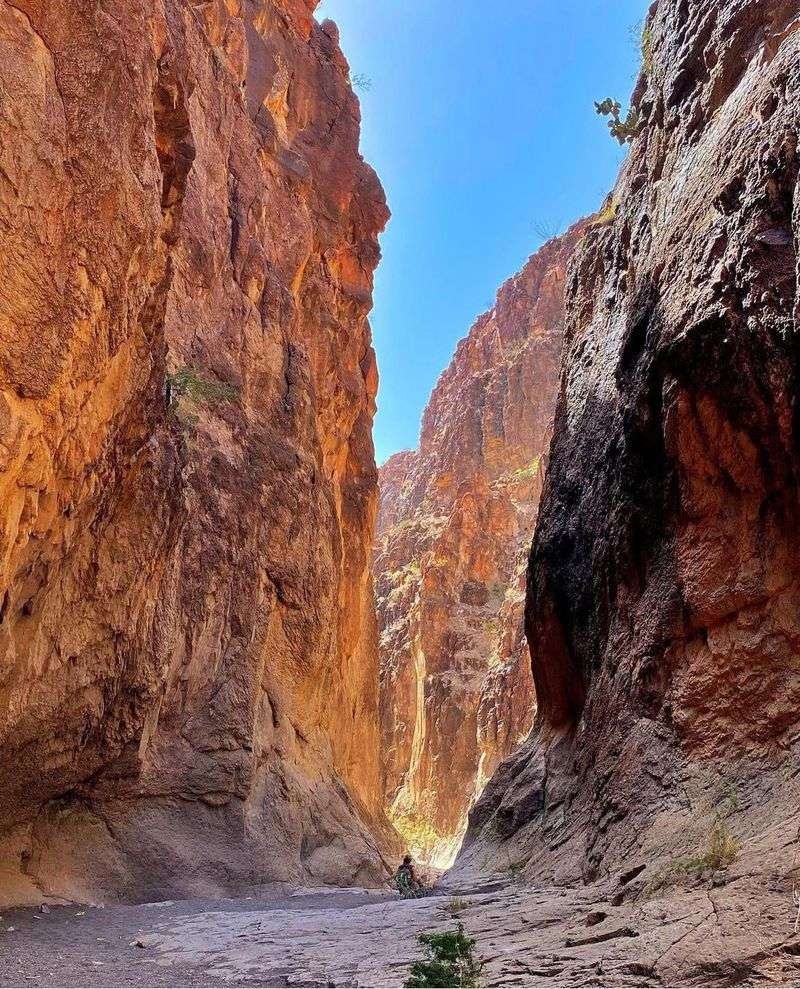
Several spots along the trail require you to scramble down smooth rock ledges where ancient water flows created natural staircases. These aren’t technical climbs requiring gear, but they do demand attention and decent footwear. You’ll use your hands for balance while stepping down slick surfaces polished smooth by centuries of flash floods.
Most people handle these sections without trouble, though some visitors turn back if they’re not comfortable with the exposure. The scrambles get progressively more challenging as you venture deeper into the canyon. What starts as easy stepping stones gradually becomes steeper drops that require careful foot placement and a bit of courage.
Good hiking shoes make all the difference here. Smooth-soled sneakers can turn these sections from fun challenges into genuinely sketchy situations. The rock stays slippery even when dry, thanks to its polished surface.
Going slow and testing each foothold keeps things safe and actually lets you enjoy the adventure rather than white-knuckling your way through.
Coming back up presents a different challenge than going down. What looked manageable on the descent suddenly seems steeper when you’re climbing back out. Taking your time and using three points of contact makes the return trip smoother, and most hikers report feeling accomplished rather than scared once they’ve completed the whole route.
3. The Trail End Sign That Stops Your Progress
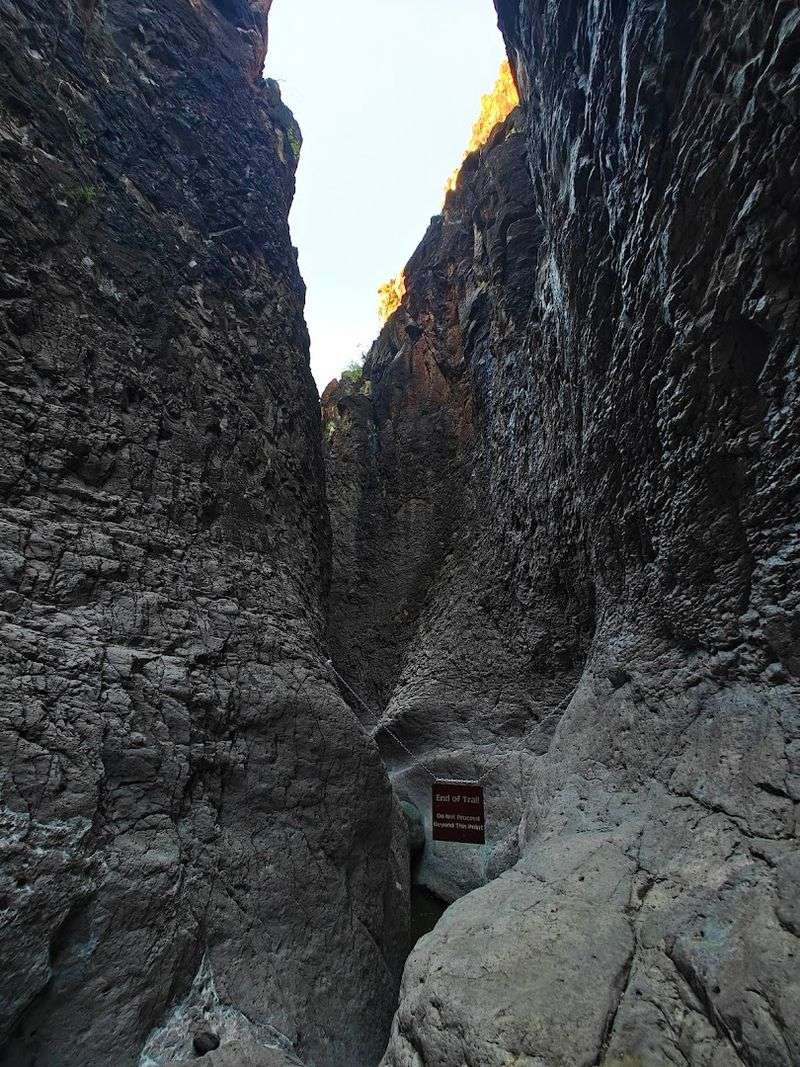
A clearly marked sign and chain barrier tell you exactly where the trail officially ends, preventing hikers from venturing into dangerous territory beyond. This isn’t a suggestion but a firm boundary placed for good reason. Past this point, the canyon drops sharply toward the Rio Grande with steep, potentially impassable sections that have caused problems for overconfident explorers.
Some visitors feel disappointed that the trail doesn’t continue all the way to the river. The distance from the sign to the Rio Grande is tantalizing, probably less than a quarter mile, but that final section involves serious hazards. Depending on recent rainfall, you might encounter deep pools of standing water that block passage completely, making retreat your only option after a risky scramble down.
Park officials placed this boundary after rescue situations involving hikers who got themselves into trouble trying to reach the river. The rock becomes increasingly steep and slippery, and climbing back up after descending proves much harder than people anticipate. Respecting this barrier shows good judgment and keeps rangers from having to mount dangerous rescue operations.
The view from the trail’s official end still delivers plenty of wow factor. You’ve experienced the best of what Closed Canyon offers by this point anyway. The journey through the slot canyon itself provides the real magic, not reaching the Rio Grande.
4. Natural Shade That Beats the Desert Heat
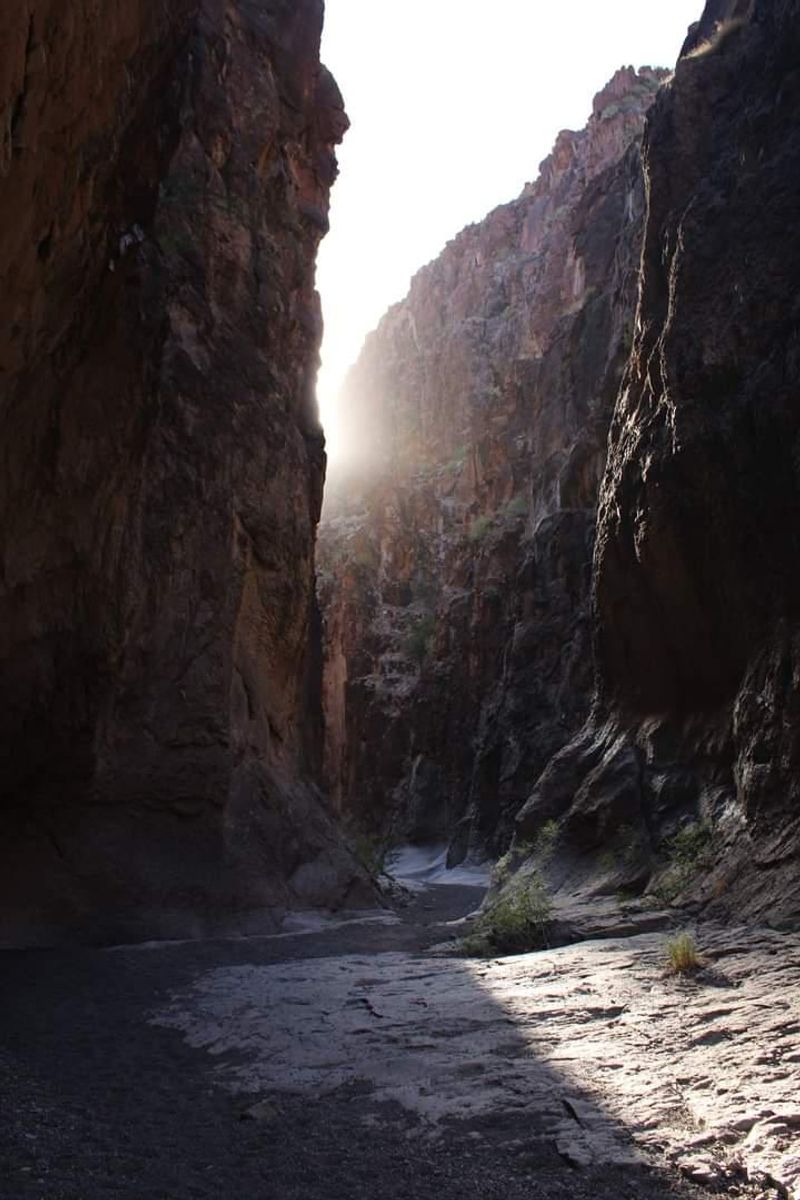
The canyon walls create a natural cooling system that makes this hike remarkably comfortable year-round. While temperatures outside might hit triple digits, inside the narrow passages you’ll find relief from direct sunlight and often a 15 to 20 degree temperature drop. Families with kids particularly appreciate being able to hike during midday hours without worrying about heat exhaustion.
The shade isn’t just a nice bonus but actually transforms when you can safely explore this area. Summer in West Texas typically means hiking only during early morning or late evening to avoid dangerous heat. Closed Canyon breaks that rule, offering all-day accessibility thanks to its natural architecture.
The wind tunnel effect amplifies the cooling, pushing breezes through the narrow channel even on still days.
Early morning and late afternoon still provide the most dramatic lighting for photos, but you won’t suffer physically if you arrive at noon. The rock walls absorb and radiate less heat than you’d experience on exposed trails nearby. This makes Closed Canyon an excellent backup plan when other hikes in Big Bend Ranch State Park feel too hot to attempt safely.
Dogs benefit from the shade too, which explains why this is one of only two trails in the park where pets are allowed. Your four-legged hiking partner can actually enjoy the experience rather than just enduring it.
5. Dog-Friendly Adventure That Welcomes Four-Legged Hikers
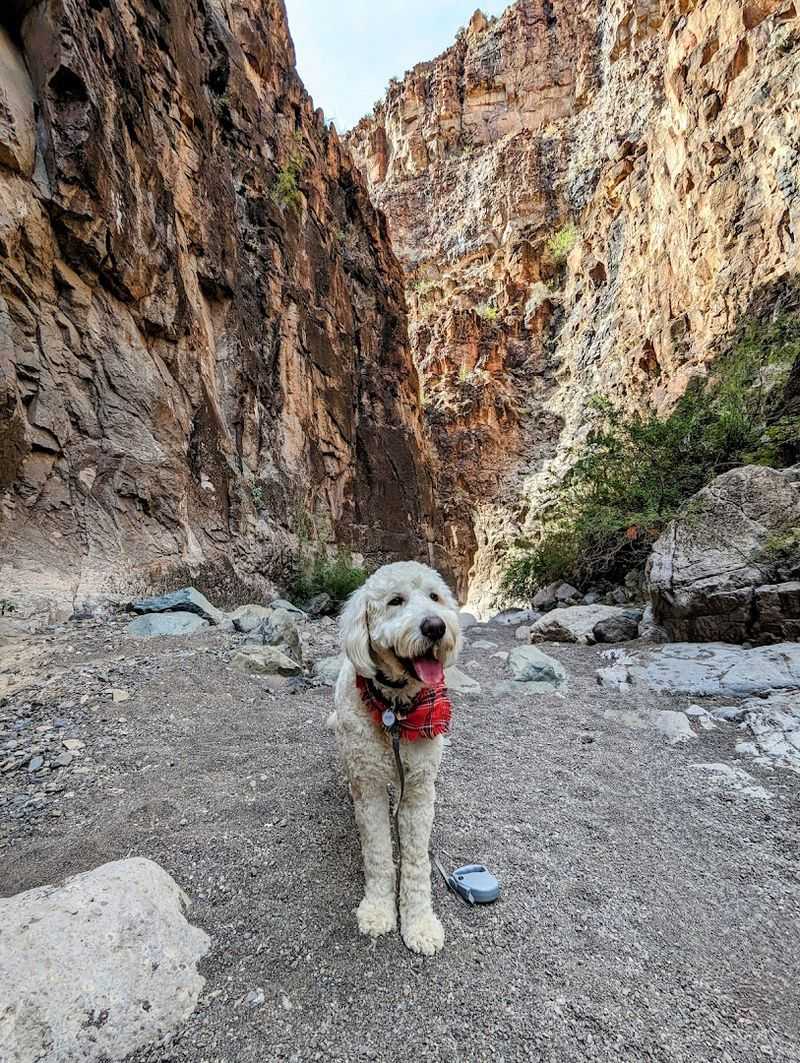
Unlike most trails in Big Bend Ranch State Park, Closed Canyon welcomes dogs on leash, making it a rare opportunity to include your furry friend in the adventure. The combination of shade, relatively short distance, and manageable terrain makes this one of the best dog-friendly hikes in the entire region. Your pup will need to navigate the same rock scrambles you do, but most dogs handle these obstacles with surprising ease.
The smooth rock sections actually work well for dog paws, unlike sharp volcanic rock found on other area trails. Several reviews mention dogs completing the entire route without needing protective booties. The sandy creek bed at the beginning provides soft walking, and the canyon floor stays cool enough that paw pad burns aren’t a concern even during summer.
Bringing adequate water for both you and your dog remains essential despite the shade. The park doesn’t provide water sources along the trail, and dogs can overheat quickly even in cooler conditions if they’re excited and active. A collapsible bowl makes it easy to offer your pet regular hydration breaks throughout the hike.
The trail’s moderate length means even older dogs or those not in peak condition can complete it successfully. The out-and-back route lets you turn around whenever your dog seems tired rather than committing to a long loop. Just watch those scrambling sections on the return trip since climbing up requires more effort than going down.
6. Sandy Creek Bed Approach That Starts Your Journey
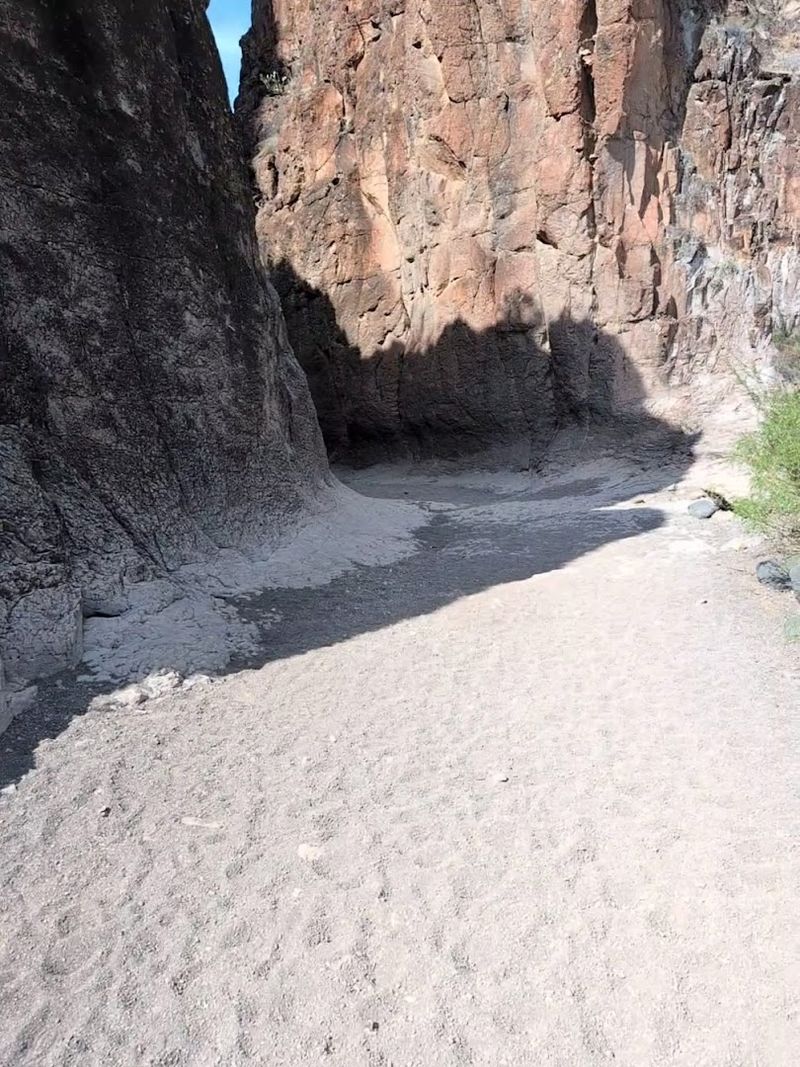
Before entering the dramatic slot canyon, you’ll walk roughly a quarter mile along a sandy creek bed that serves as the trail’s introduction. This section lacks the shade and excitement of what’s ahead, but it’s short enough that most people barely notice. The sand can feel a bit tedious if you’re eager to reach the canyon walls, though it does provide easy, flat walking that lets you warm up your legs.
Trail markers aren’t always obvious in this initial section, especially where the creek bed widens. Stick to the most worn path and keep heading toward the visible canyon opening ahead. During busy weekends, following other hikers makes navigation simple.
On quieter days, you might second-guess your route a few times, but the canyon entrance is visible from most of the approach, giving you a clear target.
Recent rainfall can leave this area muddy or create standing puddles that force you to pick your way around wet spots. The sand drains reasonably well, so even after storms, conditions usually improve within a day or two. Some visitors suggest the park should install a boardwalk similar to the one at Santa Elena Canyon to make this section more pleasant and protect the area from erosion.
The exposed nature of this approach means you’ll feel the full force of the Texas sun here. Wearing a hat and applying sunscreen before you start makes sense, even knowing shade awaits you shortly.
7. Parking Area With Facilities That Make Life Easier
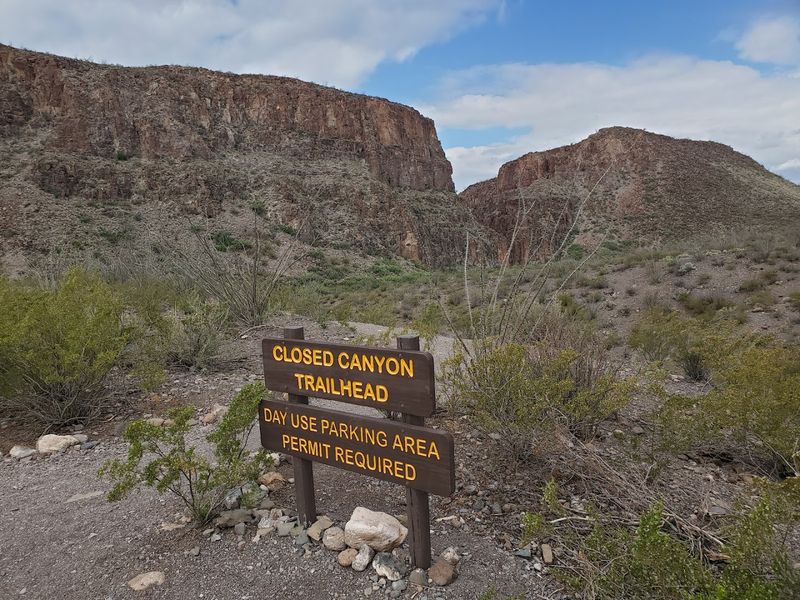
The trailhead offers surprisingly good amenities for such a remote location. Clean restrooms with flush toilets provide a welcome sight after the long drive through empty desert landscape. Covered picnic tables let you enjoy a meal before or after your hike without baking in direct sunlight.
The parking area handles a decent number of vehicles, though weekends and holidays can fill it up, especially during the cooler months when visitation peaks.
A self-pay permit station requires each person to purchase a five-dollar day-use pass before hitting the trail. Rangers do check for permits, and the fee helps maintain the facilities and trail. Having exact change or small bills makes the process smoother since the honor system collection box doesn’t provide change.
Several scenic pulloffs line the road between the highway and the trailhead, offering spots to stop for photos or picnics with views of the Rio Grande. Some visitors pack lunch and eat beside the river before tackling the canyon. The international border sits just across the water, giving you that surreal experience of looking into Mexico from Texas.
Cell phone service is essentially nonexistent here, so download any maps or information before you leave civilization. The nearest gas stations and stores are in Presidio or Lajitas, both about 30 miles away in opposite directions. Planning ahead with full fuel tanks and plenty of water keeps the experience stress-free and enjoyable.
8. Moderate Difficulty Rating That Suits Most Hikers
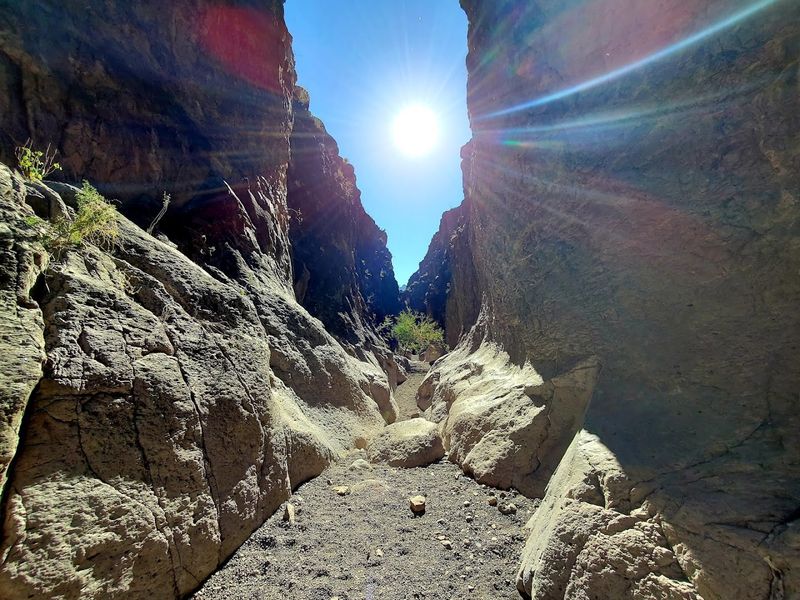
Most people rate Closed Canyon as moderate difficulty, meaning you don’t need to be an athlete but should have basic fitness and mobility. The total distance runs about one to two miles round trip depending on how far you venture into the canyon. At a leisurely pace, expect to spend 45 minutes to an hour exploring, though photography enthusiasts often linger much longer to capture the dramatic rock formations.
The elevation change is minimal compared to mountain hikes, but the scrambling sections add a challenge that pure distance numbers don’t reflect. Someone who walks three miles daily on flat sidewalks might struggle more than a rock climber who rarely does cardio. The specific skills this trail demands—balance, careful foot placement, and comfort with exposure—matter more than your usual fitness metrics.
Mobility-challenged visitors can still enjoy a portion of the canyon without tackling the tougher scrambles. The initial section into the slot canyon provides impressive views and that enclosed feeling without requiring any technical moves. Knowing when to turn back based on your comfort level shows wisdom, and nobody should feel pressured to push beyond their abilities just because others continue forward.
Kids generally love this trail because the scrambling feels like adventure rather than boring walking. The interactive nature of choosing routes over rocks and squeezing through narrow spots keeps young hikers engaged. Just maintain close supervision since the consequences of a fall on smooth rock can be more serious than tripping on a dirt trail.
Share this story