A tray of butter-glossed pierogi can go from generously stocked to completely empty before some people have decided what they want for lunch.
That is the rhythm at Heart of Europe Polish Deli, a compact East Brunswick market where the hot food commands nearly as much attention as the imported groceries.
Regulars know that arriving early means first choice among stuffed cabbage, kielbasa, pork cutlets, potato pancakes, blintzes, soups, and whatever else emerged from the kitchen that morning. Wait too long, and the day’s most popular dishes may already be spoken for.
Located in a Route 18 shopping center, Heart of Europe is part deli counter, part Polish grocery store, and part dependable source of the kind of cooking that requires very little explaining once the lid comes off the container.
The portions are hearty, the prices remain approachable, and the selection makes an ordinary lunch run feel like preparation for a small family feast.
Heart of Europe Brings Authentic Polish Flavors to East Brunswick
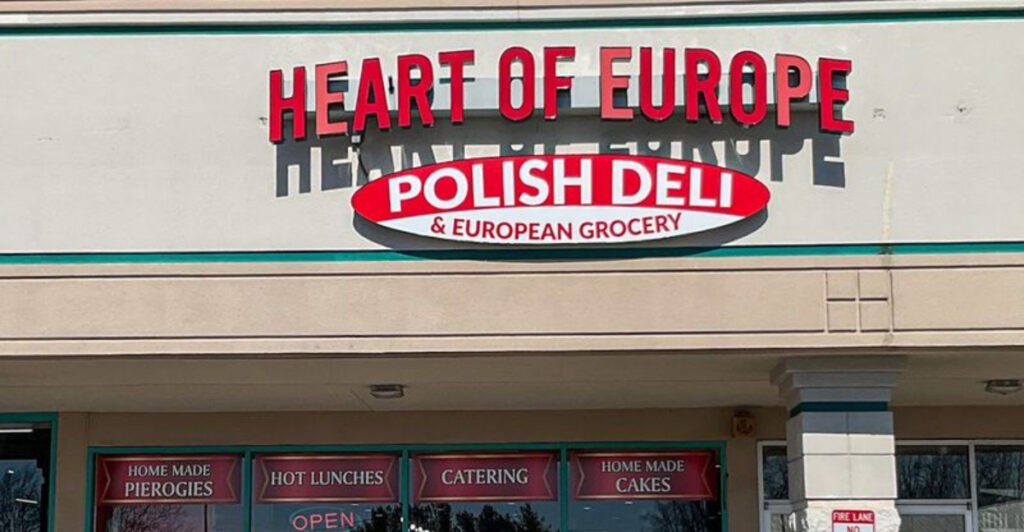
Heart of Europe sits at 1020 Route 18, surrounded by the everyday traffic and shopping plazas that define this busy stretch of East Brunswick. Its location is convenient rather than glamorous, with a large shared parking lot and a storefront that can blend into the commercial strip if you are not looking for it.
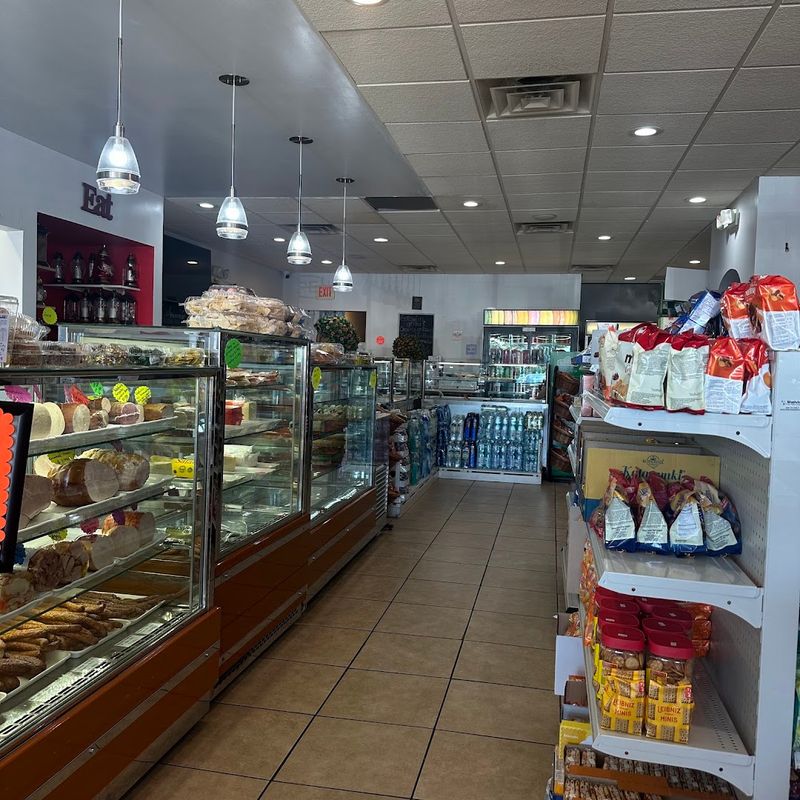
Step inside, however, and the shelves of Polish products, refrigerated meats, fresh bread, pastries, and prepared foods immediately establish that this is no ordinary neighborhood deli. The family-run business operates as both a Polish market and a takeout restaurant.
That combination matters because customers are not limited to grabbing a finished meal. Someone stopping for a pork cutlet can also pick up kielbasa, cold cuts, cheese, sweets, pantry staples, and a loaf of bread for later.
It is the sort of place where a quick lunch errand can easily become a grocery haul. The hot-food counter provides the most immediate introduction to the deli’s cooking.
Instead of reducing Polish cuisine to two or three familiar dishes, the selection reaches into the broader comfort-food repertoire.
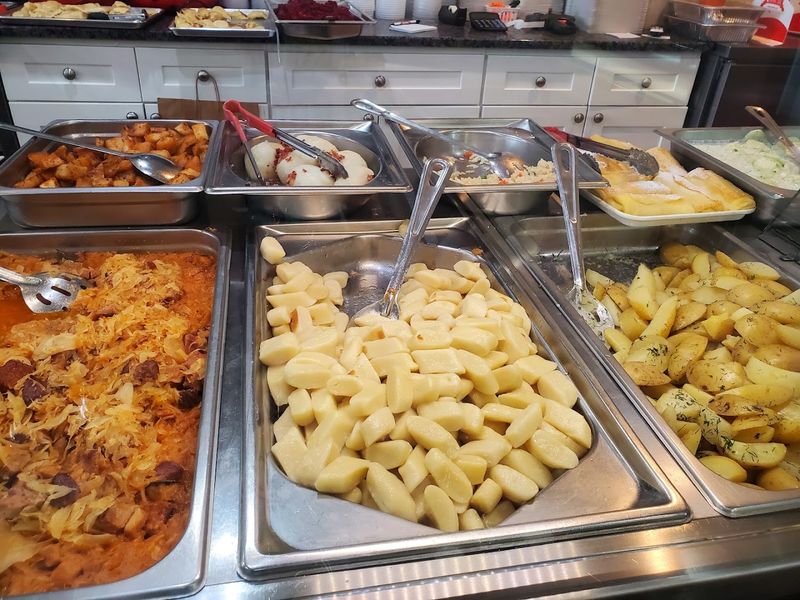
Depending on the day, the counter may hold baked chicken legs, beef or pork stew, ribs, meatloaf, hunter’s stew, fried fish, chicken liver, cabbage with noodles, buckwheat, potato dumplings, and several salads.
Heart of Europe is closed on Mondays, then opens at 9 a.m. Tuesday through Saturday. Hours extend to 6 p.m. Tuesday through Thursday, 7 p.m. Friday, and 5 p.m. Saturday. Sunday brings a shorter 10 a.m. to 3 p.m. schedule.
Those hours make the deli useful for both lunchtime takeout and stocking the refrigerator, although the fullest hot-bar selection belongs to customers who beat the midday crowd.
The Freshly Stocked Hot Bar Rewards Customers Who Arrive Early
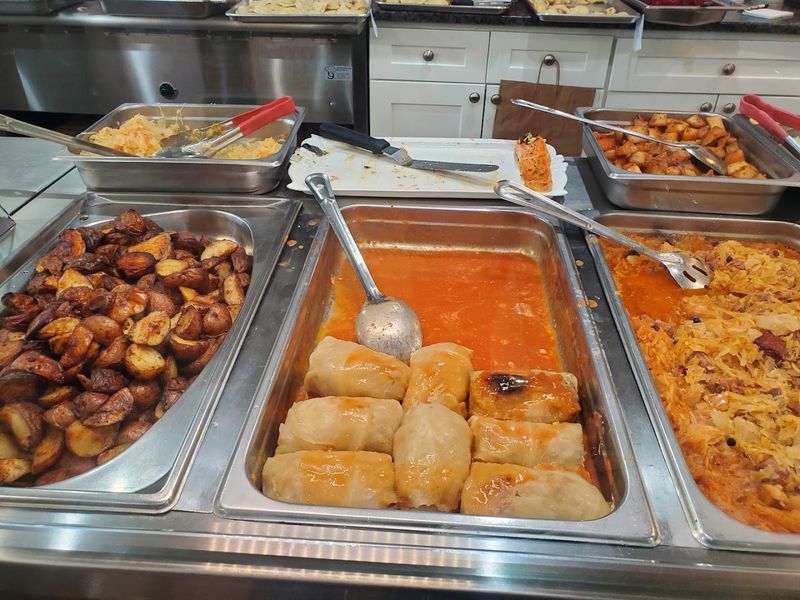
By late morning, the stainless-steel trays behind the counter are doing their best work. Steam rises when a lid is lifted, customers study the choices, and containers begin filling with cutlets, stews, dumplings, vegetables, and salads.
It is an efficient setup, but choosing quickly can be difficult when the person ahead of you has just uncovered a dish you had not planned to order. The menu offers a lunch combination built around one main dish, one side, and one salad, generally priced from $10.50 to $13 before tax.
That format allows customers to assemble a substantial plate without committing to an oversized restaurant meal. A pork cutlet might land beside mashed potatoes and beet salad, while kielbasa and sauerkraut could be matched with buckwheat and cucumber salad.
Red cabbage, shredded carrots, coleslaw, spring greens, and a sweet-and-sour mix add brighter choices to an otherwise deeply comforting lineup. Fresh turnover is part of the hot bar’s appeal, but it creates one important limitation.
The kitchen prepares food for the day rather than maintaining an endless supply of every item until closing. Popular dishes and daily specials can disappear, especially once lunch is underway.
A late arrival may still find plenty to eat, just not necessarily the exact combination imagined on the drive over. That unpredictability gives regulars an advantage.
They know that 9 a.m. is not absurdly early for someone determined to secure a favorite dish, and that arriving before noon offers better odds than wandering in midafternoon. Calling ahead at 732-955-6513 can also help when a specific item matters.
At Heart of Europe, early birds do not receive a metaphorical worm. They leave with pierogi, and that is a much better prize.
Pierogi, Kielbasa, and Stuffed Cabbage Turn Lunch Into a Polish Feast
Few foods make a convincing lunch argument as quickly as pierogi. Heart of Europe sells them in four varieties, covering potato and cheese, potato and bacon, meat, and sauerkraut with mushroom.
A half-dozen costs $6, while a dozen runs $12, making it remarkably easy to order enough for lunch and still bring a few home. Whether boiled until tender or finished with a little color in the pan, they deliver the soft dough and substantial filling that turn a humble dumpling into serious comfort food.
Kielbasa brings a smokier personality to the counter. Served with sauerkraut, it balances rich, savory sausage against cabbage with enough tang to keep the plate lively.
The market side of the business expands the choices with traditional sausages and cold cuts sold for home, including different styles of fresh, smoked, dried, and semi-dried Polish meats. Add mustard and sour rye, and lunch begins looking suspiciously like dinner too.
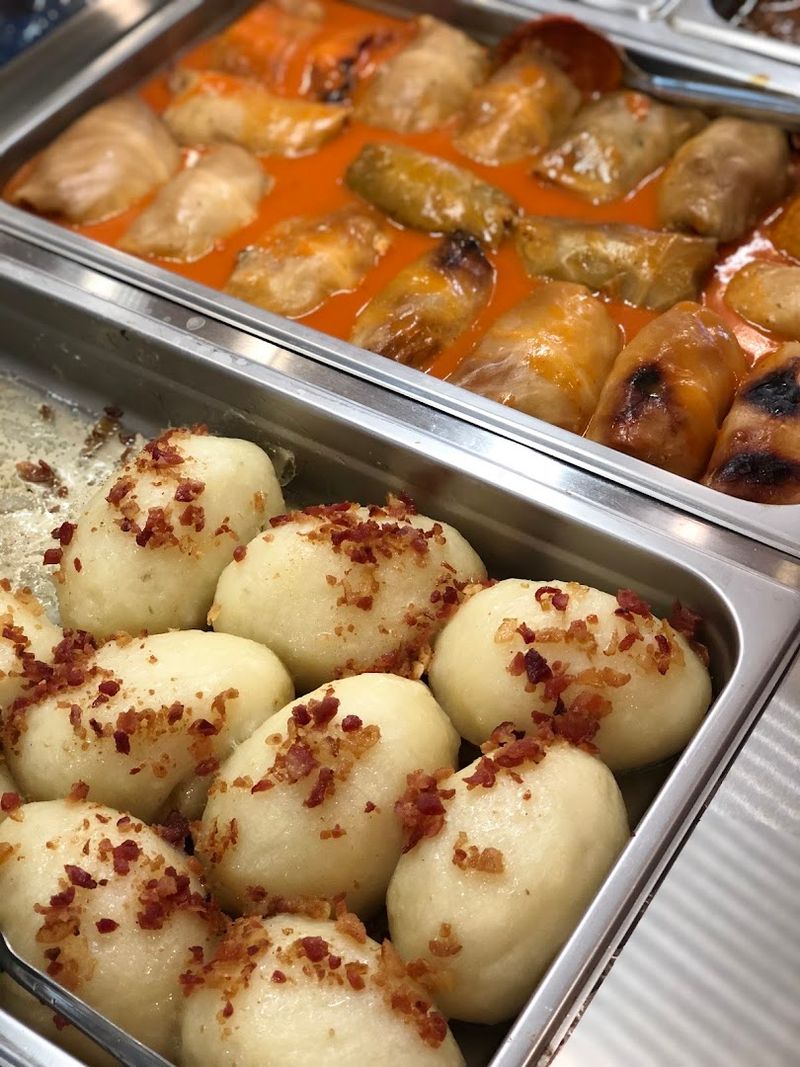
Then there are gołąbki, the stuffed cabbage rolls that tend to inspire especially strong opinions among anyone raised around Polish cooking. Heart of Europe makes them in the traditional form, wrapping seasoned meat and rice inside tender cabbage leaves before cooking the rolls in sauce.
They are listed at $3.25 apiece, so customers can add one to a mixed plate or build an entire meal around them. The supporting cast is just as hearty.
Hunter’s stew, known as bigos, combines cabbage with meat in a dish whose flavor grows deeper through slow cooking. Creamy sauerkraut and pork stew, pork shank, ribs, chicken cutlets, baked salmon, and meatloaf give the counter enough range to make repeat visits interesting.
The trick is resisting the urge to treat every available tray as a personal challenge.
Potato Pancakes, Blintzes, and Homemade Soups Add Even More Comfort
Tuesday has its own edible incentive at Heart of Europe. That is when potato pancakes appear on the posted menu, priced at $1.75 each.
Crisp around the edges and tender in the middle, they can serve as a side, a snack, or the reason the rest of the order gets larger than intended. Their simple ingredients also show what this deli does particularly well—turning familiar staples into food with real texture and character.
Blintzes pull the meal in a softer, slightly sweeter direction. Cheese blintzes are listed at $3.50, while fruit versions cost $3.
Their thin wrappers and creamy or fruity centers make them suitable for breakfast, dessert, or that wonderfully vague stretch of the day when either one sounds reasonable.
The counter may also offer apple pancakes, croquettes, knishes filled with spinach, buckwheat, or potato, and potato dumplings stuffed with meat.
Soup deserves more than an afterthought here. Small portions are priced at $2.50 and large ones at $5, with a rotating selection that reads like a survey of Central and Eastern European comfort cooking.
Red borscht offers its recognizable beet color and earthy sweetness, while white borscht brings a tangier, creamier character. Dill, barley, mushroom, cabbage, pea, pickle, tomato, vegetable, chicken noodle, and Ukrainian borscht may also enter the rotation.
That variety is useful for newcomers who want to explore without ordering an enormous plate. A bowl of pickle soup alongside a potato pancake is a manageable introduction; red borscht with pierogi feels like a complete cold-weather lunch.
Even the side dishes branch beyond predictable deli fare. Buckwheat, leczo, green beans, baked red potatoes, rice with vegetables, and cabbage with noodles make it possible to build a meal that tastes coherent rather than assembled from whatever happened to be available.
Fresh Sour Rye and Traditional Baked Goods Disappear Almost as Quickly
The bread section can create its own quiet rush. Fresh sour rye has the chewy crumb, firm crust, and distinctive tang needed to stand up to smoked sausage, rich cold cuts, and a bowl of borscht.
It is not merely something to place beneath a sandwich. A thick slice can anchor an entire meal, especially when paired with kielbasa or one of the deli’s robust stews.
Availability is another reason experienced customers shop early. Fresh loaves do not benefit from sitting around all day, and popular breads may become harder to find as the afternoon progresses.
Someone arriving for lunch can watch the practical logic unfold in real time: one customer orders from the hot counter, grabs cold cuts from the case, adds a loaf of rye, and has most of the weekend’s meals handled before leaving the register. The sweets deserve equal space in the bag.
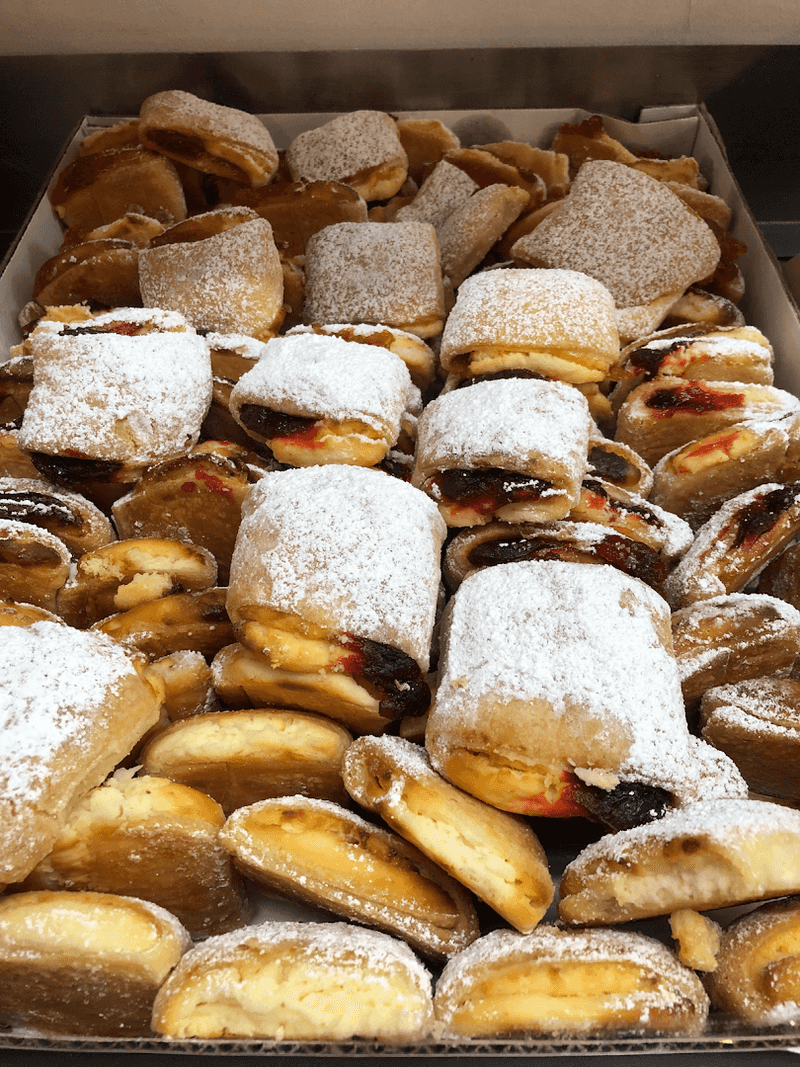
Heart of Europe carries Polish cakes, pastries, cookies, and candies, with selections that may include babka, pączki, rolled cookies, and kolaczki. Babka offers the comfort of a rich, gently sweet loaf, while fruit- or cheese-filled pastries provide a smaller finish after a plate of kielbasa and potatoes.
Pączki, particularly beloved around Fat Thursday and the period before Lent, bring filled, fried indulgence with no interest in subtlety. These baked goods also make the deli useful beyond lunchtime.
A customer can leave with dinner from the hot bar, breakfast bread for the next morning, and a box of pastries that will supposedly be shared. The last part is never guaranteed.
Because the bakery selection can vary and favorites move quickly, the smartest approach is to see what looks freshest and decide before someone else reaches for the final piece.
Imported Groceries and Family Recipes Make This Deli Feel Like a Trip to Poland
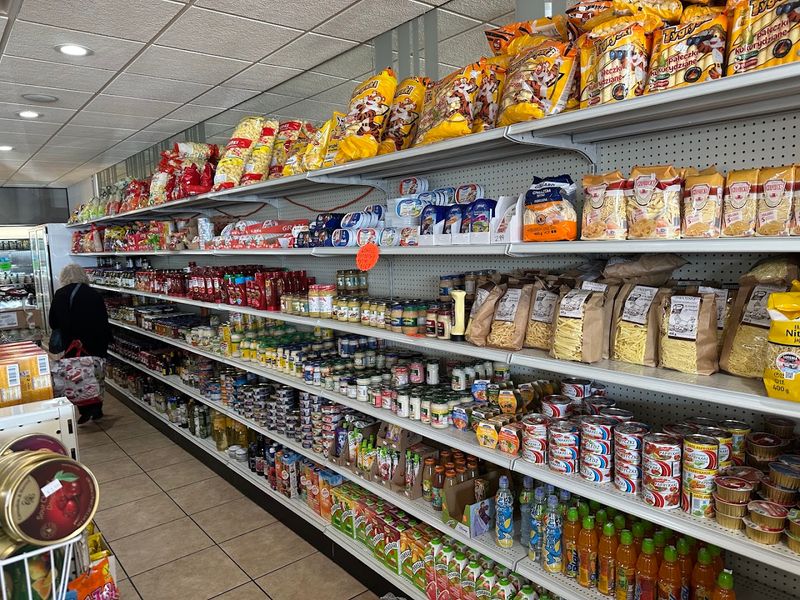
A first-time visitor might come for a hot lunch, but the grocery aisles explain why Heart of Europe has become a regular stop for Polish families across Middlesex County. The store carries products from Poland and elsewhere in Europe that rarely occupy much space in a conventional supermarket.
Packages labeled in Polish line the shelves, refrigerated cases hold meats and cheeses, and the candy selection can trigger instant recognition in shoppers who grew up with those brands. The family-owned deli describes itself as a place for people who enjoy Polish and European food, and its dual purpose feels entirely natural.
Freshly prepared dishes reflect the same culinary traditions represented by the pantry goods around them. Pierogi filled with potato and cheese sit only a short walk from ingredients used to prepare similar meals at home.
Kielbasa can be ordered hot with sauerkraut or purchased from the deli counter for another day. That connection between prepared food and everyday groceries gives the shop its character.
It serves customers who know precisely which sausage, pickle, preserve, tea, or sweet they want, but it is also approachable for anyone unfamiliar with Polish cooking. The staff can help explain the counter, and the lunch format makes experimentation easy.
Trying beet salad or buckwheat does not require ordering a full plate of either. Catering extends that home-style cooking to larger gatherings, with trays available for parties and family occasions.
Yet the deli’s identity is clearest during an ordinary weekday, when someone stops along Route 18 for one meal and leaves holding several.
Heart of Europe succeeds because it treats Polish food as something living and everyday—cooked fresh, stocked carefully, shared generously, and occasionally gone before the late crowd arrives.