A plate of Hakka noodles can tell you pretty quickly whether a restaurant understands Indo-Chinese food or is just borrowing the name. At Spice House in Edison, the noodles are not there as a novelty, tucked awkwardly beside the butter chicken and naan.
They sit right in the middle of the action, next to Szechuan fried rice, Manchurian gravy, tandoori chicken, biryani, paneer tikka masala, and enough saucy, spicy, wok-kissed dishes to make ordering feel like a friendly argument.
The address is 2050 Lincoln Highway, also known as Route 27, which already puts it in one of New Jersey’s busiest food corridors.
But Spice House has a different little spark. It does not ask you to pick one craving and stay in your lane. It lets Indian spice and Chinese-style heat share the table, and somehow, the combination feels less surprising with every bite.
Spice House Turns Edison’s Lincoln Highway Into An Indo Chinese Flavor Stop
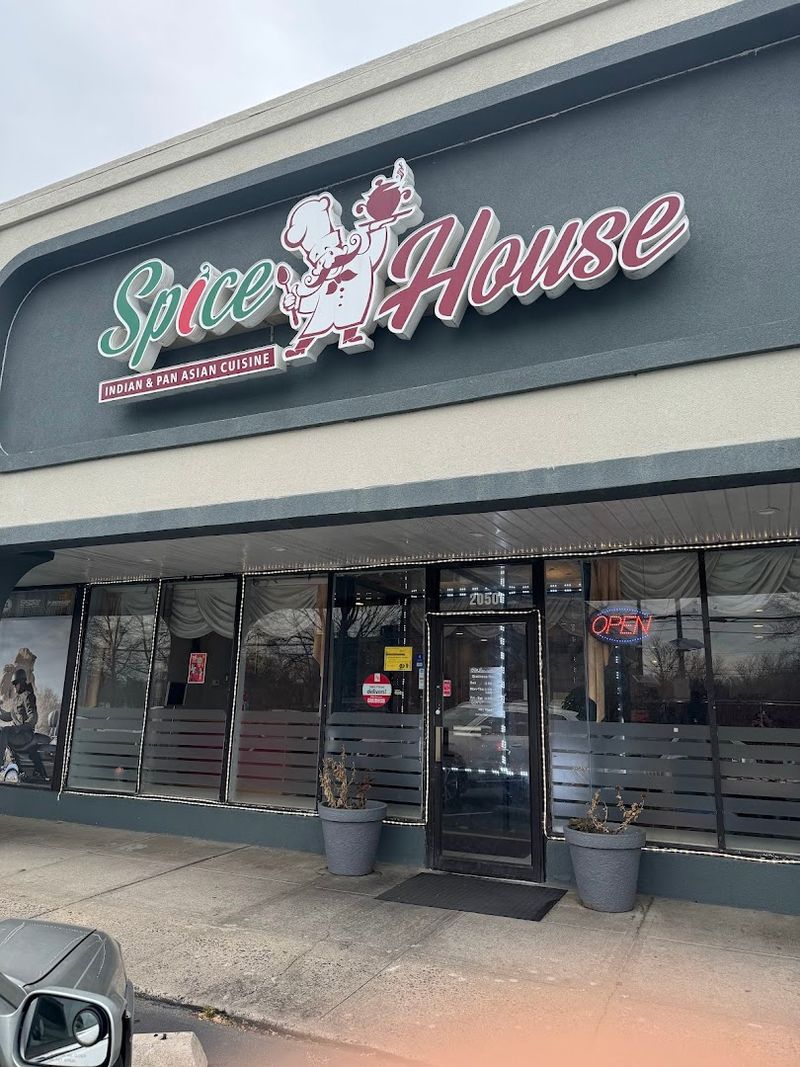
At 2050 Lincoln Highway, Spice House sits on the kind of Edison stretch where dinner decisions can get wonderfully complicated fast. Route 27 is not exactly shy about food, and this part of Middlesex County has a way of making a simple weeknight meal turn into a full-on craving detour.
Spice House fits right into that rhythm, but it does not feel like just another Indian restaurant with a long curry list and a few predictable extras. The restaurant describes itself around Indian and Pan Asian cooking, and that tells you a lot before you even start reading the menu.
This is a place where the kitchen is just as comfortable talking tandoor as it is talking noodles, fried rice, and Szechuan sauce. That matters because Indo-Chinese food works best when it is treated as its own thing, not as a side project.
The style has roots in Indian communities adapting Chinese techniques and flavors to Indian tastes, which is why the best versions are bright, garlicky, spicy, saucy, and deeply satisfying in a way that feels familiar even if you did not grow up eating it. Spice House leans into that sweet spot.
You can come in wanting chicken tikka masala and still end up adding chili garlic noodles to the table because the menu makes the combination feel obvious. There is also a practical, very New Jersey reason this works: groups rarely agree on one craving.
Someone wants curry, someone wants noodles, someone wants biryani, and someone is pretending they are “not that hungry” until the appetizers land. Spice House gives everyone a lane without making the meal feel scattered.
Indian Spice And Chinese Wok Heat Meet In One Surprisingly Natural Menu
The first fun thing about this menu is how casually it refuses to separate the two personalities of the restaurant. You are not looking at one tiny “fusion” corner with three dishes doing all the work.
The Indian side is real, the Chinese-inspired side is real, and the overlap is where the meal starts getting interesting. There are soups like hot and sour, sweet corn, lemon coriander, and Manchow, which make sense as openers because they warm things up without dragging the table in one direction too soon.
Then the menu starts building momentum with samosas, pakoras, kathi rolls, Chicken 65, fried shrimp, and momos before it even gets to the bigger decisions. That is where Spice House becomes fun for an indecisive table.
You can start with something crisp and chatty like samosa, move into a plate of Szechuan-style momos, then follow it with a curry, biryani, or fried rice without feeling like the meal has taken three unrelated turns. The bridge is spice.
Indian cooking brings the depth: cumin, turmeric, ginger, garlic, yogurt marinades, tomato gravies, tandoori char, and slow-cooked sauces. The Chinese side brings the snap: stir-fried noodles, glossy sauces, vinegar, chili, garlic, scallions, peppers, and fried textures that love a little heat.
Together, they make sense in a way that is hard to explain until there is a forkful of noodles next to a spoonful of curry on your plate. Spice House does not make the blend feel precious or overdesigned.
It feels like the way people actually eat when they are hungry, curious, and sitting at a table big enough for sharing.
Hakka Noodles And Szechuan Favorites Bring The Fusion Side To Life
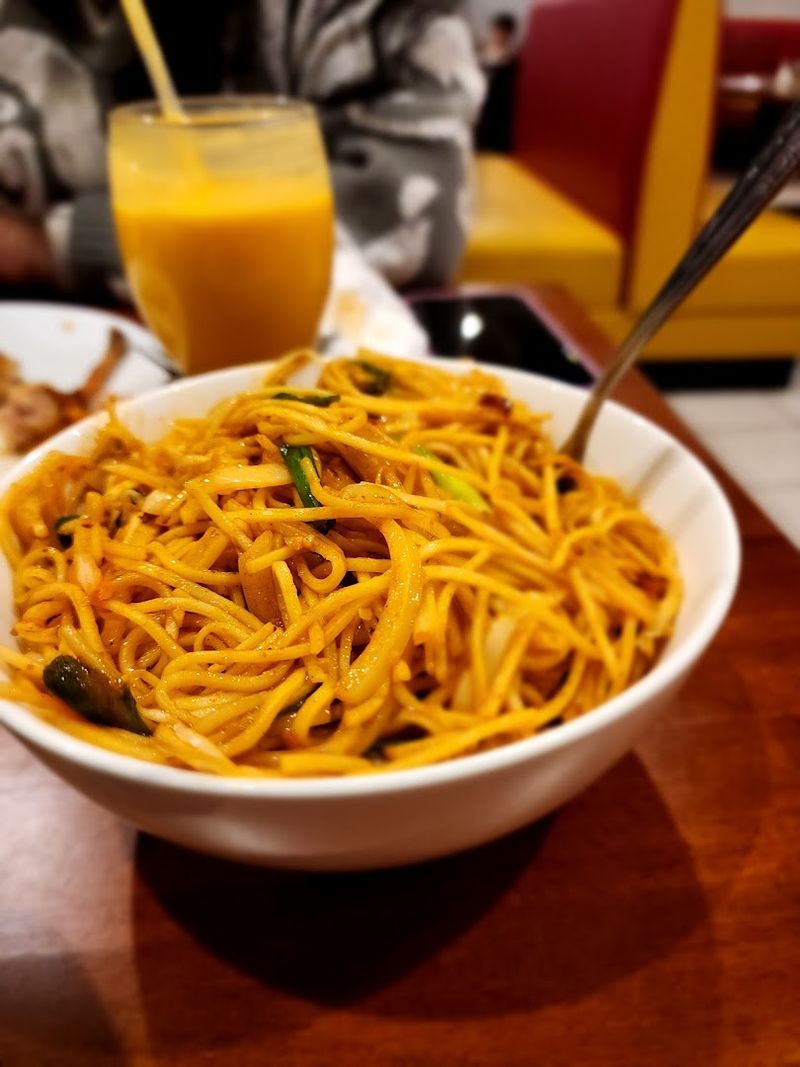
Start with the Hakka noodles if you want the clearest read on what Spice House is doing. The menu lists them as traditional Chinese noodles cooked Hakka style, with choices like vegetable, egg, chicken, and add-ons, which makes them easy to tailor to the table.
They are the kind of dish that usually disappears faster than expected because everyone takes “just a little” and then keeps coming back. The same part of the menu includes chili garlic noodles, Szechuan noodles, Singapore noodles, fried rice, Szechuan fried rice, Manchurian fried rice, and triple Szechuan fried rice.
That is not a token nod to Chinese food. That is a full invitation to build a meal around wok-heavy comfort.
The Szechuan fried rice, priced around $12.95 on the menu, brings the spicy fried rice energy people look for in Indo-Chinese cooking: quick heat, bold seasoning, and enough flexibility to go vegetarian or add egg, chicken, or shrimp.
The triple Szechuan fried rice pushes the idea further with fried noodles, fried rice, and Szechuan gravy, which is exactly the sort of over-the-top combination that makes this style so much fun.
Nothing about it is trying to be delicate. It is built for people who like their dinner saucy, loud, and generous.
Pair those noodles with a plate of gobi Manchurian or chili paneer and the meal starts to click. It is not Indian food pretending to be Chinese, and it is not Chinese food with a little masala sprinkled on top.
It is that craveable middle lane where garlic, chili, vinegar, and spice all get along.
Tandoori Chicken Biryani And Curries Keep The Indian Roots Strong
There is still a full Indian restaurant beating at the center of Spice House, and that is what keeps the fusion side from floating away into gimmick territory. The tandoori section alone gives the menu some serious backbone.
The Spice House mixed grill brings together tandoori chicken, seekh kebab, fish, and shrimp cooked in the tandoor, while the full tandoori chicken is listed with a yogurt and tandoori masala marinade seasoned with cayenne, red chili powder, and turmeric. Those are not background dishes.
They are the smoky, charred, deeply seasoned kind of plates that can anchor a whole table. Then come the curries, which cover the dependable favorites and a few deeper cuts.
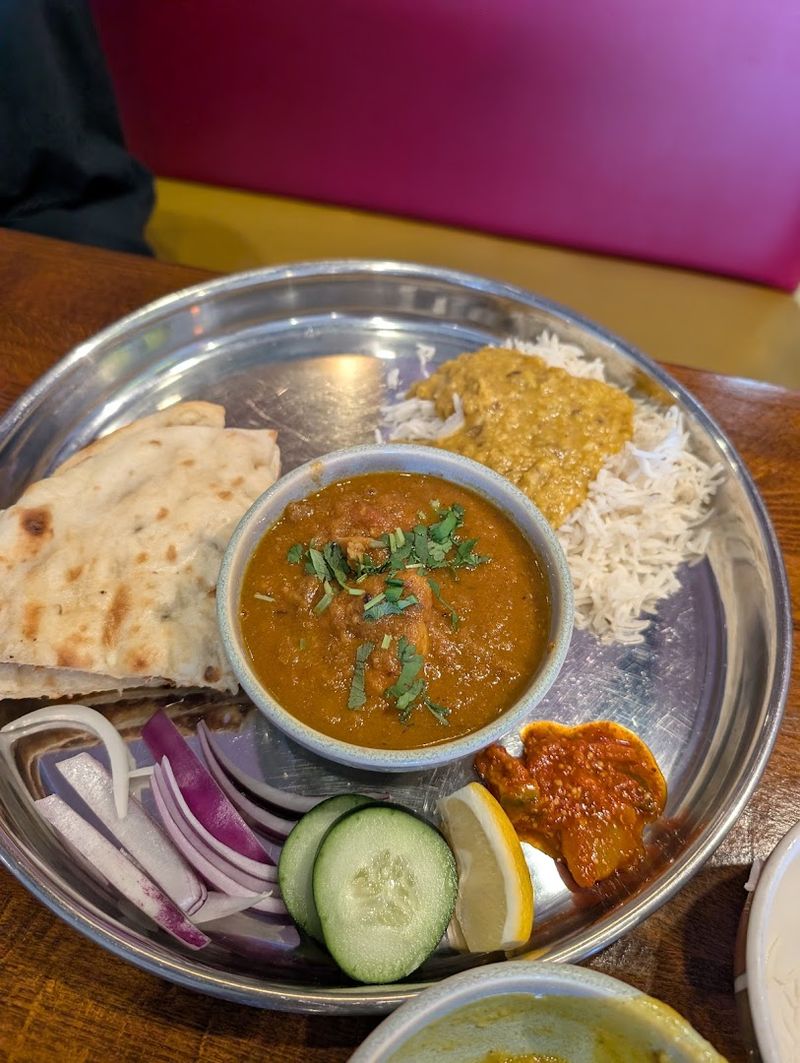
Chicken tikka masala brings marinated chicken with peppers and onions in a rich tomato-based gravy. Chicken makhani, better known to many diners as butter chicken, goes creamy and tomato-forward with tandoori chicken tikka.
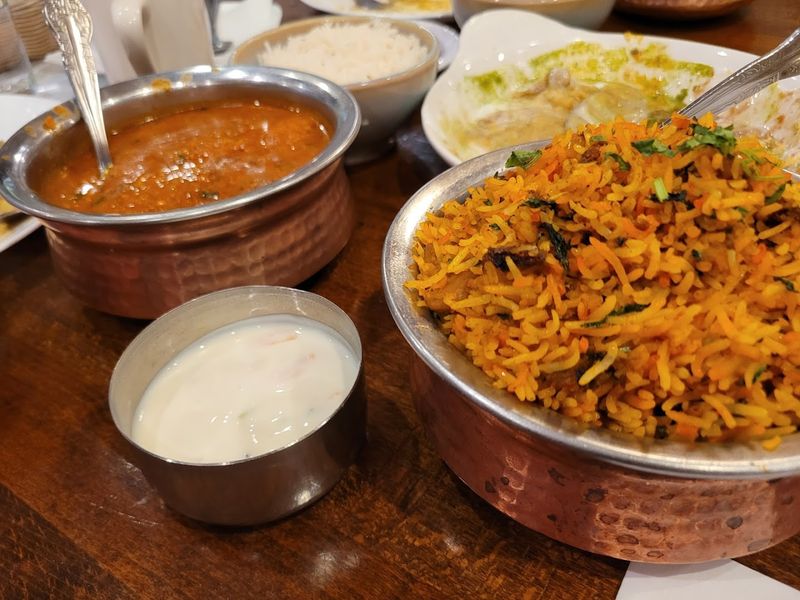
Chicken kadhai brings whole spices and herbs, while homestyle chicken curry keeps things simpler and saucier. The biryani section gives rice lovers their moment, with vegetable biryani, chicken biryani, lamb biryani, and goat biryani, all built around basmati rice, Indian herbs and spices, and raita on the side.
That chicken biryani, listed around $14.95, is the sort of dish that can hold its own against everything else on the table. This is why Spice House works better than expected.
The Indo-Chinese dishes may get your attention first, but the Indian side gives the restaurant its foundation. You can order from both halves without feeling like one is doing the heavy lifting for the other.
Vegetarian Dishes Get Just As Much Flavor As The Meat Plates
Vegetarians do not get the consolation-prize treatment here, which is a big part of the appeal. At some restaurants, the meatless choices feel like the kitchen removed the main ingredient and hoped nobody would notice.
Spice House goes the other direction, especially because Indian food and Indo-Chinese cooking both have a deep bench of vegetarian-friendly dishes.
On the Indian side, there is paneer everywhere it belongs: Delhi butter paneer in a rich tomato-based gravy, palak paneer with spinach, paneer tikka masala, matter paneer with green peas, and paneer bhurji with grated paneer and house spices.
There are also dishes like malai kofta, baingan mirchi ka salan with eggplant, peanut, tamarind, mustard, red chilies, and curry leaves, plus mixed vegetable makhni and veg jalfrezi. That is already enough to make a full meal without repeating textures.
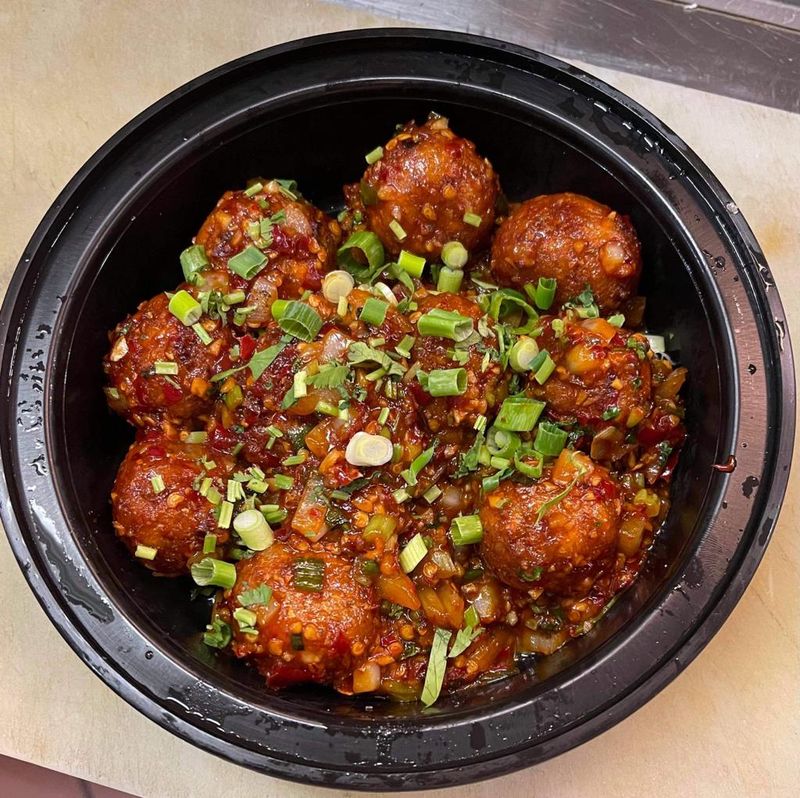
Then the Chinese vegetarian section comes in with its own personality. Veg Manchurian gravy brings crispy fried vegetable roundels finished in Manchurian sauce.
Chilli paneer gravy uses diced cottage cheese with onions and peppers. Kung pao potato gravy turns potato, dried red chili, and onions into something punchier than the usual side dish.
Eggplant can be ordered in chili, Szechuan, or garlic sauce, and stir-fried vegetables, paneer, baby corn, and gobi Manchurian all keep the meatless side of the menu lively. The prices mostly hover in the $13.95 to $14.95 range for many of these entrées, which makes it easy to order a few and share.
A table could go completely vegetarian here and still get smoky, creamy, crispy, spicy, saucy, and bright all in one meal.
The Weekend Buffet Makes This Edison Spot Even Easier To Love
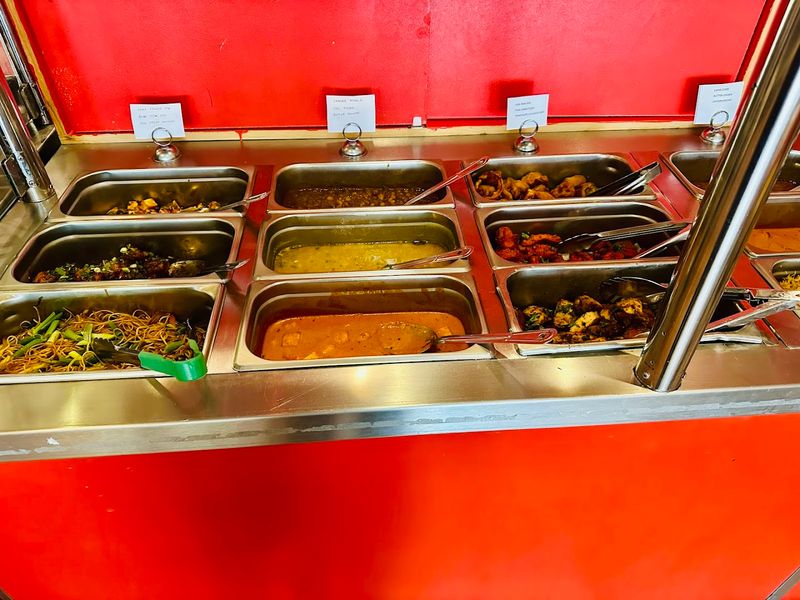
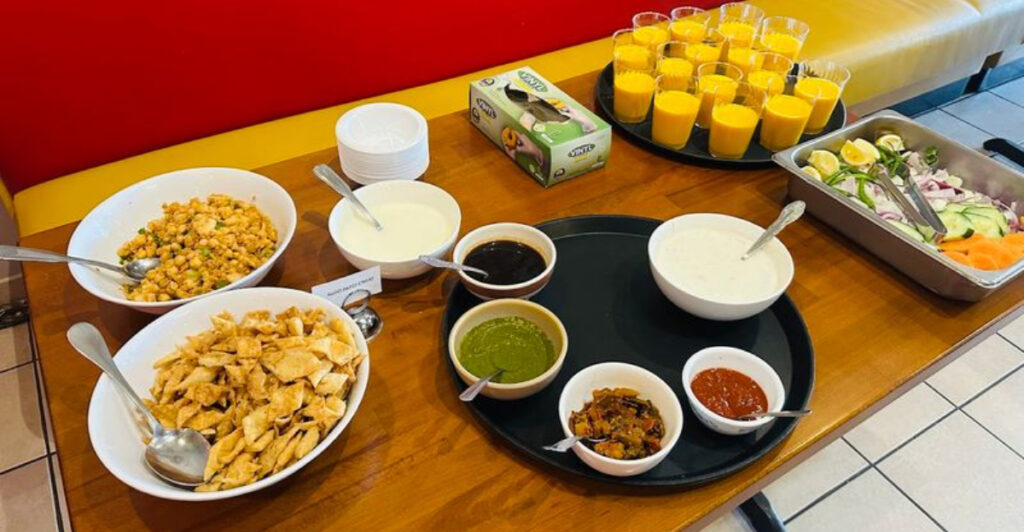
Timing matters if you are the kind of diner who likes to sample before committing. Spice House lists a weekend buffet on Saturday and Sunday from noon to 3 p.m., which is exactly the sort of detail that turns a casual Edison lunch into a strategic outing.
Buffets are especially useful at a restaurant like this because the menu covers so much ground. Ordering à la carte is great when you already know your favorites, but a buffet lets you graze through the restaurant’s personality without turning the table into a spreadsheet.
Maybe you came in thinking you were strictly a butter chicken person. Maybe you leave understanding why Szechuan-style momos, Manchurian sauce, or chili garlic noodles deserve room on the plate too.
The regular hours make the place workable for both lunch and dinner, with Monday through Thursday service listed from 11 a.m. to 4 p.m. and again from 5 p.m. to 9:30 p.m., Friday and Saturday running from 11 a.m. to 10 p.m., and Sunday from 11 a.m. to 9:30 p.m.
It is also a halal-friendly restaurant, and the official site notes ample parking, which is not a small thing on a busy New Jersey food run.
The restaurant even mentions catering and a banquet hall that can accommodate up to 100 guests, so it has that family-gathering, group-dinner energy baked in. But the best version of Spice House might be the easiest one: a weekend lunch table with a little Indian comfort, a little Indo-Chinese heat, and no pressure to choose only one.
Share this story