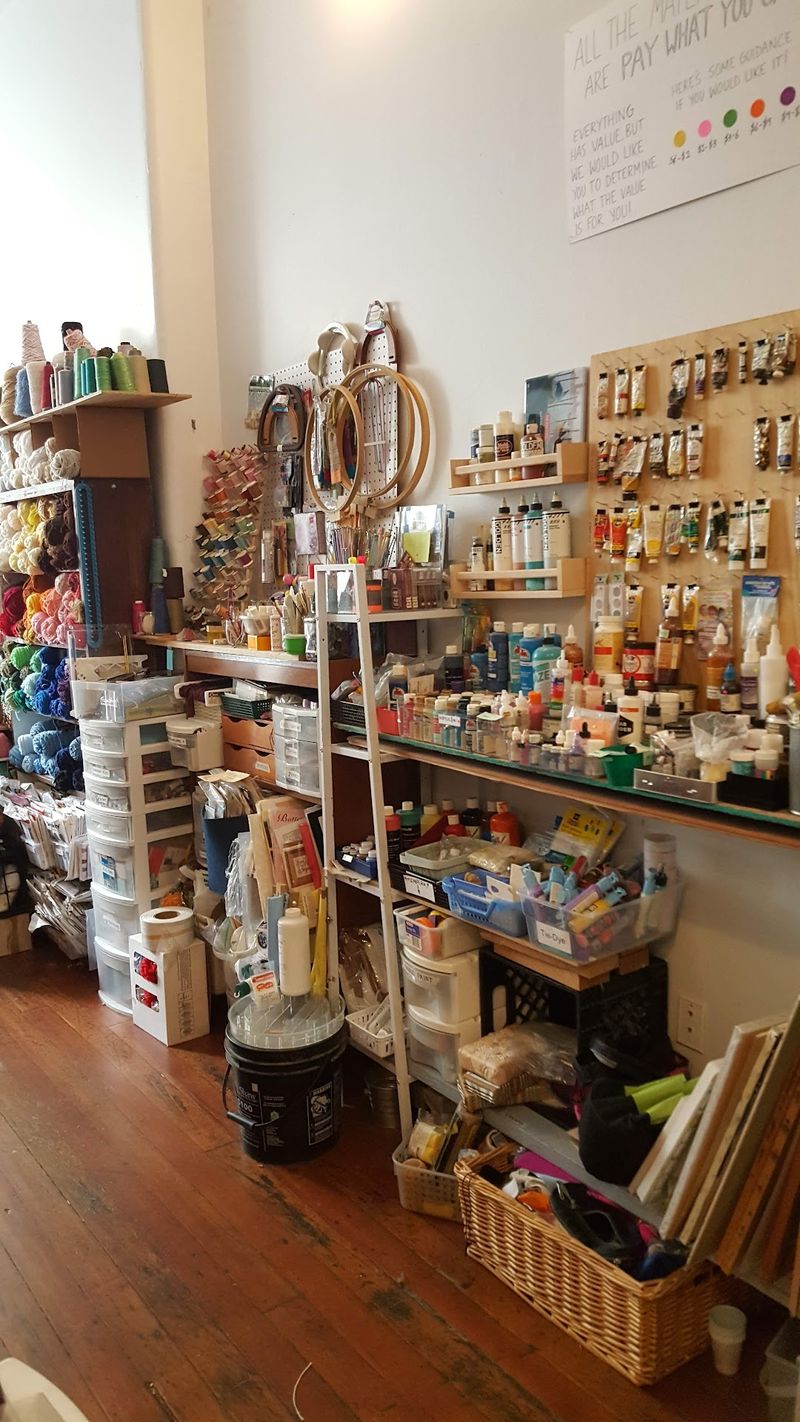
You set the price here. Every bead, brush, and ball of yarn on the shelves is pay-what-you-can, and some of it sits on a shelf marked free.
That alone got my attention. Then I learned the whole store runs on donated art supplies that would otherwise end up in the trash. Half-used markers, leftover paper, and odd craft bits get a second shot at becoming something great.
I like how this Ohio spot treats creativity like something everyone deserves. Students, teachers, hobbyists, and working artists all shop from the same ever-changing shelves. The inventory never sits still, so no two trips look alike.
It also gives real support to local artists, with gallery space and paid workshop gigs. I can’t imagine a better place to stumble onto your next big project.
1. You Get To Name Your Own Price, And Nobody Blinks
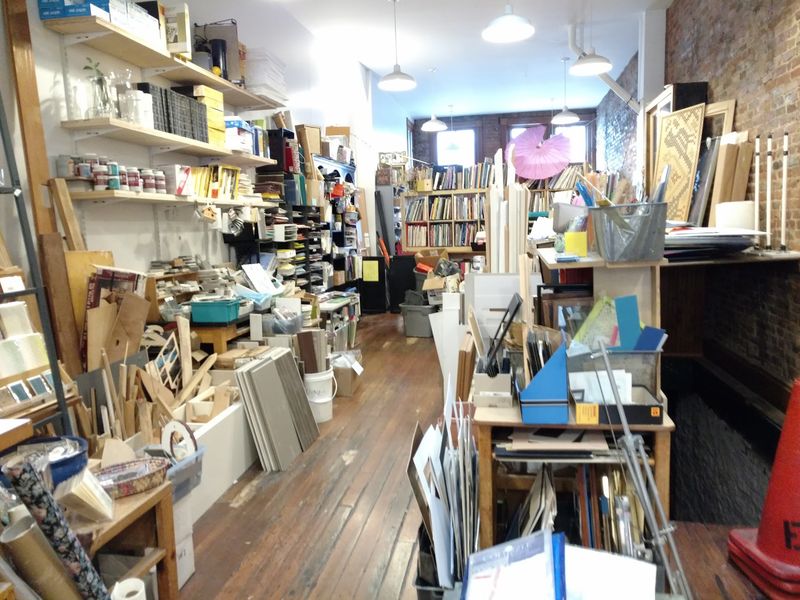
Indigo Hippo flips the usual store rules on their head. This nonprofit creative reuse center in Cincinnati lets shoppers pay what they can for nearly everything.
That means a college student and a retired painter can browse the same aisle without worrying about the total. The goal is simple: make creativity reachable for anyone who walks through the door. Money shouldn’t decide who gets to make art.
Feeling nervous about picking a number? Plenty of first-timers feel that way. The store uses color-coded suggested price ranges to help, so you aren’t guessing in the dark.
Here’s a practical tip. Pay a little more when you can, and pay less when money is tight. Both choices keep the system working, since the store runs as a 501(c)(3) nonprofit.
There’s also a Free Shelf for anyone who needs a starting point. Grab some paper, a few buttons, or a mystery bundle of yarn. Then see where your imagination takes it.
I love that this model treats shoppers like grown-ups. It trusts people to be fair. That kind of trust feels rare, and it makes every purchase feel a bit more meaningful than swiping a card at a big-box chain.
2. Half A Box Of Markers Is Sometimes All You Need
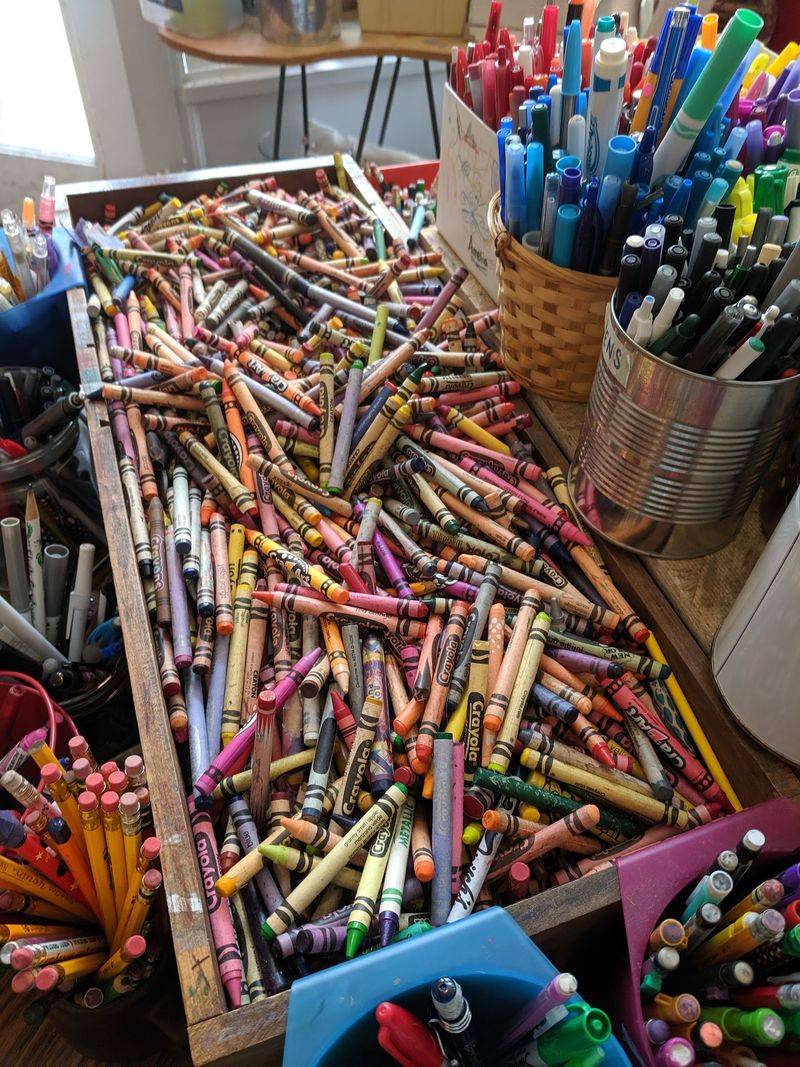
Buying a giant pack of construction paper for one school project feels silly. At this shop, you can grab only what you need and leave the rest for someone else.
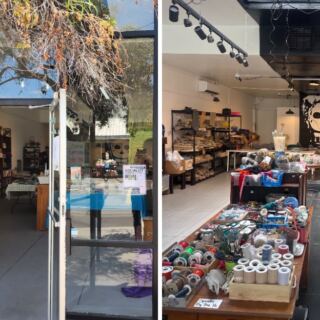
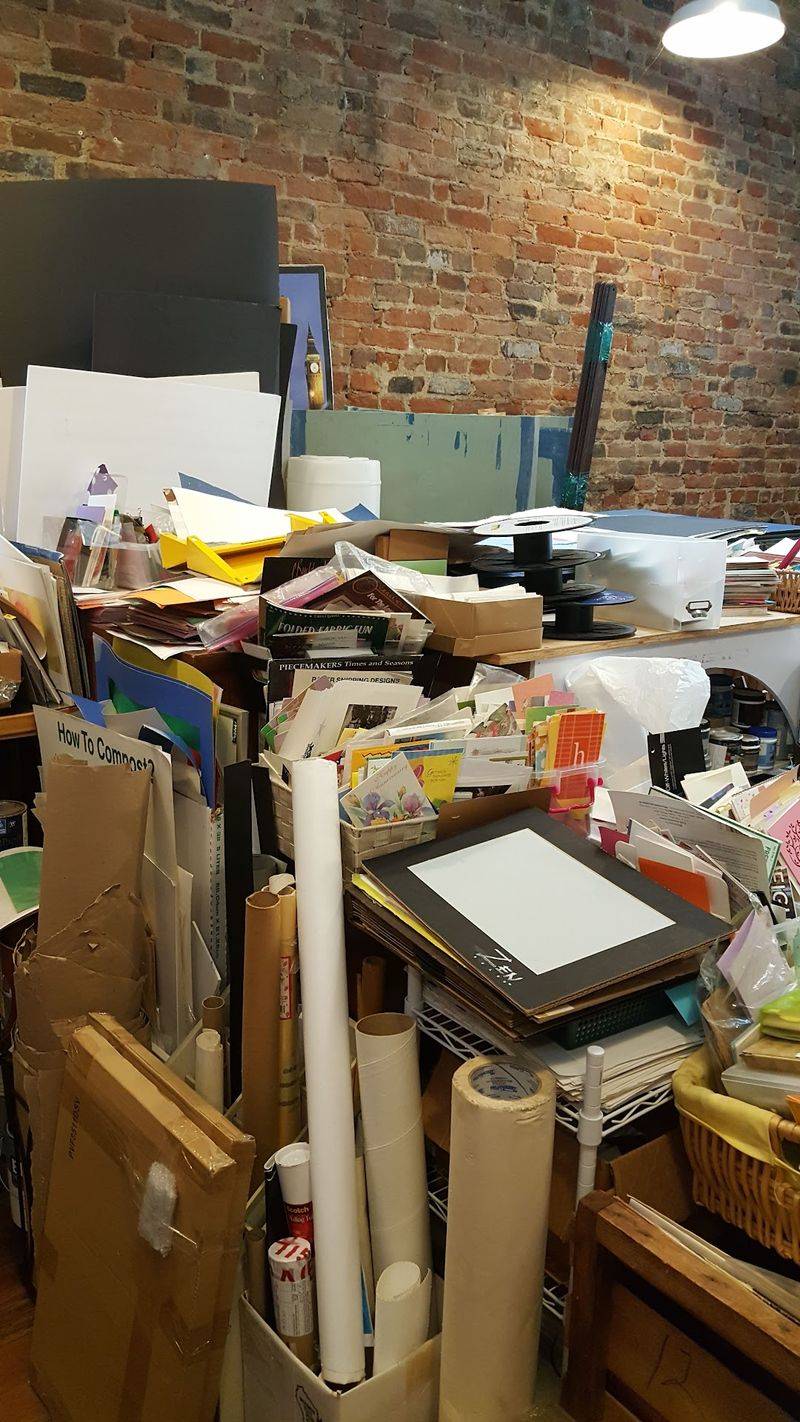
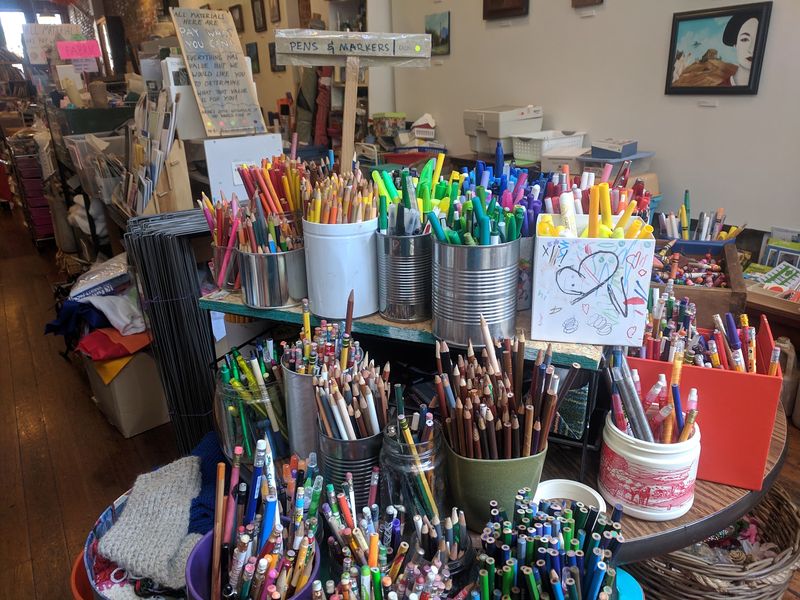
The shelves hold a little bit of everything. You might spot beads, stamps, stickers, chalk pastels, buttons, zippers, yarn, and printmaking supplies. Kids’ craft kits and holiday materials show up too.
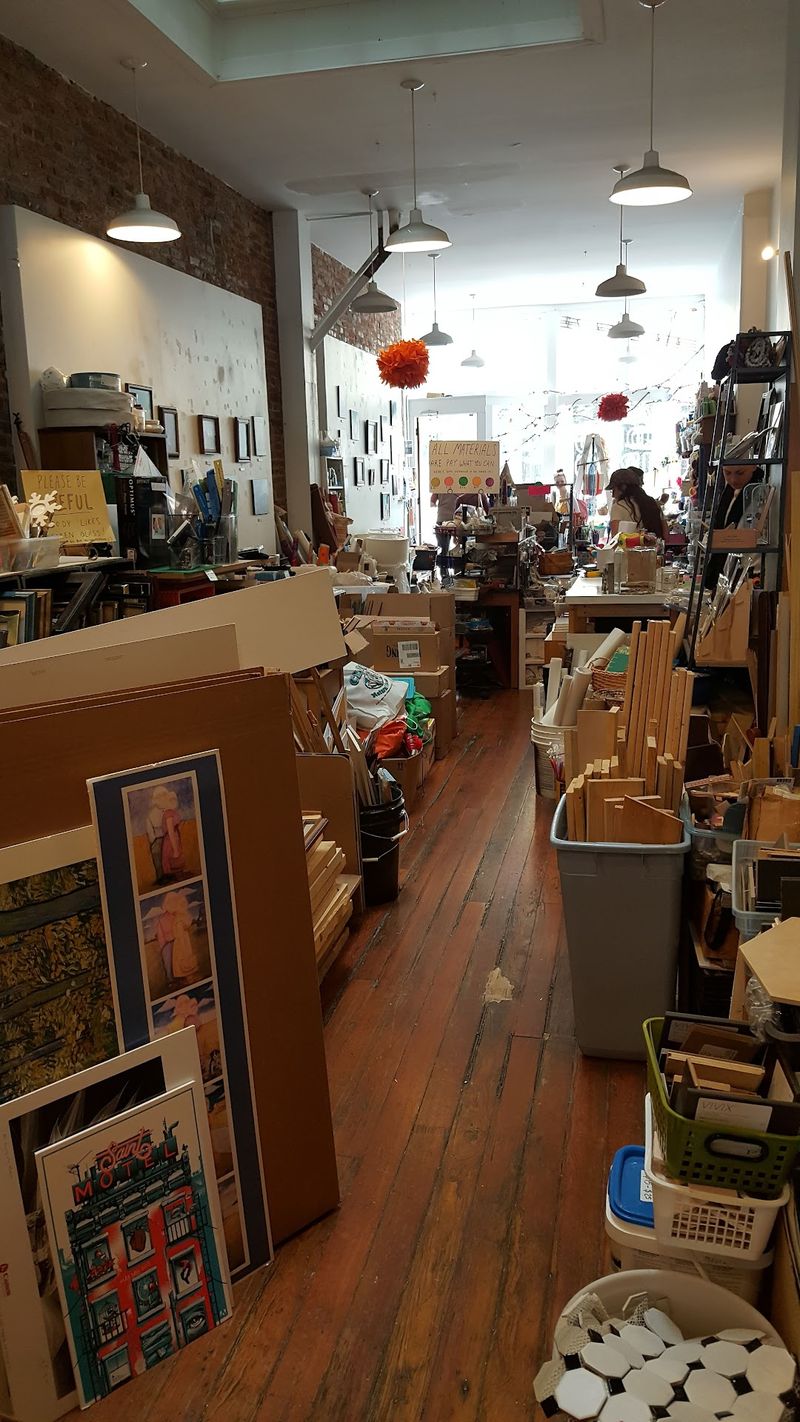
Since everything comes from donations, the selection changes constantly. Something you see on Wednesday could be gone by Friday. That’s part of the fun, and also a good reason not to wait.
Teachers can stretch tight classroom budgets here. Jewelry makers can hunt for odd findings. Parents can stock up for rainy afternoons without spending a fortune on brand-new packages.
My advice is to bring a loose plan instead of a strict list. If you need glue and paper, great. But leave room for surprises, because the best finds often come from the bin you didn’t plan to open.
Think of it as a treasure hunt with a creative payoff. You leave with supplies, and maybe a brand-new idea you didn’t have when you arrived.
3. Local Artists Actually Get Paid Here, Which Is A Big Deal
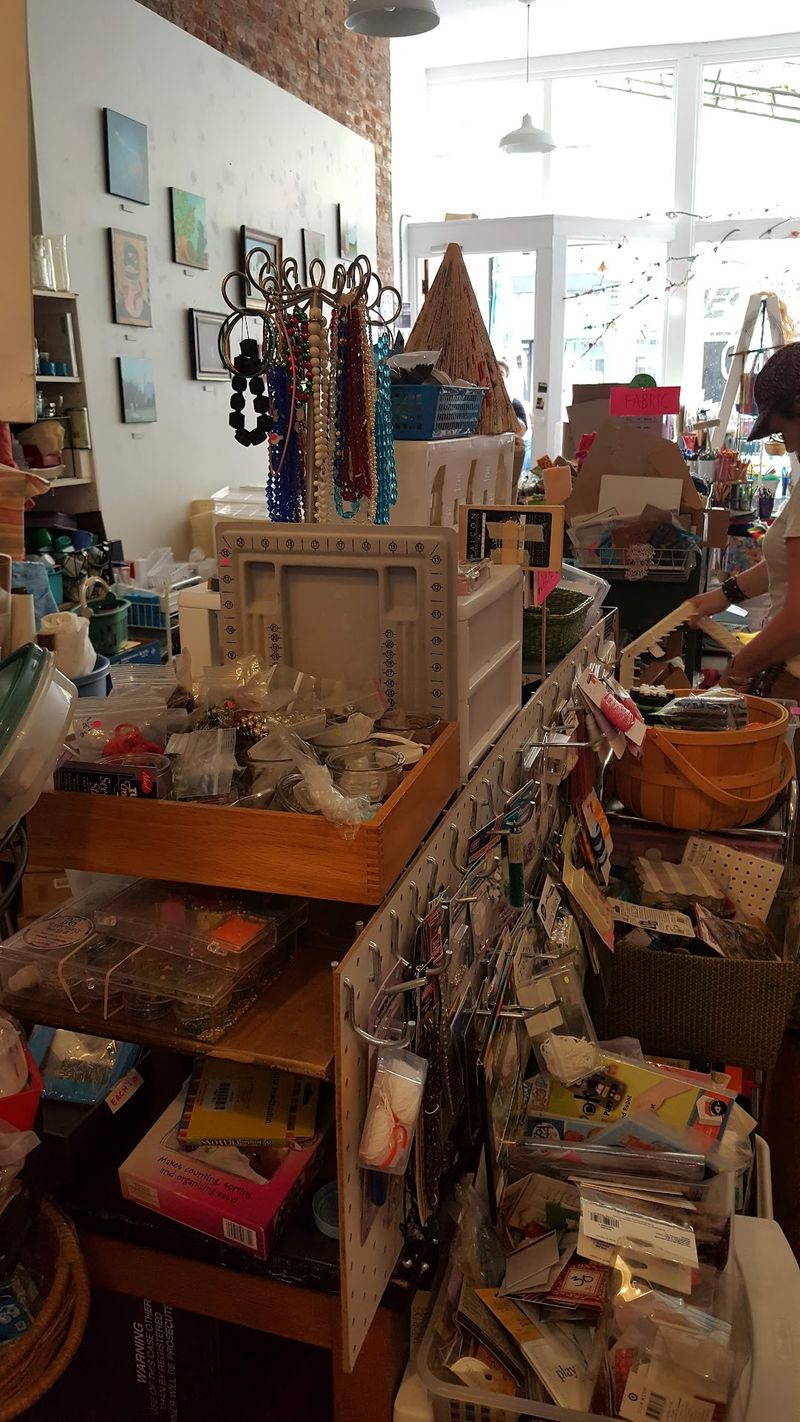
Sixty percent. That’s the share of each gallery sale that goes straight to the artist at Indigo Hippo.
The store runs a community gallery inside its space. Local artists can display and sell their work there. It’s a real chance for emerging makers to get eyes on their pieces.
The gallery gives priority to Cincinnati-area artists who use creative reuse or recycling in their work. So you might see sculptures, collages, or mixed media pieces built from materials that once looked like junk. That fits the store’s mission perfectly.
For shoppers, it’s an easy way to support someone in your own community. A small purchase can help an artist cover supplies or rent. That’s way more personal than buying mass-produced wall decor.
For artists, it’s worth asking how to get involved. Showing work in a busy neighborhood shop can build confidence and connections. Every artist needs a first wall somewhere.
I believe galleries like this matter more than fancy downtown spaces sometimes admit. They open doors for people who might never get a call from a big museum. And the art often tells a great story about reuse.
4. Your Craft Closet Clutter Could Become Someone’s Masterpiece
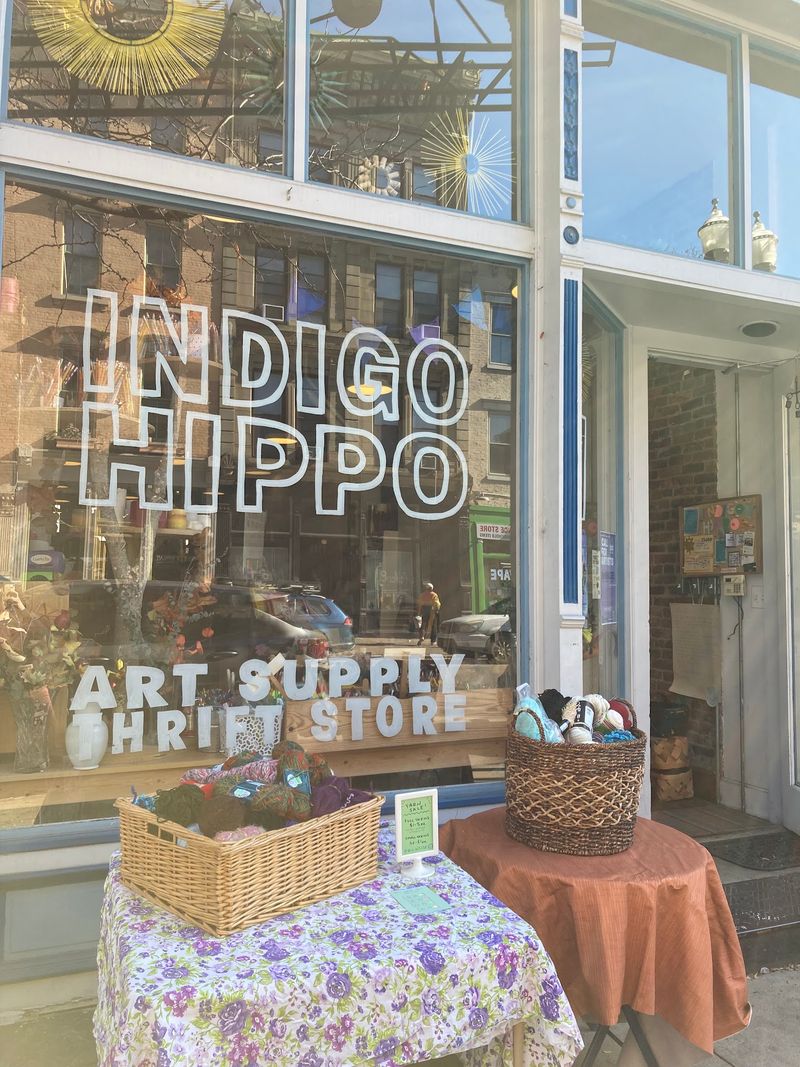
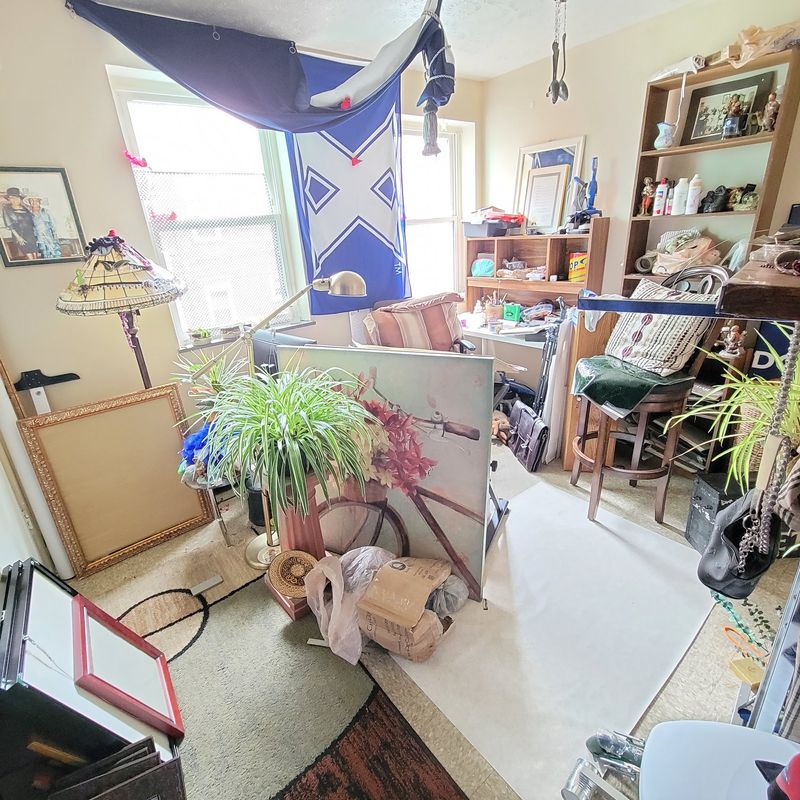
Everyone has that drawer. Old paintbrushes, extra ribbon, a half-finished knitting kit, and stickers from a hobby that faded years ago.
Indigo Hippo wants those things. The store accepts donations of new and gently used art supplies. Then it puts them back into circulation for the community to use.
Keeping materials out of the waste stream is a core part of the nonprofit’s mission. Each donation means fewer usable supplies ending up in a landfill. It also means someone else gets to create without buying new.
Timing matters if you plan to drop things off. Small donations are welcome during regular shopping hours, Wednesday through Saturday from 12 PM to 6 PM. Larger donations require an appointment, with drop-off times available on Tuesdays and Wednesdays from 12 PM to 5 PM.
A quick tip: sort your items before you go. Toss dried-out markers and broken tools. Donate the stuff you’d happily use yourself if you had the time.
I like that donating here feels like passing a baton. Your forgotten supplies get another shot at becoming a birthday card, a classroom project, or gallery art. That’s a pretty satisfying upgrade from collecting dust.
5. Workshops Turn Leftovers Into Something Worth Framing
Learning a new craft is easier with a teacher nearby. Indigo Hippo hosts in-store workshops that help beginners and experienced makers try fresh ideas.
One example is a Mixed Media Florals Workshop. Projects like that show how scrap materials can turn into something beautiful. Suddenly that stack of leftover paper looks a lot more exciting.
Here’s a detail I really appreciate. The store pays the artists who lead these workshops. That supports local creative talent instead of asking them to work for free.
Workshops change over time, so check the store’s event listings before planning a visit. Topics vary, and spots may be limited. Signing up early is usually the smart move.
These classes are great for people who feel stuck. Maybe you bought supplies and never knew what to do with them. A guided session can give you the push you need.
They also make a fun outing with friends. You laugh, you make a mess, and you go home with a finished piece. Honestly, that beats another evening scrolling on the couch by a wide margin.
6. Mark Your Calendar For The Big Annual ReMADE Show
Once a year, the creative reuse spirit gets a party. It’s called ReMADE: A Sustainable Art Experience, and it’s one of Indigo Hippo’s signature events.
ReMADE works as both a fundraiser and an open gallery show. It celebrates local artists along with the nonprofit’s mission. Expect artwork built with sustainability in mind.
This event helps keep the store running. Like many nonprofits, Indigo Hippo depends on community support. In June 2024, it even launched a fundraiser to help sustain its operations.
So showing up matters. Attending ReMADE is a fun way to back the organization while seeing what local makers can do. You’ll likely leave with ideas for your own projects too.
Artists should keep an eye out for calls for entries. Showing work in a themed exhibit can be a great resume boost. It also connects you with people who care about reuse as much as you do.
Dates change each year, so follow the store’s announcements. I think events like this prove that sustainable art isn’t a gimmick. It’s clever, beautiful, and sometimes surprisingly funny, which is exactly what good art should be.
7. The Good Work Reaches Far Beyond The Shop Floor
Not every supply leaves through the front door with a shopper. Some head out to help other local groups do their work.
Indigo Hippo partners with Cincinnati nonprofits and community organizations. It supplies materials for their programs and outreach efforts. That means kids’ programs and community projects can get creative without blowing their budgets.
This approach multiplies the impact of every donation. A box of markers might reach a classroom, an after-school group, or a neighborhood art project. One gift ends up touching many hands.
Since founding in March 2016, the organization has built its mission around three big ideas. It wants to broaden access to creativity, reduce waste, and inspire possibility. Partnerships help it reach all three.
If you run a nonprofit in Ohio’s Queen City, it’s worth reaching out. Supplies can make a huge difference for groups working on tight funding. The store knows that challenge well.
I find this part of the story especially encouraging. A thrift shop could easily stop at selling stuff. Instead, it acts like a hub that keeps creativity flowing across the whole community, which feels generous and smart.
8. Plan Around These Hours So You Don’t Hit A Locked Door
Showing up on a Monday would be a sad surprise. Indigo Hippo keeps a fairly short schedule, so a little planning goes a long way.
In-store shopping runs Wednesday through Saturday, from 12 PM to 6 PM. The shop is closed Sunday and Monday. Tuesday is reserved for donations and order pick-ups from 12 PM to 5 PM.
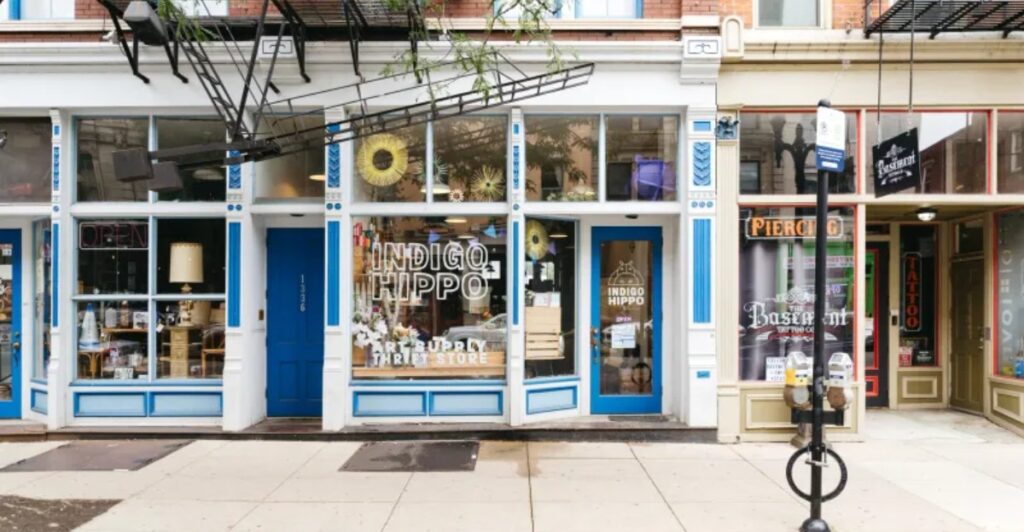
You’ll find the store at 1334 Main St., Cincinnati, OH 45202. It sits in the Over-the-Rhine neighborhood, an area known for its historic streets and creative energy. That makes it easy to pair a shopping trip with a stroll.
Afternoon hours work well for weekend browsers. Arrive with enough time to look carefully, because the good stuff hides in small bins. Rushing is the enemy of a great find.
Bring a tote bag if you can. It’s a small habit that fits the store’s low-waste mission. Plus, you’ll probably buy more than you planned.
Out-of-towners visiting Cincinnati should add this stop to their list. Forgot your sketchbook or watercolors on a trip? This could be your rescue mission, Ohio style.
9. A Few Smart Moves Make Every Visit Even Better
Treasure hunters know the drill. Go often, stay curious, and never assume today’s shelves will look like last week’s.
At Indigo Hippo, inventory changes all the time because donations keep arriving. Frequent visits give you the best shot at scoring something special. Think of it as a library where the books swap themselves.
Start with the Free Shelf. It’s an easy way to test new materials without pressure. Then work your way through the categories that match your current project.
Shopping with kids? Give them a small mission, like finding supplies for one specific craft. It keeps browsing focused and makes them feel like real artists.
Remember the bigger picture too. Every purchase supports a nonprofit that reduces waste and funds local creative programs. Your pay-what-you-can amount helps decide how far that good work stretches.
Finally, stick around for the art on display. Seeing what Cincinnati makers create from reused materials might spark your next idea. I can’t think of a better souvenir than inspiration.
This Ohio shop proves art supplies deserve second chances. Honestly, so do our creative dreams. Go grab a few.
Share this story