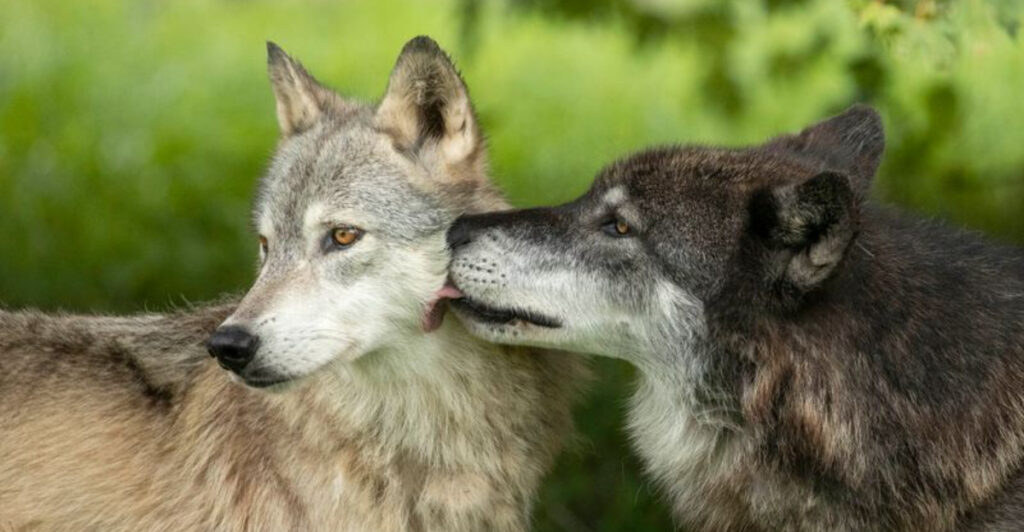
Hearing a wolf howl across the Indiana countryside is an experience most visitors never expect to have. At Wolf Park in Battle Ground, that unforgettable moment is part of a larger mission centered on wildlife education, behavioral research, and conservation.
Guided tours introduce visitors to gray wolves and coyotes while knowledgeable staff explain how these fascinating animals communicate, interact, and behave within their habitats. Rather than simply viewing wildlife from afar, guests leave with a deeper understanding of species that are often surrounded by myths and misconceptions. For animal lovers, this unusual Indiana destination offers an experience that’s both educational and memorable.
A Walk Into Open Country and Wolf Territory
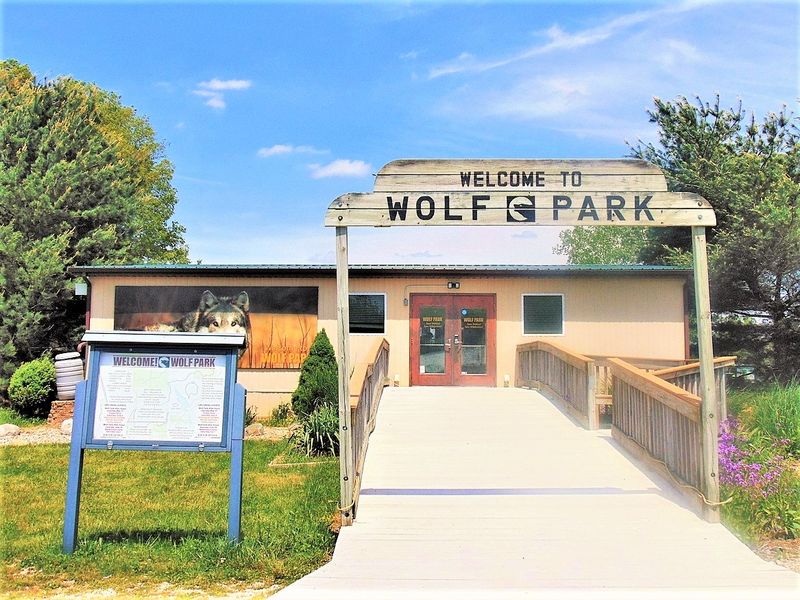
Plenty of wildlife places begin with a parking lot and a quick glance at a map. Wolf Park starts with a different mood.
The setting in rural Battle Ground opens into grass, trees, and large habitat spaces that immediately shift attention away from traffic and errands and toward the land itself.
That first visual matters because wolves and coyotes do not belong in cramped, flashy surroundings. At Wolf Park, the landscape supports the story being told.
The grounds are neat and easy to move through, but they still keep a natural look that fits the animals far better than a polished theme park style ever could.
Visitors often notice how much room the enclosures have and how the habitats blend into the wider property. Fences are there for safety, of course, yet the impression is still one of space.
Shade trees, grass, and open areas create a more honest backdrop for watching animal behavior. The walk between stops adds to the experience. Instead of rushing from one exhibit to another, people move through the park at a pace that gives time to look, listen, and settle in.
A distant movement in the grass or a sudden howl can completely change the energy of the tour. Because the park is a nonprofit conservation center, the place carries a practical purpose as well as visual appeal.
The layout helps explain that these animals are being studied, cared for, and interpreted, not displayed as props. That difference comes through before a guide even begins talking.
For anyone expecting a small roadside attraction, the setting is the first surprise. Wolf Park looks and functions like a place built around animal education.
The countryside location gives the guided tour a stronger sense of place, and that makes the wolf habitat experience more compelling from the very start.
Guided Tours Turn a Sighting Into a Real Lesson
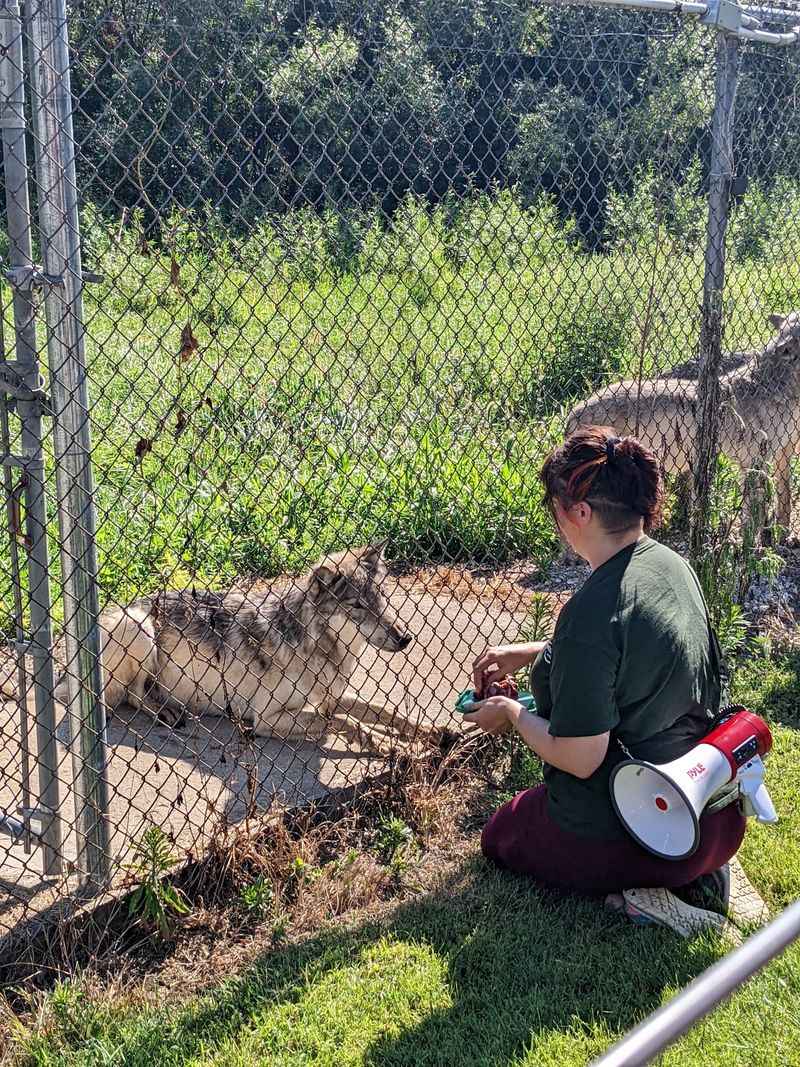
Seeing a wolf is exciting on its own, but the guided tour is what gives the visit real depth. At Wolf Park, the walk is not built around random facts or quick photo stops.
Guides explain animal behavior, pack dynamics, conservation ideas, and the daily realities of caring for wolves and coyotes.
That structure changes the whole outing. Instead of staring across a fence and guessing what an animal is doing, visitors hear why a wolf may be resting in shade, pacing, watching a handler, or vocalizing toward another part of the habitat.
Even quiet moments become more interesting when they are explained clearly. The tours also help set expectations in a smart, honest way. Wild canines are not performers, and activity levels can shift with weather and time of day.
On warmer afternoons, some animals may lounge in cooler spots, while evening hours or mild weather can bring more movement and sharper views.
Another strength is the human side of the tour. Wolf Park is known for guides who speak with enthusiasm and answer questions in plain language.
That matters for families, school-age kids, and adults who want to learn without feeling like they are sitting through a stiff lecture.
Walking with a guide also helps visitors notice details they might miss alone. Ear position, body posture, howls, feeding routines, and social spacing all become clues instead of background scenery.
A simple moment, like one wolf watching another across the enclosure, starts to tell a story. For the price and time involved, the tour appears to be the smartest way to experience the property. It is active, educational, and easy to follow.
More than anything, it gives context, and context is what turns a rare animal sighting into a meaningful Indiana wildlife experience.
Gray Wolves Take Center Stage, and They Earn It
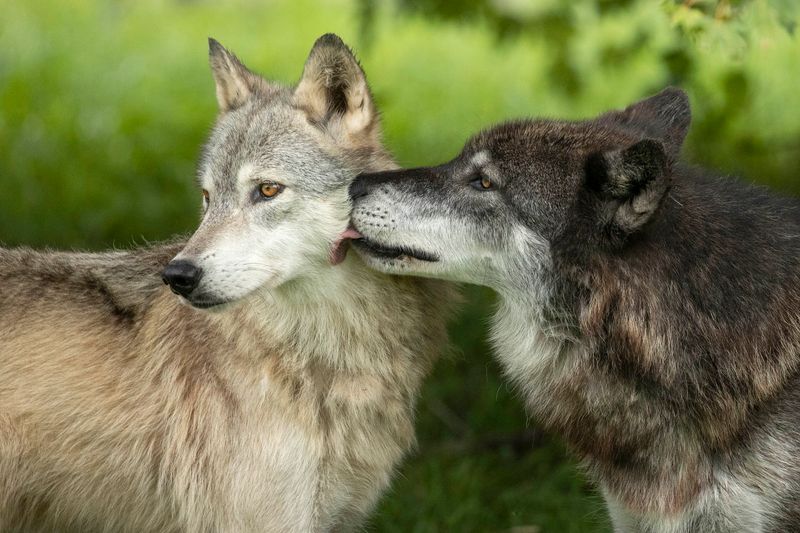
Nothing at Wolf Park competes with the pull of the gray wolves. They are the reason many people make the drive, and once the tour reaches their habitat, the energy shifts fast.
Conversations get quieter, cameras come up, and everyone starts scanning the landscape for movement. Part of the appeal is how unpredictable the wolves can be. One visit might bring howling, pacing, and social interaction.
Another might offer a calmer look at animals resting in shade, lifting their heads now and then, and showing how much watchfulness can happen even during stillness.
That unpredictability actually helps the experience. It reminds visitors that wolves do not operate on a show schedule.
The point is not guaranteed action every minute. The point is the chance to observe real behavior while learning how these animals communicate, relate to one another, and use space.
Wolf Park also helps correct the cartoon version of wolves that many people grow up with. On tour, wolves come across as intelligent, observant, and socially complex.
Guides can explain pack structure, interactions between individual animals, and how behavior shifts depending on age, season, and weather.
Close viewing opportunities are a major reason the guided experience stands out. Even when a few wolves stay farther back, others may be visible enough for visitors to notice body shape, coat color, movement, and facial expression.
Hearing a howl on site adds another layer that photos alone can never deliver. For families with older kids, curious adults, and anyone who has only seen wolves in books or documentaries, the encounter is hard to match in Indiana. The wolves are not presented as monsters or mascots.
They are treated as animals worth understanding, and that respectful approach gives the whole experience more power.
Coyotes Bring a Wilder, More Familiar Kind of Mystery
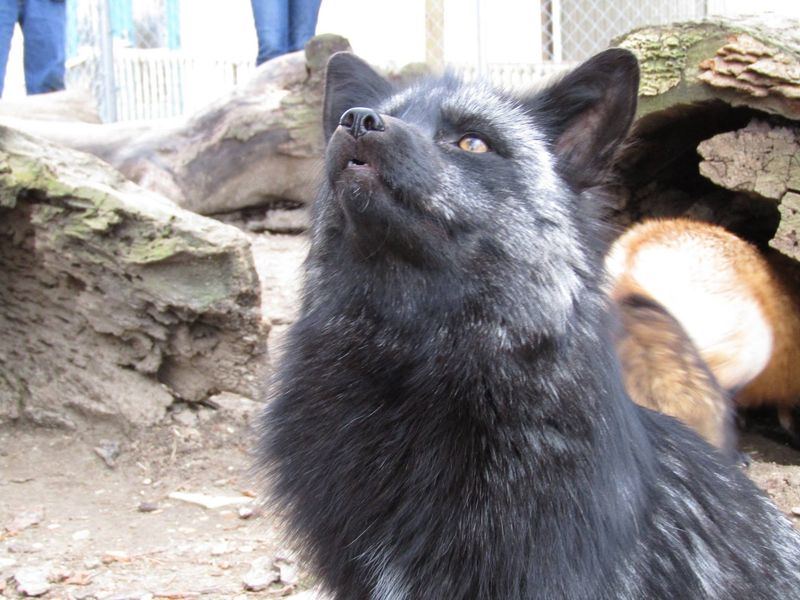
Coyotes do not always get the same star treatment as wolves, yet their presence at Wolf Park adds an especially useful layer to the visit. They are familiar to many Americans in name, but not in any deep way.
Most people know coyotes through stories, warnings, or quick roadside sightings. That gap between recognition and understanding is exactly why seeing them here matters. In a guided setting, coyotes become more than background canines.
Visitors can learn how they differ from wolves in size, behavior, and social patterns, and why they have adapted so well to changing landscapes.
Watching a coyote up close can be surprisingly engaging. Their movements often look light, quick, and sharp, with an alertness that reads differently from the heavier presence of a gray wolf.
Even simple actions, like turning to listen or cutting across an enclosure, show how tuned in they are. The coyotes also help broaden the park’s message. Wolf Park is not only about one dramatic species.
It is about canids, behavior, conservation, and the challenge of understanding animals that often live near people but remain misunderstood. That makes the coyote habitat more than an extra stop on the route.
For younger visitors especially, the comparison is helpful. Wolves may seem huge and distant in the imagination, while coyotes connect more directly to life in North America today.
Learning about both species in one place makes it easier to understand the range within the canine world. Indiana does not offer many chances to explore coyote behavior in such an organized way. At Wolf Park, their role adds balance to the tour.
The wolves may draw the first burst of excitement, but the coyotes often leave visitors with a sharper sense of how wild animals survive, adapt, and share space with humans.
More Than Wolves, Foxes and Bison Expand the Story
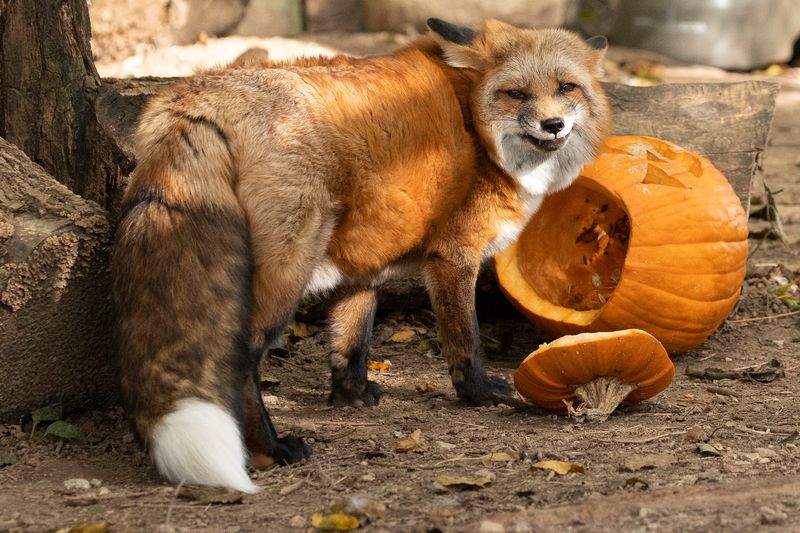
Right when a visit could become too narrow, Wolf Park opens the frame wider. Along with wolves and coyotes, the property includes foxes and bison, which gives the tour a richer rhythm.
The shift from predators to prairie animals keeps the walk from feeling repetitive. Foxes bring a different kind of energy. They are smaller, quicker, and often more playful in appearance, even when they are simply resting or watching from a sheltered spot.
Their presence helps younger visitors connect with the park while still learning that wild animals are not pets, no matter how charming they look.
Bison change the scale entirely. After focusing on the fine details of canine behavior, the sight of a herd out in open ground resets the eye.
Their size, shape, and slow strength add a big-land feeling that fits the rural setting around Battle Ground. These added species also deepen the conservation message. A park centered on wolves could easily stop at wolves.
Instead, Wolf Park shows how animal education becomes stronger when people can compare different species, habitats, and behavior patterns in one visit. That broader view makes the guided tour more layered and more memorable.
There is a practical bonus too. Wildlife visibility always changes, and having several species on the property means the tour stays interesting even if one area is quiet.
On a hot day, for example, wolves may be stretched out in shade while bison remain easier to spot in open space. The extra animals never distract from the main attraction. They support it.
By the time visitors leave, the park reads less like a single-species stop and more like a compact conservation campus. That mix of wolves, coyotes, foxes, and bison gives Wolf Park a stronger identity than the name alone suggests.
Why Indiana Families and Curious Travelers Learn So Much Here
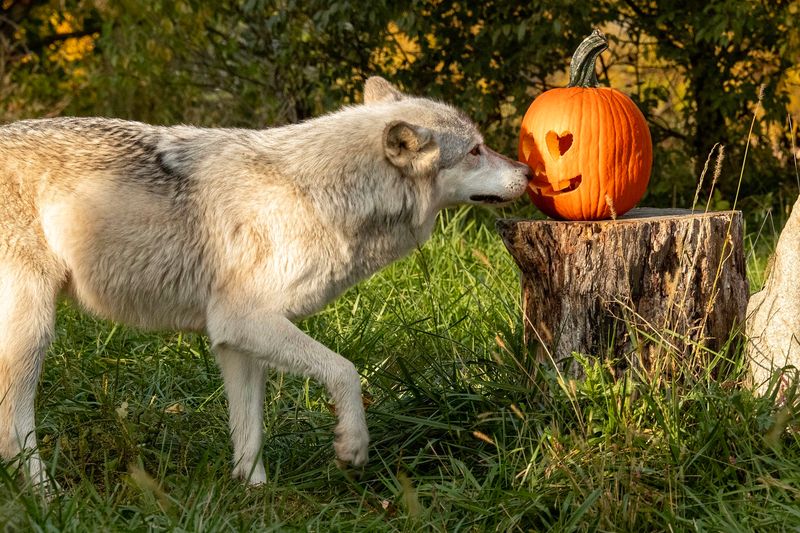
Some attractions are fun for ten minutes and then flatten out. Wolf Park works differently because the experience is built around learning that keeps changing as the tour moves forward.
Kids, teens, and adults are given real information, but it is shared in a way that stays approachable. The park’s nonprofit mission plays a big role in that tone. Education is not treated like a side feature added for school groups.
It is central to how the place operates. Conversations about behavior, habitat, conservation, and animal care are woven directly into the visitor experience.
That makes Wolf Park especially strong for families looking for more than a simple outing. A child might arrive excited to see a wolf howl, then leave knowing how weather affects animal activity or how social relationships shape behavior inside a pack.
Adults tend to come away with corrected assumptions too. Indiana travelers who enjoy day trips will likely appreciate how focused the visit feels. There is enough variety to hold attention, but not so much clutter that the message gets lost.
The property is easy to follow, and the guided format keeps everyone moving with a clear purpose. Questions are part of the appeal as well.
A good wildlife tour becomes more valuable when visitors can ask why an animal is separated, why another is resting, or how researchers and caretakers observe patterns over time. That exchange keeps the experience lively and personal without turning it into a performance.
For families raising animal lovers, for grandparents planning a meaningful afternoon, or for adults who simply want a smarter stop near Lafayette and Battle Ground, Wolf Park offers substance. The visit can absolutely be fun, but the bigger strength is how much it teaches without sounding heavy or complicated.
Timing Matters More Than You Might Think
A little planning can make a good Wolf Park visit much better. Because the main experience centers on living animals, timing matters in ways it might not at a museum or standard park.
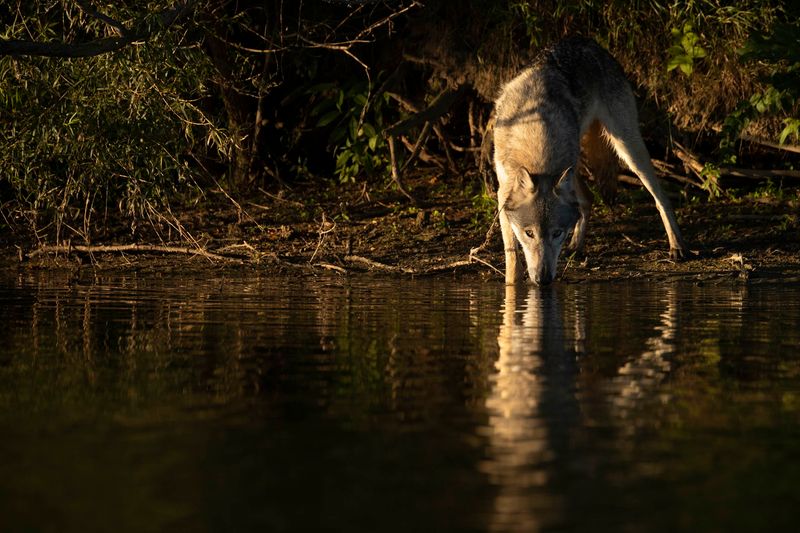
Weather, temperature, and time of day can all affect how active the wolves and coyotes appear. Cooler conditions often bring better movement.
On hot afternoons, wolves may stretch out under shade and conserve energy, which is natural behavior but not always what first-time visitors expect. Late-day tours or milder seasons can improve the odds of seeing more motion and stronger interaction.
The current schedule also helps shape a visit. Wolf Park is closed on Wednesday, with afternoon and evening hours on most weekdays and Sunday, plus broader hours on Saturday.
That setup suggests the park is well suited for a planned side trip rather than a rushed stop squeezed between errands.
Footwear matters too. Guided tours involve walking outdoors, and the route is more enjoyable when visitors dress for the season and the ground conditions.
Water, sun protection, and realistic expectations go a long way, especially in summer. A wildlife tour is always better when nobody is distracted by heat or sore feet.
Choosing the guided option appears especially wise for first-timers. General admission can still offer a look at the property, but the tour gives access to the strongest educational value and the closest understanding of the wolf habitat.
For many travelers, that extra context is the whole reason to come. The final practical note is simple. Build in enough time to move slowly and pay attention.
Wolf Park is not a race through exhibits. The best visits happen when people allow space for a sudden howl, a guide’s explanation, or a quiet minute watching animals settle into the landscape.
Share this story