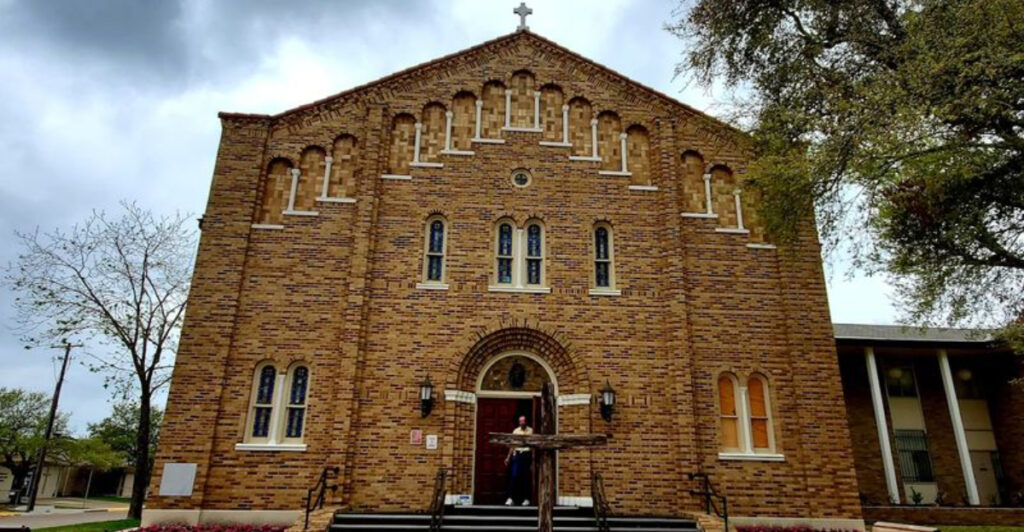
Hidden in Bryan, Texas, this Catholic church stands out as one of the most unique sacred landmarks in the Lone Star State. St. Anthony Catholic Church houses a stunning chapel where every single element tells a story from a different corner of the world. From hand-painted artwork to carefully chosen decorations, this sacred space represents decades of collecting treasures that now create one breathtaking worship experience that draws visitors from near and far.
1. Hand-Painted Walls That Took Years to Complete
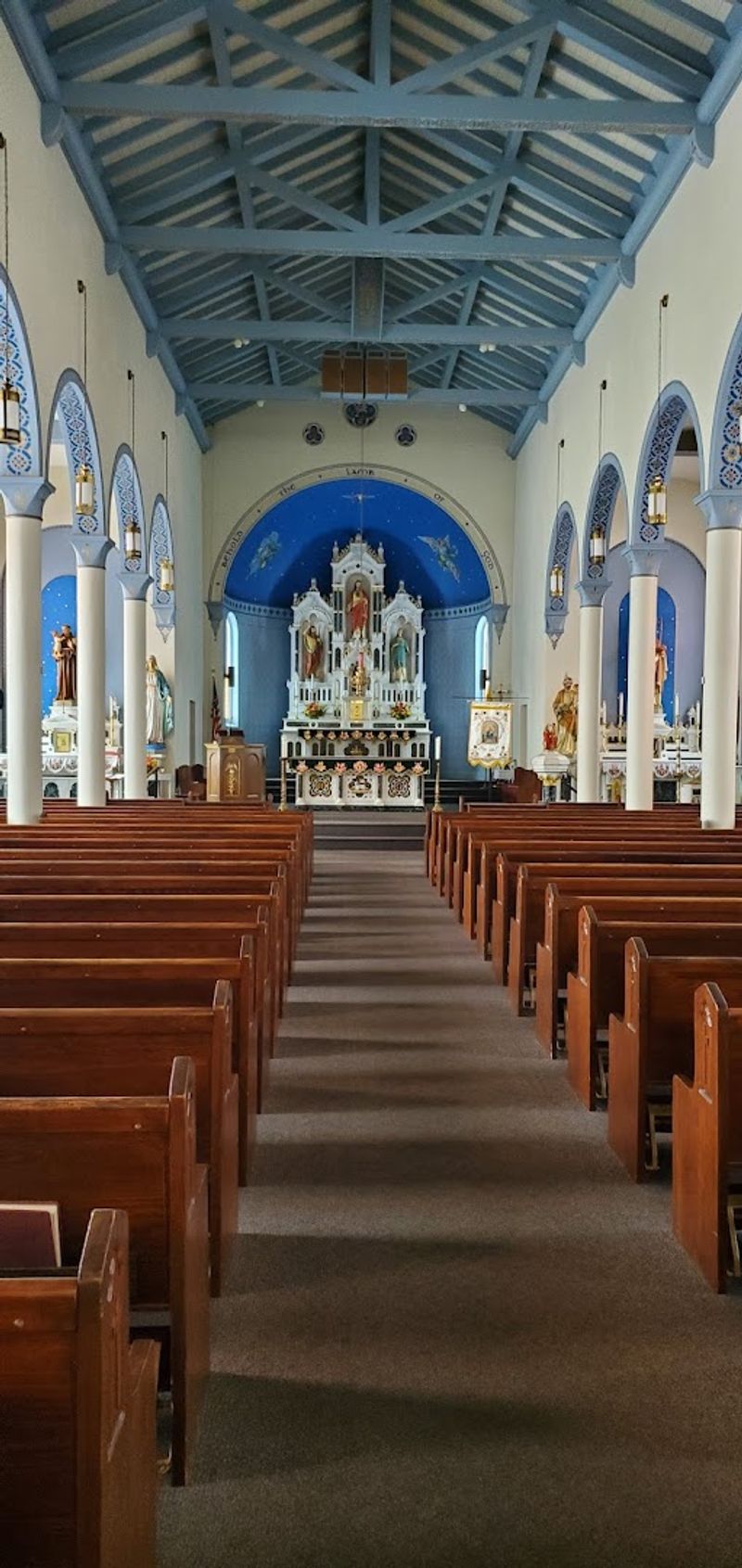
Walking into St. Anthony’s chapel feels like stepping into a European cathedral, thanks to walls covered entirely in hand-painted artwork. Every inch of the interior showcases religious scenes, saints, and symbols that required countless hours of meticulous work. The paintings weren’t rushed or mass-produced but created with devotion and artistic skill that you can see up close.
Artists spent years bringing these walls to life, using techniques and materials sourced from different parts of the world. The colors remain vibrant, and the details are so fine that you’ll notice something new each time you visit. Unlike printed images or modern shortcuts, these paintings carry the human touch of their creators in every brushstroke.
The subjects depicted range from biblical stories to representations of saints who hold special meaning in Catholic tradition. Some sections show scenes from the life of Christ, while others honor Mary and various patron saints. Each painting connects to a larger narrative that helps worshippers reflect on their faith.
What makes this even more special is how the artwork transforms the worship experience. Instead of plain walls, parishioners find themselves surrounded by visual reminders of their beliefs. The hand-painted surfaces create an atmosphere that feels both intimate and grand, turning an ordinary church visit into something memorable and spiritually moving for everyone who enters.
2. Altar Cloths Crafted by Hand Across Continents
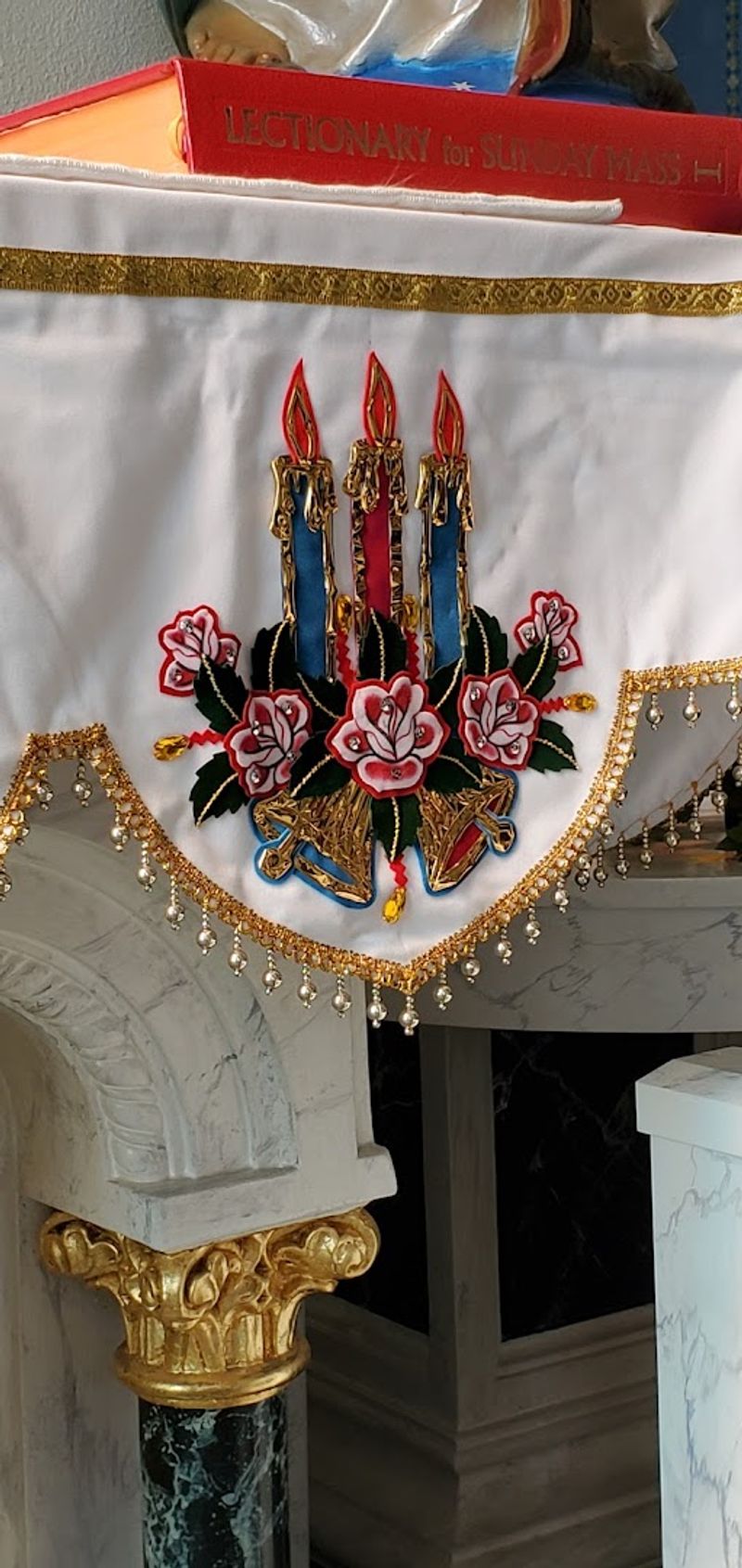
The altar at St. Anthony’s doesn’t use factory-made linens or generic coverings. Instead, you’ll find altar cloths that were painstakingly hand-embroidered by skilled artisans from various countries. These textiles represent different traditions of needlework, each bringing unique patterns and techniques that make them genuine works of art rather than simple church supplies.
Creating these cloths required specialized skills passed down through generations in different cultures. Some feature gold thread that catches the light during services, while others showcase intricate religious symbols stitched with precision. The craftsmanship level is something you’d expect to see in a museum, yet these pieces serve a practical purpose in daily worship.
Each cloth tells its own story about where it came from and who made it. Some arrived as gifts from international communities, while others were specifically commissioned to match the chapel’s global theme. The variety means that different cloths appear throughout the liturgical year, keeping the altar fresh and meaningful for regular attendees.
Touching these textiles isn’t allowed, but even from the pews you can appreciate the detailed work. The combination of different cultural styles creates a visual feast that reminds visitors how Catholic faith connects people worldwide. These aren’t just decorations but functional art pieces that elevate every Mass celebrated at St. Anthony’s, making each service feel more special and connecting Bryan to centuries-old traditions.
3. Stained Glass Windows From European Workshops
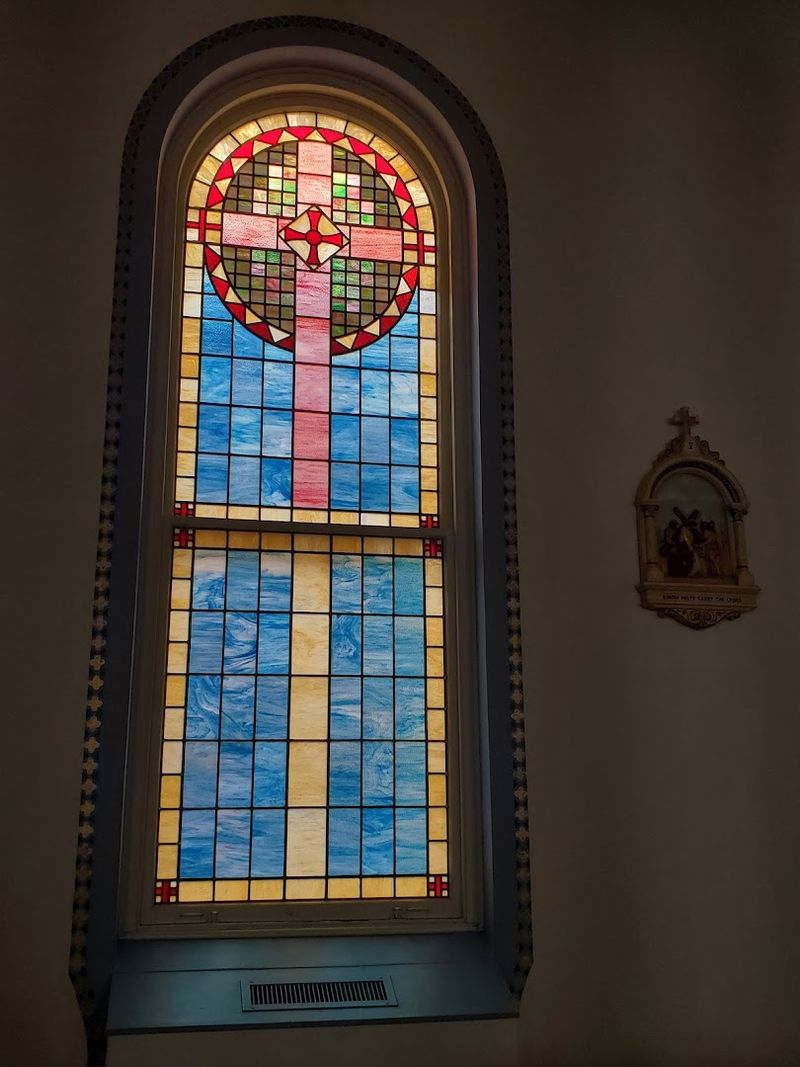
Sunlight filtering through St. Anthony’s stained glass windows creates a kaleidoscope of colors that dance across the pews and floor. These aren’t standard American-made windows but pieces created in European workshops known for centuries of glasswork expertise. The difference shows in the quality of the glass, the depth of colors, and the artistic composition that makes each window a masterpiece.
European craftsmen used traditional methods to create these windows, cutting and assembling each piece by hand. The glass itself came from sources that produce colors you won’t find in modern commercial products. Deep blues, rich reds, and glowing golds combine to illustrate religious stories that congregation members can read visually during services.
Each window depicts different saints, biblical events, or religious symbols that hold meaning in Catholic tradition. The scenes were carefully chosen to complement the chapel’s overall theme and inspire worshippers. When sunlight hits them just right, the entire interior transforms into a glowing sanctuary that feels otherworldly.
The windows also serve a practical purpose beyond beauty, controlling how much natural light enters while maintaining privacy. But their real value lies in how they elevate the worship experience, creating an atmosphere that helps people focus on spiritual matters. Visitors often spend extra time after services studying the windows, discovering details they missed before and appreciating the international artistry that makes St. Anthony’s chapel truly unique in Texas.
4. Imported Marble and Stone From Holy Sites
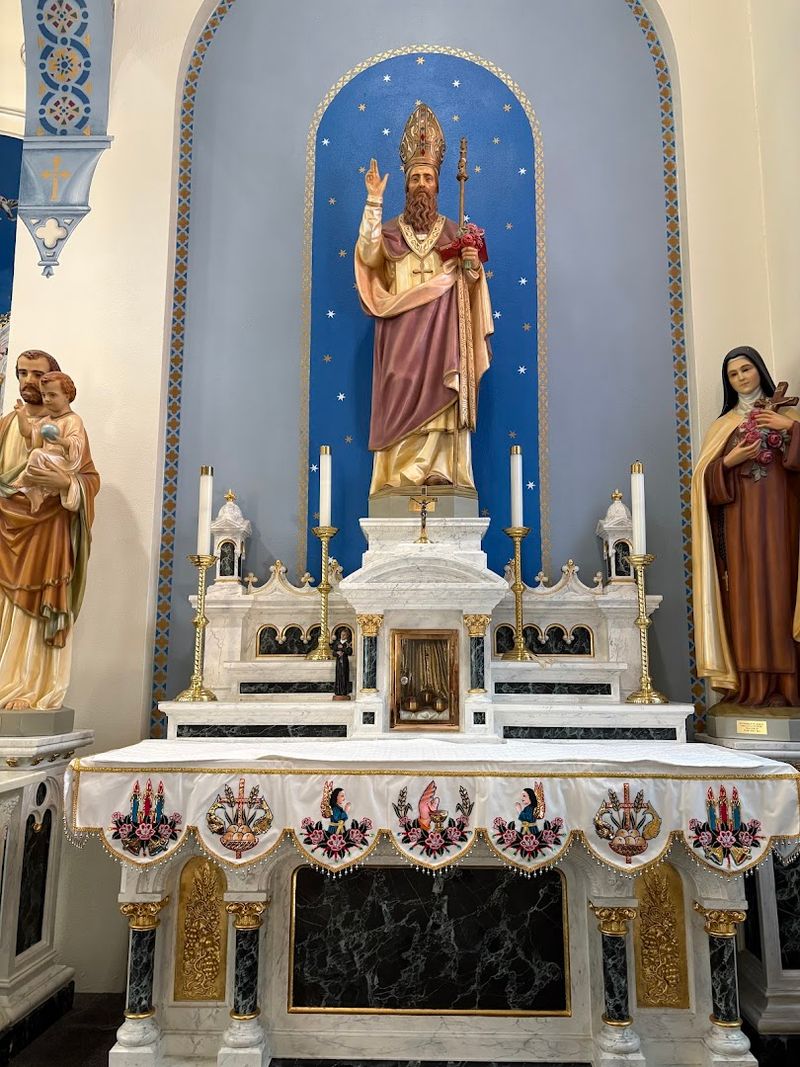
The foundation and key structural elements of St. Anthony’s chapel incorporate marble and stone brought from significant religious sites around the world. This wasn’t done for show but to create physical connections between this Texas church and places that hold deep meaning in Catholic history. Pieces of stone from holy locations now form part of the altar, floors, and other important areas.
Getting these materials to Bryan required careful planning and significant effort. Each piece had to be properly documented, transported across oceans, and installed by craftsmen who understood their significance. The marble shows quality that local quarries couldn’t match, with unique veining and colors that reflect their geographic origins.
Some stones came from regions associated with saints or important Church events, making them more than just building materials. They carry spiritual weight for believers who recognize their origins. Walking on floors made from imported stone or kneeling at an altar with international marble creates a tangible link to global Catholic heritage.
The durability of these materials means they’ll serve the parish for generations, outlasting modern alternatives. Their presence reminds visitors that St. Anthony’s isn’t just a local church but part of a worldwide faith community. The cool touch of marble and the solid feel of ancient stone under your feet add sensory dimensions to worship that plastic or cheap materials never could, grounding the spiritual experience in something real and permanent.
5. International Statues and Religious Figures
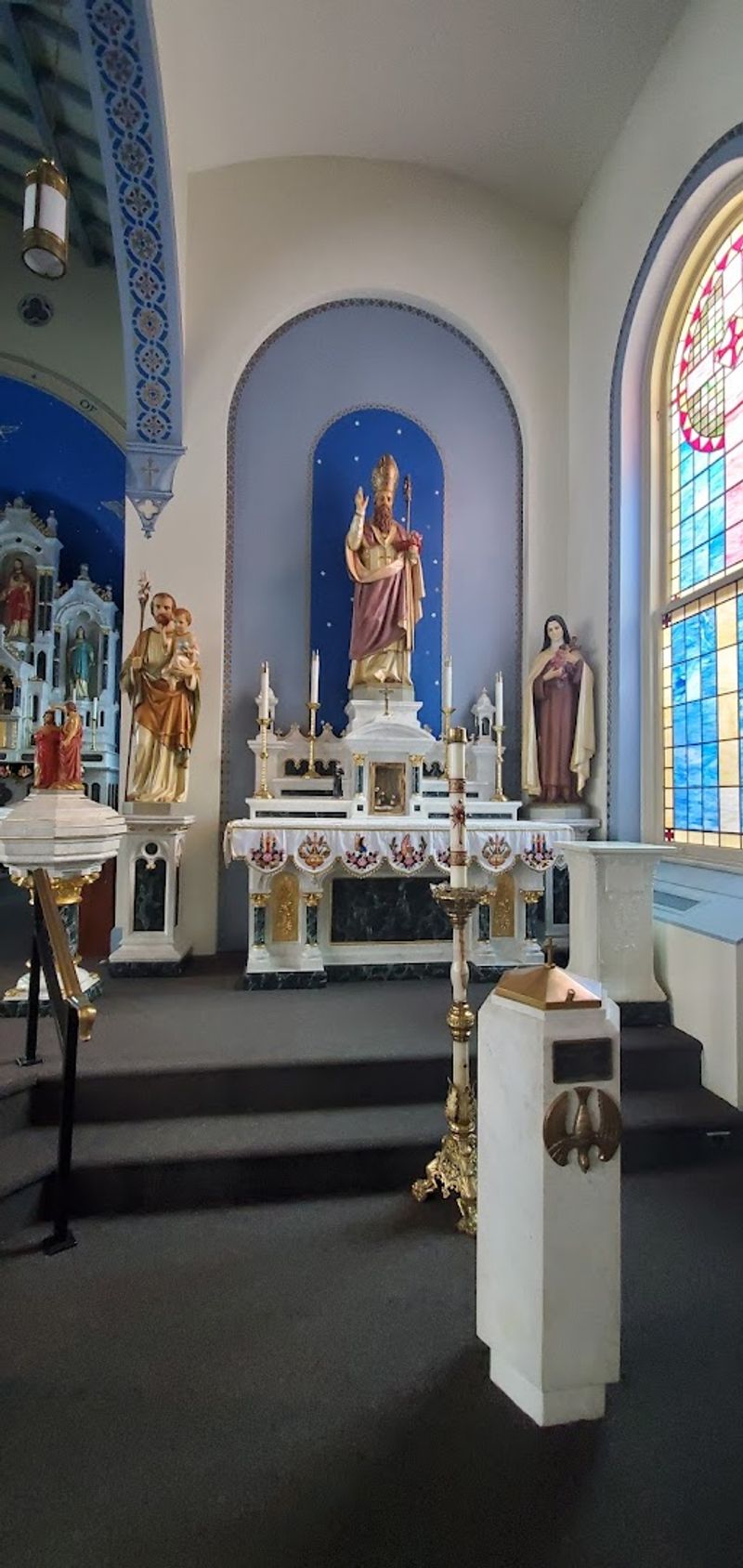
St. Anthony’s chapel houses an impressive collection of religious statues that originated in different countries, each representing distinct artistic traditions. These aren’t mass-produced plaster figures but carefully selected pieces that showcase how various cultures depict saints and religious subjects. Some statues display Italian craftsmanship, while others reflect Spanish, German, or Polish artistic styles, creating a truly international gallery of sacred art.
The statues vary in size, material, and age, with some being genuine antiques and others contemporary pieces commissioned from master sculptors. Wood carvings stand alongside ceramic figures and bronze castings, each medium offering different artistic possibilities. The facial expressions, clothing details, and poses reveal the cultural context in which each piece was created, making them educational as well as devotional.
Parishioners often light candles near their favorite statues, creating intimate prayer spaces within the larger chapel. Each figure represents a different saint with specific patronages, allowing worshippers to seek intercession for particular needs. The variety means almost everyone can find a saint they connect with personally, making the chapel feel welcoming to diverse backgrounds.
Collectors and church historians visit specifically to study these statues, recognizing rare pieces and appreciating the quality. But for regular attendees, they’re beloved companions in faith rather than museum artifacts. The statues create focal points throughout the chapel, drawing eyes upward and encouraging contemplation, while their international origins remind everyone that Catholic faith transcends borders and brings people together across cultures.
6. Ornate Crucifix With Historical Significance
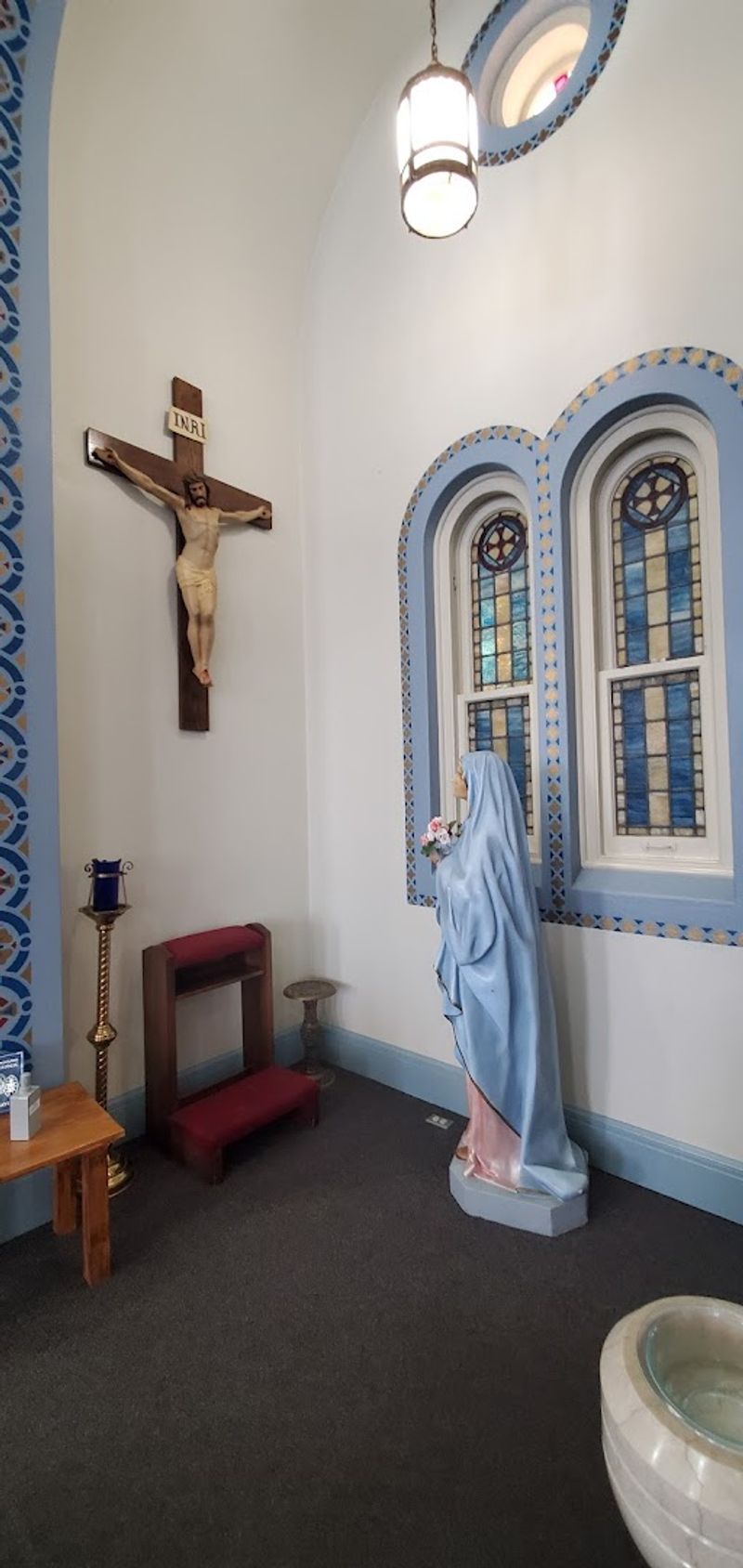
The crucifix commanding attention above St. Anthony’s altar isn’t a modern reproduction but a piece with genuine historical significance. Its origins trace back to a European workshop that created religious art for churches during a time when such items were considered essential investments rather than simple decorations. The metalwork shows craftsmanship that modern mass production can’t replicate, with details that reward close examination.
Artists shaped every element of this crucifix by hand, from the figure of Christ to the decorative elements surrounding it. The metal has developed a patina over time that adds character and depth you won’t find on newer pieces. Gold leaf still clings to certain sections, catching candlelight during evening services and creating a focal point that naturally draws eyes upward.
The crucifix came to Bryan through connections between St. Anthony’s and international Catholic communities. Its journey from Europe to Texas represents the global nature of the Church and how sacred objects can find new homes where they’ll be appreciated. Knowing its history adds weight to its presence, making it more than just a symbol but a witness to decades of faith.
During Mass, the crucifix serves as the central visual reminder of Christ’s sacrifice, positioned where everyone can see it clearly. Its size and artistic quality make it impossible to ignore, keeping worshippers focused on the core of their beliefs. The combination of beauty, history, and spiritual significance makes this crucifix one of the chapel’s most treasured elements.
7. Handcrafted Wooden Pews From Traditional Carpentry
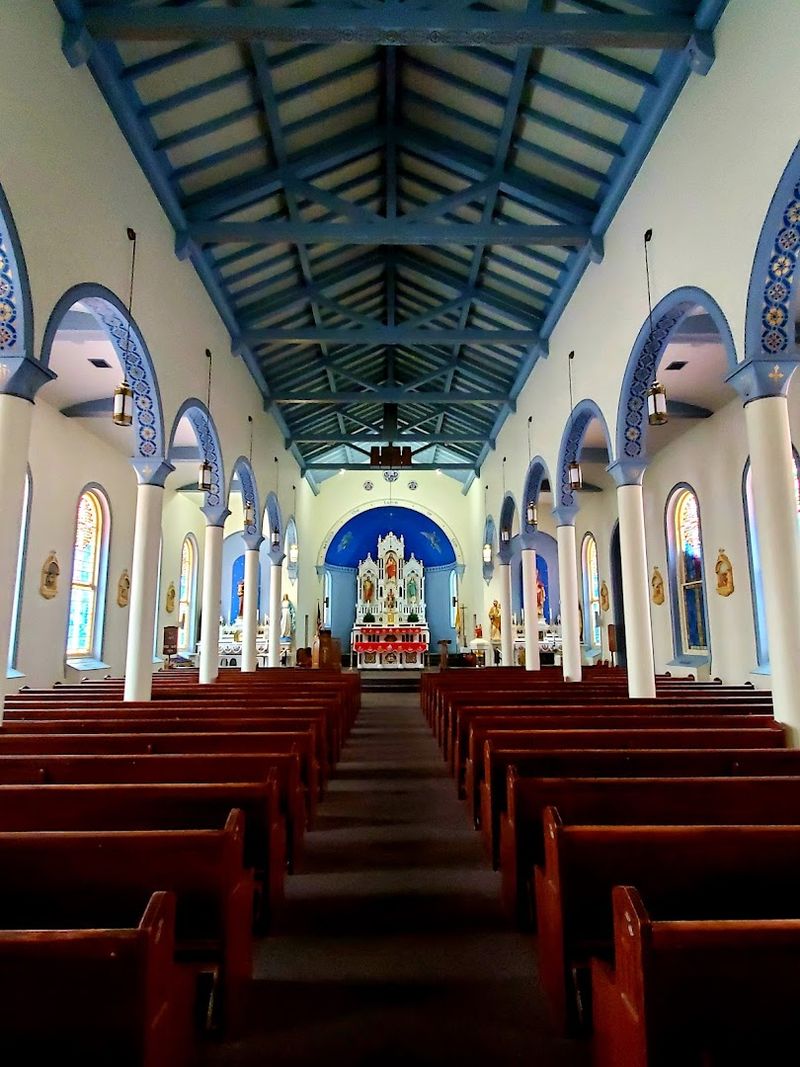
Sitting in St. Anthony’s pews means experiencing furniture that was built using old-world carpentry techniques rather than modern manufacturing shortcuts. The wooden benches creak authentically under weight, a sound that longtime parishioners find comforting and familiar. Each pew was handcrafted by skilled woodworkers who understood that church furniture needed to last for generations while remaining beautiful and functional.
The wood itself came from sources chosen for durability and appearance, with grain patterns that make each pew slightly unique. Carved details on the ends and armrests show attention to aesthetics beyond basic functionality. The finish has been maintained over decades, developing a warm patina that reflects countless hours of use by worshippers seeking spiritual connection.
Unlike modern seating that prioritizes efficiency, these pews were designed with thought given to their role in worship. The spacing allows for kneeling, the backs provide support during longer services, and the overall construction creates an atmosphere of reverence. They’re not the most comfortable seats you’ll ever experience, but that slight discomfort keeps people present and focused rather than too relaxed.
The pews also create visual lines that draw eyes toward the altar, contributing to the chapel’s overall design. Their traditional style matches the international treasures surrounding them, maintaining aesthetic consistency throughout the space. When combined with everything else in the chapel, these handcrafted pews complete the experience of worshipping in a place where every element was chosen with care and built to honor both God and the congregation.
8. Liturgical Vessels From Around the World
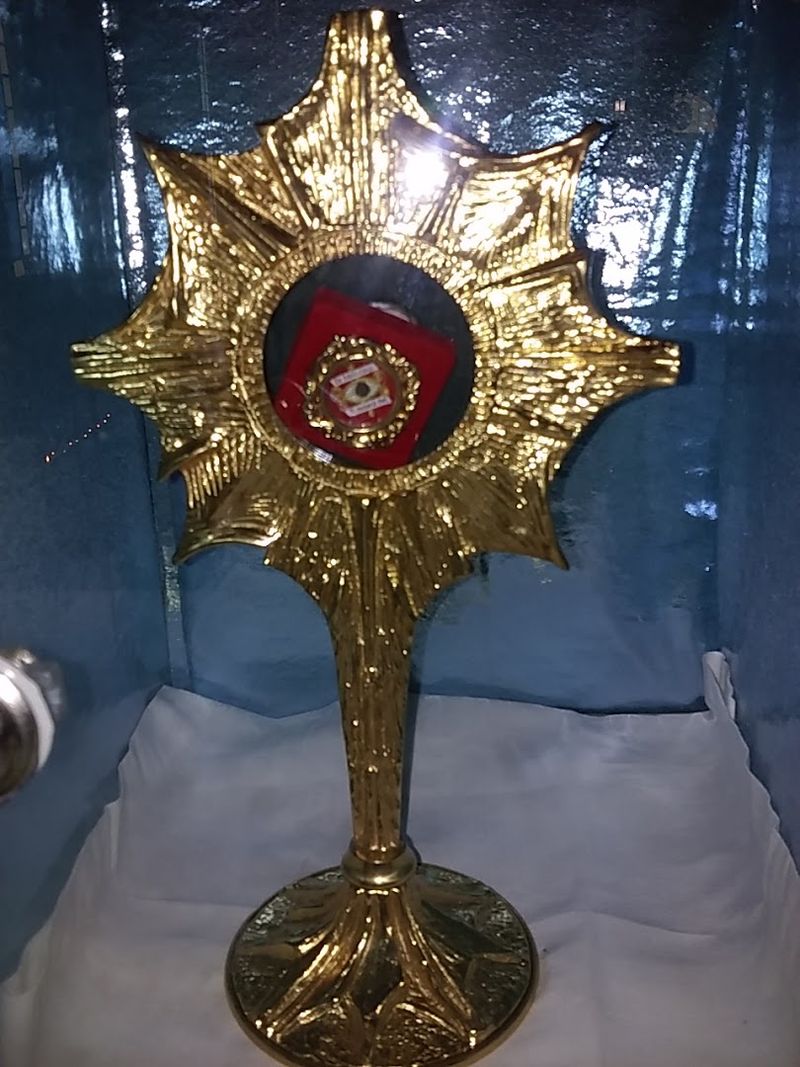
The chalices, patens, and other vessels used during Mass at St. Anthony’s represent a collection gathered from different countries, each piece reflecting unique metalworking traditions. These aren’t simple cups and plates but sacred objects crafted from precious metals with decorative elements that honor their purpose. Gold, silver, and bronze vessels each serve specific liturgical functions while showcasing the artistic heritage of their places of origin.
Craftsmen in various countries created these vessels using techniques passed down through generations of religious metalworkers. Some feature engravings of religious symbols, while others display jewels or enamel work that catches light during services. The weight and balance of each piece was carefully considered so priests could handle them comfortably during Mass while maintaining their dignity and beauty.
Each vessel has its own story about how it came to St. Anthony’s, whether through donations, purchases from church supply houses specializing in international items, or gifts from sister parishes abroad. The variety means that different vessels appear on the altar depending on the liturgical season or feast day being celebrated, adding visual interest for regular attendees.
Using these international vessels during Mass creates a tangible connection between the local congregation and the worldwide Church. When the priest elevates the chalice during consecration, worshippers see an object that embodies centuries of Catholic tradition and craftsmanship. These aren’t just functional tools but sacred art that enhances the most important moments of worship, reminding everyone present that they’re participating in something ancient, beautiful, and truly global.
Share this story