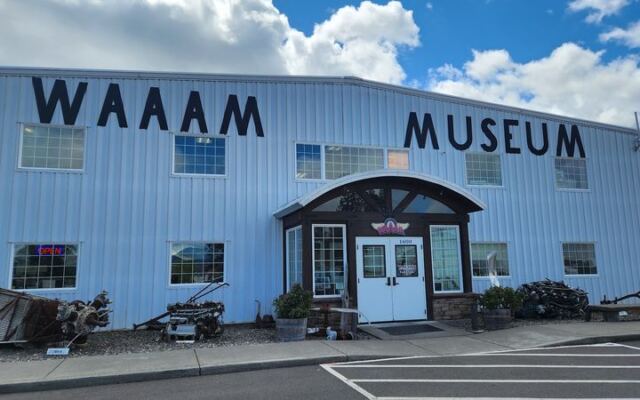
Most museums ask you to admire old machines from behind a rope. This one in Hood River does something bolder: it keeps them working. Planes built nearly a century ago are still ready to take off, and cars older than your great-grandparents can still roll down the road.
Spread across about five acres in the Columbia River Gorge, the collection is packed with biplanes, Model T Fords, motorcycles, toys, and even a few snowmobiles. Plenty of people find it by accident after spotting a sign along I-84, and many end up staying for hours longer than planned. The volunteers who run the floor know the stories behind almost every machine, from where it came from to who owned it.
Keep reading to learn what makes this place special, what it costs, and how to plan your own visit.
A Hangar Full of History Beside the Hood River Airport
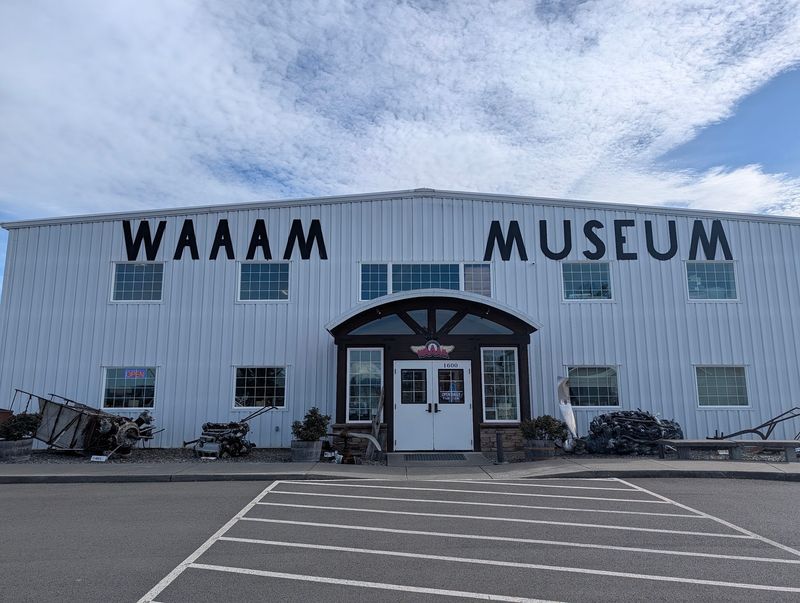
Brown highway signs along I-84 rarely lead to anything this big. The Western Antique Aeroplane and Automobile Museum, known to fans as WAAAM, sits at 1600 Air Museum Rd, Hood River, OR 97031, right next to the local airport.
It is a nonprofit museum that focuses on restored cars and planes, especially from the 1920s and 1930s. Those machines live inside large hangars rather than glass cases.
The setting helps explain the mission. A museum built beside a working runway can do more than display aircraft, because many of them can still leave the ground.
Hood River itself sits in the Columbia River Gorge, so the museum ends up surrounded by some of the most recognizable country in Oregon. Many people come across it while traveling through the Gorge toward the coast or central Oregon.
Some arrive expecting a small-town display with a handful of old planes. Instead, they find a collection big enough to fill an entire afternoon.
For Oregonians who care about keeping familiar places alive, the museum is a home-grown example of preservation done by hand. The next stop is the story of why so much of that work happens here.
Why These Machines Still Run
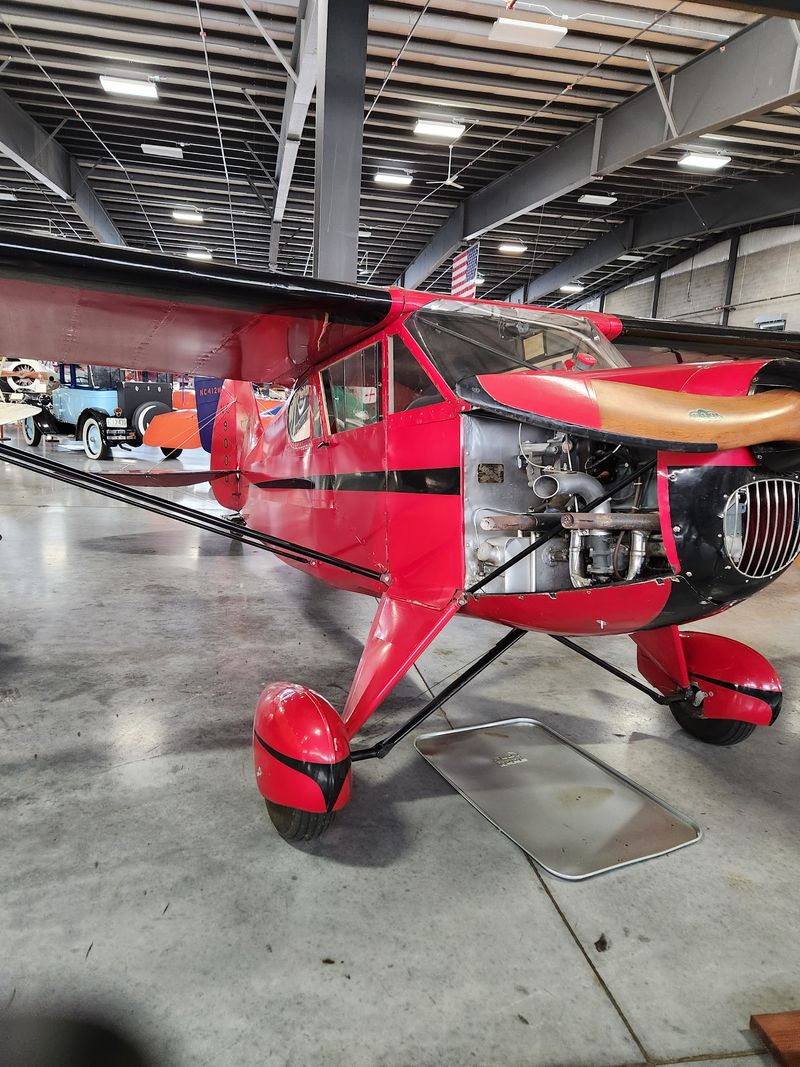
Here is the twist that sets this museum apart. Most of its cars and planes are operational, not just polished shells.
That means an engine built in the era of silent movies can still turn over. Some items on display are more than 100 years old and still work.
The aircraft follow the same rule. Most of them are in flyable condition, and the museum does fly them on certain occasions.
Keeping working machines inside a museum takes steady effort. Staff and volunteers have taken part in restoring many of the pieces themselves, which is why they know them so well.
One practical side effect shows up under the vehicles. Drip pans sit beneath much of the equipment, a reminder that these engines hold real oil and real fuel.
Some guests find the pans distracting, while others see them as proof that the collection is truly alive. Either way, they show that the goal here is function as much as display.
That idea, history that still moves, shapes everything else about a visit. It also sets the stage for the star attractions in the air.
Roughly 135 Planes Under One Roof System
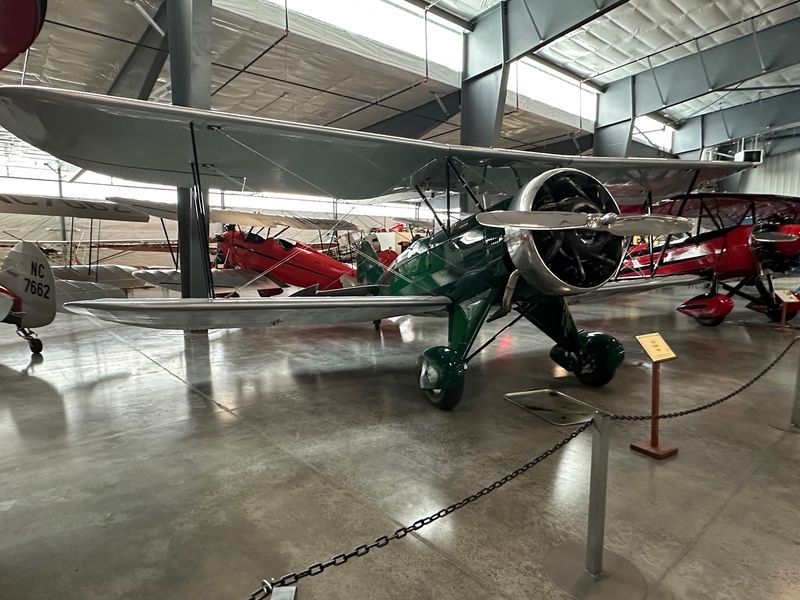
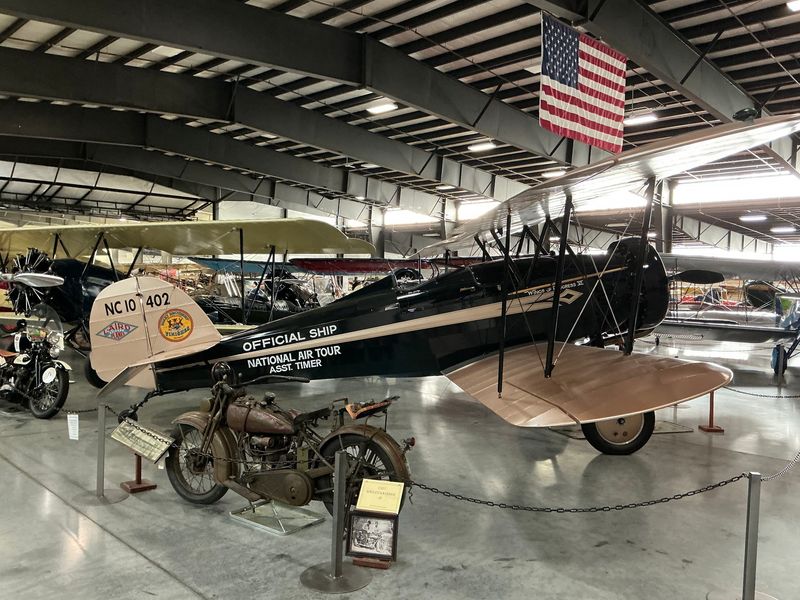
Count the aircraft and the number climbs fast. Around 135 planes are on display, and the vast majority date from before 1950.
There are no true warbirds in the main mix. Instead, the focus falls on civilian aviation from the golden age of flying.
That choice gives the collection its own personality. Visitors see the light planes, trainers, and touring aircraft that ordinary pilots flew in the early days.
The hangars hold the aircraft in pristine condition. Many guests mention that everything looks clean and cared for, and that they can get fairly close to the displays.
Pilots and mechanics tend to love it, and so do people who simply enjoy old machines. Even a quick loop takes time, because the planes keep coming row after row.
A few aircraft stand out more than others, and some deserve a section of their own. One of them is a true legend of early passenger flight.
The Ford Tri-Motor That Still Flies
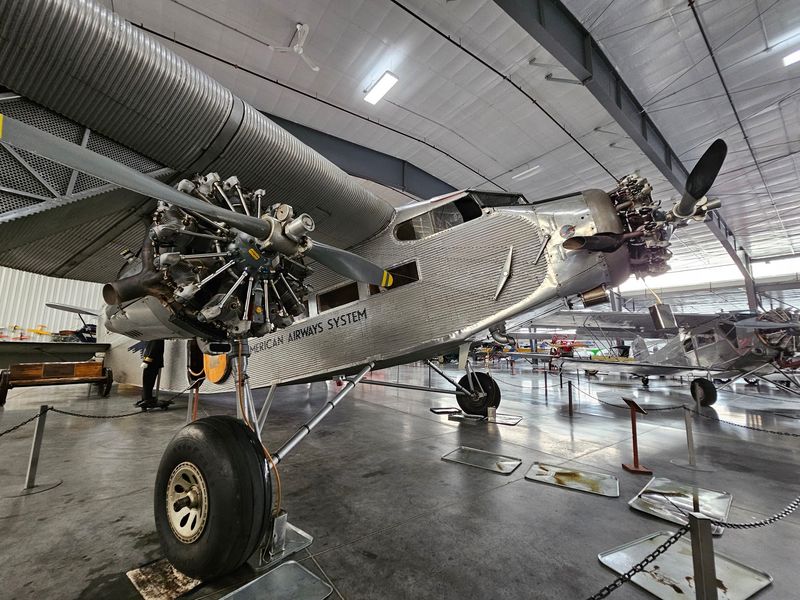
Few airplanes say early airline history quite like a Ford Tri-Motor. The one at WAAAM is still airworthy, which makes it a headliner.
The Tri-Motor was one of the aircraft that helped introduce Americans to passenger flight. Seeing one in person shows how far air travel has come.
What makes this example special is that it is not grounded for good. It has been known to give rides on certain occasions.
That detail tends to turn casual guests into hopeful passengers. Aviation fans who visit on a non-ride day often leave wishing they had timed things better.
For anyone set on a flight, checking the museum website before the trip is the smart move. Ride days are not every day, and schedules can change.
Even on the ground, the plane holds a crowd. Its three engines and boxy metal body make it one of the easiest aircraft in the building to spot.
Wacos, Cubs, and a Ryan STA
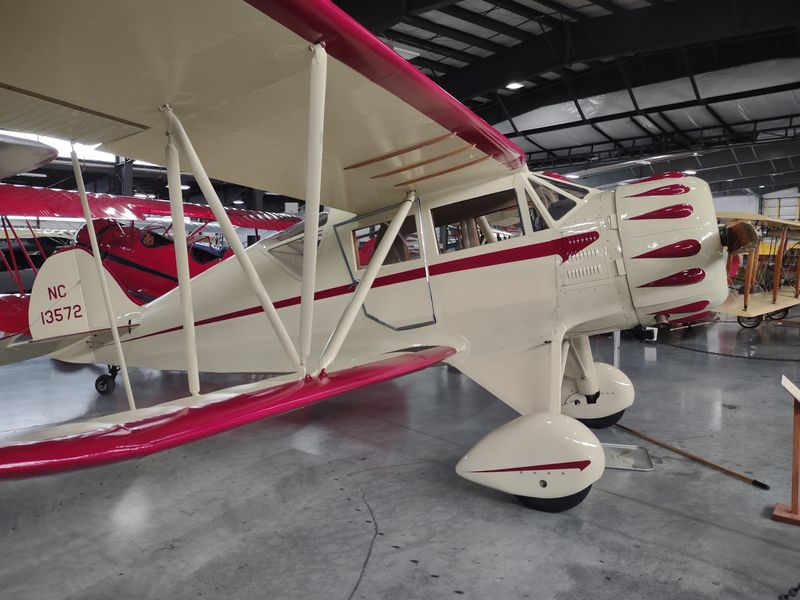
Ten or so Waco biplanes in one place is not something most people see every day. At WAAAM, the Waco lineup is one of the biggest draws for aviation fans.
Wacos were popular open-cockpit and cabin aircraft in the 1920s and 1930s. Seeing so many side by side makes it easy to compare how the designs changed.
Nearby, the Cub family gets its own spotlight. The collection includes a J2 and J3, plus an unusual J3P powered by a three-cylinder radial engine.
That odd little Cub is a favorite among people who know their planes. It is the kind of oddball that most museums never manage to find.
Then there is the gleaming Ryan STA, often placed where guests meet it early. Its polished body and sleek lines make it one of the most admired light aircraft of the 1930s.
Every fan seems to pick a different favorite here. With a collection this deep, that debate could run all day.
Classic Cars From Across the Decades
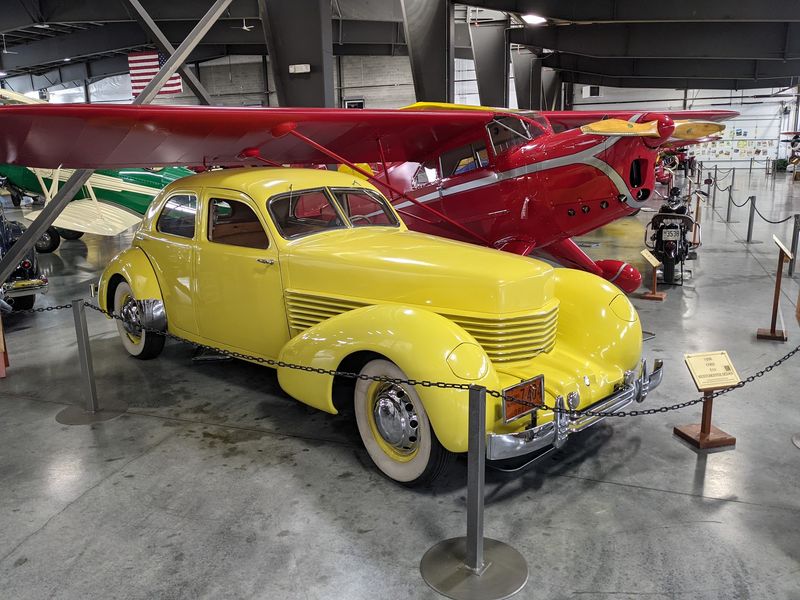
Car lovers sometimes walk in thinking this is mainly an air museum. They tend to change their minds within minutes.
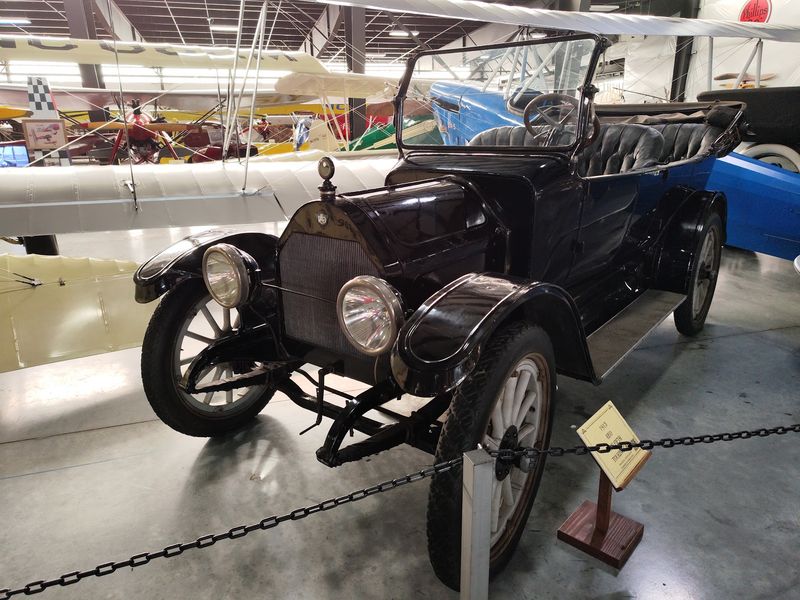
The automobile collection is large, and it covers cars from many different eras. Many guests say it holds more classic cars than they ever expected to see in one trip.
Some of the vehicles are rare enough that people never thought they would see them outside of a book. The early electric car, built more than 100 years ago, is a frequent conversation starter.
Like the planes, most cars here are restored and operational. That makes the collection feel like a garage that just happens to be a museum.
Volunteers sometimes share how each car was obtained and what stories came with it. Those details turn a parked vehicle into something with a past.
For families, the cars often connect generations. Grandparents point out models they remember, and kids get to see what driving looked like long before screens on dashboards.
Motorcycles, Bicycles, and Even Snowmobiles
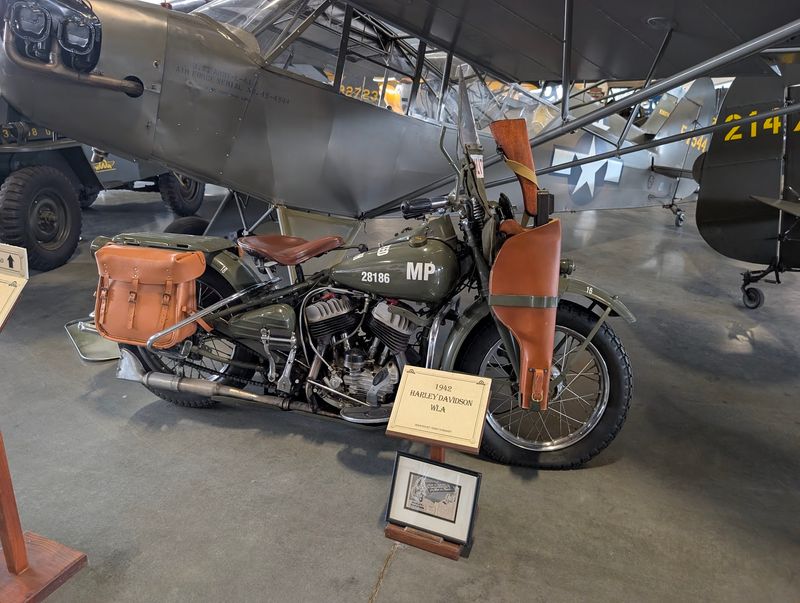
Two wheels get serious attention here too. The motorcycle collection is one of the most talked-about parts of the museum.
Bikes from different periods show how motorcycles grew from simple motorized frames into powerful road machines. Motorcycle fans can easily spend a long stretch in this area alone.
Antique bicycles add another layer to the transportation story. They help show where personal travel started before engines took over.
Then come the surprises. A few snowmobiles are part of the collection, which makes sense for a museum set in Oregon mountain country.
These extra collections help the museum feel like a full history of getting around. Planes and cars may be the headliners, but the supporting cast is just as interesting.
Anyone who thinks they have seen it all after the hangars of aircraft should keep walking. The next corners hold even more variety.
Toys, Cameras, and Americana Tucked In Between
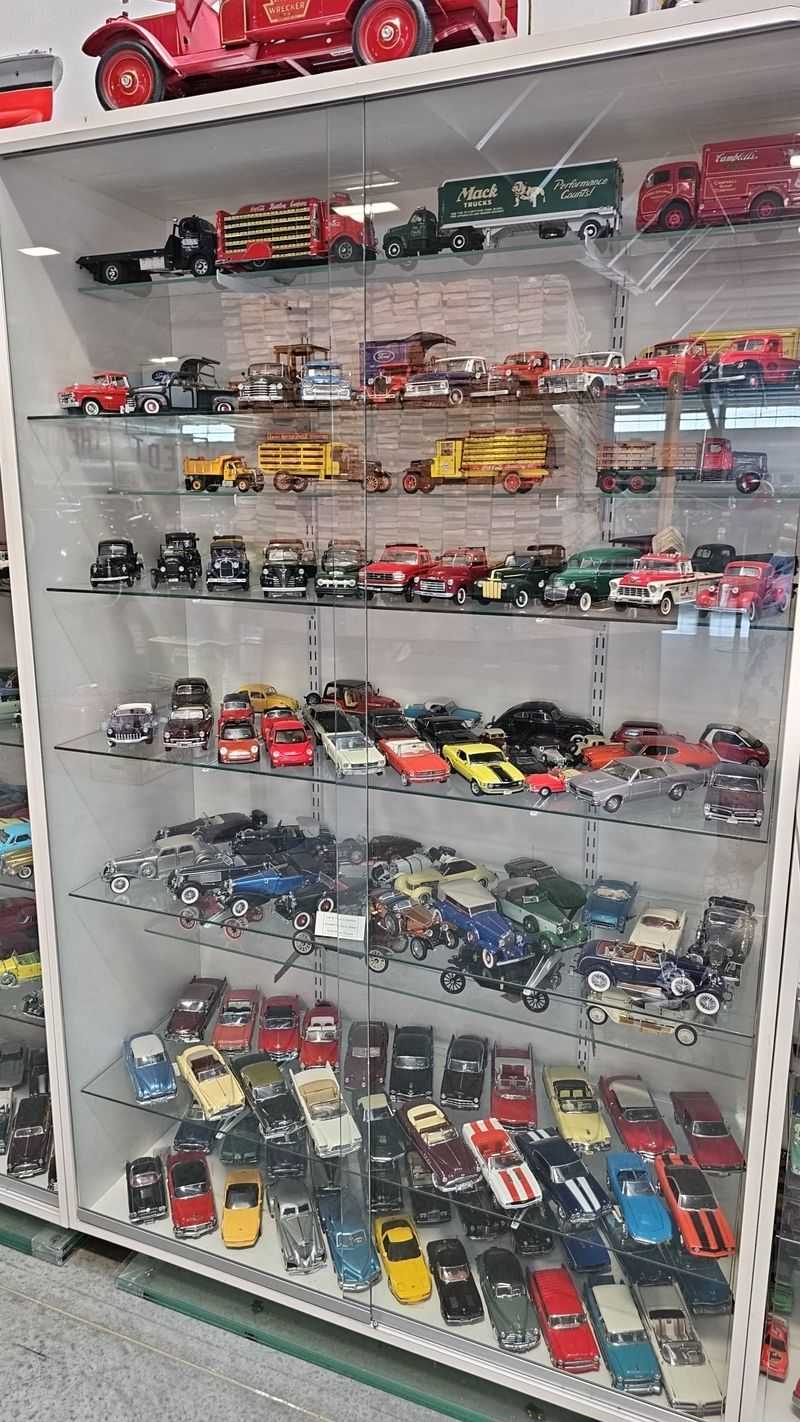
Between the big machines sits a whole layer of smaller treasures. The museum includes collections of antique toys, cameras, and other pieces of Americana.
Military memorabilia and firearms are also part of the displays. Stories and photos appear throughout, adding context to the objects.
Many people say there are literally thousands of things to look at. That is why a quick visit almost never stays quick.
Despite the sheer volume, the layout is well curated. The variety feels organized rather than cluttered, so the experience does not become overwhelming.
Some hangars also play short videos. These offer a break from walking and help explain the history behind certain pieces.
The smaller collections are a nice reminder that preservation is not only about big engines. Everyday objects tell the story of American life just as clearly.
Volunteers on Scooters With Stories to Share
Five acres is a lot of ground to cover, so the volunteers ride scooters. They roll through the hangars ready to answer questions.
Many are deeply knowledgeable about the cars and planes. Some can explain how the museum acquired a piece, why it matters historically, and what its earlier owners did with it.
Several have helped restore the machines on display. That hands-on experience adds a personal layer to the tours.
Docents can add trivia that no sign would ever include. Guests often leave remembering a story more than a spec sheet.
Some people prefer to browse alone, and that is fine too. Volunteers generally say to flag them down for help, so a quick wave is all it takes.
Occasionally they will pull back a chain for a closer look, especially when kids are curious. Those small moments turn a museum trip into a memory.
Ride Days, the Model T School, and Triplane Flights
Looking is great, but riding is better. On certain Saturdays, the museum offers rides in some of its cars and planes.
Biplane rides come up often among people who have taken part. There is even a way to go up in a triplane for anyone bold enough.
The museum also has a Model T driving school. It gives people a chance to learn how to handle one of the most famous cars in American history.
Driving a Model T is quite different from driving a modern car. The controls work in their own way, which is half the fun.
These programs are where the museum’s working-machine mission becomes real. Guests do not just learn about old transportation, they get to use it.
Details and schedules can change, so the museum website is the best place to check before planning around a ride.
The Annual Fly-In Weekend
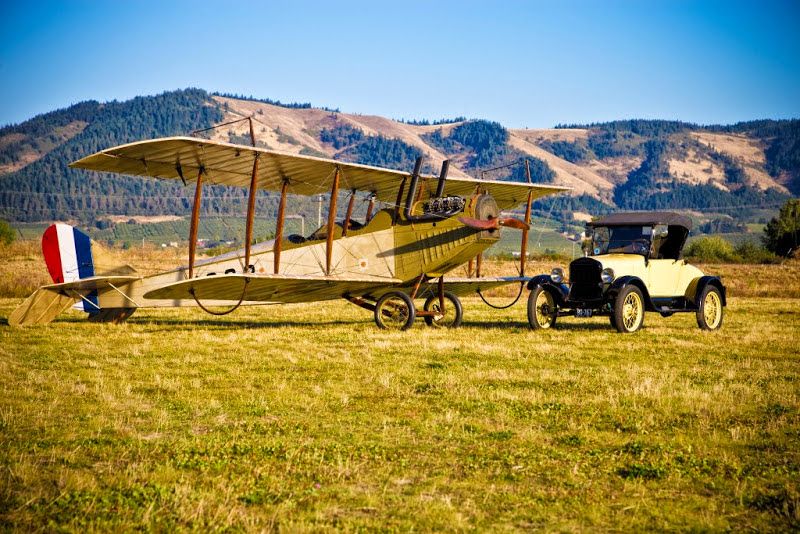
Once a year, the runway next door gets very busy. The museum’s annual fly-in draws anywhere from 200 to 400 vintage airplanes from across the country.
The event adds flight demonstrations and author talks. Guests can also pay to fly in a vintage airplane.
Extra exhibits, food, and souvenirs fill out the weekend. For aviation fans, it is one of the most exciting times to come.
Many repeat guests make the fly-in a tradition. The museum is worth a visit any time, but this weekend adds something extra.
Classic car meets also happen at times, with vintage vehicles lined up outside. Those days bring even more machines to admire before stepping inside.
Event dates change from year to year. Checking the website ahead of time helps avoid missing the big gatherings.
Who Will Love It Most
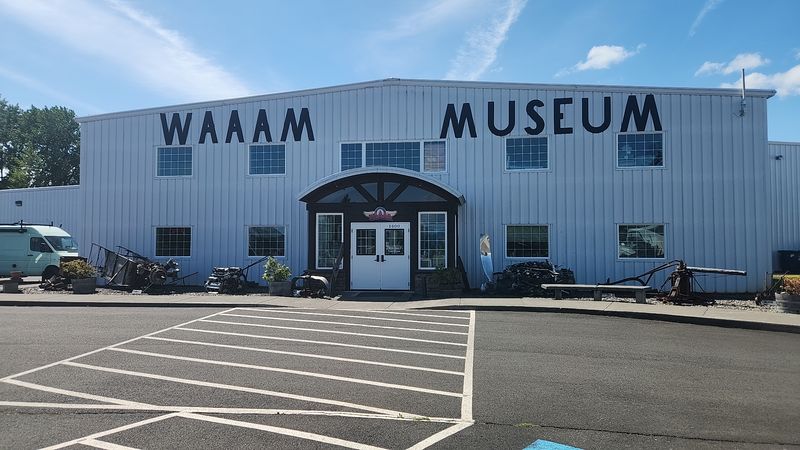
Pilots, mechanics, and motorheads will feel right at home. Some guests with commercial pilot ratings and aircraft mechanic certificates have spent hours here happily.
Families do well too. Multi-generation groups often say everyone learns something new, from grandparents to young kids.
The museum suits people who like history with real objects attached. Every machine has a story, and many can still run.
Road trippers are another big group. The site makes an easy stop for anyone crossing the Columbia River Gorge on I-84.
Even people with no special interest in engines tend to enjoy the variety. Toys, cameras, and Americana give everyone something to discover.
The only people who might struggle are those in a hurry. This is not a fifteen-minute stop, as the next section explains.
Hours, Admission, and Time to Budget
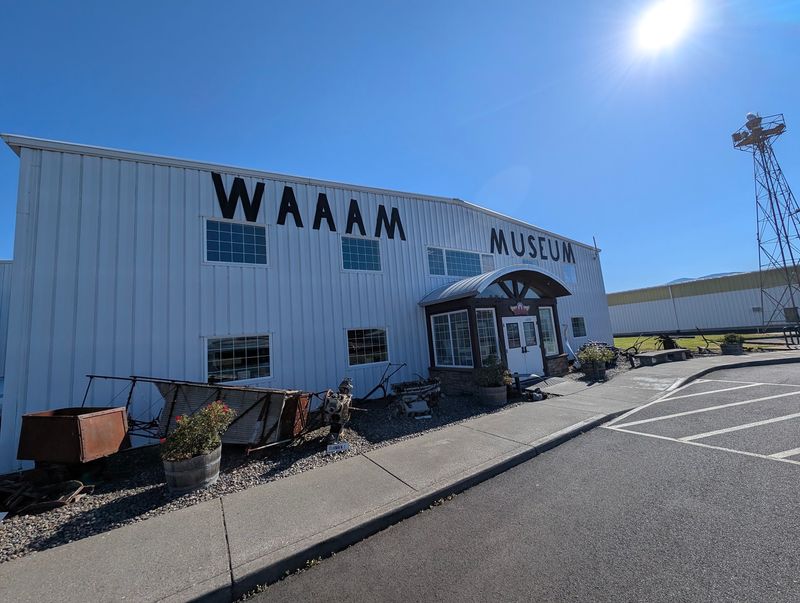
Good news for flexible planners: the museum is open every day of the week. Hours run from 9 am to 5 pm.
Admission is about $25 for adults. Seniors and military members pay around $21, and those 18 and under pay about $12.
There are no family package rates. For a bigger group, that adds up, so it helps to budget ahead.
Time is the other cost to plan for. Many people spend two to three hours, and some stay close to five without seeing everything.
Arriving late in the day is a common regret. Showing up at 3 pm leaves only two hours, which often feels too short.
An early start makes the ticket go further. More hours inside means more value from each dollar spent.
Parking, RV Spots, and a Worthwhile Detour
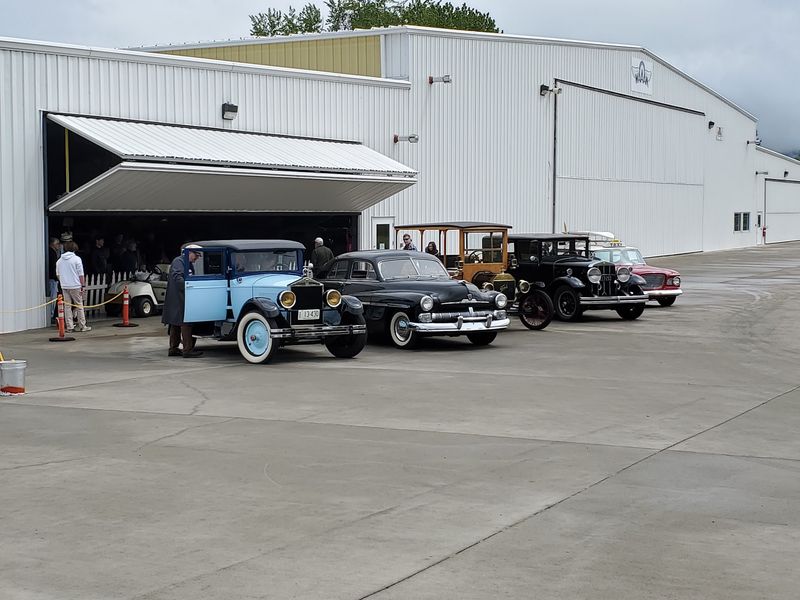
Road trippers with big rigs can relax. The museum has ample parking, plus extra space in the rear toward the airport.
Some RV spaces sit up front. Drivers pulling travel trailers sometimes find the back lot easier for staying out of the way.
There is also an option to stay overnight on site. Full hookups are available for a fee, and calling ahead or asking at the front desk is the way to arrange it.
A popular barbecue food cart has also been part of the scene. Food options may vary by day, so plans should stay flexible.
All told, WAAAM is a rare Oregon place where old machines get a second life instead of a final parking spot. Its volunteers keep history running, one engine at a time.
Anyone driving the Gorge would do well to follow those brown signs. The detour pays off long after the last hangar door.
Share this story