Some places in Portland change every few years, but one hillside has kept the same job for more than a century. It started during World War I, when a group of rose lovers worried that rare varieties from Europe might be lost for good. Their answer was a public garden that still welcomes everyone today without charging a single cent.
The collection now holds more than 10,000 rose plants, far beyond the 2,000 in the headline, spread across terraced rows with mountain views. It is the kind of local landmark Oregonians quietly hope will stay exactly as it is. It is also one of the few big attractions in town where a family outing does not stretch the budget.
Keep reading for the history, the best months to go, the parking tricks, and the small details that make a first trip feel like a return visit.
A Hillside Address in Washington Park
Every great garden needs a home base, and this one sits high in the west hills of the city.
The International Rose Test Garden is located at 400 SW Kingston Ave, Portland, OR 97205, inside Washington Park in Oregon.
That address places it within one of the most popular green spaces in the region. The Japanese Garden sits right next door, and the line between the two can be a little hard to spot on a first visit.
Pittock Mansion is only about five to seven minutes away by car. Pairing the two makes for an easy afternoon or evening plan.
The garden is maintained by the City of Portland. That means it functions as a public park rather than a private attraction.
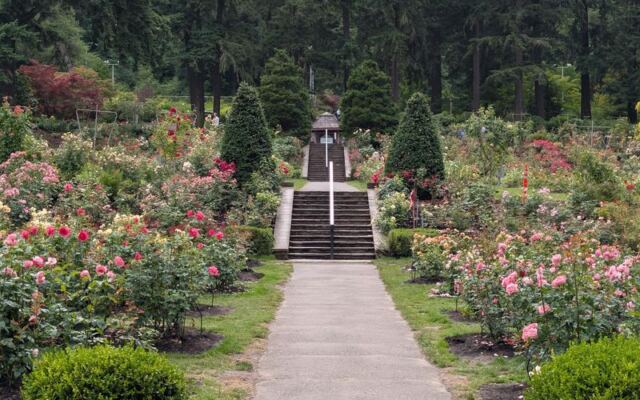
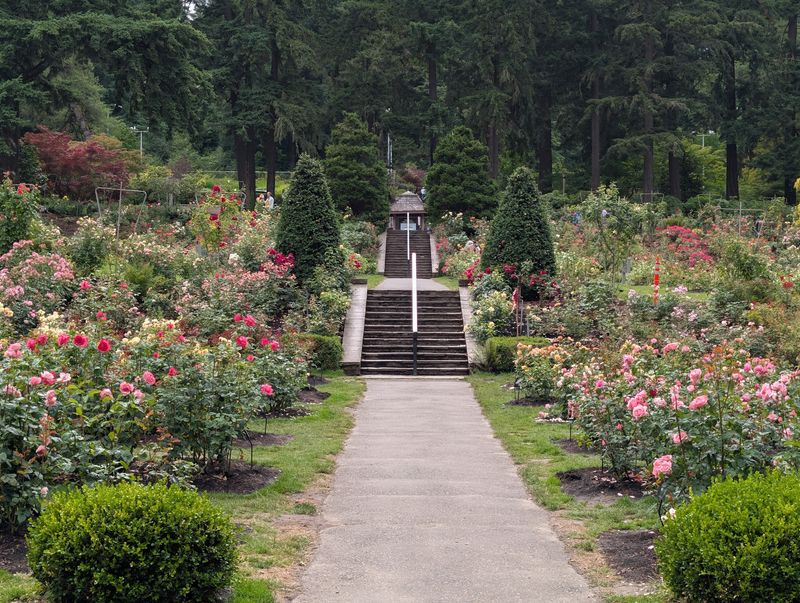
Officially, the grounds are described as a landscaped park with more than 10,000 plants arranged in manicured displays. The layout follows the slope of the hill, so the beds step down in terraces.
Washington Park itself offers trails, play areas, and other attractions within walking distance. Many people treat the roses as the centerpiece of a full day in the park.
Getting your bearings here is simple once you know the neighborhood, and the neighborhood happens to be one of the prettiest in town.
Roses Rescued From a World at War
History buffs, take note: this garden was born out of worry, not luxury.
It was founded in 1917, while World War I was raging across Europe. Rose growers feared that unique varieties grown overseas could vanish during the conflict.
Portland stepped up with a plan to give those roses a safe place to grow. The idea was preservation first, beauty second.
More than a hundred years later, the garden holds the title of the oldest continuously operated public rose test garden in the United States. That is a long streak for any public space.
Plenty of city projects come and go with changing budgets and priorities. This one has simply kept going, season after season.
For Oregonians who care about keeping familiar places alive, the story lands close to home. The garden exists because people decided something fragile was worth protecting.
The same spirit still shows in how carefully the beds are kept. Locals often bring out-of-town guests here partly to share that backstory.
A garden that began as a rescue mission now feels like an heirloom the whole city gets to hold.
What a Test Garden Actually Tests
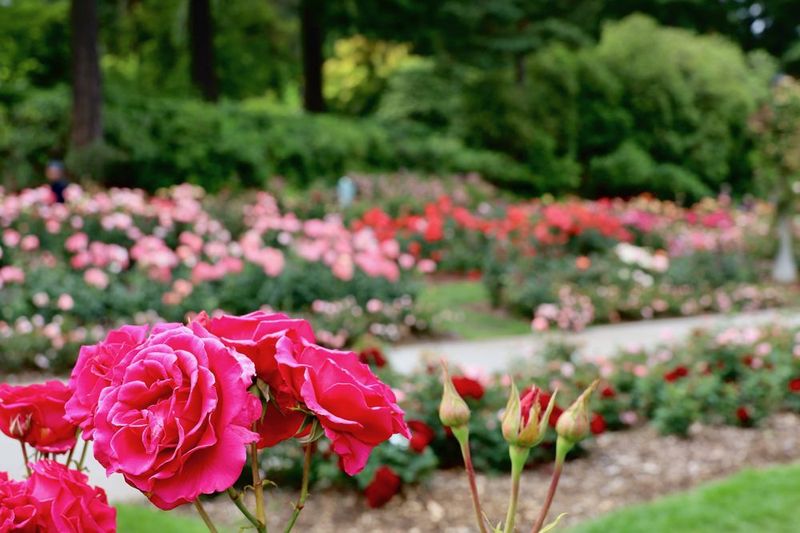
The word test in the name tends to raise a few eyebrows, and for good reason.
This is not just a display garden for pretty flowers. It was created as a test garden, a place where rose varieties are grown and kept in a public setting.
That mission explains the sheer range on the grounds. Hundreds of varieties grow here, covering just about every category a rose fan could name.
Each row tends to look different from the next. Shapes, sizes, and colors shift as you move along the walkways.
Some blooms here are remarkably large, and first-timers often leave surprised at how big a single rose can get.
Named varieties add a fun treasure hunt element. The Julia Child rose, for example, is a favorite among those who make a point of finding it.
Bring a phone or a notebook if you like keeping track of names. A few favorites jotted down can guide future trips to a nursery.
Consider it a living library of roses, minus the late fees and the quiet signs.
Ten Thousand Plants and Counting
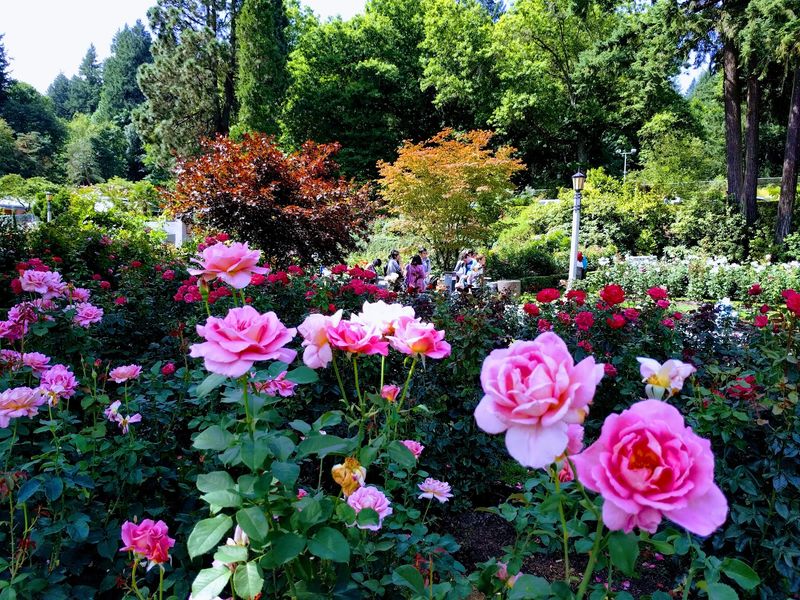
Numbers tell part of this story better than adjectives can.
The garden holds more than 10,000 rose plants. That figure blows past the 2,000 mentioned in the headline by a wide margin.
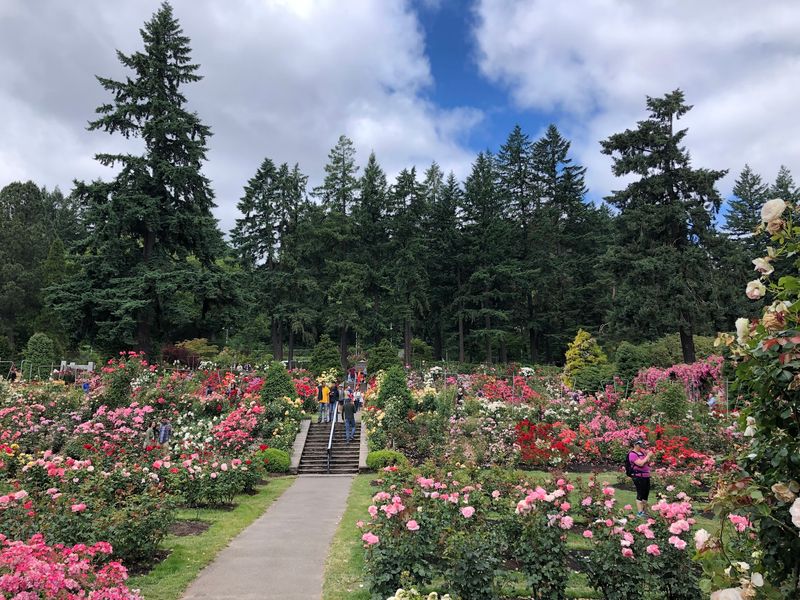
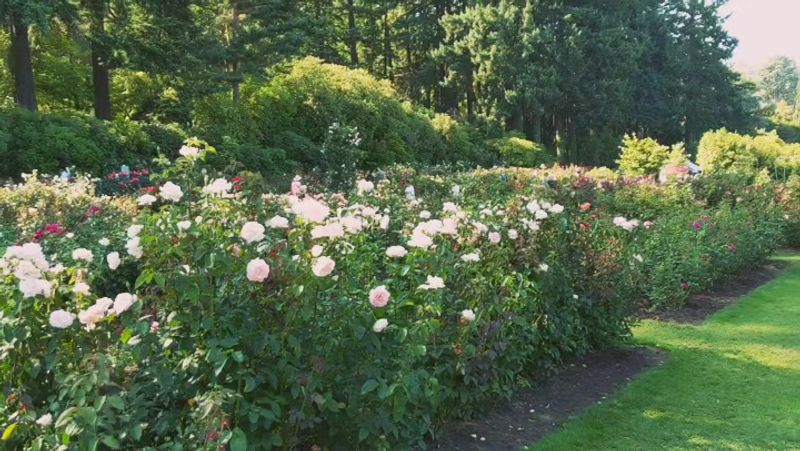
Those plants represent hundreds of varieties. Red, pink, yellow, white, and blends in between fill the beds during peak season.
Scale is what catches most first-time guests off guard. Many arrive expecting a pleasant flower patch and find a full hillside instead.
It is easy to spend two hours here without noticing the time. Many people recommend budgeting at least an hour or two so nothing feels rushed.
The size also helps with crowds. Even on busy days, the spread of terraces gives people room to wander.
Portland carries the nickname City of Roses, and this garden makes a strong case for why. It works as a showcase for the whole city’s reputation.
A quick lap is possible, but the math suggests slowing down. With that many plants, the garden practically insists you take your time.
Terraces Built for Wandering
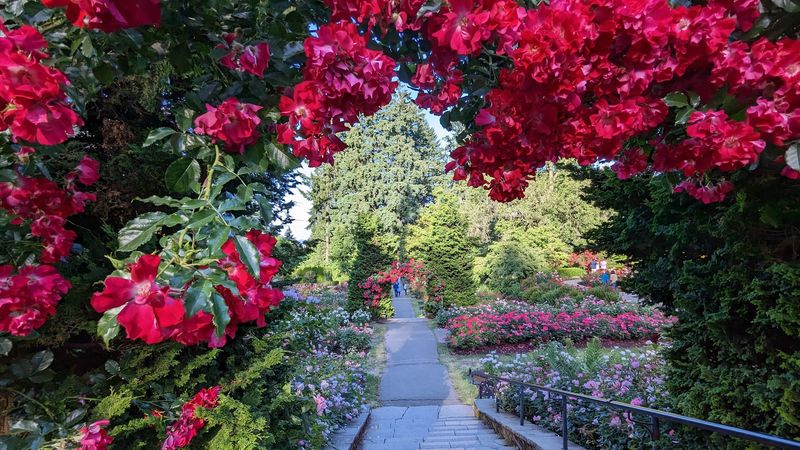
Good design rarely calls attention to itself, and the layout here proves the point.
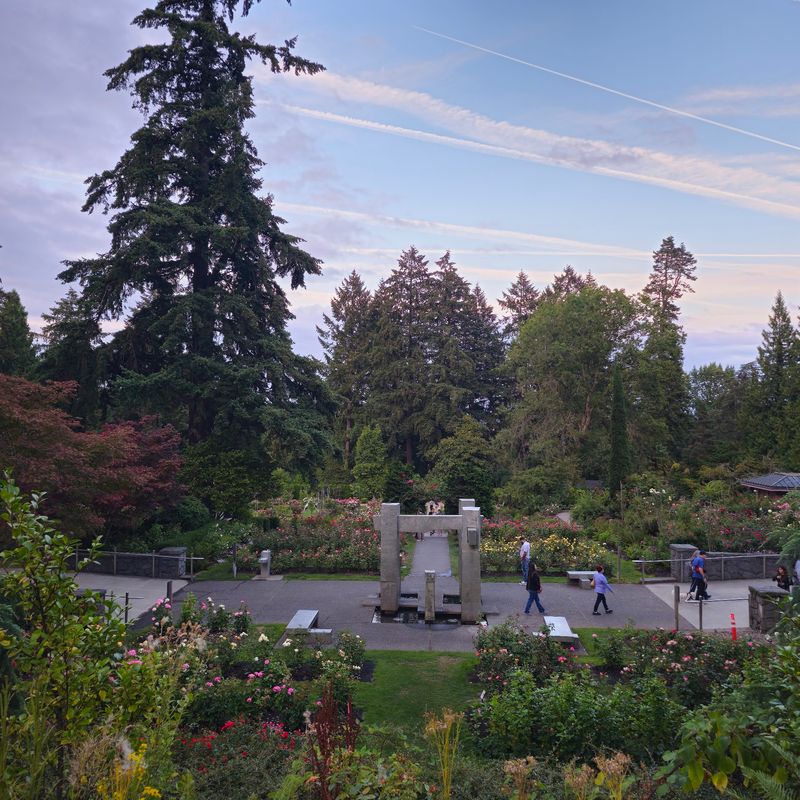
The garden is arranged in terraced levels that follow the slope of the hill. Walkways connect each section, so moving between areas feels natural.
Doing the entire garden does involve some steep stretches. Much of it, though, is easy to reach and comfortable to walk.
Signage helps with planning. Different paths are marked with their steepness levels, which is a thoughtful touch for anyone watching their knees.
A ramped entrance makes access easier for those with limited mobility. Many people with mobility concerns find the grounds manageable.
Benches line the paths, giving everyone a chance to rest. Plenty of trees offer shade along the way.
Several gazebos provide shaded spots to sit. Water fountains are also available on the grounds.
Comfortable shoes are a smart call regardless. A stroll here can quietly add up to a solid workout.
The terraces turn a big collection into something approachable, one level at a time.
Downtown and Mount Hood on the Horizon
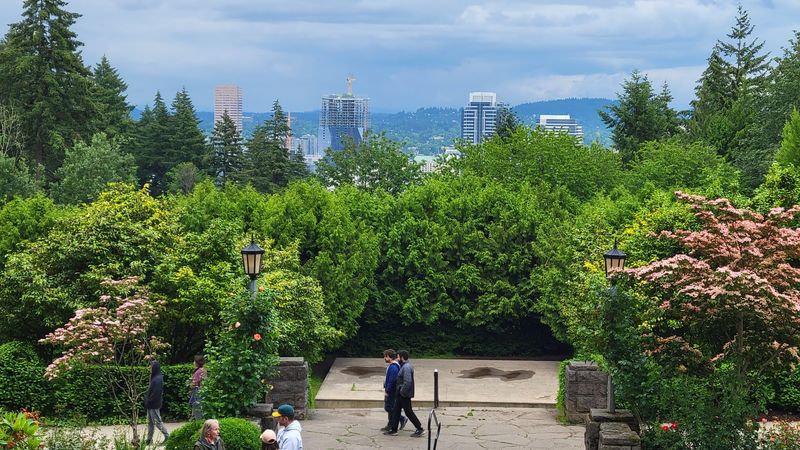
Roses are the headliners, but the backdrop deserves its own billing.
On a clear day, the garden offers wide views of downtown Portland. Farther out, Mount Hood rises in the distance.
That combination of flowers in front and mountain behind is a big reason photographers love this spot. It frames nicely without much effort.
Weather in Portland can be unpredictable, of course. Clouds sometimes hide the mountain, so a clear forecast is worth checking before heading up.
The city views alone still make the trip worthwhile when the peak plays hide and seek. The skyline sits below the hill in an easy line of sight.
Many people find a bench, settle in, and simply take in the panorama. It is a calm way to spend part of an afternoon.
Golden hour is a popular time for photos here. Evening light across the terraces and the city creates a memorable scene.
Few public gardens can claim a volcano as a neighbor, and this one wears the title well.
The Price of Admission Is Zero
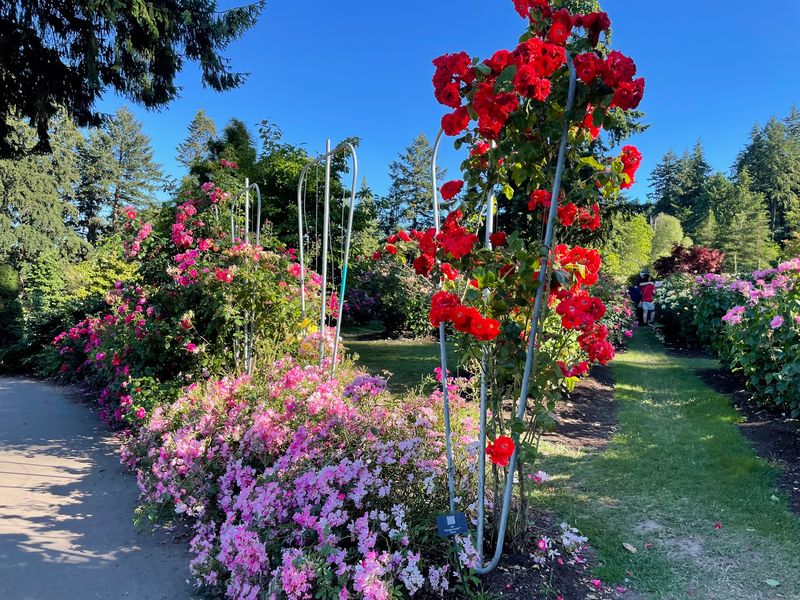
Here is a sentence that rarely appears in travel writing these days: entry is completely free.
There is no ticket booth and no admission fee. Anyone can walk in and enjoy the full collection.
For Oregon families watching household budgets, that matters. A day out does not have to come with a hefty bill.
Free admission is one of the most talked-about perks of the garden. Many people say it made their trip feel even better.
The cost savings leave room for other things. Some put the money toward the gift shop, while others spend it on parking or the food cart.
It also makes repeat trips easy. Locals can stop by on a whim to see what is in bloom without planning around a fee.
Plenty of former Portlanders make the garden a regular stop when they come home to visit family. Free and familiar is a hard pairing to beat.
In a city where costs keep climbing, this garden remains one of the best bargains on the map.
Timing the Big Bloom
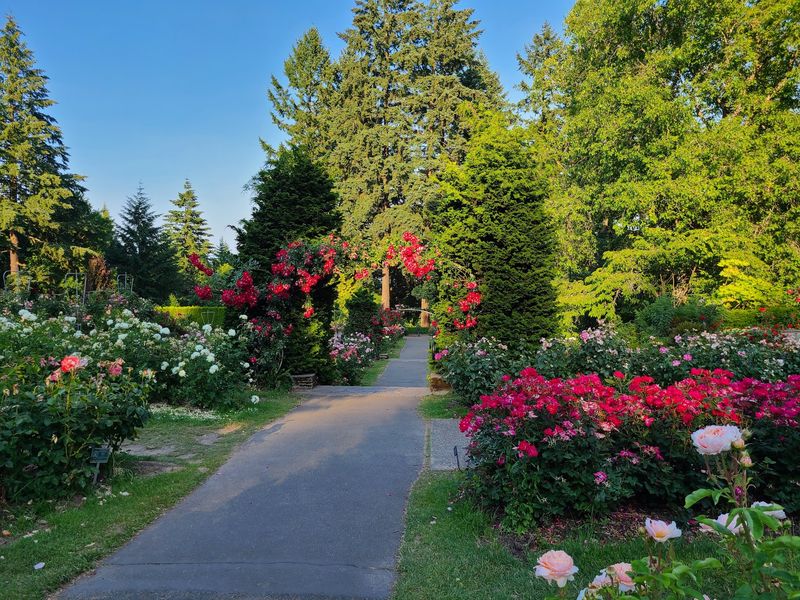
Timing is everything when the main event is a flower.
Late spring through early summer is when the roses hit their stride. June is widely considered peak season.
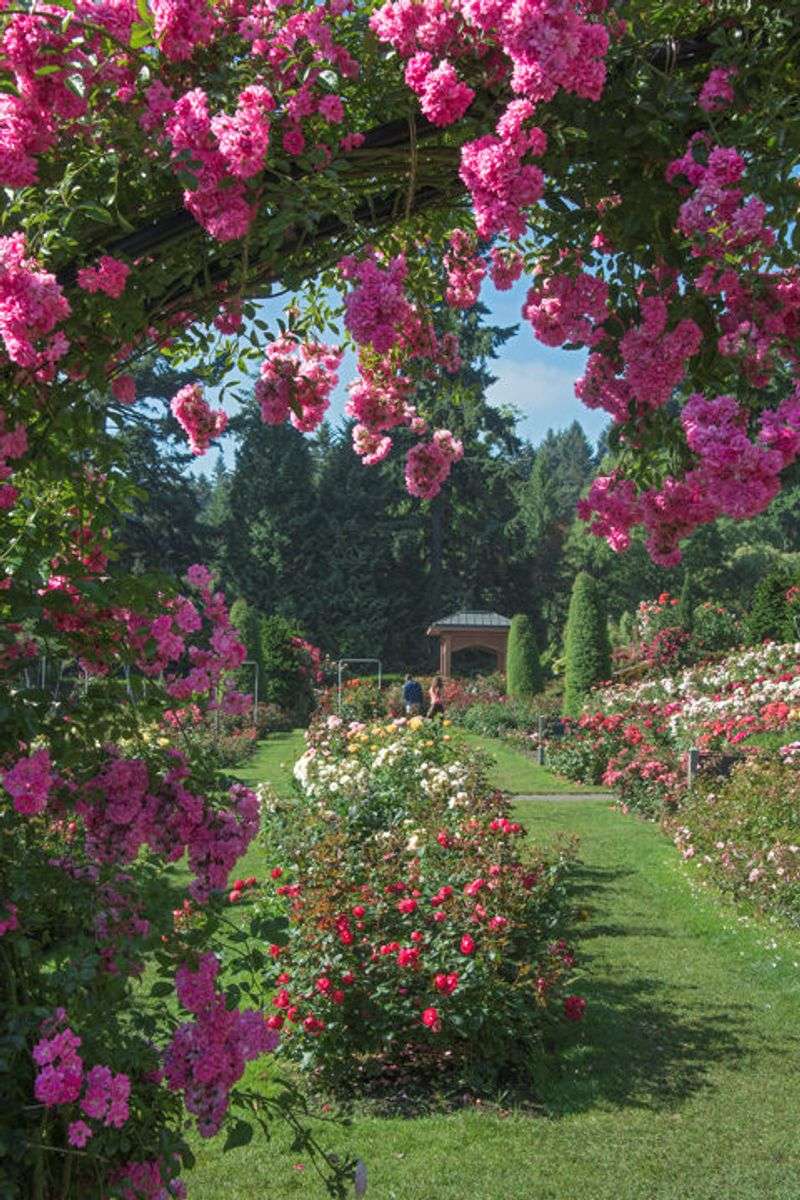
During those weeks, thousands of bushes are covered in blooms. It is when the garden looks its most dramatic.
Bloom timing can still vary from year to year. Some mid-June trips find flowers already fading in certain beds, so flexibility helps.
Outside the season, the garden is still pleasant. Even without many blooms, the trees, benches, and views make for a calm walk.
Some regulars stop by year-round just to check for new blooms. They treat each trip as a small update on how the garden is doing.
For a first visit with maximum color, aim for late May or June. Checking the city parks website before heading out is a sensible move.
Roses run on their own calendar, and it pays to plan around theirs instead of yours.
Squirrels, Music, and a Slower Pace
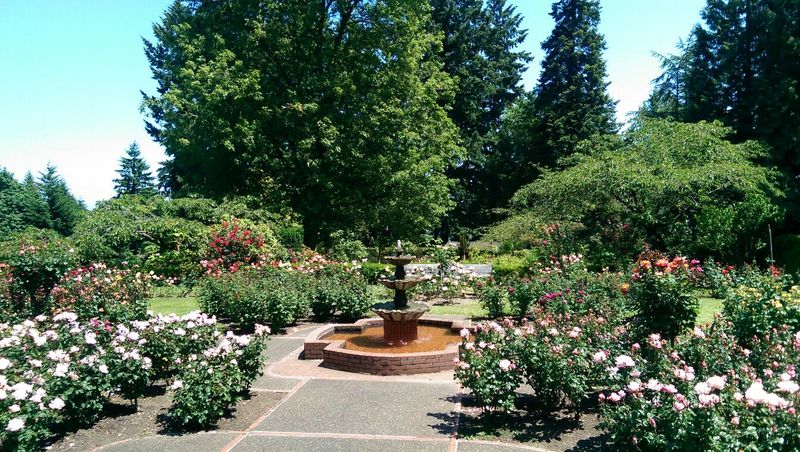
Not every highlight here has petals.
Squirrels are a common sight around the garden. They dart between the beds and add a lively touch to an otherwise calm scene.
Some days, music plays in the background. It gives the space a relaxed, easygoing mood.
A peaceful atmosphere is one of the most frequently praised qualities of the place. People come to slow down, sit, and unwind.
Some bring headphones and simply relax on a bench beneath the trees. Others wander without any plan at all.
The garden suits solo walkers, couples, families, and groups alike. It is flexible enough to fit almost any kind of outing.
That calm feeling holds up even outside bloom season. The shade trees and quiet corners keep it appealing on off months.
A garden that can make busy people sit still for a while has clearly figured something out.
Room to Play and Picnic
Kids with energy to burn have a solid option nearby.
A playground sits close to the garden. It features an elaborate climbing and play structure that keeps young explorers busy.
That setup makes the area comfortable for families. Parents can mix a rose walk with some playtime.
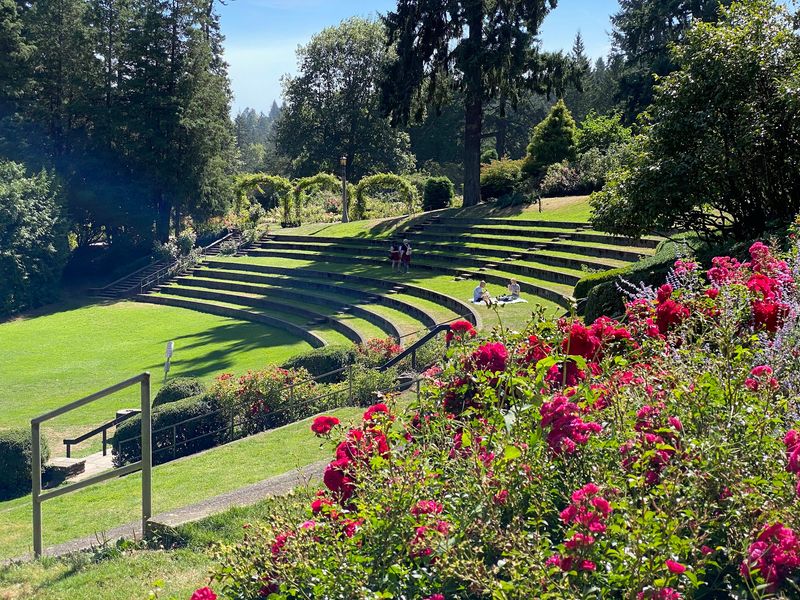
The grounds also include open spots where people can spread out. Picnics and casual hangouts are a common sight.
Lush lawns give everyone room to relax between laps of the terraces. It is easy to turn a short stop into a lazy afternoon.
Washington Park adds even more choices. Trails and other attractions sit within reach for families who want a full day out.
Bringing a blanket and some snacks keeps costs low. It also means nobody has to leave the moment hunger strikes.
Roses for the grown-ups and climbing bars for the kids is a compromise that tends to keep the whole car happy.
Gift Shop Finds and Handy Amenities
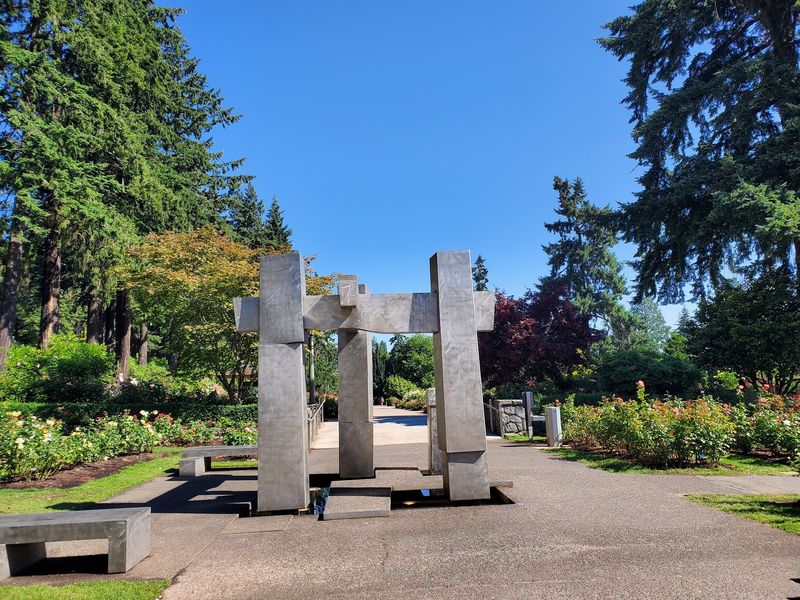
Souvenir hunters will want to save a few minutes for the shop.
A small seasonal gift shop operates at the garden. It sells rose-themed items, including candles that many people recommend.
Postcards and other souvenirs are also on offer. They make easy keepsakes or small gifts for friends back home.
A food cart is part of the setup as well. It is handy for a quick bite during a longer visit.
Prices at the shop and cart are on par with most places these days. Budget-minded guests may prefer to pack their own snacks.
Restrooms are available and generally described as clean and well maintained. At some points, only portable bathrooms have been on hand, so expectations should stay flexible.
Water fountains are located on the grounds. Shaded gazebos and benches round out the basic comforts.
Small conveniences rarely make headlines, but they often decide whether a trip feels easy or exhausting.
The Parking Puzzle and Smarter Routes
Parking is the one part of the trip that can test anyone’s patience.
Spaces near the garden are paid, with meters covering much of the area. Finding a spot can be tough, especially on weekends and sunny days.
Washington Park draws a lot of traffic when the weather cooperates. Spaces fill quickly during peak hours.
Public transit offers an easy workaround. The MAX light rail connects to the park, and a free park shuttle helps cover the rest of the way.
Many people find that combination simple and stress-free. It also saves the cost of the meter.
Driving still works with good timing. Early arrivals often find parking right out front.
Evenings can be smooth as well. Arriving after 6:30 in the summer has meant little traffic and spots near the entry, with daylight still available for photos.
A little planning turns the parking puzzle into a non-issue, and the roses never mind how you arrived.
Early Birds and Night Owls Welcome
Few attractions keep hours as generous as these.
The garden is open every day of the week from 5 AM to 10 PM. That schedule leaves plenty of room to work around a busy calendar.
Midday tends to be the busiest stretch. Crowds peak in the middle of the day, especially during bloom season.
Coming early or later is the simplest way to beat the rush. Morning hours tend to be quieter, and parking is often easier.
Evenings bring their own rewards. Golden hour is a favorite for photography, and summer daylight lasts well into the evening.
Long hours also make the garden easy to pair with other stops. Pittock Mansion and the Japanese Garden are both close by.
A morning walk before work or an after-dinner stroll are both realistic options. Locals often take advantage of that flexibility.
With seventeen hours a day on the clock, the hardest part is simply choosing when to go.
A Century-Old Promise Worth Keeping
Some landmarks impress with size, and others earn their place through staying power.
This garden manages both. More than 10,000 plants fill its terraces, and its story stretches back to 1917.
The appeal goes beyond the flowers. Free admission, long daily hours, mountain views, and room for kids to play make it useful for real everyday life.
Its strong standing among those who know it shows how much people value it. Thousands have shared their affection for the place over the years.
For Oregonians, it represents something worth protecting. A public treasure that stays open, affordable, and cared for is not a given anymore.
June is the showstopper month, but any season offers a reason to stop by. Bring good shoes, consider the MAX and shuttle, and leave room in the schedule.
A visit here is less about checking a box and more about joining a tradition. Generations of Portlanders have walked these same terraces.
The roses planted to survive a war are still standing, and that might be the best reason of all to go see them.
Share this story