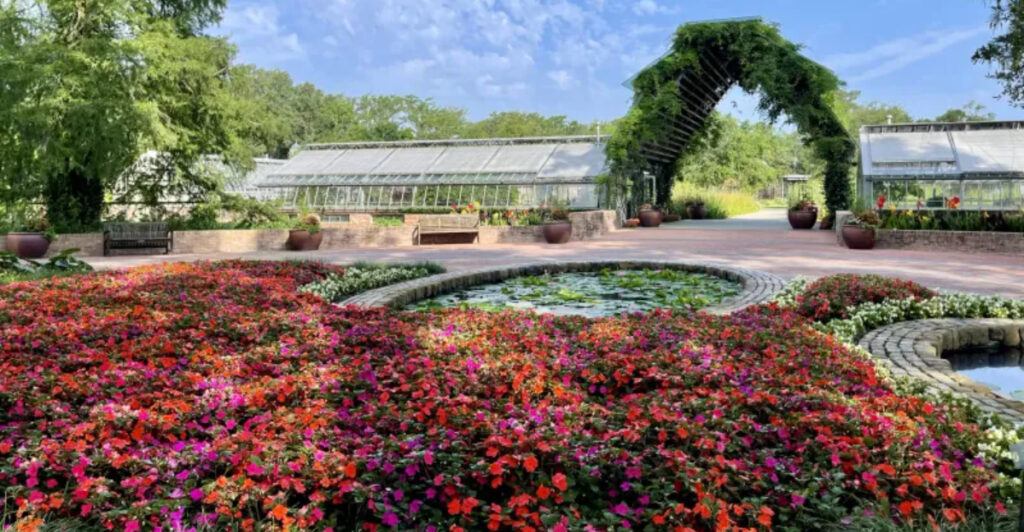
Hidden away in Orange, Texas, Shangri La Botanical Gardens and Nature Center sprawls across 252 acres of pure natural beauty that most folks drive right past without a second thought. This free botanical wonderland showcases hundreds of plant species, vibrant wildlife, and peaceful walking paths that feel worlds away from everyday life. Whether you’re a serious plant lover or just need a quiet escape, this gem delivers way more than you’d expect from a small Southeast Texas town.
1. Free Admission Makes Beauty Accessible to Everyone
Most botanical gardens charge hefty entrance fees, but Shangri La flips that script entirely. Thanks to funding from the Stark Foundation, every visitor walks through those gates without paying a single penny. You’ll find donation boxes if you want to contribute, but nobody’s checking your wallet at the door.
This approach means families can visit repeatedly without budget stress. Homeschooling parents bring their kids for nature lessons. Retirees stop by for morning walks.
Photography enthusiasts return across different seasons to capture changing blooms.
The free admission extends to special events too, including their popular Christmas Stroll when thousands of lights transform the gardens into a glowing wonderland. Even the hour-long pontoon boat tours around the lake cost nothing when tickets are available. Staff members simply ask visitors to reserve spots ahead of time since space fills up quickly.
Clean restrooms, ample free parking, and accessible pathways come standard with your zero-dollar ticket. Water stations dot the grounds so you can refill bottles during hot Texas afternoons. Picnic areas welcome families who pack lunches and want to make full days of their visits.
This generosity creates a community gathering space rather than an exclusive attraction, proving that world-class natural beauty shouldn’t require wealth to enjoy.
2. Ancient Live Oaks Create Natural Cathedral Spaces
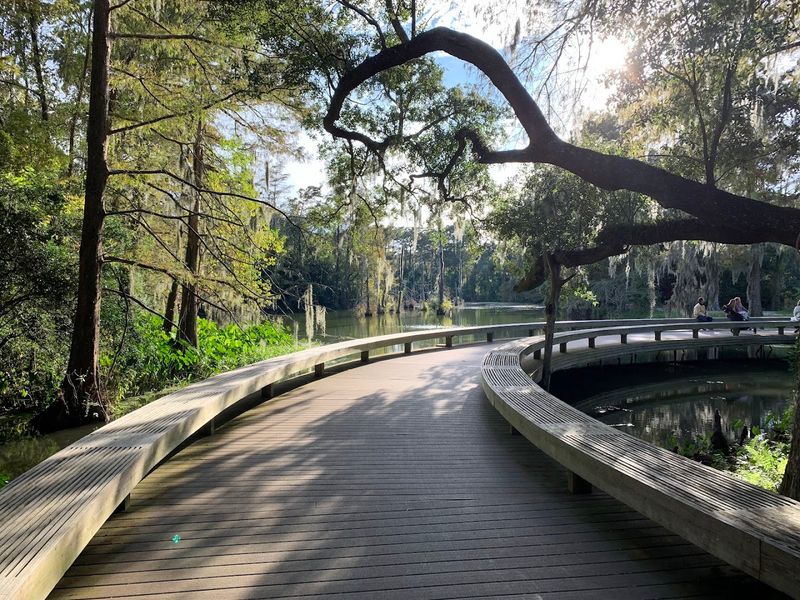
Walking beneath Shangri La’s giant live oaks feels like stepping into a natural cathedral designed by centuries rather than architects. These massive trees spread their twisted branches overhead, draped with curtains of Spanish moss that sway in Gulf Coast breezes. The shade they provide isn’t just pretty—it’s essential relief during brutal summer months when Texas heat becomes oppressive.
Some of these oaks have stood for generations, watching Orange transform around them. Their root systems stabilize the soil and create microhabitats for countless creatures. Lizards dart across their bark.
Birds nest in their branches. The dappled sunlight filtering through their leaves creates perfect conditions for shade-loving plants below.
Photographers absolutely love these trees, especially during golden hour when low sunlight illuminates the Spanish moss like silver threads. The dramatic shapes make incredible backdrops for family photos, engagement shoots, and nature portraits. Even casual phone snapshots turn magical under these ancient canopies.
Benches positioned near the largest oaks invite visitors to simply sit and absorb the peaceful atmosphere. You’ll often find people reading, sketching, or just breathing deeply while surrounded by this living history. The trees remind us that beauty doesn’t rush—it grows slowly, spreading wider and deeper with each passing year, creating something truly timeless.
3. Vibrant Hibiscus Collection Explodes With Color
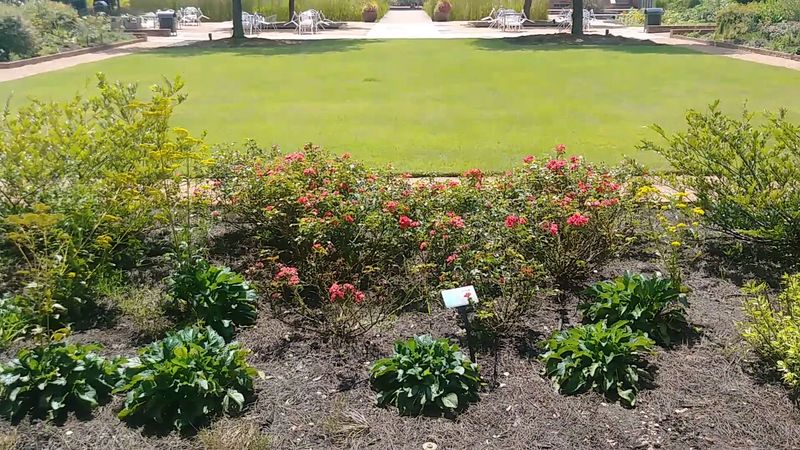
Hibiscus blooms at Shangri La pack more visual punch than a fireworks show. Multiple species display flowers ranging from soft pastels to electric reds, some with petals as big as dinner plates. These tropical beauties thrive in Southeast Texas humidity, producing blooms that last just one day before being replaced by fresh flowers the next morning.
The garden’s collection showcases both native and cultivated varieties, teaching visitors about plant diversity without boring lectures. You’ll spot hardy Texas natives alongside exotic tropical hybrids that horticulturists have bred for spectacular color combinations. Each plant gets labeled so curious visitors can learn names and growing requirements if they want to try hibiscus at home.
Peak blooming happens during warm months, but you’ll find some flowers almost year-round thanks to Texas’s mild winters. The plants attract hummingbirds and butterflies, adding movement and life to already stunning displays. Photographers camp out near hibiscus beds during morning hours when fresh blooms open fully and dew still clings to petals.
Even people who claim they don’t care about flowers stop dead in their tracks when confronted with Shangri La’s hibiscus explosions. The sheer variety proves that one plant genus can deliver endless visual interest. Whether you prefer delicate whites or bold magentas, some hibiscus here will steal your breath and maybe inspire a new gardening obsession.
4. Heronry Blind Offers Prime Wildlife Watching
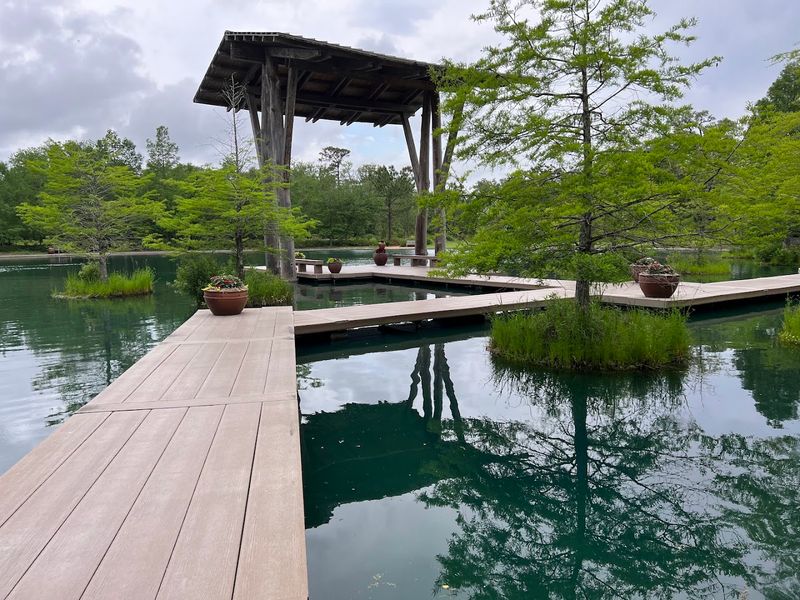
The Heronry Blind sits like a secret hideout at the edge of wetland areas where birds gather, hunt, and raise their young. This simple wooden shelter gives visitors front-row seats to nature’s drama without disturbing the performers. Herons, egrets, and other wading birds treat the shallow waters like their personal buffet, completely unbothered by quiet observers.
Early morning visits reward patient watchers with the most action. Birds are hungriest then, stalking through water with prehistoric focus. You might spot a great blue heron spearing fish, or catch snowy egrets performing their distinctive feeding dance.
Turtles sun themselves on logs. Alligators occasionally make cameo appearances, though they typically keep their distance.
The blind creates special moments that stick in memory for years. One visitor recalled sheltering there during a sudden downpour with his young family, creating a cherished memory centered not on perfect weather but on togetherness. The structure transforms ordinary wildlife viewing into intimate encounters that feel personal rather than staged.
Bring binoculars if you have them, though naked-eye viewing works fine too. The blind’s design minimizes your silhouette, letting birds behave naturally instead of fleeing. Photography enthusiasts appreciate the stable platform and natural framing that the structure provides.
Whether you spend five minutes or an hour here, the Heronry Blind delivers authentic Texas wetland experiences that aquariums and zoos simply cannot replicate.
5. Hydrangea Displays Paint Gardens In Blues And Pinks
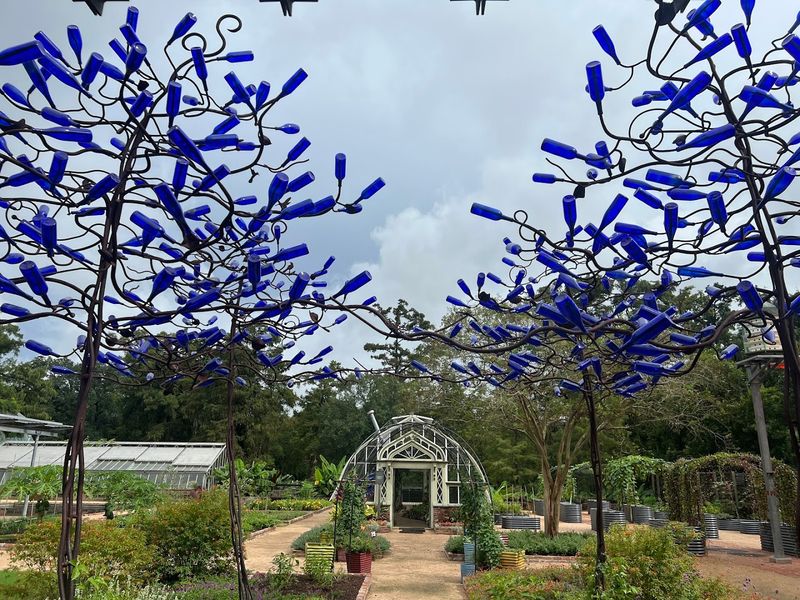
Hydrangeas at Shangri La produce flower clusters so lush they look almost unreal, like someone photoshopped extra blooms onto already generous plants. These shrubs thrive in the garden’s carefully managed soil conditions, producing the kind of color saturation that makes even non-gardeners stop and stare. Blues range from pale sky to deep sapphire, while pinks span from barely-there blush to hot magenta.
What makes hydrangeas particularly fascinating is how soil chemistry affects their color. Acidic soils produce blue flowers, while alkaline conditions create pink blooms. Shangri La’s horticulturists manipulate these conditions to create dramatic color variations within the same garden beds.
It’s living chemistry that visitors can observe without needing a science degree to appreciate.
The blooming season transforms entire sections of the garden into billowing clouds of color. Photographers circle hydrangea beds like sharks, hunting the perfect angle and lighting. The flowers also attract beneficial insects, adding ecological value beyond mere prettiness.
Even as blooms age, they shift into antiqued tones that remain beautiful in different ways.
Visitors often ask staff about growing hydrangeas at home, inspired by what they see. The good news? These plants adapt well to Southeast Texas conditions if you understand their needs.
Shangri La essentially functions as a living catalog, showing what’s possible when you match plants to environment. Those massive, healthy specimens prove that with proper care, Texas gardens can rival anything you’d find in more temperate climates.
6. Educational Greenhouses Protect Tropical Treasures
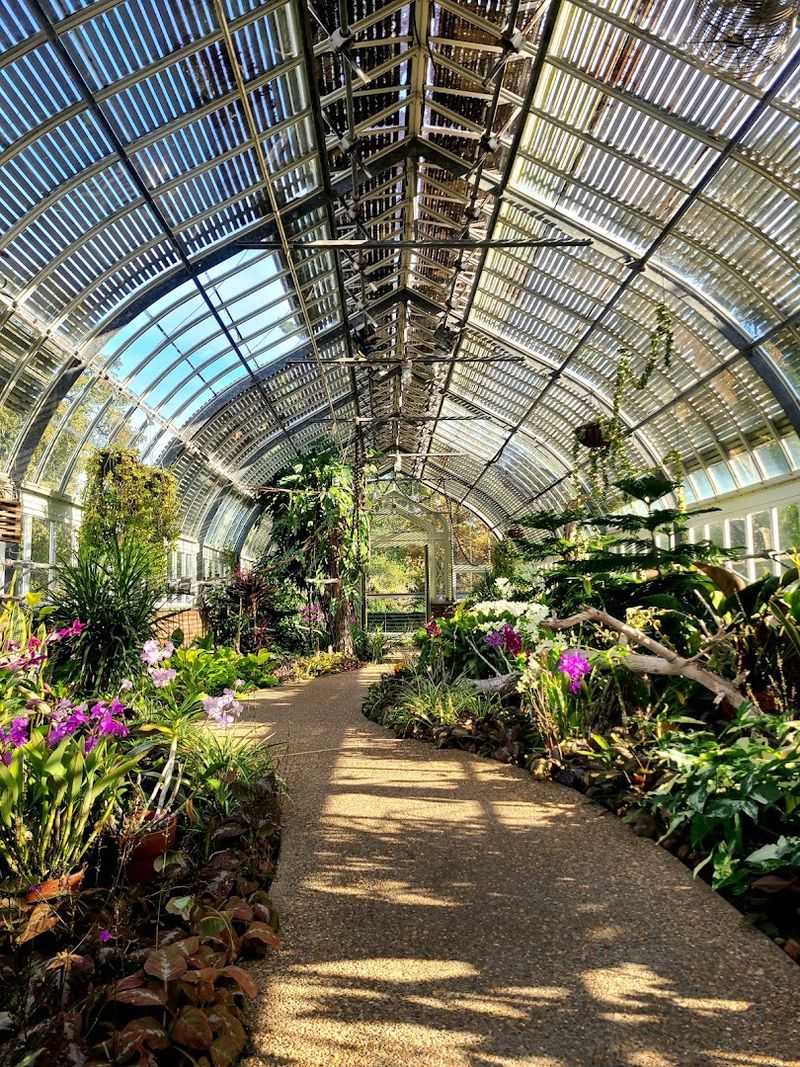
When outdoor gardens suffer from cold snaps or seasonal dormancy, Shangri La’s greenhouses keep the tropical party going year-round. These climate-controlled structures shelter plants that couldn’t survive Texas winters, creating lush indoor jungles that feel transported from equatorial regions. Walking inside during a cold February day delivers instant mental vacation to somewhere much warmer and greener.
The plant diversity inside these structures is genuinely impressive. Rare orchids dangle from hanging baskets. Exotic ferns unfurl prehistoric-looking fronds.
Carnivorous plants demonstrate nature’s weirdest feeding strategies. Each greenhouse specializes in different growing conditions, from humid rainforest environments to drier tropical climates.
Staff and volunteers love sharing plant stories with curious visitors. They’ll explain how that weird-looking specimen evolved, or why that particular orchid only blooms once yearly. The educational component happens naturally through conversation rather than feeling like forced lessons.
Kids especially enjoy the carnivorous plants, fascinated by Venus flytraps and pitcher plants that flip the script on who eats whom.
During the rare corpse flower bloom, the greenhouse becomes the hottest ticket in Southeast Texas. People wait hours to witness and smell this bizarre plant’s notorious odor. But even without celebrity blooms, the greenhouses offer reliable beauty when outdoor gardens look sparse.
They prove that botanical gardens aren’t just about what grows naturally in your region—they’re about expanding possibilities and showing visitors plants they’d never encounter otherwise.
7. Pontoon Boat Tours Float You Through Nature
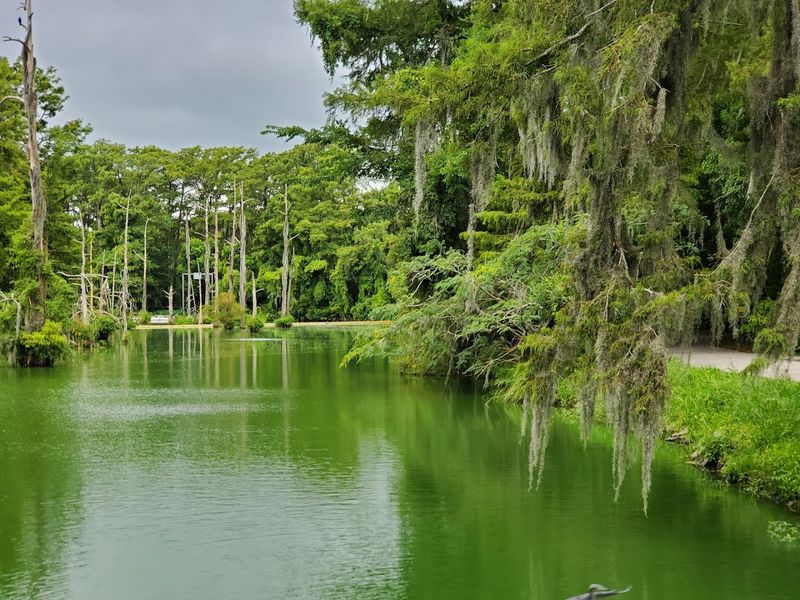
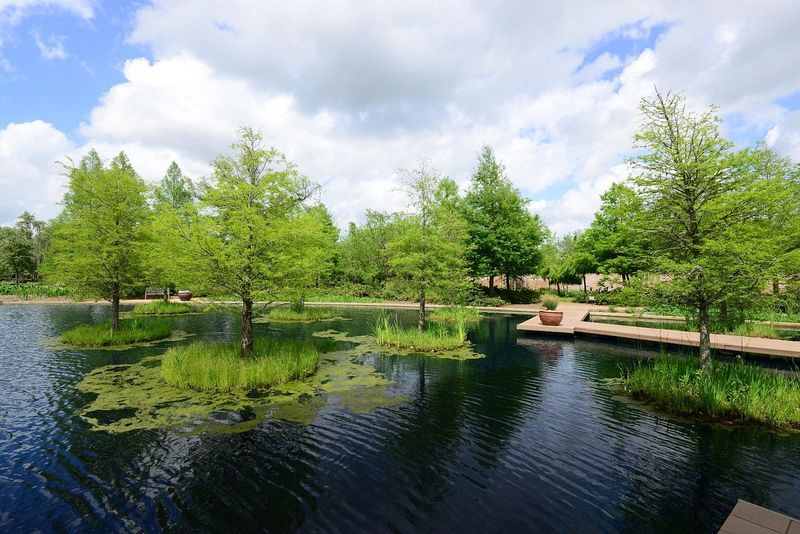
The free pontoon boat tours at Shangri La deliver perspectives you simply cannot get from walking paths. Gliding across the lake’s copper-tinted water, you’ll pass cypress knees poking up like wooden sculptures and get close-up views of aquatic plants that thrive in these wetlands. Tour guides share ecological insights about how these water systems support the entire garden’s health.
Tours launch at 1 PM when available, though you’ll need to reserve tickets since space fills quickly. The hour-long journey moves at a peaceful pace perfect for observation rather than thrill-seeking. You might spot turtles sunning themselves, fish breaking the surface, or birds diving for meals.
The boat’s quiet electric motor doesn’t scare wildlife away like louder engines would.
From water level, the garden reveals different character. Trees that seem ordinary from paths show their full reflection in still water, doubling their visual impact. The old, half-sunken boathouse that visitors mention looks even more atmospheric when approached by boat—like something from a bygone era slowly being reclaimed by nature.
These aren’t manicured Disney-style water features but authentic wetland ecosystems.
Families especially appreciate that boat tours are included free with admission—which is already free. Kids who might tire of walking paths stay engaged when floating. The tours make Shangri La accessible to visitors with mobility challenges who struggle with longer walks.
It’s another example of how this garden prioritizes inclusion, ensuring everyone can experience its beauty regardless of physical ability or budget constraints.
8. Seasonal Events Transform Gardens Into New Experiences
Shangri La refuses to be a one-season wonder. Throughout the year, special events reimagine the gardens for different audiences and occasions. The Christmas Stroll stands out as the most popular, when thousands of lights transform familiar pathways into glowing wonderlands.
Families return annually to make this tradition part of their holiday celebrations, watching their kids grow against the backdrop of illuminated trees.
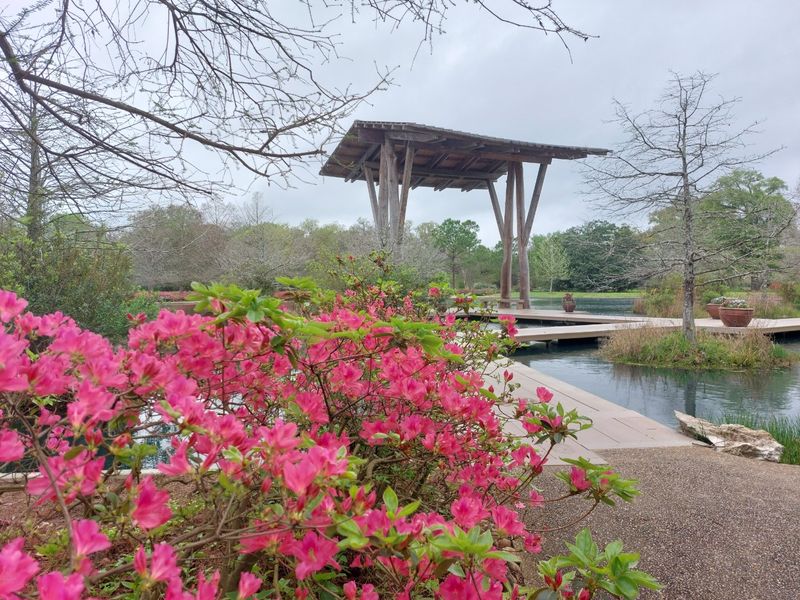
Spring brings different energy with peak blooming seasons that turn the gardens into color explosions. Rare plant blooms like the infamous corpse flower create temporary buzz, drawing crowds who might never otherwise visit. These special blooms get promoted through social media, introducing Shangri La to new audiences who arrive for novelty but often return for the overall experience.
Educational programs target specific groups throughout the year. Homeschool families find field trip resources on the website, including downloadable scavenger hunts that turn casual visits into structured learning. Photography workshops teach composition using the gardens as living classrooms.
These programs build community connections beyond simple tourism.
The volunteer-run nature of many events creates authentic local flavor rather than corporate polish. Staff members genuinely love what they do, and that enthusiasm becomes contagious. Even during massive influxes like the corpse flower crowds, volunteers remained patient and welcoming, extending hours so everyone could participate.
This flexibility and heart distinguish Shangri La from more rigid commercial attractions, making each visit feel personal rather than transactional. The gardens adapt and evolve with seasons, always offering something new to discover.
Share this story