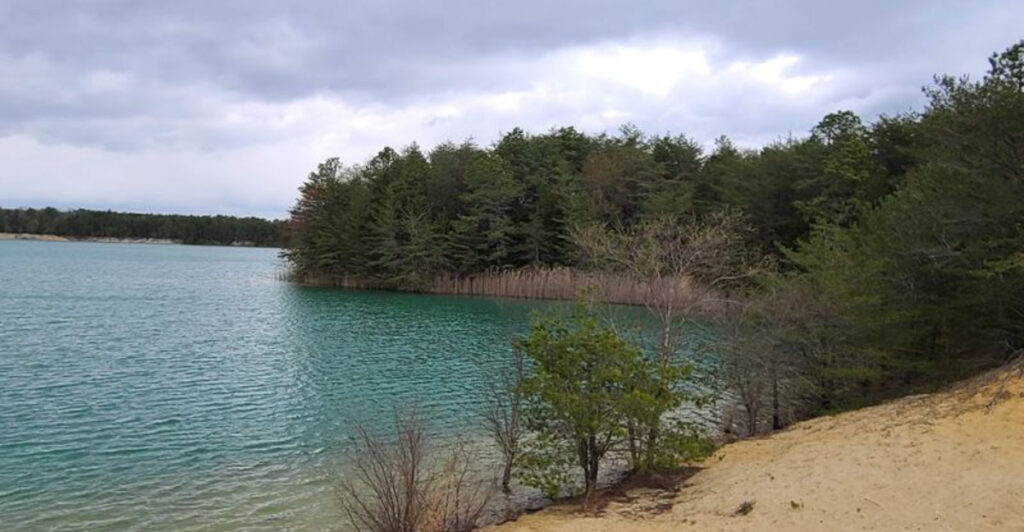
The water is the giveaway. Tucked deep in South Jersey, where sandy roads cut through pitch pines and the air can smell faintly of cedar and warm needles, Manumuskin River Preserve has pockets of blue so bright they look borrowed from somewhere much farther south.
Not Jersey Shore blue. Not swimming-pool blue. More like “wait, why is that glowing in the woods?” blue. That is part of what makes this Cumberland County preserve so fascinating.
It is not a boardwalk stop, not a weekend picnic park, and definitely not the kind of place with a snack stand and a big parking lot. It is a protected Pine Barrens landscape with rare plants, quiet wetlands, old human traces, and a river clean enough to support some of the most delicate species in the state.
It feels secretive because, in many ways, it is supposed to.
1. The hidden Pine Barrens wilderness most New Jerseyans have never seen
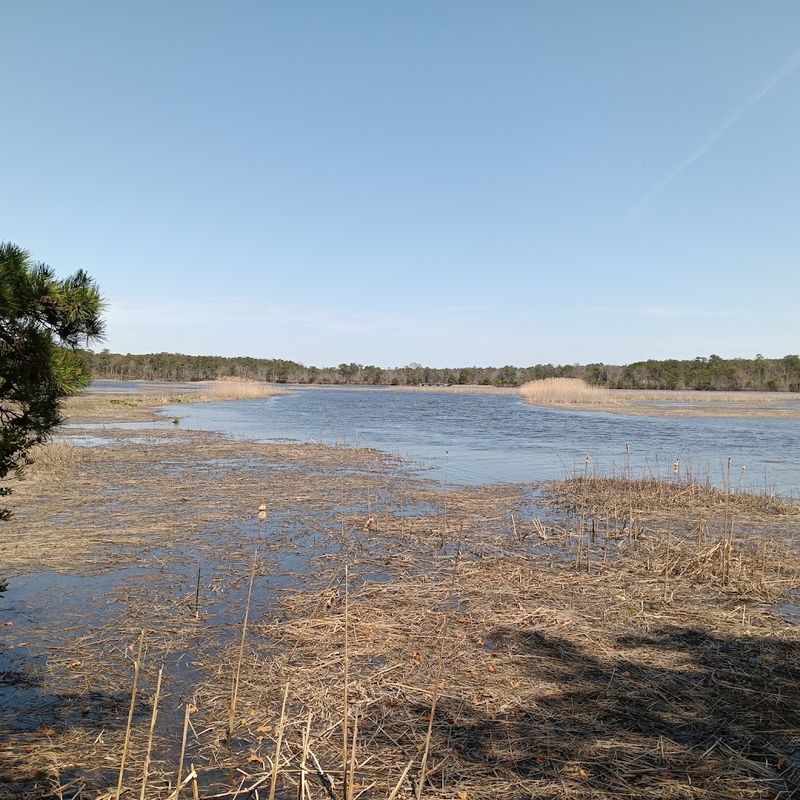
Here is the funny thing about New Jersey: some of its wildest places are not hiding in the mountains or along some dramatic cliffside. They are sitting in the flat, sandy, mosquito-humming stretches of South Jersey, a short drive from places people think they already understand.
Manumuskin River Preserve is one of those places. It sits in Cumberland County, near the Millville and Maurice River Township area, along the southwestern edge of the Pine Barrens, where the landscape starts speaking in pine needles, cedar swamps, sandy soil, and dark, slow-moving water.
The preserve covers more than 3,500 acres, making it the largest Nature Conservancy preserve in New Jersey. That size matters.
In a state where open land often has to fight for every acre, Manumuskin is big enough to feel like a world of its own. It is not just a patch of woods with a nice view.
It is a full river corridor, a mix of forest, wetlands, marshy edges, old sandy clearings, and protected habitat stitched together around the Manumuskin River. Most New Jerseyans have never seen it because this is not a typical public park.
Official tourism information lists Manumuskin River Preserve as having no public access, which is an important detail, not a footnote. The land is protected first and visited second, and that changes the whole personality of the place.
There are no crowds pouring in with coolers, no paved loops full of strollers, and no big brown sign promising an easy overlook. That limited access is exactly why the preserve still has the strange, tucked-away feeling people associate with the Pine Barrens.
It is close enough to familiar roads and towns to feel reachable, yet closed-off enough to remain mysterious. In New Jersey, that combination is rare.
Usually, if something is beautiful, somebody has found a way to pave near it, photograph it, and sell fries nearby. Manumuskin has managed to avoid that fate.
2. Why Manumuskin River Preserve feels untouched by time
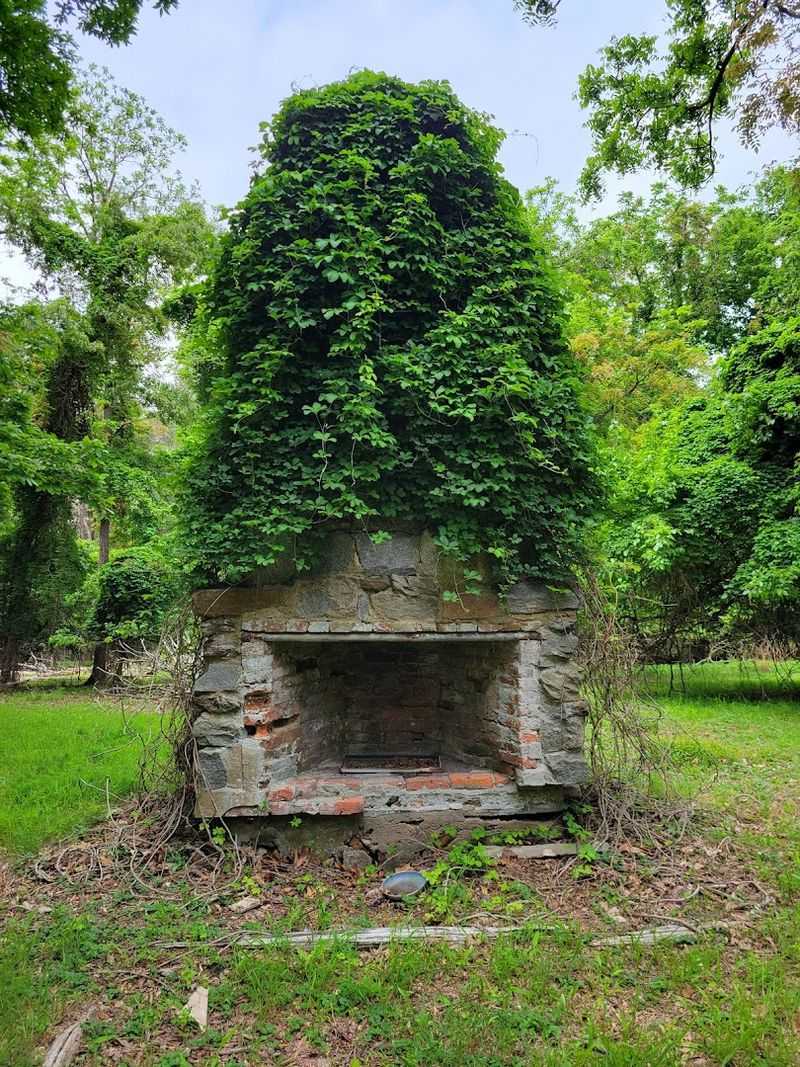
Spend enough time around the Pine Barrens and you learn that “untouched” is a tricky word. The woods may look ancient, but the land almost always has a backstory.
Manumuskin is no different. European settlement along the river began after 1720, and the area still holds traces of old mills, homes, foundations, and chimneys.
That means the preserve is not some fantasy wilderness frozen before humans arrived. It is more interesting than that.
It is a place where nature has been quietly reclaiming the evidence. That is part of the appeal. Instead of a polished historic village with plaques and gift shops, the landscape gives you fragments. A foundation here.
A chimney there. A riverbank that once supported work and settlement, now folded back into the woods. The Pine Barrens are good at that kind of slow erasing. Give the pines enough years, and they will soften almost anything.
The preserve itself began in 1983 with the donation of a small 6.65-acre parcel. More than 3,200 acres were added in 1995, which turned Manumuskin from a conservation idea into one of the most important protected landscapes in the state.
That timeline is worth remembering because it explains why the place feels both old and newly saved. The river and wetlands were here long before anyone drew a preserve boundary around them, but the protection is relatively modern.
What makes Manumuskin feel especially removed from everyday New Jersey is the lack of obvious interruption. The non-tidal portion of the river is known for superb water quality, largely because the surrounding corridor remains heavily forested.
That forest cover is not decorative. It keeps runoff down, shades the water, protects fragile banks, and helps preserve the quiet chemistry that rare species depend on.
So when people say this preserve feels untouched by time, what they are really sensing is restraint. No big development.
No heavy recreational footprint. No attempt to make every corner convenient. It is the kind of place that asks people to step back, which is not exactly New Jersey’s usual speed.
3. The eerie blue holes that make the forest feel almost unreal
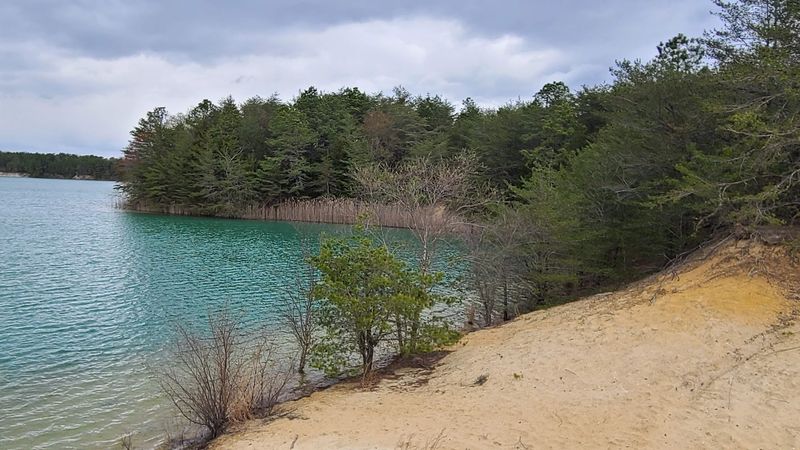
Even in a state full of odd little legends, blue holes have a special grip on the Pine Barrens imagination. You are walking through woods where most natural water looks tea-colored from tannins, and then suddenly there is a pool that seems too blue, too clear, too bright for the setting.
Around Manumuskin, these blue holes have become part of the local mystery, especially because they are so visually out of step with the rest of the landscape. They are not magic portals, though they do a convincing impression.
Many of South Jersey’s blue holes are linked to former mining or quarry activity, where sand and gravel pits filled with groundwater over time. The pale sandy edges and unusual water chemistry can make the color look startlingly vivid, especially under a clear sky.
That contrast is what makes them feel eerie. The surrounding Pine Barrens are all rusty streams, dark cedar water, and muted greens.
Then comes a flash of blue that looks like someone dropped a Caribbean lagoon into Cumberland County by mistake. The problem is that the same features that make blue holes fascinating can also make them risky.
These are not supervised swimming lakes. They can have steep drop-offs, cold spots, debris, unstable banks, and water quality concerns that are not obvious from the surface.
At Manumuskin, the access issue matters too. The preserve is not open for casual public wandering, and the blue holes should not be treated as a secret swimming spot or a social media challenge.
That may make them even more intriguing, honestly. The best local mysteries are often the ones you are better off admiring from a respectful distance.
The blue water is part geology, part history, part Pine Barrens rumor mill, and part warning sign. It is beautiful, yes, but not every beautiful place is asking to be touched.
4. Rare plants and wildlife that thrive in this protected landscape
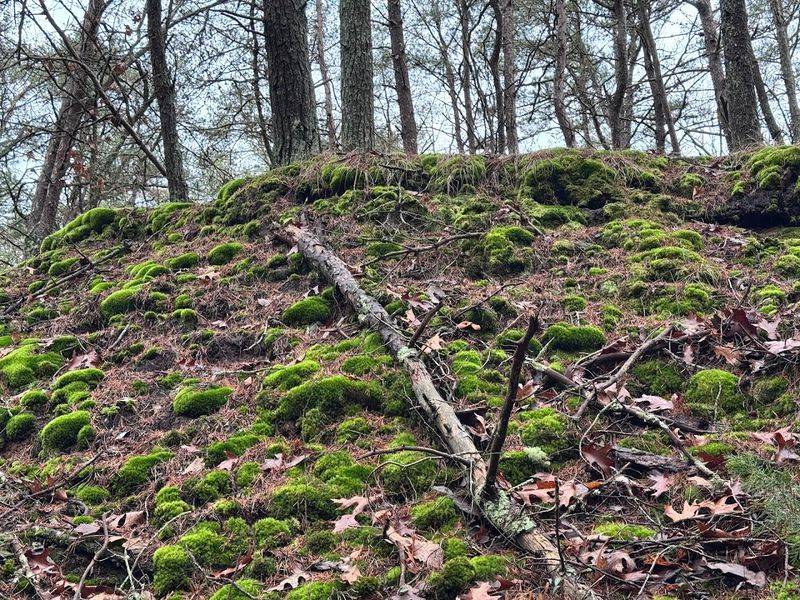
The real celebrity of Manumuskin River Preserve is not the blue water. It is a plant most people would walk past without realizing they were near something globally important.
Sensitive joint-vetch, known scientifically as Aeschynomene virginica, grows along tidal freshwater wetlands, and the population along the Manumuskin River is considered the largest and healthiest stand in the world. That is a huge claim for a plant with such a modest name.
Sensitive joint-vetch is not showy in the way people expect rare things to be. It does not announce itself like a bald eagle over the marsh or a bright pink flower along a trail.
It is an annual legume that depends on a very particular kind of wetland rhythm, including freshwater tidal flooding that many plants cannot tolerate. That makes its presence at Manumuskin a sign that the system is still working in a delicate, highly specific way.
The preserve also protects other rare plants and animals, including Parker’s pipewort, northern pine snake, corn snake, least tern, bald eagle, and osprey. The Manumuskin corridor is also associated with pine barrens tree frog, southern gray tree frog, barred owl, red-headed woodpecker, scarlet snake, dozens of rare Pinelands plants, and several globally rare plant species.
That is not a random nature checklist. It is evidence of habitat variety packed into one river system. The bird life is especially impressive. Fifteen of New Jersey’s threatened and endangered bird species breed in the Manumuskin River Basin.
That happens because the preserve offers what many species are losing elsewhere: clean water, forest cover, wetlands, quiet nesting areas, and enough space to function as habitat instead of scenery. This is where Manumuskin becomes more than a hidden oddity with strange blue pools.
It is a living refuge. The less flashy parts of the preserve, the muddy edges, wet grasses, cedar shadows, and slow tidal marshes, are doing the heavy lifting. They are why rare things still have a foothold here.
5. A pristine river that keeps this fragile ecosystem alive
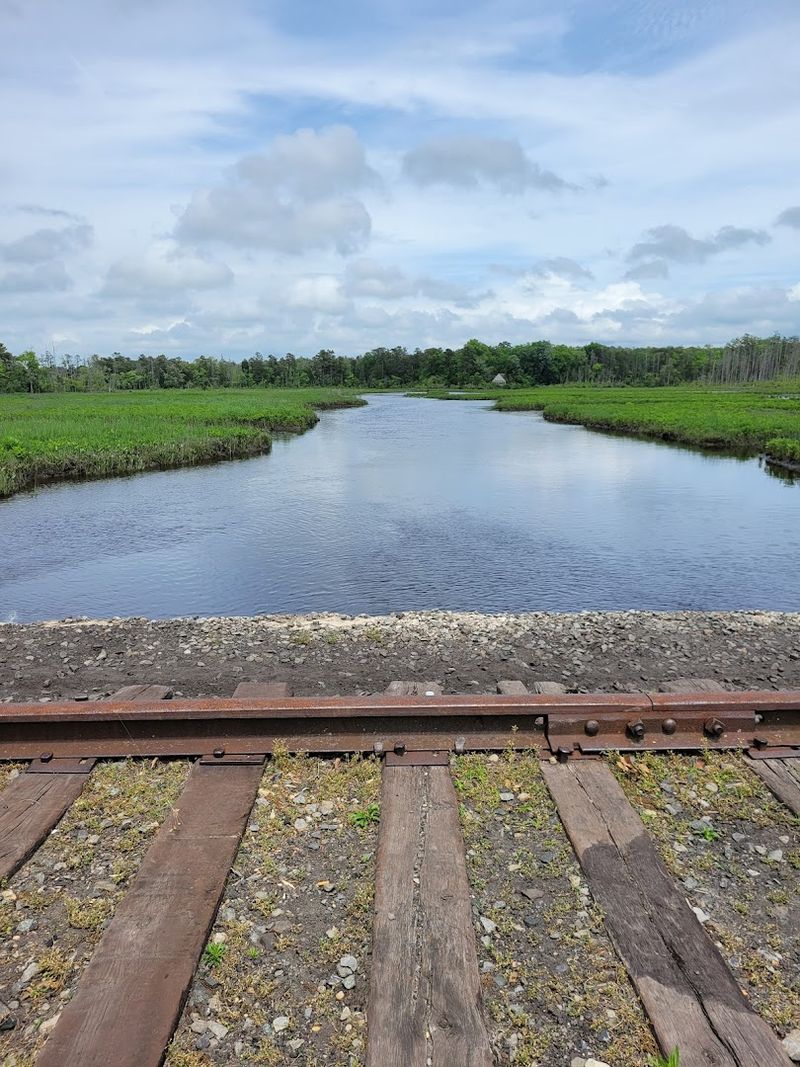
Follow the Manumuskin River and the whole preserve starts to make sense. The river runs about 12 miles from its headwaters in southwestern Atlantic County before emptying into the Maurice River roughly seven miles from the Delaware Bay.
That path may not sound dramatic on paper, but in South Jersey ecology, it is a lifeline. The Manumuskin is part of the Maurice River system, which was added to the National Wild and Scenic Rivers System in 1993.
The designation included the Maurice along with tributaries such as the Manumuskin, Menantico, and Muskee, recognizing a river corridor that connects the Pinelands National Reserve with the Delaware Estuary. In normal-person language, that means this waterway is not just locally pretty.
It is regionally important. The river’s clean water is the engine behind the preserve’s rare habitat.
In the non-tidal stretches, heavy forest cover helps protect water quality by limiting disturbance and filtering runoff before it reaches the river. Farther downstream, tidal freshwater wetlands create the conditions needed by sensitive joint-vetch and other specialized plants.
It is a system built on small balances: salt and fresh, wet and dry, forest and marsh, shade and open water. That balance is also why the place feels so different from more familiar New Jersey waterways.
The Manumuskin is not trying to be a big recreational river with marinas, restaurants, and dockside music. It moves through the landscape more quietly.
In places, the water carries the dark, glassy look of the Pine Barrens, stained by organic tannins from leaves and roots. Nearby, the strange blue holes create a visual shock, but the river itself is the real story.
Without the Manumuskin, the preserve would just be acreage. With it, the land becomes a connected ecosystem. Plants, birds, snakes, frogs, marshes, old forests, and even the local legends all gather around the same thread of water.
6. What visitors should know before exploring this wild corner of New Jersey
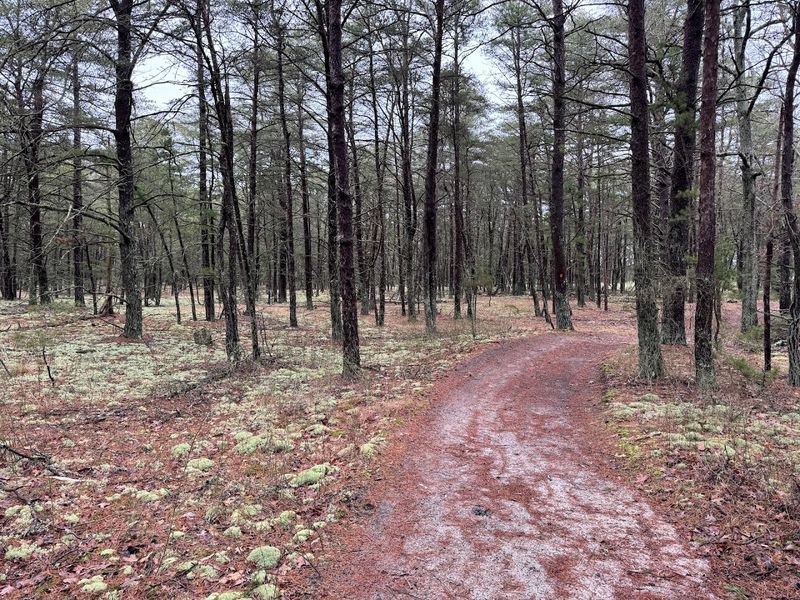
This is the part where a local would gently take the car keys out of your hand if your plan was to “just find the blue hole real quick.” Manumuskin River Preserve is not a casual drop-in destination, and that is not bad news. It is simply the reality of a conservation area where rare species and fragile habitat come before recreation.
Official visitor information lists the preserve as having no public access, and swimming in the blue holes is not allowed or advisable. That does not mean the broader area is off-limits to curiosity.
It means the curiosity needs better manners. The surrounding Maurice River and Pine Barrens region has public places where people can hike, paddle, bird-watch, and get a feel for the same South Jersey landscape without cutting across protected land.
Peaslee Wildlife Management Area, for example, contains much of the headwaters of the Manumuskin River and Muskee Creek, and it gives visitors a more appropriate way to experience Pine Barrens habitat. Nearby stretches of the Maurice River corridor also offer a safer, more legitimate window into the same watershed.
Anyone lucky enough to join an organized walk or interpretive outing connected to the preserve should treat it differently from a normal park visit. Wear shoes that can handle sand, mud, and wet ground.
Bring bug spray when the weather is warm. Do not count on bathrooms, benches, snack stands, or cell service behaving nicely.
This is South Jersey wilderness, not a curated nature center. The blue holes may be the hook, but they should not be the mission.
The better way to understand Manumuskin is to think of it as a protected pocket of New Jersey doing exactly what it is supposed to do: keeping clean water clean, giving rare species room to survive, and reminding the rest of us that not every remarkable place needs to be easy to reach.
Share this story