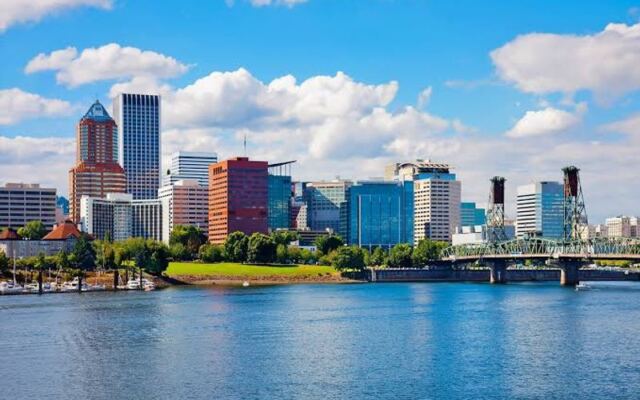
Most people plan a trip around a beach, a trail, or a favorite coffee stop, not a hospital. Yet in one corner of Oregon, the medical care is part of the local story, and it sits right beside rivers, bridges, and a mountain view. Families here talk about doctors the way other towns talk about their high school team.
The city is not exactly tiny, but it has kept a neighborly feel that surprises newcomers. Its streets mix world-class medicine with parks, gardens, bike paths, and a busy arts calendar. For Oregonians who want familiar places to stay strong and everyday life to stay livable, this place offers a lot to consider.
Keep reading to learn where it is, what makes it stand out, and how to plan a visit.
A River City in Northwest Oregon
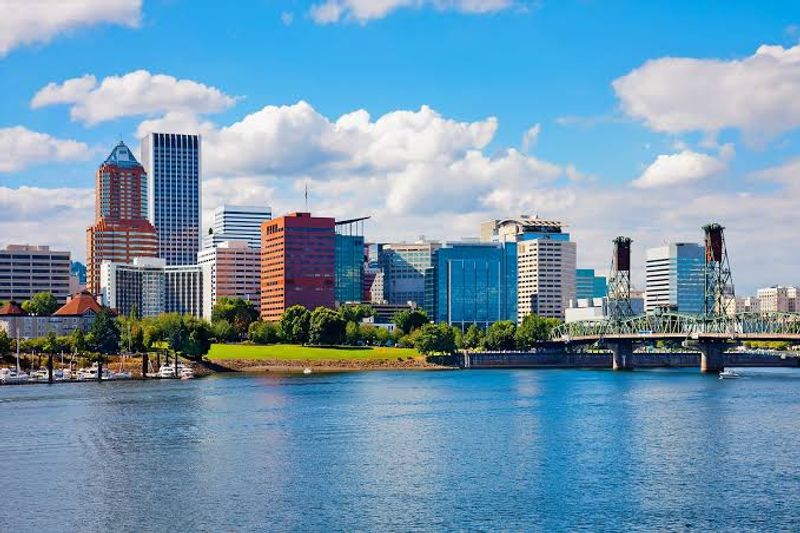
Some places earn their reputation quietly, and this one did it one neighborhood at a time. The city in question is Portland, Oregon, in the United States.
Portland is the largest city in Oregon. It sits in the northwest part of the state, where two major rivers meet.
That size might seem to clash with a headline about a small town. Still, many residents describe it as a collection of close-knit districts rather than one giant metro, and that local feel is a big part of its charm.
The city keeps an official website at portlandonline.com, which is a handy starting point for anyone planning ahead. It covers city services and local information in one place.
Portland is known for a long list of things. Parks, bridges, bicycle paths, and a strong focus on eco-friendly living all come up when people describe it.
Medical care belongs on that list too. The city is home to major hospitals and a large academic health center that draws patients from across the state and beyond.
For Oregon families, that matters in a very real way. Having strong care close to home means fewer long drives and more time spent with the people who count.
So the stage is set, and the next stop is the landscape that frames it all.
Two Rivers and a Snowy Neighbor
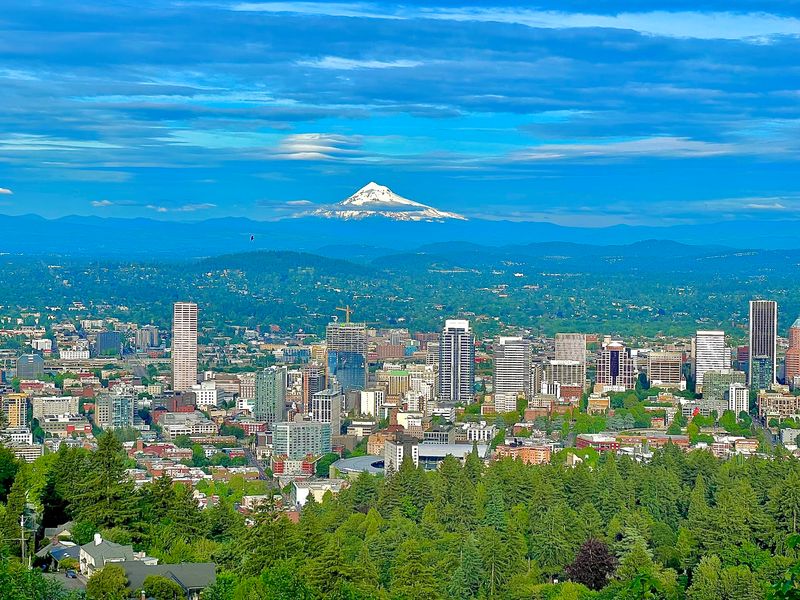
Geography does a lot of the heavy lifting here. Portland sits on the Columbia and Willamette rivers, and that location shaped how the city grew.
The Willamette runs right through town, splitting it into east and west sides. The Columbia forms a broad edge to the north, marking the line between Oregon and Washington.
Then there is Mount Hood. The snow-capped peak rises in the distance and gives the city one of its most recognizable backdrops.
On a clear day, the mountain shows up behind office towers, neighborhood streets, and park lawns alike. Locals tend to notice when it is visible, almost like checking on an old friend.
The rivers also explain why bridges are such a big deal here. A city split by water needs plenty of ways to cross it, and Portland has answered that need many times over.
For anyone new to the area, the setting makes navigation easier. Rivers and a mountain make solid landmarks when the street grid gets confusing.
This mix of water and peaks also supports the outdoor habits that run deep in local life. Parks, paths, and riverside spaces follow naturally from a setting like this.
Of course, a pretty backdrop only goes so far, and the city has much more going on underneath it.
Medicine on the Hill
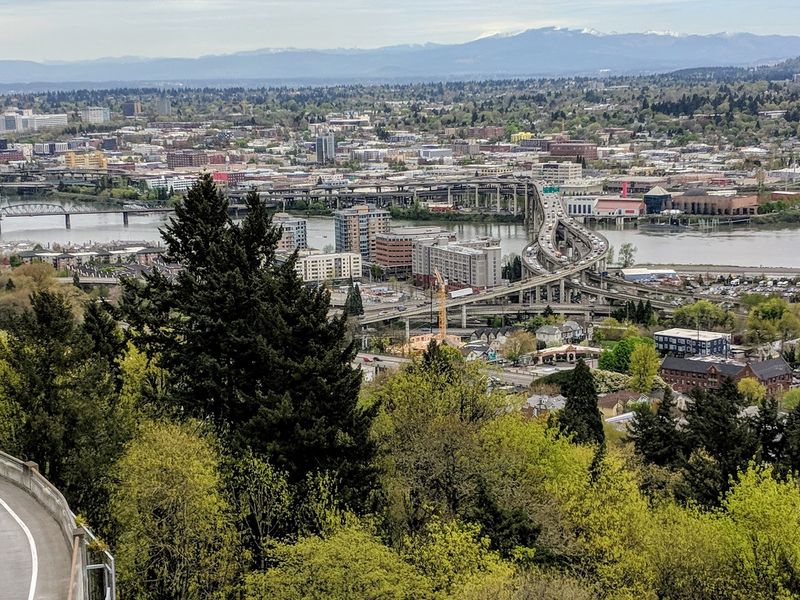
Here is a fun fact that catches people off guard. In Portland, one of the region’s biggest medical campuses can be reached by an aerial tram.
Oregon Health and Science University, often called OHSU, sits on Marquam Hill above the city. It is Oregon’s public academic health center, combining hospital care, medical education, and research.
The Portland Aerial Tram connects the hilltop campus with the South Waterfront area below. Patients, students, and staff use it as part of their daily routine.
Beyond OHSU, the city is served by several other hospital systems with locations across the metro. Together they give residents a wide range of choices for care.
That kind of access is not something every Oregon community enjoys. Many families in smaller towns travel to Portland for specialized treatment, which shows how central the city is to health care in the state.
Teaching hospitals also bring a steady flow of new doctors, nurses, and researchers. That training pipeline helps keep care current and connected to new ideas.
For residents, the takeaway is simple. Strong hospitals are one of those community institutions worth protecting, just like a favorite park or a historic theater.
And when the appointments are done, the city has plenty of ways to unwind, starting with its famous crossings.
Bridges That Built a Nickname
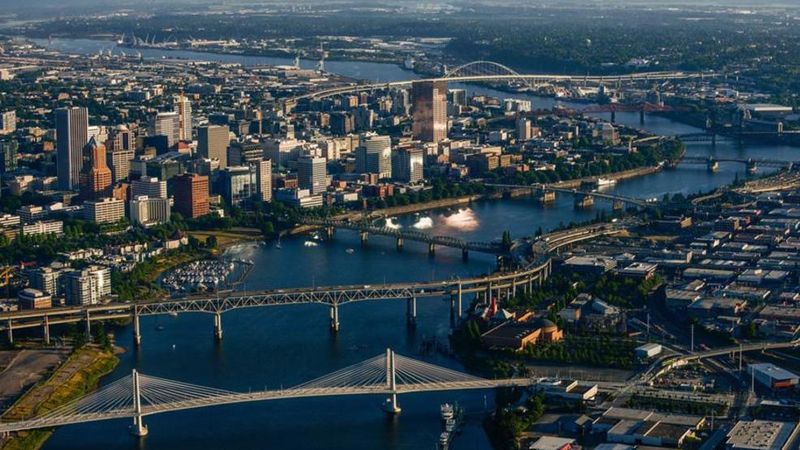
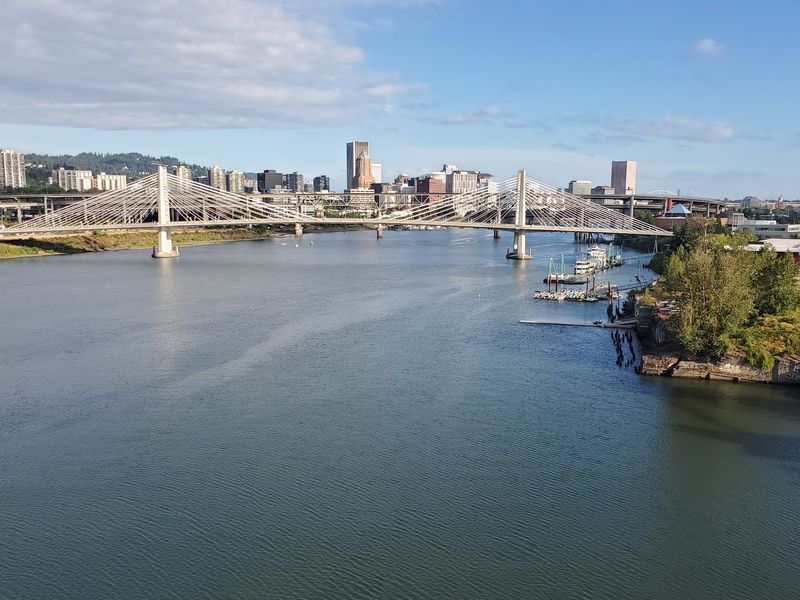
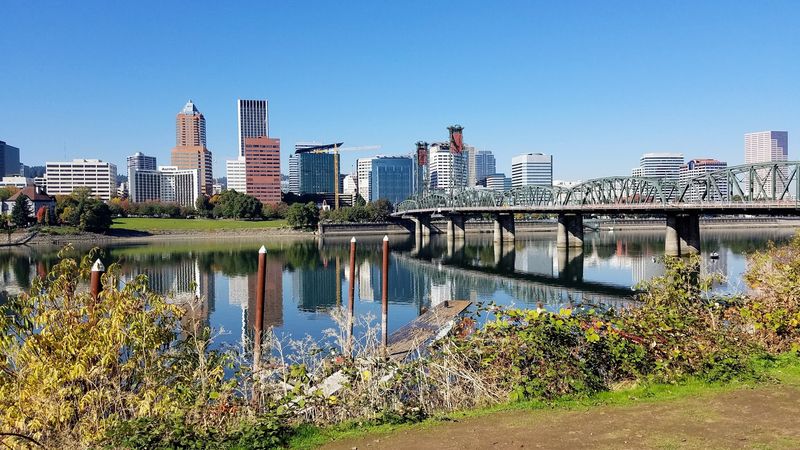
Ask around about Portland’s nicknames, and Bridgetown comes up fast. The name makes sense once the river view opens up.
Bridges are one of the things the city is best known for. Because the Willamette cuts through the middle of town, crossings link neighborhoods, business districts, and parks on both banks.
Each bridge has its own look. Some are older steel structures, while others are newer designs built with transit, cyclists, and walkers in mind.
For many locals, the bridges are part of the daily commute. For newcomers, they quickly become handy reference points for figuring out which side of the river they are on.
The crossings also tie into the city’s bike culture. Many of them include lanes or paths that let riders move between east and west without needing a car.
Photographers love them too. A walk along the riverfront offers views of several spans lined up in a row, which makes for an easy keepsake shot.
There is also something reassuring about structures that have served the city for generations. Keeping them in good shape is one more way Portland holds on to the places people know and trust.
Once across, a whole network of green space waits on the other side.
Green Space at Every Turn
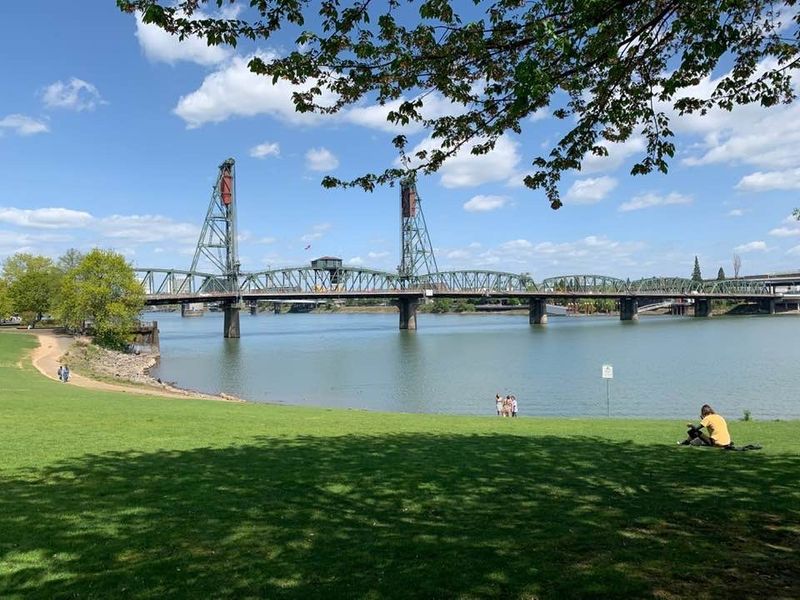
Parks are not an afterthought in Portland. They are woven into the way the city works.
The city is widely known for its parks, and they come in every size. There are small neighborhood lawns, riverside stretches, and large forested areas within city limits.
For families, that means an easy outing is usually close by. A playground, a picnic spot, or a shady path rarely requires a long trip.
The parks also connect to Portland’s reputation for eco-friendliness. Green space supports wildlife, keeps neighborhoods cooler, and gives residents room to breathe away from busy streets.
Health and parks go hand in hand, too. A city with strong hospitals and plenty of places to walk gives people more than one way to look after themselves.
Many parks host community events throughout the year. These gatherings help neighbors meet and keep local traditions going.
Here is the part that tends to surprise first-timers. Some of the best-known attractions in the city sit inside a single park, all within reach of each other.
That park deserves its own spotlight, so the next section heads straight there.
Washington Park’s Headline Act
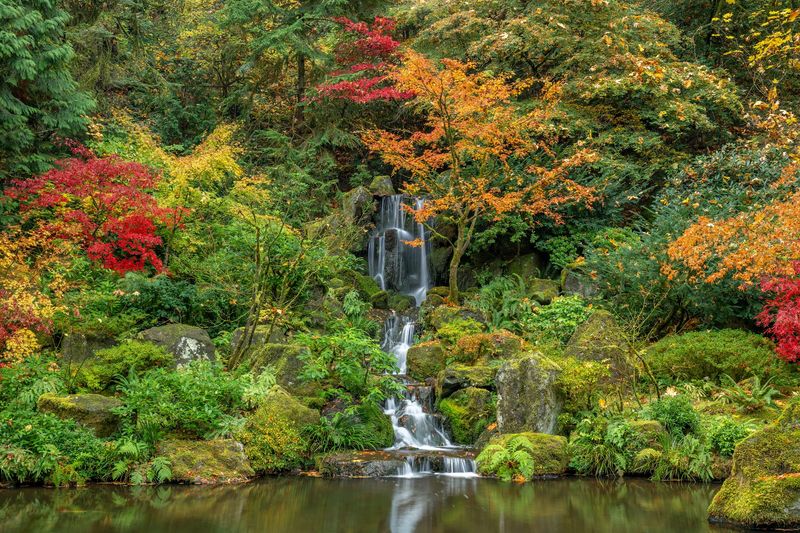
One park, several big-name attractions. Washington Park is often called iconic, and the lineup inside explains why.
The formal Japanese Garden is one of its most famous sites. It offers carefully designed paths, ponds, and plantings that invite a slow and quiet walk.
The Oregon Zoo is also inside Washington Park. It is a popular stop for families, school groups, and animal fans of every age.
Then there is the zoo’s railway. A small train ride adds a playful extra to a day at the park, and kids tend to rank it near the top of their list.
Having all of these spots in one place makes planning simple. A full day can be built around Washington Park without much travel in between.
The park also connects to the broader story of Portland as a city that protects its shared spaces. Gardens and zoos take steady care and community support to keep running well.
For residents, these are the kinds of familiar places that hold memories. Many locals visited as children and now bring their own families.
After a day of strolling, though, some people prefer to cover ground on two wheels.
Pedal Power and Paths
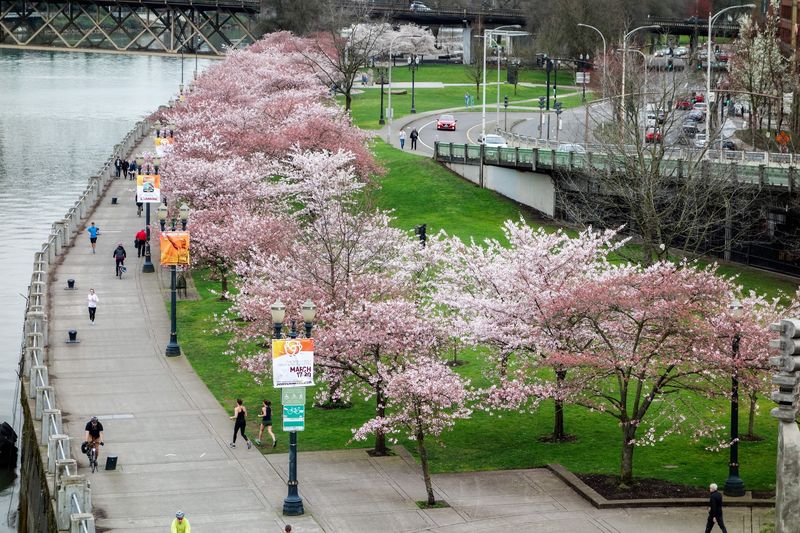
Bikes are a way of life in this city. Portland is well known for its bicycle paths, and riders of all levels use them.
Dedicated lanes and trails link neighborhoods, parks, and riverfront areas. That makes it possible to run errands, commute, or explore without a car.
For budget-minded Oregonians, this matters. Riding a bike can trim everyday transportation costs, and the city’s network makes that choice more practical.
The bike culture also fits Portland’s broader eco-friendly reputation. Fewer car trips mean less traffic and cleaner air for everyone.
Riverside routes are especially popular. They pair easy riding with views of the bridges and the water.
Newcomers may want to start slow. Picking a short loop near the river is a simple way to get comfortable before trying longer routes across town.
Safety basics still apply. A helmet, lights for evening rides, and a good lock go a long way in any city.
Of course, every ride needs a pit stop, and Portland has a well-earned reputation for those, too.
Coffeehouse Culture and Green Living
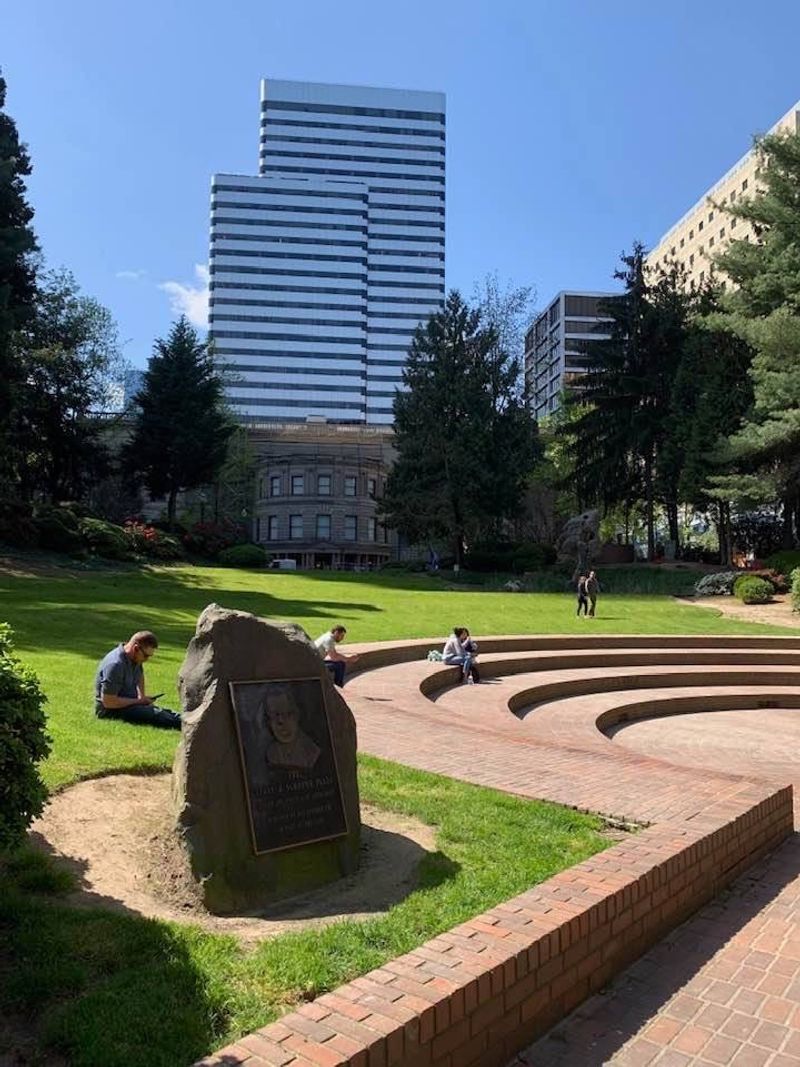
Coffeehouses are practically a neighborhood institution here. Portland is known for them, and they show up on corner after corner.
Many are independently run. They serve as places to meet friends, study, work remotely, or simply take a break from a busy day.
These shops often double as community hubs. Bulletin boards, local art on the walls, and familiar faces behind the counter give them a hometown quality.
The coffeehouse habit ties into Portland’s eco-friendly streak. The city has long been associated with sustainable choices, and that mindset shows up in everyday routines.
Supporting small local businesses is part of that same spirit. When residents choose a neighborhood shop, they help keep a familiar place open for the next generation.
For anyone spending a day at nearby hospitals with a loved one, a quiet cafe can be a welcome reset. A short break and a warm cup can make a long day feel a little lighter.
Coffeehouses also feed into the creative side of the city. Many writers, musicians, and artists have sketched out ideas at a corner table.
And speaking of creative types, Portland’s stages are calling next.
Stages, Studios and Live Sets
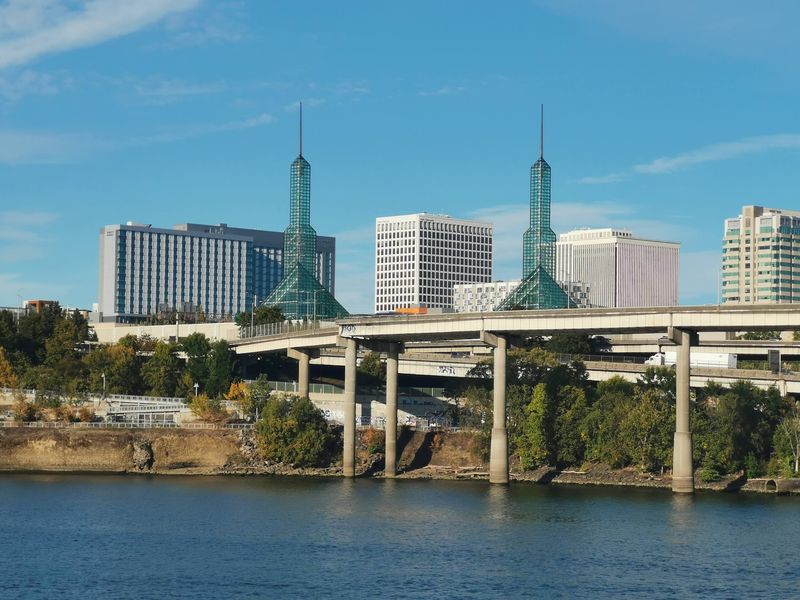
Art has a loud voice in Portland, even when the venues are small. The city hosts thriving art, theater, and music scenes.
Galleries range from established spaces to tiny studios run by local artists. Many neighborhoods have their own creative corners worth exploring.
Theater fans have plenty to choose from as well. Productions run across the city, from large stages to intimate community spaces.
Music is everywhere, too. Concerts and live performances fill calendars throughout the year, covering many styles and audiences.
Arts venues are the kind of community institutions that depend on local support. Buying a ticket or attending a free event helps keep these places running.
For families, many arts programs offer options suited to kids. That makes culture an easy part of a weekend plan rather than a special occasion.
The arts also give the city much of its personality. They reflect the creativity of the people who live here and keep neighborhoods lively.
With so much to see, a little planning helps, which is exactly where the next section comes in.
Planning a Smooth Trip
A little homework goes a long way. The city’s official website, portlandonline.com, is the best place to start for current local information.
Hours and prices vary widely from one attraction to the next. Gardens, the zoo, theaters, and other sites each set their own schedules, so checking each one before heading out saves time.
Getting around is fairly easy. The MAX light rail and bus system connect many parts of the city, which can help avoid parking costs downtown.
Bikes are another solid option. The city’s path network makes short trips simple, especially near the river.
For those coming in for medical appointments, it helps to confirm directions and parking details with the hospital ahead of time. Large campuses can take a few extra minutes to navigate.
Washington Park is worth a full day if time allows. Grouping nearby stops together keeps travel short and the schedule relaxed.
Weather can change, so packing a light layer is a smart move. Comfortable shoes are also helpful for park paths and riverfront walks.
With the logistics handled, one question remains, and the final section answers it.
Why It Earns a Spot on the List
So, is Portland worth the trip, or even a move? For many Oregonians, the answer leans toward yes.
The city brings together strong hospitals and a major academic health center. That access to care is one of the most practical reasons to keep it on the radar.
It also delivers on the everyday stuff. Parks, bridges, bike paths, coffeehouses, and a lively arts calendar give residents plenty to enjoy close to home.
Washington Park alone offers the Japanese Garden, the Oregon Zoo, and its railway. That is a full day of family fun in one spot.
The setting does its part, too. Two rivers and a view of Mount Hood give the city a sense of place that is hard to copy.
Like any city, it has its challenges. Still, it holds on to many familiar places and institutions that locals care about deeply.
Supporting those places, from neighborhood cafes to community theaters to local hospitals, helps keep them around for the long run.
For anyone weighing a visit, Portland offers care, culture, and green space in one package, and that combination is well worth a closer look.
Share this story