Tucked along the Tennessee River in Hardin County, Savannah is quietly transforming into one of the state’s most exciting small towns. With just over 7,000 residents, this historic river community is drawing new visitors and residents without losing the charm that makes it special.
While bigger cities grab headlines, Savannah is writing its own story of growth, character, and Southern hospitality that feels refreshingly authentic.
The Tennessee River Town That Still Feels Like a Secret
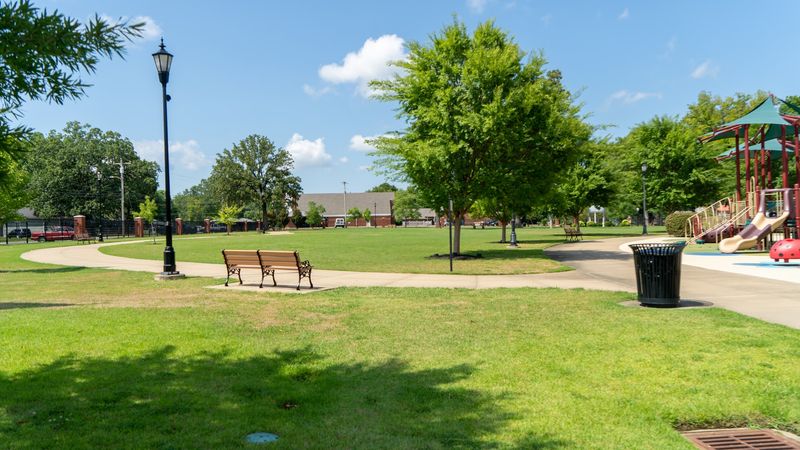
Most travelers zoom past Savannah on their way to somewhere else, and honestly, that’s part of what makes it so appealing. This Hardin County seat sits right on the eastern bank of the Tennessee River, offering waterfront views and small-town atmosphere without the tourist crowds you’d find in more famous Tennessee destinations. The city’s population hovers around 7,200 people, which means you’ll actually get to know the barista at your favorite coffee shop.
What makes Savannah different from other river towns is how it balances progress with preservation. New businesses are opening downtown, young families are moving in, and the riverfront is seeing thoughtful development. Yet somehow the town hasn’t lost that easygoing vibe where neighbors still wave from their porches and Friday night high school football games pack the stands.
The Tennessee River isn’t just scenery here—it’s central to daily life. Locals fish from the banks, kayakers paddle past historic sites, and sunset over the water becomes part of your evening routine. The river brought settlers here in the early 1800s, and it continues to shape the community’s identity today.
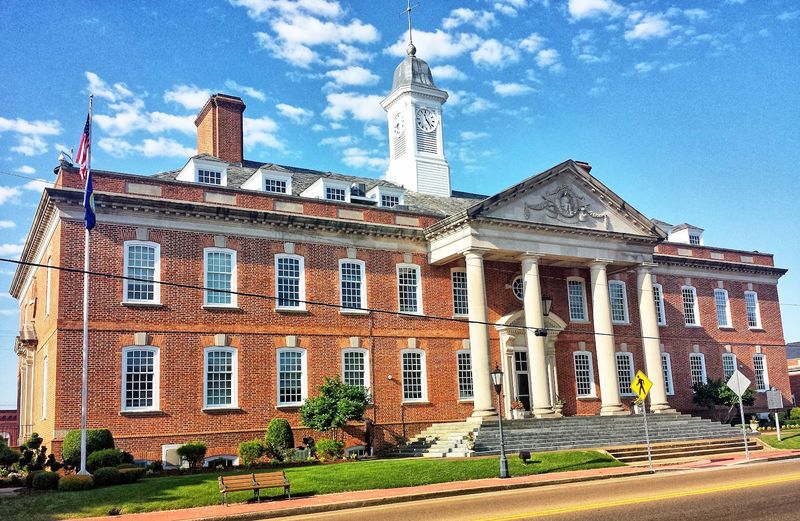
Savannah manages something rare: it’s growing without becoming generic. The historic courthouse still anchors downtown, family-owned shops share streets with newer restaurants, and development happens at a pace that feels organic rather than forced. For people tired of cookie-cutter growth, Savannah offers a refreshing alternative where progress respects character and community still means something real.
Why Savannah Is One of Tennessee’s Most Underrated River Towns
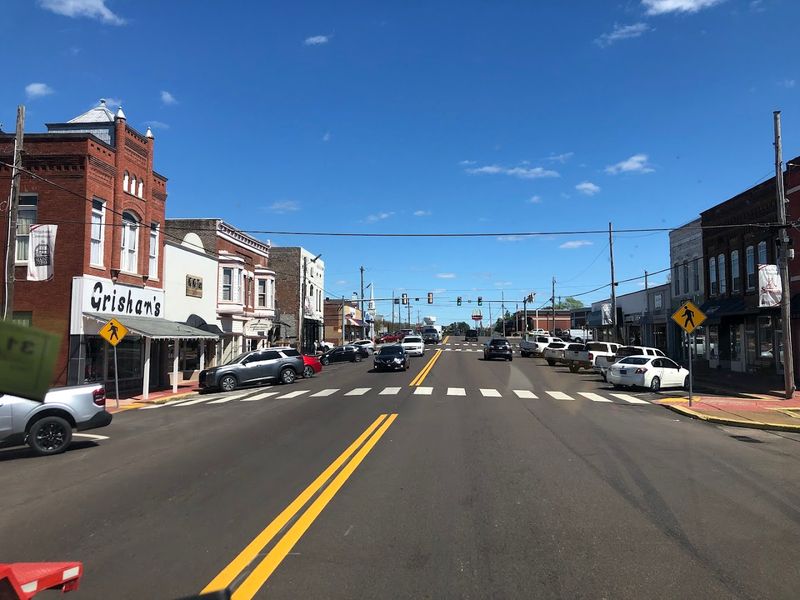
Tennessee has plenty of river towns, but Savannah flies under the radar in ways that actually work to its advantage. While Chattanooga and Knoxville draw massive tourism dollars, Savannah keeps its river access relatively uncrowded and genuinely accessible to regular folks. You can launch a boat, cast a line, or just sit by the water without fighting for parking or paying premium prices for the privilege.
The town’s location puts it within easy reach of major attractions without being overrun by them. Shiloh National Military Park sits just minutes away, bringing history buffs through town who often discover Savannah itself is worth exploring. Pickwick Lake lies nearby, offering even more water recreation opportunities.
Yet Savannah maintains its own identity rather than becoming just a place to sleep between tourist stops.
What really sets Savannah apart is how the community uses its river heritage. Local festivals celebrate the waterway, restaurants serve fresh catfish, and the riverfront serves as a gathering place rather than just a postcard backdrop. The Tennessee River Trail brings hikers and bikers through town, connecting Savannah to a larger network of outdoor recreation while keeping the experience grounded in local culture.
Underrated doesn’t mean undiscovered—it means the secret is still enjoyable. Savannah welcomes visitors without catering exclusively to them, which creates an authentic experience increasingly rare in Tennessee tourism. The river remains a working waterway, not just a scenic attraction, and that practical relationship with the water gives Savannah substance that outlasts any travel trend.
The Small-Town Energy That Makes Savannah So Appealing
Walk through downtown Savannah on a Saturday morning and you’ll feel something that’s become rare in modern America: genuine small-town energy that isn’t manufactured for tourists. The farmers market buzzes with actual farmers selling produce, not Instagram-ready vendor booths shipping in goods from elsewhere. People stop to chat because they actually know each other, not because some downtown revitalization plan told them to be friendly.
This energy comes from a community that still functions as a community. Local high school sports matter here, church potlucks draw real crowds, and when someone needs help, neighbors show up. It’s not nostalgia or performance—it’s how daily life actually works in a town of 7,200 people where social fabric hasn’t completely frayed.
The business district reflects this authentic energy too. Family-owned restaurants serve recipes passed down through generations, not corporate menu concepts tested in focus groups. The hardware store still knows your name and what project you’re working on.
New businesses opening downtown tend to be local entrepreneurs with actual ties to the community, creating enterprises that feel personal rather than franchised.
Savannah’s energy also comes from demographic shifts bringing new life to town. Young families attracted by affordable housing and quality of life are moving in, mixing with established residents in ways that create momentum without displacement. Retirees choosing Savannah for its pace and river access add another layer, creating an intergenerational mix that keeps the community dynamic without losing continuity with its past.
What’s Fueling Savannah’s Under-the-Radar Rise
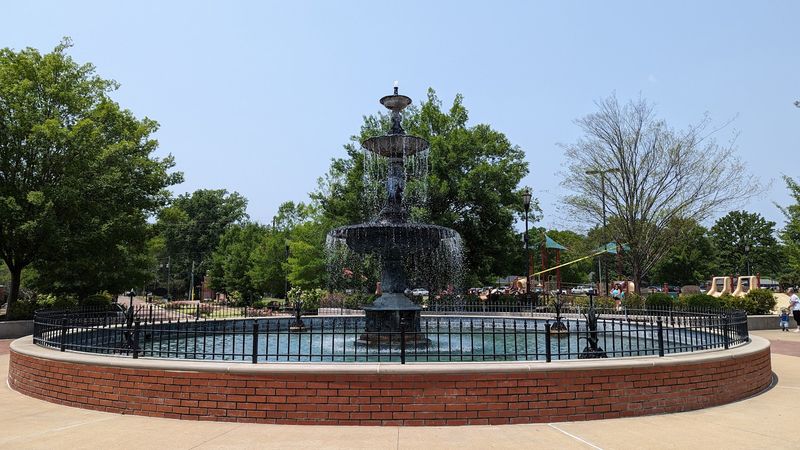
Savannah’s growth isn’t happening by accident—several factors are converging to put this river town on the map without overwhelming it. Affordable real estate tops the list, with housing prices that seem almost fictional compared to Nashville or even mid-sized Tennessee cities. Young professionals working remotely discovered they could buy actual houses here for what a cramped apartment costs elsewhere, and word spread quickly through networks of people hungry for affordability and space.
The town’s location plays a significant role too. Savannah sits close enough to larger cities for occasional access but far enough away to maintain its own identity and lower cost of living. Interstate access makes commuting possible for those who need it, while the Tennessee River provides recreational opportunities that would cost a fortune to access in more developed areas.
Local leadership deserves credit for managing growth thoughtfully rather than chasing any development at any cost. City officials have focused on infrastructure improvements, downtown revitalization that respects historic character, and attracting businesses that fit community values. This measured approach prevents the boom-and-bust cycles that leave small towns worse off than before.
Cultural shifts are fueling interest too. More Americans are reconsidering what quality of life actually means, and places like Savannah offer compelling answers. Safe streets, good schools, outdoor access, and genuine community connections appeal to people exhausted by urban stress or suburban isolation.
The town’s rise reflects broader trends toward smaller cities and towns that offer substance over status, connection over convenience, and authentic experiences over manufactured amenities.
A Riverfront Town With History, Charm, and Momentum
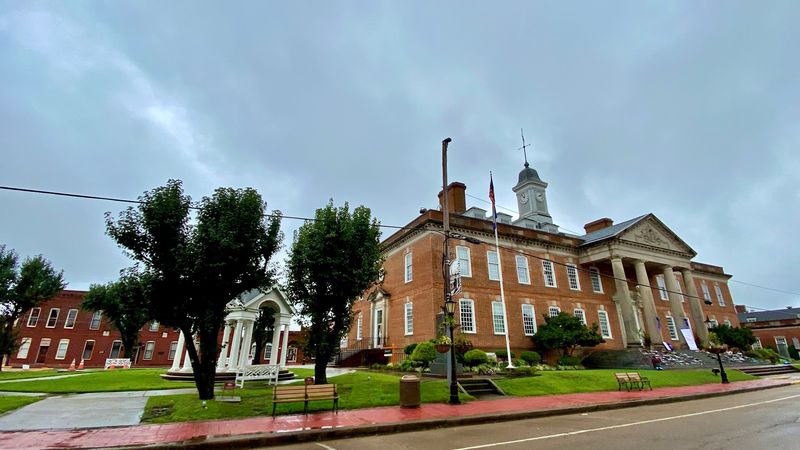
Savannah’s history runs deep, starting with its founding in the early 1800s as a river landing that grew into Hardin County’s seat of government. The stately courthouse still stands downtown, a physical reminder that this town has anchored the region for over two centuries. During the Civil War, Savannah played a strategic role due to its river location, and you can still find historic sites that tell those stories throughout the area.
Cherry Mansion, one of Savannah’s most significant historic homes, served as Union General Ulysses S. Grant’s headquarters before the Battle of Shiloh. The town’s proximity to Shiloh National Military Park connects it to one of the Civil War’s bloodiest battles, bringing history enthusiasts through regularly.
But Savannah’s history isn’t just about war—it’s about river commerce, agricultural heritage, and the generations of families who built their lives along this stretch of the Tennessee River.
What makes Savannah special is how it honors history without being stuck in it. Historic buildings downtown are being renovated for new uses rather than demolished or turned into museums. The charm comes from architectural details preserved through careful restoration, streetscapes that maintain human scale, and a downtown layout that still works for pedestrians because it was designed before cars dominated everything.
The momentum Savannah is experiencing builds on this historical foundation rather than rejecting it. New residents are drawn to the town’s authentic character, which comes from real history rather than themed development. This creates a virtuous cycle where preservation supports growth and growth funds preservation, keeping Savannah rooted while moving forward.
The Local Spots That Give Savannah Its Character
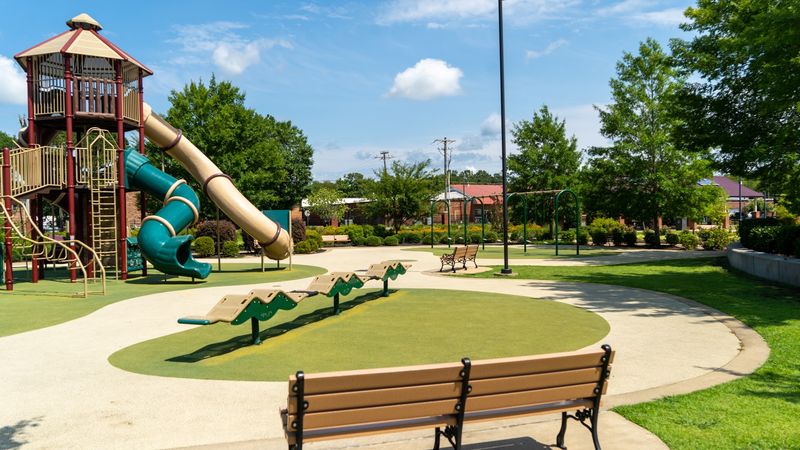
Every town claims to have character, but in Savannah, you can actually point to the specific places that create it. Local restaurants serve Southern cooking that hasn’t been sanitized for chain-restaurant blandness—real catfish, actual cornbread, and vegetables cooked the way grandmothers intended. The coffee shops function as genuine gathering places where regulars claim their tables and conversation flows freely between strangers who won’t be strangers for long.
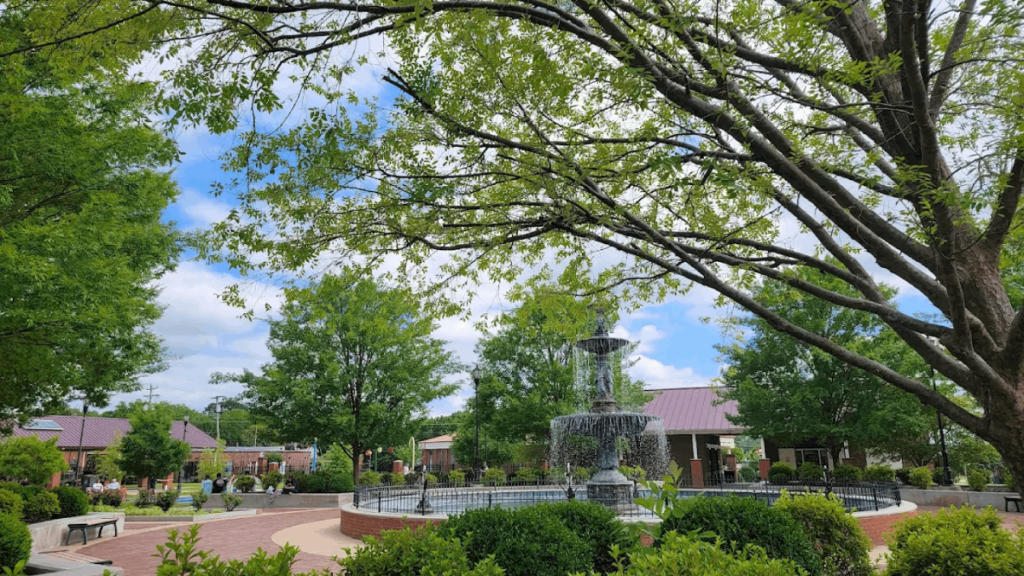
The town square around the courthouse remains the heart of community life, hosting festivals, farmers markets, and the kind of casual socializing that happens when people still use public spaces. Local shops stock practical goods alongside quirky finds, run by owners who remember what you bought last time and ask about your family.
These aren’t tourist attractions—they’re the actual infrastructure of daily life that happens to be interesting to visitors too.
Savannah’s riverfront has local spots that capitalize on the waterfront without feeling like tourist traps. Places to eat with river views serve locals on regular weeknights, not just weekend visitors. Boat launches and fishing spots get used by people who live here, creating an authentic relationship with the water that you can observe and join rather than just photograph.
What gives these local spots their character is continuity—many have been around for decades, creating institutional memory and tradition. But new places opening downtown are thoughtfully filling gaps rather than displacing what works.
A new brewery might occupy a renovated historic building, craft cocktails might appear on a menu, but the essential character stays rooted in community service rather than trend-chasing, giving Savannah a business landscape that feels both established and energized.
Why This Tennessee Town Is Worth Visiting Now
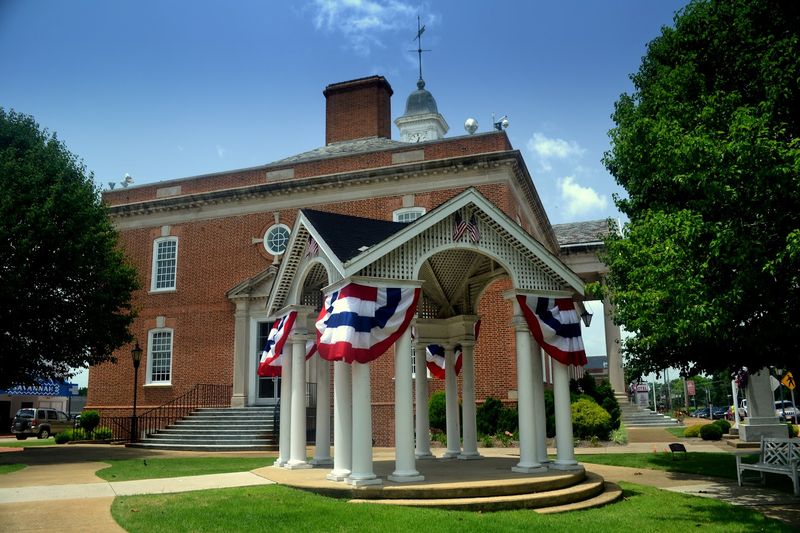
Timing matters when it comes to small-town travel, and Savannah’s moment is right now—before everyone else figures it out. The town has reached that sweet spot where enough development has happened to make visiting comfortable and interesting, but not so much that authenticity gets buried under tourism infrastructure.
You can still experience Savannah as a real place rather than a curated attraction, but that window won’t stay open forever.
Visiting now means experiencing growth in real-time, which creates energy that established destinations can’t replicate. New restaurants are opening with owners excited to share their vision, downtown buildings are being renovated with fresh purposes, and there’s a palpable sense of possibility in the air.
You’re not visiting a museum of small-town life—you’re witnessing a community actively shaping its future while respecting its past.
The practical reasons for visiting now are compelling too. Accommodation costs remain reasonable, restaurants don’t require reservations weeks in advance, and you can actually access the riverfront and local attractions without competing with crowds. The Tennessee River offers excellent fishing, kayaking, and scenic beauty without the congestion you’d find at more famous waterways.
Shiloh National Military Park provides world-class historical education just minutes away.
Perhaps most importantly, visiting Savannah now means supporting a community at a crucial moment in its development. Your tourism dollars go directly to local businesses working to build something sustainable rather than extracting maximum profit before moving on.
You get authentic experiences, they get support for thoughtful growth, and everyone benefits from an exchange that feels genuinely reciprocal rather than purely transactional.
Share this story