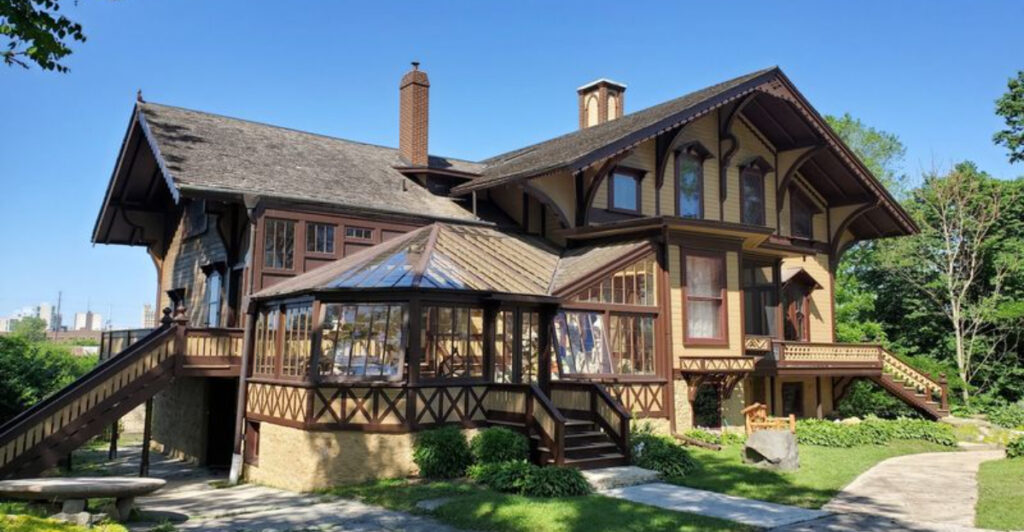
Stone walls, delicate Victorian details, and a dramatic limestone backdrop make this unusual Illinois cottage look like something dreamed up for a storybook. Built into the natural bluff rather than simply beside it, the home blends architecture and landscape in a way that immediately captures attention.
Its historic character adds another layer of intrigue, inviting visitors to imagine the people and stories connected to the property over the years. Surrounded by rugged rock and greenery, the setting feels wonderfully removed from everyday life. For anyone fascinated by historic homes and unexpected architecture, this Illinois treasure offers a remarkably fairytale-like sight.
A Storybook House Carved Into the Bluff
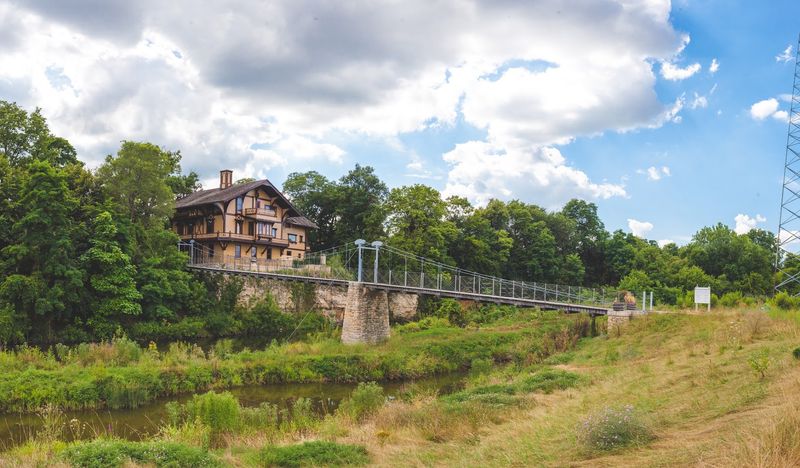
At first glance, the cottage almost seems misplaced, like a mountain house that drifted into northern Illinois and decided to stay.
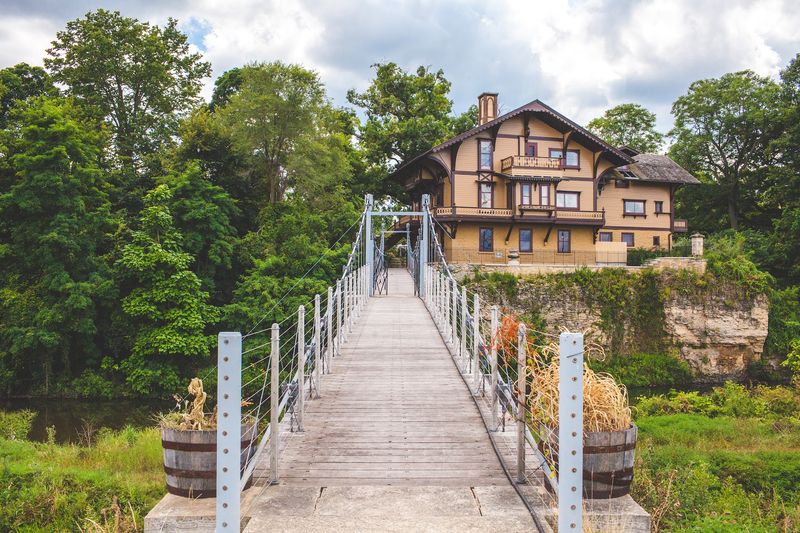
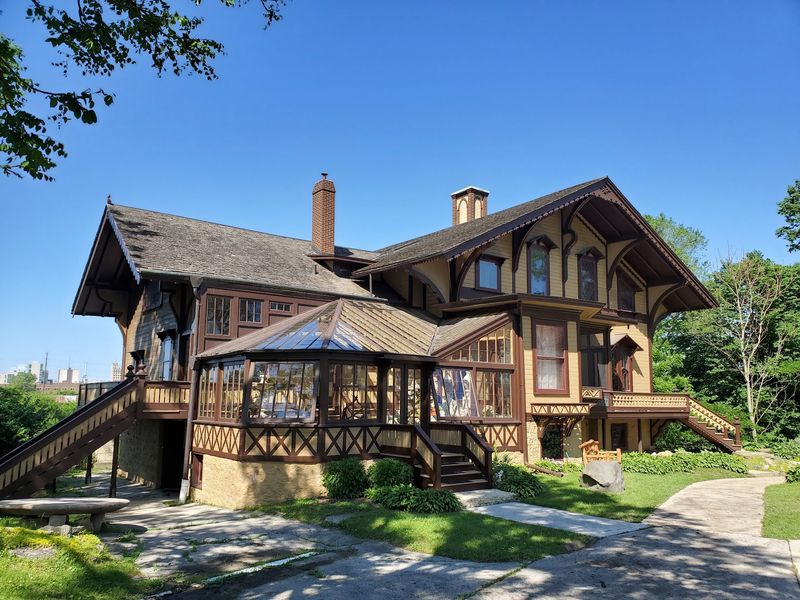
Tinker Swiss Cottage Museum and Gardens rises from a limestone bluff in a way that gives the building instant drama, with the slope, trees, and layered stone making the home look tucked into the land instead of simply dropped on top of it.
That setting changes the whole experience. A normal Victorian house might impress with trim or size, but this one gains extra character from its perch above the river area and its uneven, natural backdrop, which helps explain why the property feels more theatrical than many historic homes.
The word cottage can fool people, because the place is far more complex than a tiny cabin image suggests. Its Swiss-inspired design, strong rooflines, and hillside placement create a silhouette that looks playful from one angle and bold from another, especially when branches frame the structure.
Seeing a house work with a bluff like this also says a lot about its original vision. Instead of flattening the site into something ordinary, the builders used the landscape as part of the design, and that choice still gives the property its strongest visual hook today.
For anyone planning a visit, it helps to slow down before heading inside. Spend a few minutes looking at the house from different points around the grounds, because the shape of the roof, the rise of the stone, and the way the building nestles into the bluff are a big part of the appeal.
Photos tend to flatten historic places, but this one is best understood in layers. Wood, rock, elevation, and greenery work together here, and that blend is exactly why the cottage looks less like a museum piece and more like the opening scene of a fairytale set in the Midwest.
Victorian Rooms That Still Hold Their Original Rhythm
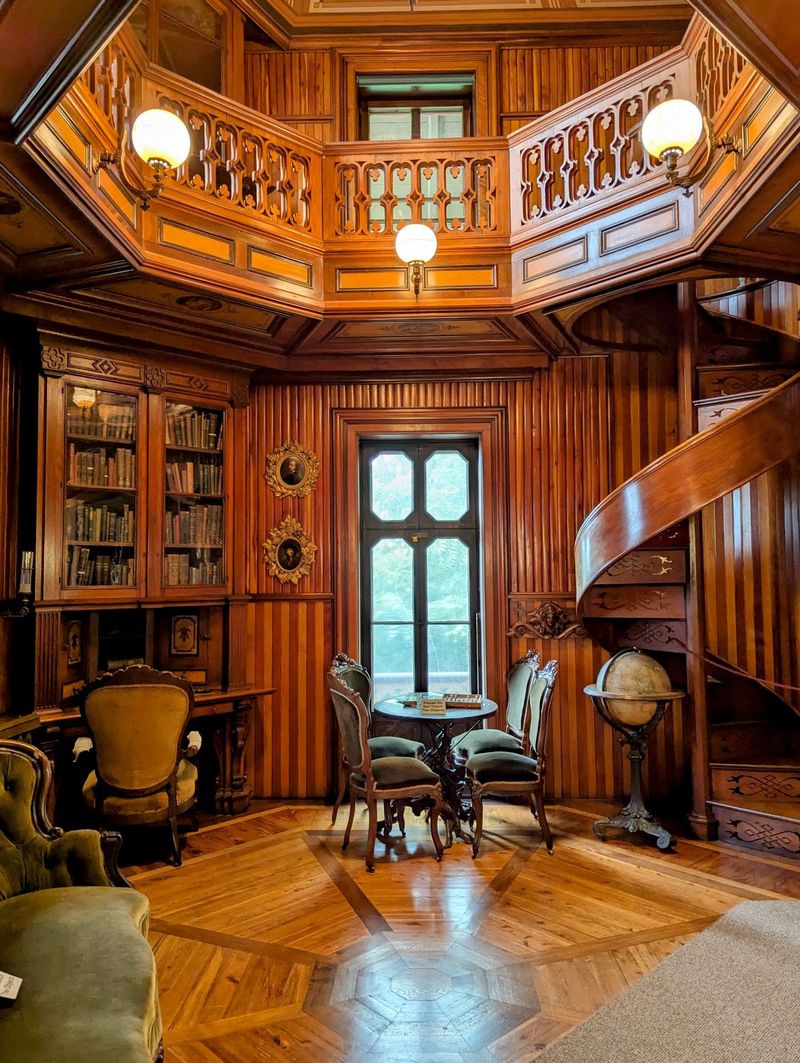
Walking through the cottage is less like entering a staged museum and more like stepping into a home where the family just paused for the day. Tinker Swiss Cottage is known for keeping a remarkable amount of original furnishings and objects, which gives the rooms a lived-in rhythm that many restored houses cannot quite copy.
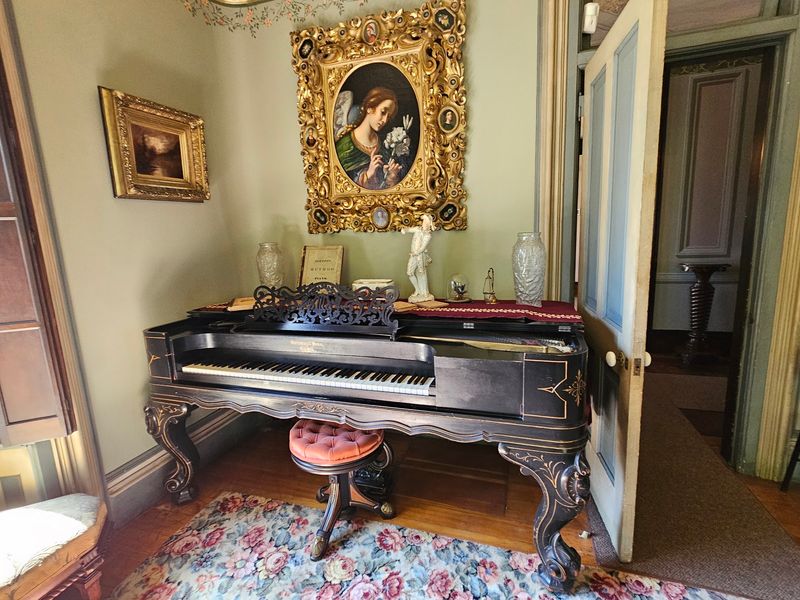
That difference matters right away. Instead of empty spaces filled with lookalike antiques, the rooms carry the personal scale of real Victorian life, with furniture, portraits, decorative pieces, and practical household items working together to show how the home functioned from room to room.
The effect is especially strong because the house has many spaces to move through. Reports from tours often note the number of rooms, and that larger layout helps the story unfold gradually, so the home feels less like a single exhibit and more like a complete environment.
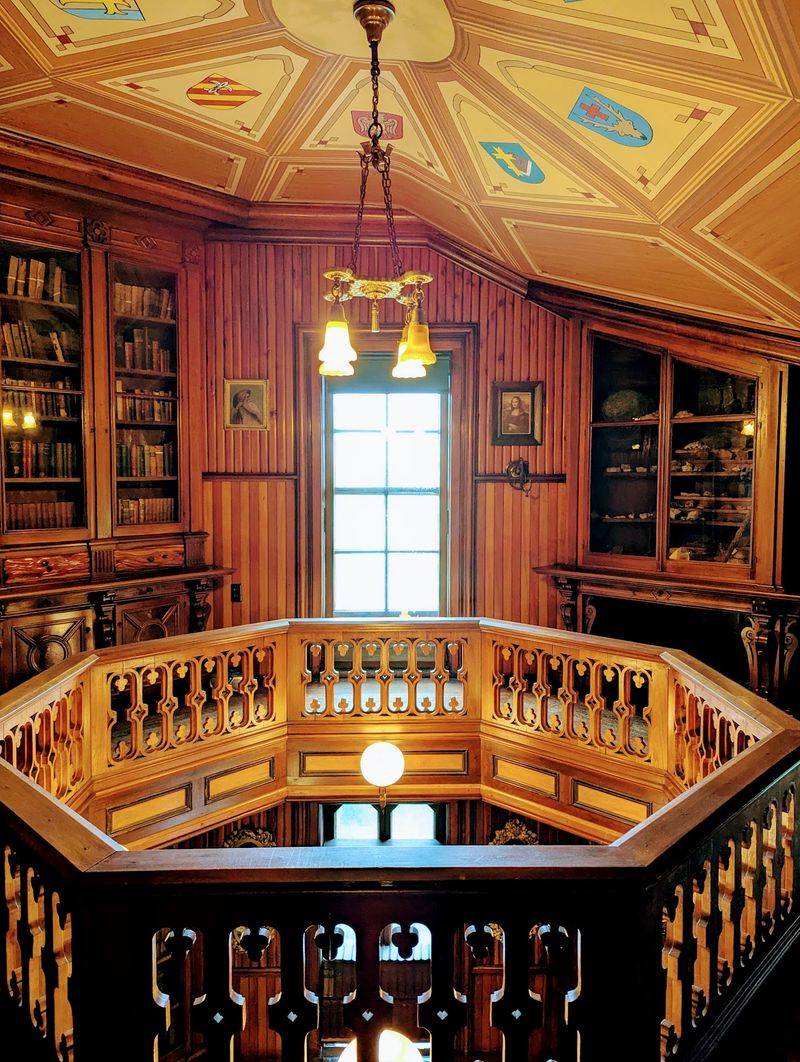
Expect detail almost everywhere the eye lands. Ornate walls, intricate ceilings, mirrors, carved wood, and carefully preserved surfaces keep the interior visually busy in the best way, which means each room offers a different mood without losing the overall sense of time and place.
One smart way to enjoy the interior is to avoid rushing toward a favorite room too early. Let smaller details build the experience, because a hallway turn, a framed picture, or a surprising piece of furniture can explain as much about the household as a grand parlor ever could.
For younger visitors, the house can make Victorian history easier to understand than a chapter in school. You are not only hearing dates or names.
You are seeing how people stored things, decorated rooms, entertained guests, and shaped daily life inside a home that still carries the family imprint with unusual strength.
Woodwork, Ceilings, and Tiny Details That Steal the Show
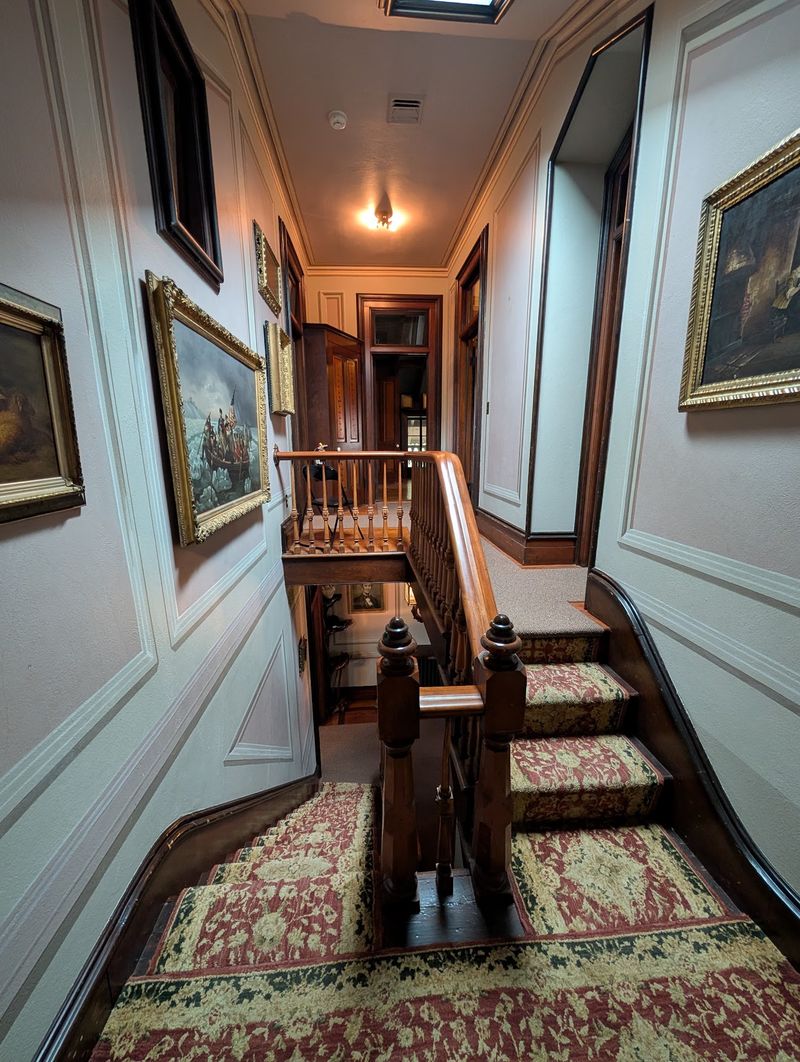
Some historic homes win attention with one famous room. Tinker Swiss Cottage keeps pulling the eye in smaller, sharper ways, because the craftsmanship is spread across the house in layers of carved wood, patterned surfaces, trim, and decorative choices that reward patient looking.
The woodwork gets special attention for good reason. Rich carved elements, polished finishes, and handmade detail bring a tactile quality to the interior, making door frames, railings, built-ins, and furniture feel like part of the story instead of simple background pieces.
Then the ceilings start demanding attention too. In many houses, visitors barely glance up, but here the upper surfaces can be just as ornate as the objects below, adding visual depth and reminding people that Victorian design often treated every plane of a room as a chance for expression.
Mirrors, portraits, and wall treatments deepen that effect. They reflect light, add texture, and create moments where the rooms seem larger or more dramatic than expected, which is one reason the house can surprise people who assumed cottage meant plain or modest.
A guided visit helps because details like these are easy to miss without context. Small artistic choices may connect to family taste, building trends of the time, or practical household use, and learning those links turns decoration into evidence of how the home was imagined and maintained.
For anyone who loves architecture, this section of the experience may be the real highlight. Even if a visitor arrives mainly for local history, the amount of hand-crafted work inside the house often shifts attention toward design, labor, and the patience that older buildings required.
Bring a slow gaze and comfortable shoes. Between the narrow turns, stairways, and richly finished rooms, the cottage asks people to move carefully and look closely, because its biggest surprises are often not huge objects at all, but the quiet skill built into everyday surfaces.
Rockford History Lives Here, Not Just in a Display Case
History lands differently when it has an address, a staircase, and a family story attached to it. At Tinker Swiss Cottage, Rockford’s past is tied to the life of Robert Hall Tinker and the household he shaped, giving the museum a local backbone that goes beyond pretty rooms.
The home dates to the years just after the Civil War, and its preservation opens a window into 19th-century life in industrial Midwestern America. Instead of teaching that era through abstract facts, the cottage shows how status, taste, technology, and family routines came together under one roof.
Portraits and personal objects help make the story more human. They place names and faces inside the house, so the building stops being a handsome shell and starts reading like a record of choices, habits, ambitions, and daily routines connected to one specific family in Rockford.
The guided format matters here because the house is layered with context. Knowledgeable docents can connect furnishings to the Tinker family, explain why certain rooms looked the way they did, and point out unusual elements that a self-guided walk could easily pass without understanding.
That local angle gives the museum unusual value for residents as well as out-of-town visitors. It links architecture to the city’s development and helps show that urban history is not only about factories, streets, and public buildings, but also about the private homes where influence and ideas took shape.
The place also avoids becoming dry. Family stories, design quirks, and objects still in their original setting give the tour a narrative pulse, which makes the past easier to picture for students, casual travelers, and anyone who normally thinks house museums are a little too quiet.
If the goal is to understand Rockford through one memorable location, this cottage does the job well. It condenses civic history, domestic life, and Victorian design into a single walk-through experience that turns names in a history book into rooms you can actually stand inside.
The Guided Tour Is the Key to Unlocking the House
Plenty of places are better on a tour, but this house nearly depends on one. Tinker Swiss Cottage is packed with objects, room changes, family context, and architectural twists, so the guided format turns what could be a simple walk-through into a fuller, more readable experience.
Docents help visitors notice how the house actually works. They can point out original pieces, explain room use, connect portraits to the family story, and highlight details that might otherwise blend into the wallpaper, trim, or furniture during a quick first look.
That is especially useful in a home with narrow turns and stairs. Because movement through the building is more intimate than in a wide museum gallery, a guide provides pace and structure, helping people focus on the right details without feeling lost in a maze of lovely things.
Tour length can vary based on scheduling and format, but planning for a meaningful visit is smart. Some accounts describe around 45 minutes, while others note closer to an hour and a half, so allowing extra time keeps the experience relaxed instead of rushed.
Advance planning also helps because operating hours are limited. The museum commonly opens for short afternoon tour windows on select days, and that alone makes it a place to organize around rather than a stop to leave entirely to chance.
Families with kids or teens may find the guide especially helpful. A strong storyteller can turn old furniture into clues, convert portraits into real people, and make the house feel active instead of distant, which is often the difference between polite interest and real curiosity.
For the best experience, arrive a little early and treat the tour like an event, not an errand. A place this layered reveals more when there is time to settle in, listen carefully, ask a question or two, and let the house unfold room by room.
Gardens, Grounds, and the Quiet Side of Illinois Charm
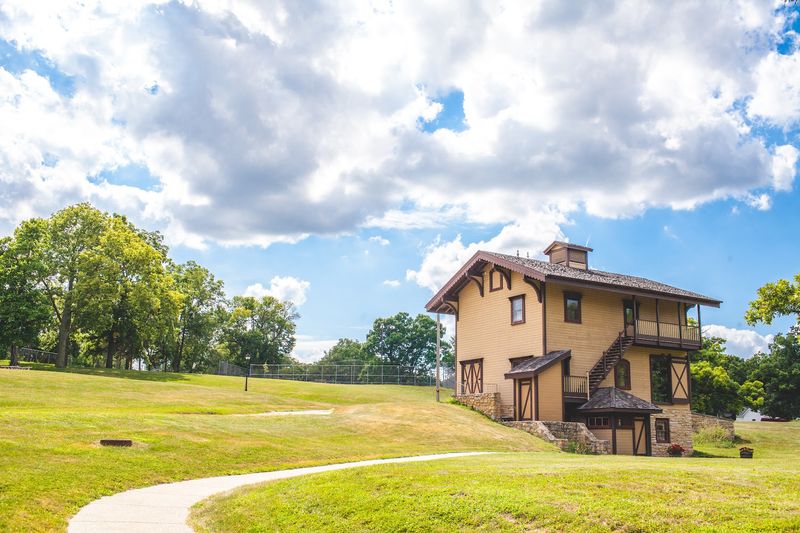
Not every memorable moment here happens indoors. The grounds around Tinker Swiss Cottage add a calmer layer to the visit, giving the house room to breathe and letting the bluff, trees, and garden setting soften the museum’s denser interior experience.
After rooms filled with ornament and history, the outside space offers visual relief. Paths and green areas help visitors step back, study the cottage from different angles, and understand how important the site is to the building’s personality, especially with the slope and stone shaping the scene.
The setting can be surprisingly peaceful for a place tied so closely to local history. Even when the museum itself is not open, the surrounding area has enough character to reward a short stop, especially for anyone interested in architecture, photography, or simply a quiet walk near the property.
Gardens matter in another way too. Historic homes often make more sense when seen as part of a whole environment, and the outside areas help explain the house not as an isolated object but as a lived place with approaches, views, and breathing room around it.
For photographers, overcast skies and late-day light can both work well here. Soft light brings out the textures of wood and stone, while angled light can sharpen rooflines and deepen shadows around the bluff, making the cottage look especially dramatic against its natural surroundings.
Families or casual travelers may appreciate beginning outside before the tour starts. That slower start can help younger visitors burn off energy, notice the unusual shape of the house, and arrive at the front door already curious about what could be hiding behind those distinctive walls.
One practical note is simple but useful. Weather changes how the property reads, so comfortable shoes and a quick look at the forecast can make the grounds more enjoyable, especially if the plan includes time for strolling, taking photos, or lingering long enough to admire the cottage in its proper landscape.
A Spooky Reputation Adds an Unexpected Twist
Every old house carries a few creaks and shadows, but Tinker Swiss Cottage has built a stronger spooky reputation than most. Alongside its historic value, the museum is also known for ghost-themed interest, seasonal events, and a slightly eerie edge that adds a very different kind of curiosity.
That side of the property does not replace the history. Instead, it changes the tone for some visitors, especially during special programs or October visits, when the preserved rooms, portraits, and old-fashioned layout can feel more dramatic than they do in bright afternoon light.
The house is especially suited to that mood because the architecture already has personality. Narrow turns, stairways, layered rooms, and heavy decorative details create a setting where imagination has plenty to work with, even for people who arrive more interested in stories than spirits.
Paranormal events and themed experiences have become part of the museum’s wider identity, yet the cottage does not need jump scares to be compelling. The very age of the building, plus the fact that so much inside remains tied to the family, gives the place an uncanny closeness to another era.
That can actually be useful for younger history fans, older teens, or adults who usually skip museums. A touch of mystery often opens the door to deeper interest, and once people are paying attention, the home’s craftsmanship, family story, and Rockford roots start doing the heavier work.
Anyone sensitive to eerie settings should know that the house is still first and foremost a guided historic home. The mood depends a lot on timing, lighting, and programming, so a standard daytime tour is more educational than frightening, even if the building keeps a few deliciously shadowy corners.
For travelers who like their history with a side of intrigue, this angle gives the museum extra range. It can satisfy architecture lovers, local history buffs, and curious ghost-story fans without losing sight of the real reason the cottage matters, which is how vividly it preserves the past.
How to Plan the Visit So the Cottage Works Its Best
The smartest way to visit Tinker Swiss Cottage is to treat it like a timed historic experience, not a drop-in attraction. Limited operating windows mean planning ahead makes a real difference, and that small bit of effort usually pays off with a smoother, more enjoyable visit.
Start with the schedule. The museum commonly offers short afternoon openings on select weekdays and Sunday, while Saturday and Monday are typically closed, so checking current tour availability before heading over helps avoid the easiest mistake visitors can make.
Because the house is guided and not built like a modern accessible museum, expectations matter. Narrow turns and stairs are part of the experience, which adds charm and authenticity but may create challenges for anyone with mobility concerns or for families using bulky strollers.
Time management matters too. While some tours may run under an hour, others can stretch longer depending on the group and guide, so leaving extra room in the day keeps the visit pleasant.
Rushing through a house full of original furnishings and small design details defeats the point.
A little preparation can improve the experience for kids and first-time museum visitors. Mention ahead of time that this is a real 19th-century home, not a hands-on science center, then encourage them to watch for mirrors, carved wood, ceiling patterns, and rooms that reveal how the family lived.
Comfort helps more than people expect. Wear shoes suitable for stairs, bring a camera if photography rules allow, and plan for a few extra minutes outdoors to enjoy the grounds and get a better sense of the bluff-top setting before or after the indoor tour.
Handled well, the visit offers more than a quick look at an old building. It becomes a compact trip through architecture, local history, preserved interiors, and one striking Illinois setting, all centered on a house that manages to be scholarly, odd, elegant, and wonderfully hard to forget.
Share this story