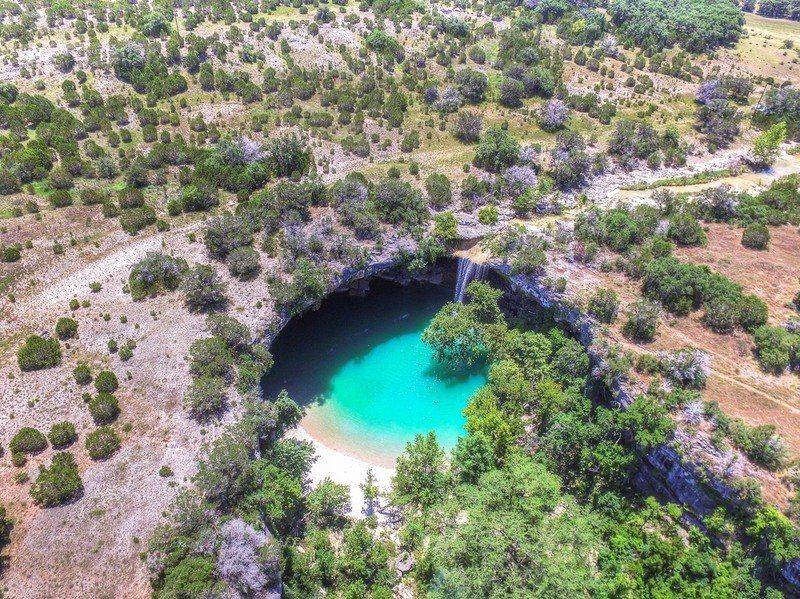
Hidden in the Texas Hill Country, Hamilton Pool looks like the kind of place you’d expect to find in a fantasy movie. This natural swimming hole features a stunning 50-foot waterfall cascading over a limestone overhang into jade-green water that looks almost too beautiful to be real. Whether you’re planning your first visit or dreaming about this geological wonder, understanding what makes Hamilton Pool so special will help you appreciate why thousands of visitors reserve their spot months in advance.
1. Ancient Limestone Grotto That Took Thousands of Years to Form
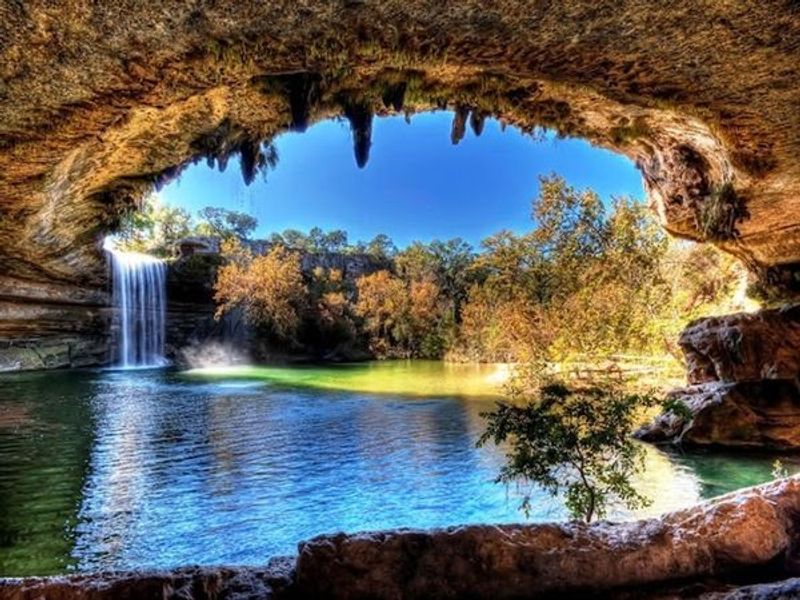
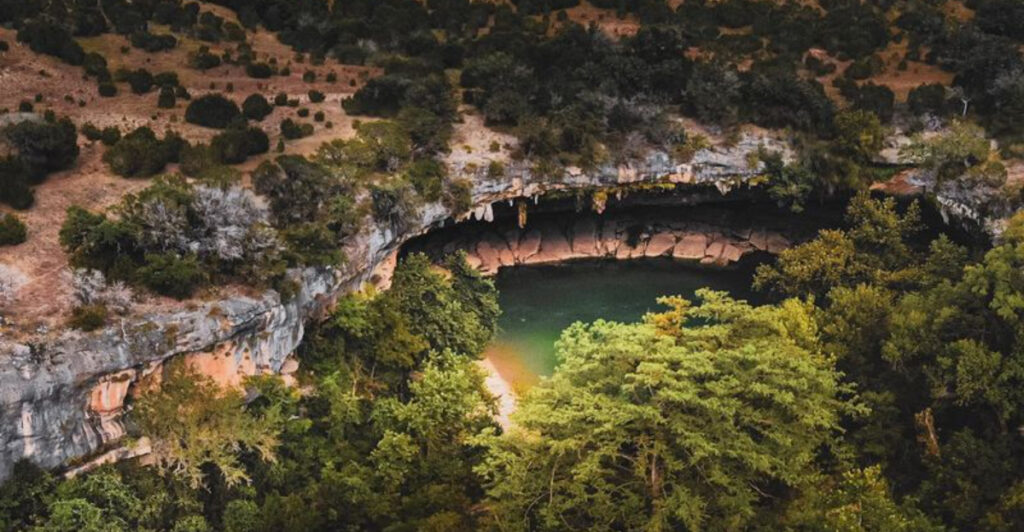
Picture a dome that collapsed thousands of years ago, creating one of nature’s most spectacular accidents. The grotto at Hamilton Pool formed when an underground river’s dome caved in, leaving behind a horseshoe-shaped limestone cliff that towers above the swimming area. Erosion sculpted this masterpiece over countless centuries, carving out layers of rock that now tell the story of ancient seas that once covered Texas.
Walking beneath the overhang feels like stepping into another world entirely. The curved ceiling drips with moisture and hosts hanging gardens of maidenhair ferns that thrive in the constant humidity. Stalactites cling to the limestone roof, some having grown for millennia in this protected space.
Unfortunately, safety concerns have closed the trail directly under the grotto to visitors. Park rangers cite the real risk of falling rocks, which means you’ll admire this geological wonder from designated viewing areas instead. Even from a distance, the scale and beauty of these ancient formations leave visitors speechless.
The limestone itself contains fossils from creatures that lived millions of years ago when shallow seas covered this region. Sharp-eyed visitors sometimes spot ammonite imprints along the trail, physical reminders of Texas’s prehistoric past. These geological treasures make Hamilton Pool more than just a pretty swimming spot—it’s a window into deep time that few places can match.
2. Emerald Waters That Change Color With the Seasons
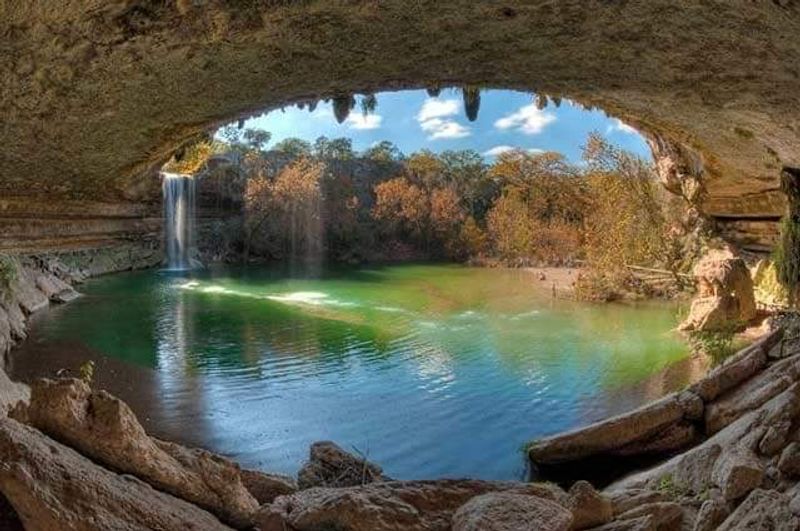
That jaw-dropping emerald color isn’t Photoshop magic or clever camera tricks. Hamilton Pool’s water gets its distinctive blue-green hue from dissolved minerals in the limestone and the way sunlight filters through the grotto. The color shifts throughout the year depending on water levels, rainfall, and seasonal algae growth, sometimes appearing more jade, other times leaning toward turquoise.
Water temperatures stay surprisingly consistent, hovering around 50 degrees Fahrenheit in winter and warming to about 80 degrees during summer months. This natural spring-fed pool maintains its cool temperature even during scorching Texas summers, offering refreshing relief when you’re allowed to swim. The water depth varies considerably depending on recent rainfall, ranging from shallow wading areas to sections deep enough for swimming.
However, swimming isn’t always permitted. Park officials regularly test water quality for bacteria levels, especially E. coli, and close swimming when levels exceed safe standards. Heavy rains can wash contaminants into the pool, forcing temporary closures that might last days or weeks.
Even when swimming is off-limits, the pool remains breathtakingly photogenic. Fish including catfish, trout, and perch glide through the clear water, visible from the viewing areas. Turtles occasionally sun themselves on rocks, adding to the peaceful atmosphere that makes Hamilton Pool feel like a hidden paradise worth protecting.
3. 50-Foot Waterfall That Sometimes Disappears Completely
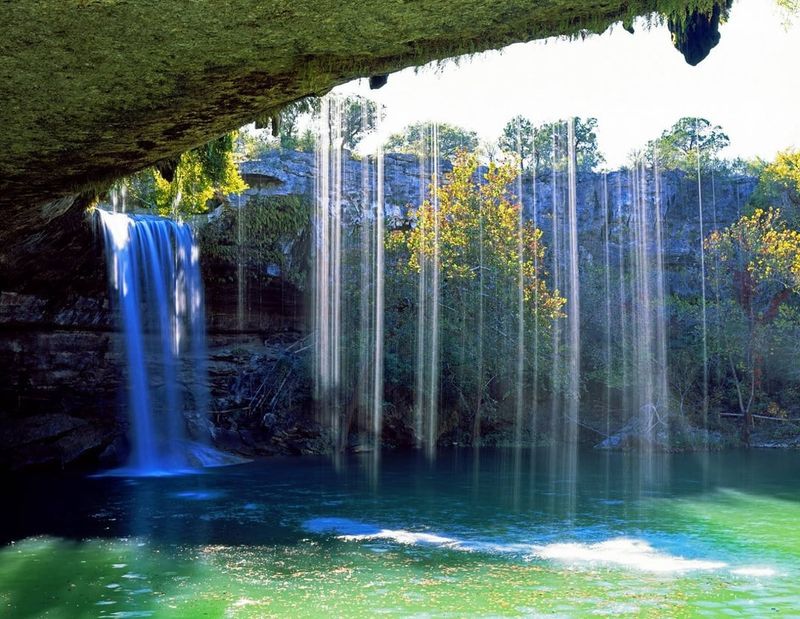
Here’s something that surprises first-time visitors: the waterfall isn’t always flowing. During dry periods, which have become increasingly common in recent years, the waterfall can reduce to a trickle or stop entirely. Some park rangers report not seeing substantial flow for extended periods, disappointing visitors who’ve planned trips months ahead specifically to see this natural wonder in full glory.
When conditions are right, though, the waterfall is absolutely spectacular. Water plunges 50 feet from the grotto’s limestone overhang, creating a curtain of white water that crashes into the pool below. The sound echoes off the rock walls, and mist rises from where the water hits the surface, creating an atmosphere that feels both powerful and peaceful.
Spring typically offers the best chances of seeing the waterfall at its most impressive, following winter rains that replenish the underground aquifer feeding Hamilton Pool. Early summer can also provide good flow if spring brought adequate rainfall. By late summer and fall, flow often diminishes significantly unless tropical systems bring heavy precipitation to the Hill Country.
Even without the waterfall, smaller cascades and seeps continue dripping from various points along the grotto ceiling, creating a gentle soundscape. These persistent drips have carved grooves in the limestone over thousands of years, demonstrating nature’s patient artistry in sculpting this remarkable landscape one drop at a time.
4. Reservation System That Requires Planning Months Ahead
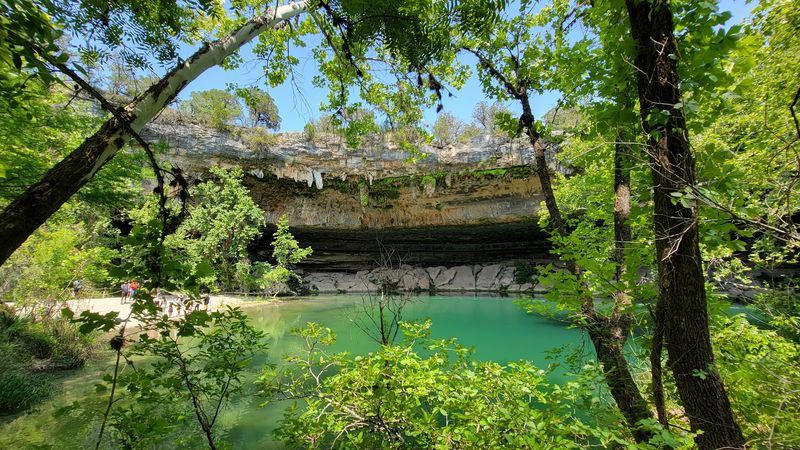
Spontaneous visits to Hamilton Pool ended years ago when the preserve implemented a mandatory reservation system. You’ll need to book your parking spot online weeks or months in advance, especially for weekend visits during peak season from March through October. The $12 parking reservation fee is just the beginning—expect to pay an additional $8 per adult in cash upon arrival, as credit cards aren’t accepted at the entrance.
This advance booking requirement frustrates some visitors but serves an important purpose. Hamilton Pool is a fragile ecosystem that can’t handle unlimited foot traffic without suffering environmental damage. By limiting daily visitors, park managers protect the delicate limestone formations, water quality, and native plant communities that make this place special.
Reservations typically open several months in advance and disappear quickly for popular time slots. Summer weekends book solid almost immediately, while weekday visits and off-season dates offer better availability. The system divides each day into morning and afternoon sessions, with each group getting approximately four hours at the preserve.
Plan B becomes essential when Hamilton Pool reservations aren’t available. Nearby attractions like Westcave Preserve offer similar geological features with different reservation requirements. Pedernales Falls State Park provides another alternative for those seeking Hill Country water features.
Building flexibility into your travel plans prevents disappointment if your preferred dates are already booked when you try reserving your spot at this popular natural attraction.
5. Quarter-Mile Rocky Trail That’s Tougher Than It Looks
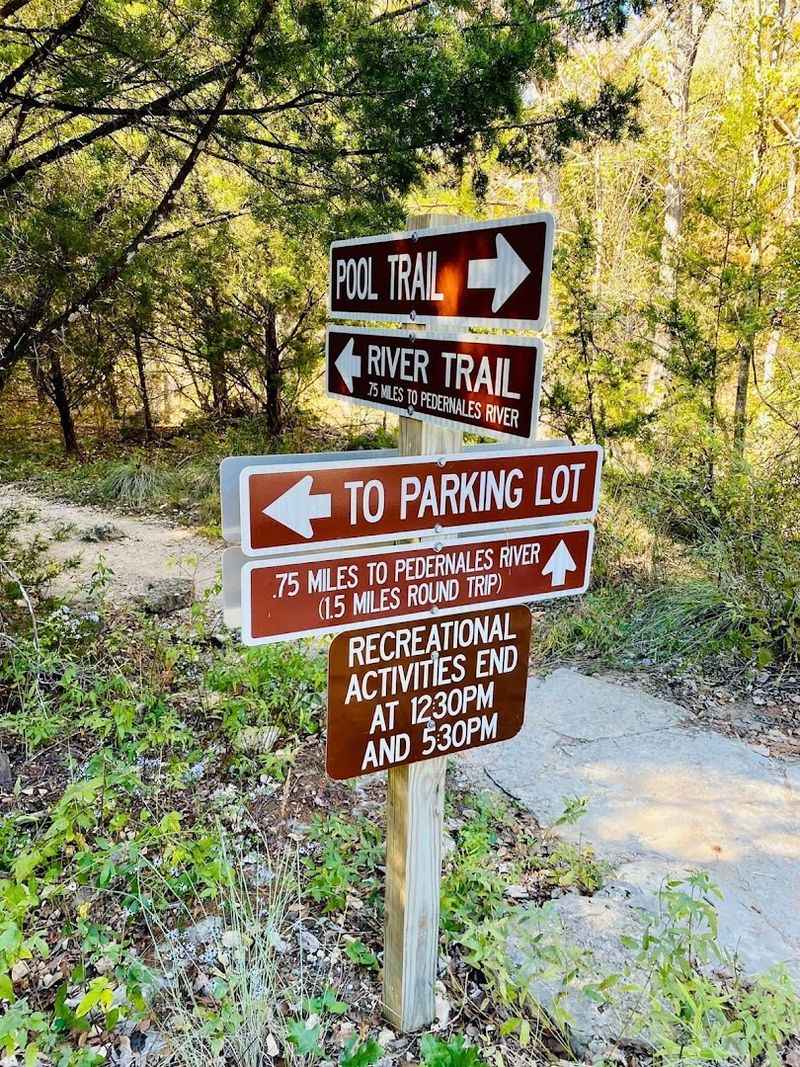
Don’t let the short distance fool you—this quarter-mile trail packs more challenge than many visitors expect. The path descends from the parking area to the pool, dropping in elevation over uneven limestone rocks, exposed tree roots, and occasional slippery sections. What takes ten minutes going down can feel considerably longer climbing back up, especially carrying wet towels and coolers in summer heat.
Forget about wearing flip-flops or sandals unless you enjoy twisted ankles. The rocky terrain demands closed-toe shoes with good traction, preferably hiking boots or sturdy sneakers. Walking sticks are provided at the trailhead for good reason—many visitors find them helpful for maintaining balance on the descent and providing extra support during the uphill return.
The trail isn’t wheelchair accessible or suitable for standard strollers. Families with small children should prepare to carry little ones at least part of the way. Anything you bring to the pool area must be carried in and out, which makes those wheeled coolers less practical than they initially seem since you’ll end up carrying them over rough sections anyway.
Restrooms are located at the parking area, not down by the pool, so plan accordingly before making the descent. The trail offers limited shade in some sections, making early morning or late afternoon visits more comfortable during summer months. Despite these challenges, the stunning reveal when you first glimpse the grotto and pool makes every rocky step worthwhile for most visitors.
6. Pedernales River Trail Extension for Bonus Exploration
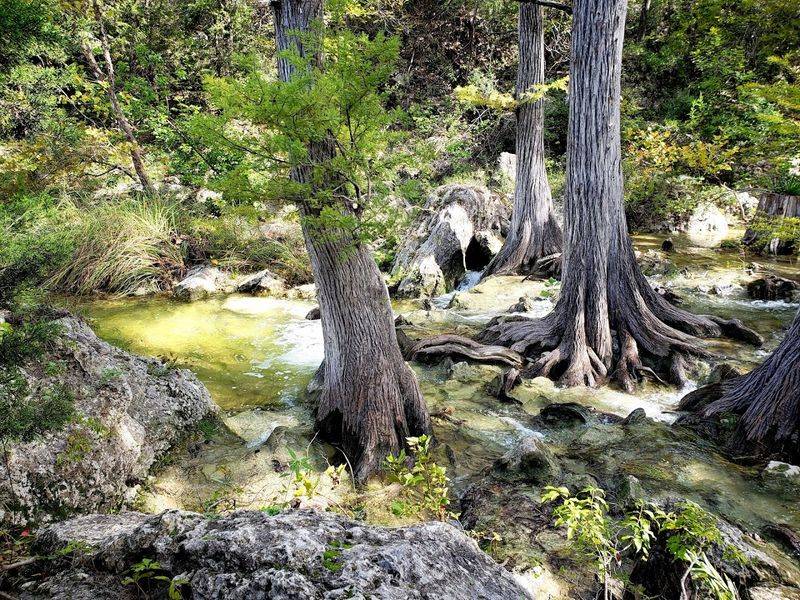
Most visitors focus exclusively on the main pool, but an additional trail leads to the Pedernales River and rewards those willing to explore further. This roughly 0.6 to 0.8-mile extension takes about 30 minutes each way, winding through Hill Country vegetation before reaching the river. The path offers a completely different experience from the dramatic grotto, showcasing the quieter beauty of Texas riparian ecosystems.
Water levels in the Pedernales vary dramatically depending on recent rainfall. During dry periods, the river can shrink to disconnected pools or even dry sections, while spring floods can transform it into a rushing torrent. Most visitors encounter shallow, peaceful water that’s pleasant for wading but not suitable for swimming.
The river trail provides welcome solitude compared to the sometimes-crowded pool area. Fewer people make the extra hike, which means better wildlife viewing opportunities and more peaceful moments to appreciate nature. Birds are particularly abundant along the river corridor, and patient observers sometimes spot deer, armadillos, or other Hill Country creatures.
This extension makes sense for visitors who arrive during swimming closures at the main pool or who simply want more hiking than the short main trail provides. The journey matters more than the destination here—the river itself may not rival the grotto’s drama, but the walk offers its own rewards. Combined with the pool visit, the full trail system provides a more complete picture of this preserve’s ecological diversity and natural beauty.
7. Swimming Rules and Closures That Change Without Warning
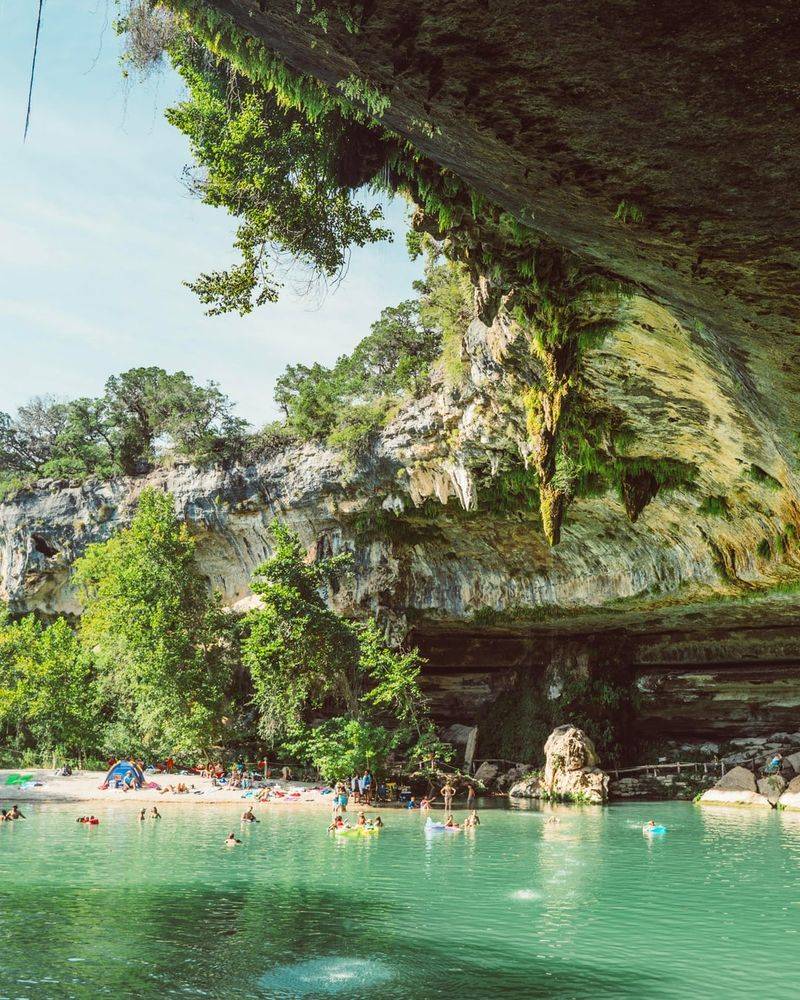
You might reserve your spot months ahead, drive hours to reach Hamilton Pool, and arrive to discover swimming is prohibited that day. This frustrating scenario happens regularly because water quality testing determines daily swimming status, and results aren’t available until the same day. Bacteria levels fluctuate based on rainfall, wildlife activity, and other factors beyond anyone’s control.
When swimming is allowed, specific rules apply to protect both visitors and the fragile ecosystem. Sunscreen and insect repellent are prohibited in the water because chemicals damage aquatic life and degrade water quality. Floaties and tubes are typically permitted, though rules can change.
Glass containers are banned throughout the preserve for obvious safety reasons.
The closed overhang area particularly disappoints visitors who’ve seen older photos of people standing behind the waterfall. Safety concerns about falling rocks forced permanent closure of this section, and rangers strictly enforce the boundaries. You’ll view the grotto from designated areas but won’t walk directly beneath the overhanging limestone as visitors did in previous years.
Fish feeding is prohibited despite being tempting when catfish and other species swim close. Human food disrupts natural behaviors and introduces harmful substances into the ecosystem. Rangers and volunteer naturalists patrol the area, educating visitors about preserve rules and the reasoning behind them.
Understanding these restrictions as protective measures rather than arbitrary rules helps visitors appreciate the careful balance required to keep Hamilton Pool accessible while preserving its natural character for future generations.
8. Best Times to Visit for Optimal Experience and Fewer Crowds
Timing your Hamilton Pool visit strategically makes the difference between a magical experience and a frustrating one. Spring, particularly March through May, offers the sweet spot when wildflowers bloom, the waterfall flows strongest from winter rains, and temperatures remain comfortable for hiking. Water is still cold for swimming, but the scenery reaches peak beauty during these months.
Early morning reservations provide significant advantages over afternoon slots. You’ll encounter cooler temperatures for the hike down, softer light for photography, and generally fewer people since morning groups are just arriving. Afternoon visitors often face crowded conditions as morning groups linger while new arrivals compete for space around the pool.
Weekday visits dramatically reduce crowds compared to weekends when families and tourists pack the preserve. Monday through Thursday reservations are easier to secure and provide a more peaceful experience. If weekends are your only option, consider off-season months like January or February when fewer people visit despite the preserve’s year-round operation.
Check recent visitor reports and the preserve’s website before your trip to gauge current conditions. Social media posts from recent visitors reveal whether the waterfall is flowing, swimming is allowed, and how crowded conditions are. Weather patterns matter too—visiting shortly after rain increases waterfall flow but might trigger swimming closures due to elevated bacteria levels.
Conversely, extended dry periods mean disappointing trickles or no waterfall at all, though swimming might be permitted if water quality tests pass despite lower water levels.
Share this story