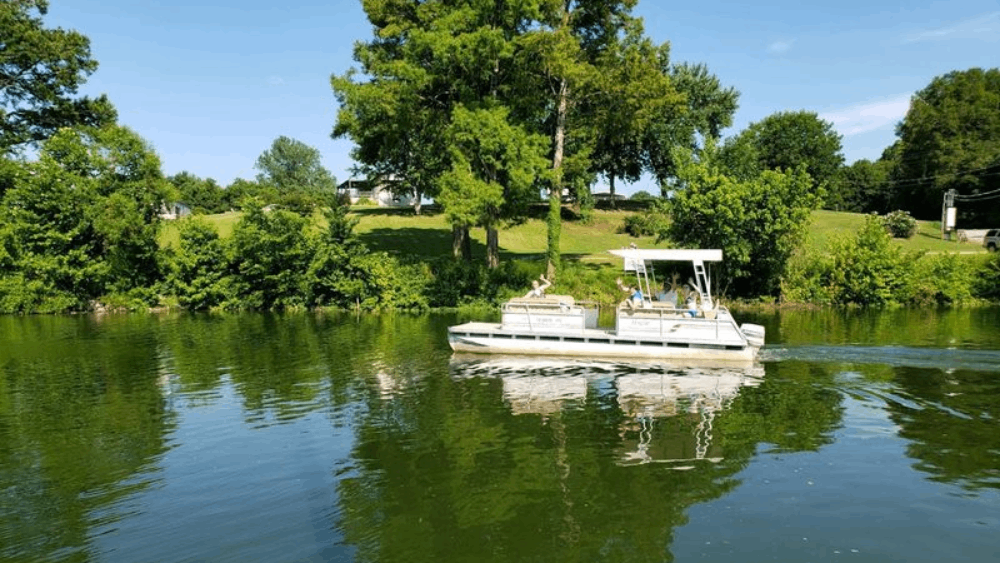
Clifton, Tennessee sits quietly along the Tennessee River, offering something rare in today’s fast-paced world: a true sense of calm. This small Wayne County town on the Alabama border has held onto its peaceful, riverside character while other places have grown louder and more crowded.
With its historic downtown, scenic waterfront, and welcoming local vibe, Clifton feels like the kind of place where time slows down just enough to let you breathe. Whether you’re searching for a weekend escape or dreaming about a simpler life, this river town might be exactly what you’ve been looking for.
This Peaceful Tennessee Town By The Water Feels Like A Place To Stay
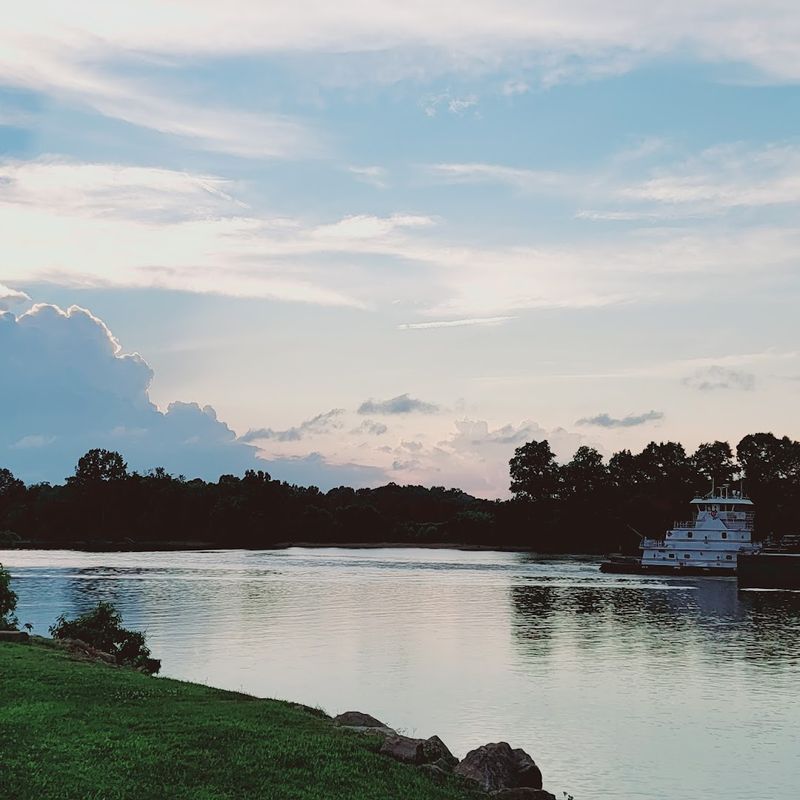
Morning light hits the Tennessee River differently in Clifton. There’s a softness to it, a gentle glow that spreads across the water and settles over the town like a warm blanket. You can stand on the riverbank and watch the current move slowly past, carrying with it a sense of ease that’s hard to find anywhere else.
Clifton developed as a river port back in the 1800s, and that connection to the water still defines everything about the place. The town grew up around the river, and even now, life here moves at a pace that matches the steady flow of the Tennessee. It’s not rushed or frantic—it’s just steady, reliable, and deeply calming.
Walking through the historic districts, you’ll notice how well-preserved everything feels. These aren’t reconstructed tourist spots; they’re real buildings with real history, still standing and still serving the community. The National Register of Historic Places recognizes several areas here, and that official nod speaks to how seriously Clifton takes its heritage.
But what really makes this town feel like a place to stay isn’t just the history or the scenery. It’s the way the air feels lighter here, the way conversations happen slower, and the way people seem genuinely content. Clifton doesn’t try to be anything other than what it is: a quiet river town that knows its own worth and doesn’t need to shout about it.
What Makes Clifton, Tennessee Feel So Different From Busier Getaways
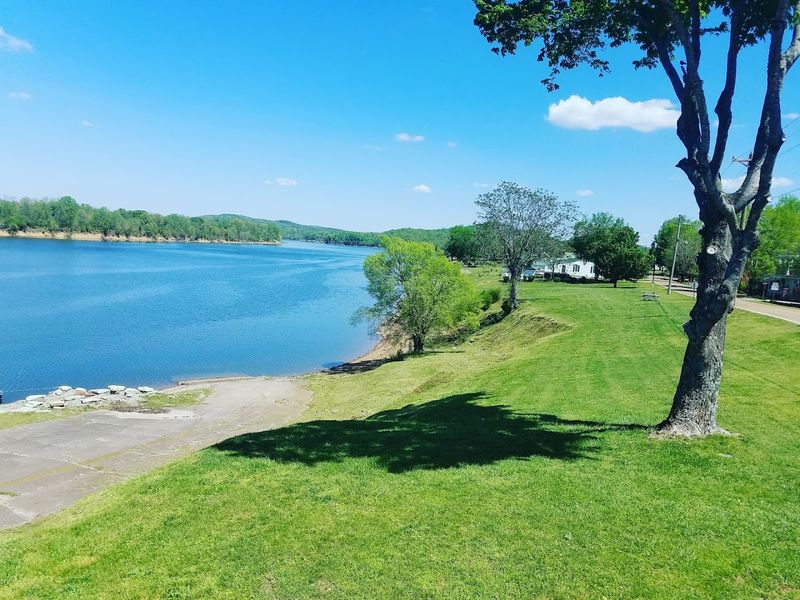
Most vacation spots these days come with crowds, lines, and that underlying stress of trying to see everything before you leave. Clifton operates on a completely different frequency. There are no traffic jams here, no packed restaurants with hour-long waits, and definitely no fighting for a parking spot near the water.
The town sits in Wayne County on Tennessee’s south-central border with Alabama, which means it’s off the beaten path enough to avoid the tourism rush that hits other river towns. People who visit Clifton aren’t usually checking off a bucket list—they’re here because they want to slow down and actually experience a place rather than just photograph it.
You won’t find chain restaurants lining the streets or big box stores on every corner. What you will find are locally owned businesses, family-run spots, and the kind of downtown where shopkeepers know their customers by name. It’s the opposite of anonymous, and that personal touch changes the entire feel of a visit.
The riverfront itself reflects this quieter approach. Instead of being developed into a commercial attraction, it remains accessible and peaceful, a place where locals fish and visitors can sit without feeling like they’re part of a crowd. There’s room to think here, room to breathe, and room to just be without the constant noise and motion that defines busier destinations.
Clifton doesn’t compete with those places—it offers something they can’t.
Life By the Water Is Part of Clifton’s Everyday Charm
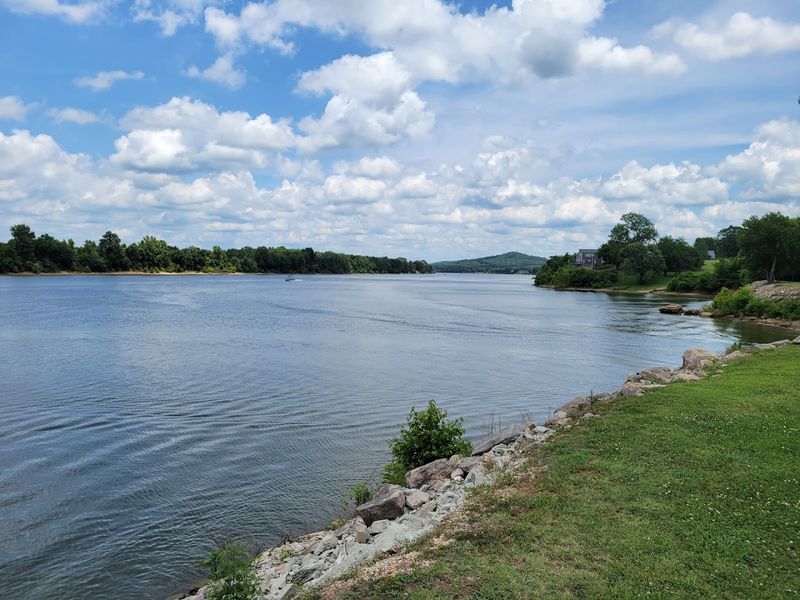
The Tennessee River isn’t just scenery in Clifton—it’s woven into the daily rhythm of life here. Mornings often start with people walking along the riverbank, coffee in hand, watching the mist lift off the water. Evenings end with sunsets that paint the river in shades of gold and pink, the kind of natural show that never gets old, no matter how many times you see it.
Fishing here isn’t a tourist activity; it’s what people do. Locals know the best spots, the right times, and which bait works when. You’ll see them out on the water or standing along the banks, patient and unhurried, connected to a tradition that goes back generations in this town.
The river also shaped Clifton’s history in practical ways. As a 19th-century river port, the town thrived on commerce that moved along these waters. Boats brought goods, people, and news from other parts of Tennessee and beyond.
That legacy left its mark on the town’s architecture and layout, and you can still sense that connection when you walk through the historic districts near the water.
But beyond history and recreation, the river provides something less tangible but equally important: a sense of perspective. Water has a way of putting things in context, of reminding you that some things are bigger and older and more constant than daily worries. Living near it—or even just visiting—brings a certain peace that’s hard to replicate anywhere else.
Clifton Has the Kind of Small-Town Atmosphere People Crave
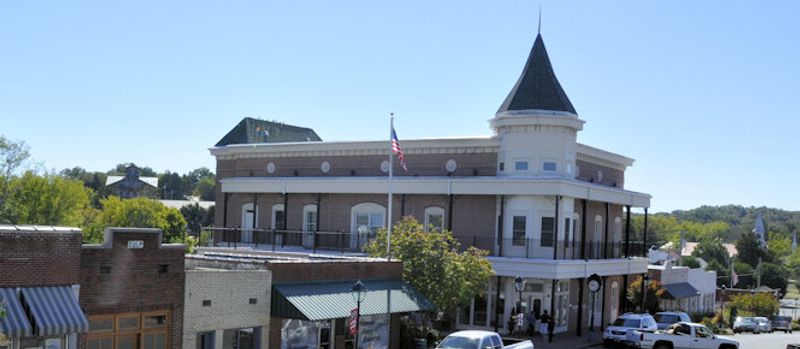
There’s a moment that happens in every visit to Clifton, usually within the first hour or two. Someone you’ve never met will nod hello, or a shopkeeper will ask where you’re from and actually listen to the answer. It’s the moment you realize this town operates on a different social code—one that prioritizes genuine connection over polite distance.
Small-town atmosphere is one of those phrases that gets thrown around a lot, but Clifton actually lives it. The population is small enough that community still means something real here. People look out for each other, know their neighbors, and take pride in their town without being precious about it.
The downtown area reflects this lived-in quality. Buildings show their age in the best way—weathered but cared for, historic but functional. You won’t find a lot of cutesy tourist trappings or artificial charm. What you see is authentic: a working town where people actually live and work, not a stage set designed to look quaint.
This authenticity extends to how visitors are treated. You’re welcomed, but not fawned over. People are friendly, but not performatively so.
It’s the kind of place where you can strike up a real conversation without feeling like you’re interrupting someone’s day, and where asking for directions might lead to a ten-minute chat about the best local spots.
That balance—welcoming without being touristy, friendly without being fake—is increasingly rare, and it’s exactly what draws people to towns like Clifton.
It’s Easy To See Why Visitors End Up Wanting More Time Here
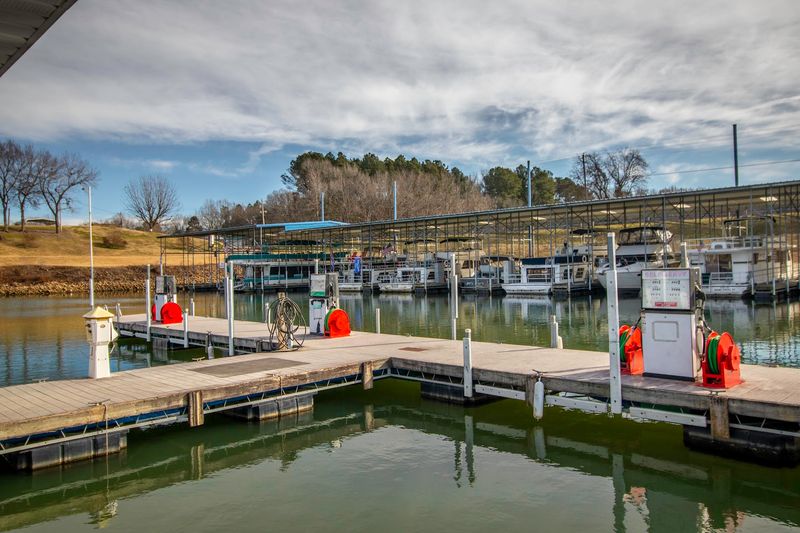
Most people plan to pass through Clifton on their way to somewhere else. Then they stop for lunch, or pull over to look at the river, or wander into a local shop. Next thing they know, they’re rearranging their schedule to stay an extra day.
It happens because Clifton doesn’t overwhelm you with activities or attractions. Instead, it offers something more subtle: space to relax without feeling like you should be doing something. You can spend an afternoon just sitting by the river, or walking through the historic district at your own pace, and feel like you’ve had a full day without the exhaustion that usually comes with travel.
The emotional pull of the place sneaks up on you. It’s in the way the light looks at different times of day, the sound of the river at night, and the ease of conversations with locals who seem genuinely interested in your story. These aren’t big, dramatic moments—they’re small, accumulating details that add up to a feeling you don’t want to leave behind.
People come back to Clifton, sometimes repeatedly. They bring friends and family, or they come alone when they need a reset. Some start looking at real estate listings, only half-joking about making the move permanent.
The town has that effect—it plants a seed, a quiet question about what life could look like if you chose peace over pace, community over convenience.
It’s not pushy about it, though. Clifton just is what it is, and that authenticity makes the pull even stronger.
This Tennessee Town Balances Scenic Beauty With A True Sense Of Home
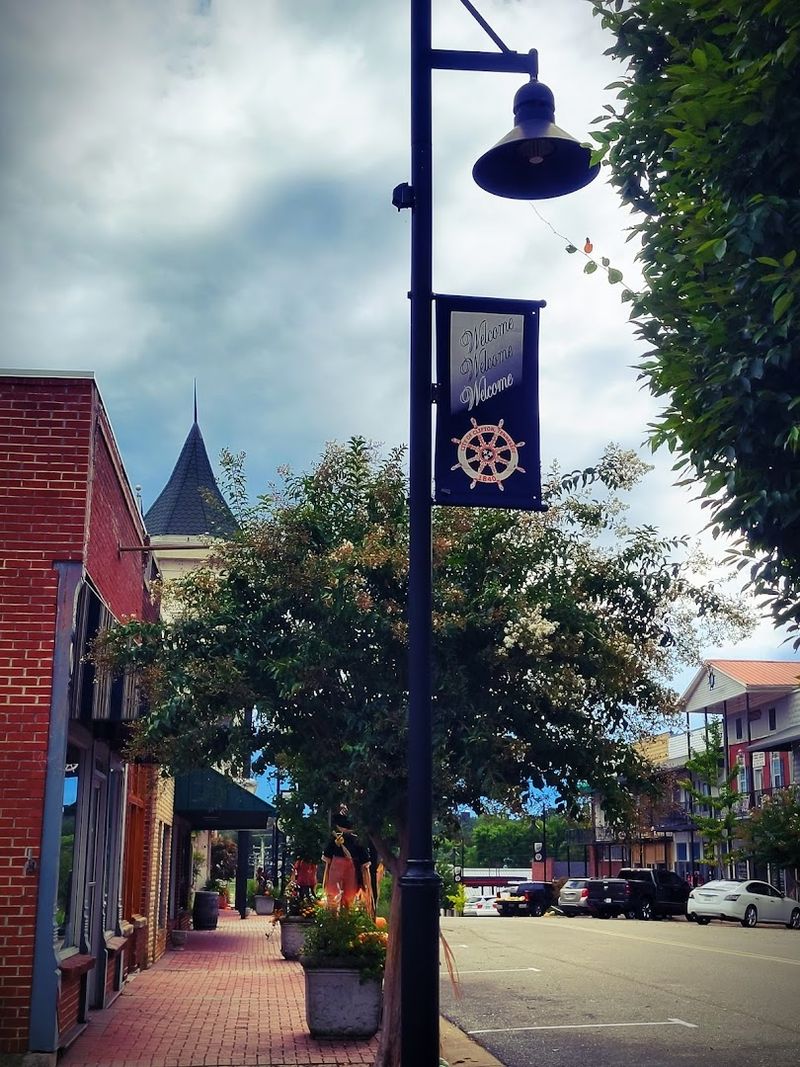
Scenic beauty usually comes with a price—either literal, in the form of expensive real estate and tourist crowds, or figurative, in the sense that beautiful places often feel more like postcards than actual communities. Clifton manages to avoid both traps. The natural setting is genuinely beautiful, with the Tennessee River providing constant visual interest and the surrounding landscape offering that classic Tennessee mix of water, trees, and rolling terrain.
But the town hasn’t sacrificed its identity for its looks. The historic buildings aren’t museums; they’re homes and businesses where people actually live and work. The riverfront isn’t gated off or overdeveloped; it’s accessible and integrated into daily life.
This balance between preservation and practicality gives Clifton a grounded quality that many scenic towns lack.
You can appreciate the beauty here without feeling like you’re intruding on it. The river is there for everyone—locals and visitors alike—without restrictions or fees. The historic districts are open to explore, not roped off behind tour groups and admission charges.
The natural landscape extends beyond designated viewpoints, surrounding the entire town with that peaceful, green Tennessee character.
This combination of scenic appeal and genuine livability is what makes Clifton feel like home rather than just a pretty place to visit. Beauty matters, but so does belonging, and Clifton offers both without asking you to choose between them. It’s a town where you can admire the sunset over the river and still feel like you’re part of something real, something rooted and lasting.
Clifton, Tennessee Feels Less Like A Quick Visit And More Like A Forever Place
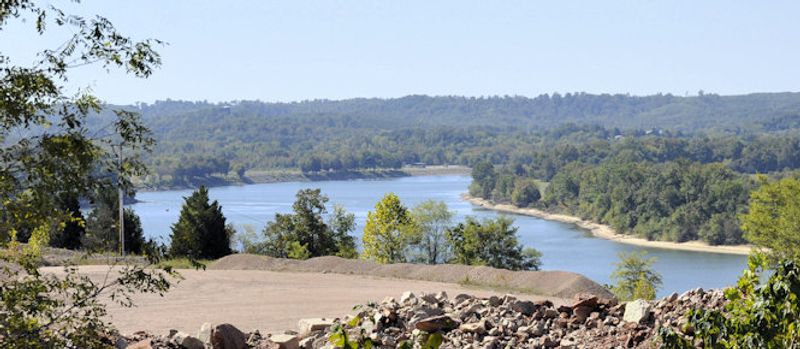
There are places you visit, and there are places that make you reconsider your entire life plan. Clifton falls firmly into the second category for a surprising number of people. It’s not flashy or dramatic about it—the town doesn’t sell itself as a relocation destination or push any particular lifestyle.
It just exists in its quiet, river-shaped way, and something about that authenticity resonates deeply.
The forever quality comes from several sources. There’s the physical beauty and the peaceful atmosphere, certainly, but also something more fundamental: the sense that life here has substance and meaning beyond the daily grind. People in Clifton seem more connected to their place, their community, and their own lives in a way that’s increasingly rare.
The historic character of the town reinforces this permanence. Buildings that have stood for over a century suggest continuity and stability. The river, flowing past for thousands of years, provides a similar sense of timelessness.
These aren’t temporary features or trendy attractions—they’re enduring elements that will be here long after any individual visit or even lifetime.
For those considering a change, Clifton offers a compelling alternative to the noise and speed that define so many modern places. It’s not about escaping or hiding; it’s about choosing a different kind of engagement with life, one that prioritizes depth over velocity, community over anonymity, peace over perpetual motion.
The town doesn’t promise easy answers or instant transformation, but it does offer something real: a place where you could actually build a life worth living, surrounded by water, history, and genuine human connection.