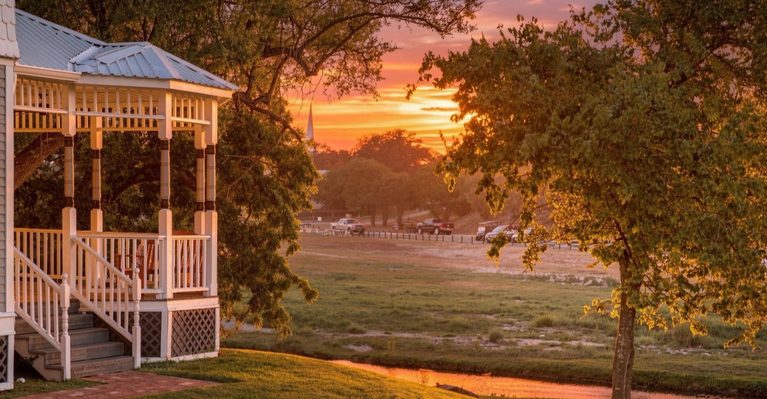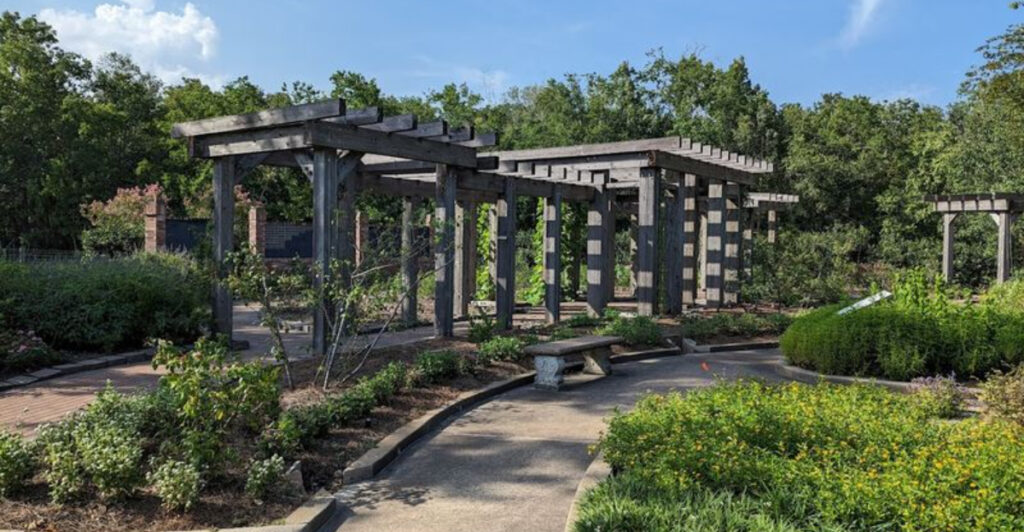
Just off Babe Zaharias Drive in Beaumont, this peaceful botanical escape delivers gorgeous scenery without charging a dime. The Beaumont Botanical Gardens welcomes visitors with open gates and lush landscapes that most destinations charge hefty entrance fees to experience. From a massive indoor conservatory packed with tropical wonders to themed outdoor gardens connected by peaceful pathways, this 23-acre escape proves you don’t need to empty your wallet for world-class natural beauty right here in Southeast Texas.
1. Tropical Conservatory That Rivals Paid Attractions
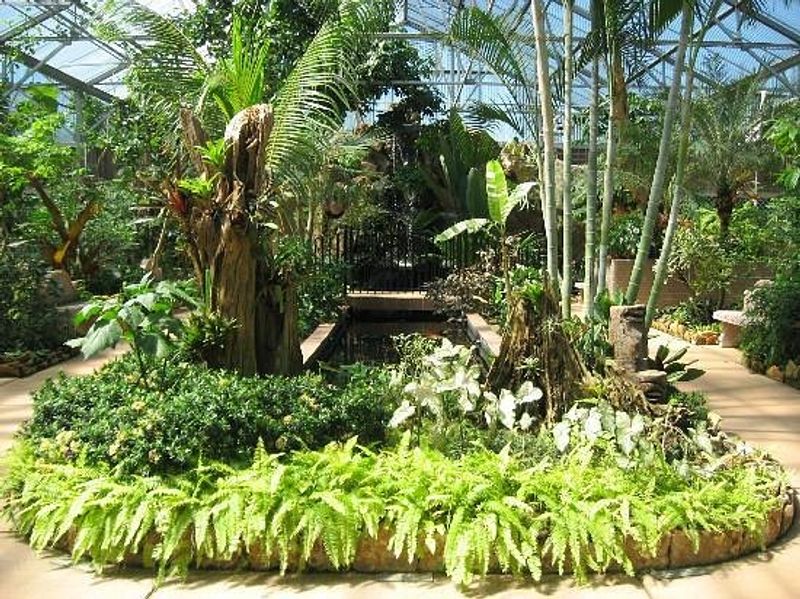
Walking into the conservatory feels like stepping through a portal to another climate entirely. The temperature shifts, humidity wraps around you, and suddenly you’re surrounded by the kind of tropical plants people usually pay premium prices to see at major metropolitan gardens. Orchids dangle overhead, bromeliads cascade from displays, and the sound of waterfalls echoes through the space.
The koi pond draws crowds who stand mesmerized watching massive fish glide beneath lily pads. These aren’t your average backyard pond fish—they’re substantial creatures that swarm when visitors approach, creating a living kaleidoscope of orange, white, and gold. Fish food is available for a small donation, making it one of the few optional expenses at this entirely free attraction.
Sculptures and artistic installations blend seamlessly with the greenery, creating Instagram-worthy moments around every corner. The layout encourages wandering without a set path, so you might discover a hidden bench tucked among ferns or stumble upon a blooming specimen you’ve never seen before. Even on sweltering Texas summer days, the conservatory provides a climate-controlled refuge that feels like a vacation without leaving the state.
Photography enthusiasts treat this space like a professional studio, and it’s easy to see why. The natural lighting filtered through glass, combined with the dramatic foliage, creates conditions that would cost serious money to replicate elsewhere.
2. Outdoor Themed Gardens With Zero Entry Fee
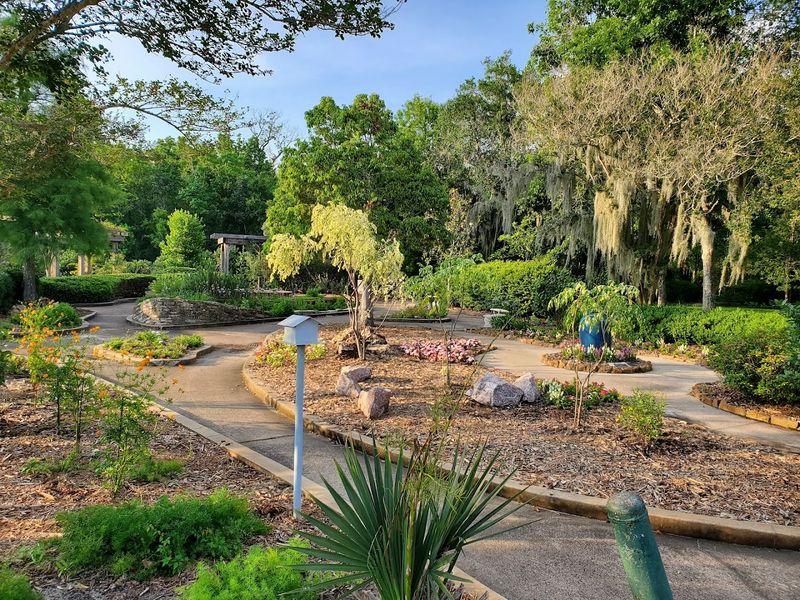
Most botanical gardens worth their salt charge anywhere from fifteen to thirty dollars per adult, but Beaumont flips that script entirely. The outdoor gardens sprawl across themed sections that change character as you move from one area to the next, all accessible without reaching for your wallet. Azaleas explode with color in spring, creating walls of pink, purple, and white that photograph like a dream.
The rose garden alone would justify an admission fee at comparable facilities. Dozens of varieties bloom throughout the season, each labeled so you can learn names and maybe get inspired for your own yard. Benches positioned strategically throughout invite you to sit and actually absorb the scenery rather than rushing through like you’re trying to get your money’s worth.
Paved pathways make the gardens accessible for strollers, wheelchairs, and anyone who prefers not to navigate rough terrain. You’ll spot families pushing toddlers, couples on afternoon dates, and solo visitors sketching or reading under shade trees. The layout feels intentional but not overly manicured—there’s a naturalness that makes you forget you’re in a designed space.
Seasonal changes keep the gardens interesting year-round. Spring brings the showstopping azalea displays, summer offers lush greenery and butterfly activity, fall delivers changing foliage, and even winter has its quiet charm. The fact that you can visit repeatedly without financial commitment means you’ll actually witness these transformations instead of just reading about them.
3. Wildlife Encounters You Won’t Find Indoors
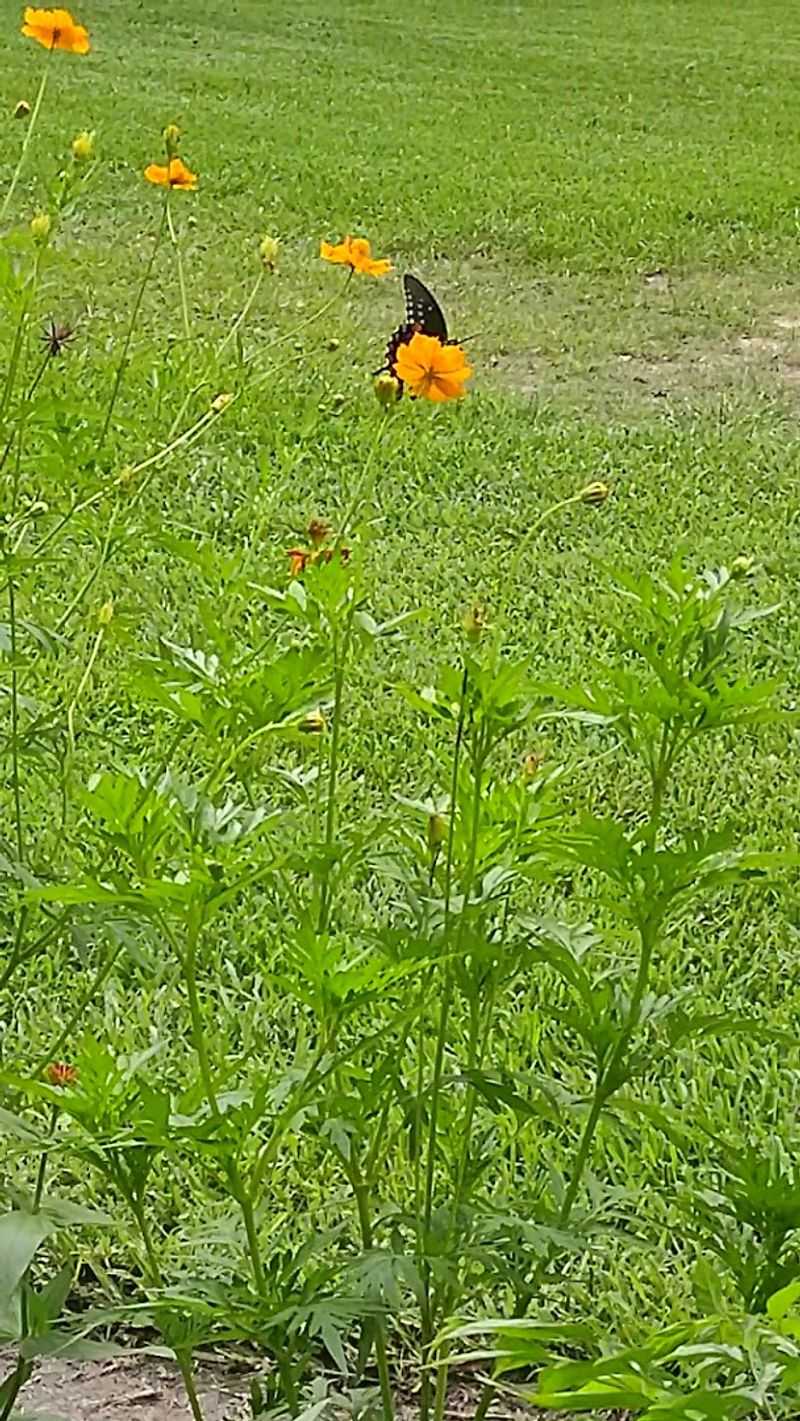
Beyond the carefully cultivated plants, the gardens host an entire ecosystem that brings unexpected delights. Butterflies treat the flower beds like an all-you-can-eat buffet, fluttering between blooms in numbers that increase dramatically during migration seasons. Watching a monarch land inches from your face beats any nature documentary, and it happens here regularly without needing a paid guide or special tour.
Turtles sun themselves on logs around the outdoor pond, occasionally plopping into the water when visitors get too close. They range from tiny hatchlings to dinner-plate-sized veterans who’ve clearly claimed this pond as their permanent address. Rabbits dart across paths, especially in early morning or late afternoon hours when fewer people disturb their routines.
Bird watchers bring binoculars and quietly catalog species that use the gardens as a stopover or permanent home. The variety of plants attracts different birds throughout the year, from tiny hummingbirds hovering at trumpet vines to larger wading birds stalking the pond edges. You might even spot families with babies during nesting season if you’re observant and lucky.
The snake sightings mentioned in reviews might startle some visitors, but they’re part of the authentic outdoor experience. Most are harmless garden snakes doing their job controlling rodent populations, though staying alert never hurts. This wildlife diversity—all viewable for free—creates educational opportunities that paid zoos charge premium prices to offer in controlled environments.
4. Perfect Wedding Venue Without the Typical Price Tag
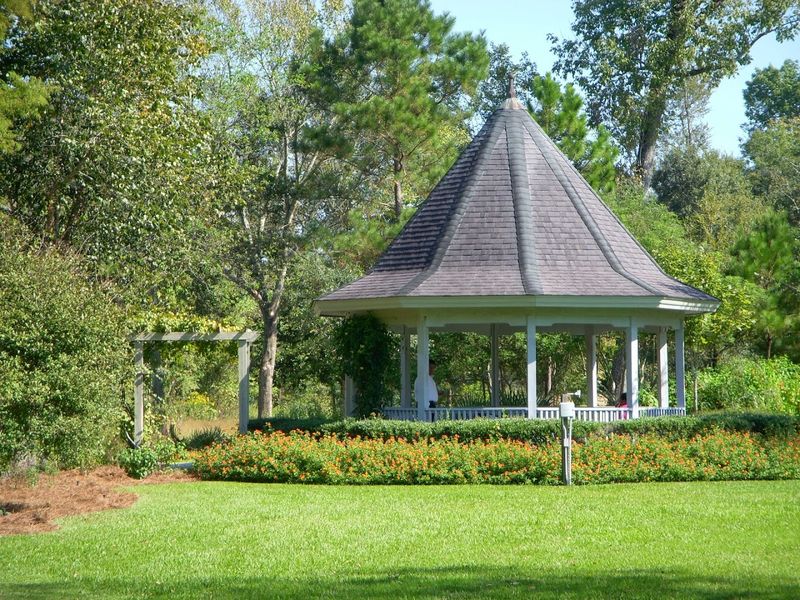
Couples searching for wedding venues typically face sticker shock when they see botanical garden rental fees in other cities. Beaumont’s gardens flip that expectation by offering a genuinely beautiful backdrop without the astronomical costs that usually accompany such settings. The combination of manicured grounds, blooming flowers, and professional-quality photo opportunities rivals venues charging thousands more.
The on-site kitchen facilities make catering logistics significantly easier than outdoor venues without infrastructure. Wedding parties can work with their chosen caterers without worrying about hauling in temporary equipment or dealing with primitive setups. The indoor spaces provide climate-controlled backup options if Texas weather decides to throw a curveball on your big day.
Reviews from actual couples who’ve held ceremonies here rave about the staff’s dedication to preparation and execution. The gardens team works to ensure everything looks pristine for your event, handling groundskeeping details that might overwhelm couples trying to manage DIY outdoor venues. Flexibility in space usage means intimate gatherings of twenty feel just as appropriate as larger celebrations with a hundred guests.
Photography sessions benefit from the variety of backdrops within walking distance—you can shoot formal portraits near the rose garden, candid moments by the pond, and dramatic shots in the conservatory without relocating your entire wedding party. Professional photographers familiar with the gardens know exactly which spots deliver magazine-worthy images, and they’ll tell you this location punches way above its price point.
5. Photography Paradise That Costs Nothing to Access
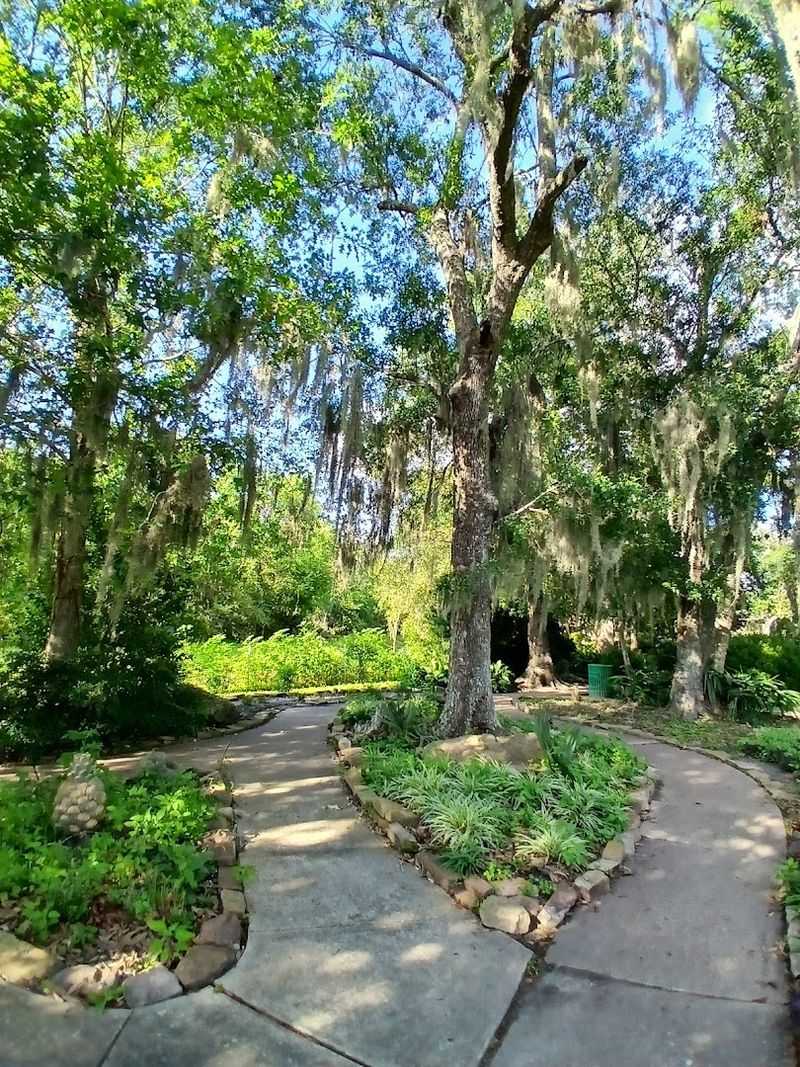
Professional photographers treat these gardens like a secret studio they’re almost hesitant to share. The combination of natural lighting, diverse backdrops, and zero location fees creates conditions that commercial studios charge hundreds per hour to simulate. Portrait photographers bring clients here for engagement sessions, family photos, and senior pictures that look like they required exotic travel.
The conservatory’s filtered light through glass creates that coveted soft, even illumination that makes subjects glow without harsh shadows. Tropical foliage provides depth and texture behind subjects, while the waterfall adds movement and interest to compositions. Timing visits during golden hour transforms already beautiful scenes into something truly magical.
Outdoor sections offer completely different aesthetics within a five-minute walk. Need classic romance? The rose garden delivers.
Want whimsical and wild? The naturalized areas with native plants provide that vibe. Looking for dramatic architectural elements?
The gazebos and pathways create leading lines and framing opportunities that photography instructors use as textbook examples.
Instagram influencers and content creators have discovered this location’s potential, though it remains surprisingly uncrowded compared to trendy urban spots. The gardens’ operating hours and weekday availability mean you can often shoot without photobombers wandering through your frame. Amateur photographers honing their skills appreciate having such a diverse training ground that doesn’t require paid admission or restrictive permits for casual photography.
6. Educational Opportunities Hidden in Plain Sight
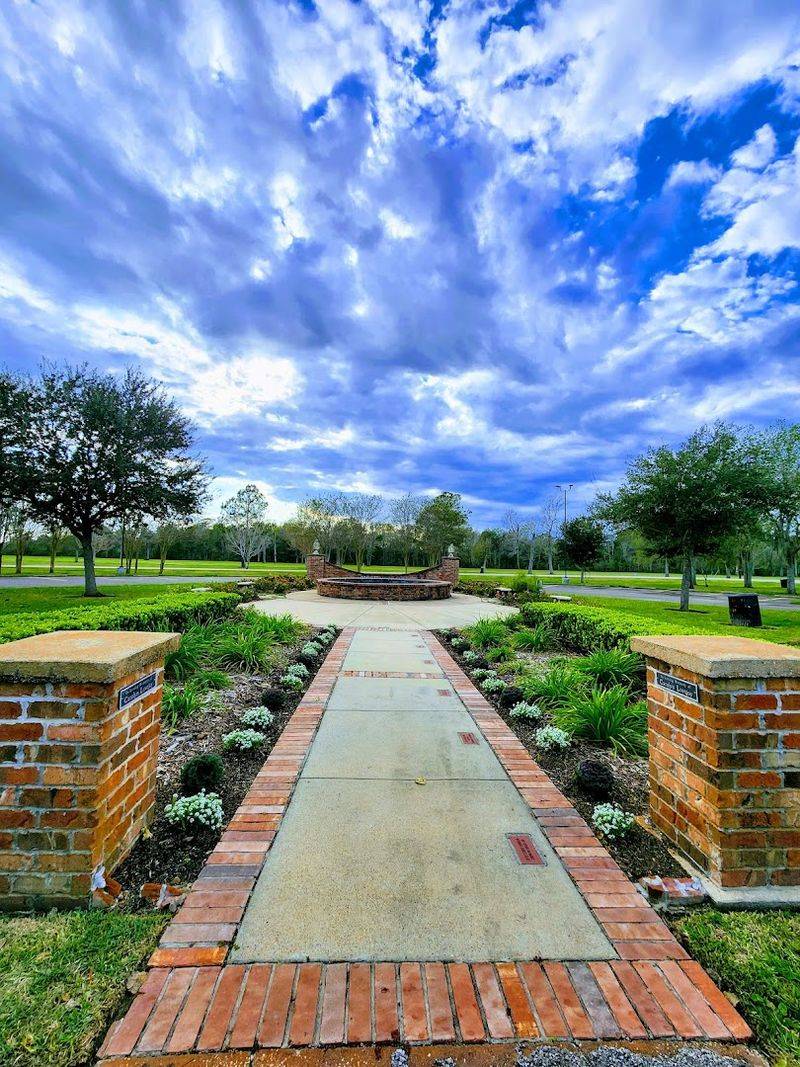
Wandering these gardens delivers an accidental education in botany, horticulture, and ecology that beats textbook learning by miles. Plant labels throughout the grounds identify species by common and scientific names, often including origin information that sparks curiosity about global plant diversity. That weird fruit hanging from a tree?
It’s an Akee Apple from Africa, something most Texans will never encounter elsewhere.
Kids absorb information naturally when they’re chasing butterflies or feeding fish rather than sitting in classrooms. Parents report children asking questions about plant life cycles, pollination, and ecosystems after visits here—the kind of genuine interest that’s hard to manufacture with worksheets. Homeschool families use the gardens as an outdoor classroom where biology lessons unfold organically.
The variety of ecosystems represented—from tropical conservatory to native Texas landscapes—demonstrates how different environments support different plant communities. Walking from the humid conservatory into the outdoor gardens provides a tangible understanding of climate zones and adaptation that geography classes struggle to convey. Seasonal changes offer ongoing lessons in plant dormancy, blooming cycles, and the relationship between temperature and growth.
Garden volunteers and staff members often share knowledge when visitors show interest, offering insights about specific plants or cultivation techniques. These informal interactions provide the kind of personalized learning that paid guided tours promise but don’t always deliver. The fact that all this educational value comes without admission charges makes it accessible to families who couldn’t otherwise afford enrichment activities.
7. Peaceful Escape From Beaumont’s Urban Energy
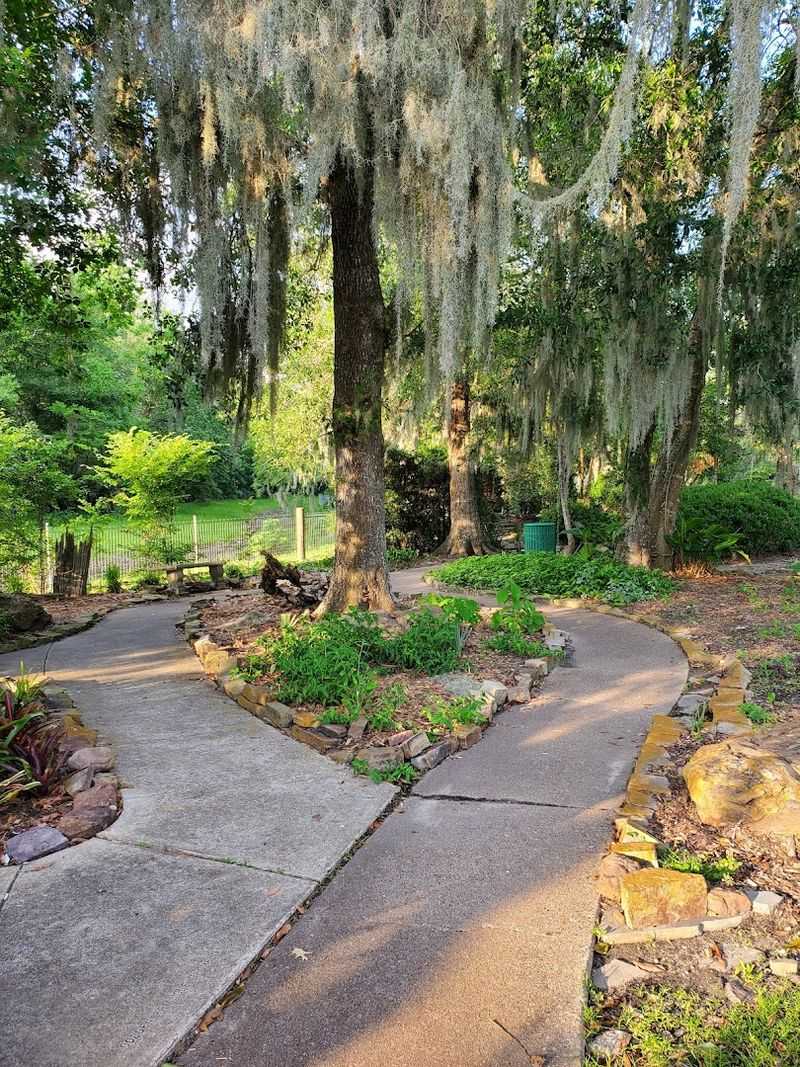
Sometimes the best thing money can’t buy is silence, and these gardens deliver that commodity in surprising abundance. Despite sitting near a golf course and major roadways, the landscaping and layout create pockets of genuine tranquility where traffic noise fades into background whispers. Benches positioned throughout invite actual rest rather than just brief pauses between attractions.
Early morning visits before crowds arrive offer an almost meditative experience. Dew still clings to leaves, birds actively forage and sing, and the air carries that fresh coolness that Texas loses by mid-morning. Evening visitors enjoy similar quiet as families head home and the gardens settle into golden hour glow.
The paved pathways encourage slow, contemplative walking rather than rushed sightseeing. There’s no pressure to maximize value from an expensive ticket or hit every attraction before closing time. You can spend twenty minutes watching koi swim in circles or sit under a gazebo reading without feeling like you’re wasting money or opportunity.
Mental health benefits of green spaces are well-documented, and having free access to quality natural environments removes barriers that often prevent people from utilizing such resources. Local residents treat the gardens like a neighborhood park, visiting regularly for exercise, stress relief, or simple connection with growing things. The fact that this restoration opportunity costs nothing makes it genuinely accessible rather than a luxury reserved for those who can afford spa-like retreats.
8. Year-Round Beauty Without Seasonal Admission Hikes
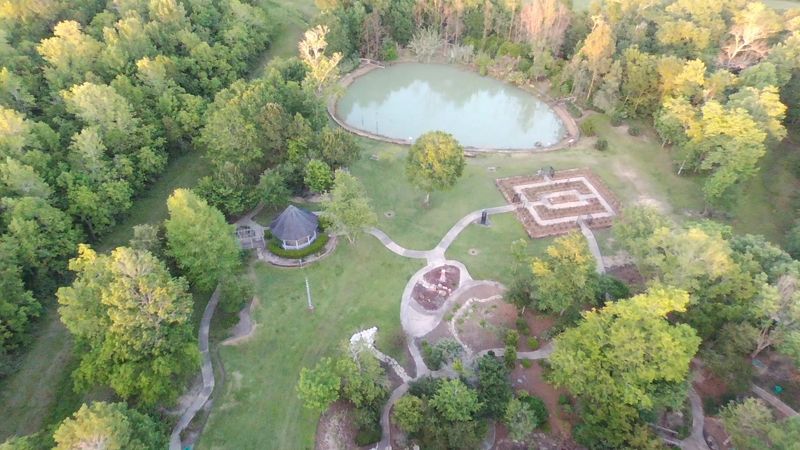
Many attractions jack up prices during peak seasons when demand increases, but Beaumont’s gardens maintain their free admission policy regardless of what’s blooming or how many visitors show up. Spring’s azalea explosion draws the biggest crowds, transforming the gardens into a riot of color that rivals any paid attraction’s seasonal displays. Photographers and nature lovers descend during this window, yet everyone gets in without competing for limited tickets.
Summer challenges Texas gardens with brutal heat, but the mature shade trees and conservatory’s climate control provide relief while still offering visual rewards. The lush greenery reaches peak density, butterfly activity intensifies, and the tropical plants in the conservatory thrive in conditions similar to their native habitats. Strategic timing—early morning or late afternoon visits—makes summer exploration entirely pleasant.
Fall brings subtler changes than northern gardens experience, but observant visitors notice shifting palettes and different blooming cycles. The cooler temperatures make outdoor exploration more comfortable, and the reduced crowds create a more intimate experience with the landscape. Native Texas plants adapted to the climate show their resilience and beauty during this transitional season.
Winter’s dormancy allows appreciation for garden architecture, pathway design, and structural plantings that get overshadowed during showier seasons. The conservatory becomes especially valuable during cold snaps, offering tropical warmth and blooms when outdoor gardens rest. Visiting across all four seasons reveals the gardens’ depth and the staff’s skill in maintaining year-round interest without charging variable admission rates.
Share this story