Dripping Springs, a charming Hill Country town west of Austin, just experienced a population boom that has locals and developers buzzing. With a 17% growth surge, this once-sleepy community known for its wedding venues and wineries is transforming before residents’ eyes. The influx of new neighbors brings exciting opportunities but also raises questions about whether this small-town oasis can maintain its laid-back character as more people discover its appeal.
1. The Population Explosion That’s Turning Heads
Census data doesn’t lie, and the numbers coming out of Dripping Springs are making this Hill Country gem one of the fastest-growing communities in Central Texas. The town’s population jumped from roughly 4,650 to over 5,400 residents in just a couple of years, a growth rate that outpaces most neighboring communities. Real estate agents are fielding calls from Austin commuters tired of city traffic and high property taxes, all searching for that perfect blend of rural charm and modern convenience.
What makes this growth particularly interesting is who’s moving here. Young families make up a significant chunk of new arrivals, drawn by highly-rated schools and safe neighborhoods where kids can still ride bikes to their friends’ houses. Remote workers have also discovered they can trade their downtown loft for a few acres with a view, especially since reliable internet has finally reached most parts of town.
Retirees round out the mix, cashing out of pricier markets to enjoy their golden years surrounded by natural beauty.
The surge hasn’t happened by accident. Developers recognized Dripping Springs’ potential years ago and started planning communities that promise Hill Country living without sacrificing amenities. New subdivisions are sprouting up along major roads, each one filling faster than the last.
Local officials are scrambling to update infrastructure plans, knowing that yesterday’s two-lane roads won’t handle tomorrow’s traffic. The question everyone’s asking: can Dripping Springs grow without losing what made it special in the first place?
2. Why Austin Refugees Are Choosing Dripping Springs
Austin’s explosive growth has created a ripple effect throughout the Hill Country, and Dripping Springs sits in the sweet spot for displaced city dwellers. Located just 25 miles west of downtown Austin via Highway 290, the commute is manageable for those still working in the city. But here’s the kicker: property taxes in Hays County run significantly lower than Travis County, meaning your dollar stretches further.
A family can buy twice the house on twice the land for what they’d pay in Austin’s trendier zip codes.
The lifestyle shift appeals to people craving space and quiet after years of urban density. Instead of hearing neighbors through thin apartment walls, new residents wake up to birdsong and Hill Country sunrises. Many properties come with enough acreage to keep chickens, plant a garden, or just let the kids run wild without worrying about traffic.
Weekend plans shift from crowded brunch spots to exploring nearby Pedernales Falls or visiting one of the area’s many craft breweries and distilleries.
School quality sealed the deal for families with children. Dripping Springs Independent School District consistently earns top ratings, with students regularly outperforming state averages. Parents appreciate smaller class sizes and a tight-knit community where teachers actually know their students’ names.
The district has been adding facilities to keep pace with enrollment growth, investing in new campuses and programs. For many transplants, trading Austin’s congestion for Dripping Springs’ community feel wasn’t a sacrifice but an upgrade they wish they’d made sooner.
3. The Wedding Capital Status That Started It All
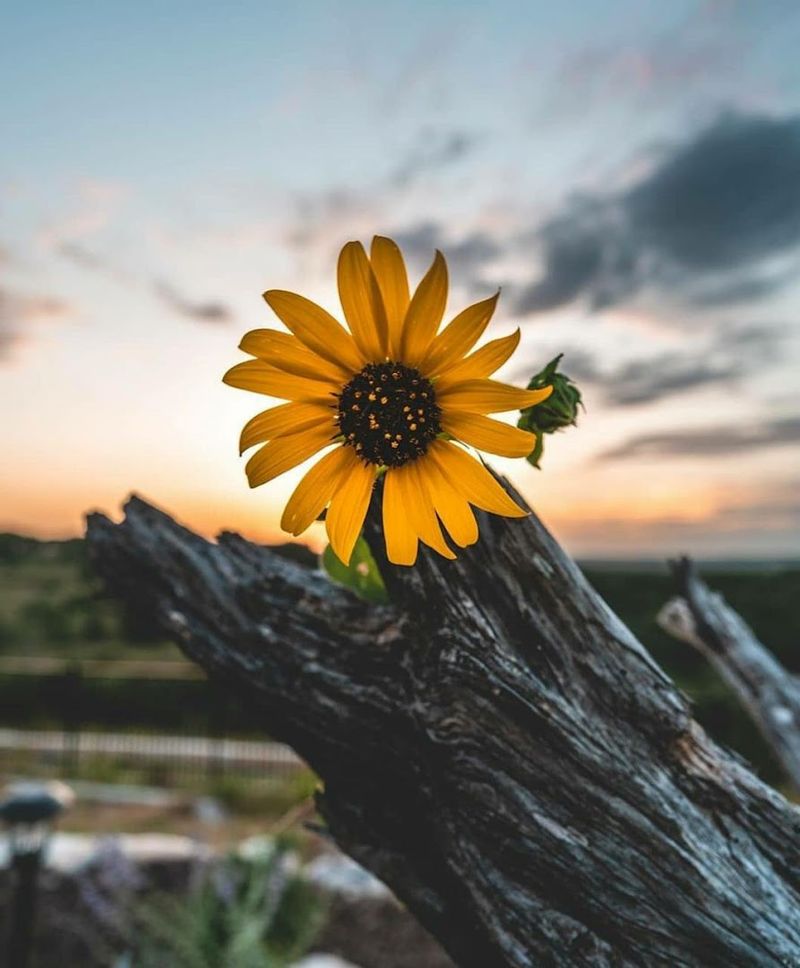
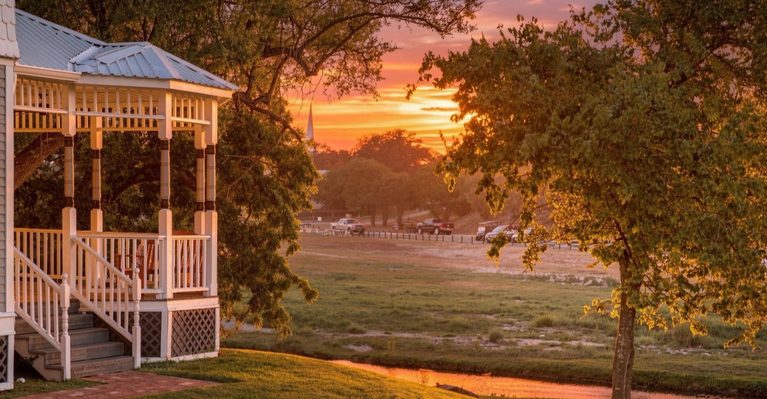
Long before the population boom, Dripping Springs earned its reputation as the Wedding Capital of Texas, a title that put this small town on the map for couples across the state. The designation isn’t just marketing fluff—the area genuinely hosts more wedding venues per capita than almost anywhere else in Texas. Rolling hills, ancient oak trees, and picture-perfect sunsets create a naturally romantic backdrop that photographers dream about.
Venues range from upscale barn conversions to elegant estates, each offering that coveted Hill Country aesthetic couples scroll through on Pinterest.
This wedding industry boom created an economic foundation that attracted other businesses and residents. Caterers, florists, photographers, and event planners set up shop to serve the steady stream of Saturday celebrations. Boutique hotels and bed-and-breakfasts followed, giving wedding guests somewhere charming to stay.
Local restaurants benefited from rehearsal dinners and post-wedding brunches. The wedding economy proved Dripping Springs could support a service industry beyond ranching and agriculture, making it attractive to entrepreneurs in other sectors.
The venues themselves vary wildly in style and price point. Some occupy historic properties with century-old structures and mature landscaping that money can’t buy. Others are newer developments designed specifically for events, with climate-controlled spaces and modern amenities wrapped in rustic finishes.
Peak wedding season runs spring through fall, with weekends booked solid months in advance. Locals have mixed feelings about the constant influx of out-of-towners, but there’s no denying the wedding industry helped transform Dripping Springs from a quiet crossroads into a destination worth discovering.
4. Breweries and Distilleries Putting the Town on the Map
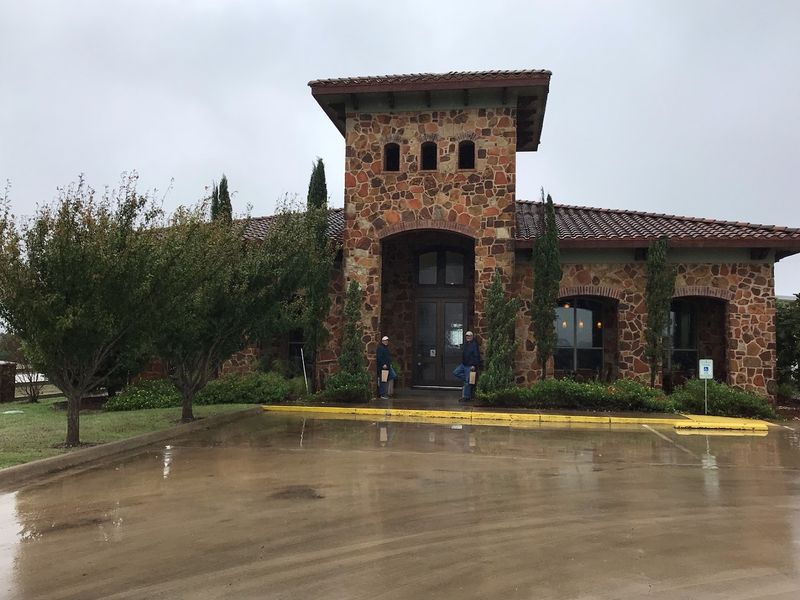
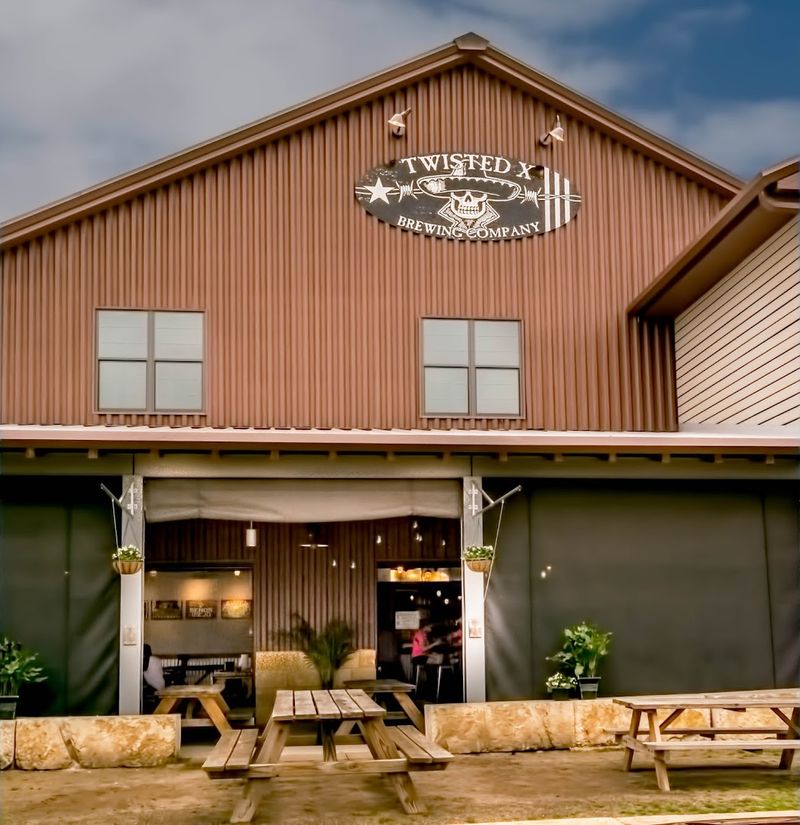
Forget Napa—Dripping Springs has positioned itself as a serious player in Texas craft beverage scene, earning unofficial status as the craft beverage capital of the state. The pure Hill Country water that gives the town its name also happens to be perfect for brewing and distilling. More than a dozen craft beverage producers now call Dripping Springs home, from small-batch distilleries to sprawling breweries with taprooms that feel more like destination resorts.
Weekends bring crowds of visitors eager to sample local creations while soaking in Hill Country views.
Deep Eddy Vodka and Tito’s Handmade Vodka both have strong connections to the area, helping establish Dripping Springs’ reputation for quality spirits. Treaty Oak Distilling operates a massive campus complete with restaurant, event space, and grounds where families can picnic while parents enjoy cocktails. On the beer side, Jester King Brewery has achieved cult status among craft beer enthusiasts, drawing visitors from across the country to their farmhouse brewery.
Their spontaneously fermented ales and farm-to-table restaurant embody the area’s agricultural roots with a sophisticated twist.
The beverage trail effect has been tremendous for local tourism and the economy. Visitors who come for tastings often extend their trips, booking hotel rooms and exploring other attractions. New restaurants have opened to feed the crowds, and retail shops benefit from foot traffic generated by thirsty tourists.
The success of established breweries and distilleries has attracted newcomers to the industry, creating a cluster effect that reinforces Dripping Springs’ reputation. As the town grows, maintaining the balance between agricultural character and tourist destination becomes increasingly important to longtime residents.
5. Infrastructure Struggles to Keep Pace With Growth
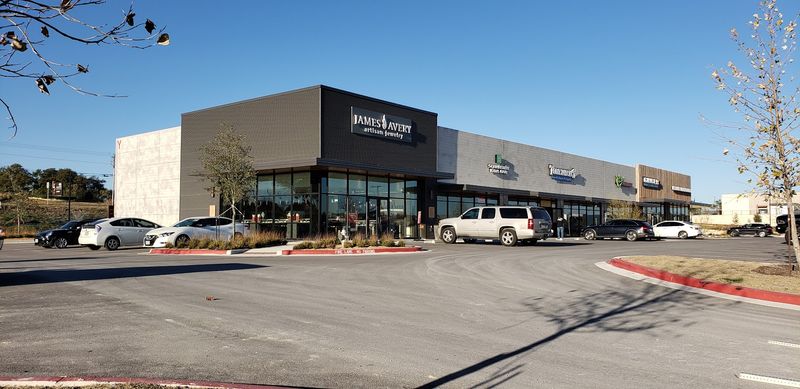
Rapid population growth sounds great until you’re stuck in traffic on a road designed for a fraction of current users. Highway 290, the main artery connecting Dripping Springs to Austin, has become increasingly congested during peak hours as more residents make the daily commute. What used to be a pleasant country drive now involves stop-and-go traffic, especially near major intersections.
The Texas Department of Transportation has plans for improvements, but construction timelines stretch years into the future while the population keeps climbing.
Water infrastructure presents an even bigger challenge in a region where aquifer levels fluctuate with rainfall. The town relies primarily on groundwater, and drought conditions can strain supplies when demand increases. New developments must prove adequate water availability before breaking ground, but questions remain about long-term sustainability.
Some residents worry that unchecked growth could deplete the very resources that make Hill Country living attractive. Water conservation measures and infrastructure upgrades require significant investment, costs that ultimately get passed to taxpayers and utility customers.
School facilities are playing catch-up with enrollment numbers that exceeded projections. Dripping Springs ISD has launched ambitious building programs, but construction can’t happen overnight. Some campuses have resorted to portable buildings while permanent facilities are planned and funded.
Parents appreciate the district’s commitment to maintaining quality education, though some worry that rapid expansion might dilute the small-town school experience. City services from emergency response to parks and recreation are similarly stretched thin. The challenge facing local government: how to fund necessary improvements without raising taxes so high that affordability—one of the town’s major draws—disappears entirely.
6. The Real Estate Market That Won’t Quit
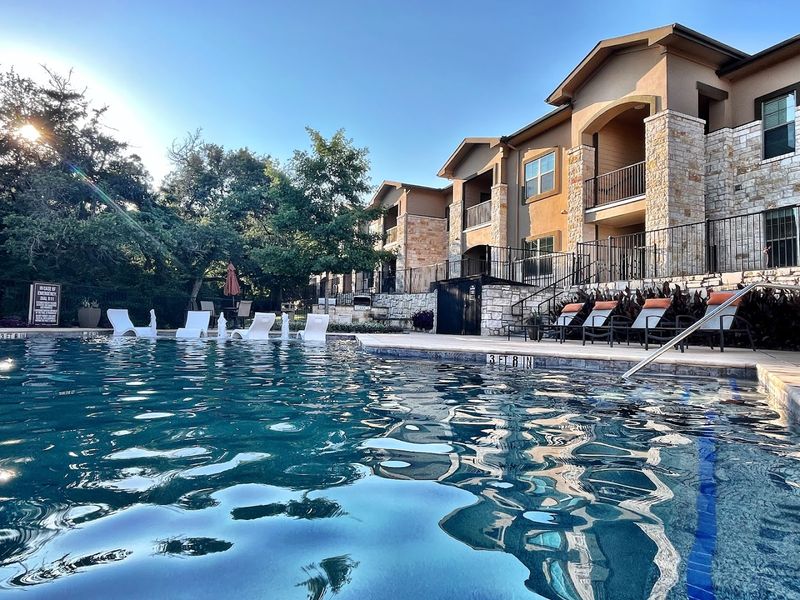
Home prices in Dripping Springs have climbed steadily over the past five years, with no signs of slowing despite broader market fluctuations. The median home price has jumped from the low $300,000s to well over $500,000, with luxury properties on larger acreage commanding seven figures. Inventory remains tight as demand continues outstripping supply, creating bidding wars that would have seemed absurd just a few years ago.
First-time buyers find themselves priced out of the market, while investors and out-of-state buyers arrive with cash offers that local families can’t match.
New construction dominates the real estate landscape, with entire neighborhoods appearing where cattle grazed just months earlier. Developers are building everything from modest starter homes to sprawling estates, though the definition of starter home has shifted dramatically. Cookie-cutter subdivisions contrast sharply with the area’s ranch heritage, a visual reminder of how quickly things are changing.
Some developments attempt to maintain Hill Country character with native landscaping and architectural guidelines, while others could be anywhere in suburban America. The construction boom has brought jobs but also concerns about losing the open space and rural character that attracted people here initially.
Longtime residents who bought property decades ago have seen their home values skyrocket, a windfall for those looking to sell but a burden for those on fixed incomes facing rising property tax bills. The wealth effect has created strange dynamics where neighbors of 20 years live in vastly different financial situations. Ranchers sitting on valuable land face tough decisions about whether to sell to developers or try to maintain their way of life.
The real estate frenzy has made some people rich but has also fundamentally altered the community’s social fabric.
7. Small-Town Character Versus Big-City Conveniences
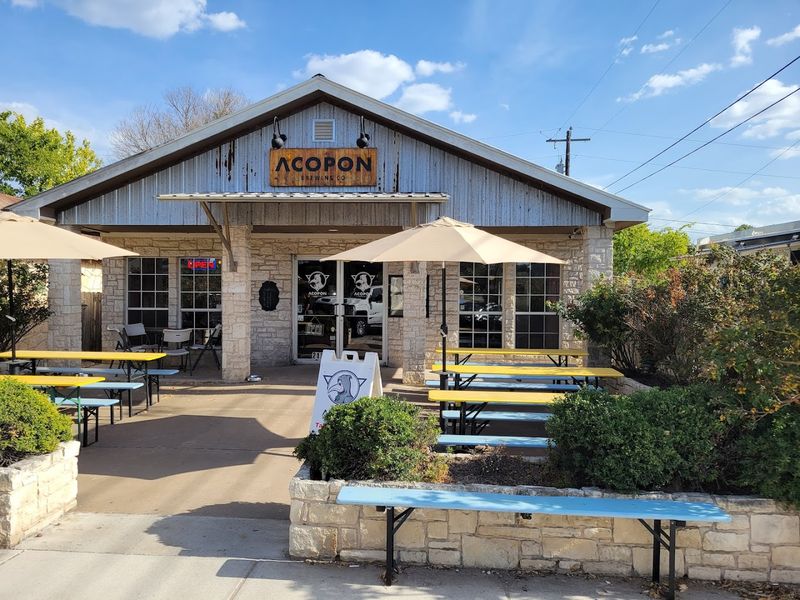
The tension between preserving small-town charm and providing modern amenities defines current debates at city council meetings and neighborhood gatherings. Old-timers remember when Dripping Springs had one grocery store and you knew everyone in line at the post office. Now chain restaurants and national retailers are eyeing the growing population, seeing opportunity where locals see potential homogenization.
A new H-E-B grocery store opened to great fanfare, offering selection and convenience that longtime residents had to drive to Austin to find. But each new development chips away at the undeveloped land and quiet roads that defined the area.
Dining and entertainment options have expanded dramatically to serve new residents accustomed to urban variety. Locally-owned restaurants serve everything from barbecue to upscale farm-to-table cuisine, though reservations are increasingly necessary on weekends. Coffee shops with reliable WiFi cater to remote workers who’ve made Dripping Springs their home office.
Fitness studios, boutiques, and services previously requiring a trip to Austin now exist locally. For new arrivals, these additions represent progress and convenience. For established residents, they’re bittersweet reminders that their sleepy town is disappearing.
Community events still maintain small-town flavor, from the annual Founders Day celebration to Friday night high school football games that draw crowds. Neighbors still wave from their trucks and local businesses know regular customers by name. But the intimate community feeling dilutes with each new subdivision, as social networks struggle to absorb hundreds of unfamiliar faces.
The challenge moving forward: how to welcome newcomers and provide necessary services without becoming just another generic suburb. Many residents hope thoughtful planning and strong community engagement can help Dripping Springs grow while retaining its essential character.
8. What the Future Holds for This Booming Town

City planners and local officials face critical decisions that will shape Dripping Springs for generations. The comprehensive plan attempts to balance growth with preservation, designating areas for development while protecting environmentally sensitive land and scenic viewpoints. Zoning regulations aim to prevent the worst excesses of sprawl, though enforcement requires resources the small city government is still building.
Some residents push for stricter growth controls, while others argue that property rights should allow landowners to develop as they see fit. These competing visions play out at every public hearing and election cycle.
Environmental concerns loom large as development pressure increases. The Edwards Aquifer recharge zone underlies much of the area, meaning what happens on the surface directly impacts groundwater quality and quantity. Native wildlife habitats shrink as bulldozers clear land for houses and roads.
The very natural beauty that attracts people here is threatened by their arrival, an irony not lost on environmentally conscious residents. Conservation easements and land trusts work to preserve some open space, but they’re racing against economic forces that make development extremely profitable. Climate change adds another layer of uncertainty, with more intense droughts and floods testing infrastructure and water supplies.
Despite challenges, optimism persists among many residents who believe Dripping Springs can chart a different course than other Austin suburbs. Strong community involvement and local pride create social capital that money can’t buy. The town’s identity as the Wedding Capital and craft beverage hub provides economic diversity beyond bedroom community status.
Smart infrastructure investments happening now could prevent bigger problems down the road. Whether Dripping Springs remains a special place or becomes just another crowded suburb depends on choices being made today by residents, officials, and developers who hold the town’s future in their hands.
Share this story