Once one of Texas’ busiest ports, Indianola was a thriving coastal town filled with bustling streets, successful businesses, and thousands of residents. Ships arrived carrying goods and immigrants, and the town played an important role in the state’s early development.
But everything changed when a devastating hurricane struck in 1875, destroying buildings and claiming hundreds of lives. Residents worked to rebuild their community, only to face another catastrophic hurricane in 1886. The second storm, followed by a destructive fire, left the once-prosperous port in ruins.
Unable to recover from two major disasters, Indianola gradually faded into history. Businesses closed, families relocated, and much of the original town eventually disappeared beneath the waters of Matagorda Bay.
Today, visitors can explore historic markers, an old cemetery, and monuments that preserve the memory of this forgotten Texas community. What remains tells a heartbreaking story of ambition, resilience, and a town that never fully recovered from nature’s fury.
1. A Booming Port That Once Had Galveston Looking Over Its Shoulder
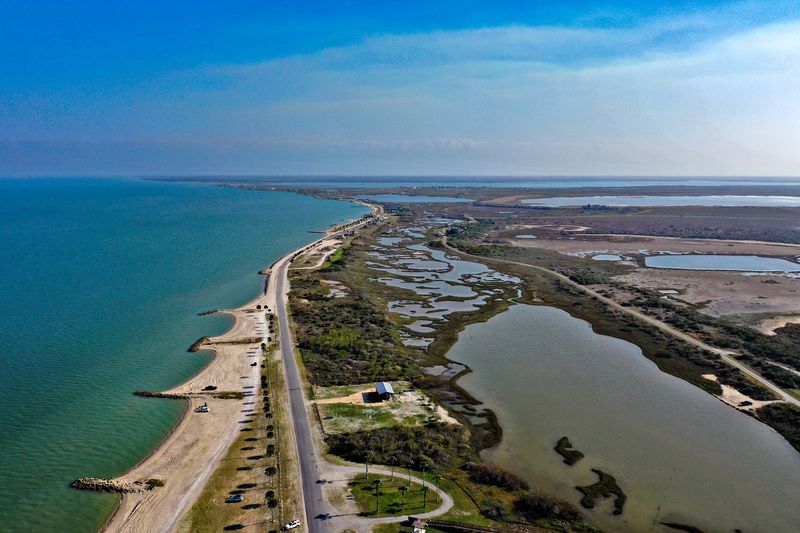
German immigrants began arriving along this stretch of coast in the 1840s, and Indian Point was formally established in 1846 by Sam Addison White and William M. Cook. They were headed inland to found towns like New Braunfels, and this beach was their front door to Texas.
By 1849, the growing settlement took the name Indianola. Before long, Indianola, Texas, became one of the busiest ports in the state.
Steamships from the Morgan Line docked at long wharves stretching into Matagorda Bay. Goods moved inland by wagon, and later by rail, toward San Antonio and beyond.
Indianola even served as the county seat of Calhoun County. At its peak, the town was home to more than 5,000 people.
That’s a lot of life for a place that’s so quiet now. Stores, hotels, churches, and newspapers all crowded along the shore.
Many historians rank it as second only to Galveston among Texas ports of that era. Trade flowed in from New Orleans and New York, and immigrants arrived by the boatload.
Knowing all this makes a visit hit differently. You’re not just looking at a beach. You’re standing where a whole region once got its start.
2. Yes, Real Camels Landed on This Beach
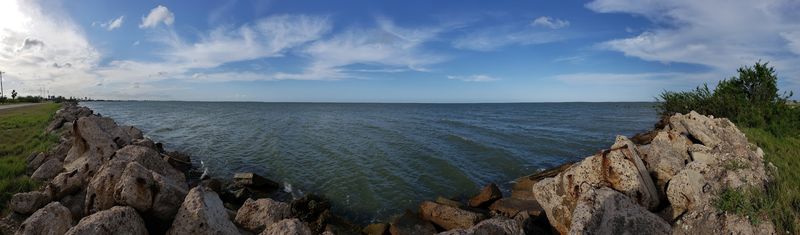
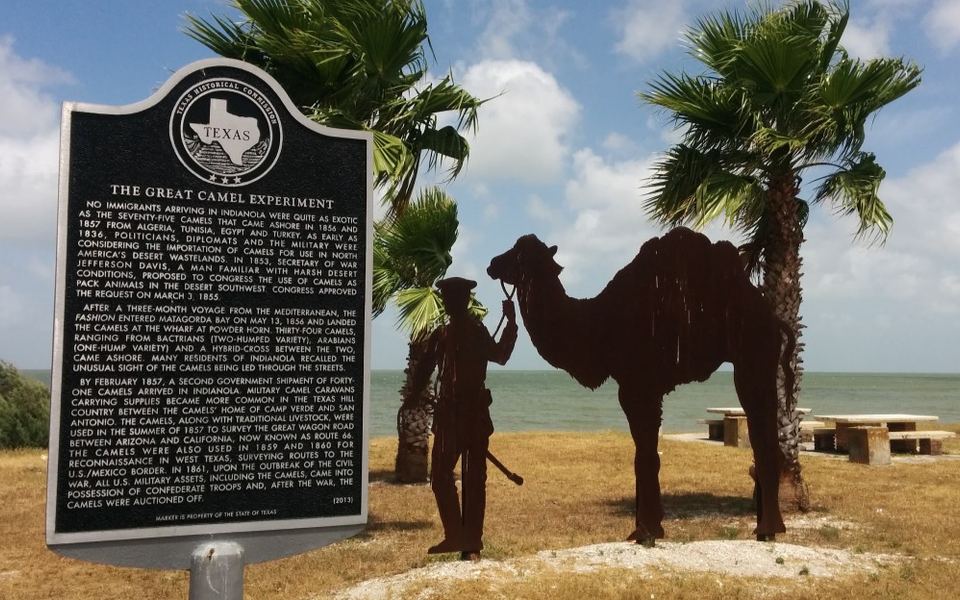
Out of all the cargo that ever crossed these docks, the oddest might be the camels. In 1856, the U.S. Army brought a herd from the Mediterranean to Indianola.
The plan sounded wild but practical. Army leaders wanted to see if camels could haul supplies across the dry Southwest better than mules.
The animals arrived aboard the USS Supply after a long ocean trip. Accounts say they were a little wobbly and excited once their feet hit solid ground.
From the coast, the herd traveled inland to Camp Verde, near Kerrville. There, soldiers tested how well the camels could carry heavy loads through rough country.
The experiment showed some real promise. Still, it faded out as national events pulled attention elsewhere.
So when you stand near the water in Indianola, Texas, picture a very confused port crowd. Imagine dockworkers trying to lead a camel off a ship for the first time.
It’s a fun story to share with kids on the drive down. Honestly, it’s also a great reminder that this town once played a part in national plans, not just local ones.
3. September 1875 Brought a Storm Nobody Saw Coming
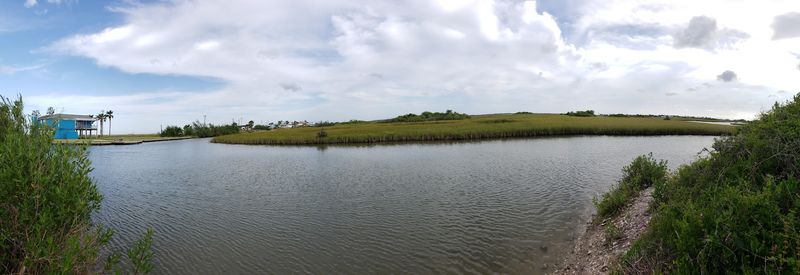
Mid-September in 1875 started like any other busy week in town. Many visitors had even come in for a court case, adding to the crowd.
Then the wind picked up on September 15. By the next day, a powerful hurricane had pushed the bay deep into the streets.
There was no radar or satellite warning back then. Folks had no real way to know how strong the storm would grow.
Water rose fast and swept away homes, shops, and wharves. Most of Indianola was flattened or badly damaged by the time the winds calmed.
Hundreds of lives were lost, and the exact number is still unclear today. Neighboring towns sent help, but the heartbreak was enormous.
Here’s what amazes me most about these people. Many of them chose to stay and rebuild instead of leaving Indianola, Texas, behind.
They cleared debris, reopened businesses, and got the port running again. That kind of grit is hard to picture until you see how exposed this shoreline really is.
Standing by the bay now, the calm water feels almost polite. It’s a humbling thought about how quickly nature can change everything.
4. A Giant Granite Explorer Keeps Watch Over the Bay
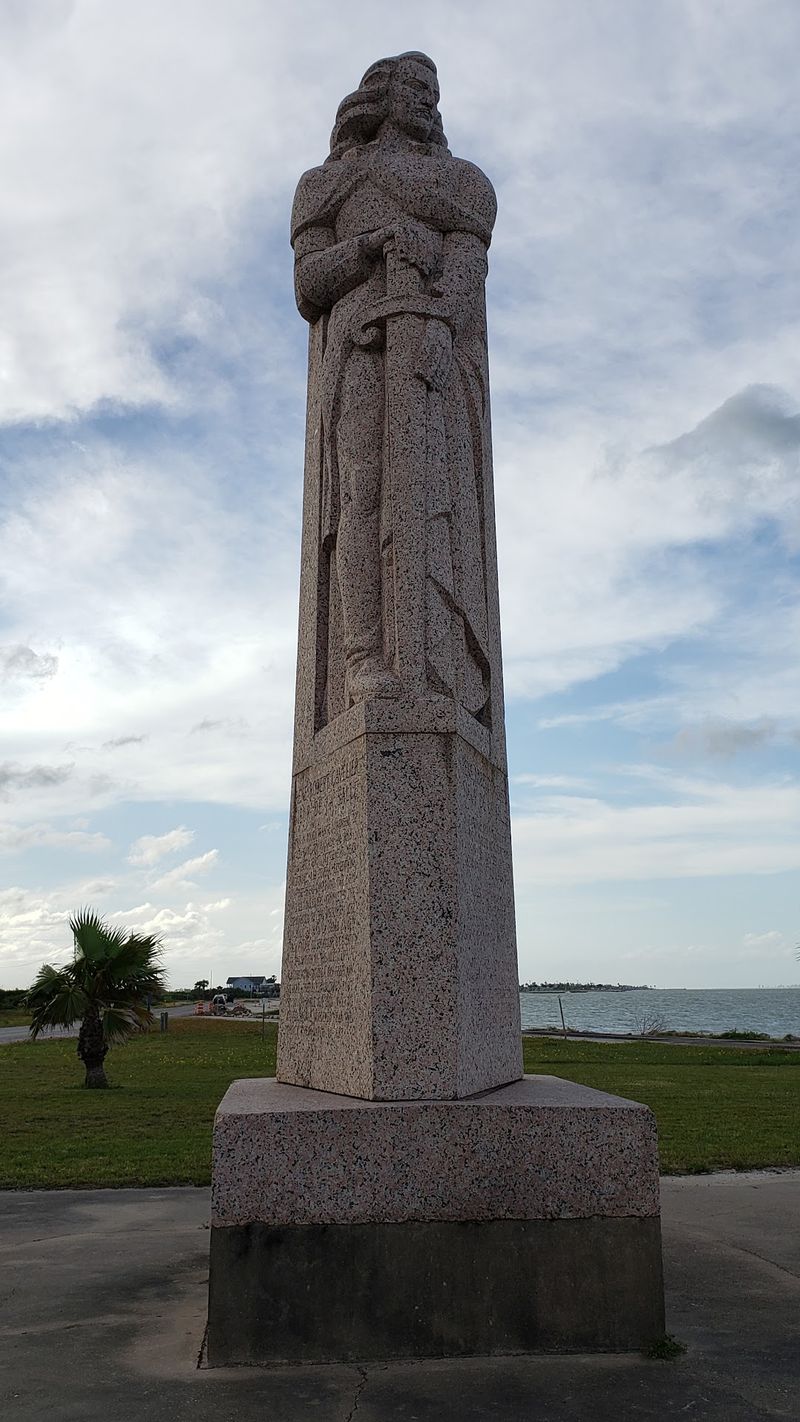
Tall, stern, and carved from pink granite, a statue of La Salle stands guard near the shore. It’s hard to miss and even harder not to photograph.
René-Robert Cavelier, Sieur de La Salle, was a French explorer. He landed along Matagorda Bay in 1685 while searching for the Mississippi River.
The monument was commissioned as part of the 1936 Texas Centennial celebrations and officially dedicated on May 21, 1939. It honors La Salle’s arrival and his early role in the region’s story.
So the site carries two layers of history at once. You’ve got a French expedition from the 1600s and a lost port from the 1800s.
The statue makes a great first stop when you arrive. It gives you a strong landmark and a wide view across the bay.
Bring a hat, because shade is limited along this flat coast. The sun and breeze can both be pretty bold.
Kids usually love the sheer size of the thing. Adults tend to enjoy reading the markers and piecing together the timeline.
Either way, it’s a fitting spot to start thinking about everyone who once reached this shore.
5. Quiet Headstones Tell the Most Personal Stories
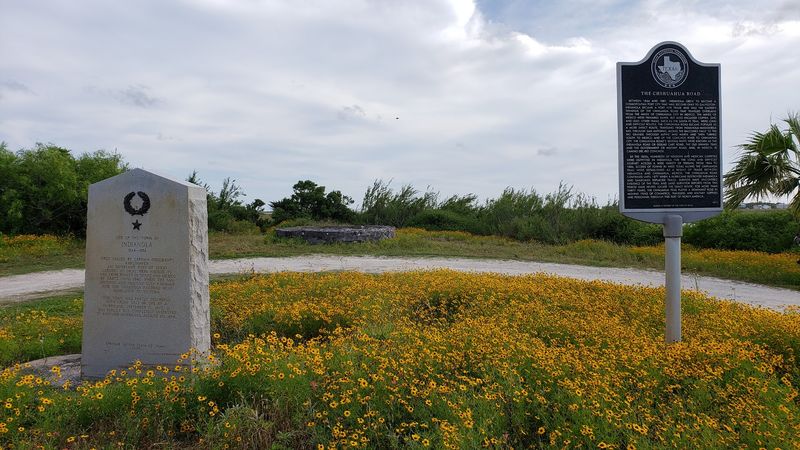
Some of the town’s most moving history isn’t on a plaque at all. It’s carved into old stones at the Indianola Cemetery, set back a bit from the bay.
Names and dates there trace families who built the port. Many headstones reflect the German heritage that shaped the town from its first days.
Walking the rows feels quiet and reflective in the best way. Wind moves through the grass, and the bay is never far off.
Remember that this is a sacred place for many families. Stay on paths, avoid touching fragile stones, and keep voices low.
Bring a notebook if you love genealogy or history. Spotting old German names and dates can turn into a surprisingly gripping puzzle.
A historical marker nearby helps explain the site’s background. Reading it first gives the headstones more meaning.
I think this is where Indianola, Texas, feels most human. The big storms become stories about real neighbors, parents, and kids.
Give yourself a few calm minutes here. It’s a gentle way to honor the people who once called this shore home.
6. Markers, Ruins, and Clues Hiding Along the Shoreline
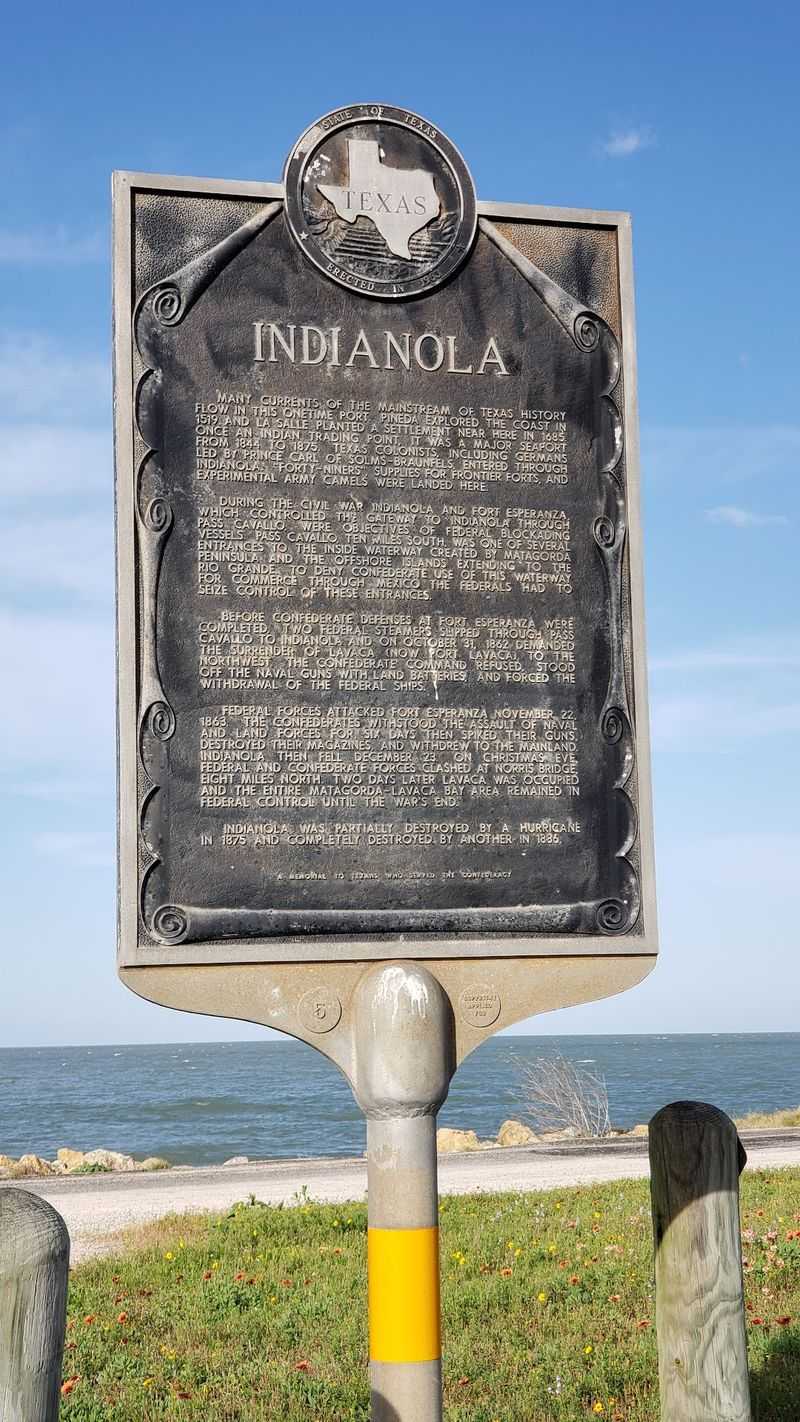
Think of the whole shoreline as an outdoor history book with missing pages. Texas historical markers dot the area and fill in what the landscape can’t say.
One marker explains the old town site and its rise as a port. Others point to German immigrant landings and the county’s early days.
Driving slowly lets you catch them without missing anything. Pull over safely, read, then move to the next one.
Much of the original town now sits beneath the bay, thanks to erosion and those storms. Over the years, remnants like old foundations have been spotted near the water.
Treat anything you find as part of the story, not a souvenir. Leaving artifacts in place protects history for the next curious visitor.
A good tip is to snap photos of each marker. That way you can piece the timeline together later at home.
It feels a bit like a scavenger hunt for grownups. Each stop adds a new detail about Indianola and the people who lived here.
By the end, the empty shore starts to look full of ghosts and memories.
7. Bring a Fishing Rod, Because the Bay Still Delivers
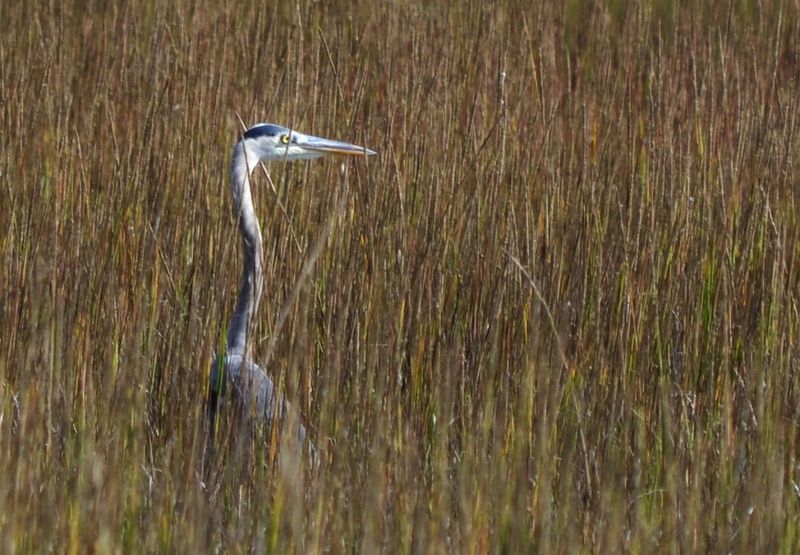
Lines in the water might be the most common sight in modern Indianola. Anglers come for the bay, and the bay usually cooperates.
Matagorda Bay is known for redfish, speckled trout, and flounder. Piers and the shoreline give you several ways to cast.
The small community today includes homes, fishing camps, and a marina. It’s a relaxed, low-key spot rather than a busy tourist town.
Early mornings are popular for fishing along the Texas coast. The light is soft, and the bay often feels calm and glassy.
Remember to pick up a Texas fishing license before you go. State rules on size and bag limits apply here too.
Services are limited, so pack snacks, water, sunscreen, and bait. Port Lavaca is the nearest bigger town for supplies.
Birdwatchers can enjoy the area as well. Herons and other shorebirds often hang around the flats and marshes.
There’s something fitting about the shore still feeding people. A port once moved goods across the world, and now it quietly hands out fish suppers.
8. Plan Your Trip and Finish the Story in Port Lavaca
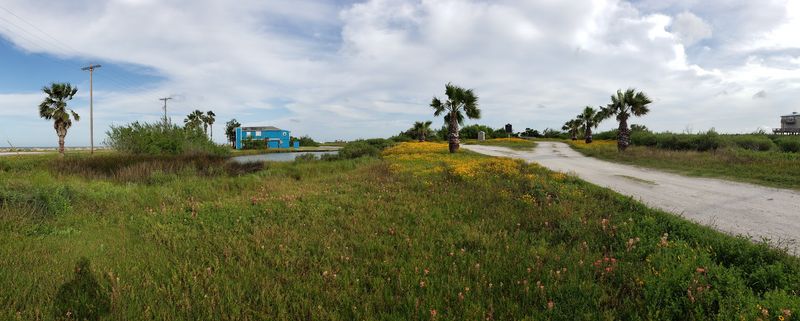
Getting here is easier than you might expect. Plug Indianola, TX 77979 into your map, and head about 12 miles southeast of Port Lavaca.
The drive crosses flat coastal country with wide views. It’s an easy trip from Victoria, and doable from Houston, San Antonio, or Corpus Christi.
Check the weather before you leave, especially during hurricane season. That season runs from June through November along the Texas coast.
Wear comfortable shoes and bring bug spray. Coastal mosquitoes take their job very seriously.
After exploring, swing back to Port Lavaca for the Calhoun County Museum. It shares artifacts and stories connected to Indianola’s port days.
Seeing real objects from the old town makes everything click. Suddenly the markers and statue feel like chapters in one connected book.
A half day is plenty for the main sights. Add more time if you want to fish, walk the shore, or watch the sunset.
Leave everything as you found it, and take the story home instead. Indianola, Texas, deserves to be remembered, and every visitor helps keep it alive.
Share this story