Hidden along the rugged Texas coast near Sabine Pass, McFaddin National Wildlife Refuge holds a secret that fossil hunters dream about. Miles of wild beach here are packed with prehistoric shark teeth, some dating back millions of years, just waiting to be discovered by anyone willing to walk the shoreline. The refuge offers a rare chance to hunt for ancient treasures while surrounded by marshes, wildlife, and the kind of quiet that makes you forget the rest of the world exists.
1. Ancient Shark Teeth Wash Up Daily
Every tide brings a fresh supply of fossilized shark teeth to the beach at McFaddin, making each visit feel like opening a new treasure chest. These teeth come from ancient species that swam in warm seas covering Texas millions of years ago. Some are small and dark, others surprisingly large with serrated edges still sharp enough to make you wonder what kind of creature they came from.
The best hunting happens after storms or high tides when waves churn up the ocean floor and deposit new finds along the waterline. Early morning walks give you first crack at whatever washed in overnight. You’ll spot teeth mixed in with modern shells, driftwood, and the usual beach debris, so a sharp eye helps.
Bring a small mesh bag or bucket to collect your finds, and consider a sifter if you want to get serious about it. The teeth range from tiny points no bigger than a fingernail to impressive specimens several inches long. Black and brown colors dominate, polished smooth by centuries of tumbling in the surf.
No special permits are needed for casual collecting, which makes this one of the most accessible fossil beaches in Texas. Kids especially love the thrill of finding something that old. Just remember that patience pays off, and sometimes the best discoveries happen when you’re not even looking that hard.
2. Remote Beach Access Requires Preparation
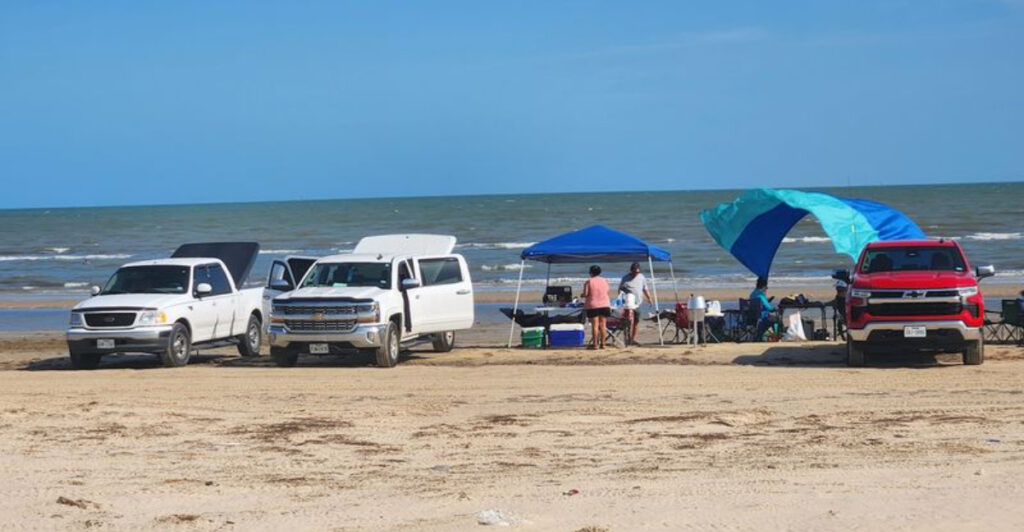
Getting to the fossil beach at McFaddin isn’t your typical pull-up-and-park beach trip. You’ll drive through the refuge on long, flat roads that cut through marshland before reaching the coast. Once you hit the beach itself, sand conditions vary wildly depending on recent weather and tides.
A four-wheel-drive vehicle makes the experience much smoother, especially if you want to explore farther down the shoreline. Plenty of visitors have gotten stuck in soft sand, and cell service out here is spotty at best. The refuge opens at 7:30 AM daily, so arrive early to beat the heat and claim your spot.
Pack everything you’ll need for the day because there are no facilities, stores, or shade structures anywhere nearby. Water, sunscreen, bug spray, and snacks are essential. The sun reflects off the sand and water with brutal intensity, and the mosquitoes and deer flies can be relentless during warmer months.
Despite the rugged conditions, the isolation is part of the appeal. You might see only a handful of other vehicles during your entire visit. The lack of crowds means more beach to explore and more fossils left undiscovered.
Just make sure your gas tank is full and you’ve got a backup plan if weather turns or your vehicle struggles in the sand.
3. Marshlands Teem With Coastal Wildlife
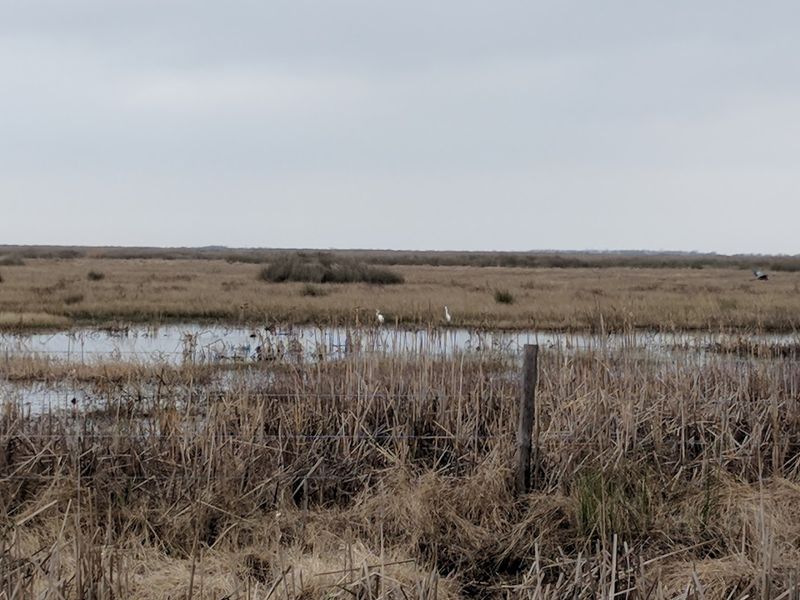
McFaddin’s 58,000 acres of marshes and wetlands create a wildlife paradise that rivals any coastal refuge in the state. Alligators sun themselves along canal banks, and if you’re quiet, you’ll spot them floating like logs in the murky water. Herons, egrets, and roseate spoonbills wade through the shallows hunting for fish and crustaceans.
The refuge serves as critical habitat for migratory waterfowl, and during peak season, the sky fills with ducks and geese moving between feeding areas. Photographers love this place because the birds often come close enough for incredible shots without needing a massive telephoto lens. Turtles pile onto logs, and occasionally you’ll catch sight of a river otter or nutria moving through the grass.
Driving the refuge roads gives you access to multiple pull-offs where you can stop, watch, and listen. Bring binoculars if you have them. The landscape feels untouched and wild in a way that’s increasingly rare along developed coastlines.
Respect the wildlife by keeping your distance, especially from alligators. They’re common here and generally keep to themselves, but they deserve space. The marsh also hosts snakes, including venomous species, so watch where you step if you leave the road or beach.
This raw, unfiltered nature is exactly what makes McFaddin special for anyone who appreciates seeing Texas the way it looked centuries ago.
4. Fishing Opportunities Along Beach and Canals
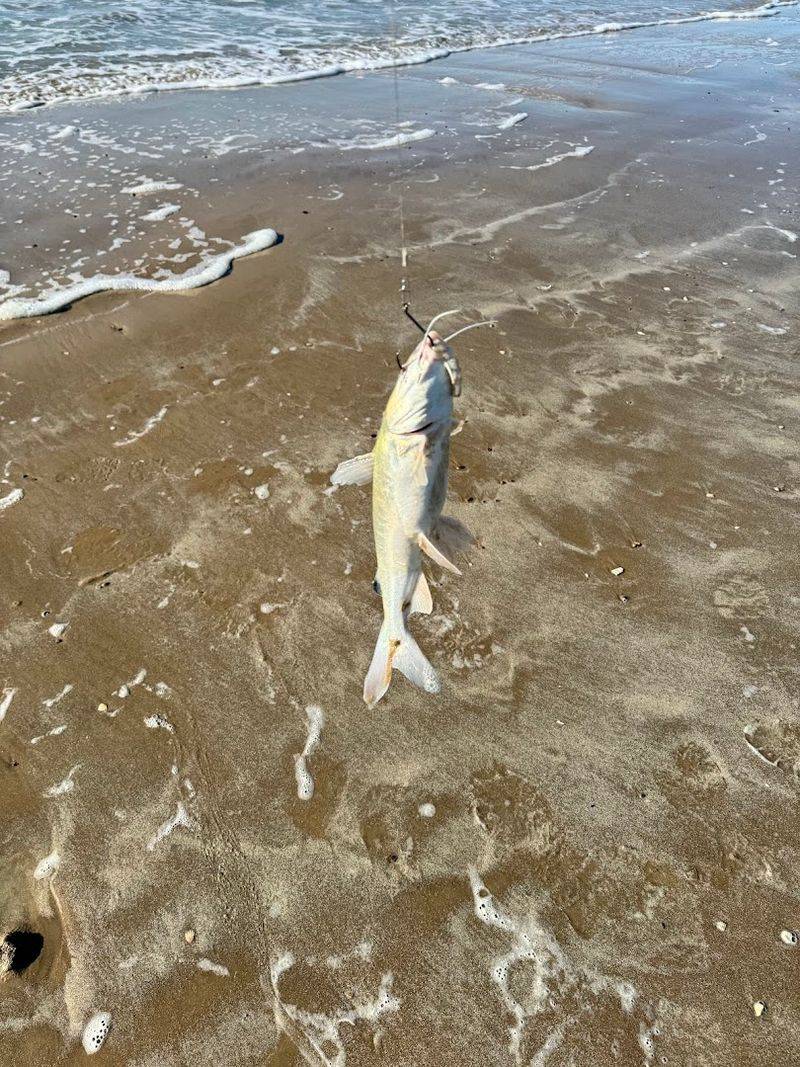
Anglers find plenty of action both in the surf and along the refuge’s network of canals and waterways. Redfish, black drum, and flounder cruise the shoreline, while the brackish canals hold speckled trout, croakers, and even the occasional shark. Crabbing is popular too, with blue crabs abundant in the marshes.
Surf fishing requires dealing with seaweed that tangles lines, especially after storms, but the reward can be worth the hassle. Some visitors have landed impressive catches, including sharks that put up fights lasting nearly an hour. The beach stretches for miles with minimal fishing pressure compared to more developed areas.
Canal fishing from the banks or small bridges offers a calmer alternative when the surf is rough. Kids have good luck catching croakers, which make funny croaking sounds when you pull them from the water. Catch-and-release is common, though you can keep legal-sized fish within state limits.
Bring all your own gear, bait, and tackle because the nearest shops are back toward Port Arthur or Sabine Pass. A valid Texas fishing license is required. The refuge allows fishing year-round during open hours, making it a reliable spot regardless of season.
Remember to clean up all fishing line and trash. The refuge staff works hard to maintain the area, but visitors sometimes leave behind monofilament and litter that harms wildlife. Pack out everything you bring in, and this incredible resource will stay accessible for future generations of anglers and fossil hunters alike.
5. Primitive Beach Camping Under the Stars
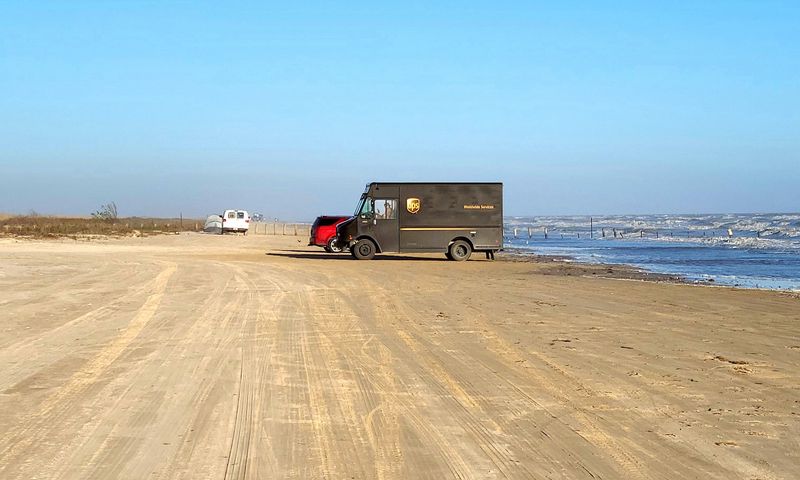
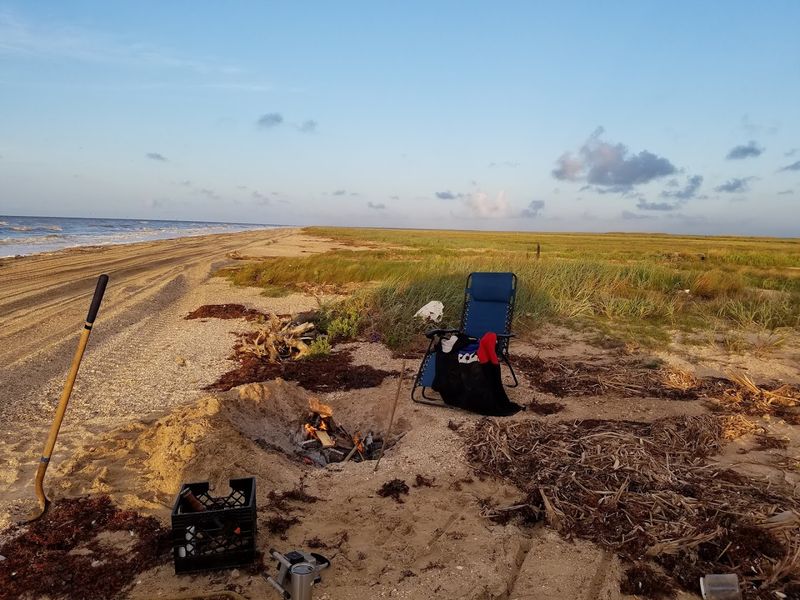
McFaddin allows primitive camping right on the beach, giving you the chance to fall asleep to the sound of waves and wake up to sunrise over the Gulf. There are no designated campsites, hookups, or amenities, just open beach where you can set up anywhere that’s accessible. This type of camping isn’t for everyone, but if you crave solitude and don’t mind roughing it, few experiences compare.
A four-wheel-drive vehicle is nearly essential for camping because you’ll need to haul your gear across sand and potentially soft spots. Set up above the high tide line to avoid getting swamped overnight. The isolation can be stunning, with stretches where you won’t see another person for miles in either direction.
Pack everything you need for self-sufficiency: water, food, camping stove, first aid kit, and plenty of bug repellent. Nights can get surprisingly cool even in summer once the wind picks up off the water. A good tent that can handle wind is important because the beach offers zero natural windbreaks.
The lack of light pollution makes stargazing exceptional. On clear nights, the Milky Way stretches overhead in a way city dwellers rarely see. You might hear coyotes yipping in the distance or watch ghost crabs scuttle across the sand in your flashlight beam.
This type of camping requires respect for leave-no-trace principles. Carry out all trash, human waste, and gear. The refuge trusts visitors to preserve its wild character, and that trust depends on everyone doing their part to keep it clean and natural.
6. Seashells and Marine Debris Cover the Shoreline
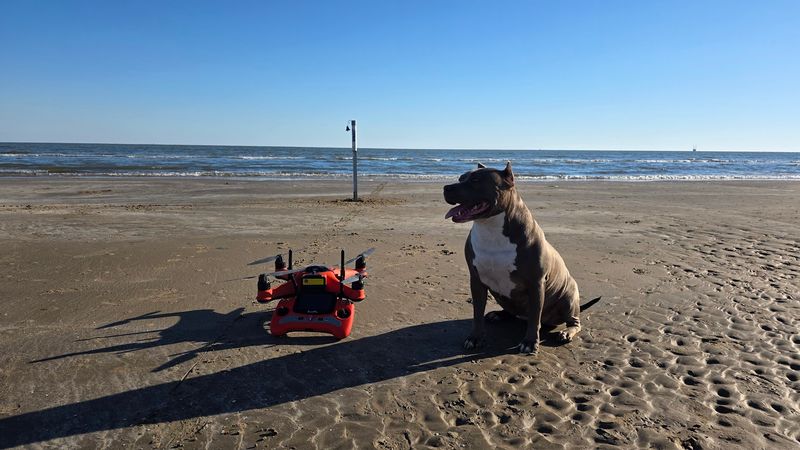
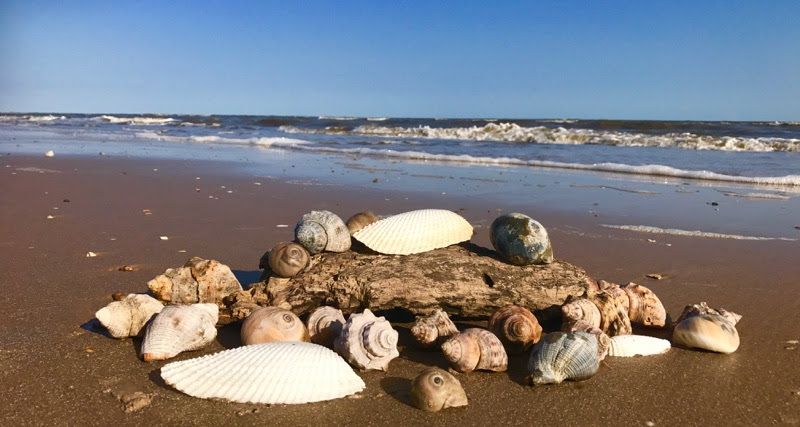
Beyond the fossil teeth, McFaddin’s beach is absolutely loaded with seashells of every size and shape imaginable. Scallop shells, whelks, sand dollars, and countless varieties wash up in abundance. Shell collectors can spend hours combing the waterline and never cover the same ground twice.
The beach also accumulates a fair amount of marine debris and flotsam, which is the reality of coastal areas. You’ll find driftwood, seaweed, plastic bottles, and the occasional unusual item that traveled who knows how far. Some visitors find the debris off-putting, while others see it as part of the authentic, unmanicured beach experience.
The refuge does provide trash receptacles at certain access points, and most visitors are good about using them. Still, bringing a trash bag to collect litter while you hunt for shells or teeth is a thoughtful gesture. Every piece of plastic removed helps protect the wildlife that calls this place home.
After big storms, the variety of shells increases dramatically as deeper materials get churned up and deposited. You might find intact sand dollars, unusual snail shells, or pieces of coral. Kids love filling buckets with treasures, and it’s a great way to teach them about marine ecosystems.
The combination of shells, fossils, and driftwood creates a beachcomber’s paradise. Unlike sanitized tourist beaches, McFaddin feels wild and real. You’re experiencing the coast as it exists naturally, complete with its beauty and its mess, and there’s something refreshing about that unfiltered honesty.
7. Photography Paradise for Nature Lovers
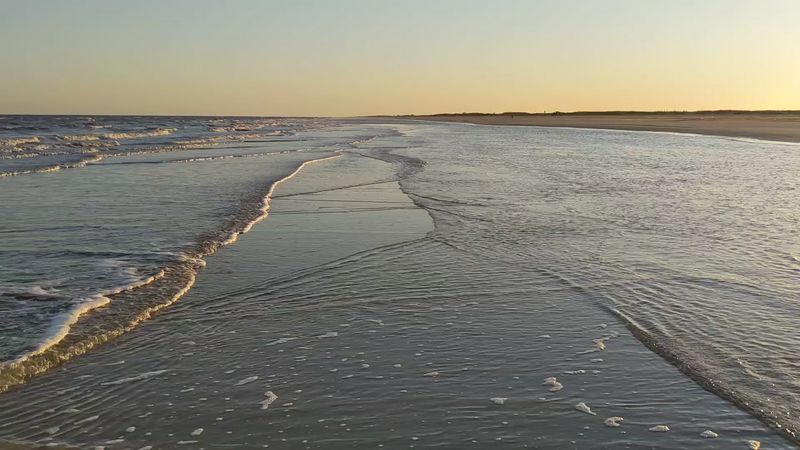
McFaddin ranks among the best wildlife photography locations on the Texas coast, offering subjects from tiny shorebirds to massive alligators against backdrops of marsh, beach, and sky. The flat, open landscape creates dramatic lighting conditions, especially during golden hour when the sun hangs low and paints everything in warm tones.
Bird photographers particularly treasure this refuge because the waterfowl and wading birds are plentiful and often approachable. Roseate spoonbills, with their shocking pink plumage, make stunning subjects. Herons stand motionless in the shallows, creating perfect reflections in calm water.
The beach itself offers compositional opportunities with driftwood, shells, and the endless horizon line. Storm clouds rolling in across the Gulf create moody, dramatic skies. Sunrise and sunset are magical times when the light transforms ordinary scenes into something special.
Bring protective gear for your camera equipment because sand, salt spray, and humidity can damage electronics. A lens cloth for wiping off moisture helps. Telephoto lenses work great for wildlife, while wide-angle lenses capture the sweeping landscapes.
The lack of crowds means you won’t have other people accidentally wandering into your shots. You can take your time, set up tripods, and wait for the perfect moment. Just remember to respect wildlife by not disturbing them for a photo.
Many photographers return to McFaddin repeatedly because conditions change with seasons, weather, and migrations. What you capture in winter differs completely from summer visits, giving you endless opportunities to build a portfolio of this unique Texas landscape.
8. Plan Your Visit Around Weather and Tides
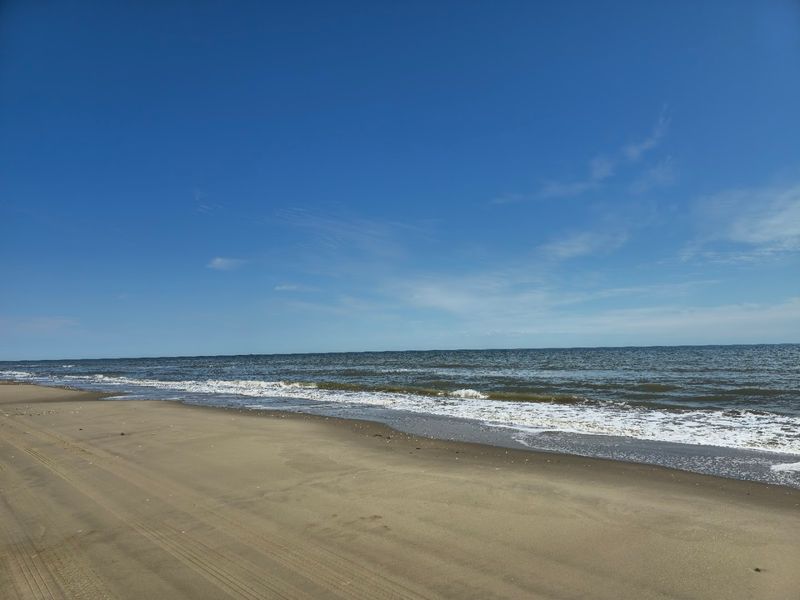
Success at McFaddin depends heavily on timing your visit around weather patterns and tidal cycles. Low tide exposes more beach and concentrates shells and fossils in narrow bands along the waterline, making hunting easier. High tide can make beach driving treacherous and cover the best fossil-finding zones.
Check tide charts before you go, and aim for the outgoing tide when possible. Recent storms improve fossil hunting because they churn up new material from offshore deposits. The day or two after a strong front passes often yields the best finds.
Summer brings intense heat, humidity, and aggressive biting insects. Spring and fall offer the most comfortable conditions for extended beach time. Winter can be surprisingly pleasant with cooler temperatures and fewer bugs, though occasional cold fronts bring wind and rough surf.
The refuge is open seven days a week from 7:30 AM to 7 PM, giving you flexibility to visit early and avoid the worst heat. Morning visits also give you first access to whatever washed up overnight. Weekdays tend to be quieter than weekends, though even busy days at McFaddin feel uncrowded compared to public beaches.
Before heading out, call the refuge office at 409-971-2909 if you have questions about current conditions. Road maintenance, flooding, or special events occasionally affect access. Check the weather forecast and bring layers because coastal conditions change quickly.
Being prepared for whatever nature throws at you ensures your fossil-hunting adventure stays fun rather than turning into an ordeal.
Share this story