Near the rolling hills of Christoval, Mount Carmel Hermitage offers a quiet glimpse of West Texas that feels almost frozen in another century. The Carmelite hermits who call this place home have built something truly extraordinary: a peaceful compound with multiple chapels, stunning religious statuary, and grounds so quiet you can actually hear the wind moving through the mesquite trees. Whether you’re looking for a spiritual retreat or just curious about monastic life in the Lone Star State, this hidden gem offers visitors a rare glimpse into a world dedicated entirely to prayer, simplicity, and handcrafted goods that’ll knock your socks off.
1. A Desert Oasis in the Heart of West Texas
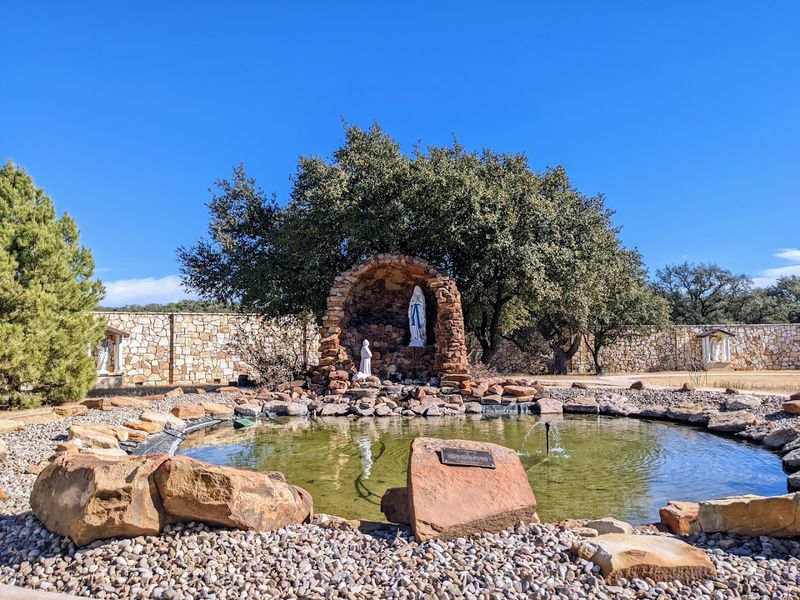
Driving through the sparse landscape near Christoval, you might wonder if you took a wrong turn somewhere. Then suddenly, Mount Carmel Hermitage appears like a mirage—except this one’s completely real and even more beautiful than you imagined. The monastery sits on St. Joseph’s Way, surrounded by the kind of wide-open Texas terrain that makes you feel small in the best possible way.
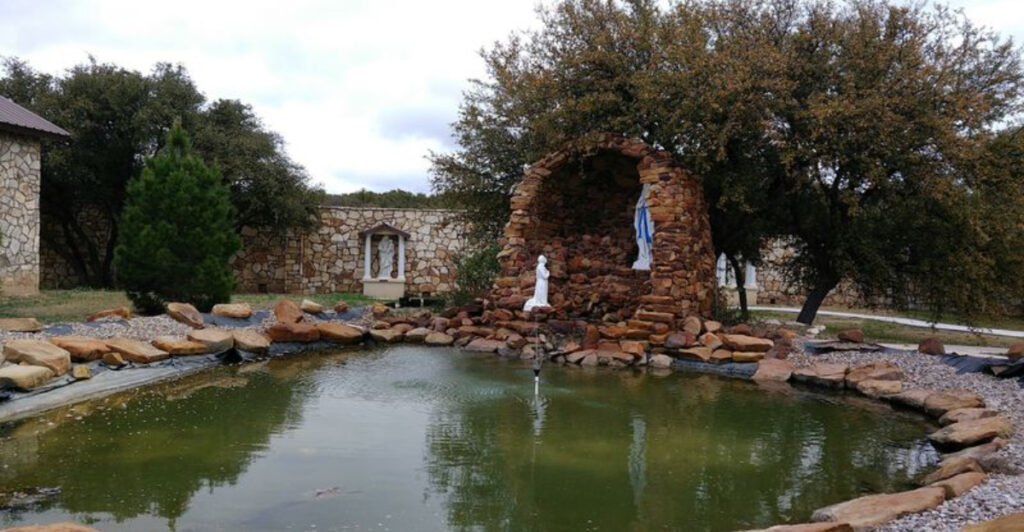
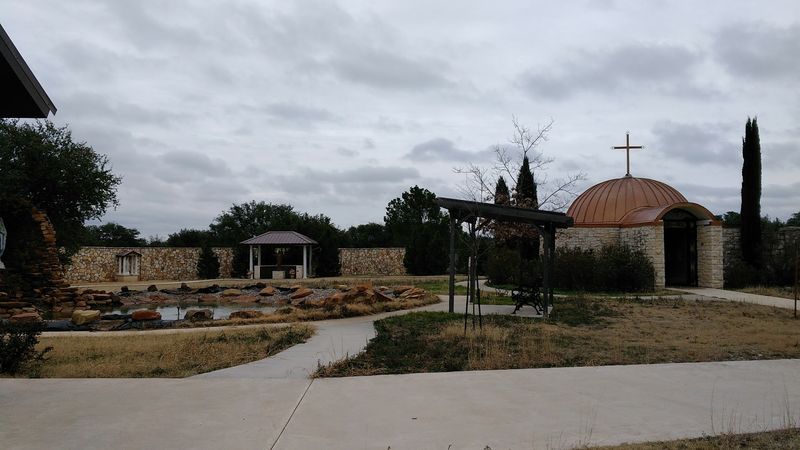
The compound itself is enclosed, creating an intimate space that contrasts sharply with the endless sky overhead. Inside those walls, you’ll find carefully maintained pathways connecting several chapels and buildings, all built with intention and prayer. The landscaping might surprise you—it’s not what you’d expect in this dry climate, but the hermits have cultivated something genuinely special here.
What makes this place so striking is how it manages to feel both ancient and alive. The architecture echoes centuries-old monastic traditions while sitting firmly in modern-day Texas. Visitors consistently describe the atmosphere as mesmerizing, and that’s not travel-brochure exaggeration.
The hermitage opens its doors to visitors most mornings from nine to eleven-thirty, though Sundays have slightly different hours. When you arrive, you’ll likely need to buzz at the gate—the brothers maintain their contemplative routine but welcome respectful guests. That balance between solitude and hospitality defines everything about this remarkable place, making it accessible without sacrificing the sacred silence that makes Mount Carmel so transformative for those who visit.
2. The Brothers Who Bake and Pray
The Carmelite hermits living at Mount Carmel aren’t your typical Texas residents. These men have committed their entire lives to prayer, work, and contemplation—and they take all three seriously. Dressed in their religious habits from dawn until well past dusk, they follow a rhythm that’s remained essentially unchanged for centuries.
Their daily schedule revolves around the Liturgy of the Hours, celebrated with traditional Gregorian chants that echo through the chapels. Mass is offered in Latin with deep reverence, creating an experience that transports visitors completely out of their everyday world. Between prayer times, the brothers work—and they work hard.
Much of that labor happens in their bakery, where they produce an astonishing array of goods that support the monastery financially. Think of it like the ancient desert fathers weaving baskets, except these guys are turning out loaves of olive bread and almond cookies that people drive hours to buy. The work serves a dual purpose: it keeps the community self-sufficient and provides a meditative focus that helps fight temptation and idle thoughts.
Visitors often encounter only one or two brothers during their stay—maybe the monk who unlocks the gate or the one taking a break from leveling the road with a backhoe. That scarcity of human contact isn’t unfriendliness; it’s intentional solitude. These hermits practice faithful monastic silence, maintaining separation from the world while still offering warm hospitality to those who seek them out for spiritual refreshment or just really excellent baked goods.
3. Chapels That Speak Without Words
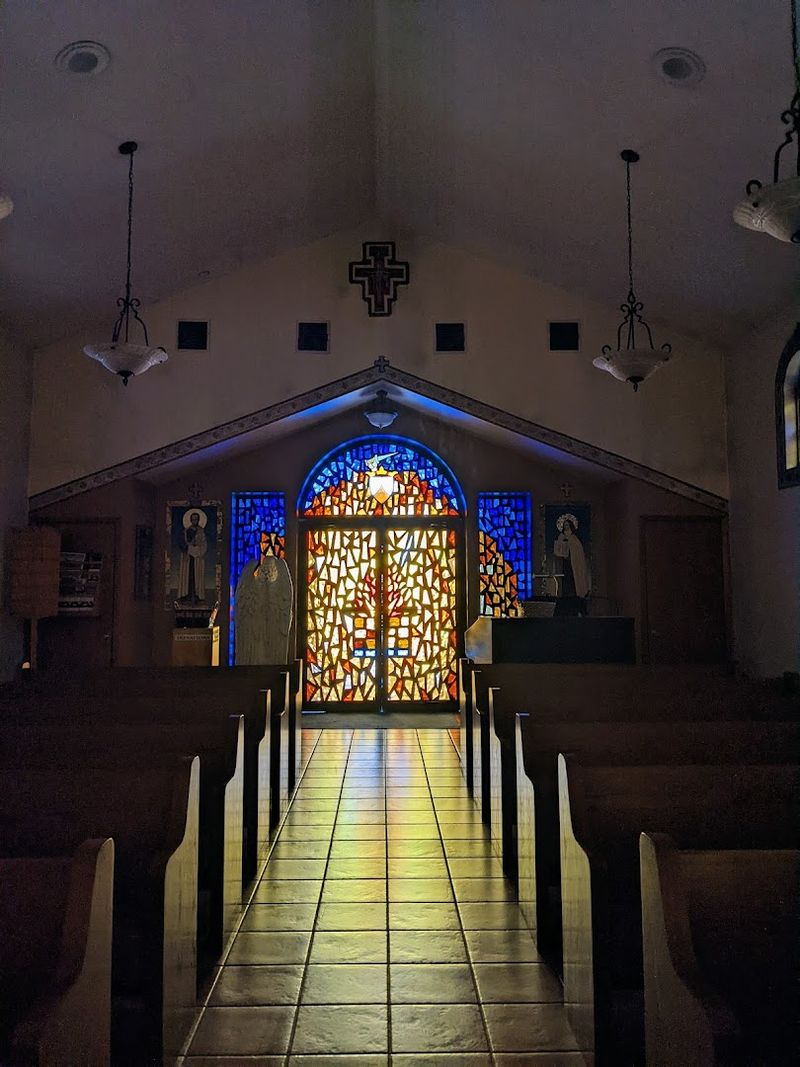
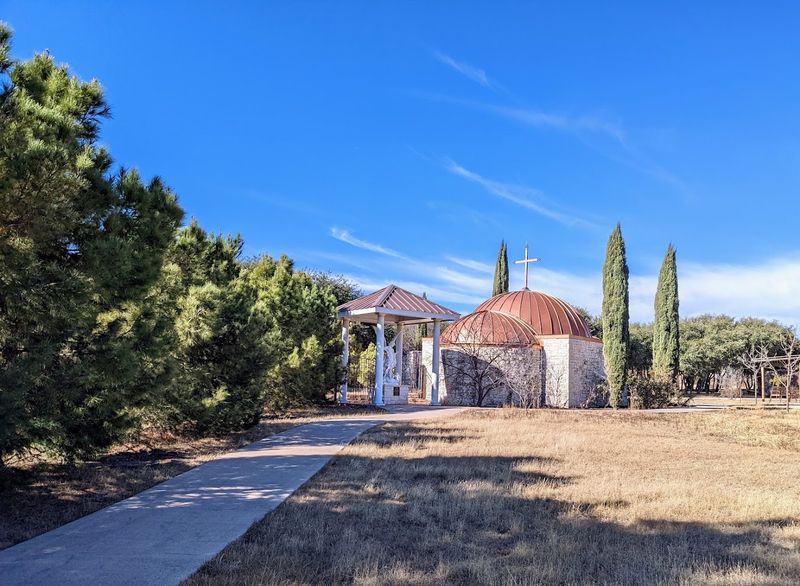
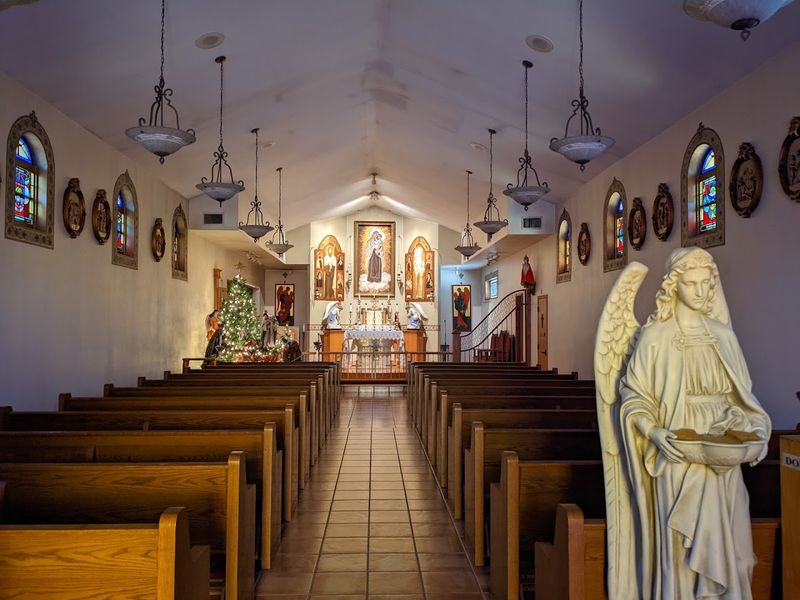
Scattered throughout the enclosed grounds are three separate chapels, each with its own distinct personality and purpose. These aren’t grand cathedrals—they’re intimate spaces designed for individual prayer and contemplation. Walking from one to another becomes a kind of pilgrimage in miniature, each stop offering something different for the soul.
One chapel might feel cozy and enclosed, perfect for pouring out your heart in private prayer. Another opens up with more light, creating an atmosphere of hope and resurrection. The third might surprise you with its artwork or the particular statue that serves as its focal point.
What’s remarkable is how these small buildings manage to feel both humble and sacred. There’s no showiness here, no attempt to impress with marble or gold. Instead, the beauty comes from simplicity and intention—every element serves the purpose of drawing you closer to God.
The brothers maintain these spaces with obvious care, and it shows. Fresh flowers might appear on an altar. Candles flicker in the Texas breeze that somehow finds its way inside.
The artwork, though simple, is genuinely wonderful—created or selected by people who understand that beauty itself can be a form of prayer.
Many visitors report spending far longer in these chapels than they planned. Time moves differently inside those walls. The stress and noise of modern life fade away, replaced by something harder to name but impossible to deny—a presence, a peace, a sense that you’ve stumbled into a place where heaven and earth sit a little closer together than usual.
4. The Stations of the Cross That’ll Take Your Breath Away
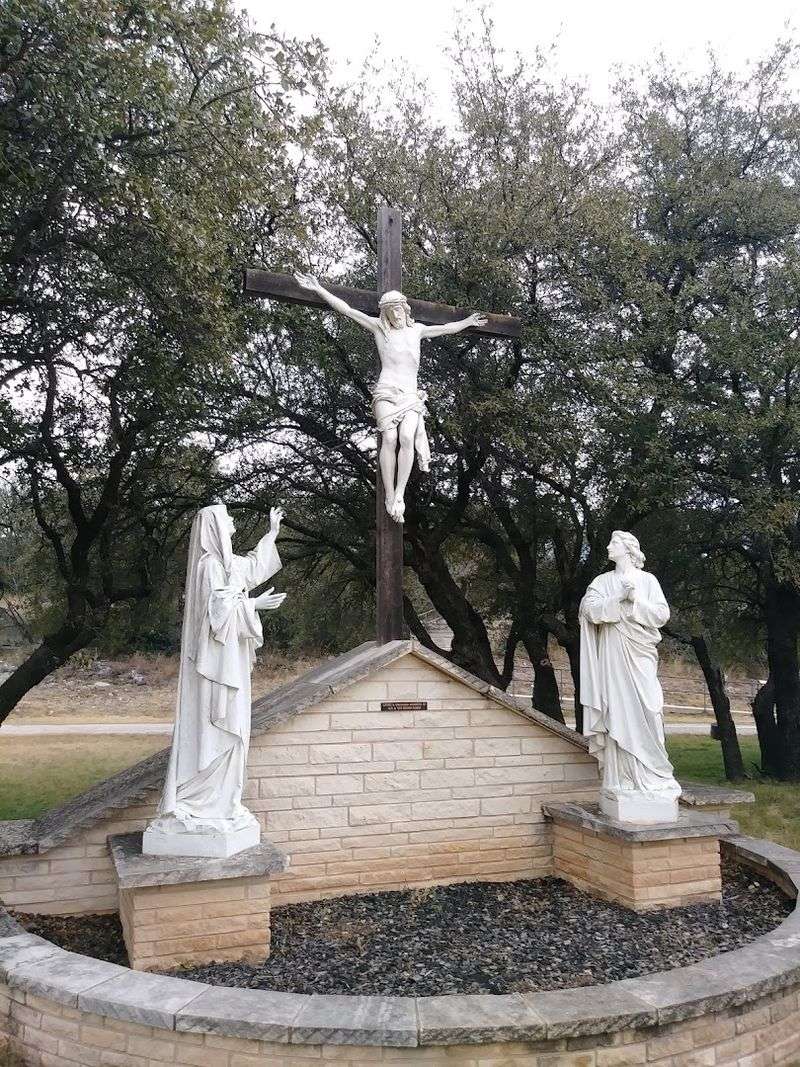
Outside the main compound, a completely different spiritual experience awaits. The hermits have created an outdoor Stations of the Cross that uses the natural terrain in ways that’ll make you stop and stare. This isn’t some quick walk-through—it’s a genuine pilgrimage that engages both body and spirit.
Each station features its own statue or artistic representation, positioned thoughtfully along a path that winds through the landscape. The West Texas setting adds something powerful to the experience—that vast sky, the wind carrying the scent of juniper and dust, the sense of being small beneath something much larger than yourself.
As you move from station to station, following Christ’s journey to Calvary, the physical act of walking becomes part of the meditation. Your legs get tired. The sun beats down.
You’re not just thinking about suffering and sacrifice—you’re experiencing a tiny fraction of it in your own body.
The path eventually leads upward to a statue of Mary positioned on top of a hill, overlooking the entire hermitage. That climb feels significant, especially if you’re praying the rosary as you go. When you finally reach the top, the view spreads out before you—the monastery below, the Texas hills rolling away in every direction, the sky impossibly blue overhead.
People consistently describe this outdoor space as one of the most moving parts of their visit. It’s a wonderful place to meditate, to pray, to simply be present. The combination of natural beauty and sacred art creates something that photographs can’t quite capture—you really need to experience it yourself.
5. A Gift Shop Unlike Any Other
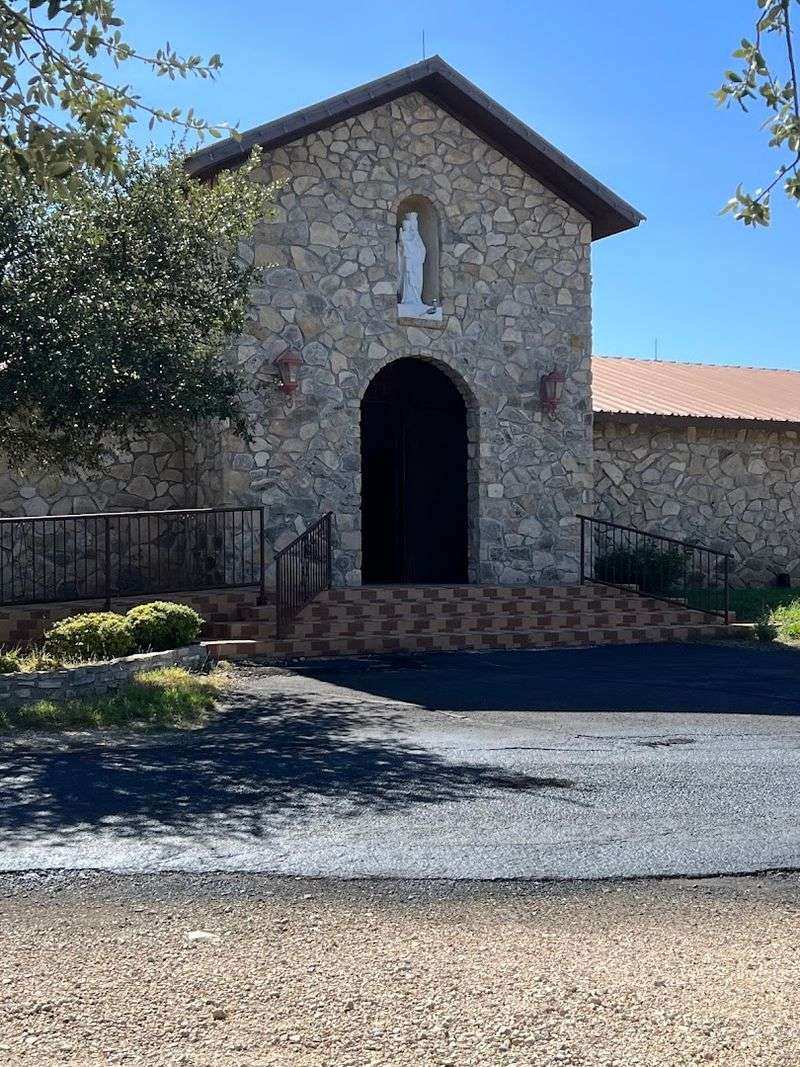
Right at the entrance to the compound sits a gift shop that’s become legendary among those in the know. This isn’t your typical tourist trap filled with cheap souvenirs—everything here is either made by the hermits themselves or carefully selected to support their contemplative mission. And let me tell you, these monks can bake.
The star attractions are the breads: olive oil loaves that feel substantial but taste light, orange date bread that sells out fast, and that famous olive bread people rave about in reviews. Then there are the almond cookies—crispy, perfectly sweet, and apparently impossible to transport home without eating the entire box in one sitting. Visitors also go wild for the almond poppy seed loaf and something called peanut butter chocolate fudge that sounds like it might be illegal.
Beyond baked goods, you’ll find jars of honey harvested from the hermitage’s own bees, jellies in flavors like pomegranate and spiced apple butter, and flavored pecans that make excellent gifts (if you can resist eating them yourself). The quality is consistently exceptional—these aren’t mass-produced products but handcrafted foods made by people who view their work as prayer.
The shop also stocks religious items: prayer cards, statues, artwork, books, and even bowls and serving dishes. Everything reflects the monks’ aesthetic—simple, beautiful, purposeful. Prices are reasonable, especially considering the quality and the fact that your purchase directly supports the community.
Many visitors order online later, unable to forget those flavors and wanting to share them with friends back home.
6. Silence That Actually Heals
Here’s something you don’t realize until you experience it: genuine silence has become rare in our world. We’re constantly surrounded by noise—traffic, phones, conversations, background music, the hum of electronics. At Mount Carmel Hermitage, all that falls away, and what remains is something almost shocking in its purity.
The quiet here isn’t dead or oppressive—it’s alive and full. You can hear the wind moving through the trees with startling clarity. Birds sing without competition from car radios.
Your own footsteps on the path become audible, almost meditative. Several visitors mention being so captivated by this silence that they didn’t even want to pull out their phones to take photographs, afraid of breaking the spell.
The hermits maintain this atmosphere deliberately through their practice of monastic silence. They’re not being rude when they don’t chat—they’re preserving something precious. That silence creates space for thoughts you’ve been too busy to think, prayers you’ve been too distracted to pray, and healing you didn’t know you needed.
People describe the stress of modern life literally blowing away in the wind here. The atmosphere feels powerful without being heavy, peaceful without being boring. It’s the kind of place where you might arrive feeling frazzled and leave feeling like you can breathe again.
The hermitage offers this gift to everyone who visits, regardless of their faith background or spiritual state. You don’t need to be Catholic or even religious to benefit from spending time in a place where silence is valued and protected like the treasure it truly is.
7. Mass and Music That Transport You
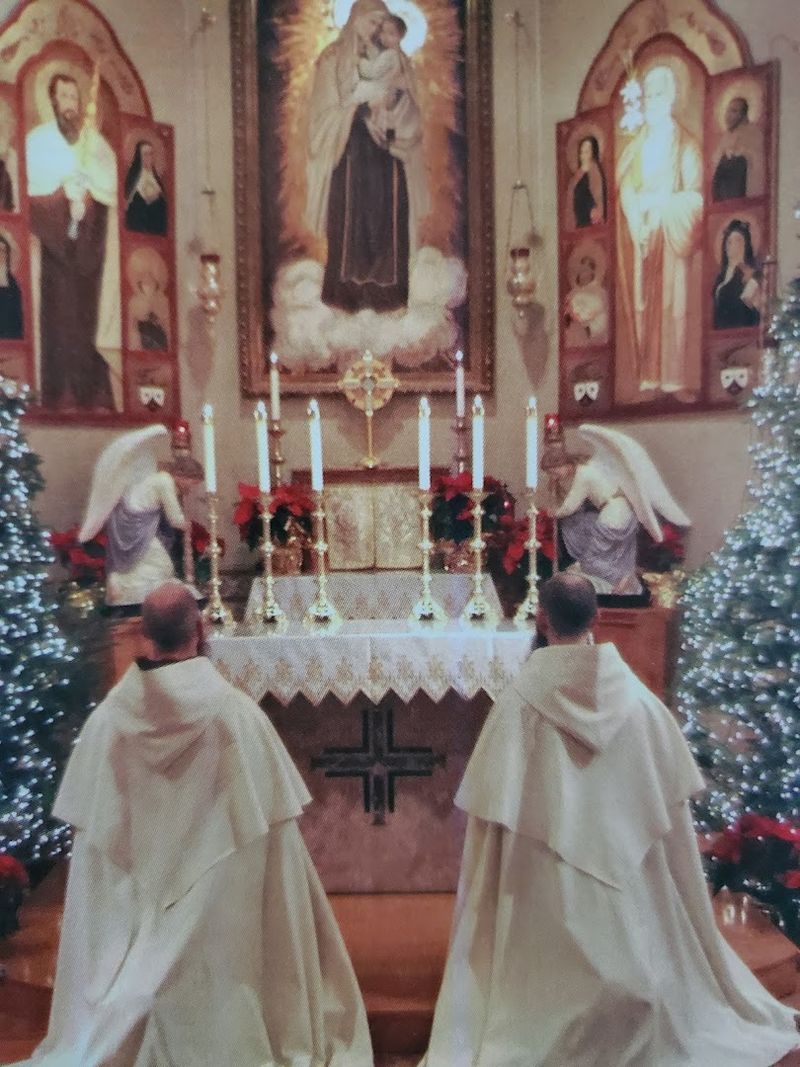
Attending Mass at Mount Carmel Hermitage isn’t like going to your neighborhood parish. The hermits celebrate according to the new form of the Roman Rite, but with traditional elements that create something genuinely transcendent. Latin phrases weave through the liturgy, and the Gregorian chants—those ancient melodies that have echoed through monasteries for more than a millennium—fill the chapel with sound that seems to come from another world entirely.
The experience can be quite long compared to typical Sunday services, especially on certain feast days. Mass times vary by day, with weekday celebrations at nine in the morning and Sunday Mass starting at nine-thirty. The reverence is palpable—nothing feels rushed or casual here.
On special occasions, the hermitage hosts concerts featuring choral music performed by the monks and sometimes joined by local church groups. These events transform the monastery, with the compound lit up against the dark Texas night, creating scenes that visitors describe as breathtakingly beautiful. A light supper often follows, with samples of the monks’ baked goods and a chance to linger in that extraordinary atmosphere.
Even if you’re not Catholic or particularly religious, witnessing this kind of liturgy can be moving. There’s something about ancient prayers and timeless music performed with complete sincerity that cuts through modern cynicism. You’re watching men who have dedicated their entire lives to this practice, who genuinely believe every word they’re singing, and that authenticity comes through in ways that surprise even skeptical visitors who show up mostly out of curiosity.
8. A Place for Discernment and Deep Questions
While most visitors come for a few hours of peace and maybe some excellent baked goods, Mount Carmel Hermitage also serves a deeper purpose for men considering religious life. The community welcomes guys for extended come-and-see visits, offering a chance to experience monastic life firsthand before making any commitments. These visits can last weeks or even months.
What they’ll find is a life that’s both challenging and gentle—lots of prayer, lots of work, and a daily rhythm that’s remained essentially unchanged for centuries. The brothers fast traditionally from September fourteenth until Easter, abstaining from meat except on rare feast days. The cells where they sleep are simple but suitable, reflecting the general asceticism of their lives without being punishingly harsh.
Academic study isn’t the priority here—manual labor and liturgical prayer fill the days. Men enter primarily as lay brothers, with ordination to the priesthood happening only when the community needs it, not as a standard progression. If you’re drawn to consistent study and priestly ministry, this probably isn’t your calling.
But if you feel attracted to the rhythm of work and prayer, to silence and solitude with God and your brothers, this place might be exactly what your soul has been seeking.
The hermits are serious about their observance—you won’t see them out of their habits, and the separation from the world is real and faithful to their Carmelite charism. Yet there’s great joy here too, visible in how the brothers interact with each other and in the peace that radiates from their recollected, contemplative lives.
Share this story