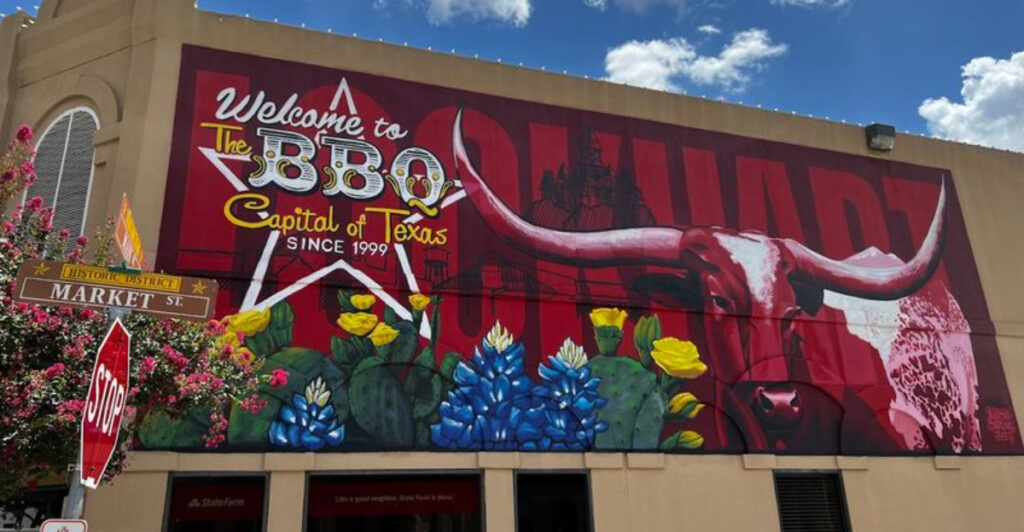
Lockhart sits about 30 miles south of Austin, and while it might not show up on every Texas map in bold letters, it has earned a reputation that stretches far beyond its small-town borders. Known officially as the Barbecue Capital of Texas, this community of around 14,000 people draws food lovers from across the country who come hungry and leave talking about brisket for weeks. The smoky aroma that drifts through downtown streets tells you everything you need to know about what makes this place special, and once you taste the meat that comes out of these legendary pits, you’ll understand why people plan entire road trips around a single lunch stop.
1. Kreuz Market and Its No-Sauce Philosophy
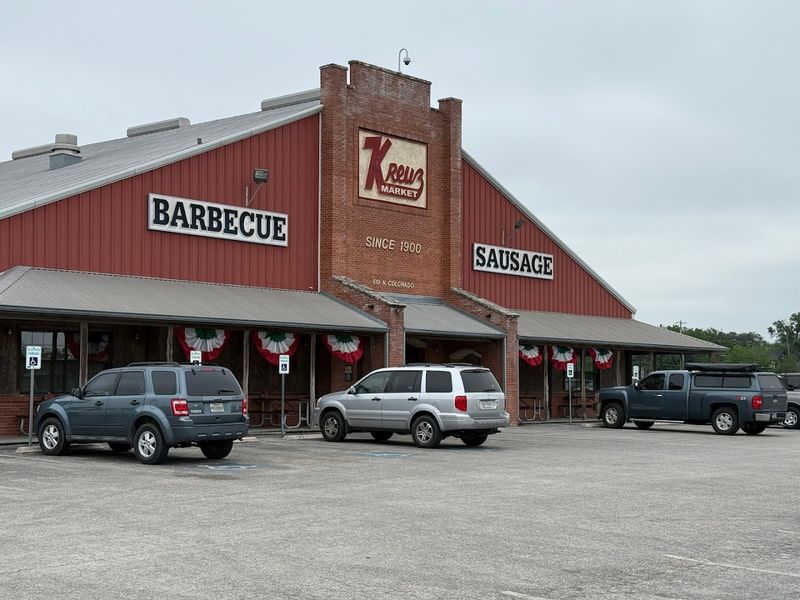
Walking into Kreuz Market feels like stepping back to a time when barbecue meant meat, fire, and nothing else. This legendary spot opened in 1900 and has stuck to its guns ever since, refusing to offer barbecue sauce or forks because the founders believed good meat doesn’t need any help. You order by the pound at a long counter, watch pit masters slice your selections with well-worn knives, and carry your tray to communal tables where conversation flows as freely as the sweet tea.
The brisket here develops a dark, peppery bark after spending hours in massive brick pits fueled by post oak. Each slice reveals a pink smoke ring and tender meat that pulls apart without much effort. Their sausage, made in-house using a recipe passed down through generations, snaps when you bite into the casing and releases juices flavored with just the right amount of garlic and black pepper.
Kreuz moved to a larger building in 1999 but kept the same approach that made it famous. The new space includes a market area where you can buy their dry rub and sausage to take home. Locals know to arrive before the lunch rush because once the meat sells out, they close for the day.
First-timers often feel overwhelmed by the ordering process, but the staff guides you through with patience and humor. Try the pork chops if you want something different from the usual suspects, as they come out juicy with a smoky crust that rivals anything else on the menu.
2. Black’s Barbecue Family Tradition Since 1932
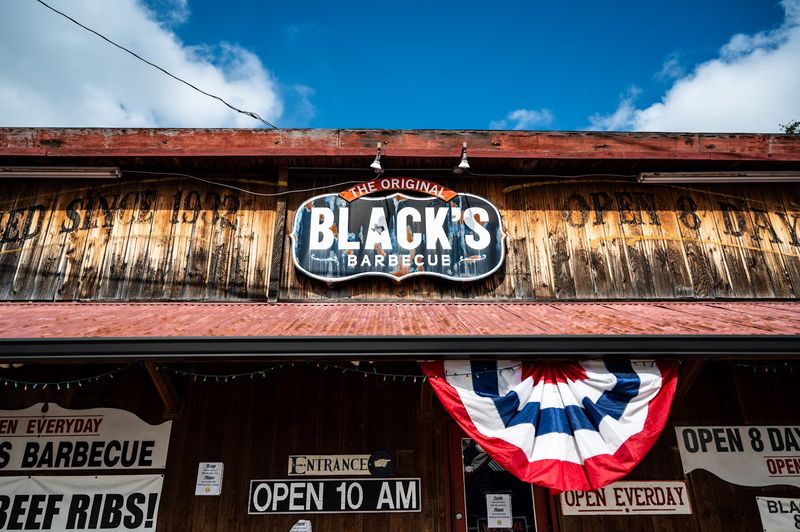
Black’s Barbecue holds the title of oldest continuously family-owned barbecue restaurant in Texas, and when you meet the current generation running the pits, you understand how that legacy survived nearly a century. Edgar Black Sr. started the business during the Great Depression, and his descendants still show up before dawn to tend the fires that have made this place a pilgrimage site for barbecue enthusiasts. The restaurant sits on the main square in downtown Lockhart, its red brick facade and hand-painted sign looking much like they did decades ago.
Unlike Kreuz, Black’s embraces sauce and serves their meats with a tangy, tomato-based version that complements rather than covers the smoky flavors. Their brisket achieves a beautiful balance between the lean and fatty portions, giving you options depending on your preference. The beef ribs, massive bones with meat that slides off with minimal coaxing, have become Instagram famous but taste even better than they photograph.
Black’s expanded beyond Lockhart with locations in Austin and San Marcos, but the original remains the heart of the operation. The dining room features worn wooden tables and walls covered with photos documenting the restaurant’s history and the countless celebrities who’ve made the trip. You can watch pit masters work through large windows that look into the smoke room.
The sides here deserve attention too, especially the pinto beans cooked with bits of brisket and the potato salad made from a recipe that predates World War II.
3. Smitty’s Market and the Original Location
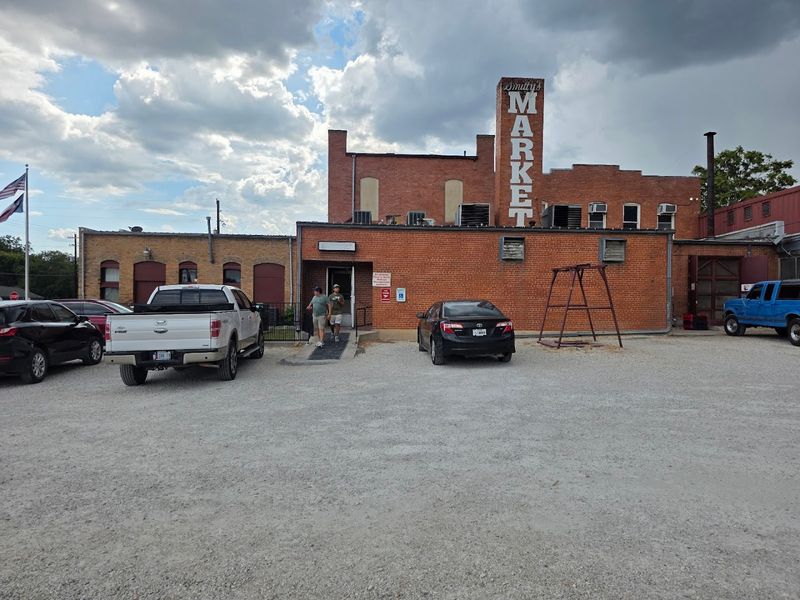
The original Kreuz Market building now houses the restaurant, and after a family split created two separate barbecue spots in 1999, this location kept the old brick pits that had been smoking meat since 1900. Walking through the front door means entering a smoke-filled room where your eyes need a moment to adjust and your clothes will smell like post oak for the rest of the day. The walls, blackened by more than a century of smoke, create an atmosphere you can’t replicate or fake, and serious barbecue pilgrims consider this the most authentic experience in Lockhart.
Nina Sells Schmidt, granddaughter of the original founder, runs Smitty’s with the same no-nonsense approach that defined the location for generations. The pit room stays hot year-round, with massive iron doors opening to reveal glowing coals and meat in various stages of cooking. Pit masters here develop an intuition about when brisket reaches that perfect point between tender and dried out, pulling it from the heat at exactly the right moment.
The dining area, separate from the pit room, offers a more comfortable environment with fans and air conditioning, though many visitors prefer to order and eat in the smoke-filled front section for the full experience. Smitty’s doesn’t take credit cards at the pit, so bring cash for your meat order and save the plastic for sides and drinks at the register.
Their pork chops, thick-cut and smoky, often get overshadowed by the brisket talk but represent some of the best pork in Central Texas.
4. Chisholm Trail Barbecue Brings Modern Touches
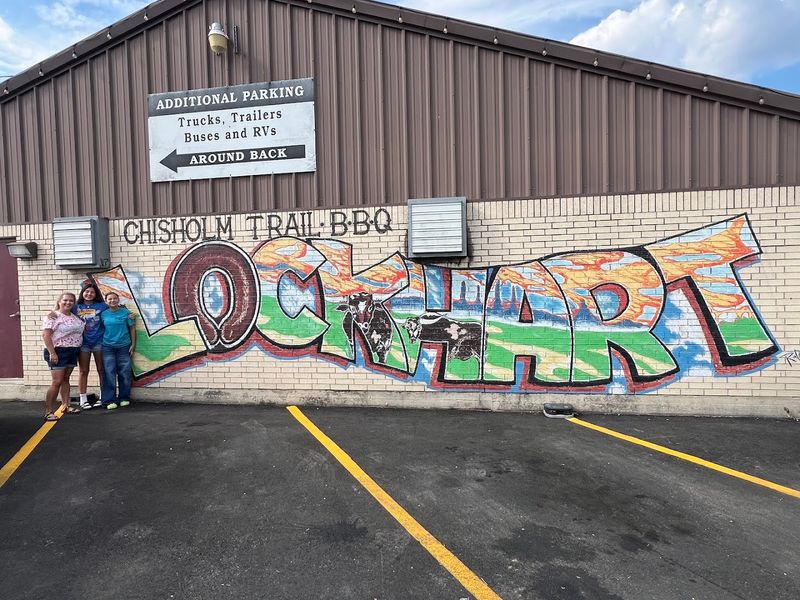
Arriving on Lockhart’s barbecue scene in 2006, Chisholm Trail is the new kid compared to establishments that measure their history in decades or centuries. But owner-pitmaster John Stacy brought serious credentials, having learned his craft working at other legendary Texas barbecue joints before opening his own place. The restaurant occupies a building that once housed a tortilla factory, and Stacy transformed it into a space that honors tradition while embracing some modern conveniences that the old-guard spots deliberately avoid.
The menu here goes beyond the standard offerings with items like barbecue tacos, loaded baked potatoes topped with brisket, and even a breakfast menu on weekends that features smoked meats alongside eggs and pancakes. Stacy’s brisket develops a thick bark with a good pepper crust, and he’s not afraid to experiment with different rubs and techniques while respecting the fundamentals that make Central Texas barbecue special.
Families appreciate the more relaxed atmosphere at Chisholm Trail, where kids can order from a menu designed for smaller appetites and the air conditioning works reliably. The restaurant accepts credit cards, offers table service, and maintains a website with current hours and menu updates, conveniences that feel almost revolutionary in a town where some spots still operate like it’s 1950.
Despite being newer, Chisholm Trail has earned respect from locals who appreciate having another quality option when the wait at the big three gets too long. The turkey here, often an afterthought at barbecue restaurants, comes out moist and flavorful with a pink smoke ring that proves it spent real time in the pit.
5. Downtown Square and Small-Town Character
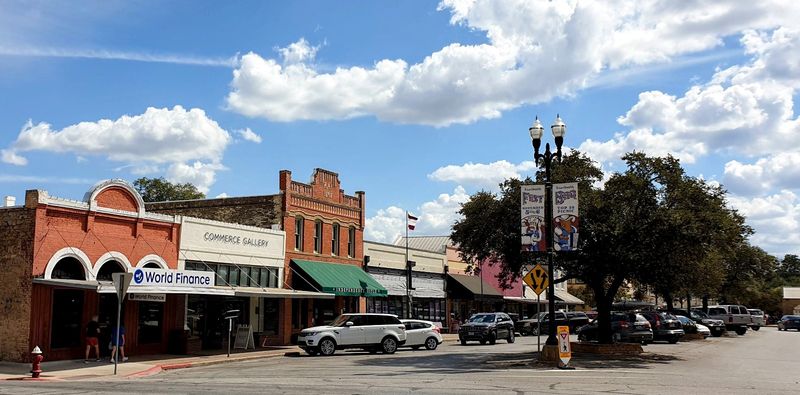
The Caldwell County Courthouse dominates Lockhart’s downtown square, its limestone facade and clock tower serving as a landmark visible from blocks away. Built in 1894, the courthouse represents the kind of 19th-century architecture that gives Texas towns their distinctive character, and the square around it maintains that historical feeling with brick storefronts housing local businesses, antique shops, and cafes. After you’ve eaten enough barbecue to need a walk, the square provides a pleasant way to explore beyond the smoke pits.
Local shops around the square offer everything from vintage clothing to handmade jewelry, and several antique stores pack their shelves with Texas memorabilia, old signs, and furniture that tells stories about the region’s past. The Gaslight-Baker Theatre, operating since 1921, still shows movies and hosts live performances, giving the community a gathering place that doesn’t involve brisket. On weekends, you might catch a farmers market or craft fair taking over the courthouse lawn.
Lockhart’s population of around 14,000 means you’ll see familiar faces if you stick around for more than a day, and locals generally welcome visitors with genuine friendliness rather than the practiced hospitality of tourist-dependent towns. The pace here moves slower than Austin, just 30 miles north, and that difference becomes obvious when you watch people stop on sidewalks for conversations that last longer than a quick hello.
Several murals around downtown celebrate Lockhart’s barbecue heritage and local history, making for good photo opportunities when you need proof of your pilgrimage. The square also hosts events throughout the year, including Chisholm Trail Roundup in June.
6. Dr. Eugene Clark Library Film Location Fame
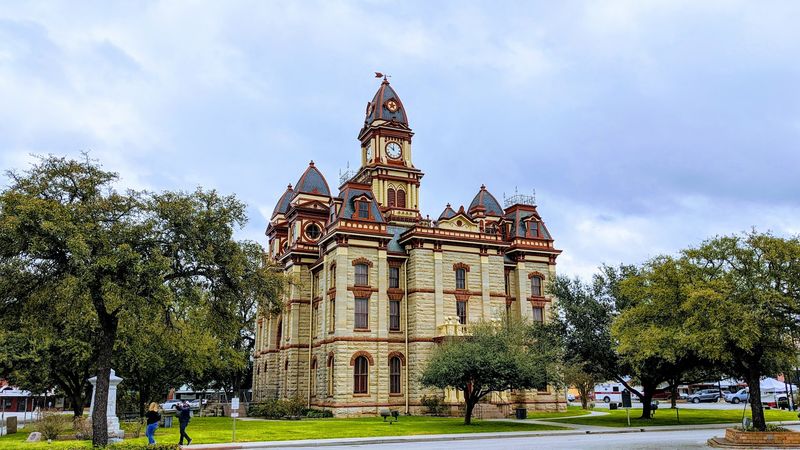
Movie fans might recognize Lockhart without realizing it, as the town has served as a filming location for numerous productions, most notably the library building that appeared in the 1994 film adaptation of John Grisham’s legal thriller. The Dr. Eugene Clark Library, originally built in 1899 and expanded over the years, provided the exterior shots that millions of viewers saw on screen. The building’s classical architecture and small-town setting made it perfect for Hollywood’s vision of Southern legal drama.
Lockhart’s film history extends beyond that one famous appearance, with production crews returning regularly to use the town’s authentic Texas locations for movies and television shows. The relatively unchanged downtown, historic buildings, and cooperative local government make it attractive for filmmakers who need genuine small-town atmosphere without the complications of shooting in larger cities. Walking around Lockhart, you’ll spot locations that appeared in various productions, though they blend so naturally into the community that you might miss them without a guide.
The library itself continues serving its primary purpose as a community resource, with collections focused on local history alongside regular lending materials. Inside, you can find archives related to Caldwell County history, old photographs of Lockhart’s development, and records documenting the area’s evolution from frontier settlement to barbecue capital. Staff members often field questions from visitors who want to know about filming locations and sometimes share stories about production crews disrupting normal library operations.
Lockhart’s willingness to work with film productions has brought economic benefits and publicity, though locals maintain perspective about their town’s Hollywood connections, knowing that barbecue fame matters more than movie credits.
7. Caldwell County Geography and Surroundings
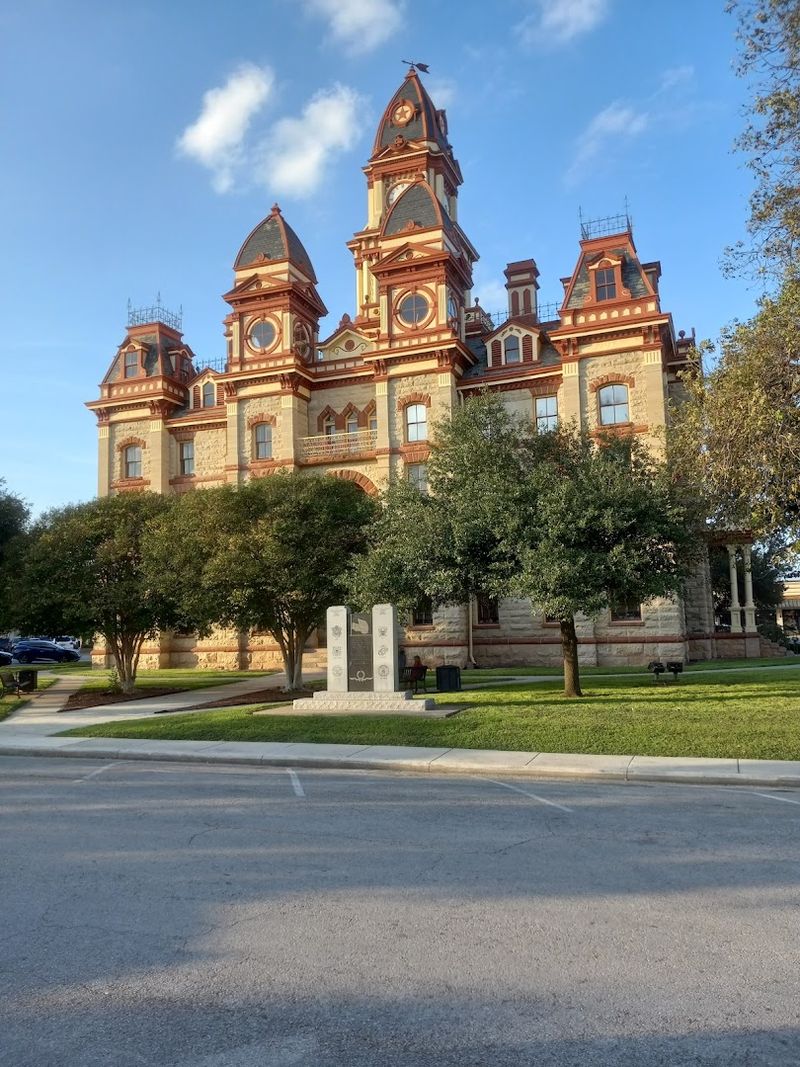
Lockhart serves as the county seat of Caldwell County, positioned at the intersection where the Blackland Prairie meets the eastern edge of the Texas Hill Country. This geographic location gives the area distinctive characteristics, with flat agricultural land giving way to gentle rolling hills covered in oak trees and native grasses. The San Marcos River flows through the southern portion of the county, providing water resources that supported settlement and continue to attract wildlife and outdoor recreation opportunities.
The town sits roughly 30 miles south of Austin along Highway 183, making it an easy drive from the state capital but far enough to maintain its own identity separate from the metropolitan sprawl. To the east, the land flattens into the fertile blackland prairie that once made this region prime cotton-growing territory, while westward the terrain becomes more varied with limestone outcroppings and spring-fed creeks characteristic of Hill Country topography.
Caldwell County covers about 546 square miles, with Lockhart containing roughly 14,000 of the county’s 45,000 residents. The rural areas surrounding town remain largely agricultural, with cattle ranches, hay operations, and some row crop farming continuing traditions established when Anglo settlers arrived in the 1830s and 1840s. Small communities like Luling, Martindale, and Maxwell dot the county, each with their own histories and characters.
The climate here follows typical Central Texas patterns, with hot summers where temperatures regularly exceed 95 degrees and mild winters that occasionally see freezing weather but rarely sustain it for long. Spring brings wildflowers, including the bluebonnets that carpet roadsides and pastures throughout the region.
8. Planning Your Barbecue Pilgrimage Visit
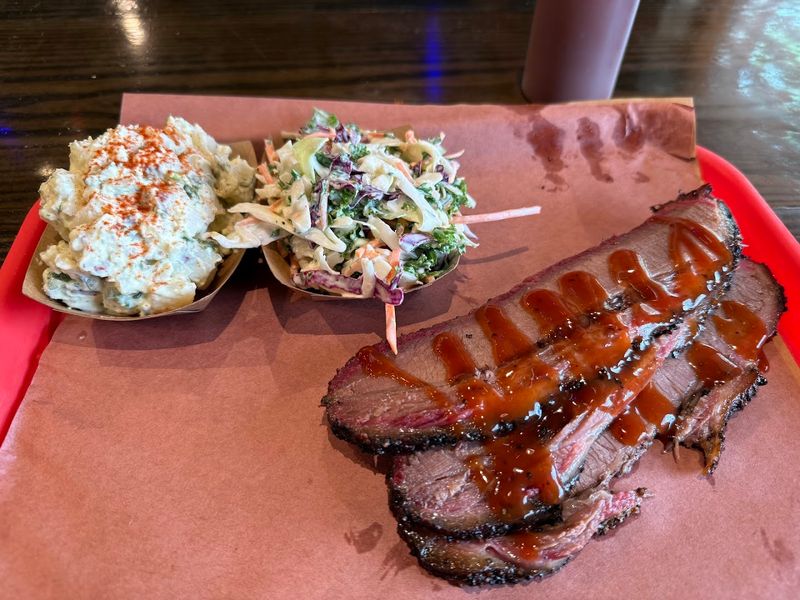
Timing matters when planning a barbecue trip to Lockhart, as the legendary restaurants operate on schedules that reflect their small-town roots rather than tourist convenience. Most open for lunch service starting around 10 or 11 in the morning and close when the meat sells out, which might mean mid-afternoon on busy weekends. Arriving early, especially on Saturdays, gives you the best selection and shortest wait times, though lines can form before doors open at the most popular spots.
Bringing cash makes the experience smoother, as some establishments still don’t accept credit cards for meat purchases, though they might take plastic for drinks and sides. Dress casually and prepare for your clothes to absorb smoke, as the authentic pit rooms don’t worry about ventilation systems that might dilute the atmosphere. Comfortable shoes help if you plan to walk between multiple restaurants, which many serious visitors attempt in a single day despite the obvious challenges to digestion.
Most people visit Lockhart as a day trip from Austin or San Antonio, but the town has several hotels and bed-and-breakfasts if you want to slow down and explore beyond the barbecue. Making a weekend of it allows you to catch the farmers market, visit antique shops when you’re not meat-focused, and spread your eating across multiple meals instead of attempting the infamous four-restaurant lunch marathon.
Each restaurant has its own ordering system and customs, so watch what locals do before jumping into line. Don’t expect extensive sides or fancy presentation, as the focus remains squarely on smoked meat. Bring appetite, patience, and appreciation for traditions that have survived because they work.
Share this story