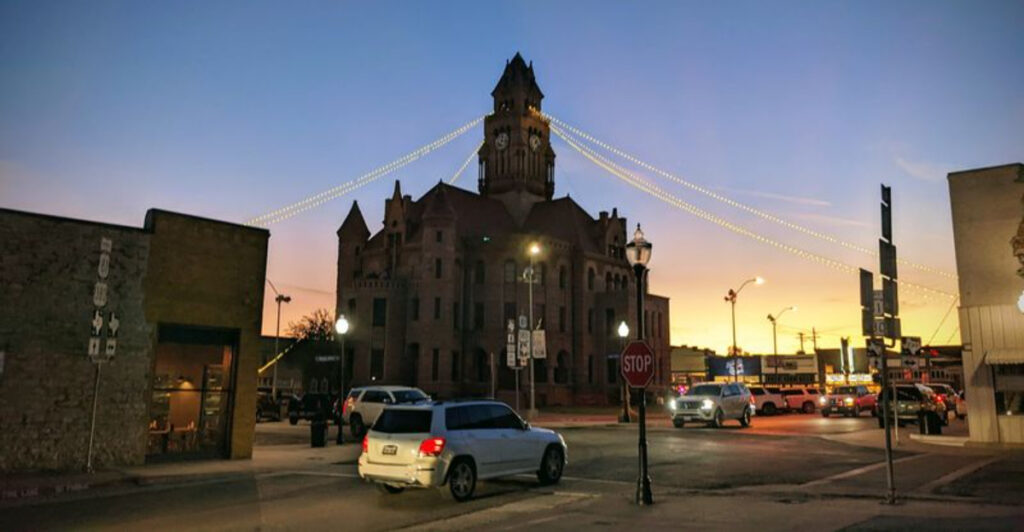
Decatur might not be the first Texas town you think of when planning a road trip, but visitors are discovering something truly special right in the heart of downtown. The Wise County Courthouse stands as a breathtaking example of 19th-century architecture that continues to draw admirers from across the state and beyond. With its pink granite walls and towering clock tower, this historic gem proves that sometimes the most incredible treasures hide in small-town Texas.
1. Pink Granite Glory That Catches Every Eye
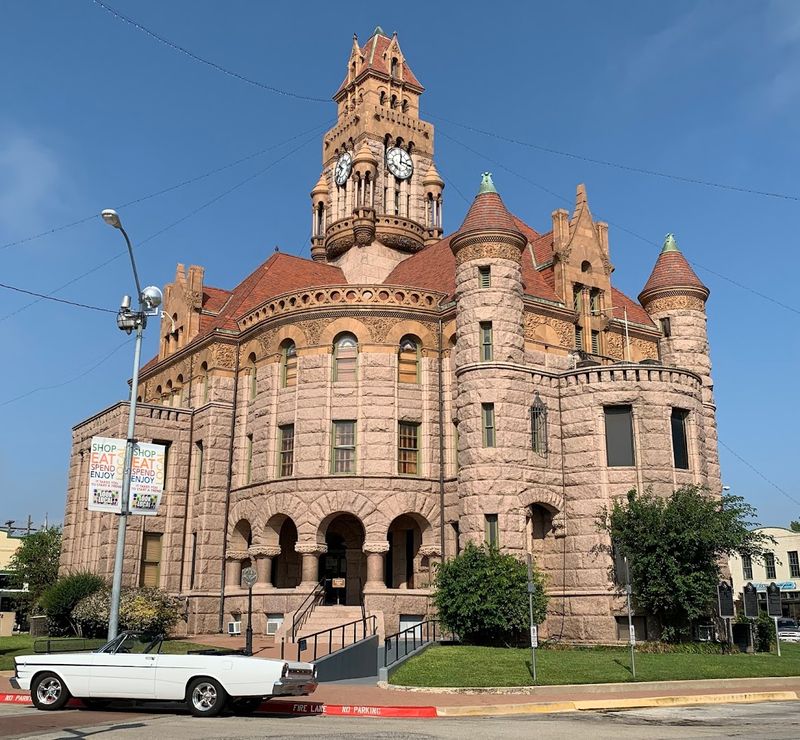
Pink granite wasn’t just a random choice for this courthouse—it was a bold statement back in the 1890s. The rosy stone came from Granite Mountain near Marble Falls, and it gives the building a warm glow that changes throughout the day. When morning light hits those walls, the whole structure practically glows like something out of a fairytale.
Visitors often circle the building multiple times just to appreciate how the color shifts. Early morning brings out softer peachy tones, while sunset makes the granite look almost fiery. Photography enthusiasts camp out at different times trying to capture that perfect shot.
The stone itself tells stories of Texas craftsmanship from over a century ago. Masons carved intricate details into this hard material with tools that seem primitive by today’s standards. You can still see their chisel marks if you look closely at the decorative elements around doorways and windows.
What makes this pink granite extra special is how well it’s aged. Unlike some historic buildings that look weathered and tired, the Wise County Courthouse maintains its vibrant appearance. Recent restoration work has cleaned away decades of grime without damaging the original stone, revealing colors that the builders first saw in 1896.
2. Romanesque Architecture Straight Out of Europe
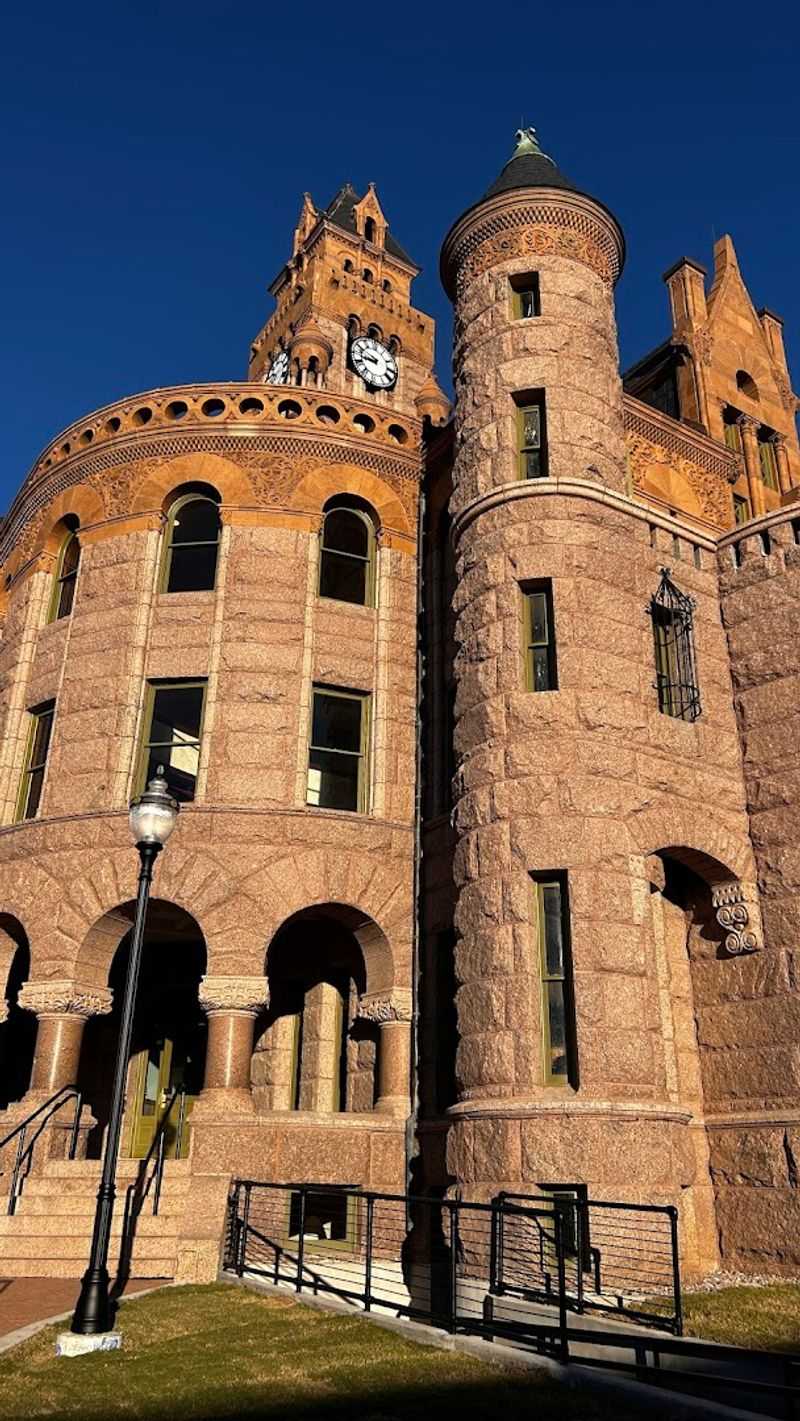
Walking up to this courthouse feels like stumbling onto a European cathedral that somehow landed in North Texas. The Romanesque Revival style was all the rage in the late 1800s, and Wise County went all-in. Rounded arches, sturdy columns, and fortress-like turrets give the building a presence that commands respect without feeling intimidating.
Architect James Riely Gordon designed this masterpiece when he was just establishing his reputation across Texas. He would go on to design dozens of courthouses throughout the state, but many consider the Wise County version among his finest works. The proportions feel just right—grand enough to impress but not so massive that it overwhelms the downtown square.
Details matter in Romanesque architecture, and Gordon understood that completely. Look at the window treatments with their multiple layers of carved stone frames. Notice how the corner turrets rise with mathematical precision, creating visual interest from every angle around the square.
The style choice wasn’t just about looks either. Romanesque buildings were designed to last centuries, with thick walls and solid construction methods. That durability has paid off—the courthouse has weathered more than 125 Texas summers and winters while maintaining its structural integrity beautifully.
3. That Iconic Clock Tower Reaching for the Sky
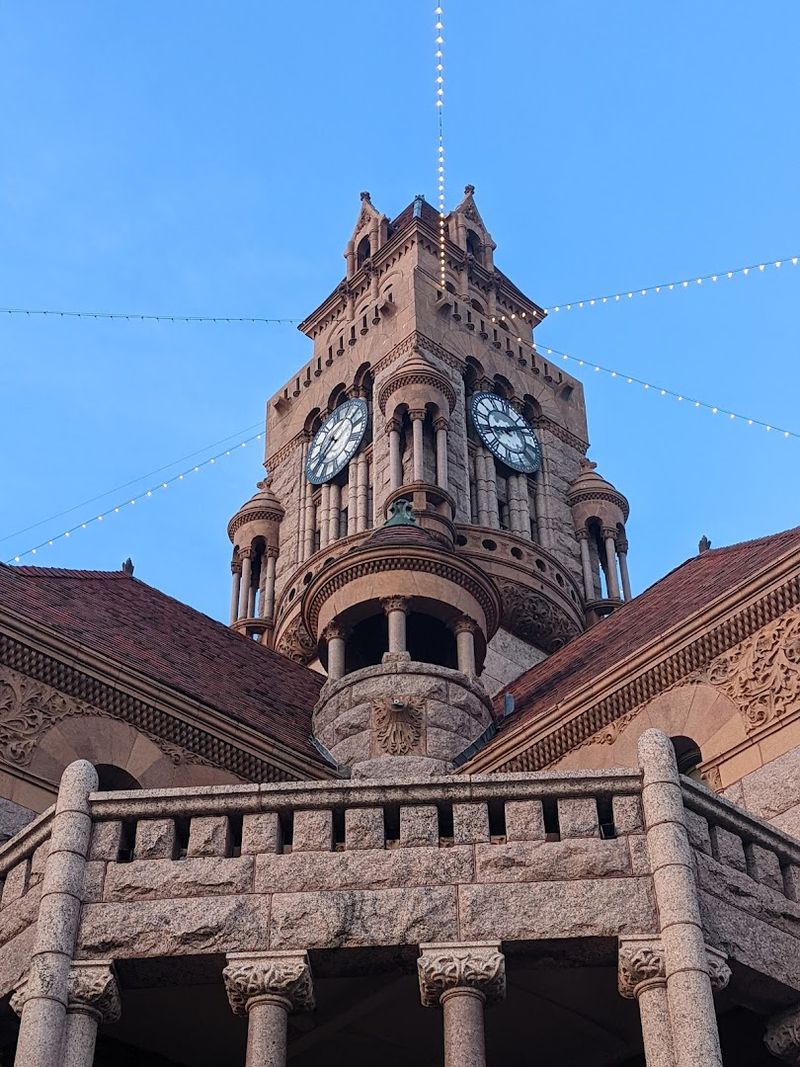
You can spot the clock tower from blocks away, rising 175 feet above the Decatur square like a beacon. Four clock faces ensure that everyone in town can check the time no matter which direction they’re coming from. Back when it was built, this tower was the tallest structure for miles around, serving as both timekeeper and landmark for the entire community.
The tower’s design incorporates both function and artistry in ways that modern buildings rarely attempt. Decorative stonework spirals upward, creating visual movement that draws your eyes skyward. Small windows at various levels break up the vertical climb, while the peaked roof tops everything off with Victorian flair.
Keeping those clocks running has been an ongoing labor of love for over a century. The original clockwork mechanism was eventually replaced with modern electric works, but the faces themselves maintain their historic character. When renovation work required scaffolding around the tower, workers discovered messages carved into the stone by the original builders—names, dates, and brief notes from 1896.
Standing beneath the tower and looking straight up creates a dizzying perspective that photographers adore. The pink granite seems to glow against Texas blue skies, and at night, strategic lighting turns the whole tower into a glowing landmark that anchors downtown Decatur’s nighttime skyline.
4. Interior Craftsmanship That Steals Your Breath
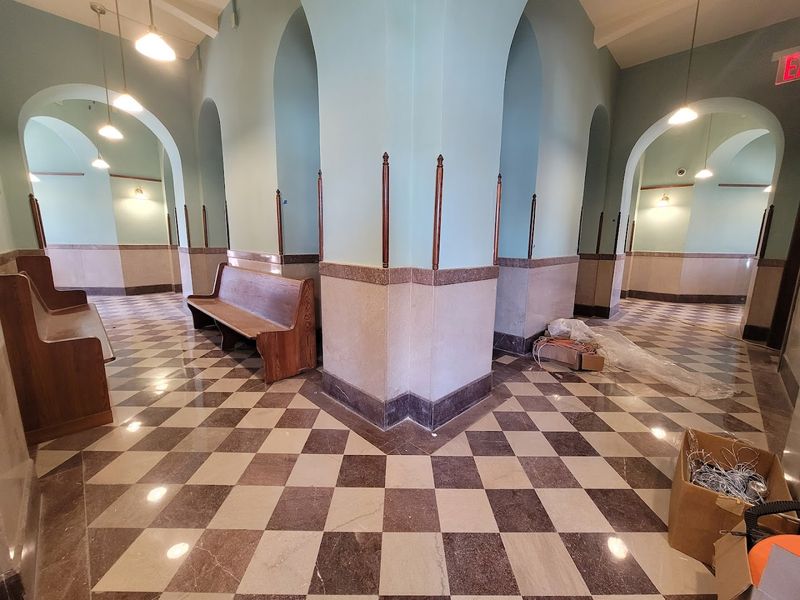
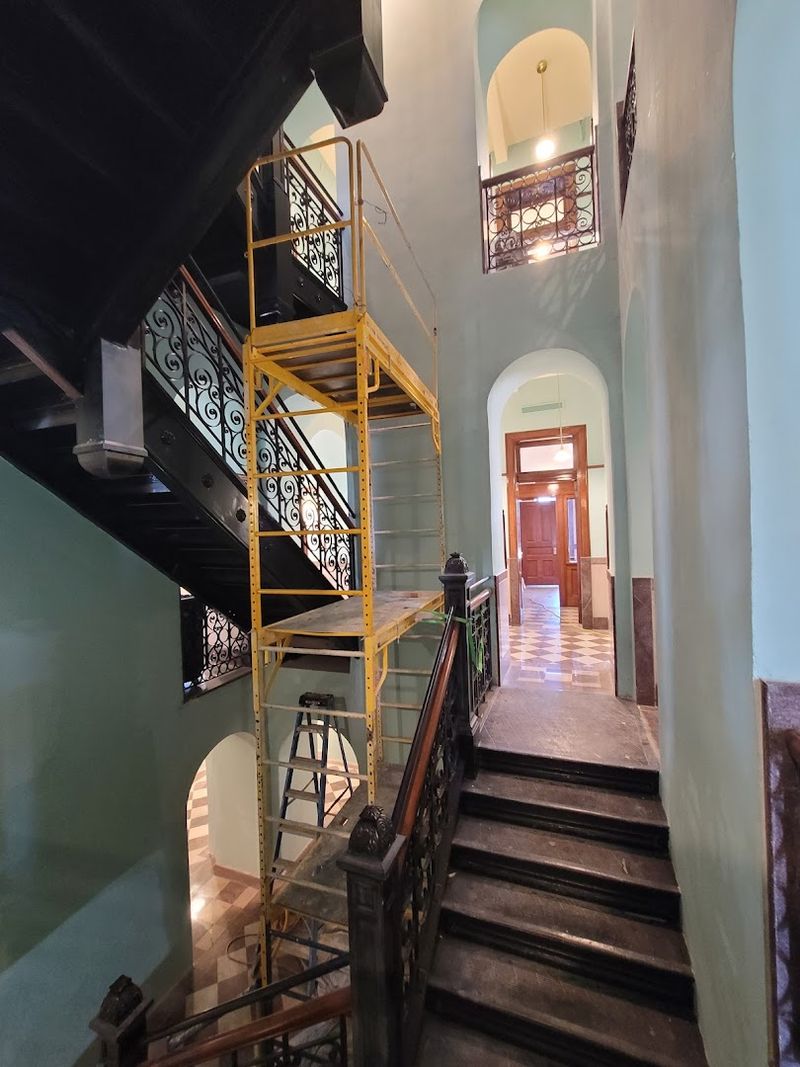
Stepping through those heavy wooden doors transports you to an era when public buildings were designed to inspire awe. The main hall opens up with soaring ceilings supported by carved wooden beams that craftsmen shaped by hand. Original light fixtures, though now fitted with modern bulbs, still cast that warm glow across polished surfaces.
The grand staircase deserves its own moment of appreciation. Wide marble steps worn smooth by over a century of footsteps lead to the upper floors where courtrooms and offices maintain their historic character. Wooden railings with turned balusters show the kind of detail work that would cost a fortune to replicate today.
Look up and you’ll find pressed tin ceilings with intricate patterns that were stamped out sheet by sheet. These ceilings weren’t just decorative—they also helped with acoustics in the courtrooms, ensuring that every word could be heard clearly. Restoration teams carefully preserved and repaired these ceiling panels, matching patterns and finishes to maintain authenticity.
Even the doorknobs and hinges carry historic significance. Heavy brass hardware with ornate designs still operates smoothly, testament to quality manufacturing from a different age. Walking these halls during a weekday, you might hear echoes of footsteps mixing with modern business, creating a beautiful blend of past and present.
5. Ongoing Restoration Bringing History Back to Life
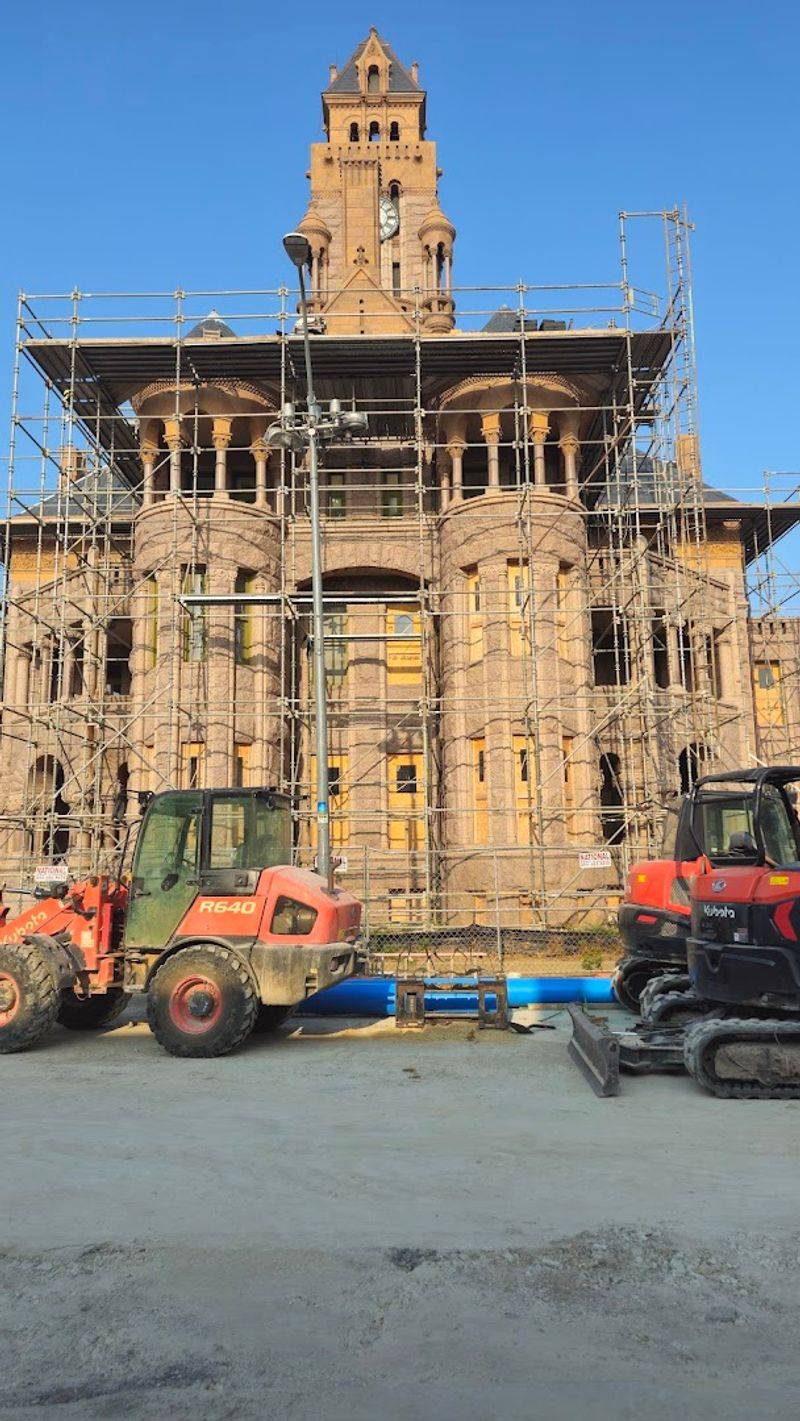
Recent years have seen major restoration efforts that have become tourist attractions in themselves. Watching skilled craftspeople work on a building this significant offers a rare glimpse into historic preservation techniques. The project has involved everything from cleaning and repointing stonework to restoring original windows and updating hidden infrastructure.
Preservation specialists faced unique challenges with this courthouse. They needed to maintain every historic detail while also bringing the building up to modern safety and accessibility standards. That meant carefully removing later additions that didn’t match the original design while preserving or recreating elements that had deteriorated over time.
The pink granite required special attention during cleaning. Workers used gentle methods to remove over a century of dirt and pollution without damaging the stone’s surface or affecting its color. Each carved detail received individual attention, with specialists using small tools to clean intricate areas that machines couldn’t reach safely.
Funding for restoration came from multiple sources, including state historic preservation grants and local fundraising efforts. The community rallied around their courthouse, recognizing it as more than just a government building—it’s a symbol of Decatur’s heritage and a major draw for heritage tourism. Visitors now come specifically to see the restoration in progress, adding another dimension to the courthouse’s appeal.
6. Perfect Photo Opportunities Around Every Corner
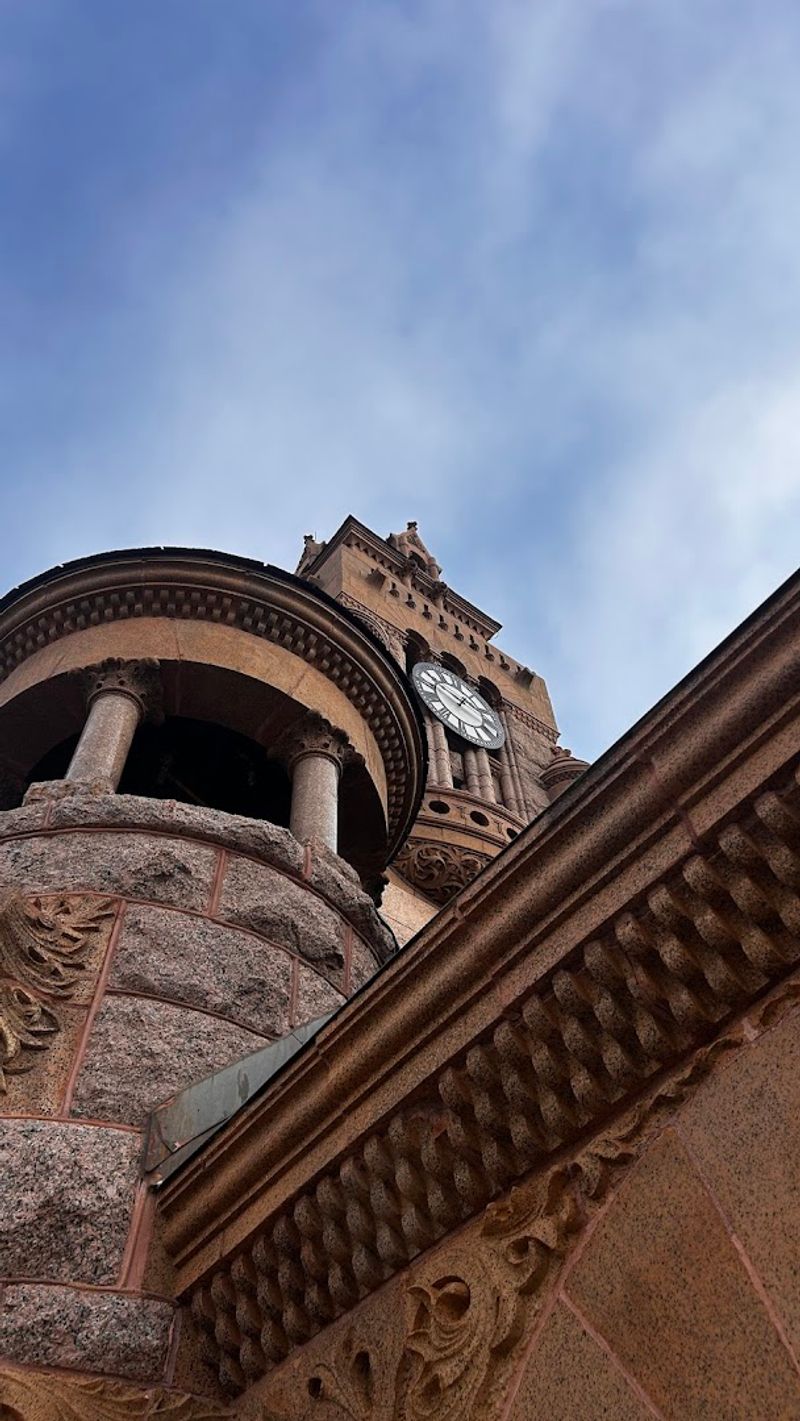
Instagram and photography enthusiasts have turned the Wise County Courthouse into one of the most photographed buildings in North Texas. Every angle offers something different—the imposing front facade, the intricate side details, the tower rising against clouds, or the building reflected in storefront windows across the square. Professional photographers schedule engagement and wedding shoots here regularly.
Golden hour transforms the courthouse into something magical. About an hour before sunset, that pink granite catches the warm light and seems to glow from within. Shadows from the ornate stonework create dramatic patterns across the walls, adding depth and dimension that flat midday light just can’t match.
Seasonal changes bring new photographic possibilities. Spring bluebonnets sometimes bloom around the courthouse grounds, creating that quintessential Texas contrast between wildflowers and historic architecture. Fall foliage from surrounding trees frames the building in warm autumn colors, while occasional winter snow creates rare and stunning images of the pink tower against white.
Don’t just photograph from ground level either. Some of the best shots come from second-story windows in buildings facing the courthouse, offering elevated perspectives that show the tower’s full glory. The surrounding square’s layout means you can capture the courthouse as the centerpiece of downtown life, with local businesses and activity adding context to your images.
7. Downtown Decatur’s Vibrant Square Life
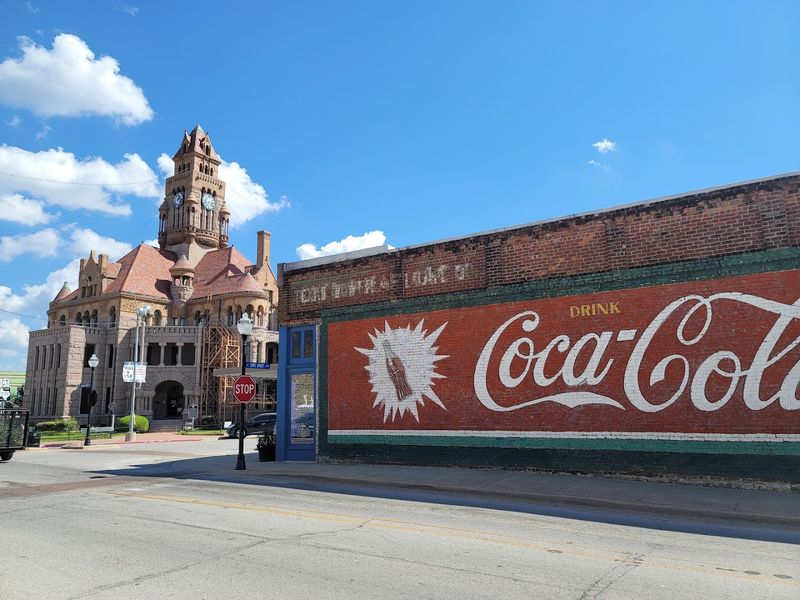
The courthouse doesn’t exist in isolation—it anchors a charming downtown square that’s worth exploring for hours. Local businesses ring the courthouse grounds, offering everything from antique shops to cafes where you can grab coffee while admiring the view. This isn’t some abandoned historic district; it’s a living, working town center that locals actually use.
Small-town hospitality shines through in these square businesses. Shop owners often know their customers by name and love sharing stories about the courthouse and Decatur’s history. You might duck into a store to browse and end up hearing fascinating tales about the building’s construction or notable trials held in its courtrooms.
Special events transform the square throughout the year. Farmers markets set up on weekends, craft fairs draw vendors from across the region, and holiday celebrations bring the whole community together. The courthouse provides a stunning backdrop for these gatherings, and there’s something special about community events happening in the shadow of such magnificent architecture.
Parking around the square is surprisingly easy compared to bigger cities. Diagonal spots line the streets, and you can usually find a space within easy walking distance of the courthouse. That accessibility makes visiting stress-free—no circling for parking or feeding expensive meters, just park and stroll around at your leisure.
8. Visiting Hours and Insider Tips for Your Trip
The courthouse operates on weekday business hours, opening at 8:25 AM and closing at 5 PM Monday through Friday. Yes, that’s an oddly specific opening time, and locals joke about it, but that’s when the doors unlock. Weekends mean closed doors, so plan your visit for a weekday if you want to explore the interior.
Security procedures are in place since this is an active government building. You’ll go through metal detectors and may need to show identification. Don’t bring weapons, large bags, or anything that might cause security concerns.
The staff is friendly and used to tourists, so don’t hesitate to ask questions about what’s allowed.
Peak visiting times tend to be mid-morning on weekdays when court is in session. If you prefer quieter exploration, try arriving right when they open or during lunch hours when activity slows down. Remember that this is a working courthouse—trials and government business take precedence, and some areas may be off-limits during proceedings.
Photography rules vary depending on where you are in the building. Exterior photos are always welcome, but ask permission before photographing interiors, especially if court is in session. The staff can direct you to public areas where photography is permitted and point out features you shouldn’t miss during your self-guided tour of this Texas treasure.
Share this story