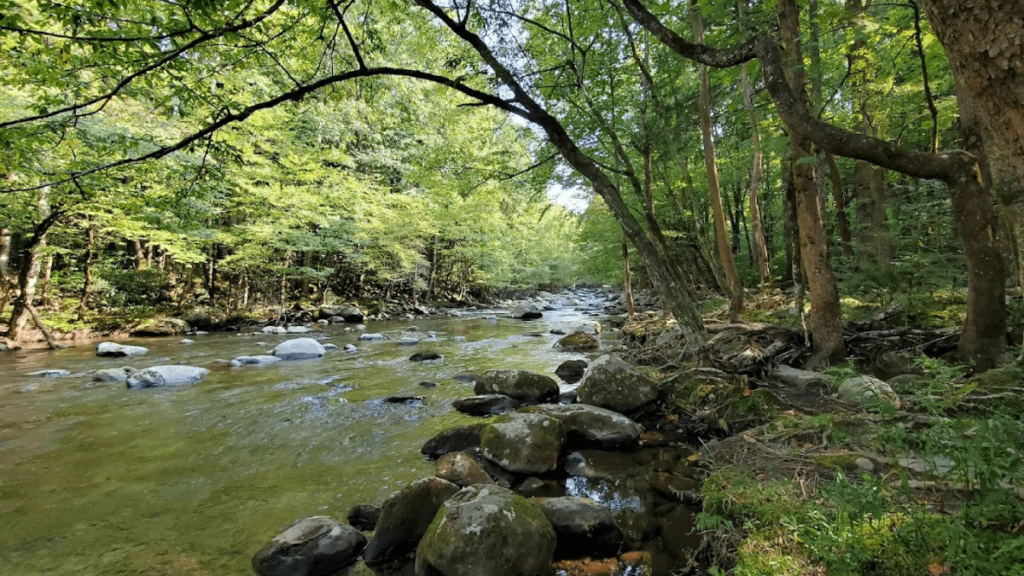
Deep in the Great Smoky Mountains, a hidden gem offers exactly what tired families and adventure-seekers need: shade, rushing water, and the kind of peace you can’t find on Gatlinburg’s busy main strip. Greenbrier Picnic Area sits tucked along a scenic road where the forest closes in overhead and the Middle Prong of the Little Pigeon River runs crystal clear over smooth rocks.
Whether you’re looking to grill burgers under towering trees, let the kids splash in shallow pools, or simply escape the summer heat, this spot delivers without the crowds that pack other Smokies destinations.
This Peaceful Gatlinburg Spot Might Be Tennessee’s Perfect Picnic Escape
About six miles from downtown Gatlinburg, you’ll find a place that feels worlds away from the tourist bustle. Greenbrier Picnic Area sprawls along the Middle Prong of the Little Pigeon River, where old-growth forest creates a natural canopy that keeps temperatures noticeably cooler even on scorching summer days.
Visitors consistently mention how uncrowded it feels compared to other Smokies hotspots. You won’t fight for parking or jostle for space at picnic tables here. The area maintains that off-the-beaten-path vibe that locals treasure, partly because getting there requires navigating a narrow, winding road that keeps casual tourists away.
What makes Greenbrier special isn’t fancy amenities or Instagram-famous views. It’s the simplicity of good picnic tables with charcoal grills, clean restrooms, and direct access to the river. Families spread out blankets, fire up grills, and spend entire afternoons without feeling rushed or crowded.
The forest itself deserves attention. Massive trees tower overhead, creating that cathedral-like atmosphere that makes the Smokies famous. Very little underbrush clutters the forest floor, so kids can explore safely while adults prep food or simply relax.
You might spot black bears, as several visitors have, though they typically keep their distance.
Park regulations require a parking pass, which costs five dollars daily or fifteen dollars for the week. You can grab one at the ranger station or visitor center before heading in. That small fee helps maintain the area and keeps it accessible for everyone who discovers this peaceful retreat.
Where to Find Greenbrier Picnic Area
Getting to Greenbrier requires a bit of navigation, but that’s part of what keeps it special. From Gatlinburg, head east on Highway 321 toward Cosby. About six miles out, you’ll spot the Greenbrier entrance on your right.
Turn there and commit to the drive ahead because it’s not your typical paved park road.
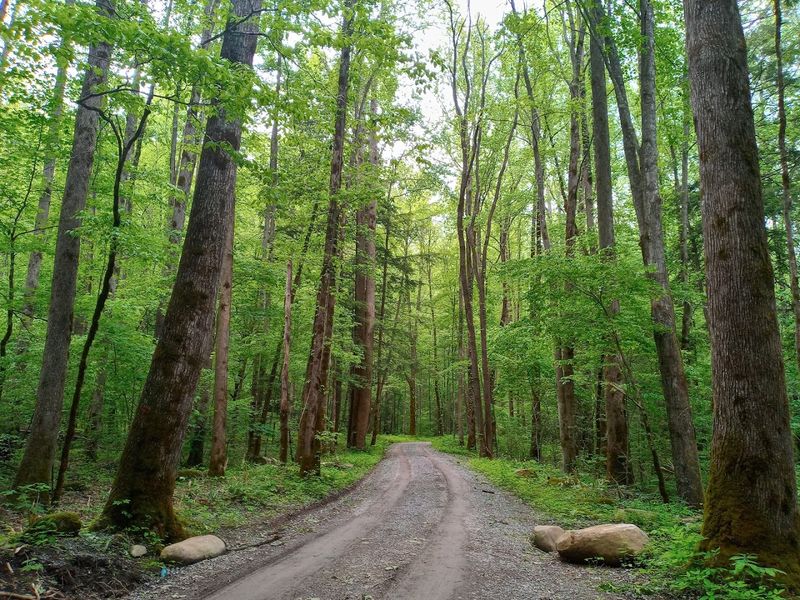
The access road starts out paved but transitions to gravel about eight-tenths of a mile before the main picnic area. It’s narrow, winding, and requires attention, especially when other vehicles approach from the opposite direction. Some sections barely allow two cars to pass, so slow down and stay alert.
Multiple reviewers mention the road’s roughness, and they’re not exaggerating. If you’re driving a low-clearance sedan, take it slow over the bumps and ruts. The road winds 2.8 miles from the highway to the back picnic areas, following the river through increasingly dense forest.
Don’t let the challenging drive discourage you. Thousands of families make this trip annually without issue, and most agree the destination justifies the journey. Just leave extra time and avoid speeding, even if you’re familiar with mountain roads.
Cell service gets spotty once you leave the highway, so download offline maps beforehand if you’re relying on your phone for directions.
Plan to arrive early during peak summer weekends. While Greenbrier rarely feels packed, parking spots are limited, and the best riverside locations fill up by mid-morning. The area opens at 8 AM daily and closes at 8 PM, giving you plenty of daylight for a full day’s adventure.
Why Visitors Keep Falling for This Forested Smokies Retreat
Something about Greenbrier turns first-time visitors into regulars. Maybe it’s the way the forest wraps around you like a living room, or how the river provides constant background music without drowning out conversation. Whatever the magic ingredient, people return year after year, often introducing new friends and family to their secret spot.
The lack of crowds tops most people’s reasons for loyalty. While Cades Cove and Clingmans Dome see thousands of visitors daily, Greenbrier maintains a peaceful atmosphere where you can actually hear birds and rushing water. Families appreciate having space to spread out without worrying about disturbing neighbors or feeling cramped.
Accessibility matters too. Unlike remote backcountry sites requiring strenuous hikes, Greenbrier puts you riverside within minutes of parking. Older visitors, families with small children, and anyone with mobility concerns can enjoy the true Smokies wilderness without physical barriers.
The paved paths to some picnic areas accommodate wheelchairs and strollers.
Many visitors mention the photographic opportunities. The combination of old forest, clear water, and mountain light creates stunning scenes throughout the day. Whether you’re a serious photographer or just want nice family pictures, Greenbrier delivers natural beauty without requiring filters or fancy equipment.
The area also serves as a gateway to less-traveled trails. Serious hikers use Greenbrier as a starting point for adventures deeper into the park, while casual walkers enjoy short paths along the river. You can tailor your experience from sedentary picnicking to moderate exploration.
Locals particularly value Greenbrier as an escape from Gatlinburg’s commercialization. When you need nature therapy without driving hours away, this spot provides genuine wilderness just minutes from town. That proximity-to-solitude ratio keeps people coming back season after season.
The Waterfalls, Rapids, and Swimming Holes That Make It Stand Out
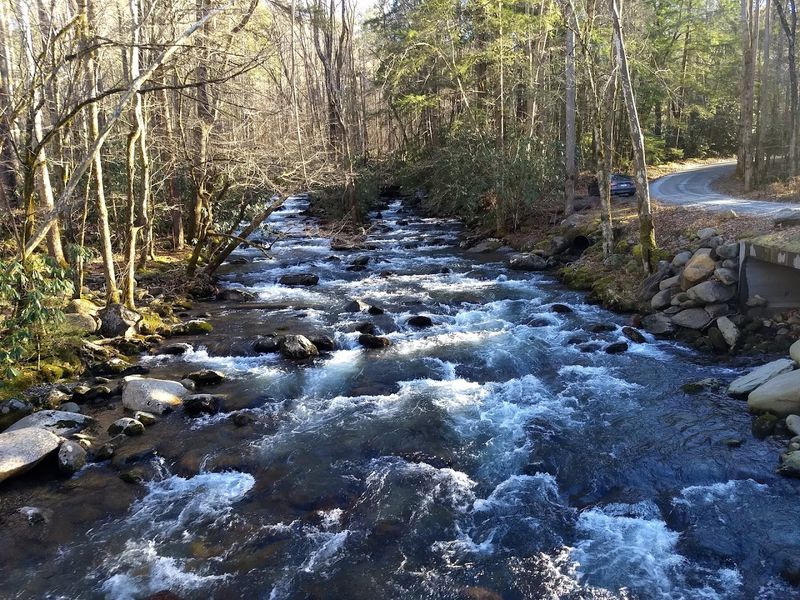
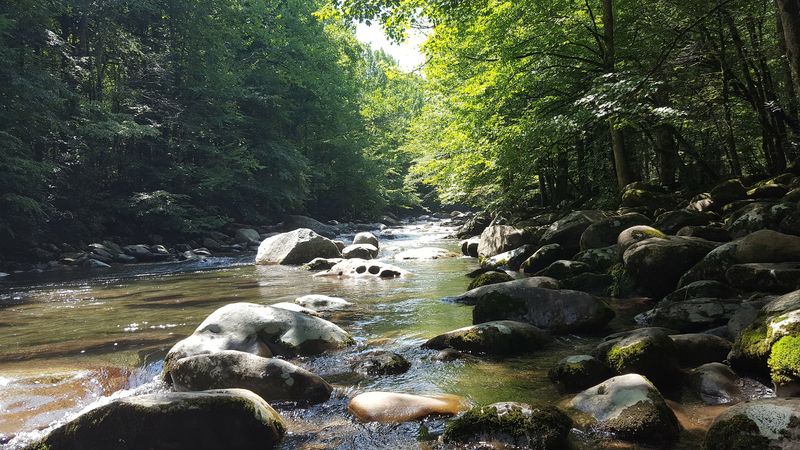
The Middle Prong of the Little Pigeon River isn’t just scenery at Greenbrier. It’s the main attraction for most families, especially those visiting during warm months. Crystal-clear water flows over smooth rocks, creating a mix of gentle pools, small rapids, and shallow areas perfect for different ages and comfort levels.
Parents love how the river offers something for everyone. Toddlers can splash in ankle-deep pools under close supervision while older kids navigate faster-moving sections or search for minnows in calm eddies. The water stays cold year-round, fed by mountain springs, providing natural air conditioning on hot summer days.
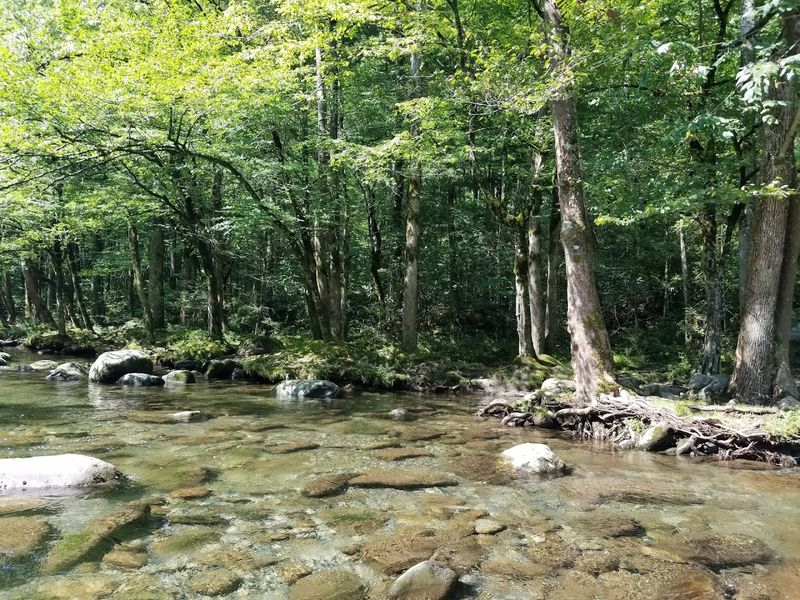
Reviewers consistently praise the water’s clarity. You can see the rocky bottom in most areas, which helps parents gauge depth and spot potential hazards. Smooth river stones make wading easier than sharp, slippery rocks found in some mountain streams, though water shoes still make sense for extended play.
Swimming holes vary in depth and character along the stretch that parallels the picnic areas. Some spots offer deeper pools where confident swimmers can actually swim rather than just wade. Others provide perfect spots for floating on inner tubes, which several visitors recommend bringing along.
The rapids aren’t whitewater-intense, but they add excitement and a pleasant sound. Water rushing over rocks creates that soothing background noise that makes the whole area feel more peaceful. Kids enjoy the challenge of crossing carefully or letting the current push them downstream to waiting parents.
Safety requires attention, as with any natural water feature. Depth can change unexpectedly, rocks get slippery, and upstream rain can raise water levels quickly. Keep close watch on children, especially younger ones, and respect the river’s power even when it looks gentle.
Inside the Picnic and Water-Play Area Families Love
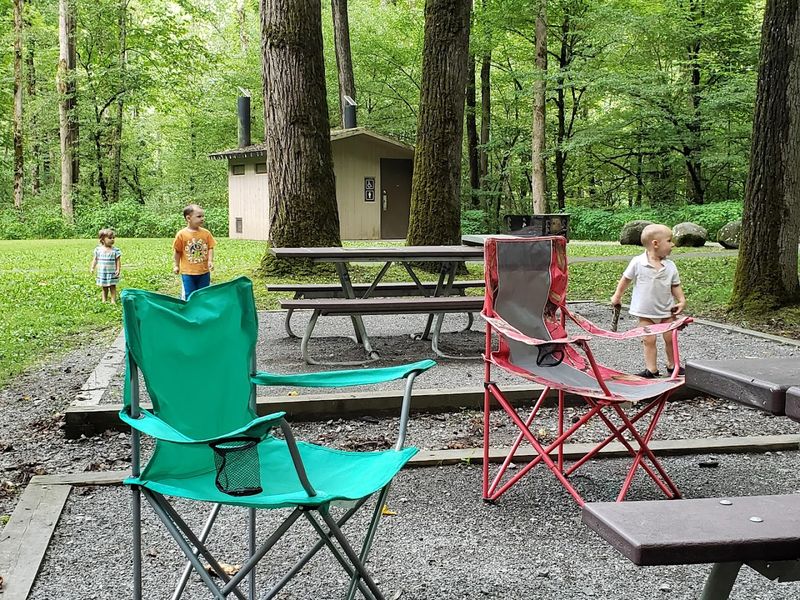
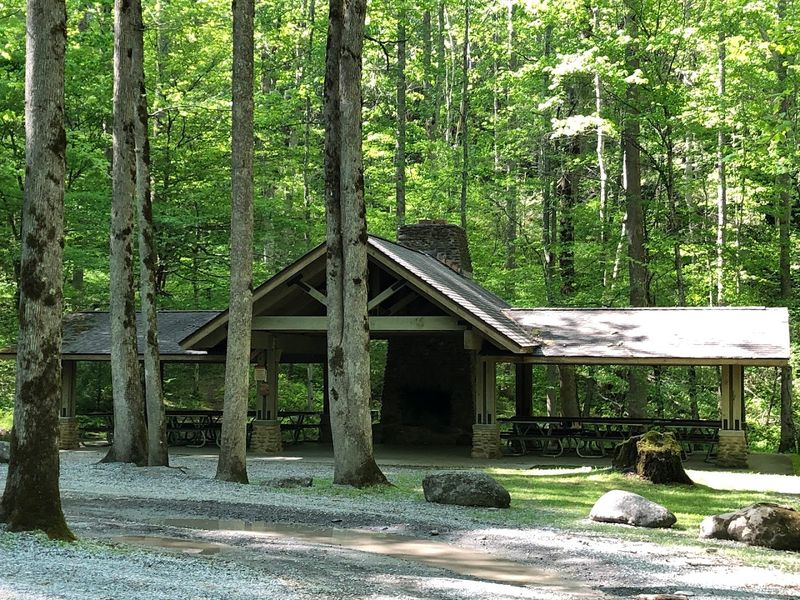
Greenbrier’s picnic infrastructure keeps things simple and functional. Sturdy wooden tables dot the area, most positioned under shade trees within earshot of the river. Each table comes with an adjacent charcoal grill, the classic park-style models that have served countless family cookouts over the decades.
Bring your own charcoal and lighter fluid because the park doesn’t sell supplies on-site. The grills work great for burgers, hot dogs, and anything else you’d normally cook outdoors. Just remember that charcoal is the only fuel allowed in these grills, so leave the propane tanks at home.
Restroom facilities exist and generally get positive reviews for cleanliness, considering the remote location. They’re basic but functional, and having them available makes all-day visits much more comfortable, especially for families with young children.
The layout gives groups options. Some picnic spots sit close together, perfect if you’re meeting multiple families or want a more social atmosphere. Other tables occupy more isolated positions, ideal for couples seeking quiet or families who want privacy.
Most areas offer relatively flat ground, making setup easier than hillside locations.
Short trails connect the picnic areas to prime river access points. These paths range from paved and accessible to natural dirt tracks. Families typically claim a table, set up their base camp, then rotate between eating, exploring, and playing in the water throughout the day.
The forest canopy provides natural climate control. Even when Gatlinburg swelters in mid-summer heat, Greenbrier stays noticeably cooler thanks to shade and elevation. Combined with cold river water for wading, the temperature difference can feel like nature’s air conditioning compared to the valley below.
Everything You Should Pack Before You Go
Smart packing makes the difference between a good Greenbrier day and a great one. Start with the basics: charcoal and lighter fluid for the grills, plus all your food and drinks in a well-stocked cooler. No stores operate nearby, so whatever you forget stays forgotten unless you want to drive back to town.
Water shoes top the recommended gear list. While the river bottom features smooth rocks rather than sharp ones, extended wading is much more comfortable with foot protection. Everyone planning to get in the water should have their own pair, from kids to adults.
Towels seem obvious but get forgotten surprisingly often. Bring enough for everyone who might get wet, plus extras because someone always ends up wetter than planned. Throw in a change of clothes for kids too, especially if you’re planning activities after leaving the picnic area.
Sun protection matters even under the forest canopy. Dappled sunlight can still cause burns during long exposure, and the river reflects additional UV rays. Pack sunscreen, hats, and maybe a sun shirt for anyone with sensitive skin or young children who’ll spend hours playing in partial shade.
Don’t forget practical items like trash bags, paper towels, hand sanitizer, and basic first aid supplies. The park expects you to pack out everything you bring in, so having dedicated trash bags keeps cleanup organized. Bug spray might come in handy depending on the season, though the area generally sees fewer insects than lowland locations.
Consider bringing camp chairs if you want seating beyond the picnic tables. Inner tubes or small floats add fun for river play. A waterproof phone case protects your device while capturing photos.
And always pack more drinking water than you think you’ll need, especially during summer visits.
When to Visit for the Best Greenbrier Experience
Timing your Greenbrier visit can dramatically affect your experience. Summer brings the most visitors, especially families with kids out of school. The cold river water feels perfect for beating heat, but expect company on weekends.
Arriving by 9 AM secures better parking and table selection before the midday rush.
Spring offers spectacular wildflower displays and rushing water from mountain snowmelt. The river runs higher and colder than summer levels, making swimming less appealing but creating more dramatic rapids and waterfall features. Trees leaf out in stages, providing that fresh green glow that photographers love.
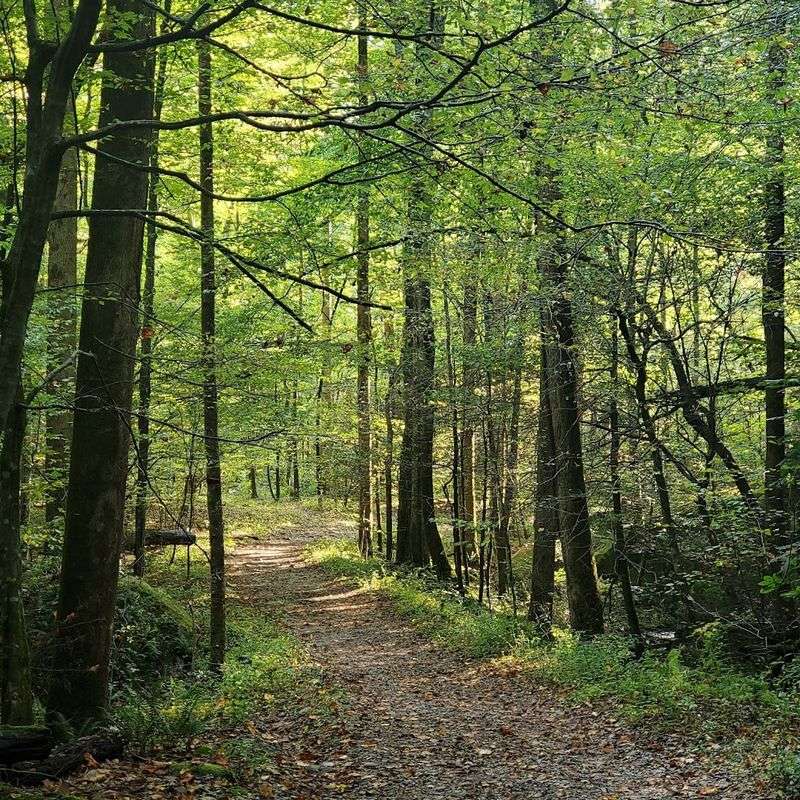
Fall transforms Greenbrier into a color showcase. The forest canopy shifts through yellows, oranges, and reds, while cooler temperatures make hiking more comfortable. Water levels typically drop, creating different pools and exposing more rocks.
Winter turns Greenbrier into a completely different place. The bare forest reveals views blocked by summer foliage, and the river takes on a quieter character. Few visitors brave the cold, giving winter explorers nearly private access.
Just be prepared for potentially icy roads and check weather conditions before attempting the drive.
Weekdays beat weekends year-round for avoiding crowds. The difference is especially noticeable during summer when weekend parking can fill up by late morning. If your schedule allows flexibility, Tuesday through Thursday typically offers the most peaceful experience.
Weather considerations matter beyond just seasons. Check the forecast before heading out, particularly for rain. Heavy upstream precipitation can raise water levels quickly, making river play dangerous.
The narrow access road also becomes trickier when wet, requiring extra caution during or after storms.