Hidden inside the Bronx, one of New York City’s busiest boroughs, lies a forest that has stood for centuries. The Thain Family Forest at the New York Botanical Garden is a 50-acre old-growth woodland where some trees are over 400 years old, making it the largest surviving remnant of New York City’s original forest.
Walking through its trails feels like stepping back in time, far away from the noise of city life. Whether you love nature, history, or simply need a peaceful escape, this forest has something truly special waiting for you.
1. A Forest That Survived Centuries of Change
Long before skyscrapers defined New York City’s skyline, a vast forest blanketed the land.
The Thain Family Forest is one of the last living connections to that original landscape, stretching across 50 remarkable acres inside the New York Botanical Garden in the Bronx.
It has survived centuries of urban growth, and walking beneath its canopy feels genuinely humbling.
Some of the trees here are more than 400 years old.
That means they were already mature when the first European settlers arrived in North America.
Oaks, tulip trees, and sweetgums tower overhead, their thick trunks telling a story no history book could fully capture.
The sheer size of these trees stops most visitors in their tracks.
Named after John and Carmen Thain, who supported a major restoration effort in 2011, the forest has been carefully maintained to protect its ecological integrity.
Rangers and botanists work year-round to preserve its natural balance.
Their dedication means visitors today can experience something remarkably close to what the original New York landscape looked like hundreds of years ago.
If you have never visited an old-growth forest before, this is a rare and accessible opportunity.
Most old-growth forests are found in remote wilderness areas, but this one sits right inside New York City.
Rated 4.7 stars by hundreds of visitors, the Thain Family Forest consistently earns praise for its beauty, tranquility, and educational value.
Plan a visit and see for yourself why this place feels unlike anywhere else in the city.
2. Trails Rooted in Native American History
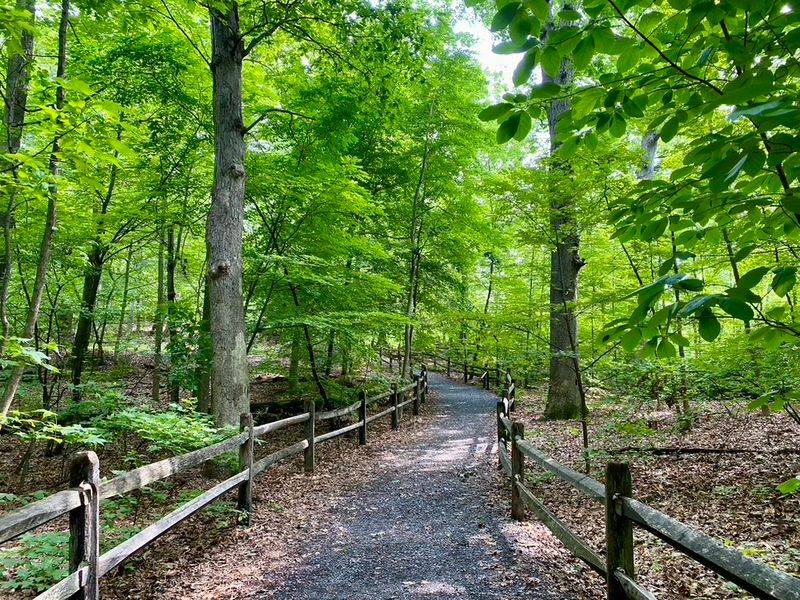
Before the trails of the Thain Family Forest were mapped, marked, or maintained, the Lenape people walked them.
These Indigenous paths were used for hunting and travel long before European settlers arrived, and some of the routes visitors follow today trace almost exactly those same ancient lines through the woods.
That history gives every step a quiet sense of meaning.
The forest floor still shows signs of the past in surprising ways.
Glacial marks carved into rock faces remind visitors that this land was shaped by massive ice sheets thousands of years ago.
Informational placards placed throughout the forest help explain these features, making the trail a genuinely educational experience for families, students, and curious adults alike.
Exploring these trails does not require any special gear or hiking experience.
Most paths are well-maintained and easy to navigate, with some sections designed to be wheelchair accessible.
The forest opens at 11 AM daily, giving visitors a relaxed morning start before heading out on the trails.
One reviewer described the experience as “a walk in the woods” that makes you completely forget you are in an urban setting.
That is exactly the kind of mental reset these trails offer.
Allow yourself at least two hours to explore the Thain Family Forest properly, because rushing through it means missing the details that make it so extraordinary.
Slow down, look up at the canopy, and let the history of the land sink in around you.
3. Massive Ancient Trees You Have to See to Believe
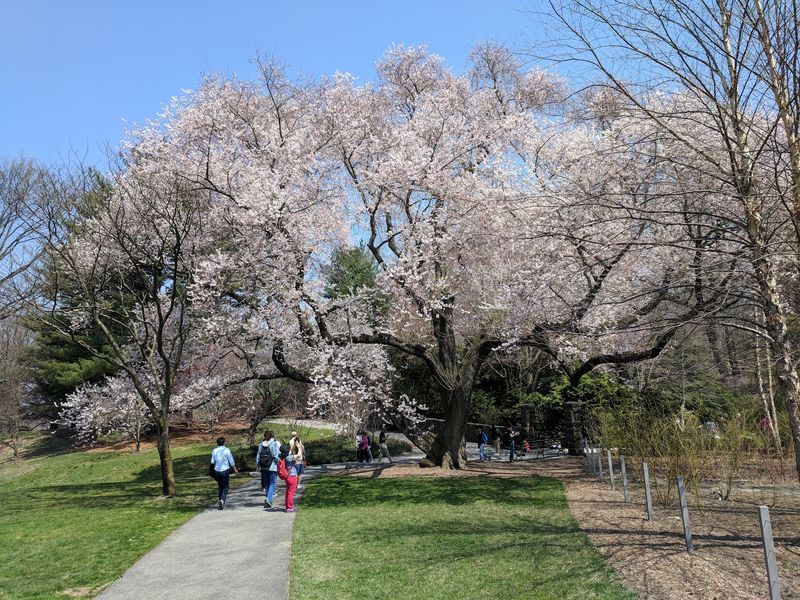
Standing next to a 400-year-old tree puts life in perspective in a way that is hard to describe.
At the Thain Family Forest, that experience is available to anyone willing to make the trip to the Bronx.
The forest’s canopy is dominated by towering oaks, tulip trees, and sweetgums that have been growing since before the United States existed as a country.
One tree that draws repeated attention from visitors is the giant Blue Atlas Cedar near the forest’s edge.
Multiple reviewers have called it a “legendary” and “treasured” specimen, and it is easy to see why.
Its massive, spreading branches create a natural shelter beneath them, and the tree has a commanding presence that feels almost spiritual to many who visit.
Fallen trees are also part of the experience here.
Some enormous trunks have toppled across paths over the years, and sections have been carefully cut away to keep trails clear.
Seeing the cross-section of a centuries-old tree up close gives you an immediate sense of just how long these giants have been alive.
Growth rings tell a story of droughts, storms, and seasons that stretch back generations.
Photographers absolutely love this forest.
The combination of ancient bark textures, filtered light, and dramatic scale makes for stunning images at any time of year.
Whether you visit in the green fullness of summer or the bare clarity of winter, the trees of Thain Family Forest command attention and inspire genuine awe in everyone who encounters them.
4. Wildlife Watching in the Heart of the Bronx
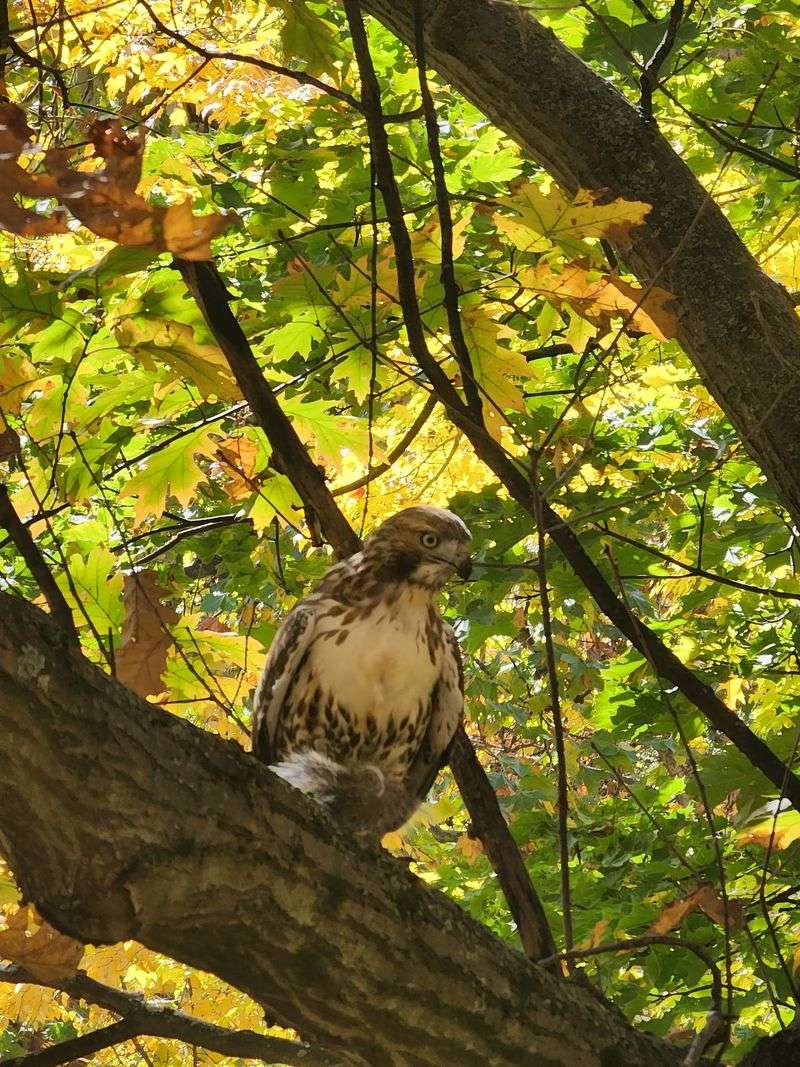
Most people do not expect to spot a wide variety of wildlife in the middle of New York City, but the Thain Family Forest consistently surprises visitors.
Birds flit through the canopy in impressive numbers, and birdwatchers frequently return to the forest specifically for the rich variety of species that call it home.
Chipmunks dart between roots and fallen logs with cheerful energy, entertaining children and adults alike.
One enthusiastic reviewer put it perfectly: “Come for the fungi devouring the fallen trunks, stay for the amazing number of birds and chipmunks.” That description captures the layered richness of the forest ecosystem.
Fungi break down decaying wood, insects thrive in the debris, and birds arrive to feed on those insects.
Every corner of the forest is part of a living, breathing system.
The Bronx River, which runs through the property, adds another dimension to wildlife spotting.
The floodplain along the riverbanks creates a distinct habitat that attracts different species than the upland forest areas.
Herons, ducks, and other water-loving birds are occasionally spotted near the river’s edge, adding to the diversity of the experience.
Visiting on a weekday morning tends to offer the best wildlife encounters, since the forest is quieter and animals are more active.
Bring binoculars if you have them, and move slowly along the trails.
The forest rewards patience with sightings that feel genuinely wild, even though you are technically still inside one of the world’s most populated cities.
It is a reminder that nature finds a way, even in the Bronx.
5. The Bronx River: A Stream Running Through Ancient Land
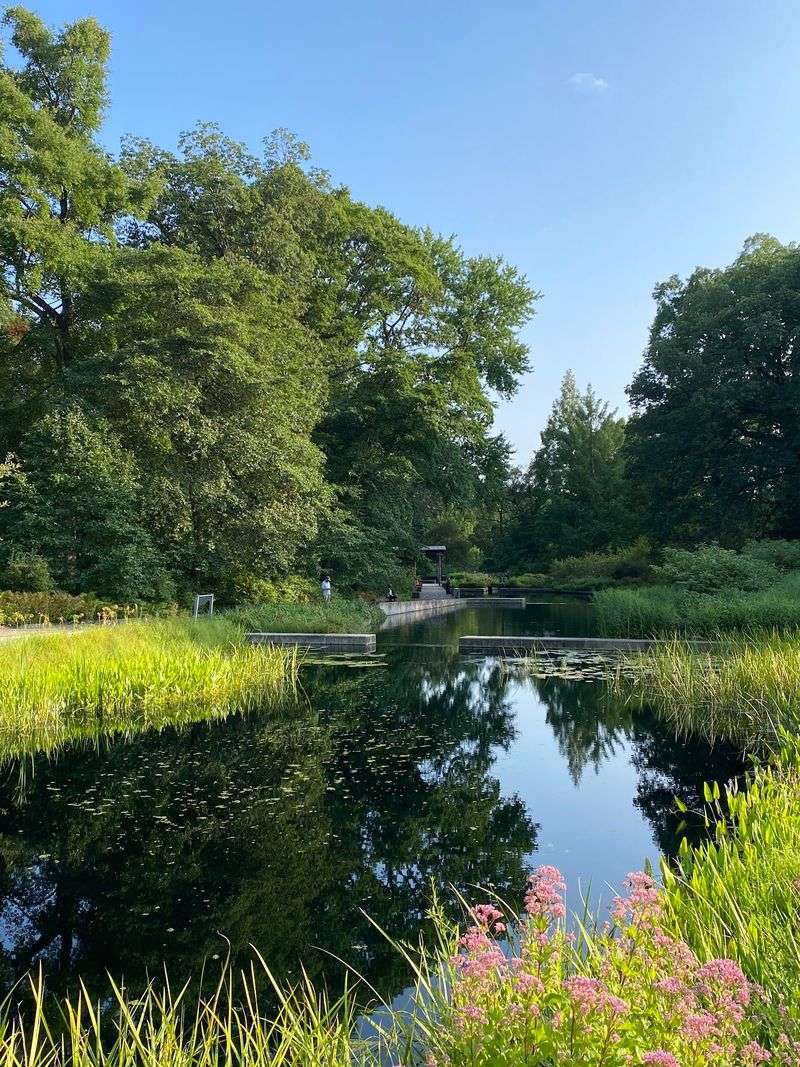
Water has a way of making any natural setting feel more alive, and the Thain Family Forest has the Bronx River running right through it.
This stream winds through the forest’s floodplain, creating a gentle soundtrack of moving water that adds to the sense of calm throughout the woodland.
On a warm afternoon, the sound alone is enough to lower your stress levels noticeably.
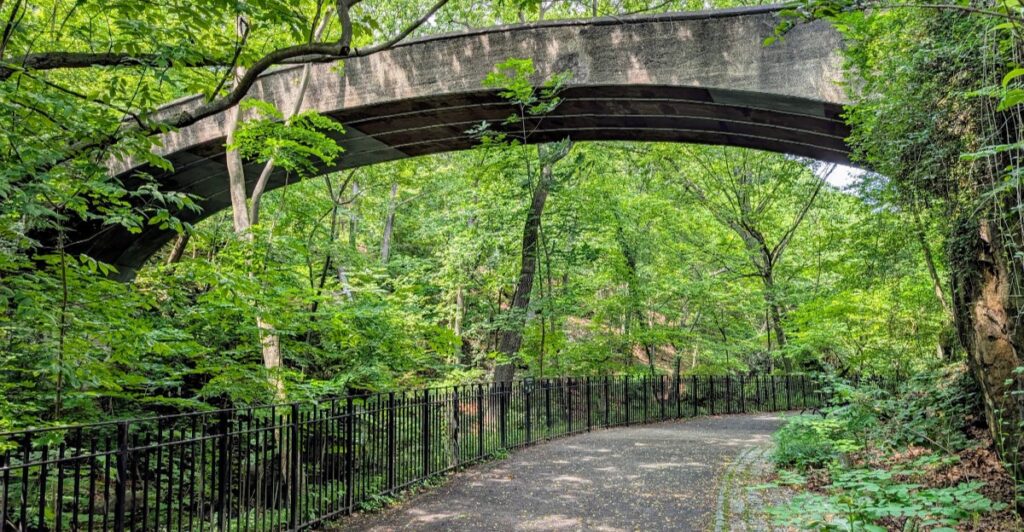
Hester Bridge crosses the Bronx River within the forest and is a favorite spot for visitors.
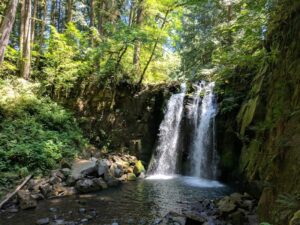
From the bridge, you can look upstream and just make out a small waterfall cascading over rocks.
The view is peaceful and photogenic, and many visitors linger there longer than they planned.
One reviewer described the bridge as “very interesting” with “nice views” that made the visit feel complete.
The river’s floodplain creates a unique ecological zone within the forest.
Soil near the water’s edge stays moist year-round, supporting plant species that cannot survive on the drier rocky ridges nearby.
This variation in terrain means the forest offers genuinely different landscapes within a relatively short walk, keeping the experience fresh and engaging throughout your visit.
On hot summer days, the area near the river tends to feel noticeably cooler than the surrounding streets.
The combination of shade from the forest canopy and moisture from the river creates a natural air-conditioning effect that visitors appreciate enormously.
Bring a water bottle, find a quiet spot near the riverbank, and take a moment to simply listen.
The Bronx River has been flowing through this land for thousands of years, and it is still going strong.
6. Fungi, Moss, and the Quiet Magic of Forest Decay
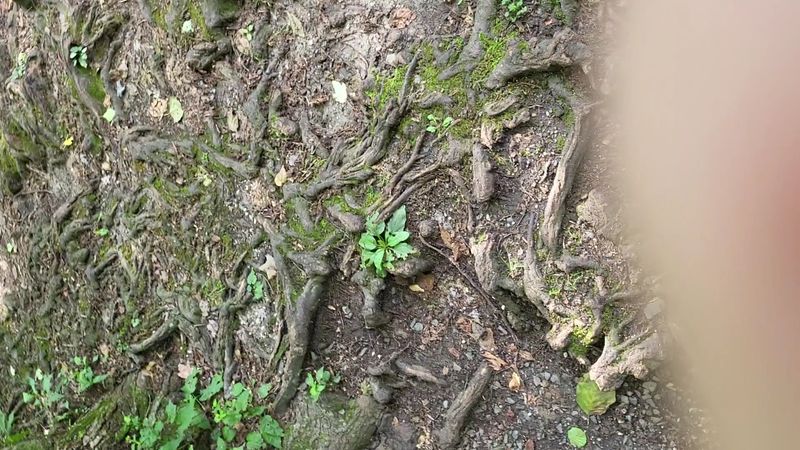
Not everything remarkable in the Thain Family Forest is towering above your head.
Some of the most fascinating sights are right at ground level.
Fallen logs covered in fungi, thick carpets of moss draped over boulders, and delicate ferns pushing up through the leaf litter create a world of detail that rewards slow, careful observation.
Forest decay is not something to overlook – it is the engine that keeps the whole ecosystem running.
Fungi play a critical role in the health of old-growth forests.
They break down dead wood, returning nutrients to the soil and supporting the growth of new trees.
In the Thain Family Forest, you can actually watch this process happening on fallen trunks throughout the trails.
Various species of mushrooms and bracket fungi cling to decaying wood in shapes and colors that look almost otherworldly up close.
Children are especially captivated by this side of the forest.
Finding a cluster of mushrooms or a particularly mossy boulder feels like a genuine discovery, and the forest provides plenty of those moments.
Parents and teachers appreciate how naturally the environment sparks curiosity and questions without any need for structured programming.
Photographers who enjoy macro photography will find endless subjects in the forest’s lower layers.
The texture of bark, the geometry of a fern frond, and the vivid orange of a shelf fungus are all waiting to be captured.
Visiting after rain is particularly rewarding, as moisture brings out the richness of colors in moss and fungi.
The forest floor is a world unto itself, full of quiet, extraordinary life.
7. Accessible Trails for Every Kind of Visitor
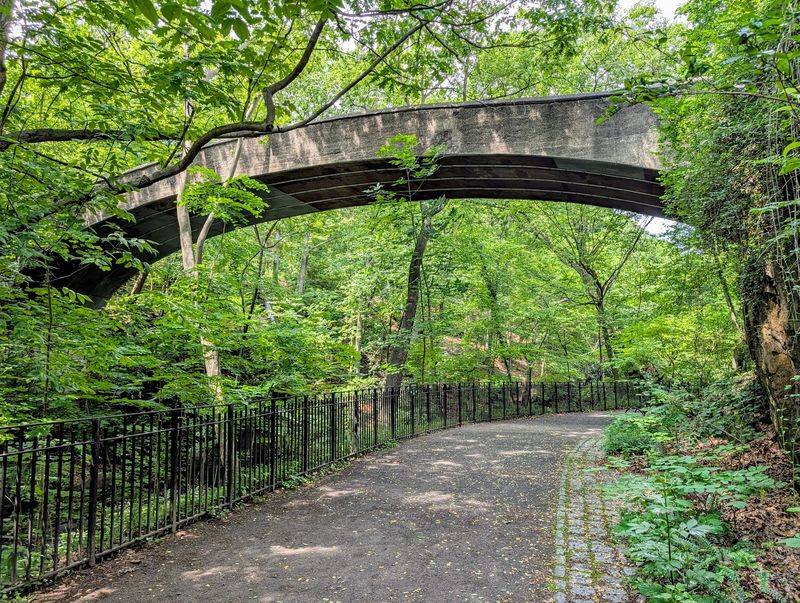
One of the things that makes the Thain Family Forest stand out among natural areas is its genuine commitment to accessibility.
Several trails within the forest have been designed or improved to accommodate wheelchair users, ensuring that the experience of walking among ancient trees is not limited to those who can hike on rough terrain.
That inclusive approach reflects the broader mission of the New York Botanical Garden.
Well-maintained paths wind through the forest’s most scenic areas, and clear signage helps visitors navigate without confusion.
Informational placards along the trails provide historical and ecological context, turning a simple walk into a self-guided educational experience.
Families with strollers, older visitors, and anyone with mobility considerations will find the forest more welcoming than many natural areas of comparable significance.
The forest is open daily from 11 AM to 4 PM, which gives visitors a comfortable afternoon window to explore.
Access to the Thain Family Forest requires entry to the New York Botanical Garden, but admission is free for New York City residents on Wednesdays.
Parking costs $20, but the entrance fee savings more than cover that expense on free days.
The garden’s phone number is +1 718-817-8700 for those who want to confirm details before visiting.
One reviewer summed it up with refreshing simplicity: “Allow at least 2 hours for Thain Forest alone!” That is genuinely good advice.
The forest rewards unhurried exploration, and knowing the trails are comfortable and well-marked means you can focus entirely on the experience rather than worrying about logistics.
Every kind of visitor deserves access to a place this special.
8. A Perfect Spot for Mindfulness and Quiet Reflection
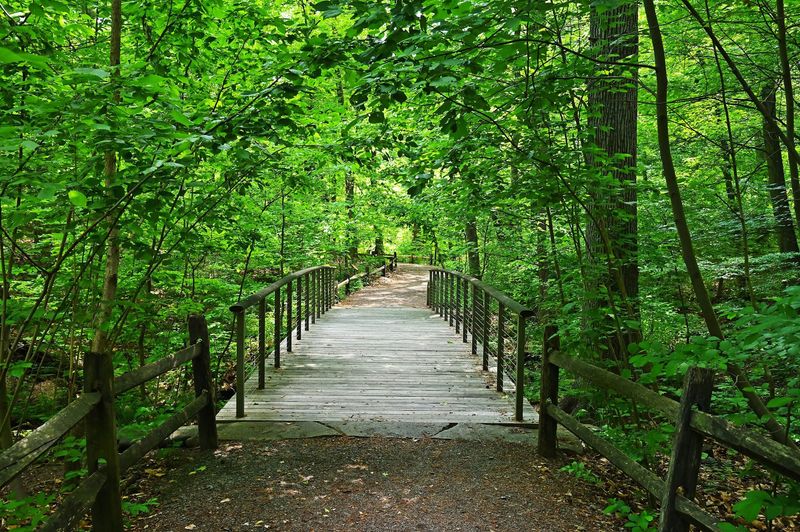
There is something about old forests that naturally quiets the mind.
The Thain Family Forest, with its centuries-old trees and softly filtered light, has become a go-to destination for people seeking peace in the middle of one of the world’s busiest cities.
Visitors frequently describe the atmosphere as serene, and some return regularly just to spend time sitting quietly among the trees.
The forest has even attracted practitioners of tai chi and qi gong, who find its energy particularly well-suited to those meditative movement practices.
One longtime visitor described the forest as having “extraordinary feng shui” and called it a perfect environment for authentic tai chi practice.
Whether or not you subscribe to that philosophy, the forest’s calm is undeniably real and deeply felt by nearly everyone who enters.
Stress melts away quickly here, partly because the forest is genuinely beautiful and partly because the sounds of the city become almost inaudible once you are surrounded by trees.
The rustling of leaves, the call of birds, and the distant murmur of the Bronx River replace honking horns and construction noise.
That sensory shift happens faster than most visitors expect.
If you are going through a stressful period or simply need a mental reset, the Thain Family Forest offers exactly the kind of restorative experience that researchers describe as beneficial for mental health.
You do not need a plan or an agenda.
Just show up, walk slowly, breathe deeply, and let the forest do the rest.
Very few places in New York City offer that kind of reliable, accessible peace.
9. Seasonal Beauty That Changes With Every Visit
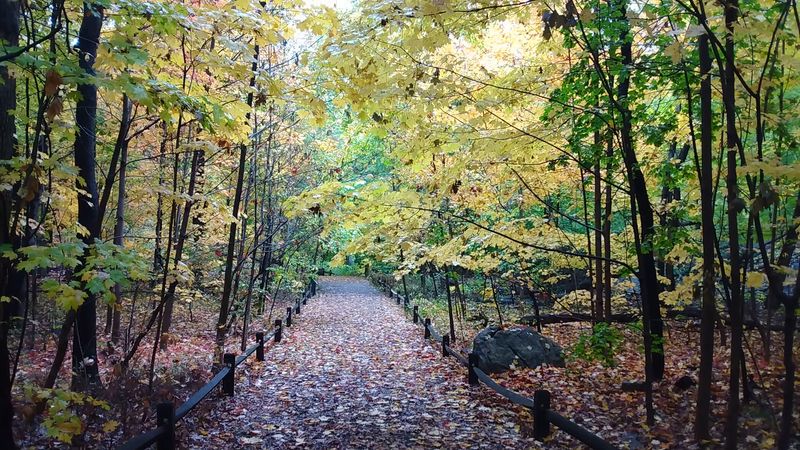
Returning visitors to the Thain Family Forest often say that the forest looks completely different depending on the season, and they are absolutely right.
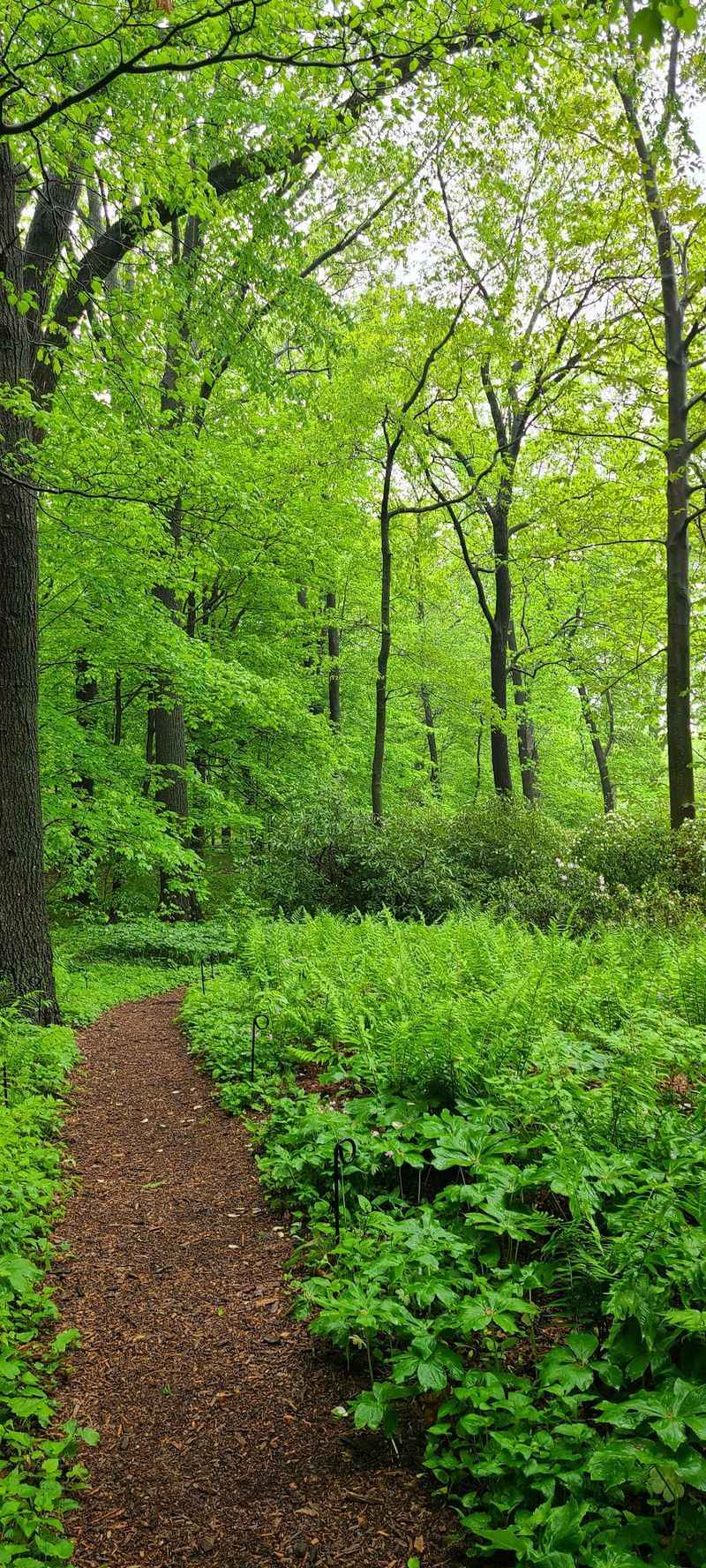
Spring brings an explosion of green as ferns unfurl and wildflowers push through the leaf litter.
Summer wraps the entire forest in dense, cool shade.
Autumn transforms the canopy into a patchwork of gold, orange, and deep red that rivals any dedicated fall foliage destination.
Winter, which many people overlook as a time to visit, offers its own distinct appeal.
Without leaves on the deciduous trees, the full scale of the forest’s structure becomes visible.
The massive trunks and branching architecture of centuries-old oaks stand out clearly against a pale sky, and the quiet of the forest deepens in a way that feels almost meditative.
Frost on mossy boulders and along the riverbanks adds a subtle, delicate beauty.
Photographers who visit multiple times throughout the year consistently find fresh material no matter how well they know the trails.
The changing light of different seasons transforms familiar spots into entirely new compositions.
Early morning visits in autumn, when mist sometimes lingers near the Bronx River, produce images that look almost dreamlike.
Planning your visit around a specific season is worthwhile, but honestly, no time of year is a bad time to visit the Thain Family Forest.
Each season reveals something that the others do not.
If you can only visit once, late spring and early autumn tend to offer the most visually dramatic experiences, but the forest’s ancient character shines through in every season without exception.
10. Planning Your Visit to Thain Family Forest
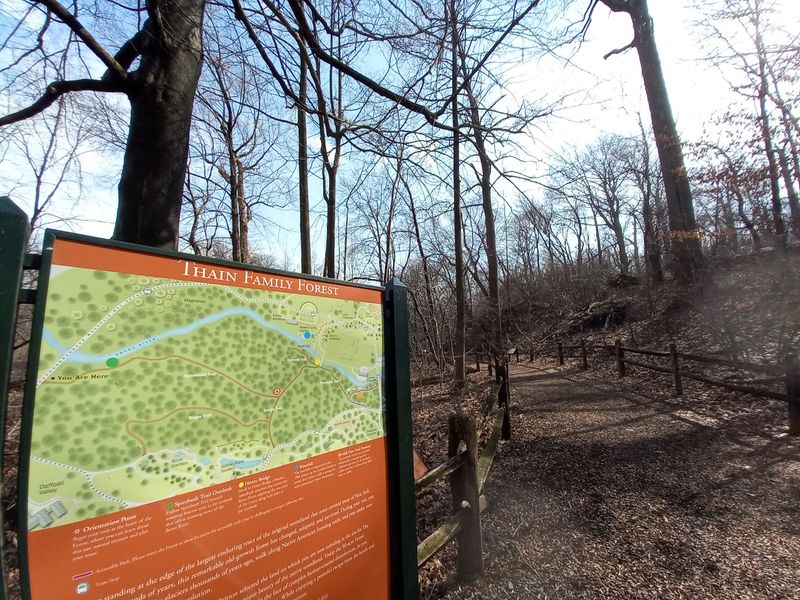
Getting the most out of a trip to the Thain Family Forest starts with a little planning.
The forest is located at Bronx Park Road, Bronx, NY 10458, within the grounds of the New York Botanical Garden.
It is open daily from 11 AM to 4 PM, so morning arrivals right at opening time tend to offer the quietest and most wildlife-rich experience before larger crowds arrive later in the afternoon.
Admission to the New York Botanical Garden is required for access, but New York City residents can enter free on Wednesdays.
Parking is available on-site for $20, which is easily offset by the Wednesday free admission benefit.
For the most current pricing and event information, you can visit the official website at nybg.org or call +1 718-817-8700 directly.
The garden’s staff are known for being friendly and helpful.
Wear comfortable walking shoes, since some trail sections involve uneven terrain and tree roots.
Bringing water, especially in summer, is strongly recommended.
Insect repellent can be useful during warmer months, though the forest is well-maintained and not overwhelmingly buggy.
A small pair of binoculars adds enormously to the birdwatching experience.
Budget at least two full hours for the Thain Family Forest alone, and more if you plan to explore other parts of the botanical garden afterward.
The rose garden, glasshouse, and other areas are all worth seeing.
With a 4.7-star rating from over 300 visitors, the Thain Family Forest is consistently recognized as one of the most rewarding natural experiences available anywhere in New York City.
Go see it for yourself.
Share this story