The first thing that gets you is the color. Not the trees, not the quiet hills around Hardwick, not even the little thrill of realizing you have found one of New Jersey’s best-kept outdoor secrets.
It is the water. White Lake has that rare, look-straight-through-it clarity that makes people stop mid-sentence near the shoreline and stare down like they have spotted something unbelievable.
On a calm day, the bottom does not disappear into murk the way it does at most lakes. It glows pale beneath the surface, with branches, stones, fish, and shadows showing through like someone forgot to tint the glass.
Tucked off Stillwater Road in Warren County, this spring-fed lake is not trying to be flashy. It is quiet, fragile, and carefully watched over by the people who know exactly what they have here.
That is part of what makes it so special.
The Hidden Warren County Lake That Looks Too Clear To Be Real
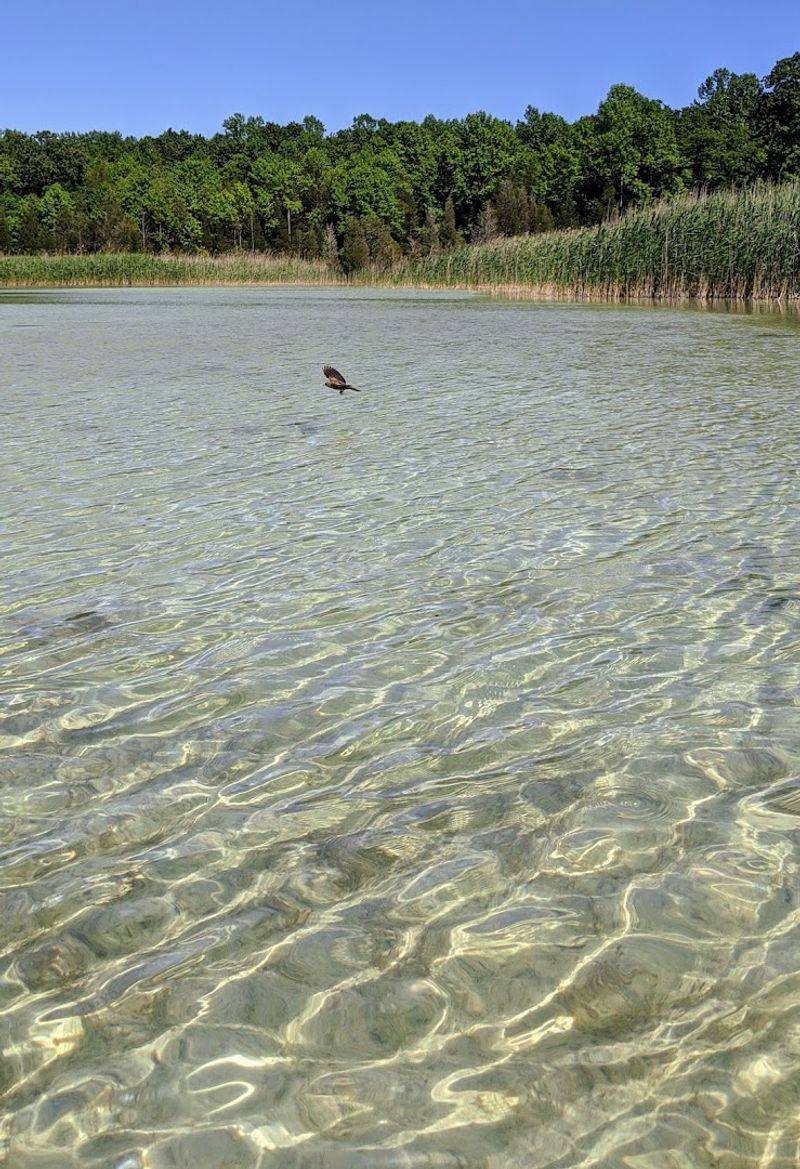
White Lake sits in Hardwick Township, the kind of Warren County place where the drive is part of the whole experience.
Coming from Route 80, you take Exit 12 for Hope and Blairstown, follow County Route 521 north, swing briefly onto Route 94, and then continue on Stillwater Road until the landscape starts feeling noticeably less hurried.
By the time you reach 97 Stillwater Road, you are not in strip-mall New Jersey anymore. You are in old stone farmhouse country, with wooded ridges, open fields, and the sort of backroad bends that make you lower the radio without really meaning to.
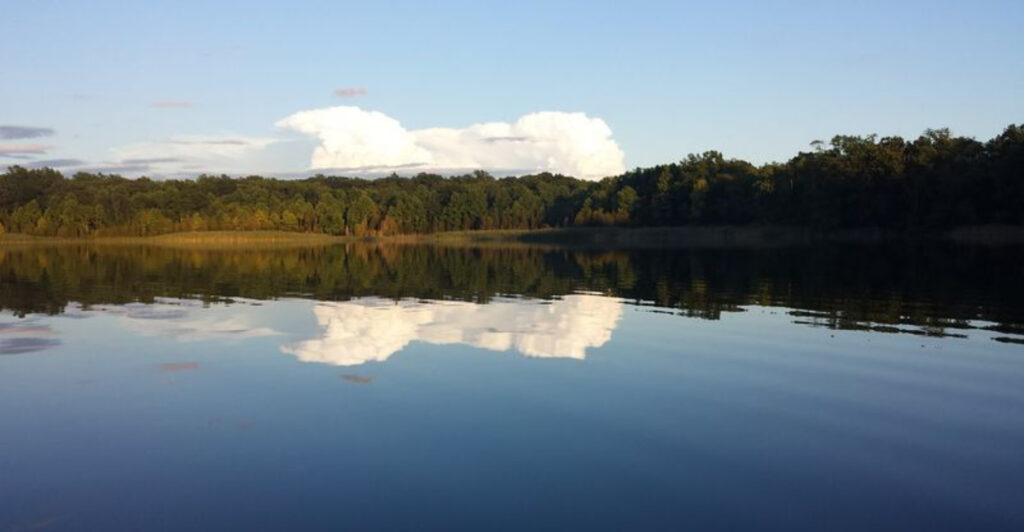
The lake itself is the standout feature of White Lake Natural Resource Area, and it is not huge in a Lake Hopatcong sort of way. It covers about 69 acres, which is large enough to paddle, fish, and wander around, but small enough that it still feels personal.
That is the charm. You do not arrive to boardwalk noise or beach-town chaos.
You arrive to a natural area where the water does most of the talking. There are marked trails, a launch area for small craft, places to look out across the lake, and enough space to make a slow afternoon feel completely justified.
Nearby Blairstown adds to the appeal, especially if you want coffee, sandwiches, or a little Main Street wandering before or after. But White Lake itself is not the kind of spot you squeeze between errands.
It rewards people who show up with a little patience. Stand by the edge long enough and you start noticing details: the pale bottom, the blue-green shine, the movement of fish, the way the shoreline plants seem to lean in close like they are guarding the whole place.
What Makes White Lake So Shockingly Transparent
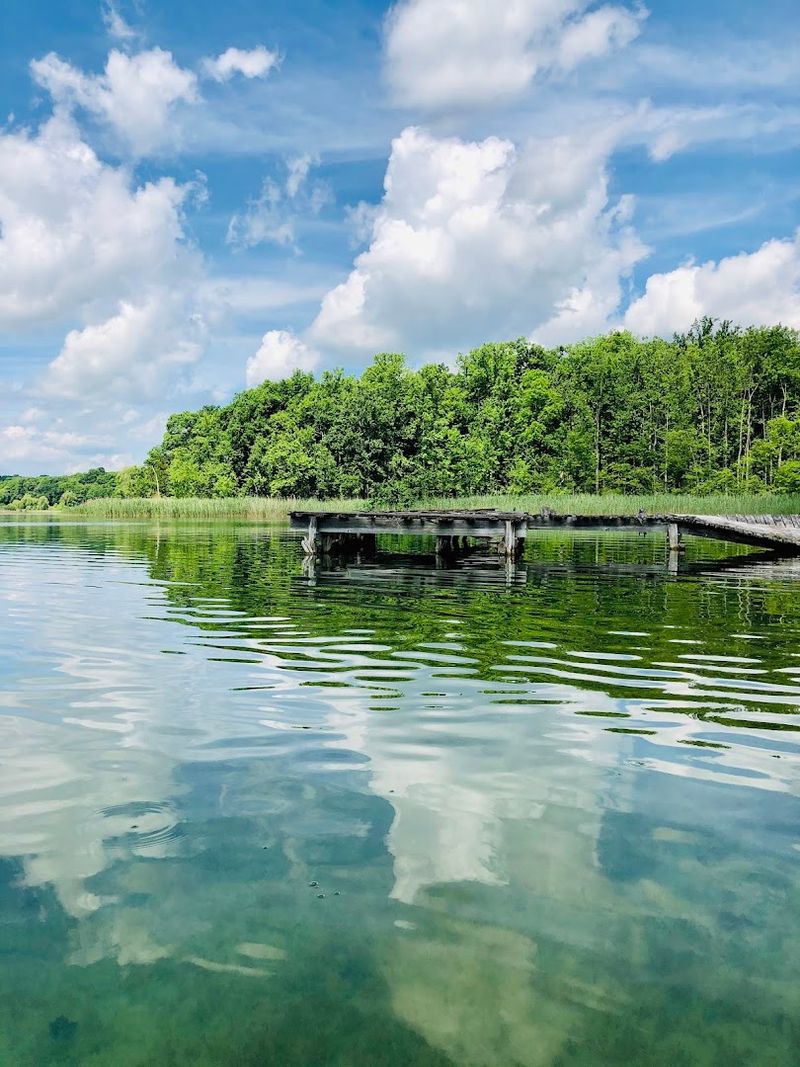
The short answer is that White Lake is spring-fed, but the better answer is that everything about this lake works together to keep it unusually clear. Springs bring in groundwater that is cooler and steadier than runoff pouring in after every storm.
That matters because runoff is often what clouds up lakes, carrying silt, lawn chemicals, road grit, and all the other junk that water picks up as it rushes across land. White Lake has a different feel.
It has the still, clean look of water that has not been roughed up by too much disturbance. Then there is the bottom, which is the real showoff.
Instead of a dark, mucky lakebed, White Lake has a chalky white marl bottom made from freshwater mollusk shells and clay. That pale floor reflects light upward, which gives the water its almost tropical glow on bright days.
No, it is not the Caribbean, and locals will absolutely side-eye anyone who says that too loudly. But when the sun is right and the surface is calm, the comparison is easy to understand.
The lake is also surrounded by a landscape that helps explain why it feels so different from more ordinary swimming holes. Around the water are meadows, limestone outcrops, sinkhole ponds, hemlock, hardwoods, and wetlands that all play a role in the larger system.
This is not just a pretty basin of water. It is part of a sensitive Ridge and Valley ecosystem, which is why the clarity is not some random party trick.
It is a sign that the place still has its natural balance. That balance is exactly what local stewards are trying to protect, because once a clear lake starts getting careless pressure around its edges, it usually does not stay clear for long.
The White Marl Bottom That Gives The Water Its Glow
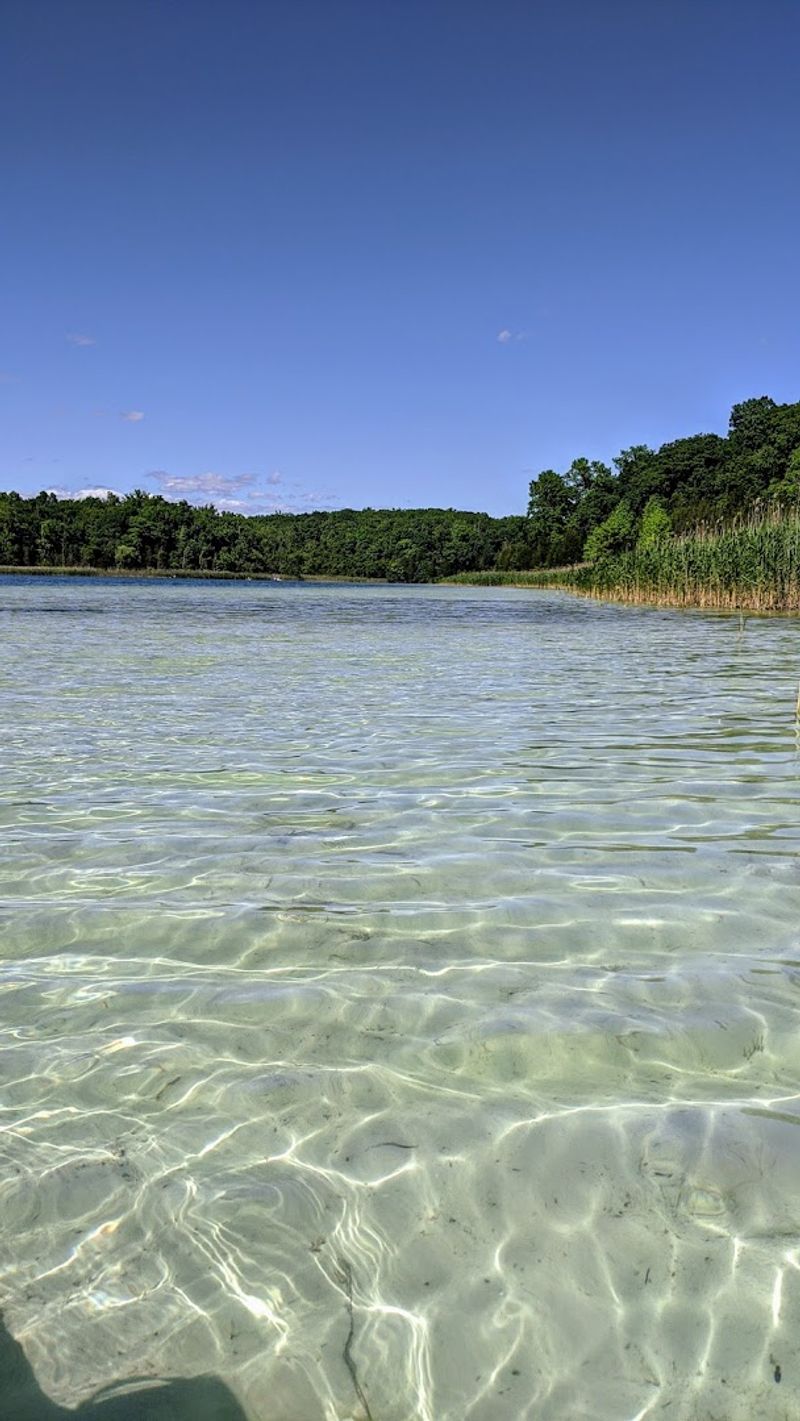
That pale bottom is not sand, even though your brain may want it to be. White Lake gets its name from the white marl beneath the water, a chalky material made up of clay and old freshwater shell deposits.
It is the reason the lake can look so bright from shore, almost as if someone lit it from underneath. In a typical New Jersey lake, the bottom often fades into brown, green, or black, especially near the edges.
At White Lake, the shallows can look milky-blue and glassy, with the bottom visible in a way that feels almost suspicious the first time you see it. The marl also connects the lake to a deeper local story.
This was not just pretty scenery to people in the 1800s. Marl had value because it contained lime and could be used as fertilizer, and White Lake’s deposits were once part of a working landscape.
The preserve still has historical remnants, including stone wall remains from an ice house and marl processing facility, plus a lime kiln tucked into the surrounding trail system. That is a very Warren County combination: gorgeous water, quiet woods, and then, surprise, a piece of industrial history slowly being swallowed by trees.
The nearby Vass Farmstead adds another layer. Its limestone farmhouse dates to 1812 and sits near White Lake, a reminder that this area has been farmed, worked, preserved, and reimagined over generations.
So when you are looking down into that clear water, you are not just seeing a cool lakebed. You are seeing the thing that gave the lake its name, shaped its history, and still gives it that almost unreal glow.
It is beautiful, yes, but it is also delicate. Marl bottoms are not props. They are part of the lake’s identity, and they need to stay exactly where they are.
Why Locals Are So Protective Of This Fragile Shoreline
People can get a little protective about White Lake, and honestly, they have a point. This is not the kind of place where “just one shortcut” through the shoreline grass or “just one rock” taken home as a souvenir feels harmless.
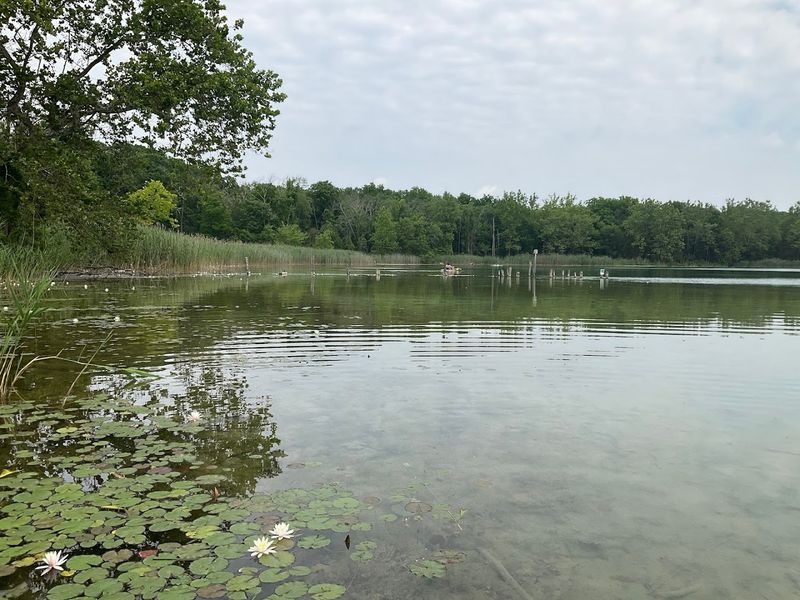
The natural area supports rare plant communities, sensitive shoreline habitats, and a mix of meadows, limestone features, woods, and wetlands that do not respond well to trampling. The Nature Conservancy has been involved in stewardship here, including work focused on rare shoreline fen communities and invasive species removal.
That tells you something important: the edges of the lake matter as much as the open water. Visitors tend to notice the clear view downward first, but the plants along the shore are doing quiet work.
They stabilize soil, filter water, shelter wildlife, and help keep the lake from becoming just another over-loved destination with muddy banks and cloudy shallows. Warren County’s Department of Land Preservation oversees the property, and the New Jersey Youth Corps has helped maintain the area, which fits the place well.
White Lake is public, but it is not unmanaged. It has trails, programs, volunteers, and rules because that is what keeps it from being loved to death.
Locals who fish here, paddle here, bird here, or walk the trails year after year understand the difference between access and abuse. They are not trying to keep people away.
They are trying to keep the lake recognizable. That is the unspoken agreement at White Lake: come enjoy it, but do not act like the place exists just for your afternoon.
The reward for that restraint is huge. You get a lake that still looks astonishingly clean, a shoreline that still feels alive, and a natural area that has not had its best qualities worn down by people who meant no harm but did not think much either.
The Best Ways To Experience White Lake Without Hurting It
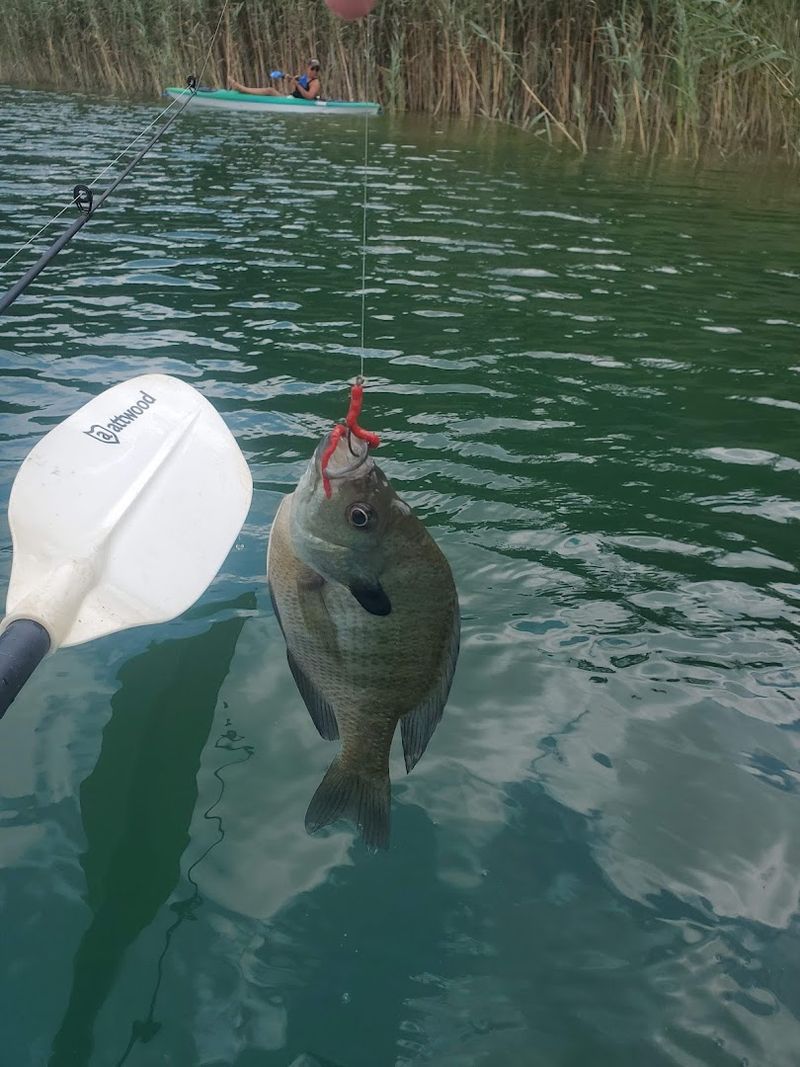
The smartest way to see White Lake is from a kayak or canoe, because the view from the water is ridiculous in the best way. You glide over the pale bottom, watch fish shift below you, and get close enough to appreciate the shoreline without stomping through it.
Warren County has offered free seasonal open kayaking at White Lake from May through September on Tuesday evenings from 4 to 7 p.m., with reservations required, and the program includes paddles and life vests. That is a very nice little perk, especially for anyone who does not own a boat or does not feel like strapping one to the roof.
Bring patience, though, because limited spots mean it is not a show-up-with-eight-cousins situation. Fishing is another classic White Lake activity.
The county materials mention brown trout, rainbow trout, bass, sunfish, and even landlocked salmon, which is a pretty fun sentence to say about a quiet lake in Hardwick. If staying on land is more your speed, the trail system gives you several ways to make a visit feel bigger than a quick look at the water.
The Blue Trail brings you toward lake views and connects with longer routes, while the Ridge and Valley Trail extends beyond the immediate county parkland. You can mix woods, meadow paths, overlooks, and historic remnants without turning the day into a punishing hike.
The trick is to resist the urge to freestyle your own route down to the water. The marked trails are there for a reason, especially near sensitive areas.
White Lake is best experienced slowly and lightly: paddle without scraping the bottom, fish without leaving line behind, walk without widening the trail, and pause long enough to notice the small stuff. That is where the place really gets good.
The Simple Rules That Help Keep This New Jersey Gem Pristine
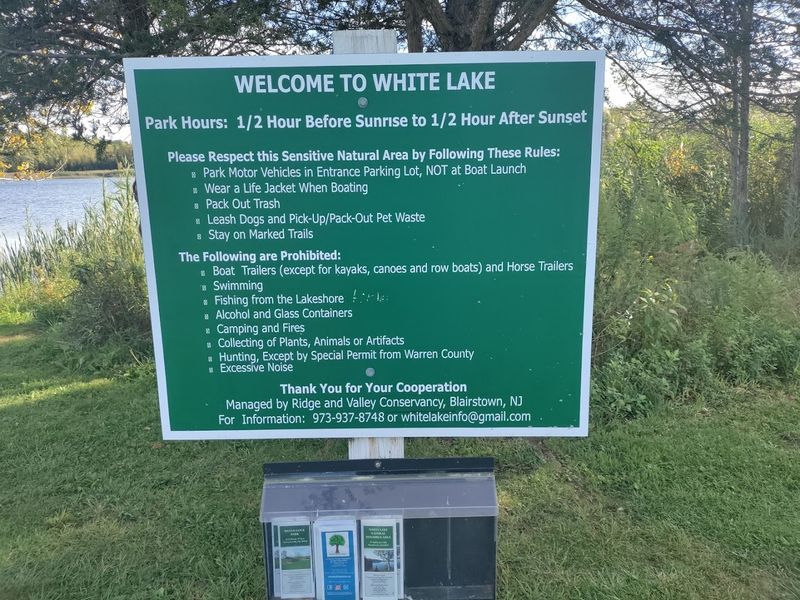
White Lake’s rules are not complicated, which is nice because nobody wants to read a legal brief before looking at a lake. Stay on marked trails.
Carry out your trash. Do not disturb sensitive habitats.
Do not remove plants, animals, wood, stone, or other natural materials. Motorized vehicles like ATVs are not allowed, and neither are alcoholic beverages.
Hunting is by permit only. Electric motors are permitted on the lake, but this is not a roaring-engine, wake-churning kind of water.
The whole place works better when visitors treat it like a natural resource instead of a playground with trees around it. That means keeping dogs under control where allowed, watching where you step near the shoreline, and remembering that the clearest water in the state can be changed by surprisingly small things.
A muddy shortcut, a trampled patch of plants, fishing line left in the weeds, a snack wrapper that blows toward the lake — none of it looks dramatic in the moment. Add enough of those moments together, though, and the place starts losing the very thing everyone came to see.
White Lake does not need visitors to be perfect. It just needs them to be awake.
Notice the posted signs. Use the actual access points.
Give wildlife room. Leave the white marl, stones, flowers, shells, and fallen wood alone, even if something would look great on a shelf at home.
The best souvenir from White Lake is the weird little memory of standing there, looking into water so clear it makes you blink twice. That memory only stays possible because enough people have decided the lake is worth more untouched.
Share this story