Retirement feels a little easier when everyday expenses leave more room in the monthly budget. Around Indiana, smaller communities can offer a combination of lower living costs, practical amenities, relaxed neighborhoods, and inexpensive ways to enjoy free time without the price tag of a larger city.
For retirees relying heavily on Social Security, those savings can make routine costs like housing, groceries, transportation, and dining out easier to manage. A slower pace does not have to mean sacrificing convenience, either. These 11 affordable Indiana towns show how choosing the right ZIP code can help a fixed income go noticeably further.
1. Peru
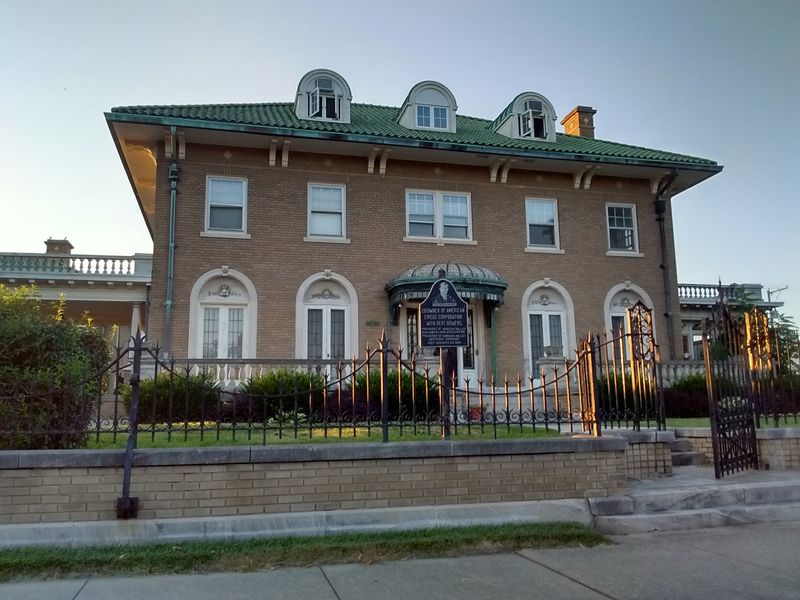
Plenty of retirees want a town that is easy on the wallet without making daily life complicated. Peru has that kind of appeal, with housing that is often more approachable than in bigger cities and a compact layout that can make errands less tiring. Shorter drives can also help trim gas spending over time, which matters on a fixed monthly check.
The town brings in extra interest with its circus roots, giving the place a bit more character than readers might expect from a smaller community.
Local history can turn an ordinary afternoon into a low-cost outing, especially for anyone who enjoys museums, festivals, or simply learning about where they live. That built-in personality helps keep free time full without leaning on expensive entertainment.
Nature also does some of the heavy lifting here. The Wabash River adds scenic views, and local parks offer easy places to walk, sit, or meet a friend for fresh air instead of spending money indoors. A regular walking routine in town can be both budget-friendly and good for overall health.
Another practical plus is Peru’s manageable size. Grocery runs, pharmacy stops, and basic appointments may feel less stressful when traffic stays lighter and parking is simpler. For retirees who no longer want the hassle of a larger metro area, that convenience can matter almost as much as the lower housing costs.
Anyone considering Peru should still compare neighborhoods, check distance to doctors, and visit at different times of day.
Even so, the combination of modest living costs, a small-town setup, and simple recreation makes Peru an appealing choice for stretching Social Security further while keeping everyday life comfortable and active.
2. Connersville
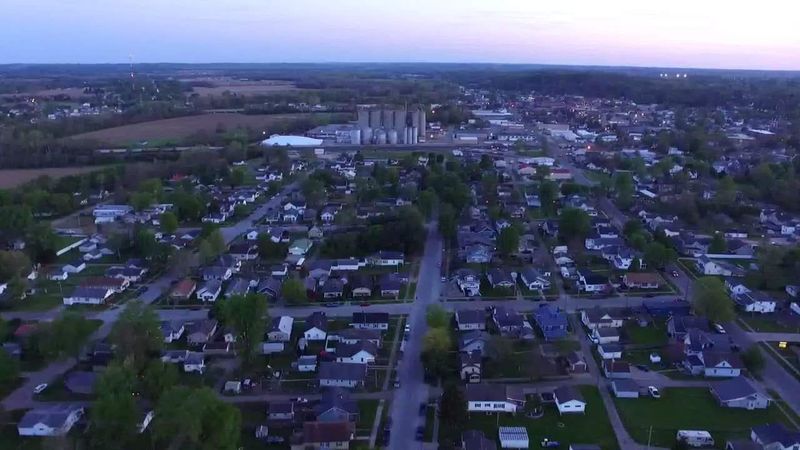
A slower pace can be a real gift in retirement, especially when it comes with lower housing costs. Connersville offers that balance, pairing relatively inexpensive living with a historic downtown that gives the town texture and usefulness at the same time. For retirees hoping to stretch Social Security, that mix can be a strong starting point.
Downtown matters more than many people first think. When local shops, services, and casual places to stop are gathered in one area, it becomes easier to get things done without turning every errand into a long trip. That convenience can save time, fuel, and wear on the car, which adds up over the course of a year.
Connersville also has a local attraction that breaks up the routine in an affordable way. The Whitewater Valley Railroad brings a fun historic angle to the area, and nearby outdoor spots offer simple ways to enjoy a day without planning a costly outing. A scenic drive, a walk, or a train-themed event can provide enough variety to keep retirement from feeling too repetitive.
The town’s size works in its favor for many older adults. Smaller communities often mean less traffic, easier parking, and a more relaxed feel when heading to appointments or meeting friends.
That does not erase the need to check healthcare access and shopping options, but it can make everyday life more manageable.
Connersville may appeal most to retirees who want affordability first, while still having a little history and recreation close to home.
Before making any move, it helps to compare housing choices, utility costs, and proximity to medical care. For many households, though, Connersville offers a practical eastern Indiana option where retirement dollars have a better chance to breathe.
3. Wabash
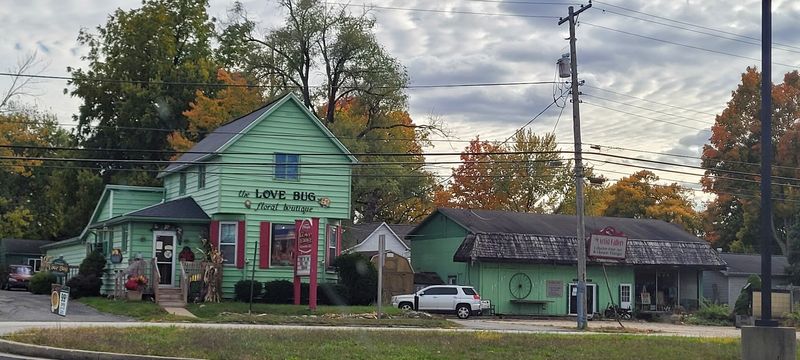
Not every affordable town is quiet in a sleepy way. Wabash stands out because it mixes small-town living with a downtown that has energy, history, and enough local activity to keep retirement interesting. For someone watching monthly expenses, that matters because entertainment close to home is often cheaper than driving to a larger city.
The historic center gives Wabash one of its biggest advantages. Local shops, restaurants, and cultural spots can turn a regular week into a fuller one without requiring a major budget. An afternoon walk downtown, a community event, or a local performance can offer a sense of routine and fun that does not depend on expensive travel.
Practical details help, too. Walking trails and public spaces support low-cost exercise, which is useful for retirees who want to stay active without paying for a fancy gym. Being able to build movement into daily life through simple walks or outdoor meetups can make healthy habits easier to keep.
Healthcare access is another reason Wabash earns attention. While every retiree should confirm which doctors, clinics, and specialists are nearby, having medical services in or around town can lower stress and reduce frequent long-distance trips. That can make a real difference when budgeting for transportation and planning regular care.
Wabash may suit retirees who want more to do than a very small town typically offers, but still prefer a manageable cost of living. It is smart to visit the downtown area, test the driving routes, and compare housing in several parts of town.
Even with that homework, Wabash has a strong case: affordable living, useful services, and enough local character to make everyday retirement life feel active rather than limited.
4. Huntington
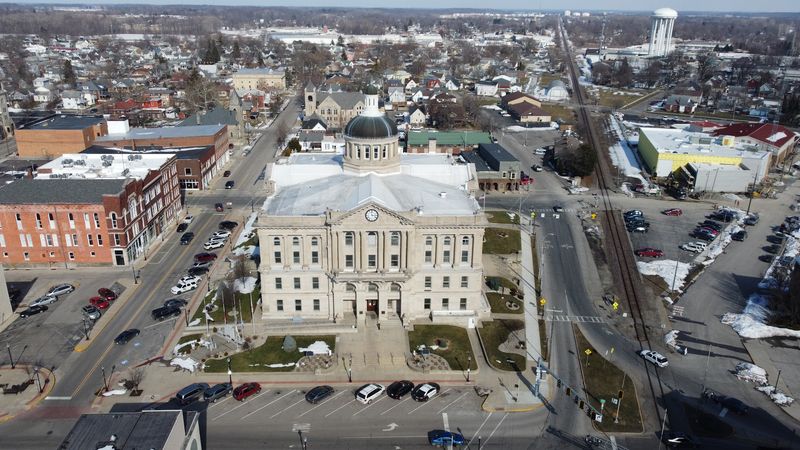
Some towns make retirement easier by covering the basics well. Huntington fits that idea with comparatively affordable Midwestern living, along with the kinds of services many retirees use often, such as shopping, healthcare, parks, and a downtown that remains practical instead of just decorative. That blend can help a fixed income go further without making life feel stripped down.
Daily convenience is one of Huntington’s strongest points. When groceries, pharmacies, and routine appointments are not far apart, budgeting becomes simpler and days feel less rushed.
A town does not need to be flashy to be helpful, and Huntington seems built more for steady living than for high-cost distractions.
Outdoor options also add value here. Trails and green spaces around town give residents easy ways to stay moving, meet neighbors, or spend time outside without paying much. For retirees who want low-cost habits that support health, having walkable recreation nearby can be more useful than occasional big attractions.
Then there are the easy day trips. Nearby reservoirs and natural areas offer a change of scenery when home starts to feel too familiar, and they can often be enjoyed for the cost of gas, snacks, and a little planning. That kind of simple getaway is often enough to keep a week interesting without pushing the budget too hard.
Huntington may be a smart match for retirees who want a stable town with a little breathing room in the monthly numbers. As always, it helps to compare housing choices, property upkeep, and access to preferred doctors before moving.
Still, for people looking at Indiana with affordability in mind, Huntington offers a useful combination of everyday convenience, outdoor space, and small-town comfort that supports a practical retirement lifestyle.
5. New Castle

Housing costs can shape nearly every part of retirement, so towns with lower home prices often jump to the top of the list. New Castle earns attention for exactly that reason. For retirees trying to make monthly checks cover more ground, lower housing expenses can leave room for groceries, medicine, utilities, and a little fun.
The town also offers more than just an affordable roof. Local shops and healthcare services help with day-to-day needs, which is a big deal for anyone who wants fewer long drives for routine errands. Being able to handle ordinary tasks close to home can save both money and energy.
There is also a nice mix of recreation nearby. Summit Lake State Park sits only a short drive away, giving residents an easy option for picnics, walks, birdwatching, or simply getting out of the house.
For retirees who enjoy quiet outdoor time, having a state park nearby can make leisure feel richer without pushing spending higher.
New Castle adds a little local flavor through the Indiana Basketball Hall of Fame. Even people who are not devoted sports fans may enjoy the sense of place that comes with a community tied to Indiana’s basketball story. Attractions like that can fill an afternoon in a way that feels interesting but still affordable.
Anyone considering New Castle should look closely at neighborhood condition, distance to medical care, and home maintenance needs, especially with older properties.
A lower purchase price does not always tell the whole financial story. Even so, New Castle remains appealing for retirees who want housing value first, plus useful amenities and a few enjoyable extras nearby. In a time when retirement budgets are under pressure, that combination can be hard to ignore.
6. Logansport
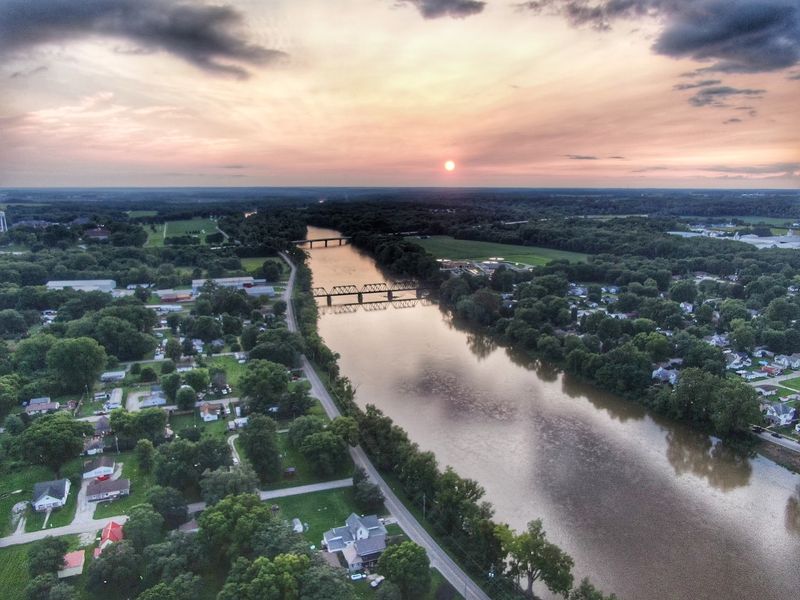
Waterfront scenery usually sounds expensive, but Logansport offers a more down-to-earth version of that idea. Set along the Wabash and Eel rivers, the town gives retirees access to pleasant views and outdoor recreation without the high price tag that often comes with better-known river communities. That alone makes it worth a closer look for budget-conscious households.
Affordable living is a major part of the draw. When housing and everyday costs stay more manageable, it becomes easier to handle fixed monthly income without cutting every small pleasure. In Logansport, local parks and riverfront areas can provide simple entertainment that does not ask much from the wallet.
The historic downtown adds another layer of usefulness. Routine shopping, casual dining, and everyday services matter more in retirement than flashy attractions, and having those basics nearby can make the town more practical than it first appears. That practical side often matters most after the moving boxes are unpacked.
Healthcare access also plays into the town’s appeal. Retirees should always double-check which providers, clinics, and specialist options are available, but having local medical care in the mix can reduce the stress of regular appointments. Less travel for basic care can mean lower fuel costs and a more comfortable routine.
Logansport may work especially well for retirees who enjoy a town with visible history, useful amenities, and easy ways to spend time outdoors. Before choosing it, smart shoppers should compare neighborhoods, ask about utilities, and think about long-term housing upkeep.
Still, the overall package is easy to understand: modest costs, riverside recreation, a working downtown, and enough local convenience to support daily life. For stretching Social Security in Indiana, Logansport makes a solid, sensible case.
7. Vincennes
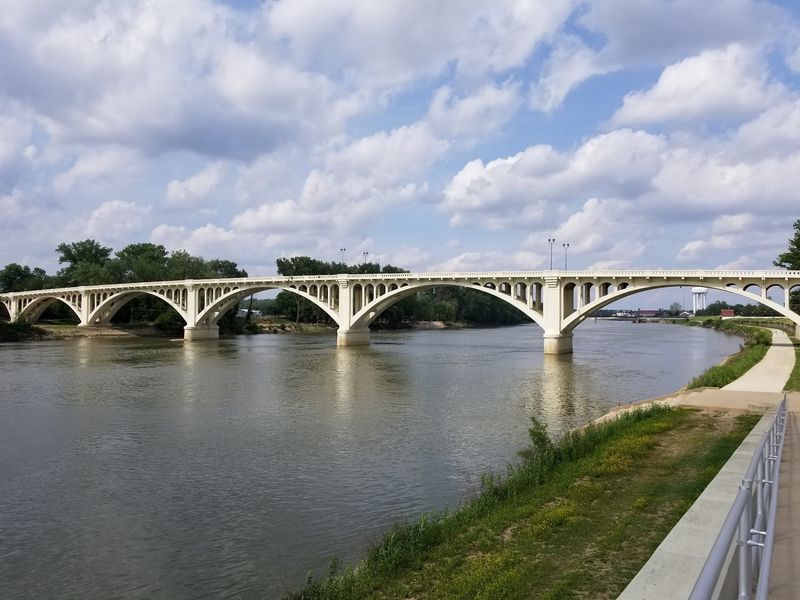
History buffs may do a double take at Vincennes. For a town of modest size, it offers a surprising amount of heritage, culture, and riverfront scenery, all while remaining relatively affordable compared with many larger places. That combination can make retirement more interesting without forcing a bigger entertainment budget.
Vincennes gives residents multiple ways to fill a day close to home. Historic sites, local shops, and community attractions can provide variety that many small towns simply do not have.
Being able to explore nearby landmarks or take a casual downtown stroll adds texture to ordinary weeks, which helps retirement feel fuller without being costly.
The riverfront contributes to that appeal in a quieter way. A scenic walk or a peaceful afternoon outside can be enough for people who want low-cost recreation with very little planning. Free or inexpensive habits often end up being the most useful in retirement because they can be repeated often.
One standout draw is George Rogers Clark National Historical Park. Even residents who visit only now and then may appreciate having a major historical attraction nearby, both for personal enjoyment and for hosting visiting family or friends. A town with local points of interest can make social life easier without needing a packed event calendar.
Vincennes may be a good fit for retirees who want affordability with more cultural depth than expected. It is still wise to compare housing choices, healthcare access, and distance to the stores used most often.
Yet the town’s overall appeal is clear: manageable costs, a strong sense of place, and enough local history and scenery to keep life engaging. For retirees who want Indiana affordability plus a little extra character, Vincennes deserves a serious look.
8. Elwood
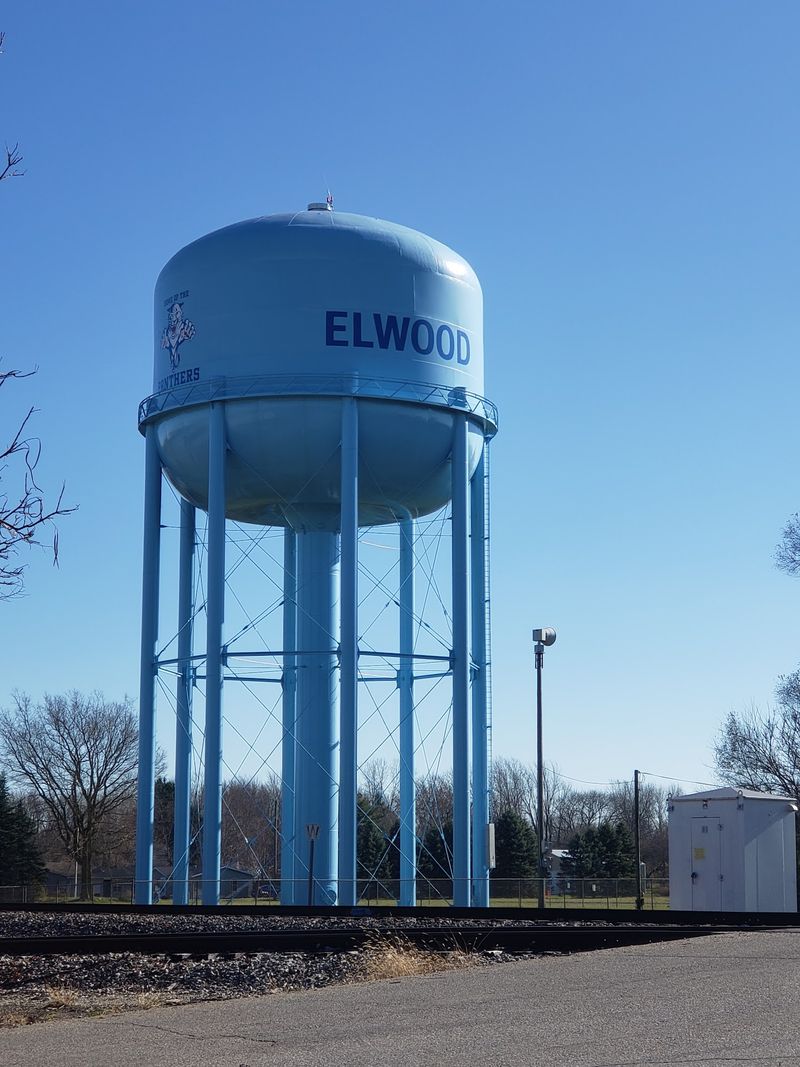
Quiet can be a strength when retirement priorities shift toward lower costs and simpler routines. Elwood offers that smaller-town setup, with housing that can be considerably more approachable than in larger metro areas and a pace that may suit people who are done with heavy traffic and constant noise. For many retirees, that is a practical kind of comfort.
Everyday necessities being available locally adds to the town’s appeal. A place does not need endless options to work well for retirement. It needs grocery access, basic services, pharmacies, and enough convenience that daily life does not become a string of long drives.
Elwood also benefits from nearby open spaces and the surrounding Madison County countryside. Parks and simple outdoor areas can support low-cost routines like morning walks, reading outside, or meeting a friend on a bench instead of at an expensive restaurant. Retirement recreation often works best when it is easy, nearby, and repeatable.
The town may especially appeal to people who want to downsize expectations in a smart way, not a limiting one. A quieter community can reduce spending temptations and help daily life settle into a more manageable rhythm. That can be valuable when the goal is making a fixed monthly income cover the essentials with less strain.
Of course, smaller towns ask for careful planning. Prospective residents should check how close preferred doctors, major shopping, and family connections would be before making a move.
Still, Elwood has a straightforward case to offer: approachable housing, basic local convenience, and a calm setting that supports simple retirement living.
For older adults who want to stretch Social Security without feeling pushed into a crowded or expensive area, Elwood brings the kind of plain usefulness that can be surprisingly appealing.
9. Hartford City
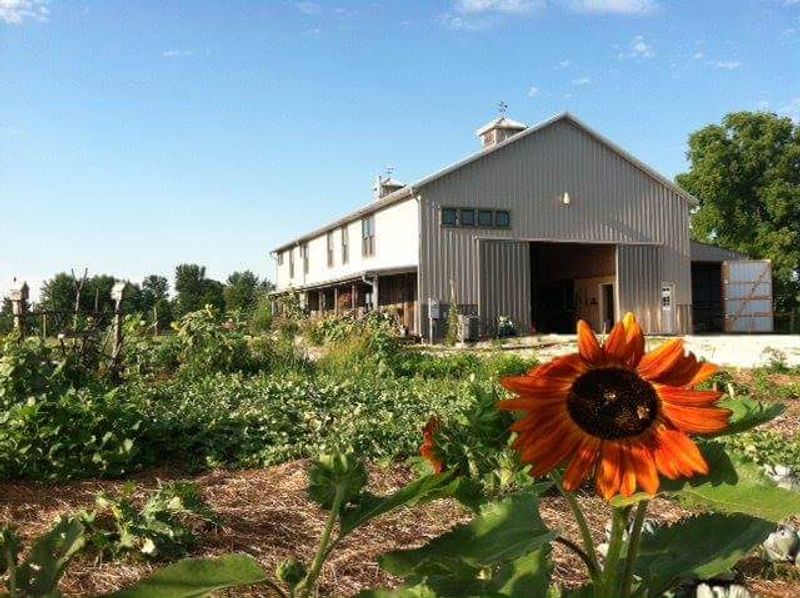
For retirees focused sharply on budget, Hartford City has an obvious advantage. Housing here is often especially inexpensive, which can open up room in the monthly budget for healthcare, groceries, transportation, and home upkeep. When Social Security is doing most of the work, lower housing costs can change the whole picture.
The town’s compact size also works in favor of daily convenience. A smaller community can make errands easier to manage, especially for people who prefer short drives and less crowded roads. That kind of simplicity may not sound exciting at first, but it can improve day-to-day life more than many larger amenities.
Hartford City’s historic downtown adds a little structure and character to the routine. Local services, older buildings, and a steady pace give the town a grounded feel that some retirees appreciate after years in busier places. Instead of paying for constant entertainment, residents may find value in ordinary comforts close to home.
There is also a financial benefit to living in a place without many big-city temptations. Fewer pricey distractions can make it easier to stick to a monthly plan and spend on priorities rather than impulse outings. For retirees trying to keep costs predictable, that can be a quiet advantage.
Hartford City is probably best for people who truly want a smaller-town lifestyle and are comfortable with a more limited set of local options. As with any retirement move, it is smart to study healthcare access, home condition, and distance to major shopping before deciding.
Even so, the core appeal is clear and strong: very affordable housing, local convenience, and an easygoing pace that can help retirement dollars last longer. For the right household, that formula may be exactly what makes the town attractive.
10. Marion

Marion offers a different kind of affordable retirement option. It combines low-cost housing with a broader set of services than many smaller Indiana towns, which can be useful for retirees who want convenience without stepping into a much more expensive city. That larger mix of amenities may help daily life run more smoothly.
Shopping, healthcare, and routine services are part of the appeal. Having more choices for groceries, pharmacies, and appointments can reduce the need for long drives to other towns.
For older adults keeping a careful eye on time and gas money, those nearby basics can make a noticeable difference month after month.
Then there is Matter Park, which gives Marion a strong low-cost recreation option. Parks are often underrated in retirement planning, yet they can support walking, fresh air, casual meetups, and regular habits that do not strain the budget. A well-used park can add more to daily quality of life than an occasional expensive outing.
Local cultural attractions round things out. Even modest museums, performances, and community events can help retirees stay engaged without spending heavily.
Marion’s slightly larger size means there may be more chances to find activities that fit different interests, whether someone enjoys quiet afternoons or a busier calendar.
Marion may suit retirees who want affordability but are not ready to give up the convenience that comes with a somewhat larger community. A smart move would still include checking neighborhood fit, noise levels, and access to preferred medical providers.
Even with those questions in mind, Marion stands out as a practical middle ground: lower housing costs, reliable services, and enough parks and local attractions to keep retirement active. For many people, that balance can make fixed-income living feel less restrictive and more workable.
11. Richmond

Richmond brings a little more range to the table than some other affordable Indiana towns. Housing can be inexpensive, but the bigger story is the town’s wider collection of amenities, including parks, trails, cultural attractions, healthcare, shopping, and senior recreation programs. For retirees who want options without a giant price jump, that is a compelling setup.
Staying active does not always require a country club membership or costly hobbies. Richmond’s parks and trails can support regular walks, easy exercise, and simple social time at very low cost. Those everyday routines matter because retirement works better when healthy habits are easy to keep.
The town also offers more ways to stay engaged. Cultural attractions can add variety to the week, while dedicated senior programs may make it easier to meet people and find structured activities.
A place that helps residents build routine and connection can be especially helpful after a major life transition like retirement.
Healthcare and shopping round out the practical side. Access to doctors, stores, and routine services is not glamorous, but it often decides whether a town feels convenient or frustrating after a few months. Richmond’s broader amenity base may reduce the need for frequent trips elsewhere, which can save both money and effort.
Retirees considering Richmond should still compare neighborhoods, traffic patterns, and housing upkeep, since a larger amenity mix can come with more variation from one area to another.
Even with that extra homework, Richmond stands out for offering affordability plus a fuller menu of daily-life supports. For people who want more than the bare basics while still stretching Social Security, it may hit a very useful sweet spot. In Indiana, that balance of cost, activity, and convenience is not easy to overlook.
Share this story