A familiar chain logo can be convenient, but Indiana’s local pizzerias give pizza lovers plenty of reasons to order closer to home. Around the state, neighborhood shops are building loyal followings with crisp crusts, bubbling cheese, generous toppings, and house specialties that bring something distinctive to the table.
Some stick with recipes customers have loved for years, while others put creative spins on familiar pies. What they share is the personality that mass-produced pizza can struggle to match. These 11 Indiana pizza spots show that the most memorable pie in town might come from a local oven rather than a national chain.
1. Futuro, Indianapolis
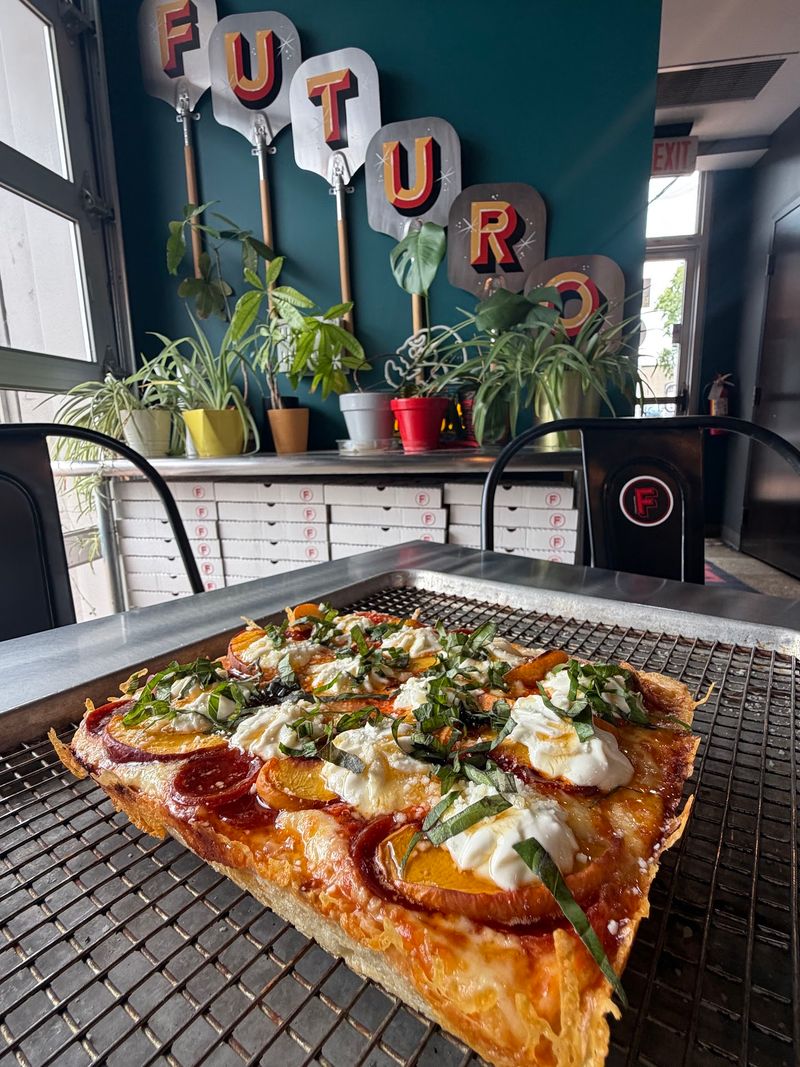
Few things grab pizza fans faster than a pan pie with dark, crispy cheese around the edges, and Futuro understands that appeal well. This Indianapolis spot stands out by leaning into Detroit-style pizza while also giving space to thin, crunchy Chicago tavern-style pies.
That two-track approach means dinner can go in very different directions without ever drifting into boring territory.
Handmade touches help set the tone here. The dough, sauces, sausage, and meatballs are described as house-made, which gives the menu a more hands-on personality than the standard chain setup of frozen crusts and predictable toppings.
Even before the first slice is gone, that crafted approach usually comes through in texture, balance, and the way each part of the pizza works together.
Detroit-style is a smart pick for anyone who wants a thicker slice with a crisp bottom and those signature caramelized edges. On the other hand, the tavern-style option fits nights when a group wants lighter, cracker-like slices that are easy to share.
Having both styles in one neighborhood pizzeria makes Futuro useful for mixed tastes, especially when one table cannot agree on a single pizza mood.
A practical move is to order one pie from each style for the full experience. That lets diners compare the airy, chewy square slices with the thinner, crunchier cuts and figure out which side of the menu fits them best.
It also turns a regular meal into a casual taste test without making the outing complicated. Big chains often win on familiarity, but Futuro answers with range and character.
Instead of offering one safe version of pizza, it gives Indianapolis diners a chance to explore two classic regional styles made with a handcrafted mindset. For anyone tired of the same boxed-up routine, that is serious competition right there.
2. Sam’s Square Pie, Indianapolis
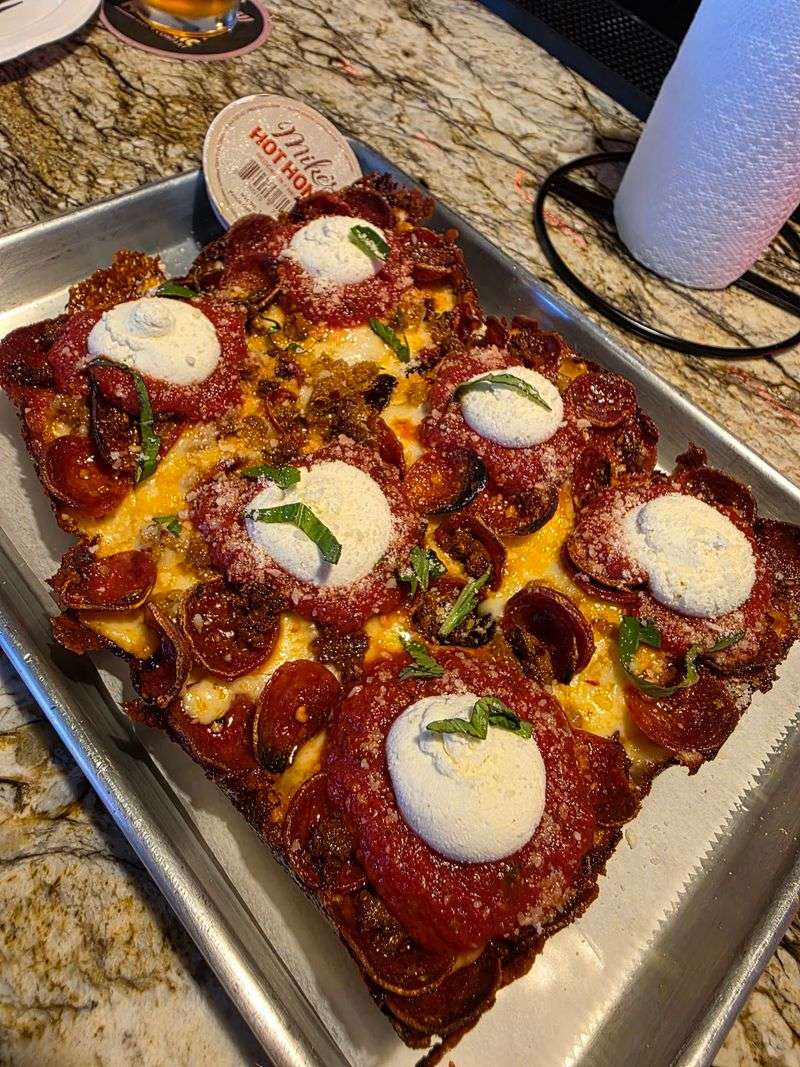
Some pizza places play it safe, then there is Sam’s Square Pie, where square slices come with plenty of personality. Operating out of an East 10th Street shop in Indianapolis, it offers thick Detroit-style pies along with thinner Grandma-style pizzas.
That combo gives customers two very different textures and a lot more excitement than the usual chain menu rotation.
The specialty pizzas are part of the fun here. A pie like the El Jefe stacks pepperoni and sausage with jalapeno-garlic ricotta, basil, pecorino, and hot honey, which is a lively mix of rich, spicy, creamy, and sweet.
That kind of flavor layering can make one slice more interesting than an entire large pizza from a place that relies on the same old topping list.
Detroit-style works well for diners who want a hearty bite and crisp edges, while Grandma-style offers a thinner square with a more relaxed, sliceable feel. Picking between them depends on the day, the group, and how hungry everyone is.
A smaller gathering might enjoy comparing both styles, especially since the contrast in crust alone makes the meal feel more memorable.
Ordering strategy matters at a place like this. Going with one familiar pie and one more adventurous option is a smart move for families or friends with mixed preferences.
That way, cautious eaters still get their comfort food, while more curious pizza fans can try toppings that push beyond the standard pepperoni-and-cheese routine. Sam’s Square Pie shows why local pizza shops can challenge the giants without copying them.
Speed and convenience are nice, but flavor ideas, crust variety, and a stronger sense of place can matter even more. In Indianapolis, this is the kind of stop that reminds people pizza night should never feel automatic.
3. Oley’s Pizza, Fort Wayne
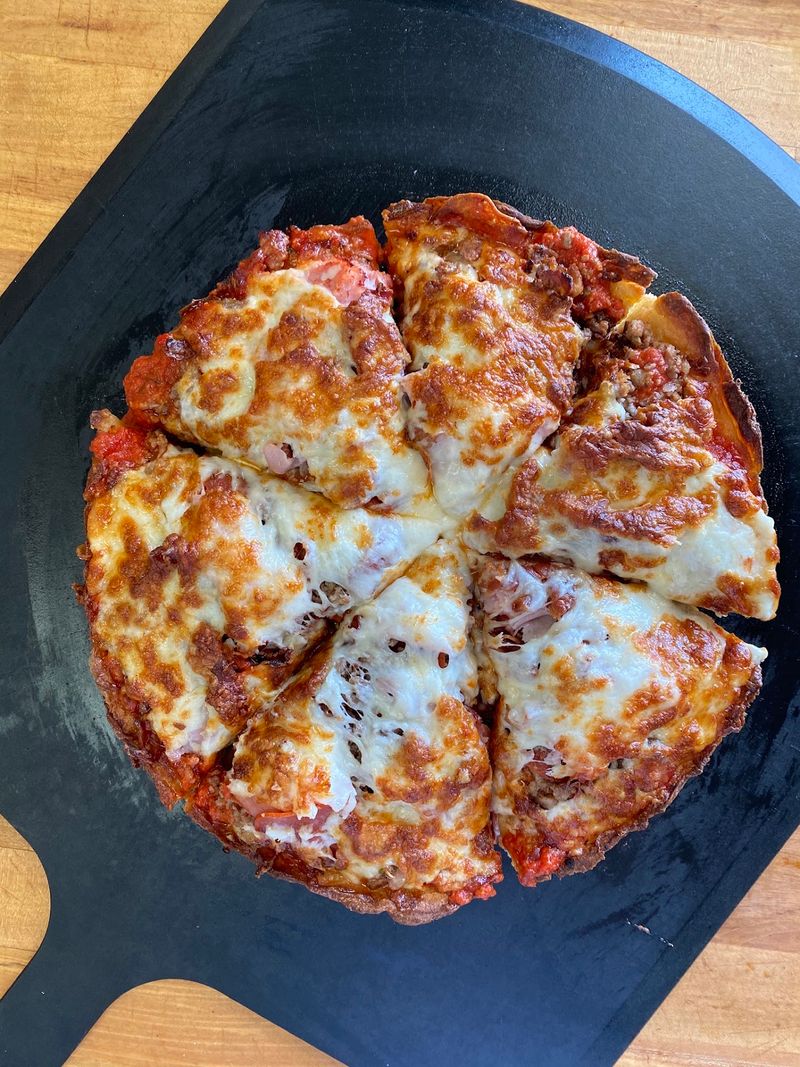
There are pizza nights when only a big, hefty slice will do, and Oley’s Pizza has built a reputation around that kind of craving. In Fort Wayne, it is especially known for double-crust pizza piled with cheese and toppings.
That style alone gives it a clear lane apart from chain restaurants that often aim for uniform, lighter pies. Double-crust pizza changes the whole eating experience. Each slice is more substantial, more filling, and better suited for people who want dinner to feel like an event instead of a quick errand.
The extra structure also supports generous toppings, so the pie can handle a loaded order without turning flimsy in the middle.
Old-school neighborhood energy adds another layer to Oley’s appeal. While chain pizza shops often blur together from one town to the next, a longtime local favorite tends to carry its own rhythm, regulars, and habits.
That difference may seem small on paper, but it can shape the whole mood of a meal, especially for families or groups meeting up after work, school, or a game.
A good plan here is to arrive hungry and think beyond individual slices. Hearty pizzas like these make sense for sharing, and they are especially helpful for larger groups that want value without sacrificing personality.
Ordering a classic combination can be a smart first step for newcomers, since it lets the crust and overall style do most of the talking.
Oley’s does not need flashy tricks to compete with the major brands. Its case rests on abundance, familiarity, and a pie style that stands out in a market full of thinner, more standardized options.
For Fort Wayne diners who want pizza with more weight and more neighborhood character, this local mainstay makes a strong argument with every loaded slice.
4. Johnny OX Pizzeria, Fort Wayne
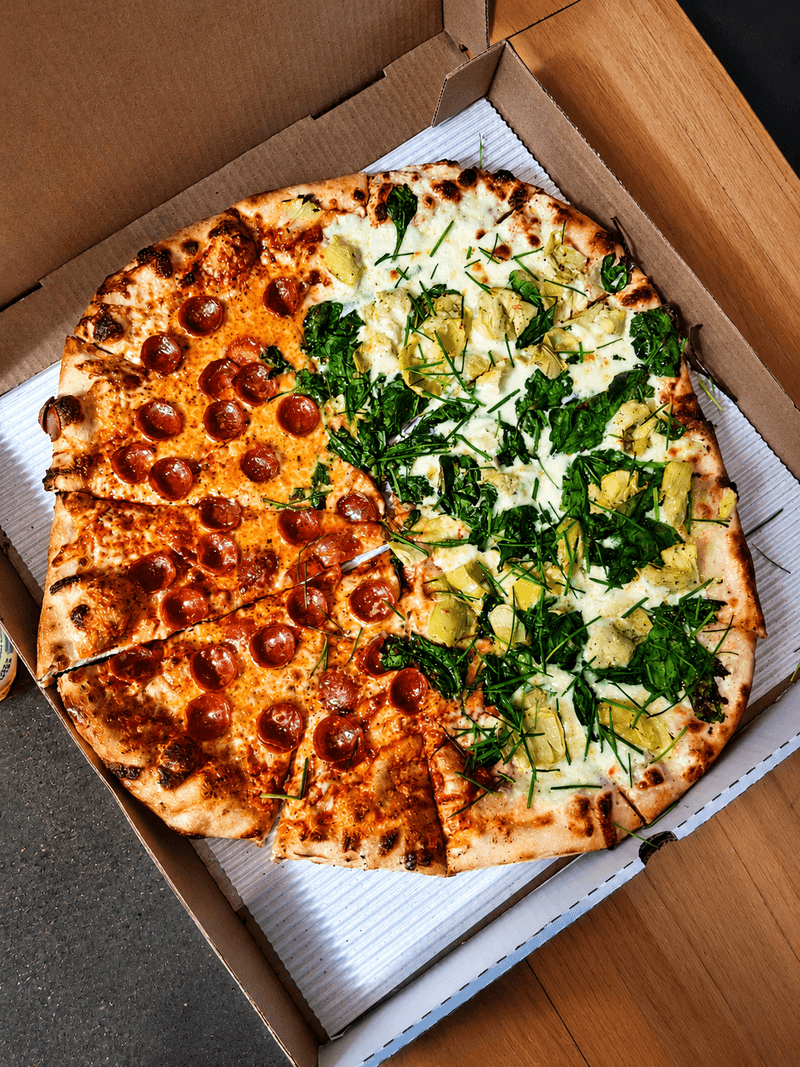
Not every standout pizza place needs a giant menu or a flashy dining room. Johnny OX Pizzeria in Fort Wayne makes its case through careful preparation, especially with slow-fermented dough and a focus on quality ingredients.
That quieter kind of confidence can be a big draw for diners who want pizza that tastes considered rather than rushed.
Slow fermentation matters because it can shape both flavor and texture. Dough developed over more time often brings a deeper, more rounded character than crust made as fast as possible, and it can also help create a better chew and structure.
For pizza lovers, that means the crust is not just a base holding toppings. It becomes one of the reasons to order the pie in the first place.
The compact Broadway location adds to the local appeal. Instead of the broad sameness that comes with mass-produced chain pizza, Johnny OX offers Fort Wayne customers a more rooted option, the kind of place that seems connected to its block and its regulars.
Smaller spaces can also sharpen a restaurant’s identity because every part of the experience has to count. First-time visitors might do well to pay attention to simpler combinations.
When dough and ingredients are a major part of the pitch, a less crowded topping lineup can make it easier to notice balance, texture, and the quality of the bake.
That does not mean skipping bold flavors forever. It just means learning the house style before piling on extras. Johnny OX Pizzeria gives chain competition in a very specific way. It is not trying to outdo them on sheer convenience or giant coupon deals.
Instead, it appeals to people who notice crust, care about ingredient quality, and want a pizza stop with a more distinct local identity. In Fort Wayne, that approach has its own strong kind of power.
5. Max’s Place, Bloomington
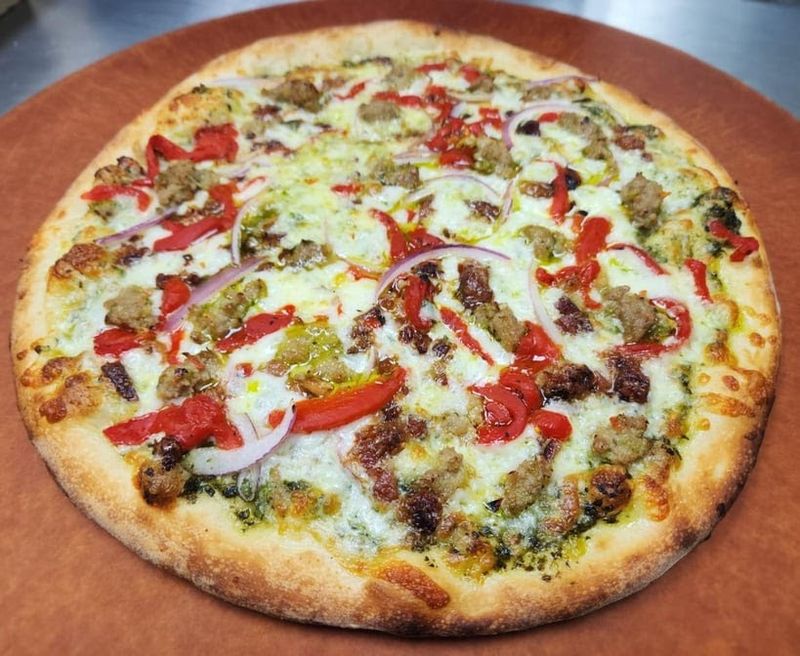
Pizza can anchor a night out, and Max’s Place in Bloomington leans into that idea with energy to spare. The restaurant serves New York-style pizzas baked in brick-lined deck ovens, with specialty pies that range from a loaded Max to a classic Margherita.
That mix gives customers both crowd-pleasing abundance and a simpler, more traditional lane. New York-style pizza brings its own appeal. Slices are usually built for folding, sharing, and eating without much fuss, which works especially well in a busy college-town setting.
A brick-lined deck oven also points toward a baking method that can help develop a nicely browned crust, giving diners more to notice than just whatever toppings land on top.
Then there is the extra activity around the food. Live music, open-mic nights, and sports broadcasts add a social side that can turn a pizza run into a longer hangout.
For groups trying to pick one place that satisfies different moods, that kind of built-in variety helps. One person gets pizza, another gets a lively room, and everyone has something to talk about between slices.
A smart order depends on the occasion. The loaded Max makes sense for bigger appetites or a table that wants plenty happening on each slice, while a Margherita can be a good choice when the goal is to keep things simple and let the crust, sauce, and cheese carry the meal. Either way, sharing works in this setting.
Max’s Place competes with chains by offering pizza as part of a fuller Bloomington experience. The food matters, of course, but so does the mix of oven-baked style, specialty options, and entertainment around the meal.
When pizza night also doubles as game night, music night, or a casual group meetup, chain uniformity starts looking a lot less exciting.
6. Azzip Pizza, Bloomington
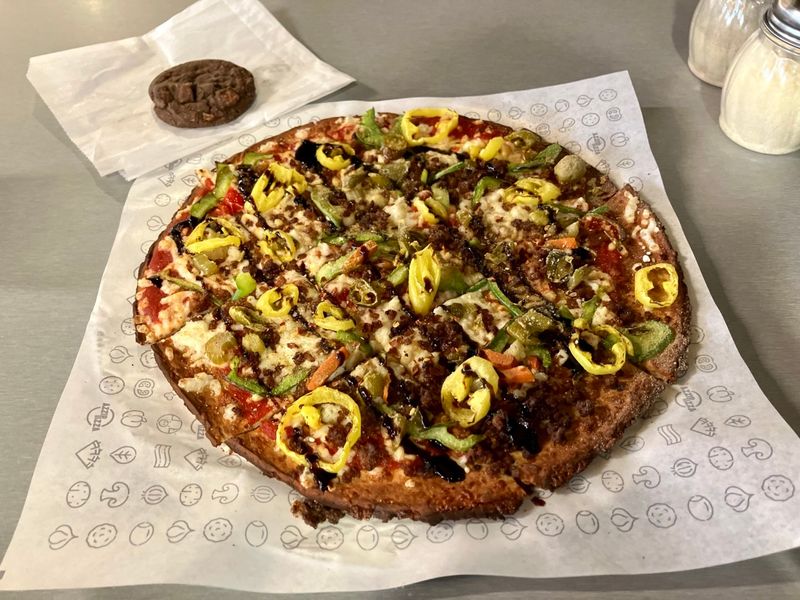
Customization changes the whole pizza conversation, and Azzip Pizza in Bloomington has built its concept around that idea. Diners can create personal pizzas by choosing their own sauces, cheeses, meats, and vegetables, making each order feel more personal than a standard preset chain pie.
That flexibility is especially helpful when one group includes picky eaters, adventurous topping fans, and everyone in between.
The speed factor is part of the appeal too. Azzip combines the convenience many people associate with chains and the personality of a neighborhood pizza stop, which is not always an easy balance to pull off.
For busy families, students between classes, or coworkers grabbing a quick meal, getting a made-for-you pizza without a long wait can be a real advantage.
Personal pizzas also solve a common dinner problem. Nobody has to argue over mushrooms, extra cheese, or whether pineapple belongs anywhere near the table.
Each person can build a version that fits their own appetite and taste, which makes the whole outing smoother. It is a practical choice for groups where compromise usually leads to one boring large pizza and at least two disappointed people.
First-timers may want to start with a simple framework instead of overloading every topping at once. Choosing one sauce, one or two proteins, and a few vegetables can create a better-balanced pizza and make it easier to notice which combinations really work.
Once the basics are clear, future visits can become more experimental and more fun. Azzip gives the big chains serious competition by understanding what modern pizza diners often want most: control, speed, and variety.
Rather than pushing one official version of the perfect pie, it hands that decision to the customer. In Bloomington, that kind of flexible local concept can feel smarter than ordering the same familiar combo from a national brand yet again.
7. Steve’s Una Pizza, Evansville
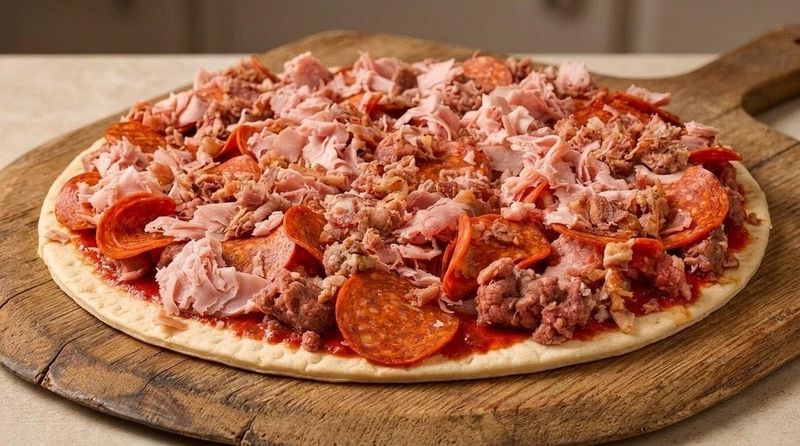
Plenty of pizza lovers are not looking for trends. They want a solid pie, generous toppings, and a place that seems tuned to regular weeknight cravings, and Steve’s Una Pizza in Evansville fits that picture well.
Its straightforward local style is part of the draw, offering an option that stands apart from the polished sameness of national delivery chains.
Generously topped pizzas can be satisfying in a very direct way. A fuller pie tends to work well for sharing, game nights, family dinners, or any evening when people want food that lands somewhere between comfort and crowd-pleaser.
It also gives the menu a practical edge. Diners know they are ordering something built to be filling, familiar, and easy to pass around the table.
There is value in an unfussy restaurant. When a place has a strong neighborhood following, it often suggests that locals trust it for repeat orders, simple meals, and dependable pizza nights.
That kind of loyalty says plenty without needing dramatic menu language or flashy gimmicks. Sometimes the strongest statement a pizza shop can make is serving the kind of pie people keep choosing in their own city.
For first visits, leaning into classic toppings is often a smart move. Since the appeal here centers on crowd-friendly pizzas and local comfort, ordering a combination that shows off the shop’s basic style can be more useful than chasing the busiest possible topping pile.
Once the house approach is clear, branching out gets easier. Steve’s Una Pizza competes with chains by doing the everyday pizza job well and keeping the experience local. That may not sound flashy, but it matters.
Many diners are not searching for novelty every time they order pizza. They just want a place with stronger community roots, fuller pies, and more personality than the same corporate box arriving at the door again.
8. Holy Smokes Pizza, South Bend
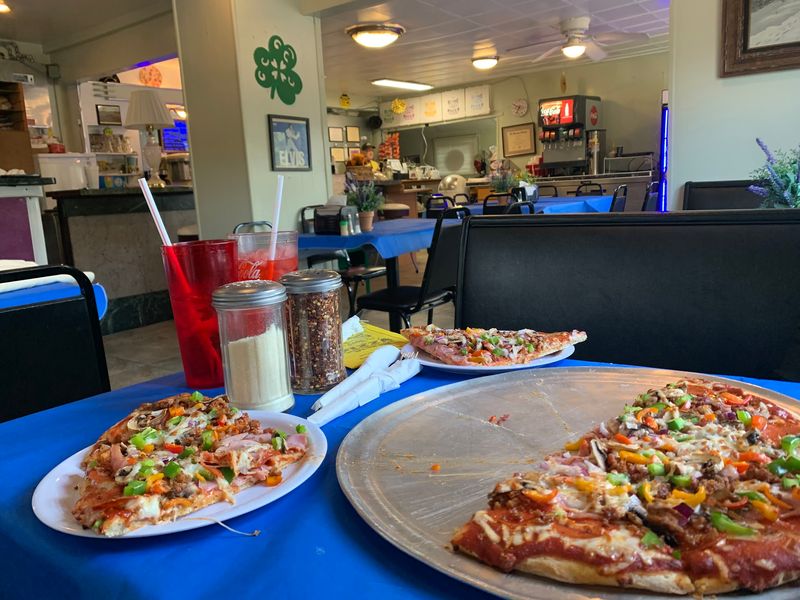
Big pizza energy shows up fast at Holy Smokes Pizza in South Bend. The shop is known for 16-inch pies topped edge to edge with mozzarella, generous toppings, and a signature sauce that balances sweet and savory notes.
For diners tired of skimpy slices and bare crust borders, that setup sounds like a direct answer to a common chain-pizza complaint.
The story behind the business adds extra local character. It grew from pizza-making in a church basement, then carried that old-school pie style into a larger public following.
Background details like that can make a place more memorable because the food seems connected to a real path, not a marketing plan built in a boardroom far away.
Edge-to-edge toppings change the rhythm of a slice. Every bite has more going on, which can be especially satisfying for people who dislike reaching the end of a piece and finding mostly plain crust.
Pair that with a sauce balancing sweet and savory flavors, and the pizza offers more contrast than the flat, one-note profile that sometimes shows up in mass-market pies.
A useful move for groups is to arrive ready to share. A 16-inch pizza with substantial coverage is built for passing around, comparing favorites, and feeding a table without much stress.
First-timers might keep at least one order fairly classic so the shop’s sauce and overall style stay front and center instead of getting buried under too many competing toppings.
Holy Smokes Pizza gives South Bend a local option that leans into abundance and tradition at the same time. Instead of trimming everything down for maximum consistency, it embraces the hefty, old-school pizza identity that helped build its following.
That makes it the sort of place chain competitors have trouble matching, no matter how many coupons they send out.
9. Rocco’s Restaurant, South Bend
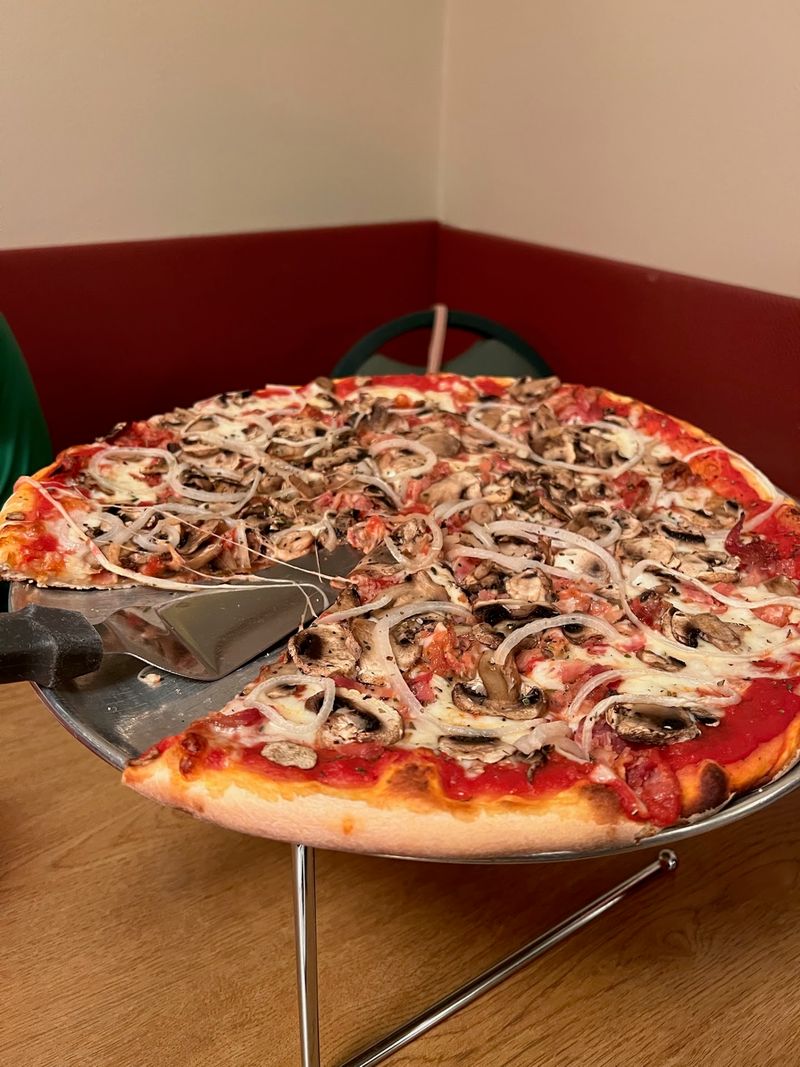
History can give a pizza place a different kind of weight, and Rocco’s Restaurant in South Bend has plenty of it. Part of the city’s Italian dining scene since 1951, the restaurant counts pizza among its signature items.
That long timeline immediately sets it apart from chain spots designed to look the same no matter which highway exit they happen to sit near.
A longstanding restaurant often offers more than a quick meal. Years of serving a community can shape how a menu develops, how regulars interact with the place, and how traditions settle into everyday dining.
Even without making grand claims, there is a clear contrast between a family-rooted restaurant history and the standardized scripts that guide many national brands.
Pizza in a classic neighborhood restaurant setting can change expectations in a good way. The experience may feel slower, more sit-down oriented, and more connected to the broader menu culture around it.
For diners used to pizza as pure takeout, that shift can make the meal seem fuller and more intentional. Sometimes the biggest upgrade is not a wild topping. It is context.
For newcomers, pizza is an easy place to start because it links directly to one of the restaurant’s noted strengths. Keeping the order simple can help highlight the house style, especially when visiting with people who want a meal that feels familiar but not generic.
It also leaves room to appreciate the restaurant side of the experience instead of treating the visit like a rushed pickup stop.
Rocco’s competes with big chains by offering continuity, family tradition, and a neighborhood restaurant identity that cannot be mass-produced. Pizza here is part of a larger South Bend story, which gives each meal more local character from the start.
When diners want something more grounded than a corporate default, that kind of long-running presence can be a major advantage.
10. Pizza Twist, West Lafayette
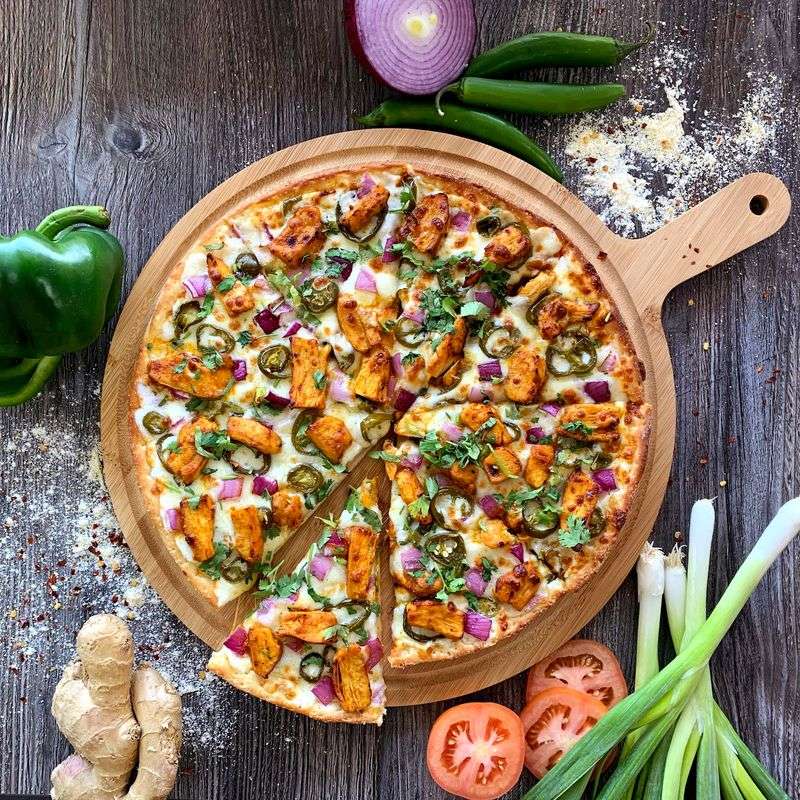
One sure way to challenge chain pizza is to serve flavors the chains rarely even attempt, and Pizza Twist in West Lafayette does exactly that. Its menu stands apart with Indian-inspired pizzas featuring combinations such as butter chicken, tikka masala, and paneer.
That fusion approach gives local diners a pizza experience built more around curiosity and bold flavor than routine ordering habits.
Using familiar pizza as a base for Indian-inspired toppings works because it gives people a recognizable format with a different flavor direction.
The crust, cheese, and sliced presentation stay approachable, while the seasonings and topping combinations open the door to something far outside the standard pepperoni-sausage zone. It is a smart way to make experimentation feel less intimidating.
This kind of menu can be especially appealing in a college-area community like West Lafayette, where diners often want variety and are usually more open to trying crossover dishes.
A fusion pizza stop also works well for groups because one person can order a more adventurous pie while another sticks closer to familiar ground. That balance helps the restaurant welcome both curious newcomers and cautious eaters.
For a first visit, choosing one Indian-inspired pizza and one more traditional option can be a practical strategy. That side-by-side comparison lets diners understand how the shop handles both comfort and innovation.
It also keeps the meal accessible for mixed groups, especially when not everyone at the table knows exactly how those flavors will translate onto a pizza.
Pizza Twist gives major chains serious competition by refusing to stay inside the usual topping playbook. Instead of repeating the same limited formula, it uses pizza as a canvas for a wider range of tastes.
In West Lafayette, that means dinner can be familiar enough to share easily but different enough to stay in people’s minds long after the last slice disappears.
11. Bazbeaux, Indianapolis
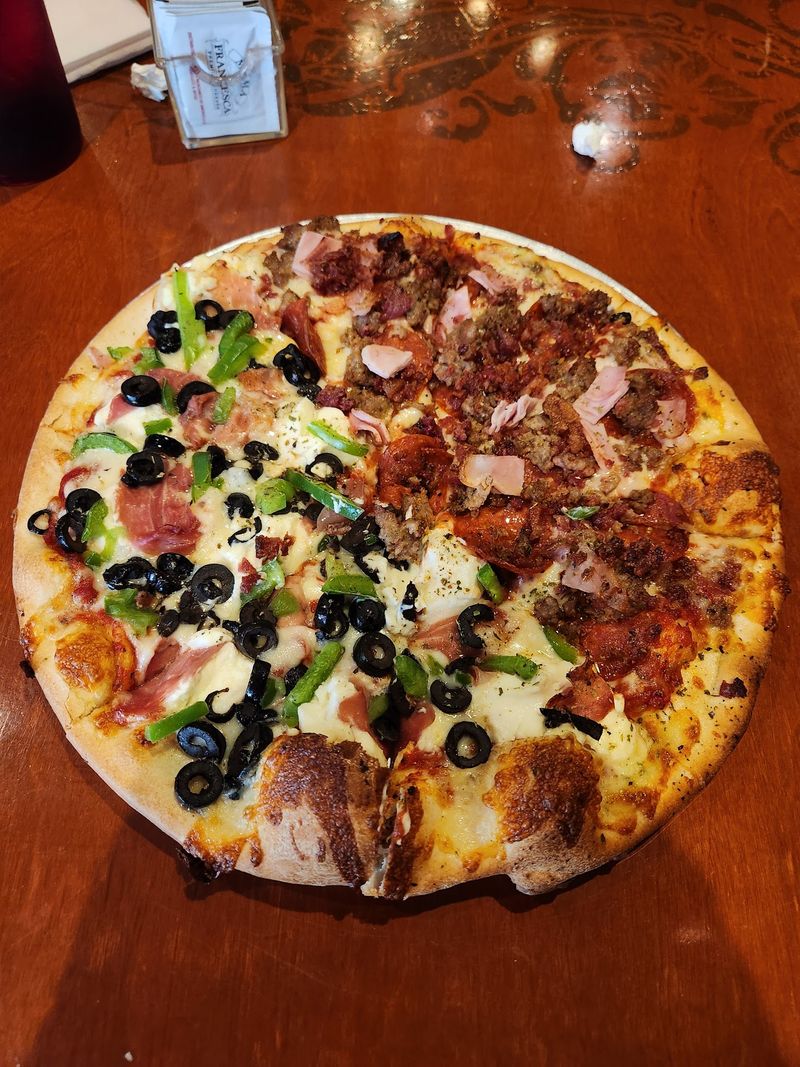
Some local pizza names become part of a city’s regular food conversation, and Bazbeaux has reached that level in Indianapolis. With a substantial following and a broad range of specialty pizzas and topping combinations, it offers plenty of ways to go beyond the usual chain order.
Its Massachusetts Avenue location is an especially strong fit for a roundup celebrating hometown pizza competition.
Variety matters here. A menu with specialty pies and lots of topping combinations can serve families, date nights, friend groups, and picky eaters without making the meal feel watered down.
That is one area where good local restaurants can beat chains at their own game. They offer choice, but the choices tend to have more personality and a clearer sense of the restaurant behind them.
Being on Massachusetts Avenue also adds context. A pizza stop in a lively city district can become part of a bigger outing instead of a simple food pickup.
That shift changes the role of the restaurant. It becomes a place to sit down, split a pie, and take part in the neighborhood around it, which is a different kind of draw than the fast, generic convenience many chains rely on.
For first-time visitors, specialty pies are a smart place to begin because they show how the restaurant combines toppings with intention. At the same time, building a custom pizza can work well for diners who already know exactly what they want.
Either route allows for more creativity than the narrow preset lists common at national brands. Bazbeaux competes seriously because it gives Indianapolis diners both range and local identity. It can handle classic pizza cravings, but it also offers enough combinations to keep repeat visits interesting.
When a restaurant becomes woven into a neighborhood and still manages to serve pizzas people actively talk about, the giant chains stop looking like the obvious choice.
Share this story