A quiet street can tell a big story: fewer children waiting for the school bus, familiar neighbors growing older, and houses that no longer hold large families. Across Pennsylvania, some communities have fewer residents than they did decades ago, while older adults remain an important part of local life, keeping traditions alive and supporting businesses, churches, libraries, and neighborhood groups. The reasons reach beyond age alone, because factory closings, changing job markets, smaller households, and young adults moving away can all affect population, and a town can lose residents over a long period even if it gains a few during a more recent census count.
From former steel centers to railroad cities and oil country communities, the places below show different sides of that change, along with useful things to consider if you plan to visit, move, help an older relative, or better understand your own Pennsylvania neighborhood, including access to doctors, safe sidewalks, reliable transportation, affordable homes, nearby grocery stores, and opportunities for people of different ages to connect, while remembering that population loss does not erase local pride or mean every street is struggling, that older residents are neighbors with skills and stories rather than a problem to solve, and that these communities are mostly cities despite the everyday use of the word towns in the title, with long term population patterns offering a more careful picture than a claim that all eleven are shrinking at the same speed or losing residents in every single year of the current decade.
1. New Castle, Pennsylvania: Familiar Streets, Smaller Households
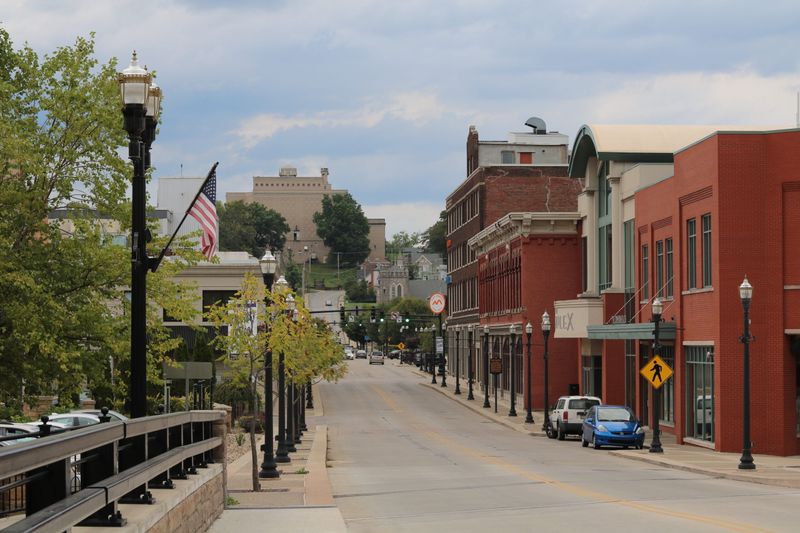
Porches and old brick storefronts hold memories of a much busier industrial city.
New Castle, the seat of Lawrence County, grew with manufacturing and transportation, then lost residents as those industries changed and families found opportunities elsewhere.
The city counted 23,273 residents in 2010 and 22,978 in 2020, according to the census.
That recent drop was modest compared with its much larger decline from the middle of the twentieth century, when its population exceeded 40,000.
Aging adds another layer to that story, but it should not be treated as the only cause.
When adult children leave and parents stay, households often become smaller, even when the same homes remain occupied and the neighborhood still feels familiar.
For an older resident, the daily details matter more than a population chart.
A manageable house, a nearby pharmacy, and someone who can help after a winter storm may make staying possible.
Families should check actual transportation options rather than assume every medical appointment is reachable without a car.
Visitors can appreciate the downtown buildings and explore nearby parks without turning the community into a symbol of decline.
Ask local shop owners what has changed and what still brings people together.
Their answers may reveal active groups, family businesses, and traditions that broad population totals cannot show.
Anyone considering a move should look beyond an attractive asking price.
Older homes can need roof repairs, updated wiring, or better insulation, and property taxes and utility costs deserve attention.
New Castle offers a useful lesson for Pennsylvania: keeping longtime residents comfortable and attracting younger households are connected goals, not competing ones.
Accessible housing, dependable services, and places where neighbors meet can help both groups build a stronger future.
Supporting local businesses also keeps everyday errands closer to home, which matters especially when driving becomes difficult or expensive for residents.
2. Altoona, Pennsylvania: A Railroad City at a New Pace
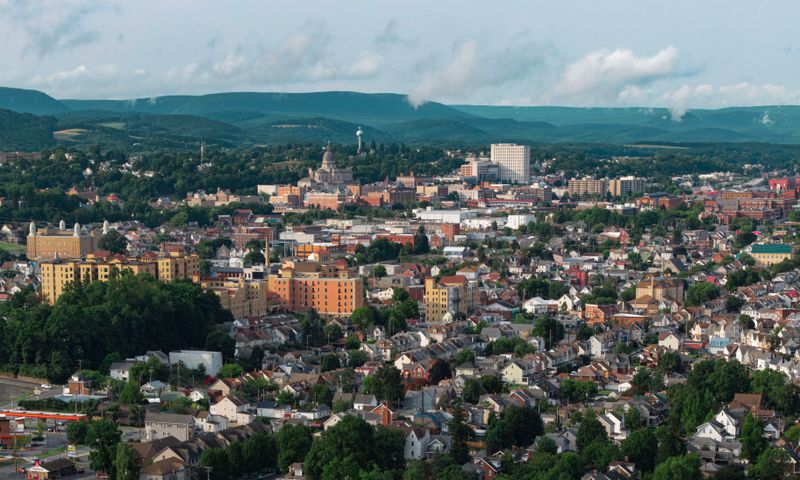
The sound of a passing train still belongs to everyday life here.
Altoona developed around the Pennsylvania Railroad, and its tracks, workshops, and hillside neighborhoods helped shape a city whose identity remains closely tied to rail history.
Population change has been substantial over the long run.
The city had 46,320 residents in 2010 and 43,364 in 2020, well below its midcentury size.
Changes in railroad employment and the wider economy help explain that history, alongside household changes and people moving away.
For longtime residents, steep streets can become more challenging than the distance on a map suggests.
A short trip may include hills, steps, or icy pavement.
Before choosing a home for retirement, walk the route to essential services and consider how it would feel with limited mobility.
Railroad landmarks give visitors an easy starting point for understanding the area.
The Railroaders Memorial Museum explores the workers behind the industry, while Horseshoe Curve lies outside the city nearby.
Pairing those attractions with a downtown meal supports businesses rather than treating Altoona as only a stop for photographs.
Older households may need less space, but finding the right smaller home is not always simple.
A house with the bedroom upstairs or laundry in the basement can be inconvenient despite an affordable price.
Ask about entrances, bathroom access, heating costs, and maintenance before making a decision.
The city also has younger residents, students, health care workers, and families building their lives.
An aging population does not mean the community has stopped moving.
The practical challenge is matching homes, jobs, and services to a different mix of people, while preserving the connections that make neighbors want to stay.
Reliable transportation and welcoming public spaces can support independence without asking every resident to own a car or manage difficult stairs each day as they grow older.
3. Meadville, Pennsylvania: College Energy Meets Longtime Roots
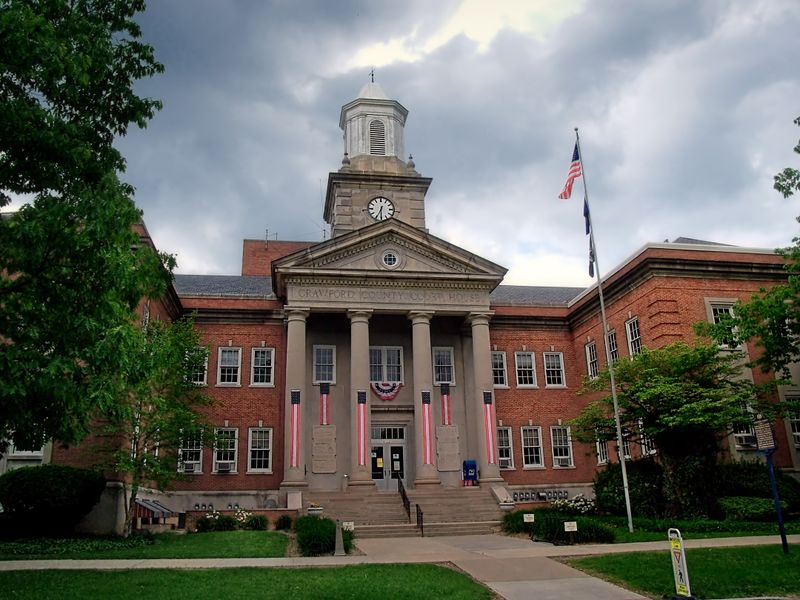
A college town can have young faces on the sidewalk and still face a shrinking population.
Meadville shows why those two facts can exist together, with Allegheny College adding energy while the wider community deals with changes in employment and household size.
The Crawford County seat recorded 13,388 residents in 2010 and 13,050 in 2020.
Those figures describe people living within city boundaries, not everyone in surrounding townships.
Keeping that distinction clear helps readers avoid confusing city trends with the experience of the entire local area.
Manufacturing has long mattered here, including the region’s toolmaking businesses.
When younger adults seek work elsewhere, older relatives may remain close to familiar homes, friends, and routines.
The result can be an older community even when students arrive each fall and downtown events draw lively crowds.
For families helping a parent stay independent, start with a weekly routine rather than a general checklist.
Where are groceries purchased, how are prescriptions collected, and who provides a ride when needed?
Answers to those ordinary questions can reveal gaps before a small inconvenience becomes a larger problem.
Visitors will find more than a demographic story in Meadville.
Explore the downtown, look for public events, and leave time for local shops instead of rushing straight through.
College programs may offer another way to connect with the community, although access and schedules should be checked before planning a visit.
Housing choices deserve careful attention, especially in older neighborhoods with steps and aging buildings.
Compare upkeep costs with the convenience of living near services.
Meadville’s future depends partly on whether students, workers, retirees, and families can all picture a life here, with practical support for each stage rather than a single solution for everyone.
Shared activities can also build friendships across generations, helping newcomers and longtime residents feel connected to the same place.
4. McKeesport, Pennsylvania: Steel History and Daily Resilience
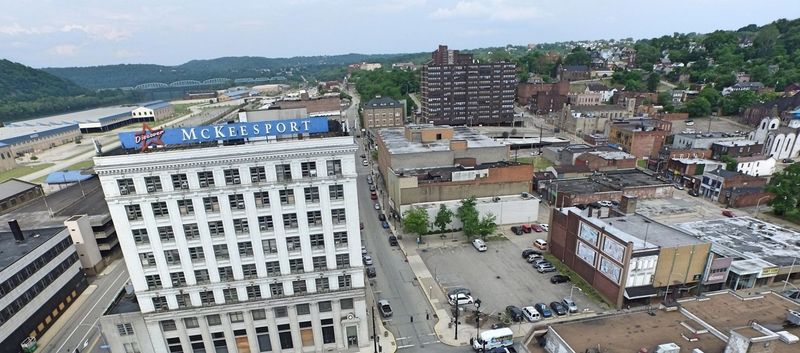
Two rivers meet beside a community that has weathered enormous change.
McKeesport grew as a steel and tube manufacturing center, and the loss of industrial jobs left lasting effects on families, businesses, and the city’s population.
Its census count fell from 19,731 in 2010 to 17,727 in 2020.
The longer decline reaches back much further, to a time when mills supported a far larger population.
Aging belongs in that picture, but job loss and migration should not be pushed aside.
Longtime neighbors often provide support that does not appear in official statistics.
Someone checks a porch after snowfall, shares a ride, or notices when a familiar person misses a gathering.
Those connections can be especially valuable for older adults who live alone or have relatives outside the area.
Still, kindness cannot replace dependable services.
Families should confirm transportation arrangements, medical access, and grocery options for the specific neighborhood involved.
Hills and gaps between destinations can make a seemingly short errand difficult, especially for someone using a walker or managing a health condition.
A visit offers a chance to understand the city’s river setting and industrial past without overlooking present residents.
Explore public spaces, use established trails where available, and support an open local business.
Avoid assuming that every block has the same conditions or that population loss tells the whole story.
For prospective buyers, a low purchase price should begin the questions, not end them.
Check building condition, taxes, insurance, and any needed repairs before deciding a property is affordable.
McKeesport’s challenge is not simply bringing in more people; it is helping current residents live safely while creating reasons for younger households to stay.
Thoughtful housing repairs and stronger everyday connections can serve older neighbors and new families together, making community renewal something people can experience on their own streets each day.
5. DuBois, Pennsylvania: A Small City Serving a Wider Region
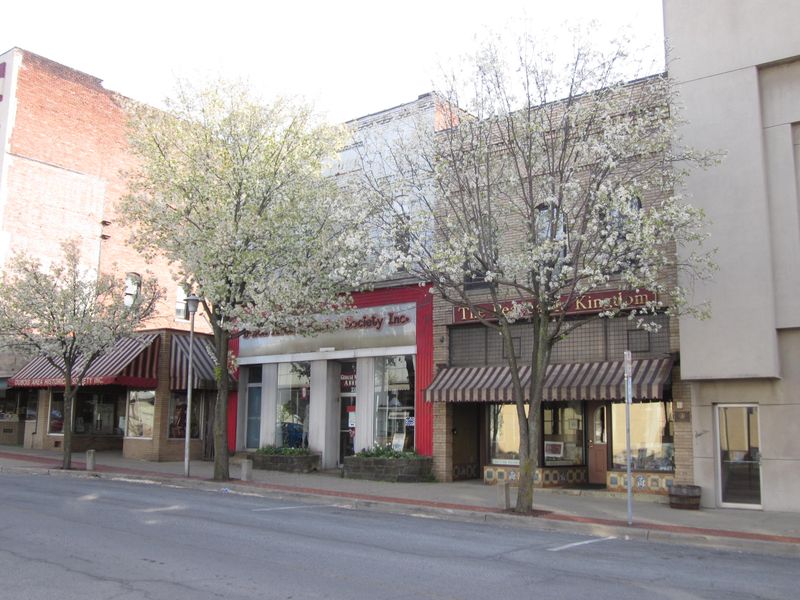
A small downtown can serve many more people than its population suggests.
DuBois functions as a shopping, medical, and service center for surrounding communities, which makes its shrinking city count only one part of the local story.
The city recorded 7,794 residents in 2010 and 7,510 in 2020.
Those census figures use the boundaries in place at the time.
Because DuBois and Sandy Township have pursued municipal consolidation, readers comparing newer records should verify boundaries before treating different totals as a straightforward gain or loss.
That detail matters when discussing age as well.
The people living inside a city boundary may have a different age mix from nearby households, even though they use the same stores and doctors.
A useful comparison needs matching geography, matching dates, and more than a single headline.
For older residents, being near regional services can be a real advantage.
However, nearby does not always mean easy to reach without driving.
Check the trip from the actual home to appointments, including ride availability, entrances, parking, and whether assistance is needed once the person arrives.
People considering retirement here should balance convenience with home design.
A smaller property may reduce yard work, but stairs, winter heating, and repairs can still add burdens.
Ask whether a home will remain practical if mobility changes, rather than judging it only by how comfortable it feels today.
Visitors can use DuBois as a base for exploring this part of Pennsylvania while spending time in its local business district.
The community’s story is quieter than that of a huge former mill city, yet the questions are familiar: how to retain younger workers, support aging neighbors, and keep daily services within reach.
Looking at the wider region helps explain why a smaller population does not automatically mean a place has lost its usefulness or importance locally.
6. Bradford, Pennsylvania: Oil Heritage in the Northern Hills
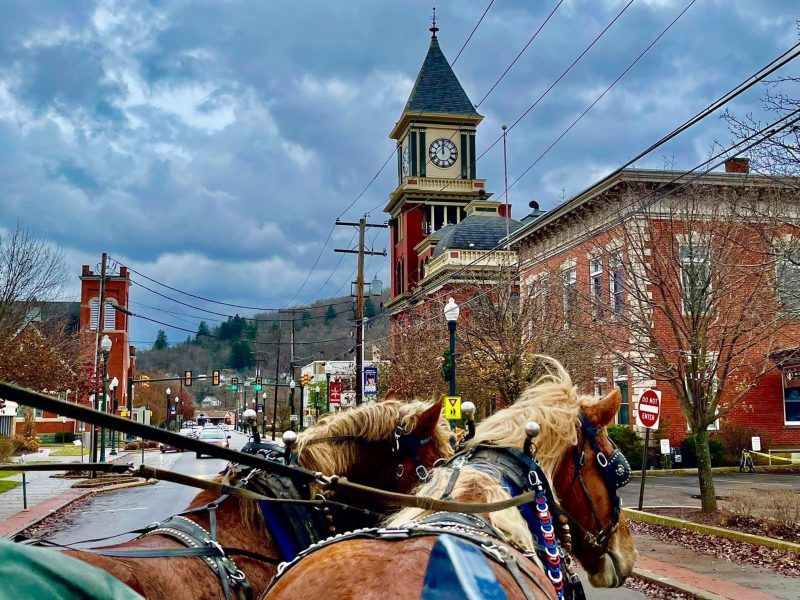
Oil history and wooded hills give this northern Pennsylvania city a strong sense of place.
Bradford became known through petroleum production and related businesses, and that heritage remains visible even as its population has fallen over time.
The census counted 8,770 city residents in 2010 and 7,825 in 2020.
That decrease reflects more than residents growing older.
Employment changes, people moving away, and smaller households can all contribute, while births and deaths also shape the number of people living within city limits.
Winter deserves special attention when planning life here.
Snow, cold weather, and slippery entrances can complicate errands for older adults, particularly those living alone.
A dependable plan for clearing steps and reaching appointments may matter as much as having a comfortable living room or an appealing view.
Families can help by discussing those needs before an emergency.
Identify who can check in during bad weather and whether the home has a safe entrance.
Review heating expenses, too, since an older house that seems affordable in summer may place more pressure on a fixed budget in winter.
Bradford offers visitors distinctive local history, including the Zippo and Case Museum.
Downtown architecture provides another reason to slow down and look around.
Spending money with local businesses helps connect a sightseeing trip to the people who keep the city functioning throughout the year.
The presence of the University of Pittsburgh at Bradford adds an educational link to the surrounding area, but a nearby campus does not cancel out population decline.
The broader task is making the community workable for different generations.
Reliable services, suitable housing, and realistic job opportunities can help older residents remain connected while giving younger people reasons to build their future nearby.
Preserving local character works best when it also protects the everyday comfort and independence of the people living there now.
7. Johnstown, Pennsylvania: Strong Memories and Changing Needs
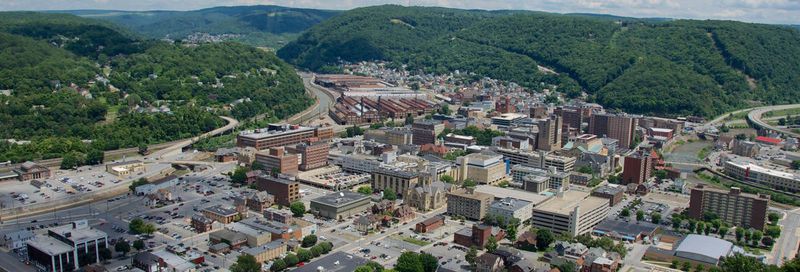
Few Pennsylvania communities carry such a powerful story of hardship and recovery.
Johnstown is widely associated with the 1889 flood, but its steel industry, immigrant neighborhoods, and family traditions are just as important to understanding the city.
Its population declined from 20,978 in 2010 to 18,411 in 2020.
The city was much larger during its industrial peak.
Factory changes and the departure of working families helped reshape the population, leaving aging residents with deep roots in neighborhoods that now hold fewer people.
A valley address can look convenient until the full journey is considered.
Hillside streets, steps, and winter conditions may affect how easily someone reaches a bus stop or medical office.
For an older adult, assessing a neighborhood on foot can reveal details that a property listing leaves out.
Housing upkeep is another practical concern.
A longtime family home may contain memories worth protecting, yet require repairs that are difficult on a limited income.
Before problems grow, ask about available repair assistance and confirm program rules directly with the organization offering help.
Visitors can learn about local history at the Johnstown Flood Museum and explore the downtown with care and curiosity.
Check current hours before traveling, especially for attractions with changing schedules.
A meal or purchase nearby also supports the people working to keep local streets active.
Population loss does not mean residents lack pride, ideas, or determination.
It does mean that services may need to fit a different community than the one that existed decades ago.
Johnstown benefits when plans for housing, transportation, and public spaces include older neighbors while also welcoming families who want to stay.
Listening to residents can identify small changes, such as safer crossings or easier entrances, that make daily life better without waiting for a large project to transform the entire city all at once.
8. Sharon, Pennsylvania: Riverfront Pride Beyond the Mill Years
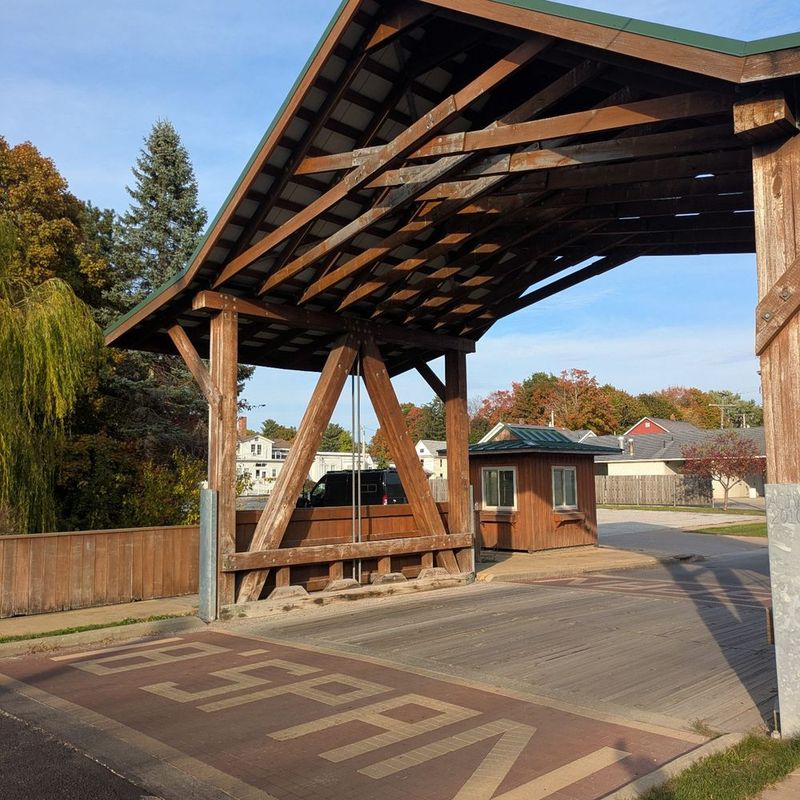
The Shenango River gives downtown a setting that feels larger than a population table.
Sharon’s industrial roots helped build a busy community, but changes in manufacturing have left the city with fewer residents than it once had.
Census totals fell from 14,038 in 2010 to 13,147 in 2020.
That recent decline sits within a longer period of population loss.
Older residents remain part of the community’s foundation, although age alone cannot explain changes shaped by employment, migration, and the size of individual households.
Sharon belongs to a connected cluster of communities in the Shenango Valley.
People may live in one municipality, shop in another, and visit a doctor somewhere else nearby.
For that reason, city population figures should not be treated as a complete description of how the whole valley works.
Anyone helping an older relative should map those everyday trips carefully.
A service across a municipal boundary can still be useful, but only if transportation is dependable and affordable.
Confirm appointment rides and backup plans rather than relying on the idea that everything in a small region must be close.
The downtown and riverfront offer visitors a way to appreciate local character without focusing only on former industry.
Browse businesses that are open, watch for community events, and ask residents for recommendations.
Such conversations often reveal a more balanced picture than photographs of empty buildings ever could.
For people looking at housing, examine both the property and its surroundings.
Sidewalk condition, safe crossings, nearby shopping, and manageable upkeep can strongly affect comfort later in life.
Sharon’s future rests partly on making established neighborhoods useful to today’s households, while keeping room for new families and businesses to join them.
Improvements that help someone age at home can also benefit a parent pushing a stroller, a worker carrying groceries, or anyone recovering from an injury.
9. Greensburg, Pennsylvania: A Population Story with an Important Twist
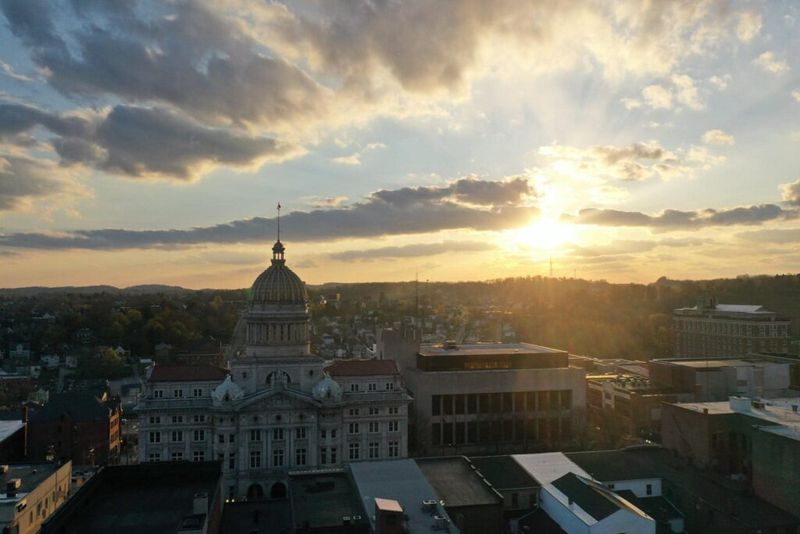
Not every place on this list follows a steady downward line.
Greensburg deserves a careful reading because its population increased slightly between the 2010 and 2020 censuses, even though the city remains smaller than it was during earlier decades.
The census recorded 14,892 residents in 2010 and 14,976 in 2020.
Calling that period a decline would be inaccurate.
Its inclusion here makes sense only as part of a longer population story, alongside the changing needs of older residents, rather than proof of continuous shrinkage.
As Westmoreland County’s seat, Greensburg has government offices, cultural attractions, and services that draw people from outside its boundaries.
Daily activity can therefore feel different from what the resident count suggests.
A busy downtown does not automatically mean population growth, just as a smaller count does not mean inactivity.
The Westmoreland Museum of American Art and the Palace Theatre offer clear reasons to visit.
Check event schedules and accessibility details before planning an outing with an older friend or relative.
Parking distance, stairs, seating, and restroom access can determine whether a pleasant idea becomes a comfortable day.
For anyone considering a move, focus on the exact neighborhood rather than the city’s general reputation.
Compare housing costs, taxes, home condition, and access to groceries or health care.
An attractive older house may require changes if a resident wants to remain there through later stages of life.
Greensburg illustrates why population claims need dates and context.
Aging can influence housing and transportation needs even in a community that posts a small gain during one census period.
The useful question is how local services can meet those needs while welcoming residents of different ages.
Looking beyond a simple label helps readers see a functioning Pennsylvania city with both challenges and strengths, rather than forcing its mixed record into an overly neat story of decline today.
10. Scranton, Pennsylvania: A Bigger City with a Smaller Footprint
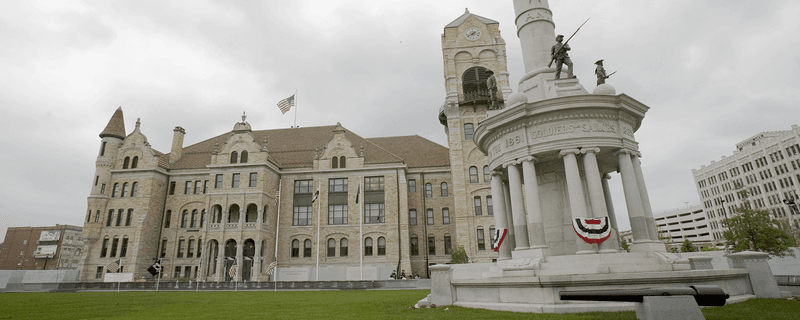
Grand buildings hint at the size and ambition of an earlier industrial age.
Scranton grew through coal, railroads, and manufacturing, creating neighborhoods whose history remains visible even as the city’s population stands below its twentieth century peak.
The city had 76,089 residents in 2010 and 76,328 in 2020, a small increase rather than a decline during that decade.
Its place in this article rests on the longer loss from a peak above 140,000, not a claim that every recent census shows fewer residents.
Scranton also has students, newer arrivals, and families with young children.
Those groups matter when discussing an aging community because they prevent a one sided picture.
Different neighborhoods can have different age patterns, and citywide figures should not be used to assume that every block looks the same.
For older adults, a larger service network can help, but reaching it still takes planning.
Compare the actual route to doctors, groceries, and social activities before choosing a home.
Hills, weather, transfers, and walking distances may turn an apparently convenient address into a difficult place for daily errands.
Visitors can connect the industrial story to places such as Steamtown National Historic Site.
Downtown architecture and local businesses offer other ways to understand the city beyond a familiar television reference.
Check opening times and accessibility information, then leave room for a relaxed meal or neighborhood stroll.
Scranton’s experience shows that growth and aging are not simple opposites.
A community can gain a small number of residents while still dealing with the effects of a much larger historical decline.
Useful planning makes homes easier to maintain, streets easier to navigate, and opportunities easier to reach for people at different ages.
That approach respects longtime residents without overlooking the younger households and newcomers who are also shaping the city’s present and future in practical, everyday ways.
11. Oil City, Pennsylvania: River Views and a Changing Chapter
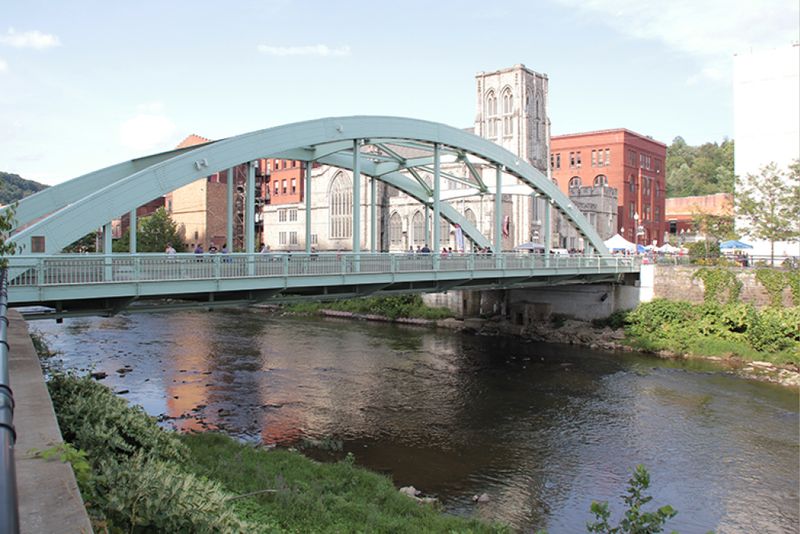
A river bend and rows of historic buildings recall the excitement of Pennsylvania’s early oil boom.
Oil City developed where Oil Creek meets the Allegheny River, and its past remains central to the character of this Venango County community.
Its population fell from 10,557 in 2010 to 9,613 in 2020.
That change continues a much longer reduction from its busier industrial years.
Energy industry shifts, job opportunities elsewhere, and smaller households all help explain the pattern, with aging adding to the demand for suitable homes and services.
For residents who have lived here for decades, leaving may mean giving up familiar routines and close friendships.
Staying, however, can require adjustments as health or mobility changes.
A bedroom on the main floor, safer bathroom fixtures, and dependable help with outside work may make a meaningful difference.
Before buying a riverside or hillside property, investigate the specific location rather than relying on the view.
Review flood information where relevant, building condition, access, and insurance costs.
A beautiful setting should be considered alongside the practical expenses of maintaining a safe and comfortable home throughout the year.
Visitors can enjoy the river scenery and learn more about the surrounding oil region’s history.
Local arts activity provides another way to see the community as a living place rather than only a former boomtown.
Check current exhibits, events, and business hours before arranging a trip around them.
Oil City’s story ends this list with a useful reminder: a smaller population does not erase a place’s value.
The real question is whether residents can find the housing, transportation, health care, and companionship they need.
Supporting those basics helps older neighbors stay involved while giving younger people a clearer reason to imagine a future here.
Local pride becomes more powerful when it is matched with practical improvements that residents can use every day.
Share this story