North Carolina is home to some of the most dedicated animal rescue and wildlife organizations in the entire country. From the misty mountains in the west to the sandy shores of the Outer Banks in the east, the state is filled with passionate people working hard every single day to protect animals in need. Whether you love birds of prey, farm animals, big cats, or the dogs and cats waiting patiently at your local shelter, there is a place for you to make a real difference.
Volunteering with animals is not just good for the animals. It is good for you, too. Studies show that spending time with animals can reduce stress, boost mood, and give people a powerful sense of purpose. North Carolina offers a wide range of volunteer opportunities for people of all ages and backgrounds. Some organizations need help with feeding and cleaning, while others need folks to walk dogs, assist with adoption events, or help with fundraising and education programs.
No matter your skill set, you can find a way to contribute. The twelve organizations listed here represent some of the best places across the state where animal lovers can show up, roll up their sleeves, and truly make a lasting impact on the lives of animals and the communities that care for them.
1. Carolina Raptor Center – Huntersville
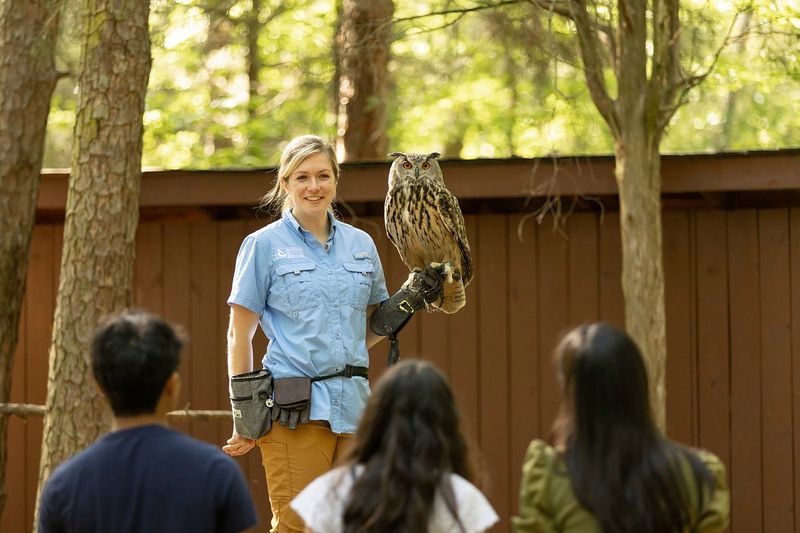
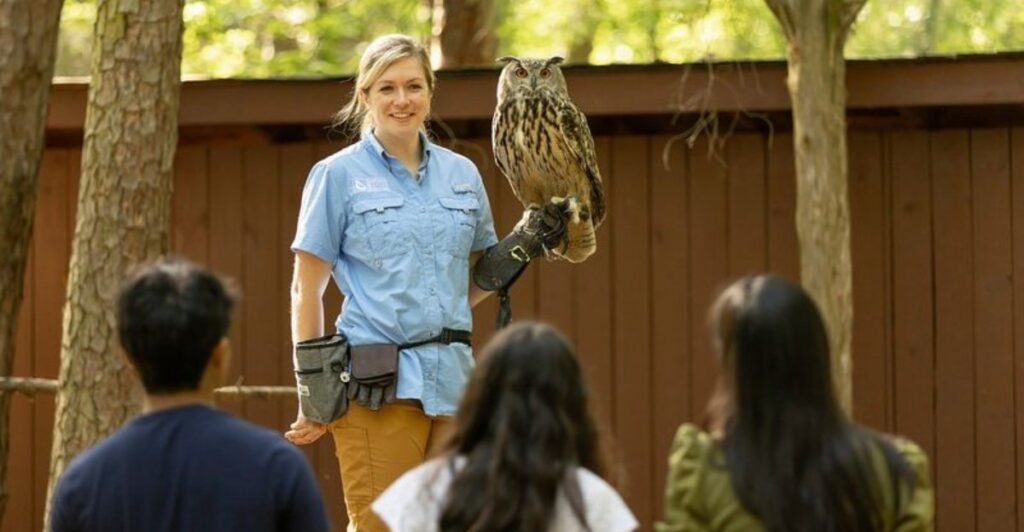
Raptors are some of the most misunderstood creatures in the animal kingdom, and the Carolina Raptor Center in Huntersville is working hard to change that.
Located along the banks of Lake Norman, this incredible nonprofit is dedicated to the rehabilitation, education, and conservation of birds of prey.
Every year, the center cares for hundreds of injured and orphaned raptors, including owls, hawks, eagles, falcons, and vultures.
Volunteers are the backbone of this organization.
Without them, the center simply could not function.
There are many ways to get involved, from helping with habitat maintenance and trail upkeep to assisting with educational programs that teach the public about raptors and their role in the ecosystem.
Some dedicated volunteers even go through specialized training to become raptor handlers, which means they get to work directly with the birds during programs and presentations.
The center also runs a three-mile trail system that winds through beautiful natural habitat.
Volunteers help keep these trails clean and safe for the thousands of visitors who come through each year.
If you love being outdoors and have a passion for wildlife, this trail work can be incredibly rewarding.
Getting started is straightforward.
Prospective volunteers must be at least 16 years old and are asked to attend an orientation session before beginning their service.
The center also welcomes groups, making it a fantastic option for school clubs, scout troops, or corporate volunteer days.
One of the most touching parts of volunteering here is watching a bird that arrived injured and frightened eventually recover and return to the wild.
That kind of experience stays with a person for a very long time.
The Carolina Raptor Center is not just a place for birds to heal.
It is a place where people discover a deep respect for wildlife and learn that even small actions can have a powerful impact on the natural world around us.
2. Outer Banks SPCA – Manteo
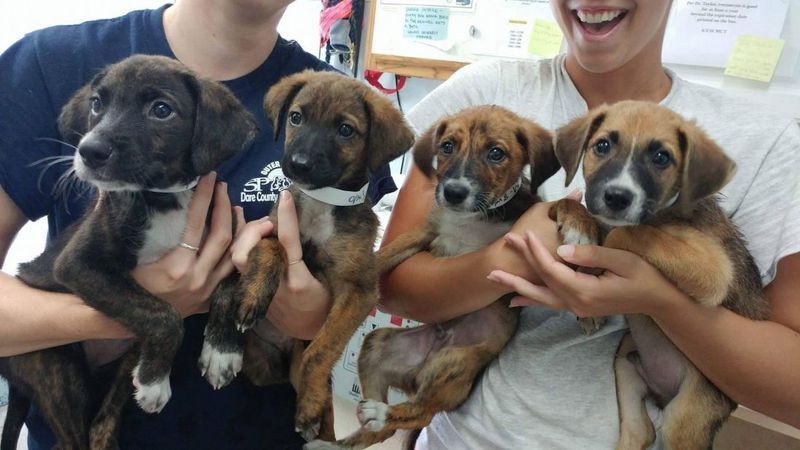
Tucked away on Roanoke Island near the charming town of Manteo, the Outer Banks SPCA serves one of the most unique geographic regions in the entire state.
The Outer Banks is a long chain of barrier islands, and the animals that end up at this shelter often face challenges that mainland shelters do not.
Being surrounded by water makes transportation and rescue logistics much more complicated, which means local volunteers are absolutely essential to keeping operations running smoothly.
The SPCA here is a no-kill shelter, which means every animal that comes through the door is given every possible chance at finding a loving home.
Volunteers play a crucial role in making that happen.
Dog walkers, cat socializers, foster families, and event helpers are always in demand.
Fostering is especially important at this shelter because it frees up kennel space and gives animals a calmer environment in which to recover from stress or illness before adoption.
One thing that makes volunteering at the Outer Banks SPCA particularly special is the setting.
You are on a barrier island surrounded by ocean breezes, wildlife, and natural beauty.
Walking a dog along the grounds here feels nothing like volunteering at a city shelter.
There is a peaceful, coastal energy to the whole experience that many volunteers describe as deeply refreshing.
The organization also runs community outreach programs focused on responsible pet ownership, low-cost spay and neuter services, and humane education for young people in Dare County.
Volunteers who want to do more than animal care can get involved in these community programs as well.
If you are planning a trip to the Outer Banks and want to do something meaningful during your visit, reaching out to the SPCA in Manteo is a wonderful idea.
Many visitors have found that spending even a few hours helping at this shelter turns into one of the most memorable parts of their entire trip to the coast.
3. Possumwood Acres Wildlife Sanctuary – Hubert
Not every animal rescue story involves dogs and cats.
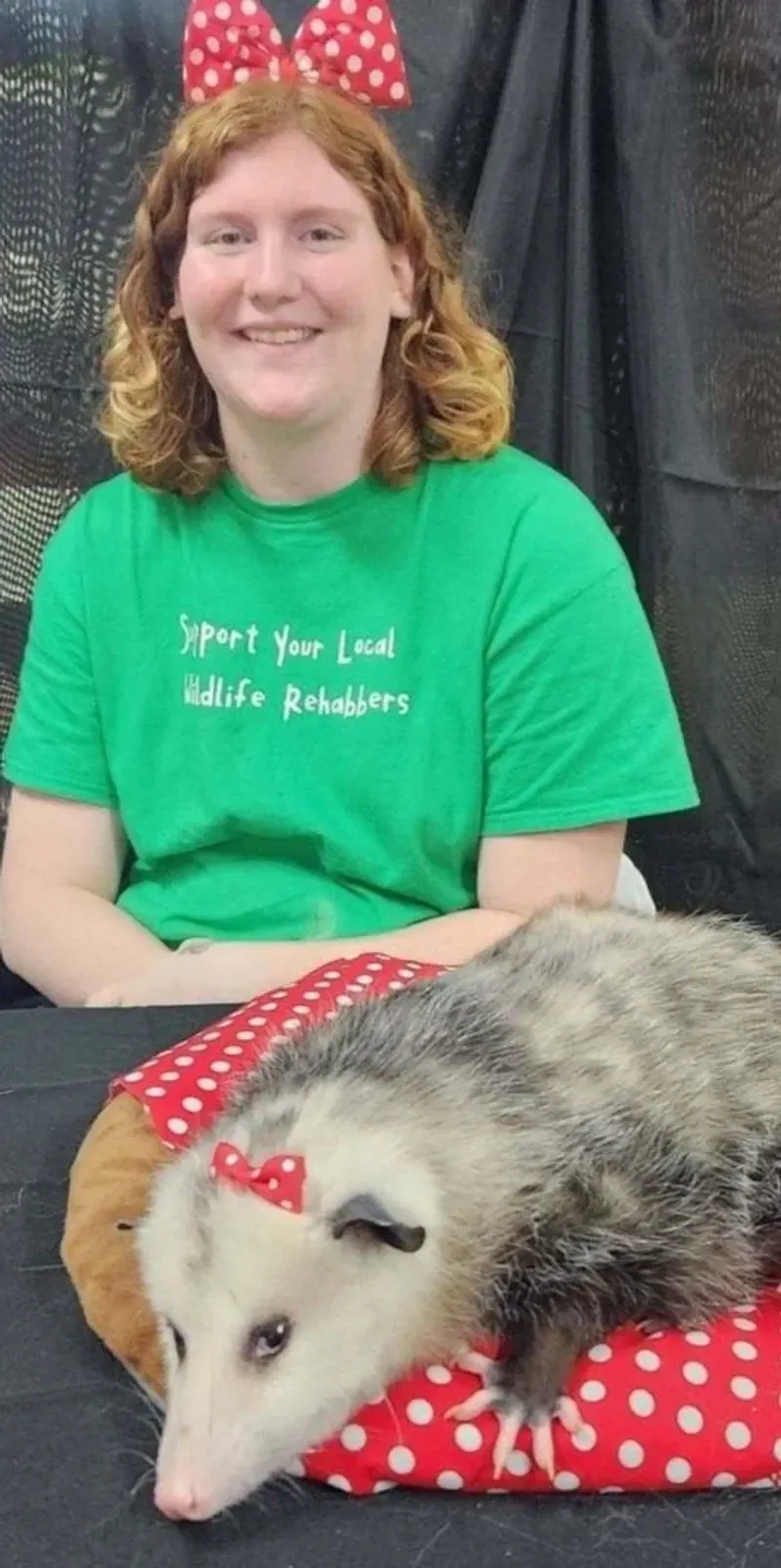
At Possumwood Acres Wildlife Sanctuary in Hubert, the focus is on the wild creatures that most people overlook, including opossums, squirrels, rabbits, deer, and other native North Carolina wildlife.
Founded with a deep respect for all living things, this sanctuary has been quietly doing extraordinary work in Onslow County for years.
What makes Possumwood Acres stand out is its commitment to native wildlife rehabilitation.
When wild animals are injured by cars, attacked by pets, or orphaned due to habitat destruction, they need specialized care before they can be returned to nature.
The volunteers and staff here provide exactly that kind of care, using knowledge, patience, and compassion to nurse animals back to health.
Volunteering here is not glamorous in the traditional sense.
It involves a lot of feeding schedules, cleaning enclosures, and careful observation of animal behavior.
But for people who genuinely love wildlife, there is nothing more satisfying than watching a young opossum grow strong enough to be released back into the woods where it belongs.
The sanctuary also works hard to educate the surrounding community about coexisting peacefully with local wildlife.
Many people do not realize how important opossums are to the ecosystem, for example.
They eat ticks, keep rodent populations in check, and are highly resistant to rabies.
Volunteers at Possumwood often become unofficial ambassadors for these misunderstood animals.
Because this is a small, grassroots organization, every single volunteer truly matters.
There is no bureaucracy to navigate and no large staff to rely on.
The people who show up are the ones keeping things going, and that gives volunteering here a very personal, meaningful quality.
If you live in the Jacksonville or Hubert area and have always wanted to help wildlife, this sanctuary deserves a spot at the very top of your list.
4. Piedmont Farm Animal Refuge – Pittsboro
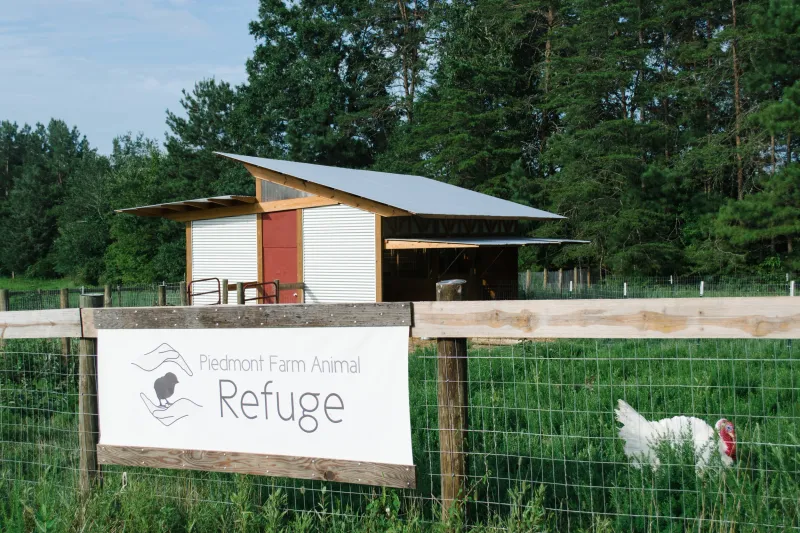
Cows, pigs, chickens, goats, and turkeys deserve love and care just as much as the animals in any shelter.
Piedmont Farm Animal Refuge in Pittsboro is one of the only sanctuaries in North Carolina dedicated entirely to rescued farm animals.
Every resident here has a story, and many of them came from situations of neglect, abandonment, or factory farming before finding safety at this peaceful refuge.
Volunteering at a farm sanctuary is a full-body experience.
You are outdoors, you are moving, and you are working alongside animals that are curious, expressive, and surprisingly social.
Pigs will nudge your hand, looking for a scratch behind the ear.
Goats will follow you around with nosy enthusiasm.
Chickens will perch near you while you work.
It is impossible to leave a shift here without smiling.
The refuge welcomes volunteers every weekend and occasionally on weekdays as well.
Tasks include feeding and watering animals, mucking stalls, repairing fencing, planting gardens, and helping with special events.
No farming experience is necessary.
The staff is incredibly welcoming to beginners and takes time to teach newcomers everything they need to know.
Beyond the hands-on animal care, Piedmont Farm Animal Refuge also runs educational tours and outreach programs that explore the connections between food systems, animal welfare, and environmental sustainability.
Volunteers who are interested in advocacy and education can plug into those programs as well, helping to share the sanctuary’s message with schools, community groups, and visitors.
Located in the heart of Chatham County, the refuge sits on beautiful land that feels far removed from the noise and rush of everyday life.
Spending a morning here among the animals has a way of resetting your perspective and reminding you of what truly matters.
For animal lovers who want to expand their compassion beyond the typical shelter experience, this place offers something genuinely unique and deeply fulfilling.
5. Carolina Tiger Rescue – Pittsboro
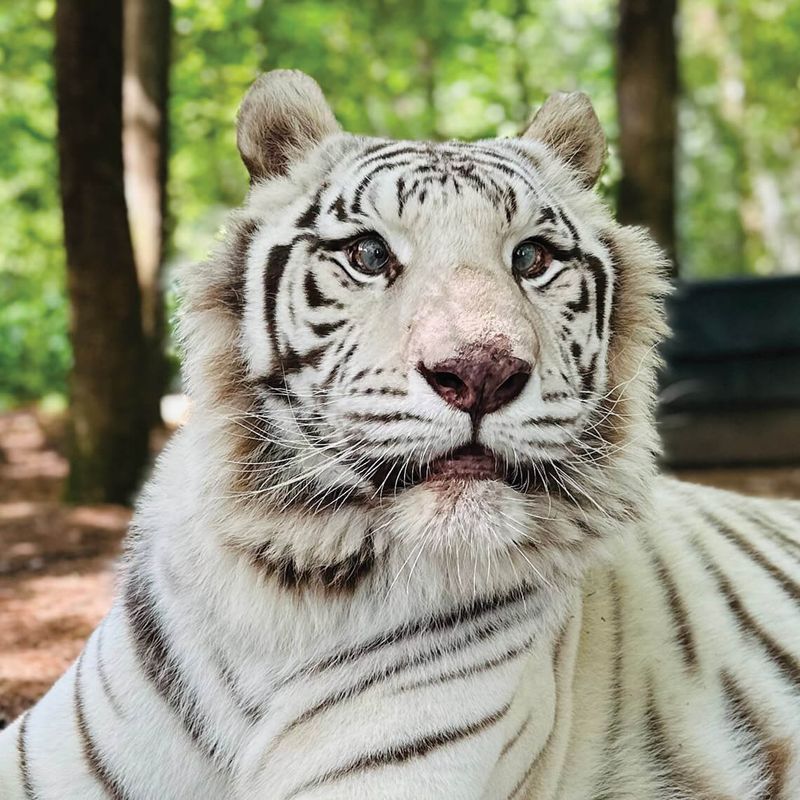
There are not many places in the world where you can stand a few feet away from a tiger, a leopard, or a kinkajou and know that your presence is genuinely helping that animal live a better life.
Carolina Tiger Rescue in Pittsboro is one of those rare places.
This accredited nonprofit sanctuary is home to dozens of wild cats and other exotic animals that were rescued from roadside zoos, private ownership, and other unsafe situations.
The sanctuary does not breed animals, sell animals, or allow direct contact between volunteers and the big cats.
That might sound disappointing at first, but it is actually a sign of how seriously this organization takes animal welfare.
The cats at Carolina Tiger Rescue are allowed to live as naturally as possible, and every decision made at the sanctuary is centered on what is best for them, not what makes for a better photo opportunity.
So what do volunteers actually do here?
Quite a lot, it turns out.
Volunteers assist with food preparation, habitat maintenance, guided tours, special events, and administrative tasks.
The tour guide program is especially popular.
Trained volunteer guides lead public and private tours through the sanctuary, sharing each animal’s story and educating visitors about the exotic pet trade and wild animal conservation.
Becoming a tour guide requires a significant time commitment, including training sessions and regular scheduled shifts.
But for those who complete the process, it becomes one of the most rewarding experiences of their lives.
You develop genuine relationships with the animals over time and become a real advocate for their well-being.
Carolina Tiger Rescue also offers a Wild Keeper for a Day program for those who want a deeper experience.
This is a paid program, not a volunteer opportunity, but it gives participants an even closer look at daily sanctuary operations.
For serious animal lovers, Pittsboro has become something of a destination, and Carolina Tiger Rescue is a big part of why.
6. Saving Grace Animals For Adoption NC – Wake Forest
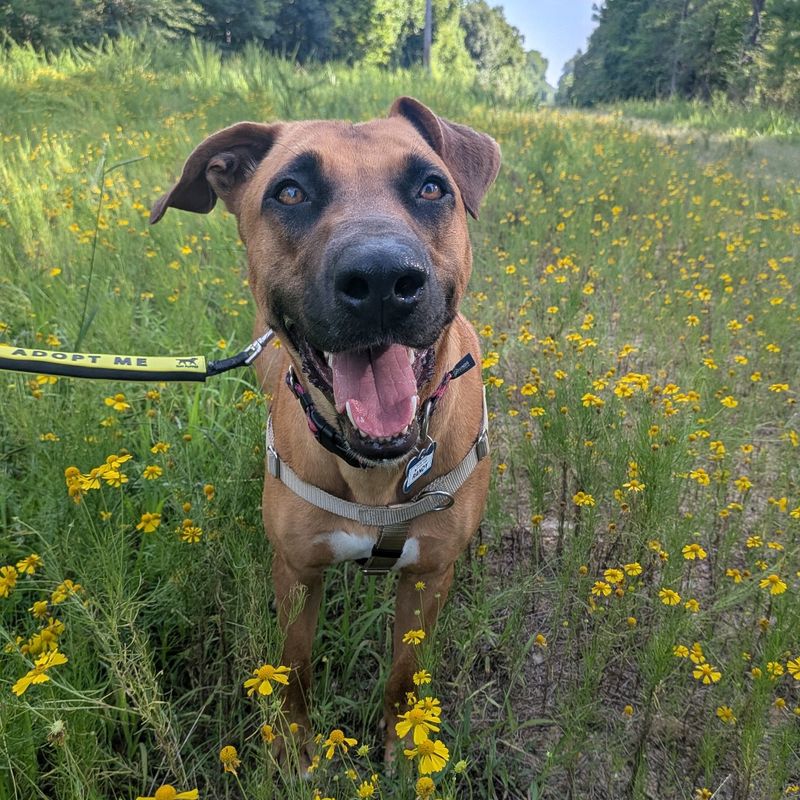
Every dog that arrives at Saving Grace Animals For Adoption in Wake Forest brings its own complicated history.
Some come from overcrowded rural shelters where they were at risk of being euthanized.
Others are strays picked up from dangerous situations.
What they all have in common is that they deserve a second chance, and Saving Grace has built its entire mission around making sure they get one.
Founded in 2004, Saving Grace operates as a transfer rescue, pulling dogs from high-intake shelters across North Carolina and giving them the care, training, and socialization they need to become great family pets.
The organization has saved thousands of dogs over the years, and volunteers are a huge part of that success story.
There are many ways to get involved.
Dog walkers and socializers visit the shelter regularly to give dogs exercise and human interaction, which is critical for their emotional health while they wait for adoption.
Fosters open their homes to dogs who need a quieter environment to recover from illness, surgery, or trauma.
Event volunteers help staff adoption fairs and community outreach tables across the Triangle region.
Saving Grace also has a robust training program for its dogs, and volunteers can participate in basic training sessions to help reinforce good behavior.
A well-trained dog is far more likely to be adopted quickly, so this kind of work has a direct and measurable impact on outcomes.
The shelter itself is well-organized and volunteer-friendly.
Staff members are warm and communicative, and new volunteers are always made to feel welcome.
The Wake Forest location is convenient for people throughout the greater Raleigh area, making it one of the most accessible volunteer options in the Triangle.
If you have ever wanted to be part of a rescue story with a happy ending, Saving Grace is a wonderful place to begin that journey.
7. Forsyth Humane Society – Winston-Salem
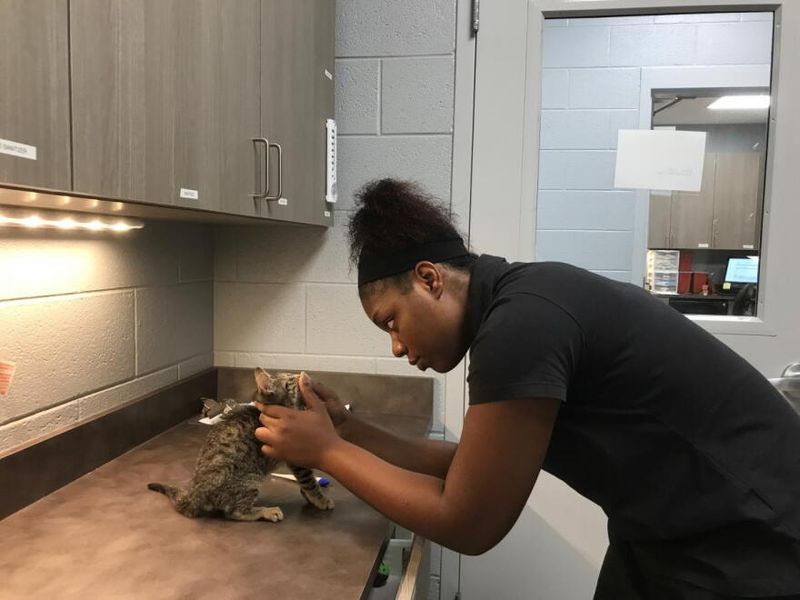
Winston-Salem has a long tradition of community service, and the Forsyth Humane Society fits right into that spirit.
For decades, this organization has been one of the most trusted animal welfare groups in the Piedmont Triad, working tirelessly to find loving homes for cats and dogs throughout Forsyth County and the surrounding region.
What sets the Forsyth Humane Society apart from many other shelters is the depth of its community programming.
Beyond adoption services, the organization runs humane education initiatives in local schools, hosts low-cost vaccination clinics, and operates a pet food bank to help struggling families keep their animals fed and healthy.
Volunteers are involved in nearly every one of these programs.
At the shelter level, volunteers are needed for dog walking, cat socialization, kennel cleaning, laundry, and photography.
Yes, photography.
High-quality photos of shelter animals dramatically increase adoption rates, and volunteer photographers who can make a nervous dog look its best are incredibly valuable.
If you have a decent camera and an eye for a good shot, this could be your niche.
The Forsyth Humane Society also runs a foster program that is especially important for neonatal kittens and puppies who are too young to be housed in the main shelter.
Foster families provide round-the-clock bottle feeding and warmth until the animals are old enough for adoption.
It is demanding work, but foster families will tell you it is also some of the most emotionally rewarding volunteering imaginable.
New volunteers go through a brief orientation and are matched with tasks that suit their availability and comfort level.
The staff genuinely appreciates every hour that volunteers contribute and makes sure people feel valued and informed.
Whether you live in Winston-Salem, Kernersville, or anywhere nearby in the Triad, the Forsyth Humane Society offers a meaningful and flexible way to put your love for animals to good use.
8. Guilford County Animal Services – Greensboro
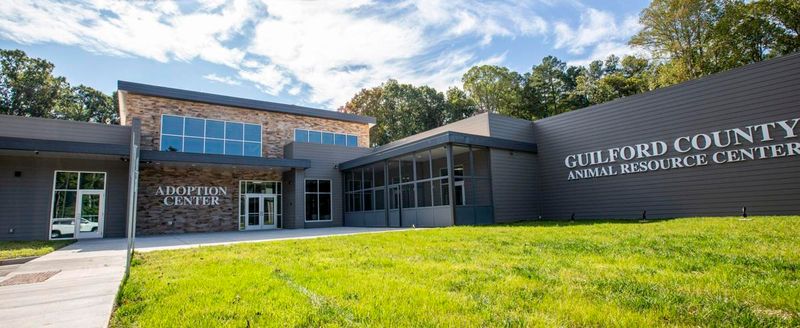
Guilford County Animal Services in Greensboro operates one of the largest municipal animal shelters in North Carolina.
As a government-run facility, it handles a high volume of animals every single day, including strays, surrenders, and cruelty cases.
Because of that volume, the need for volunteers is constant and urgent.
The shelter has made significant strides in recent years toward becoming a community-centered, lifesaving organization.
Live release rates have improved dramatically thanks in large part to an expanded volunteer and foster network.
Every person who signs up to help is contributing directly to that progress, which makes volunteering here feel genuinely important.
Volunteers at Guilford County Animal Services can assist with dog walking and enrichment, cat socialization, small animal care, transport, photography, and special events.
The shelter also runs a behavior team that works with dogs who need extra support before they are ready for adoption.
Volunteers who are interested in animal behavior can get involved with enrichment activities designed to reduce stress and build confidence in anxious animals.
The foster program here is one of the most active in the region.
Foster families are needed for animals of all kinds, from bottle-baby kittens to senior dogs recovering from medical procedures.
The shelter provides all necessary supplies and medical care, so foster families simply need to offer a safe, loving space and some of their time.
Greensboro is a large, diverse city, and Guilford County Animal Services reflects that diversity in the breadth of its programs and the variety of people who volunteer there.
You will meet retired teachers, college students, young families, and seasoned animal advocates all working side by side toward the same goal.
That sense of shared purpose is one of the things that keeps volunteers coming back week after week.
Signing up is easy through the shelter’s online volunteer portal, and new volunteers are welcomed at regular orientation sessions throughout the year.
9. Orange County Animal Services – Chapel Hill
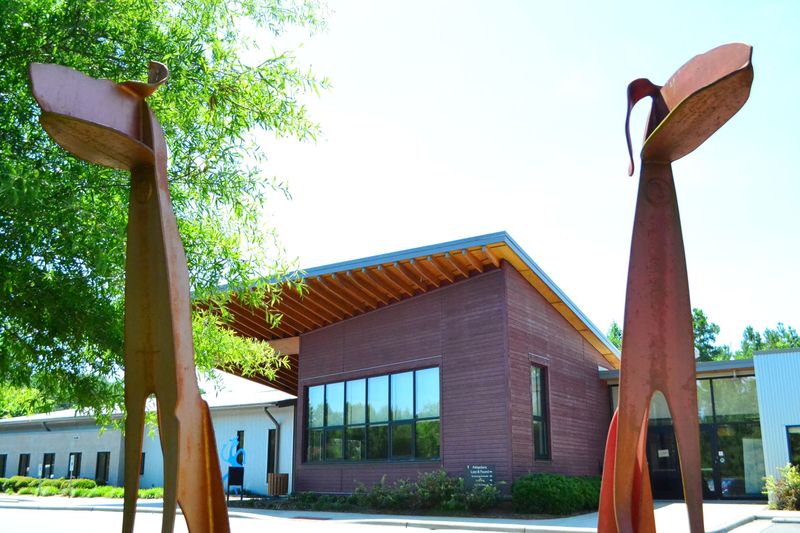
Chapel Hill is famous for its university culture and progressive community values, and Orange County Animal Services reflects those values in a big way.
This county-run shelter has earned a strong reputation for high live release rates and innovative programming, making it one of the most admired animal services agencies in the state.
Because Chapel Hill is home to the University of North Carolina, the shelter benefits from a steady stream of student volunteers who bring energy, creativity, and passion to everything they do.
Many students volunteer as part of pre-veterinary programs, animal science coursework, or simply because they love animals and want to give back to the community during their time at school.
Volunteer opportunities at Orange County Animal Services include dog walking, cat enrichment, small animal care, foster care, transport driving, and special event support.
The shelter also has a robust behavior and training program, and volunteers can be trained to assist with canine enrichment activities that help dogs stay mentally stimulated and emotionally balanced during their shelter stay.
One unique aspect of this shelter is its commitment to data-driven decision-making.
Staff regularly analyze outcomes and adjust programs based on what is actually working, which means volunteer efforts are always being channeled into the highest-impact activities.
Volunteers here often feel like they are part of a thoughtful, forward-thinking team rather than just extra hands on deck.
The shelter also partners with local rescue organizations to transfer animals when needed, maximizing the number of lives saved across the region.
Volunteers who are interested in the networking and logistics side of animal rescue can get involved with these transfer coordination efforts as well.
Orange County Animal Services is conveniently located and easy to reach from Chapel Hill, Carrboro, Hillsborough, and surrounding communities.
If you are looking for a shelter that combines heart with smart strategy, this is an excellent place to invest your time and compassion.
10. Animal Protection Society Of Durham – Durham
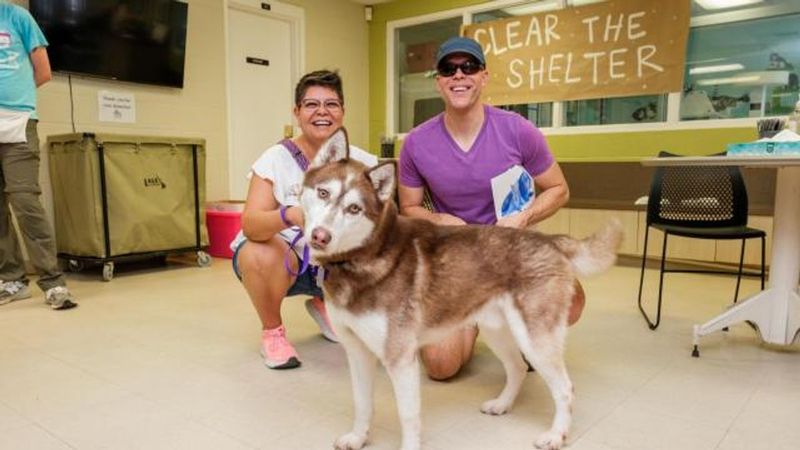
Durham has always had a fierce, independent spirit, and the Animal Protection Society of Durham channels that energy into some of the most creative and effective animal welfare work in the Triangle.
Known locally as APS of Durham, this organization has been saving lives in the Bull City for well over a century, making it one of the oldest animal protection organizations in the state.
APS of Durham is a private, nonprofit shelter that operates independently from city or county government.
That independence allows the organization to be nimble, innovative, and deeply responsive to community needs.
It runs a full-service shelter, a spay and neuter clinic, a lost and found pet database, and a variety of community outreach programs, all fueled in large part by volunteer labor.
Volunteers at APS of Durham are put to work in meaningful ways from day one.
Dog walkers and runners help high-energy dogs burn off steam and stay physically healthy during their shelter stay.
Cat socializers spend time with shy or fearful cats, helping them become comfortable with human interaction so they are more appealing to potential adopters.
Volunteers also assist with intake, laundry, kennel cleaning, and event coordination.
The shelter’s foster program is especially strong.
APS of Durham relies on foster families to care for animals who are not yet ready for adoption, including those recovering from surgery, nursing litters, or adjusting to shelter life.
The organization provides full support to foster families, including food, supplies, and veterinary care.
There is a real sense of community among APS of Durham volunteers.
Many of them have been coming in for years and have formed genuine friendships with each other and with the staff.
For newcomers, that welcoming atmosphere makes it easy to feel at home quickly.
Durham’s vibrant, community-minded culture extends right into the walls of this shelter, and that makes volunteering here a truly special experience.
11. The Humane Society Of Charlotte – Charlotte
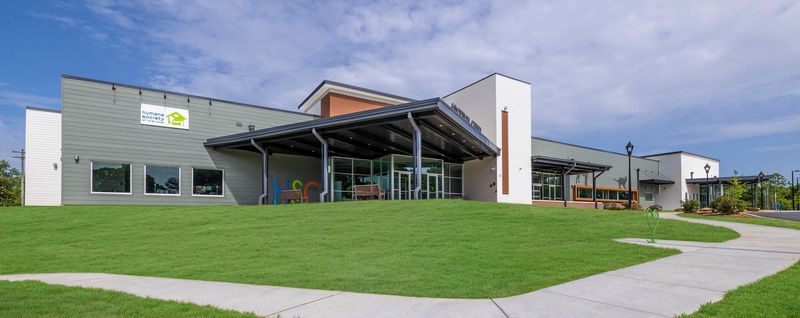
Charlotte is the largest city in North Carolina, and the Humane Society of Charlotte rises to meet the scale of that responsibility with an impressive range of programs and a deeply committed volunteer community.
Founded in 1978, this organization has grown into one of the most impactful animal welfare agencies in the Southeast, serving thousands of animals and families every single year.
Walking through the Humane Society of Charlotte, you immediately sense the care and intentionality behind every part of the operation.
The facility is clean and thoughtfully designed to reduce stress for the animals.
Staff members are knowledgeable and passionate.
And volunteers are clearly valued as essential partners in the mission, not just extra help.
The volunteer program here is extensive.
Opportunities include dog walking, cat socialization, puppy and kitten foster care, transport driving, event staffing, and administrative support.
There is also a dedicated program for volunteers interested in working with animals who have behavioral challenges, providing extra training and enrichment to help those animals become more adoptable.
One of the standout features of the Humane Society of Charlotte is its community outreach work.
The organization runs programs focused on keeping pets and their families together, including a pet food bank, emergency boarding assistance, and low-cost veterinary services.
Volunteers who want to engage with the broader community rather than just the shelter animals can find meaningful opportunities in these programs as well.
Charlotte’s size means there is always something going on at the Humane Society, from adoption events at local pet stores to fundraising galas and educational workshops.
The volunteer calendar is full and varied, which is great news for people with busy or unpredictable schedules.
Whether you can commit to a weekly shift or just a few hours a month, the Humane Society of Charlotte has a place for you and will make sure your time is well spent.
12. SPCA Of Wake County – Raleigh
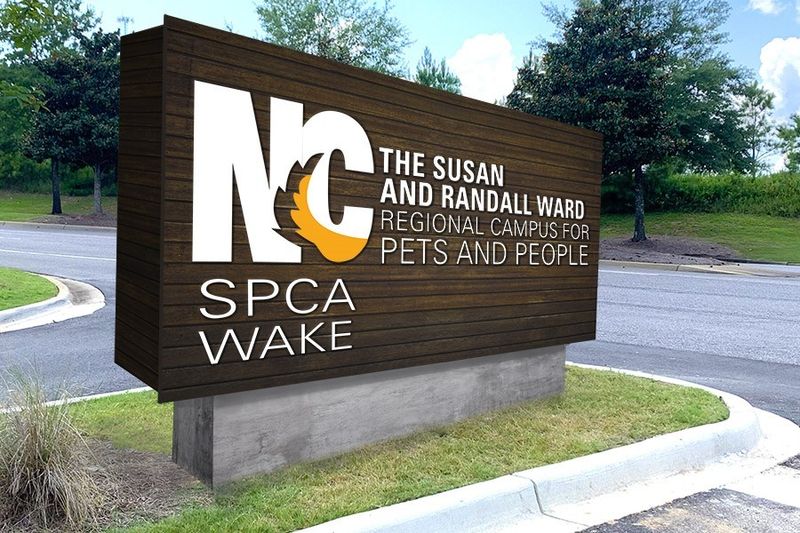
Raleigh is a city known for innovation, and the SPCA of Wake County brings that same forward-thinking energy to animal welfare.
As one of the largest and most well-resourced animal shelters in North Carolina, the SPCA of Wake County has built a reputation for excellence in care, community engagement, and volunteer programming that is hard to match anywhere in the state.
The shelter’s volunteer program is thoughtfully structured and surprisingly creative.
One of the most beloved initiatives is the Read to the Animals program, where volunteers sit with shelter dogs and read books aloud to them.
It sounds quirky, but the calming effect of a human voice helps anxious dogs relax, which makes them more comfortable and more appealing to potential adopters.
It is a beautiful example of how creative thinking can make a real difference in animal welfare.
Beyond reading programs, volunteers at the SPCA of Wake County assist with dog walking, cat socialization, small animal enrichment, foster care, photography, transport, and event coordination.
The shelter also has a robust foster program that is especially critical during kitten season, when the number of incoming animals can spike dramatically and shelter space becomes limited.
The SPCA of Wake County also operates a low-cost spay and neuter clinic that serves thousands of pets every year, helping to reduce overpopulation and the cycle of homelessness that brings so many animals into shelters in the first place.
Volunteers who are interested in the veterinary side of animal welfare can explore opportunities to support clinic operations as well.
Located in Raleigh, the shelter draws volunteers from across Wake County and the broader Triangle area.
It is well-organized, well-staffed, and genuinely appreciative of every person who walks through the door ready to help.
For animal lovers in the state capital, the SPCA of Wake County is the gold standard of what a shelter volunteer experience can and should look like.
Share this story