A wolfdog pauses a few feet away, apparently considering whether you are worth meeting. Elsewhere in New Jersey, an alpaca sets the pace for a walk, a draft horse pulls a plow, and shorebirds gather along a road built for watching them.
These are very different animal outings, and that is the fun of this list. Some places introduce you to rescued residents whose stories are part of the visit.
Others let you see farm animals at work or watch wild creatures go about their day without any promise that they will pose for you. You can choose a guided encounter, wander a barnyard, or bring binoculars and settle in beside a marsh.
The one thing they share is a chance to pay closer attention to animals than a quick glance through an enclosure allows. Here are 13 New Jersey places where the animals give the day its shape.
1. Howling Woods Farm – Jackson
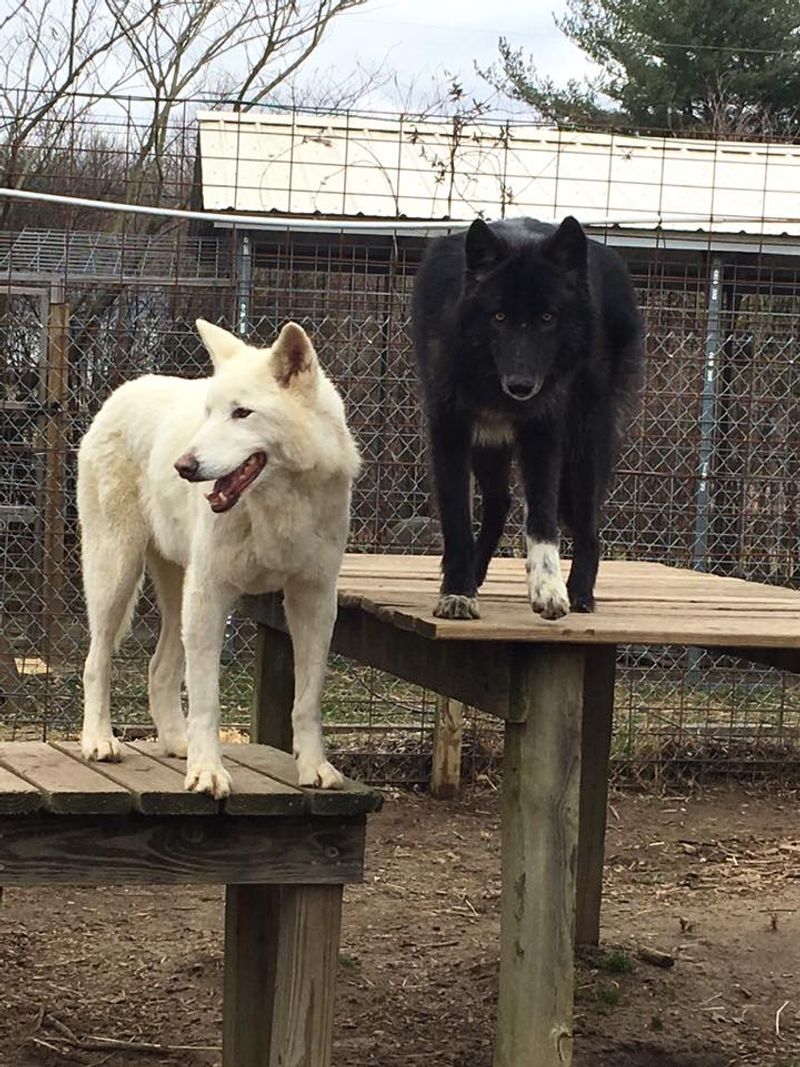
A wolfdog may come over for a closer look, or it may decide that today’s most interesting thing is happening across the enclosure. At Howling Woods Farm, that choice belongs to the animal.
The Jackson rescue and education facility offers guided visits that introduce guests to its wolfdogs and explain what life with these striking animals actually requires. You get the thrill of seeing them up close, along with a better understanding of why their needs can be difficult for an ordinary household to meet.
The visit feels personal because the guides know the animals as individuals. One might approach readily while another keeps its distance, and watching those differences is part of the experience.
If an interaction is possible, staff direct it; guests should not arrive expecting a guaranteed cuddle or a photo with every resident. That makes a willing greeting all the more memorable.
Plan this one ahead. Howling Woods Farm takes visitors by appointment, and children must be at least 10 years old.
Wear clothes suited to an outdoor animal facility and give yourself time to listen as well as look. By the end, the wolfdogs’ faces will probably be what you remember first.
Their distinct personalities, and the rescue work behind their care, tend to stay with you longer.
2. Tamerlaine Sanctuary & Preserve – Montague
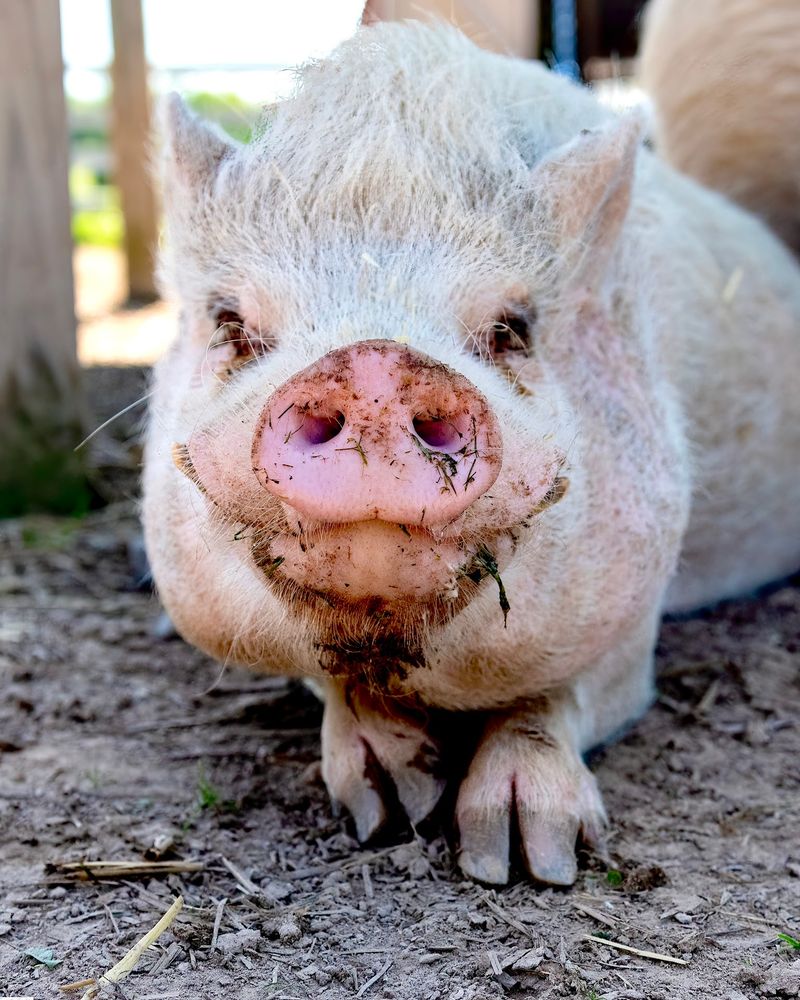
The first animal to catch your eye at Tamerlaine might be a cow in a pasture. Then a goat wanders into view, a turkey makes its presence known, and you realize there is no single star of this Montague sanctuary.
Its rescued residents include farm animals with different backgrounds and habits, all living on a large property of meadows, paddocks, and barns. A tour gives you room to meet some of them while learning how they came to be here.
Their stories are central to the visit. Guides introduce animals as individuals rather than treating a whole pasture as one exhibit, which changes the way you look at the next pig or chicken you encounter.
Some residents are sociable; others are best appreciated from a little farther away. There is plenty to take in even when you are standing still, from the movements of a group of birds to the way a much larger animal quietly takes up space beside you.
Public tours run on selected dates, so reserve a place before making the trip to this far corner of Sussex County. Come ready to walk outdoors and let the guide set the pace around the animals.
Tamerlaine works especially well for someone who wants an animal encounter with a story attached: you leave remembering particular residents, not just a count of how many you saw.
3. Woodford Cedar Run Wildlife Refuge – Medford
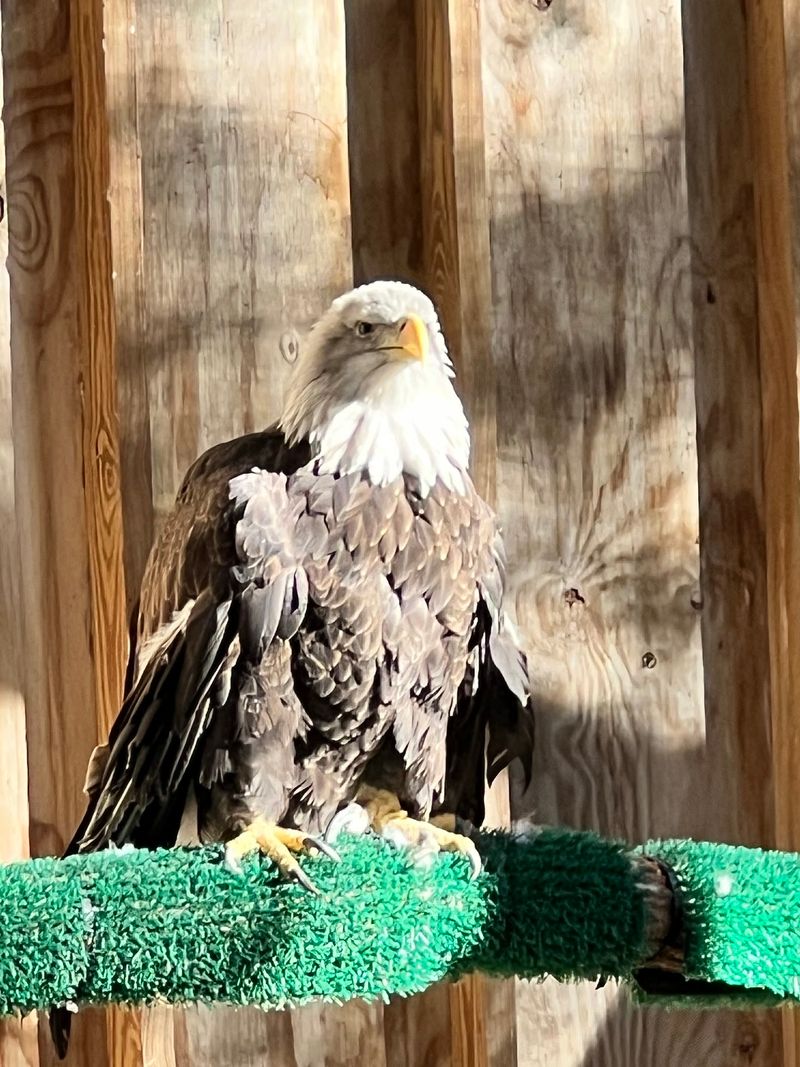
An owl watches from its perch while you are still deciding where to look next. That close view of a New Jersey native is one reason to visit Woodford Cedar Run Wildlife Refuge, but the Medford site has more to offer than its resident animals.
It is also a nature center and a protected stretch of Pinelands habitat, so the walk between exhibits feels connected to the wildlife you came to see. Begin inside the Nature Center, where the Reptile Room houses live snakes and turtles.
Then follow the trail around Cedar Run Lake toward the outdoor Wildlife Housing Area. The animals living there cannot be returned to the wild, and their presence lets visitors see species such as hawks, owls, and foxes at a pace rarely possible during a chance encounter in the woods.
The refuge also cares for wild animals through its rehabilitation hospital, although the hospital is separate from a regular visitor outing. Give yourself time for both parts of the visit.
Anyone eager to see the resident wildlife can spend a while at the housing area; anyone whose curiosity keeps growing can continue along the trails. The ground and weather will shape the outdoor portion, so comfortable walking shoes are a sensible choice.
Cedar Run’s particular appeal is that you can meet animals from the region, then step into the kind of landscape those species depend on.
4. Popcorn Park Animal Refuge – Forked River
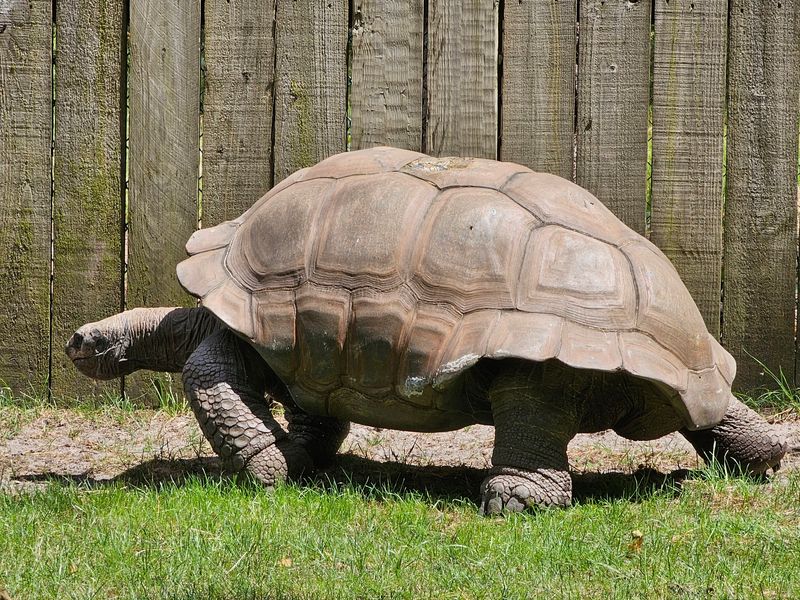
It is hard to predict which resident will hold your attention longest at Popcorn Park. The Forked River refuge cares for a varied group of rescued animals and birds, and its walkable layout makes it easy to slow down when one catches your eye.
The organization provides a permanent home for animals that need ongoing care, so the outing carries a different feeling from an attraction built around a changing roster of exhibits. Give the quieter residents as much time as the obvious scene-stealers.
A bird’s movement or an animal resting comfortably can be more interesting when you stop to watch for a minute instead of hurrying to the next enclosure. Popcorn Park also has an animal shelter at its Forked River facility, though a refuge visit stands on its own; you do not need to be looking to adopt to appreciate the work being done here.
This is a good choice for a group with different ages and attention spans. You can walk at your own pace, pause when someone has a question, and let the animals determine which stops become the favorites.
Check the current visiting arrangements before heading out, particularly if you are planning around a special event. The most rewarding way to see Popcorn Park is to leave the schedule loose enough for a resident you had never heard of to become the reason everyone talks about the trip afterward.
5. Abma’s Farm – Wyckoff
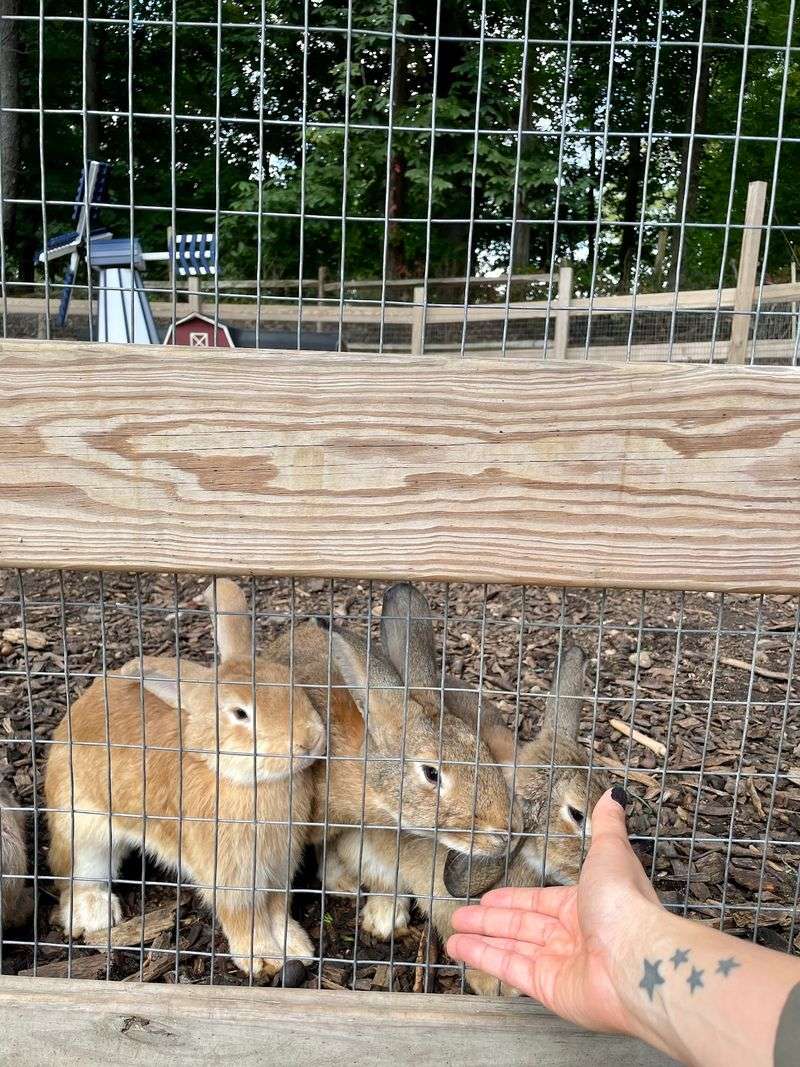
Follow the path past the Golden Goat Bridge, and it becomes clear that the barnyard is more than a quick add-on to a farm-market stop. At Abma’s Farm in Wyckoff, goats, sheep, pigs, cows, and alpacas are among the animals visitors can see.
There is also a duck pond and Bunnyville, giving younger guests several good reasons to ask for “one more minute” before leaving. This is an easygoing outing: wander the barnyard, watch what the animals are doing, and buy approved feed if you want to take part in feeding where permitted.
The farm market makes a natural second stop, whether you came primarily for the animals or planned to pick up something for dinner. Abma’s has deep roots in Wyckoff, but the pleasure of visiting is immediate.
There is a lot going on within a fairly compact farm visit, and no one needs a guided tour to decide which animal deserves a return trip around the path. Head to the Wyckoff location specifically for this barnyard experience; Abma’s also operates in Hillsborough.
The animal area has its own admission arrangements, and the farm closes on Sundays, so it pays to check before you go. Bring children who want to look closely at familiar farm animals, or come with a friend who insists the alpacas will be the highlight.
There is a decent chance the goats will challenge that prediction.
6. Bluebird Farm Alpacas – Peapack
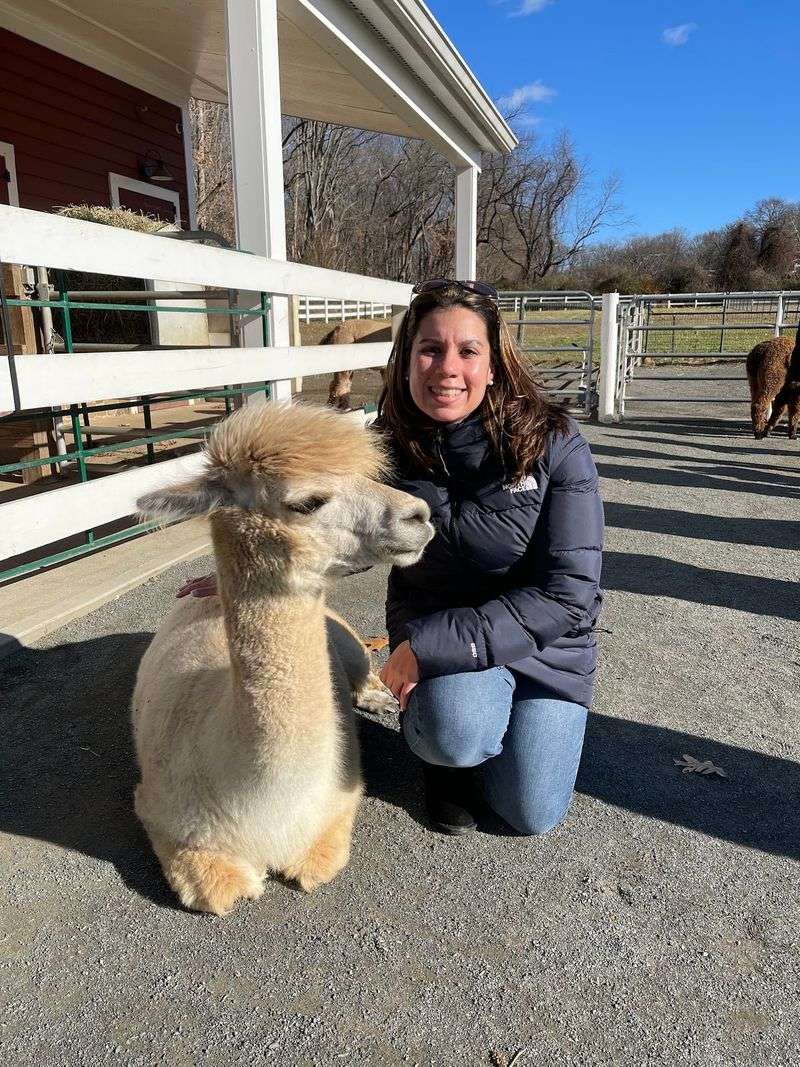
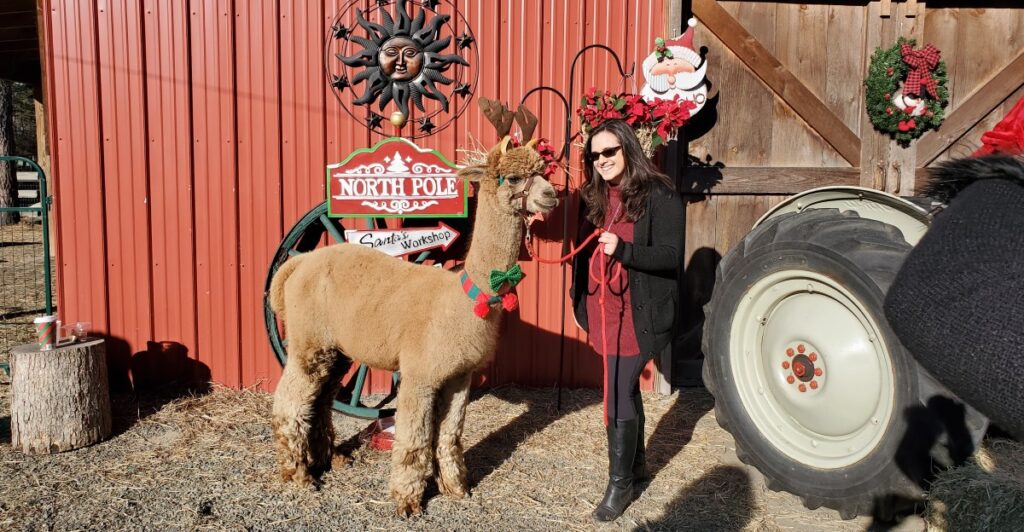
An alpaca walk sounds straightforward until you discover that your walking companion has opinions about the pace. Bluebird Farm Alpacas in Peapack offers guided experiences that bring visitors close to its herd, including farm visits and walks.
It is a chance to spend time with these animals beyond a brief look over a fence and to learn why the farm staff know each member of the herd so well. The encounter is the main event here.
During a guided visit, you can meet alpacas in their pens while a staff member explains their behavior and answers the questions that tend to appear as soon as one turns its head toward you. The Somerset Hills setting adds room to breathe, but the alpacas keep your attention firmly on the farm.
Watch how they respond to one another and to visitors; even someone who arrived mostly hoping for a photograph can find themselves absorbed in the small differences between them. Book the experience you want before setting out.
A farm tour and an alpaca walk make for different visits, and a reserved time gives you a clearer plan than simply arriving at the gate. Dress for an outdoor farm rather than a polished indoor attraction.
Bluebird is a particularly good pick if you want one kind of animal to be the focus of the whole outing, with enough time to get past “They’re adorable” and start noticing their personalities.
7. Out of Sight Alpacas – Waretown
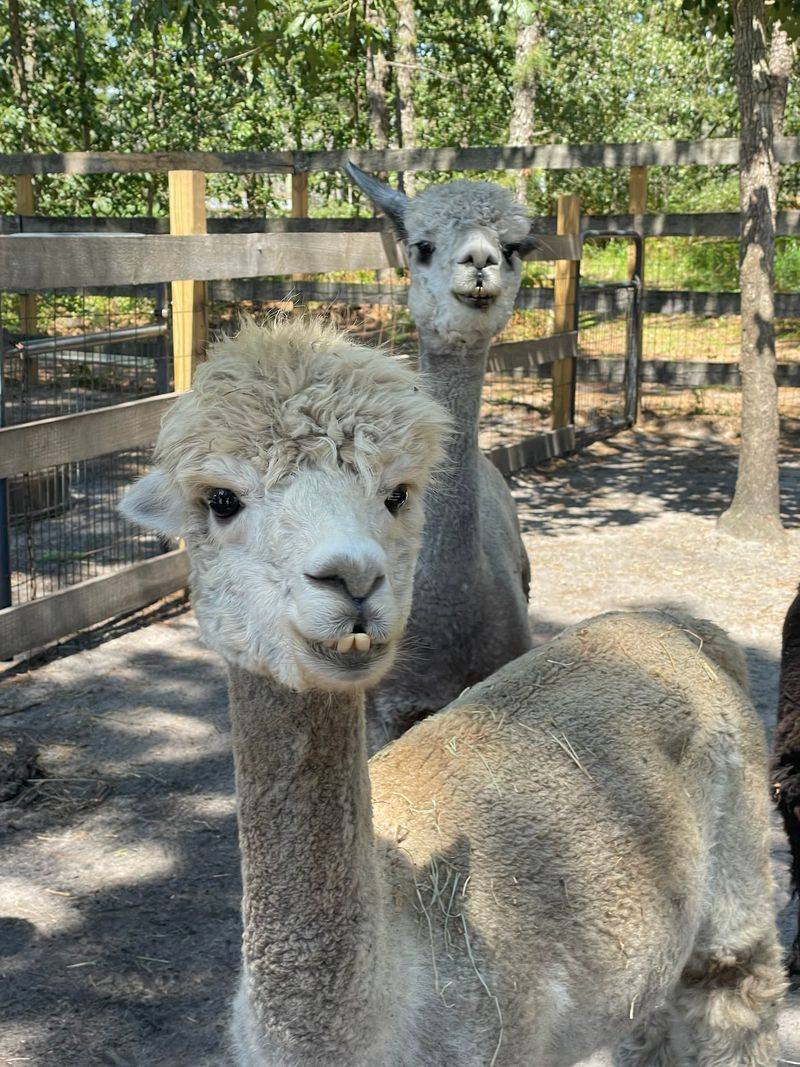
Alpacas may be in the name, but a tour at this Waretown farm can introduce you to a much broader cast. Out of Sight Alpacas lists miniature Highland cattle, sheep, goats, mules, turkeys, rabbits, emus, ducks, and chickens among the animals visitors may meet.
That variety gives the outing a pleasant unpredictability: the animal you came for might lose top billing before the tour is over. Guided farm tours let staff lead the introductions, while alpaca hikes offer a different way to spend time with the herd.
The choice matters. If someone in your group wants to see as many animals as possible, start with the farm tour.
If walking with an alpaca is the story you want to bring home, look at the hike offerings instead. Either way, this feels like a visit to a working animal farm where you are invited to pay attention, ask questions, and follow the animals’ lead.
Out of Sight is on Wells Mills Road in Waretown, making it a possible animal-centered stop during an Ocean County day out. Reserve a tour or check the event schedule before driving over; the gift shop opens in connection with tours and events or by appointment.
Wear shoes that can handle farm ground, and resist the urge to rush through the introductions. With this many species in one place, the unexpected favorite is often waiting near the end.
8. Howell Living History Farm – Hopewell Township
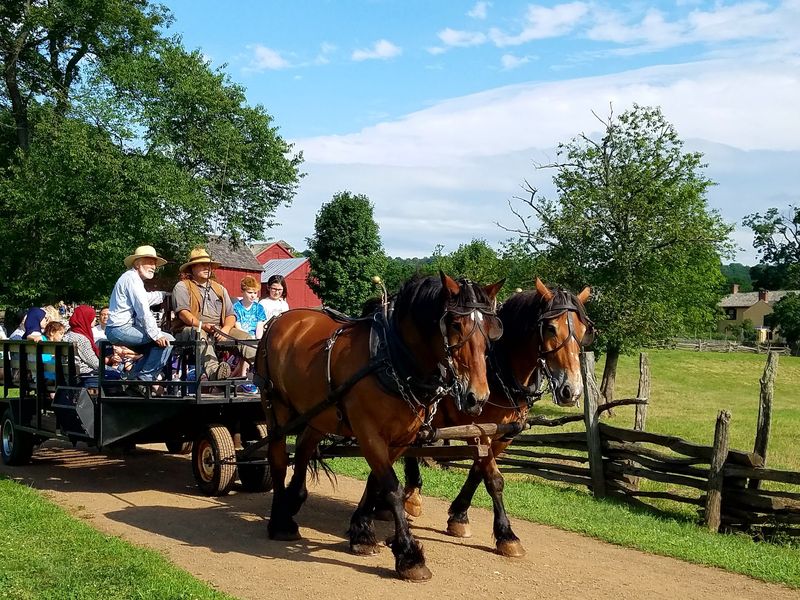
A draft horse at work makes the year 1900 feel much closer than any date on a sign. At Howell Living History Farm, animals are part of the farming itself.
Historic breeds of horses, cows, sheep, chickens, and other livestock help show how a family farm operated when animal power and daily chores were essential to getting food on the table. Visitors can watch that work and, during some programs, help with tasks such as mixing feed or collecting eggs.
The farm occupies a rural stretch of Hopewell Township near Lambertville. Its fields, barns, and lanes reward a leisurely walk, especially when a scheduled activity gives you a closer look at a particular job.
Sheep shearing, for instance, reveals a whole process behind the wool; horse-powered fieldwork shows just how closely a farmer and animal had to work together. The animals are neither decorations nor props.
Their needs and the day’s conditions help determine what happens on the farm. Check the activity calendar before visiting if there is something specific you hope to see.
It is also worth coming without an elaborate plan and letting the day’s work surprise you. Howell suits anyone who enjoys animals and wants to understand what they did, and still do, on a farm.
By the time you leave, the sight of a horse crossing a field may have told you more than an entire wall of historical dates.
9. Fosterfields Living Historical Farm – Morristown
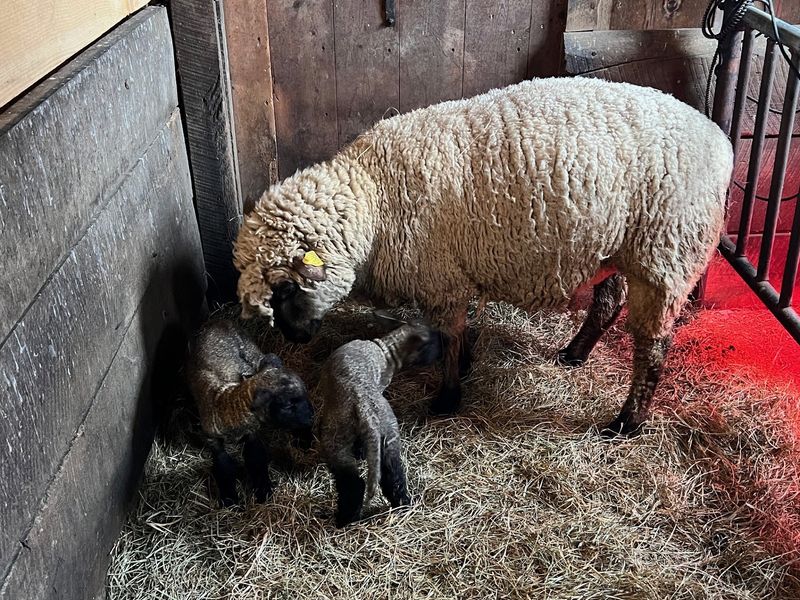
A chicken coop can start a surprisingly long conversation at Fosterfields. Children notice the birds first; soon someone is asking about eggs, feed, or what all the other animals contribute to the farm.
This Morristown living-history site lets visitors explore at their own pace while learning about farm life around the turn of the 20th century. Cows, sheep, goats, pigs, chickens, horses, ducks, and turkeys are among the animals associated with the farm.
Start at the Visitor Center, then make the short walk to the farm. You can take in the buildings and fields between animal stops, which helps place each resident in a bigger picture of daily work.
Depending on the program, visitors may also get a chance to try a farm task. Even without that, seeing several species on one historic property makes this a satisfying outing for someone who wants more than a quick animal encounter.
Fosterfields is close enough to downtown Morristown to pair with another stop, but give the farm its own unhurried stretch of the day. Admission and programming can vary, so check the current schedule if a guided activity is important to your plans.
The appeal is in connecting the ordinary details: a bird in the yard, an old piece of equipment, a field still being used. Together they make the animals’ role in farm life much easier to picture.
10. Historic Longstreet Farm – Holmdel
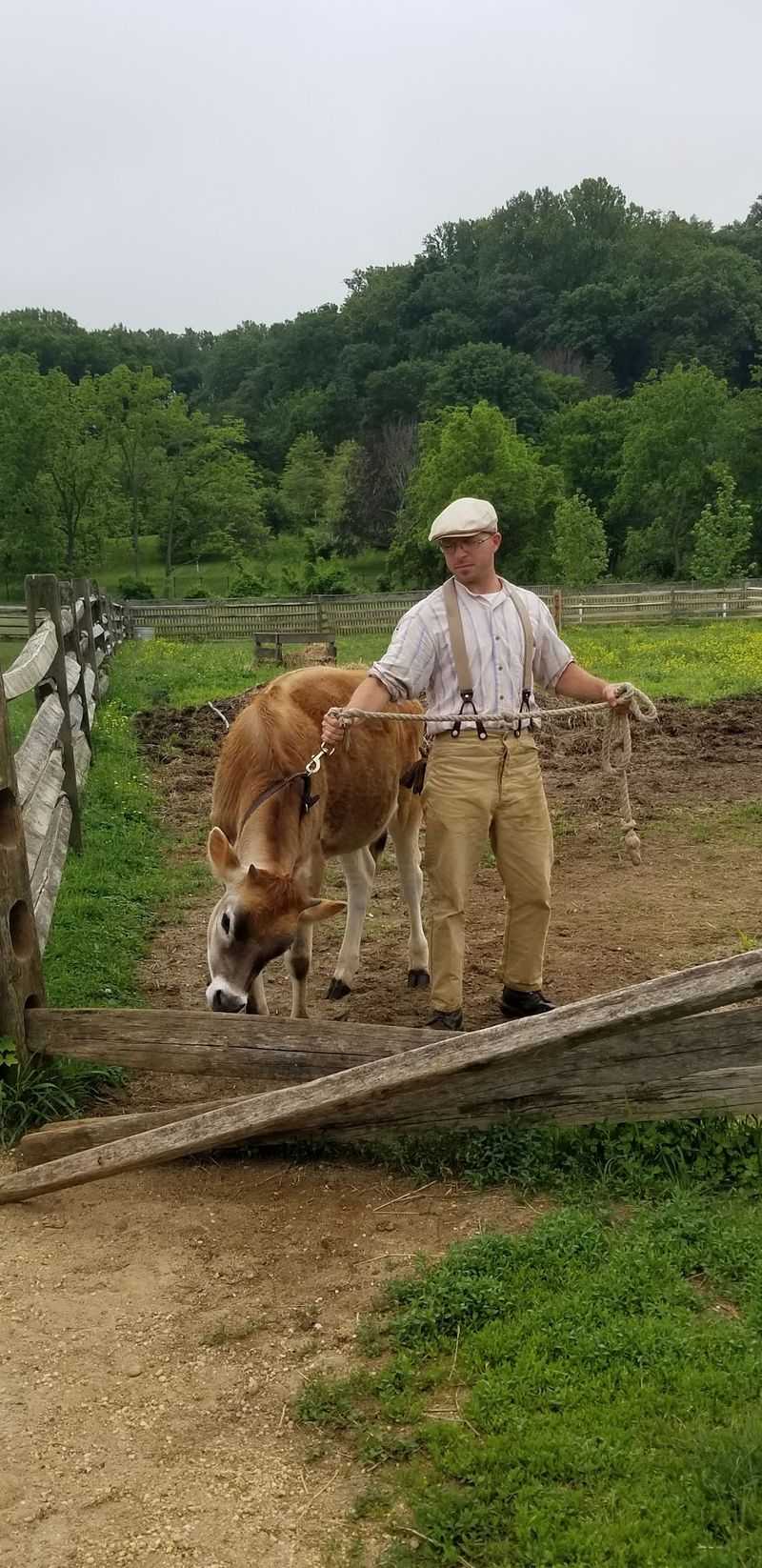
The sound of hooves belongs here. Historic Longstreet Farm recreates agricultural life in the 1890s, when horses and other livestock were woven into the work of a Monmouth County farm.
Costumed staff use period methods to tend animals, plant, harvest, and carry out daily tasks. You are watching a place in motion, where the barns and equipment matter because someone still puts them to use.
The farm sits within Holmdel Park, so a visit can be as focused or as roomy as you like. Follow the activity around the buildings, look into the working areas open to visitors, and watch how an animal fits into a task that a machine might handle today.
Horses and mules worked the fields, dairy cows provided milk, and chickens, pigs, and sheep filled other roles in the farm economy. The point is to see that relationship in action, with all the pauses and practical decisions real work requires.
Come prepared to spend some time outdoors and pay attention to what the staff are doing rather than expecting a petting session. Programs change through the year, so a return visit may show a different side of the farm.
Longstreet is especially rewarding for animal lovers who have wondered what a working partnership between people and livestock looked like before tractors took over the fields.
11. The Wetlands Institute – Stone Harbor
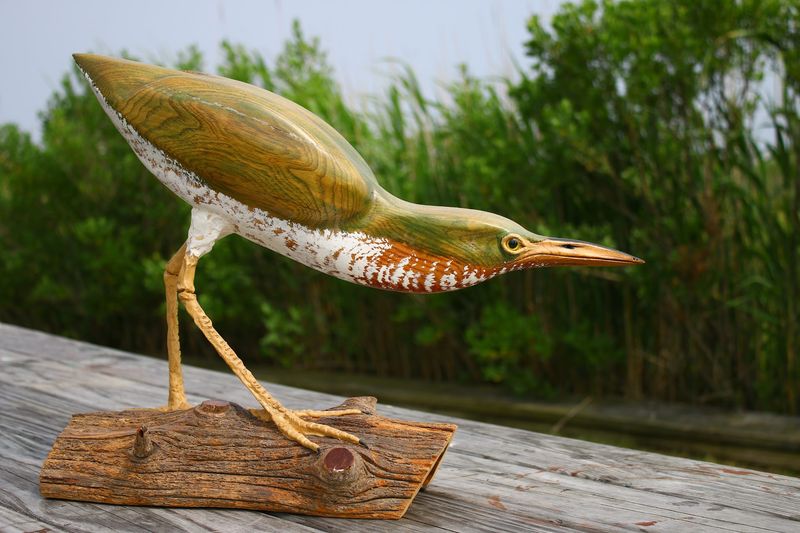
A horseshoe crab in a tank looks wonderfully strange. Step outside The Wetlands Institute, and the marsh gives that animal a place in a much larger story.
This Stone Harbor center combines live exhibits with views over the coastal habitat, letting visitors meet some local creatures up close before looking for wildlife across the wetlands. Its aquarium features marsh animals, while Terrapin Station focuses attention on diamondback terrapins and horseshoe crabs.
Take time with the smaller exhibits. Fish, crabs, and other creatures collected in New Jersey waters can be easy to overlook if you arrive thinking only of bigger animals.
Here, a close view helps you spot details that would be almost impossible to catch from a boardwalk over the marsh. Then head to the observation areas and see what is moving outside.
Wild sightings depend on season and luck, which makes the contrast with the indoor encounters part of the appeal. Programs and animal presentations vary through the year, so check what is offered for the day you plan to visit.
You can build a visit around an activity or simply leave enough time to explore both the exhibits and the outdoor views. For anyone who has passed a Jersey Shore marsh without stopping, the institute offers an excellent reason to pull over and find out who lives there.
12. Edwin B. Forsythe National Wildlife Refuge – Oceanville
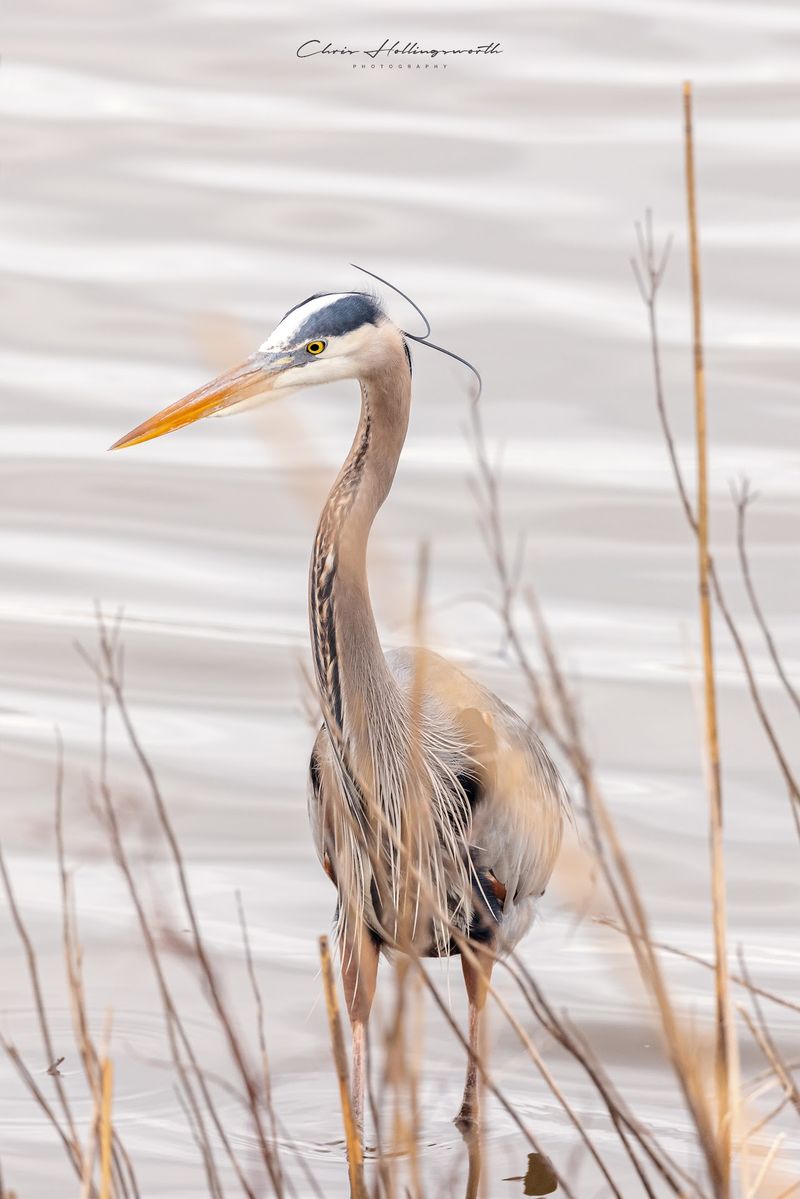
A line of birds along the water can bring an entire car to a quiet halt. At Edwin B.
Forsythe National Wildlife Refuge, that is exactly the idea. The eight-mile Wildlife Drive near the Oceanville headquarters runs through coastal habitat managed for migratory birds, giving visitors a way to watch without needing to cover a long trail on foot.
There are also walking routes for those who would rather step out and explore. This is the wildest encounter on the list, so nobody can promise a particular species on a particular day.
What you can count on is a landscape worth watching: open water, marsh edges, and the constant possibility that something will move just as you decide to look again. Bring binoculars if you have them.
Drive slowly, use the designated places to stop, and give yourself more time than the mileage suggests. Eight miles can take a while when every bend invites another look.
The refuge lies on the Atlantic Flyway, and migration gives repeat visits a different character through the year. Its Visitor Information Center is a useful starting point for learning about the habitat and planning your route.
Go with a short wish list if you like, but leave room for the bird you cannot identify at first glance. At Forsythe, the best sighting is often the one that makes you curious enough to keep watching.
13. Adventure Aquarium – Camden
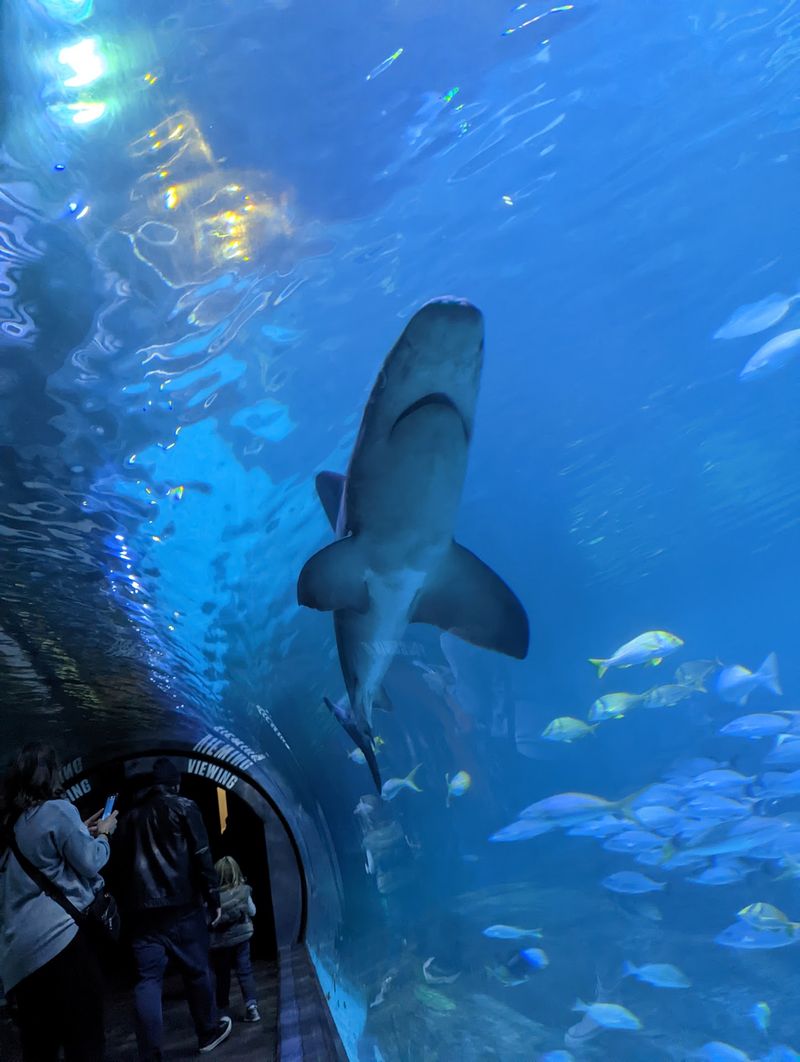
A bridge suspended inches above sharks is an effective way to discover who in your group is braver than they claimed. Camden’s Adventure Aquarium has plenty to see from firm ground, but Shark Bridge gives visitors an unusually close view over the animals below.
Beyond it are sea turtles, penguins, and Button and Genny, the Nile hippos that make this aquarium a particularly unexpected stop on an animal outing. The range makes it easy to build a visit around different interests.
Someone fascinated by sharks can spend time at Shark Realm; a penguin enthusiast can look for both species on display; and the hippos have a way of attracting even visitors who thought they came only for marine life.
Touch exhibits offer a more hands-on experience, while separately booked encounters and tours can add a closer look at animal care or particular species.
Check what each ticket includes before promising an encounter to anyone in your party. Set aside enough time to circle back to a favorite exhibit.
An animal that was resting on your first pass may be swimming or feeding later, and a second look often beats trying to rush through everything once. Adventure Aquarium is the pick for a day when you want the certainty of seeing many animals, with the pleasant surprise of meeting a hippo on a trip you thought would be all about fish.
Share this story