North Carolina is full of places where history does not feel locked away in a book. Across the state, old cabins, mill houses, churches, trails, and town streets help visitors picture how people worked, traveled, worshiped, farmed, and built communities long before today.
Historic villages are special because they let families slow down, look closely, and ask simple questions, like how a miner found gold, how a mill worker spent a Saturday, or how a town helped shape freedom during the American Revolution. From the Piedmont to the eastern plains, these six North Carolina villages and historic sites offer easy ways to connect with the past while enjoying fresh air, local stories, and places that still feel alive.
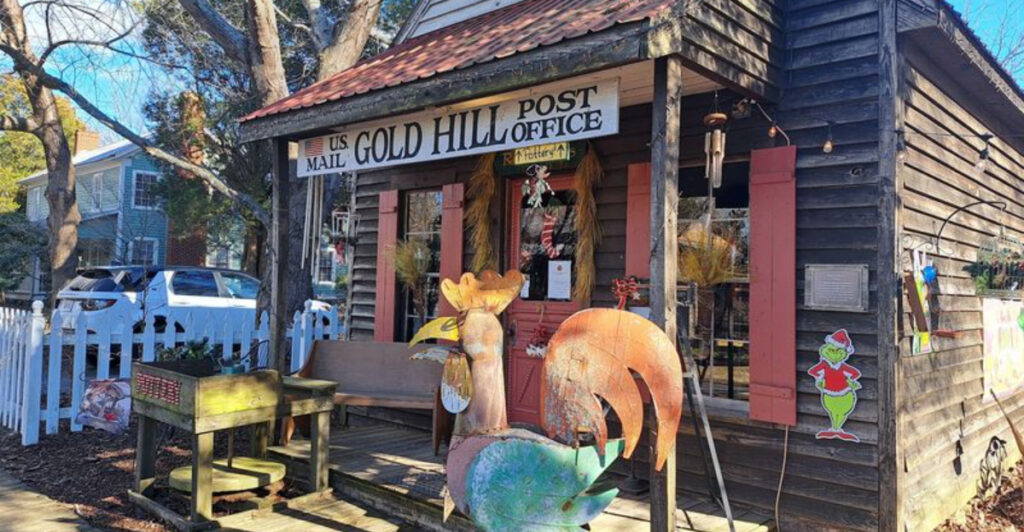
1. Gold Hill Mines Historic Park (Gold Hill)
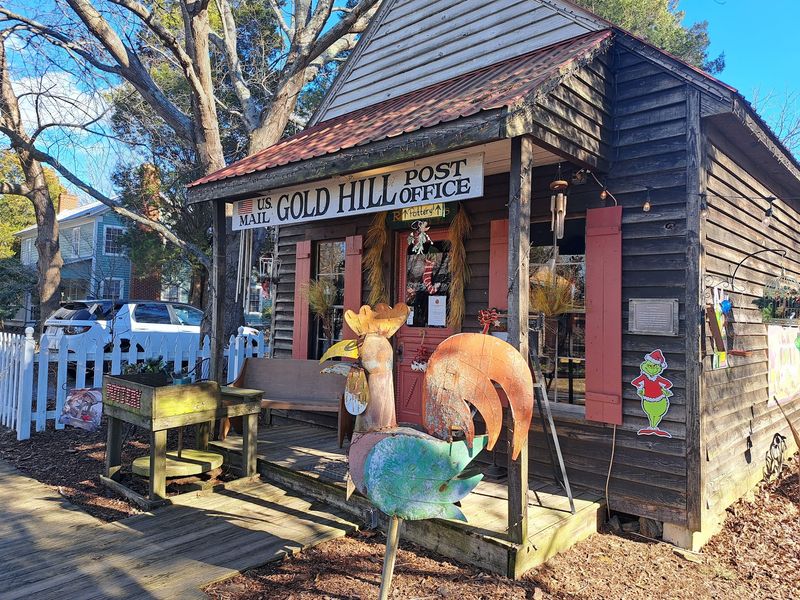
A rusty rail line, a quiet trail, and the thought of hidden gold can make a walk feel like a treasure hunt.
Gold Hill Mines Historic Park in Rowan County tells the story of one of North Carolina’s most exciting mining communities, where people once chased gold deep underground.
Before the California Gold Rush became famous, North Carolina already had gold fever.
Gold Hill grew in the 1800s around mines such as the Randolph and Barnhardt shafts, and workers came hoping for steady pay or a lucky break.
Today, visitors can see mine sites, old foundations, and outdoor displays that explain how hard the work really was.
The park is a good place for families because it mixes history with room to move.
Trails wind through shaded woods, past remains of the mining era, and toward markers that help you imagine wagons, tools, and busy workers.
Wear comfortable shoes, since the paths can be uneven and are best enjoyed at a slow pace.
A smart visit starts at the village area, where historic buildings, small shops, and community events often add life to the old setting.
Check local schedules before you go, especially if you hope to catch a festival, guided program, or music event.
Gold Hill is more than a park, since the surrounding village still has a friendly, small-town feel.
Children may enjoy comparing mining life with their own daily routines.
Ask them how they would feel going underground by candlelight or hauling heavy rock for hours.
Questions like that turn a simple walk into a real history lesson.
Bring water, use sun protection, and plan extra time for photos.
The best part is how the site shows both the hope and the hardship of the gold rush.
Gold Hill reminds visitors that North Carolina’s past was not only about farms and towns, but also bold dreams buried beneath red clay.
2. Hart Square Village (Vale)
Smoke curling from a cabin chimney can make Hart Square Village feel like someone just stepped out to fetch water.
Tucked in Vale, this remarkable collection of log buildings gives visitors a close look at everyday life in the Carolina backcountry.
The village was created through the work of Dr. Robert Hart, who saved and moved many historic structures from nearby areas.
Instead of one lonely cabin, the site has dozens of buildings, including homes, a chapel, barns, workshops, and a school.
Together, they help show how neighbors depended on one another before grocery stores, power lines, and fast roads.
Walking here feels different from reading a date on a plaque.
You can notice the low doorways, simple beds, handmade tools, and fireplaces that once kept families warm.
Those details help explain how much time people spent growing food, mending clothes, cooking meals, and caring for animals.
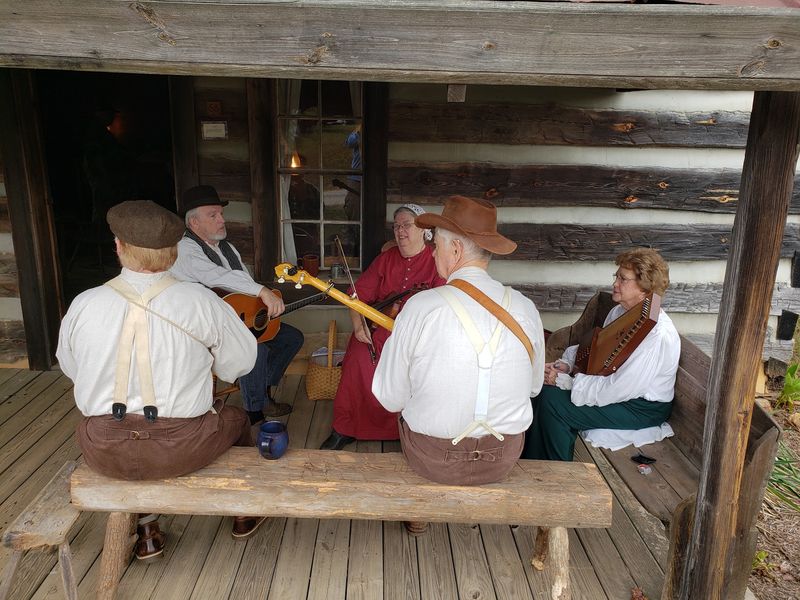
Hart Square is especially known for its living history events.
During special open days, skilled demonstrators may show blacksmithing, weaving, cooking, broom making, music, or other old-time crafts.
If you want the fullest experience, look ahead for ticketed events, because access can be limited outside scheduled programs.
For kids, the village can spark fun comparisons.
A one-room schoolhouse makes modern classrooms seem very different, and a cabin kitchen can start a conversation about chores.
Encourage younger visitors to pick one building and imagine a full day there, from sunrise to bedtime.
Good walking shoes are helpful because the site covers open ground and natural paths.
Bring a camera, but also take a few moments without one, since the quiet setting is part of the charm.
The village rewards patient visitors who enjoy small details.
What makes Hart Square stand out is its sense of care.
Each building feels like a rescued piece of North Carolina memory.
By preserving homes and work spaces from earlier communities, the village helps people understand not just what history looked like, but how it may have sounded, smelled, and felt.
3. Old Waynesborough Park (Goldsboro)
Some places whisper instead of shout, and Old Waynesborough Park is one of them.
Near Goldsboro, this peaceful site marks the area where the town of Waynesborough once served as the Wayne County seat before history shifted around it.
The park sits near the Neuse River, which was once an important route for trade and travel.
In the 1800s, rivers were like highways, moving goods, news, and people through eastern North Carolina.
Waynesborough grew because of that connection, but later changes in transportation and town planning left the old community behind.
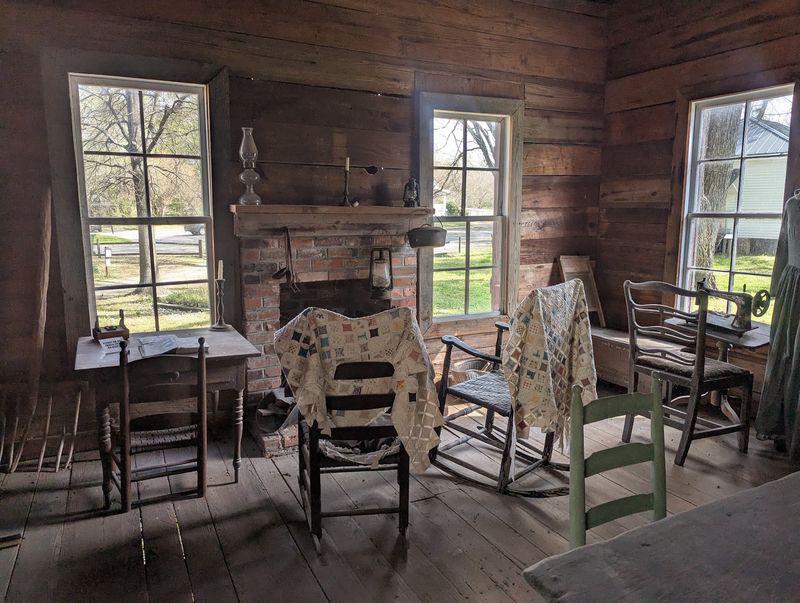
Today, visitors find a mix of historic buildings, walking trails, and quiet outdoor spaces.
Some structures were moved to the park to help tell the larger story of life in the region.
They include buildings that reflect school, church, home, and community life from earlier times.
A visit works well for people who like history without a crowded museum feeling.
You can stroll between buildings, read signs, and picture how a small river town might have looked when courthouse business, church gatherings, and family errands brought people together.
The open setting also makes it easy to pause and talk about what you see.
Families may want to pair the historic area with a nature walk.
The trails give children a chance to stretch their legs while adults enjoy the landscape.
Since the grounds are outdoors, check the weather and bring bug spray during warm months.
Old Waynesborough also offers a useful lesson about change.
Towns do not always grow in straight lines, and some important places fade when railroads, roads, or county decisions move activity somewhere else.
That idea can help visitors understand why historic preservation matters.
Plan for a relaxed pace rather than a rushed stop.
The park is best when you let your imagination fill in the missing streets, wagons, and voices.
Old Waynesborough Park brings North Carolina’s local history down to a human size, showing how ordinary places can carry stories of movement, work, worship, and community pride.
4. Halifax State Historic Site (Halifax)
One bold decision put Halifax on the map of American history.
In April 1776, leaders from North Carolina met there and supported independence from Great Britain, making the town a key place in the story of the Revolution.
Halifax State Historic Site helps visitors understand that big national events often began in small towns.
The Halifax Resolves, adopted before the Declaration of Independence, gave North Carolina’s delegates permission to vote for freedom.
That fact makes the site a powerful stop for anyone curious about how the United States took shape.
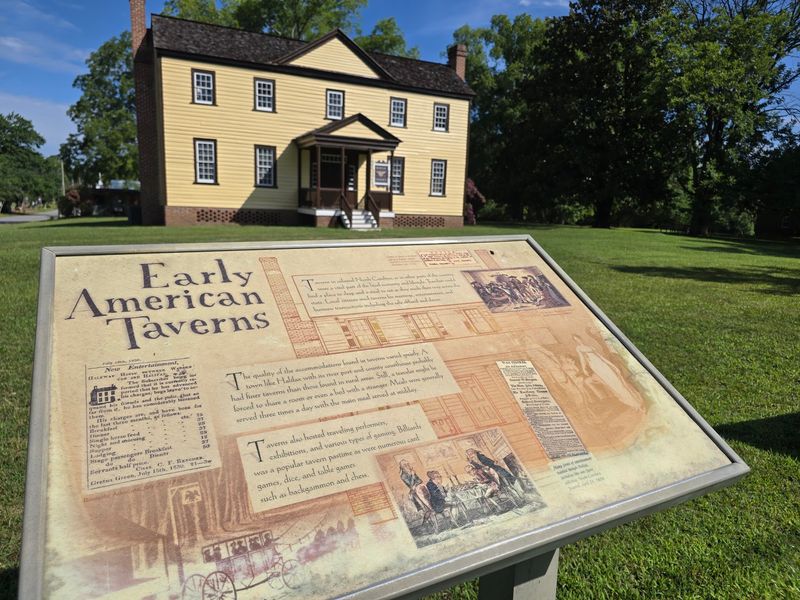
The historic area includes restored and reconstructed buildings that show different parts of colonial and early American life.
You may see homes, public spaces, and exhibits that explain politics, trade, and daily routines.
Instead of only focusing on famous leaders, the site also helps visitors think about craftspeople, families, enslaved people, and others who lived through uncertain times.
Start at the visitor center if it is open, since maps and exhibits can make the town easier to understand.
Staff or guides may explain which buildings are available and what programs are planned that day.
A little background makes the outdoor walk much more meaningful.
For students, Halifax is a strong place to connect classroom lessons with real ground.
Standing where leaders debated independence makes dates feel less distant.
Parents can ask simple questions, such as what risks people faced when they supported breaking away from British rule.
The town setting is calm, so leave time to walk slowly and read the markers.
Comfortable shoes are useful, especially if you plan to explore several buildings.
Because many parts of the visit are outdoors, spring and fall can be especially pleasant.
A fun history bit is that North Carolina’s action at Halifax came months before July 4, 1776.
That early step showed courage and helped push the colonies toward independence.
Halifax State Historic Site brings the past to life by showing that freedom was not a sudden idea, but a series of choices made by real people in real communities.
5. Carl J. McEwen Historic Village (Mint Hill)
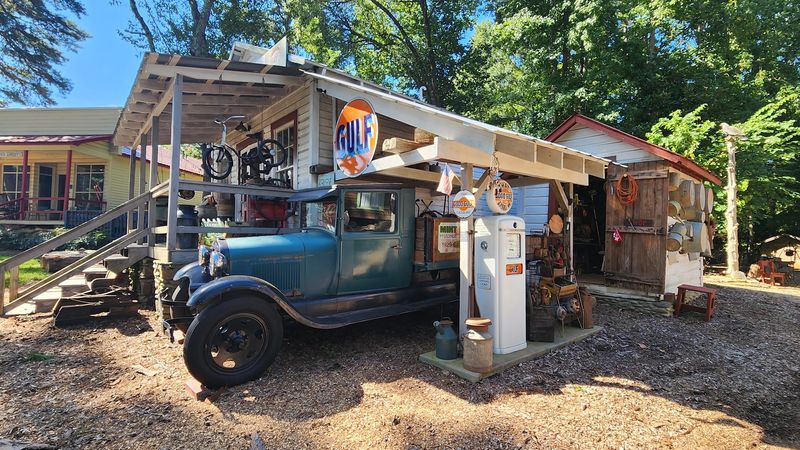
A country doctor’s office, an old schoolroom, and a quiet lane can turn a short visit into a trip through a neighbor’s photo album.
Carl J. McEwen Historic Village in Mint Hill keeps local history close, personal, and easy to picture.
The village is part of the Mint Hill Historical Society’s work to protect buildings and stories from the area.
Rather than showing only grand mansions or famous battle sites, it focuses on the daily life of a North Carolina community.
That makes it especially useful for understanding how ordinary people learned, worked, healed, worshiped, and helped one another.
Visitors may find structures such as a country store, schoolhouse, doctor’s office, blacksmith shop, and other preserved or recreated spaces.
Each building adds a piece to the puzzle of small-town life.
A simple desk, a shelf of tools, or an old medical bottle can say a lot about how people solved problems before modern services were nearby.
This village is a good choice for families who want a manageable outing.
It is not so large that younger children feel worn out, but it has enough variety to keep them curious.
Ask kids to choose which job from the village they would try for a day, then talk about what skills they would need.
Check the historical society’s hours before visiting, because small historic sites often depend on volunteers and special openings.
Events, tours, and heritage days can add demonstrations or extra access.
Planning ahead helps avoid disappointment and gives you the best chance to meet people who know the stories well.
The tone here is friendly and local, almost like visiting a carefully saved piece of town memory.
Mint Hill has grown over time, but the village helps keep its roots visible.
It reminds visitors that history is not only made in capitals or battlefields.
Bring curiosity, not just a camera.
The Carl J. McEwen Historic Village shows how community life was built from small acts, teaching lessons, fixing wagons, treating fevers, selling supplies, and gathering with neighbors.
That simple truth is what makes the place so memorable.
6. Henry River Mill Village (Hickory)
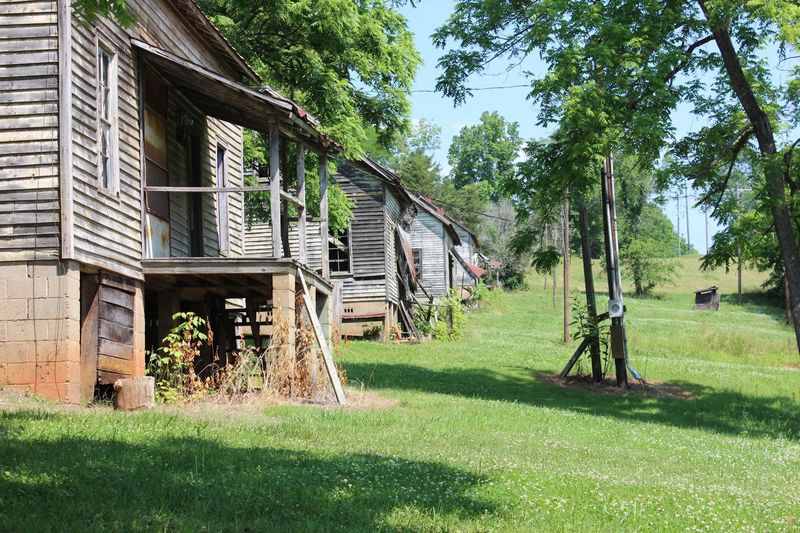
Rows of small mill houses can tell a big story if you know how to look.
Henry River Mill Village near Hickory is one of North Carolina’s most striking reminders of the textile era that shaped many Piedmont communities.
The village began in the early 1900s as a company mill town.
Workers lived close to the mill, bought goods nearby, and built social lives around the rhythm of factory work.
For many families, the sound of the mill whistle guided the day as clearly as a school bell or alarm clock.
Henry River is known for its preserved houses and brick company store, which help visitors picture life in a planned industrial village.
The setting feels a little haunting in the best way, because the buildings show both hard labor and close community ties.
People worked long hours, but they also formed friendships, raised children, shared news, and created routines.
Modern visitors may also recognize the village from film and television, since parts of it were used as a filming location.
That pop culture connection can be fun, but the real value is the history underneath.
The site teaches how textiles changed North Carolina’s economy and pulled many families from farms into factory-centered towns.
Because this is a historic property with old structures, follow posted rules and stay in allowed areas.
Guided tours or organized visits are the best way to learn safely and respectfully.
Old buildings can be fragile, and preservation depends on visitors treating the site with care.
For teens, Henry River can open a strong conversation about work, wages, housing, and company control.
What would it feel like if your job, home, store, and neighbors were all tied to the same business?
That question makes the past feel surprisingly modern.
Take your time noticing porches, windows, roads, and the layout of the village.
Those features show how daily life was arranged around the mill.
Henry River Mill Village brings North Carolina’s industrial past into view, reminding visitors that history is not only about old cabins and courthouses, but also machines, paychecks, families, and change.
Share this story